Category: Business

The most important business news, explained in a young, easy to understand way. News that affects young career professionals.

  • FBR collects Rs5.15 trillion in taxes in less than eight months

    FBR collects Rs5.15 trillion in taxes in less than eight months

    The Federal Board of Revenue (FBR) has revealed that it has achieved a remarkable milestone by collecting revenue amounting to Rs5.15 trillion from July 2023 to mid-February 2024.

    This represents a substantial 30 per cent increase compared to the same period in the previous fiscal year, according to an official press release.

    The report indicates that the growth in tax revenue is attributed to a comprehensive strategy employed by the FBR, with a keen focus on both domestic and import taxes.

    Tax refunds during this period witnessed a substantial 28 per cent growth, further contributing to the positive financial trajectory.

    A breakdown of the month-wise revenue collection for the period from July 2023 to January 2024 reveals that overall growth in domestic taxes reached an impressive 40 per cent. Concurrently, import duty and related taxes experienced a significant uptick of 16 per cent.

    The surge in revenue collection aligns with the revival of the Gross Domestic Product (GDP) and increased scrutiny of FBR’s collection processes.

    However, growth in import taxes faced challenges, primarily due to downward adjustments in import tariffs over the years and recent restrictions on import licences imposed by the State Bank of Pakistan to address balance of payments concerns amid foreign exchange constraints.

    The report acknowledges that revenue collection from imports incorporates the impact of improvements in import valuations, resulting in an additional Rs151 billion in collections.

    Additionally, the anti-smuggling drive witnessed a substantial 69 per cent growth in the fiscal year compared to the previous year (FY 22–23).

    Despite these achievements, concerns were raised regarding the decline in the growth of import taxes. This decline is attributed to two main factors: the gradual reduction in import tariffs and recent restrictions on import licenses.

    The need for continued efforts in anti-smuggling activities was emphasised, particularly in Baluchistan, where the customs force currently consists of only 378 personnel.

    Strengthening the enforcement efforts by increasing personnel in this region was suggested as a potential solution.

    The report concludes on a positive note, highlighting that the revenue mobilisation from domestic taxes now accounts for over 64 per cent of the total revenues collected in the current financial year.

    Simultaneously, the share of import taxes has decreased to 36 per cent, marking a significant shift from the 50 per cent share observed just three years ago. This indicates a positive trend in the diversification of revenue sources for the FBR.


  • Factors behind the continuous decline in car financing in Pakistan

    Factors behind the continuous decline in car financing in Pakistan

    In January 2024, the automobile financing sector in Pakistan witnessed a significant downturn, as car financing recorded a notable decrease to Rs246.26 billion.

    This marks a 25.82 per cent year-on-year (YoY) decrease and a 1.98 per cent month-on-month (MoM) decrease compared to Rs331.98 billion in January 2023 and Rs251.25 billion in December 2023, respectively. The latest data from the central bank provides these insights.

    This decline in automobile financing extends to the nineteenth consecutive month, with a total decrease of Rs114.29 billion over the past 19 months.

    Several factors contribute to this decline, including higher interest rates, increased car prices, regulatory restrictions on acquiring loans, and elevated taxes on the import of automobiles and their parts.

    According to the State Bank of Pakistan (SBP) data, consumer financing for house building amounted to Rs207.62 billion by the end of January 2024.

    This reflects a 3.44 per cent YoY decrease compared to Rs215 billion in the same month last year. Looking at monthly changes, financing for house building saw a marginal 0.26 per cent MoM decrease compared to the previous month’s Rs208.15 billion.

    Financing for personal use stood at Rs243.1 billion, showing a 4.47 per cent YoY decrease and a 0.54 per cent MoM decrease.

    Consequently, the overall credit disbursed to consumers declined to Rs813.96 billion during the review month, registering a fall of 9.04 per cent YoY and 0.52 per cent MoM.

    The outstanding credit to the private sector also experienced a decline, decreasing by 0.76 per cent YoY to Rs8.35 trillion in January 2024. On a monthly basis, this represents a 2.21 per cent decrease compared to the credit of Rs8.54 trillion in December 2023.

    Analysing credit distribution to the private sector, loans to the manufacturing sector amounted to Rs4.81 trillion in the review period, showing a slight 0.33 per cent YoY increase. However, on a monthly basis, there was an 0.89 per cent MoM decline, as December recorded loans to this sector at Rs4.85 trillion.

    Borrowing from the construction sector stood at Rs190.15 billion in January 2024, experiencing a 0.97 per cent YoY decrease and a 5.05 per cent MoM decrease compared to the previous month.

    Looking ahead, the data indicates that loans to the agriculture, forestry, and fishing sectors rose to Rs397.27 billion in the month under review, marking a significant 16.95 per cent YoY increase.

    However, on a sequential basis, loans to this sector recorded a fall of 4.82 per cent MoM.

  • Local market witnesses marginal gain in 24-karat gold prices

    Local market witnesses marginal gain in 24-karat gold prices

    On Tuesday, the 24-karat gold market demonstrated resilience, with a subtle uptick of Rs150 per tola, settling at Rs214,450 per tola.

    According to the Karachi Sarafa Association, the price for 10 grammes of 24-karat gold reached Rs183,856, reflecting a marginal gain of Rs128 compared to the preceding session.

    Simultaneously, the price of 10-gramme 22-karat gold experienced a modest rise, reaching Rs168,535.

    Contrary to the gold market’s movements, silver prices remained steadfast, exhibiting no change.

    The 24-karat silver maintained its position at Rs2,580 per tola, while the 10-gramme silver was traded at Rs2,211.93.

    It is noteworthy that the domestic gold market faced a downturn last week, attributed to a decline in international prices.

    International spot gold, on the other hand, hovered around $2,021, marking a 0.2 per cent change compared to the preceding session.

    As the market watches these fluctuations, all eyes are set on the forthcoming minutes from the Federal Reserve’s January policy meeting, scheduled for release on Wednesday.

    The outcome of this meeting is poised to have a considerable impact on the trajectory of both domestic and international precious metal markets.

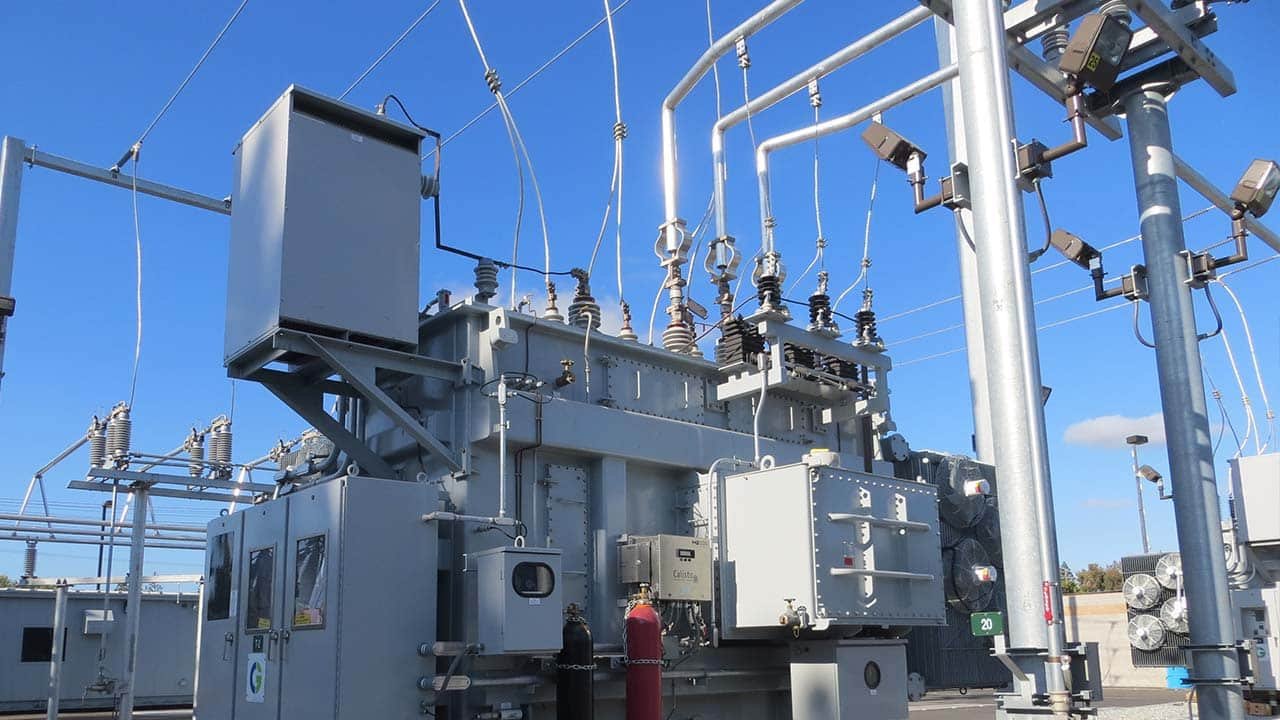
  • Pakistan grapples with 23% surge in power generation costs amidst economic woes

    Pakistan grapples with 23% surge in power generation costs amidst economic woes

    In a startling development, the cost of power generation in Pakistan has surged by a staggering 23 per cent in January 2024, compared to the same period last year, reports the brokerage house Topline Securities.

    The average cost per kilowatt-hour (KWh) soared to Rs13.8, marking a significant increase from Rs11.20/KWh recorded in January 2023.

    The substantial hike in costs is attributed primarily to elevated expenses in power generation from gas and nuclear sources, which witnessed a spike of 43 per cent and 24 per cent, respectively, on a yearly basis. Moreover, the fuel cost for furnace oil (FO) also surged by 22 per cent year-on-year, according to data from Topline Securities.

    This surge comes as a severe blow to the populace, which is already grappling with high inflation and sluggish economic activity. Rising electricity bills have compounded the financial burden on citizens.

    In terms of power generation, Pakistan witnessed a marginal decline of over 2 per cent in January 2024 compared to the same period last year, with total generation amounting to 8,313 GWh (11,175 MW).

    The decline in power generation was predominantly due to a decrease in coal-based generation, which plummeted by 20 per cent year-on-year. Gas and wind power generation also witnessed declines of 10 per cent and 55 per cent, respectively.

    However, there was a 9 per cent increase in power generation on a monthly basis, indicating some fluctuation in the generation patterns.

    Coal emerged as the primary source of power generation in January 2024, constituting 23.4 per cent of the total generation mix, surpassing nuclear and RLNG (re-gasified liquid natural gas). Nuclear energy accounted for 20.8 per cent of the overall generation, while RLNG contributed 18.2 per cent.

    Renewable sources like wind, bagasse, and solar collectively made up a modest portion of the generation mix, indicating a potential for further development and investment in sustainable energy solutions.

    Overall, the surge in power generation costs coupled with a slight decline in generation highlights the challenges facing Pakistan’s energy sector and underscores the need for strategic measures to ensure an affordable and sustainable power supply in the country.

  • Gold price jumps by Rs1,100 per tola, reaching Rs214,300

    Gold price jumps by Rs1,100 per tola, reaching Rs214,300

    The gold prices in Pakistan continued their upward trajectory, building on gains from the last session of the previous week. On Monday, the price of 24-karat gold surged by Rs1,100 per tola, reaching Rs214,300 per tola.

    According to the Karachi Sarafa Association, the price of 10-gramme 24-karat gold stood at Rs183,728, marking an increase of Rs943 compared to the previous session. Additionally, the price of 10-gramme 22-karat gold rose to Rs168,417.

    In contrast, silver prices remained stable, with 24-karat silver being sold at Rs2,580 per tola and 10-gramme silver trading at Rs2,211.93.

    It is noteworthy that domestic gold ended last week in the red zone due to a decline in international prices. The ongoing uncertainty surrounding the delay in election results also failed to stimulate demand for this safe-haven asset.

    Internationally, spot gold has extended its rally for the third consecutive session, currently trading at $2,021.8. This rebound follows last week’s release of hotter-than-anticipated US inflation data, which initially pushed gold below the $2,000 mark for the first time in two months.

    Given the influence of domestic currency fluctuations on the domestic gold rate, it is crucial to mention that the Pakistani rupee (PKR) concluded its 13-week-long historic winning streak against the US dollar. Last week, the PKR experienced a marginal drop of 8 paisa.

    Since gold is denominated in US dollars, a depreciation of the PKR against the US dollar results in an increase in the value of PKR-denominated gold. The market remains attentive to both global and domestic factors influencing these shifts in precious metal prices.

  • Pakistan’s mobile phone imports skyrocket, surpassing $987 million in first half of FY 23-24

    Pakistan’s mobile phone imports skyrocket, surpassing $987 million in first half of FY 23-24

    Pakistan has witnessed a remarkable surge in mobile phone imports, reaching $987.539 million during the first half (July–January) of the fiscal year 2023–24. 

    This marks a substantial growth of 138.08 per cent compared to the same period in the previous fiscal year, where imports totaled $414.800 million.

    The data, released by the Pakistan Bureau of Statistics (PBS), underscores the country’s increasing reliance on imported mobile devices.

    In January 2024 alone, Pakistan’s mobile phone imports rose by 10.70 per cent on a month-on-month basis, totaling $194.928 million, compared to $176.093 million in December 2023. 

    Year-on-year comparisons reveal an even more staggering growth of 275.15 per cent in January 2024, compared to $51.960 million in January 2023.

    The overall telecom imports into Pakistan during July–January 2023–24 amounted to $1.243 billion, showcasing a robust 93.06 per cent growth compared to the same period in the previous fiscal year. 

    Year-on-year, the growth in overall telecom imports stood at an impressive 197.07 per cent, reaching $232.709 million in January 2024, compared to $78.336 million in January 2023.

    Despite challenges faced by the local manufacturing sector, including a decline of around four per cent in local manufacturing and assembling of mobile handsets during the calendar year 2023, commercial imports of mobile handsets increased. 

    Official data revealed that local manufacturing plants produced 21.28 million mobile handsets in 2023, compared to 21.94 million in 2022 and 24.66 million in 2021. However, commercial imports rose from 1.53 million in 2022 to 1.58 million in 2023.

    Moreover, of the locally manufactured and assembled mobile handsets in 2023, 13 million were 2G devices, and 8.28 million were smartphones. 

    According to the Pakistan Telecommunication Authority (PTA), 59 per cent of mobile devices in Pakistan are smartphones, while 41 per cent are 2G devices.

    Despite the challenges faced by the local manufacturing sector, the significant growth in mobile phone imports underscores Pakistan’s increasing reliance on imported devices, contributing to the country’s evolving telecom landscape.

  • Authorities confiscate smuggled cigarettes worth Rs14 crore

    Authorities confiscate smuggled cigarettes worth Rs14 crore

    In a substantial crackdown on the illicit trade of non-duty-paid cigarettes, the Inland Revenue Enforcement Network (IREN) successfully seized over 679,000 packerites (15,580,000 sticks) of smuggled cigarettes during a two-day operation.

    The confiscated cigarettes, representing various local and foreign brands, including Business Royal, H&P, Platinum, Milano, and Olympic, have an estimated value exceeding PKR 140 Million.

    The enforcement teams targeted local shops in Peshawar, Multan, and Sialkot, where the availability of non-duty paid cigarettes had seen a concerning surge.

    This operation was initiated under the directive of Mir Badshah Khan Wazir, Member (IR-Operations), who emphasized the need to curb the illegal trade of tobacco products.

    Criminal proceedings have been set in motion against both manufacturers and transporters involved in this illicit trade.

    One of the key factors contributing to the rise in the popularity of smuggled cigarettes is the substantial price difference compared to duty-paid alternatives.

    While the cost of a pack of 20 duty-paid cigarettes starts at Rs600, the non-duty paid counterparts can be obtained for as low as Rs200. Some reports even suggest that certain brands are being sold at an even more economical rate.

    The increasing prevalence of non-duty paid cigarettes poses a serious concern, not only in terms of lost revenue for the government but also due to health implications.

    Smokers in Pakistan, attracted by the affordability of these illicit products, have contributed to the surge in sales of non-duty paid cigarettes.

    The IREN’s recent operation sends a clear message that the authorities are actively addressing this issue to safeguard public health and financial interests.

    As investigations unfold, it remains to be seen how this crackdown will impact the illicit trade of cigarettes and discourage individuals from opting for non-duty paid alternatives.

  • 24 karat gold price surges by Rs800 per tola, silver takes a dip

    24 karat gold price surges by Rs800 per tola, silver takes a dip

    In a notable shift in the precious metals market, the per-tola price of 24 karat gold in Pakistan witnessed an increase of Rs800, reaching Rs213,200 on Saturday. This rise is compared to its previous sale at Rs212,400 on the last trading day.

    Similarly, the price of 10 grammes of 24 karat gold experienced an uptick, climbing by Rs686 to Rs182,785 from Rs182,099.  The All Sindh Sarafa Jewellers Association reported that the prices of 10 grammes of 22 karat gold also saw an increase, reaching Rs167,553 from Rs166,924.

    On the other hand, the price of per tola silver exhibited a decrease of Rs30, settling at Rs2,550. Simultaneously, the price of ten grammes of silver witnessed a decline of Rs25.72, reaching Rs2,186.21.

    Internationally, the price of gold ascended by $9, reaching $2,034 from $2,025, as reported by the Association. These fluctuations in the precious metals market reflect the dynamic nature of global economic conditions, influencing prices both domestically and internationally.

  • Yearly basis: Weekly inflation stays above 34%

    Yearly basis: Weekly inflation stays above 34%

    In the week concluding on February 15, 2024, the Weekly Sensitive Price Indicator (SPI) for the Combined Group exhibited a slight decrease of 0.78 per cent week-over-week (WoW).

    However, compared to the same period last year, the SPI surged by 34.25 per cent YoY, according to data released by the Pakistan Bureau of Statistics (PBS).

    The combined index, standing at 315.18, marked a slight dip from 317.65 recorded on February 8, 2024. A year ago, on February 16, 2023, the index was substantially lower at 234.77.

    Analysing the data further, out of the 51 items monitored, the average price of 22 items increased, 11 items witnessed a decrease, and 18 items remained stable.

    Notably, PBS did not release SPI data last week, following a 0.28 per cent WoW decline in the preceding week.

    During the week under review, significant decreases were noted in the prices of eggs (28.82 per cent), chicken (4.23 per cent), onions (3.48 per cent), LPG (2.85 per cent), and gur (1.13 per cent).

    Conversely, notable increases were observed in the prices of bananas (4.64 per cent), potatoes (2.80 per cent), match boxes (1.31 per cent), long cloth (1.29 per cent), and cooked daal (0.77 per cent).

    Analysing the SPI percentage change by income groups, a uniform decline of -0.82 per cent to -0.72 per cent was witnessed across all quantiles.

    The lowest-income group experienced a weekly decline of 0.78 per cent, while the highest-income group recorded a decrease of 0.77 per cent.

    On a yearly basis, SPI increased across all quantiles, ranging between 28.68 per cent and 38.54 per cent. The lowest-income group saw a 28.68 per cent increase, while the highest-income group recorded a 32.08 per cent rise.

    The average price of Sona urea fell to Rs4,513 per 50 kg bag, marking a 0.50 per cent decrease from last week and a significant 54.84 per cent increase from the previous year.

    Meanwhile, the average cement price recorded at Rs1,234 per 50 kg bag marked a 2.05 per cent increase from the previous week and a 14.27 per cent hike from the prices recorded last year.

    In a volatile market environment, these fluctuations in the SPI indicate the dynamic nature of the economic landscape, impacting consumers across various income groups.