Category: Business

The most important business news, explained in a young, easy to understand way. News that affects young career professionals.

  • Political instability, IMF loan conditions threaten Pakistan’s economic growth

    Political instability, IMF loan conditions threaten Pakistan’s economic growth

    In January, Pakistan experienced a boost in economic activity, thanks to the financial aid provided by the International Monetary Fund (IMF), as reported by Bloomberg Economics Tracker.

    However, there are three key developments that may impact future economic conditions.

    Firstly, the aftermath of the inconclusive February 8 election has resulted in persistent political instability, presenting a potential obstacle to new investments.

    Secondly, there is a likelihood of more stringent conditions associated with additional IMF loans. Lastly, there is an increasing probability that the State Bank of Pakistan will delay rate cuts.

    Despite the challenges, January saw a positive trend with a 0.9 per cent increase in economic activity compared to December, breaking a four-month contraction streak.

    The injection of IMF loans and eased trade restrictions contributed to this improvement, enabling increased purchases of essential import supplies.

    Looking ahead, the unresolved election outcome may prolong political uncertainty, affecting potential investments.

    The recent hike in gas prices on February 15 will likely drive inflation higher, further reducing the chances of a March rate cut.

    Considering these developments, Bloomberg Economics is considering revising its growth outlook.

    While Bloomberg currently predicts 2.1 per cent GDP growth through June 2024 (up from a 0.2 per cent contraction in the previous fiscal year), the consensus estimate is 2.5 per cent, and the IMF forecasts 2 per cent.

    It’s essential to note that the Bloomberg Economics monthly tracker assesses inflation-adjusted indicators of activity.
  • Petrol price increased by Rs2.73 to Rs275.62 per litre

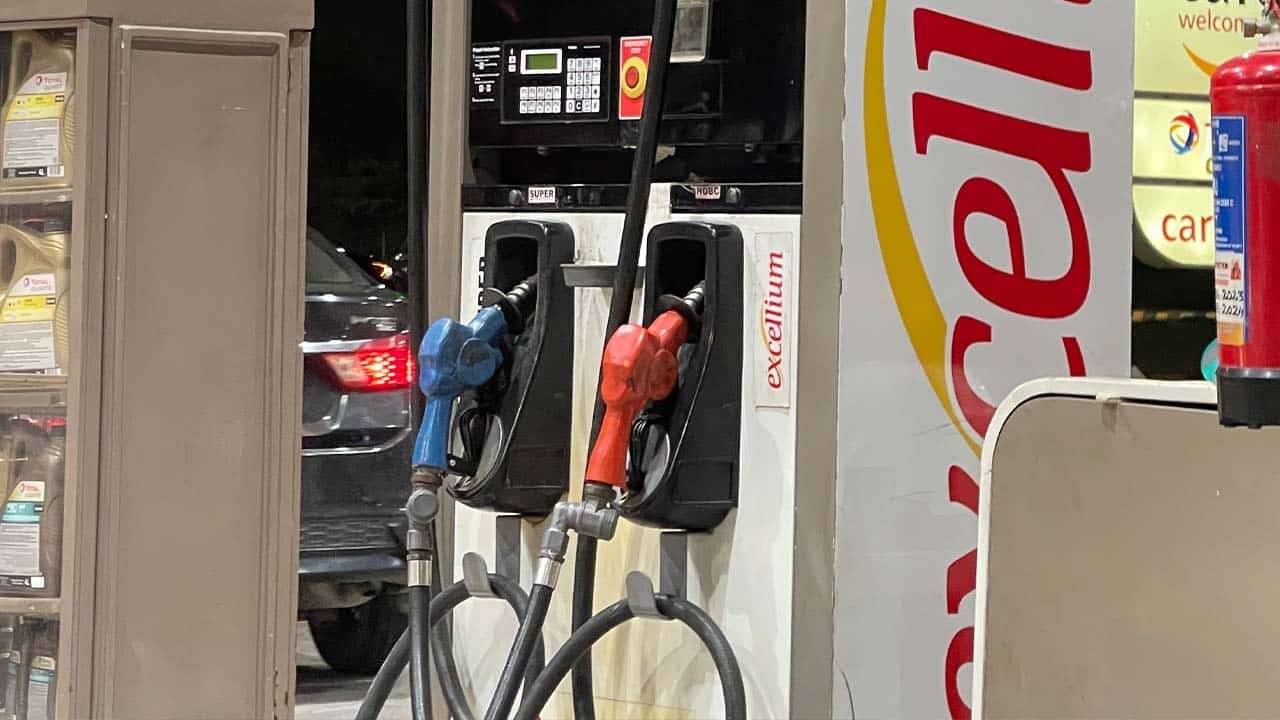
    Petrol price increased by Rs2.73 to Rs275.62 per litre

    The government has raised the price of petrol by Rs2.73 per litre, bringing it to Rs275.62 per litre for the upcoming fortnight.

    Additionally, the cost of high-speed diesel has seen an uptick, rising by Rs8.37 per litre to reach Rs287.33 per litre, according to an official notification.

    These revised prices, recommended by the Oil and Gas Regulatory Authority (OGRA), have come into effect as of midnight on February 16 and are slated to persist until February 29.

    The surge in petrol and high-speed diesel prices aligns with expectations following the adjustment in the exchange rate.

  • SBP’s foreign exchange reserves rise by $13 million

    SBP’s foreign exchange reserves rise by $13 million

    In a positive development for Pakistan’s economic landscape, the State Bank of Pakistan (SBP) reported a weekly increase of $13 million in its foreign exchange reserves, reaching a total of $8.05 billion as of February 9, according to data released on Thursday.

    The country’s overall liquid foreign reserves now stand at $13.15 billion, with commercial banks holding a significant share of $5.1 billion in net foreign reserves.

    The central bank, however, did not provide specific details or reasons for the notable upswing in reserves during the mentioned week.

    In a statement, the SBP stated, “During the week ended on February 9, 2024, the SBP’s reserves increased by US$ 13 million to US$ 8,056.5 million.”

    This positive development comes on the heels of last week’s decrease in Pakistan’s central bank reserves, which experienced a dip of $173 million.

    The recent rebound signals resilience and stability in the nation’s economic standing, and financial analysts are likely to scrutinise the factors contributing to this uptick in the coming days.

    As the global economic landscape continues to evolve, Pakistan’s foreign exchange reserves play a crucial role in navigating economic challenges, and the recent increase reflects ongoing efforts to bolster the country’s fiscal strength.

    Experts anticipate that a robust foreign reserve position will provide a buffer against external shocks and instill confidence in the financial markets.

  • NTDC assures uninterrupted power supply during holy month of Ramzan

    NTDC assures uninterrupted power supply during holy month of Ramzan

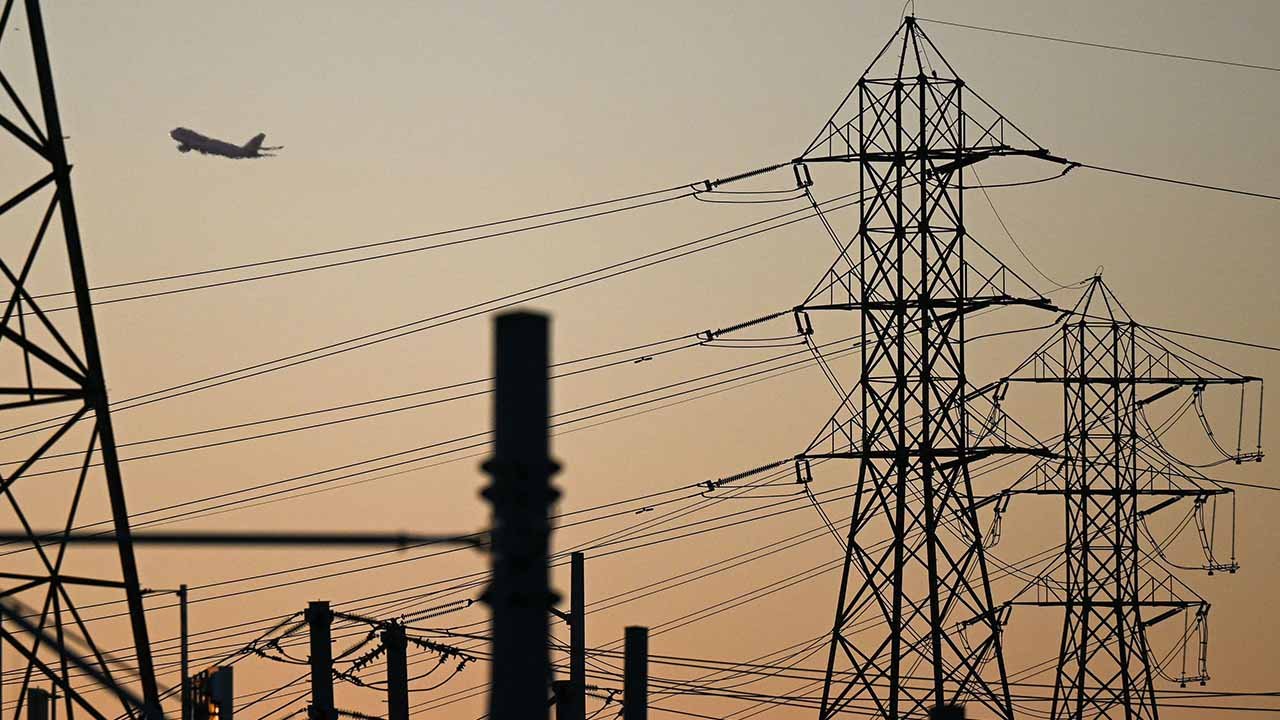
    The National Transmission and Dispatch Company (NTDC) has announced its commitment to ensuring uninterrupted power supply throughout the country during the forthcoming holy month of Ramzan, scheduled to commence in mid-March. 

    Directed by Managing Director Engr. Dr Rana Abdul Jabbar Khan, the government-supported power transmission entity is diligently executing its comprehensive maintenance programme for NTDC transmission lines and grid stations to ensure continuous electricity provision to the populace.

    In a statement to the media on Wednesday, an NTDC spokesperson outlined the ongoing maintenance regimen, which includes washing, cleaning, and the replacement of disc insulation, among other essential tasks undertaken by respective NTDC formations.

    These efforts, the spokesperson emphasised, aim to bolster the reliability of transmission lines and grid stations, thereby guaranteeing uninterrupted power supply during Ramzan.

    As part of the programme, planned shutdowns have been scheduled for 500 kV and 220 kV transmission line circuits in the southern region. During these shutdowns, activities such as insulator cleaning, washing, tightening of nuts and bolts, and replacement of disc insulators with RTV-coated disc insulators on the red, yellow, and blue phases are being carried out.

    The spokesperson provided detailed statistics, noting that a total of 73,493 disc insulators were washed and cleaned at 459 locations, while 9,804 disc insulators were replaced at 55 locations. 

    Additionally, over 688 braces and 570 nuts and bolts were installed. Notably, at the 220 kV grid station Jhampir-1, two damaged disc insulator strings were replaced alongside the installation of two healthy EMCO-Make disc insulator strings.

    Supervising the maintenance programme is the General Manager (Asset Management-South), who ensures adherence to the schedule. The NTDC managing director has expressed appreciation for the performance of the involved transmission line divisions and urged the timely completion of maintenance work.

    The proactive measures undertaken by NTDC underscore its dedication to providing essential services, particularly during significant periods such as Ramzan, when uninterrupted power supply is paramount for communities across the nation.

  • ECC greenlights 25% sales tax increase on domestic cars

    ECC greenlights 25% sales tax increase on domestic cars

    In a significant development, the Economic Coordination Committee (ECC) of the Cabinet has given its nod to a proposal for increasing the sales tax on vehicles manufactured and assembled within the borders of Pakistan.

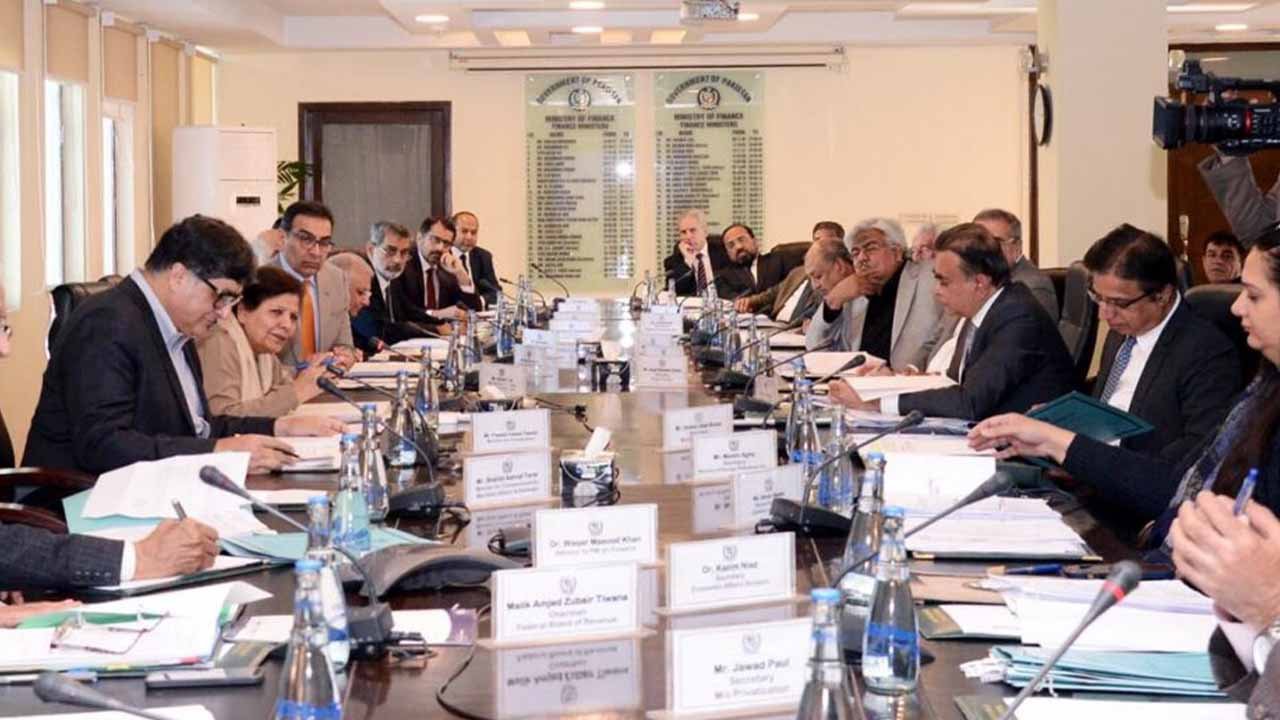
    The decision was finalised during a pivotal ECC meeting held in the capital city on Wednesday.

    The proposal, presented by the Federal Board of Revenue (FBR), suggested an elevation in the sales tax applicable to the auto sector, particularly on vehicles produced and assembled domestically.

    Following a comprehensive deliberation, the ECC cabinet sanctioned the process for determining a 25 per cent sales tax rate on locally manufactured and assembled vehicles.

    As per the endorsed proposal, vehicles valued at Rs4 million or equipped with 1400 cc engines will be subject to a 25 per cent sales tax.

    This taxation structure is anticipated to persist in the upcoming budget, signalling potential implications for consumers as a result of the price hike.

    The imposition of a 25 per cent sales tax on 1400cc vehicles is expected to have a direct impact on the pricing structure, leading to a potential surge in vehicle costs. The ECC’s decision aligns with ongoing efforts to streamline fiscal policies in the country.

    In addition to this decision, the ECC also greenlit a substantial subsidy of Rs7,492.75 million under the Ramazan Relief Package 2024.

    Chaired by Caretaker Finance Minister Shamshad Akhtar, the meeting aimed to address the financial aspects of the relief package, particularly subsidising the targeted beneficiaries of the Benazir Income Support Programme (BISP).

    According to a press statement issued by the finance ministry, the subsidy allocation is part of the budget for 2023–24, with a primary focus on providing support to those identified under the BISP. This move underscores the government’s commitment to social welfare initiatives.

    Furthermore, the ECC approved a proposal related to the “Permission to Import Wheat and Export of Wheat Flour under the Export Facilitation Scheme 2021.” This decision, brought forth by the Ministry of Commerce, reflects the government’s strategic measures to balance wheat supply and demand dynamics in the country.

    The ECC meeting signifies a pivotal moment in shaping economic policies, with decisions that carry far-reaching implications for both the automotive sector and social welfare initiatives in Pakistan.

    The approved proposals are poised to contribute to the broader economic landscape and address pertinent challenges in the nation’s fiscal framework.

  • Gold price plummets by Rs3,500 to Rs210,800 per tola in Pakistan

    Gold price plummets by Rs3,500 to Rs210,800 per tola in Pakistan

    In a significant market development, the price of 24-karat gold in the local bullion market took a sharp nosedive, plummeting by Rs3,500 to Rs210,800 per tola. 

    This dramatic downturn comes in the wake of hotter-than-expected US inflation data, which has sparked speculation that the Federal Reserve may delay anticipated rate cuts.

    According to the Karachi Sarafa Association, the price of 10-gramme 24-karat gold saw a notable decline, settling at Rs180,727, marking a loss of Rs3,001 compared to the previous session. Similarly, the price of 10-gramme 22-karat gold fell to Rs165,666.

    The downward trend extended to silver prices as well, with 24-karat silver being sold at Rs2,580 per tola, showing a decrease of Rs20 day-over-day. The 10-gramme silver price also experienced a dip, dropping by Rs17.15 to Rs2,211.93.

    On the global stage, international spot gold slipped below $2,000 for the first time in two months, experiencing a 1.34 per cent decline or $27. 

    This shift follows the release of American Consumer Price Index (CPI) data, which disappointed investors after a recent downturn in price pressures had fostered expectations for rate cuts this year, as reported by Bloomberg.

    Federal Reserve Chairman Jerome Powell’s cautious stance, echoed by other Fed speakers, gained credence in light of the CPI figures. 

    Swap contracts referencing Fed policy meetings, which previously indicated a high likelihood of a rate cut in May and substantial easing by year-end, were significantly affected. 

    The odds of a May cut dropped to about 32 per cent from 64 per cent prior to the inflation data, with expectations for fewer than 90 basis points of easing this year.

  • Pakistan may enter fresh IMF loan programme, stricter conditions expected

    Pakistan may enter fresh IMF loan programme, stricter conditions expected

    In the wake of the completion of its current loan programme, Pakistan is poised to sign a new loan agreement with the International Monetary Fund (IMF), reports indicate. 

    The forthcoming Extended Fund Facility programme, anticipated to span three years, will see Islamabad share budget proposals for FY 2024–25 with the IMF. 

    Sources suggest that before finalising the agreement, Pakistan will provide assurances to the IMF regarding further increases in electricity and gas prices, as well as a commitment to reduce subsidies. 

    Finance ministry sources have disclosed that the conditions for the new loan programme are expected to be more stringent compared to the current Standby Agreement (SBA) programme. 

    Earlier discussions hinted at Pakistan securing another loan package from the IMF following the conclusion of the ongoing standby agreement. 

    The caretaker government has commenced consultations for the upcoming IMF programme, with talks expected to commence this month. 

    Officials from the finance ministry have indicated that the measures initiated by the caretaker government will be continued by the elected government in discussions with the IMF.

  • ECC approves Rs7.49 billion Ramzan Relief Package

    ECC approves Rs7.49 billion Ramzan Relief Package

    In a significant move to provide relief to the general public during the upcoming Ramazan, the Economic Coordination Committee (ECC), in its latest meeting chaired by the Federal Minister for Finance, Revenue, and Economic Affairs, Dr Shamshad Akhtar, approved the Ramzan Relief Package-2024.

    The approved package, with a net amount of Rs7.49 billion, is specifically designed to benefit targeted beneficiaries of the Benazir Income Support Programme (BISP). This allocation is part of the budget for the fiscal year 2023-24.

    During the meeting, the committee also discussed and gave the green light to a summary from the Ministry of Commerce’s Tariff Policy Wing.

    The summary pertained to “Individual Tariff Rationalization Proposals from Different Sectors for Review of Custom Duties.” Following thorough deliberations, the committee advised that tariff rationalization should be coordinated with the overall trade policy.

    Furthermore, a proposal related to the “Permission to Import Wheat and Export of Wheat Flour under Export Facilitation Scheme 2021” was presented by the Ministry of Commerce.

    The ECC not only approved this proposal but also directed the relevant ministries to prepare comprehensive plans aimed at enhancing opportunities for value-added exports.

  • Gold price remains steady at Rs214,300 per tola with no fluctuations

    Gold price remains steady at Rs214,300 per tola with no fluctuations

    The cost of 24-karat gold in the local bullion market remained unchanged at Rs214,300 per tola on Tuesday, according to the Karachi Sarafa Association. 

    Similarly, the prices for both 10-gramme 24-karat and 22-karat gold stood at Rs183,728 and Rs168,416, respectively. 

    Last week, a decline in international prices led to a Rs1,700 drop in the domestic market for 24-karat gold per tola.

    Silver prices also maintained stability in the domestic market, with 24-karat silver selling at Rs2,600 per tola and Rs2,229.08 per 10 grammes. Meanwhile, on the global stage, international spot gold traded near $2,025.7 as of 12:50 pm, marking a 0.35 per cent increase for the day.

    Investors are closely watching for the release of crucial US inflation data later today, which may provide further insight into the timing of the Federal Reserve’s potential interest rate adjustments.

  • SBP reports 26% increase in overseas workers’ remittances

    SBP reports 26% increase in overseas workers’ remittances

    In January 2024, Pakistan witnessed a notable increase in the inflow of overseas workers’ remittances, reaching $2.4 billion, as revealed by data released by the State Bank of Pakistan (SBP) on Monday. This marks a 1 per cent rise compared to December 2023, where remittances stood at $2.38 billion.

    Year-on-year analysis underscores a substantial surge, with a 26 per cent increase from the same period last year, when remittances totaled $1.9 billion in January.

    The significance of these remittances cannot be understated, as they play a pivotal role in bolstering Pakistan’s external account and fueling economic activity. Additionally, they serve as a vital supplement to the disposable incomes of households dependent on remittances.

    Despite the uptick in January, the cumulative figure for July-January FY24 reflects a 3 per cent decline year-on-year, amounting to $15.83 billion, down by $386 million from the $16.32 billion recorded in the same period of FY23.

    Breaking down the sources of remittances, overseas Pakistanis in Saudi Arabia retained their leading position, contributing $587.3 million in January 2024. This marked a 2 per cent increase from the previous month and a substantial 43 per cent rise from the corresponding period last year.

    Remittances from the United Arab Emirates (UAE) experienced a slight dip of 3 per cent month-on-month, decreasing from $419.2 million in December to $407.6 million in January. However, the yearly comparison reveals a remarkable surge of nearly 51 per cent.

    The United Kingdom witnessed a marginal decline in remittances, with $362.1 million recorded in January, down by 2 per cent from December 2023.

    In contrast, remittances from the European Union saw a significant 20 per cent year-on-year increase and a 2 per cent monthly rise, totaling $290.1 million in January 2024.

    Meanwhile, overseas Pakistanis in the United States contributed $283.4 million in January 2024, marking a notable 32 per cent increase from the same period last year.

    The consistent flow of remittances, despite fluctuations in individual sources, underscores their enduring importance to Pakistan’s economy and the livelihoods of millions of households reliant on them.