Category: Business

The most important business news, explained in a young, easy to understand way. News that affects young career professionals.

  • New app revolutionises Hajj experience: Pilgrims to benefit from enhanced guidance

    New app revolutionises Hajj experience: Pilgrims to benefit from enhanced guidance

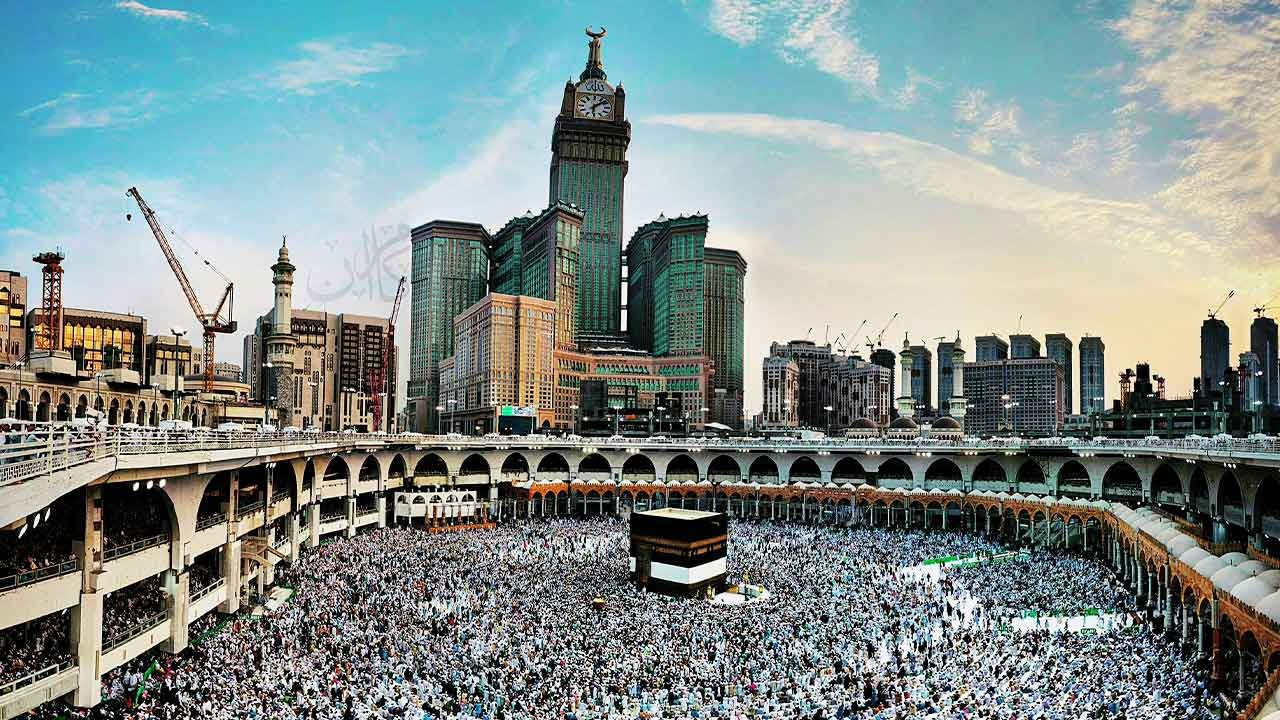
    In a significant move aimed at enhancing the experience of Hajj pilgrims, the Caretaker Federal Minister for Religious Affairs and Interfaith Harmony, Aneeq Ahmed, announced the launch of a dedicated mobile application during his visit to the New Haji Camp on Saturday.

    The app, unveiled to media representatives, is poised to streamline the journey for pilgrims, offering comprehensive guidance from their Hajj flight to their accommodation in Saudi Arabia.

    Minister Aneeq emphasised that the app will furnish essential information alongside instructional videos to aid pilgrims throughout their sacred journey.

    Among the innovative features, each pilgrim will receive a distinctive single-coloured QR code suitcase, easing the identification of personal belongings.

    Additionally, the government will provide a complimentary mobile SIM card from a Saudi company to every pilgrim, entailing 180 minutes for international calls.

    Notably, the caretaker government has also slashed the price of the official Hajj package by Rs 0.1 million, aiming to make the pilgrimage more accessible.

    Highlighting infrastructural enhancements, Minister Aneeq underscored the renovation of the New Haji Camp premises, coupled with the establishment of a vaccination centre tailored to cater to the needs of Hajj pilgrims.

    Furthermore, the Federal Ministry of Religious Affairs organised the ‘Interfaith Harmony Conference’, extending invitations to ambassadors from 30 nations in a concerted effort to foster global understanding and cooperation.

    In a bid to promote interfaith dialogue and mutual respect, Minister Aneeq outlined various initiatives, including the ‘Interfaith Harmony Dialogue’ held across prominent universities and religious institutions.

    Notably, scholars from diverse religious backgrounds, including Muslim, Christian, Sikh, Hindu, Parsi, and Jain, convened at St. Patrick’s Church, echoing a message of universal humanity and tolerance.

    Concluding his address, Minister Aneeq unveiled plans for the establishment of schools and clinics within mosques, commencing with the Badshahi Mosque in Lahore and slated for nationwide expansion, underscoring the government’s commitment to holistic community development.

    The collective efforts underscored by the Ministry reflect a comprehensive approach towards fostering harmony, facilitating pilgrimage, and promoting inclusivity, marking a pivotal stride towards a more cohesive and enlightened society.
  • Gold prices dip by $8 internationally, Rs1,200 locally

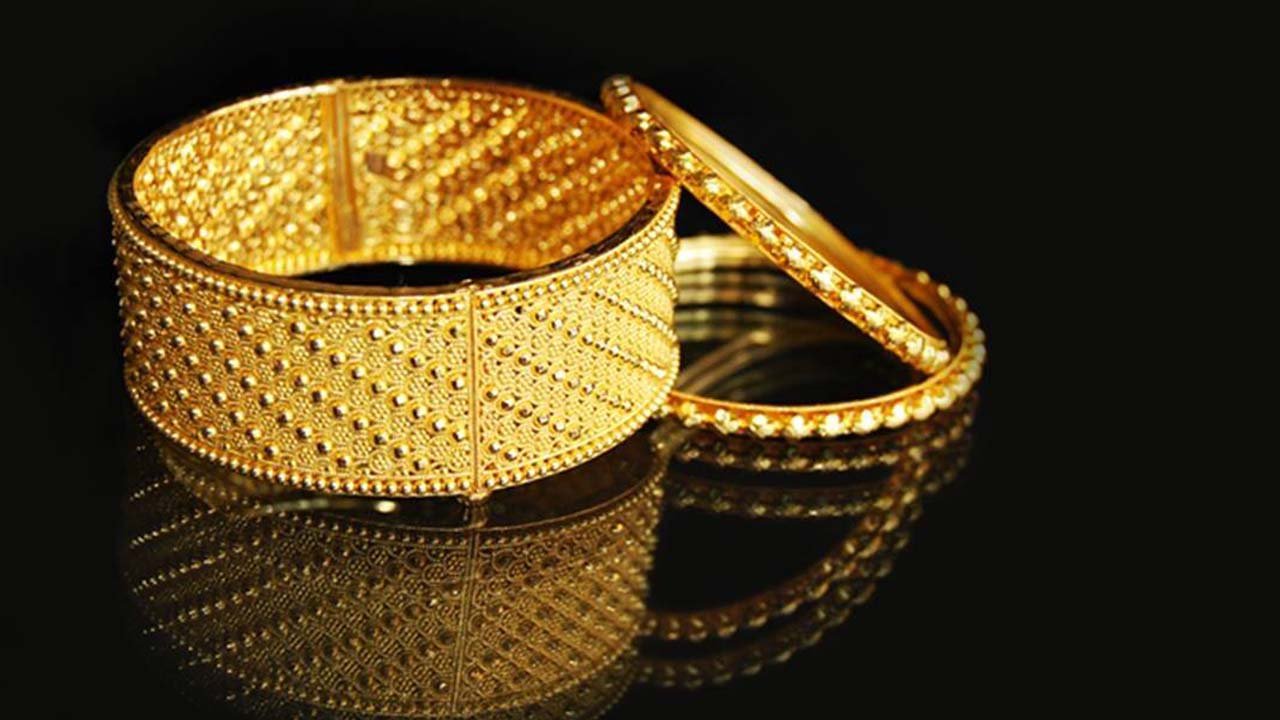
    Gold prices dip by $8 internationally, Rs1,200 locally

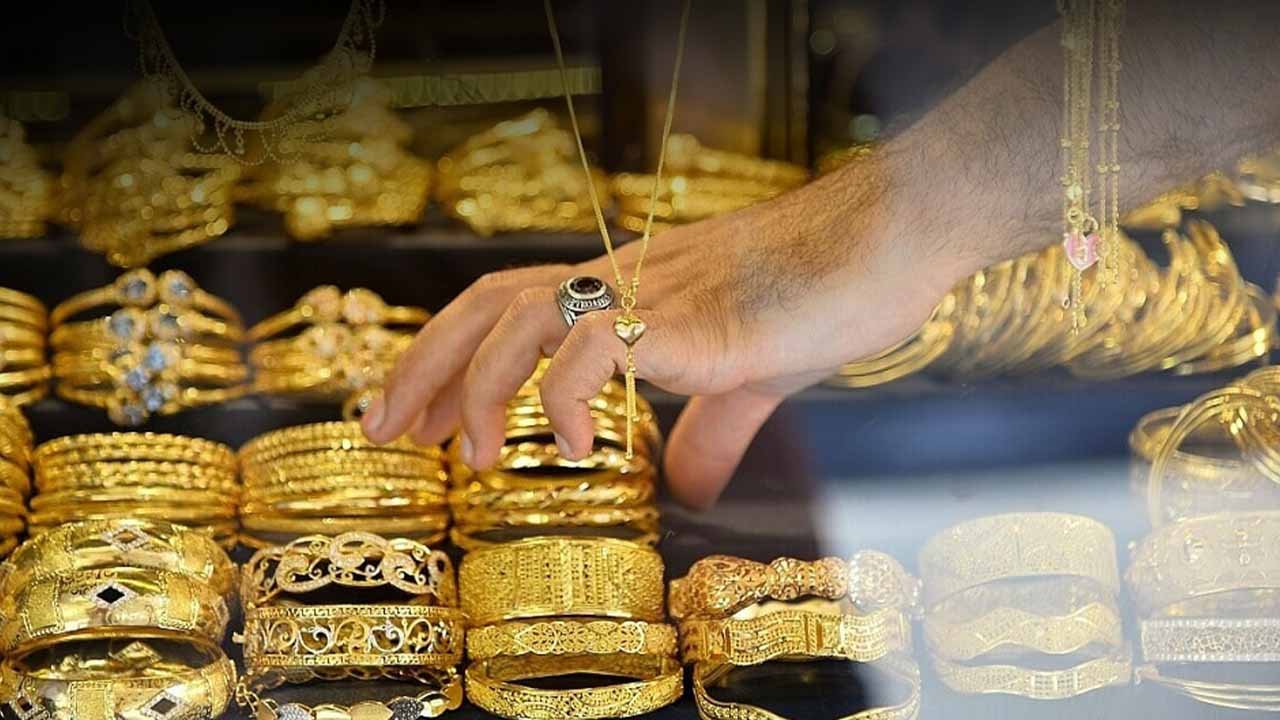
    In a significant development in the precious metals market, the per-tola price of 24 karat gold experienced a notable decline, dropping by Rs1,200 on Saturday.

    According to the All Sindh Sarafa Jewellers Association, the precious metal was sold at Rs214,300, marking a decrease from its previous rate of Rs215,500 on the last trading day.

    Similarly, the price of 10 grammes of 24 karat gold exhibited a downward trend, declining by Rs1,028 to reach Rs183,728, as opposed to the earlier rate of Rs184,756. 

    Meanwhile, the prices of 10 grammes of 22 karat gold also saw a decrease, settling at Rs168,416 from Rs169,360, as reported by the Association.

    Notably, the per-tola and ten-gramme silver prices remained unchanged at Rs2,600 and Rs2,229.08, respectively, indicating stability in the silver market.

    The dip in local gold prices is mirrored on the international stage, as the global market reported a decrease of $8 in the price of gold.

    The international rate now stands at $2,045, down from the previous figure of $2,053, as outlined by the Association.

    This shift in prices is likely to have implications for investors, jewellers, and consumers alike, prompting a reassessment of investment strategies and purchase decisions in the coming days.

    Analysts are closely monitoring these fluctuations to gauge the market’s response and anticipate future trends in the precious metals sector.

  • PKR registers only 0.92% rise against US dollar since the onset of 2024

    PKR registers only 0.92% rise against US dollar since the onset of 2024

    The Pakistani rupee (PKR) maintained its upward trajectory for the 13th consecutive week, gaining 12.88 paisa against the US dollar and settling at PKR 279.28 per USD.

    This positive momentum marks a notable shift from the previous week’s closing rate of PKR 279.41 per USD.

    Analysing the broader financial trends, the PKR has appreciated against the US dollar by 6.71 rupees, or 2.4 per cent, during the current financial year. Looking at the calendar year, the PKR has shown a gain of 2.58 rupees, or 0.92 per cent.

    Friday’s trading session witnessed the PKR displaying strength as it appreciated by over 6 paisa. The intraday high (bid) reached 279.9, while the low (ask) touched 279.6, showcasing the currency’s resilience in the face of market fluctuations.

    In the open market, exchange companies quoted buying rates at 278.89 and selling rates at 281, contributing to the overall positive sentiment surrounding the PKR.

    Comparatively, against major currencies, the PKR experienced a marginal loss of 26.91 paisa against the Euro, closing at 300.87.

    Meanwhile, the British Pound became more affordable by 20.31 paisa, closing at 352.33. The Swiss Franc saw a decline of 1.59 rupees, closing at 318.89, and against the Japanese Yen, the PKR gained 1.71 paisa, closing at 1.8695.

    In the global currency market, the Chinese Yuan lost 0.4 paisa, closing at 38.82, while the Saudi Riyal closed at 74.47, experiencing a marginal loss of 1.43 paisa. The U.A.E. dirham also saw a decrease in value of 1.57 paisa, settling at 76.05.

    Shifting focus to the money market, the benchmark 6-month Karachi Interbank bid and offer rates experienced a 9 basis point increase, reaching 21.05 per cent and 21.3 per cent, respectively.

    This upward movement in yields follows the State Bank of Pakistan (SBP) maintaining the policy rate at 22 per cent for the fifth consecutive meeting, contributing to the evolving financial landscape.

  • Pakistan’s forex reserves dip by $173 million, SBP cites debt repayments

    Pakistan’s forex reserves dip by $173 million, SBP cites debt repayments

    The State Bank of Pakistan (SBP) has reported a decrease of $173 million in its foreign exchange reserves on a weekly basis, revealing a total of $8.04 billion as of February 2, according to data released on Thursday.

    The country’s overall liquid foreign reserves are reported to stand at $13.09 billion, with commercial banks holding net foreign reserves amounting to $5.05 billion.

    The SBP has identified debt repayments as the primary factor contributing to the decline in reserves. In an official statement, the SBP stated, “During the week ending on 2-Feb-2024, SBP’s reserves decreased by US$ 173 million to US$ 8,044.0 million due to debt repayments.”

    This follows a trend from the previous week when Pakistan’s central bank reserves experienced a decrease of $54 million. The ongoing challenges related to debt servicing continue to impact the nation’s foreign exchange reserves.

  • Gold prices in Pakistan remain unaffected by political uncertainties

    Gold prices in Pakistan remain unaffected by political uncertainties

    Despite political uncertainties, the domestic bullion market exhibited stability, with 24-karat gold maintaining its price at Rs215,500 on Friday, showing no deviation from the previous session.

    This stability is indicative of the domestic gold market functioning normally, aligning with international gold rates and the exchange rate.

    The Karachi Sarafa Association reported that the prices of 10-gramme 24-karat gold and 10-gramme 22-karat gold also remained constant at Rs184,756 and Rs169,360, respectively.

    Similarly, silver prices showed resilience in the domestic market, with 24-karat silver being traded at Rs2,600 per tola and Rs2,229.08 per 10-gramme.

    On the global stage, the international spot gold exhibited minimal fluctuations, standing at $2,033.5 as of 12:40 pm.

    This stability in both domestic and international markets suggests a steady scenario despite the prevailing political uncertainties.

  • Economic challenges await next govt as Pakistan votes

    Economic challenges await next govt as Pakistan votes

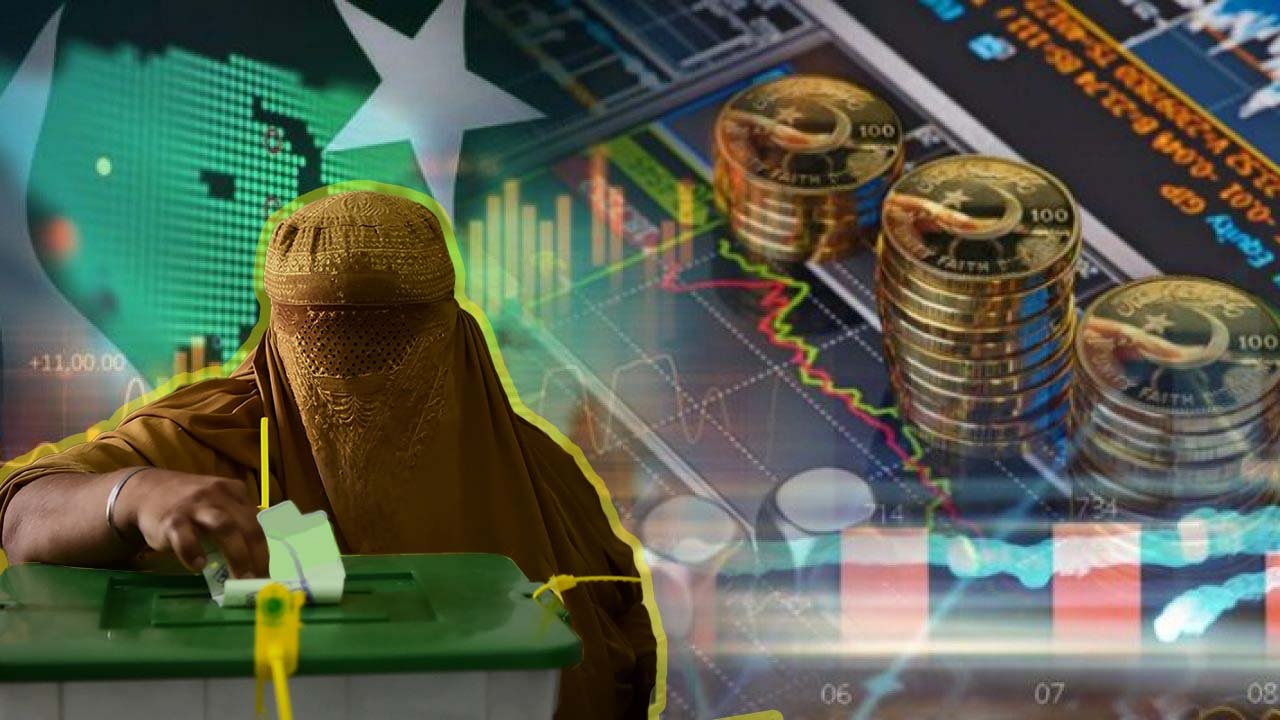
    Pakistan is set to hold its national elections on Thursday, a crucial event for the country grappling with multiple crises.

    As the new government prepares to take charge, it faces daunting challenges in stabilising the economy.

    Last summer, Pakistan narrowly avoided a sovereign default through a last-minute $3 billion bailout from the International Monetary Fund (IMF).

    However, this lifeline is set to end in March, and officials anticipate the need for a new, extended programme.

    Negotiating this program swiftly is imperative for the incoming government, as the economy is burdened by record-high inflation and slow growth resulting from stringent reforms.

    The country’s headline inflation stood at 28.3 per cent year-on-year in January, slightly lower than December’s 29.7 per cent. Despite government expectations, citizens are anxious for the new administration to address the soaring inflation that has significantly impacted their daily lives.

    Moreover, recent increases in gas prices, with a 35.13 per cent hike for Sui Northern Gas Pipelines Limited (SNGPL) and 8.57 per cent for Sui Southern Gas Company Limited (SSGC), add to the economic challenges. The move, effective from January 1, 2024, is the second increase in gas prices this fiscal year.

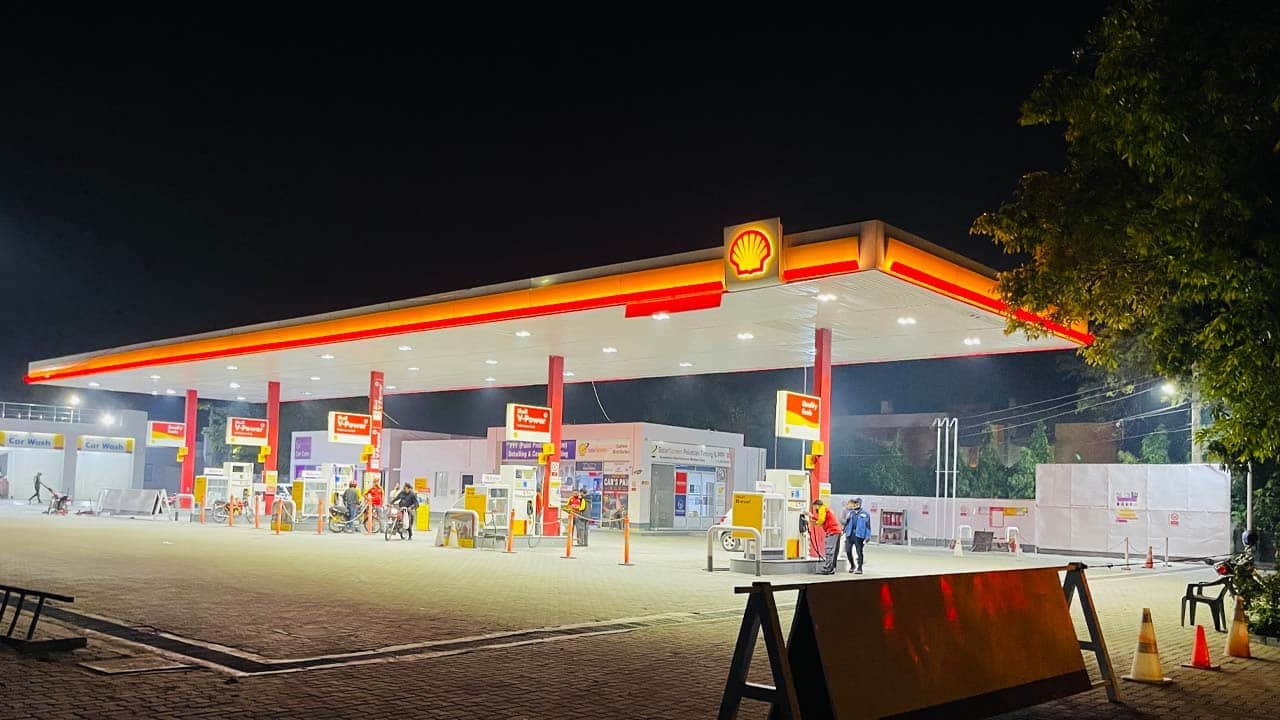
    In addition to rising gas prices, the cost of petrol and diesel has surged, with a notable increase of Rs13.55 per litre announced on February 1, 2024. This hike is attributed to the ongoing tensions in the Middle East, including Israel’s conflict with Gaza and Houthi attacks in the Red Sea.

    Amid these economic hardships, the National Electric Power Regulatory Authority (NEPRA) has approved an increase in electricity tariffs for distribution companies (Discos) by Rs4.57 per unit for December 2023. This adjustment addresses the escalating fuel costs impacting the power sector.

    The new government is also expected to address the exchange rate concerns as the Pakistani rupee struggles against the US dollar, currently standing at around Rs279.

    The disparity has led to increased prices for essential commodities, further straining the population.

    Adding to the complexity of the upcoming elections is the high political tension, with former prime minister Imran Khan describing a crackdown on him and his party.

    Khan, who has been in jail since August, faces pending cases, including accusations of ordering violent attacks on military installations.

    Despite his imprisonment, Khan maintains substantial popular support, and continued political unrest could jeopardise the stability needed for economic recovery and foreign investment.

    As Pakistan stands at a critical juncture, the incoming government’s ability to navigate these challenges will determine the nation’s economic trajectory in the coming years.

  • OGRA approves massive gas tariff hike for SNGPL, SSGC consumers

    OGRA approves massive gas tariff hike for SNGPL, SSGC consumers

    In a move to address the fiscal challenges faced by Sui Northern Gas Pipelines Limited (SNGPL) and Sui Southern Gas Company Limited (SSGC), the Oil and Gas Regulatory Authority (OGRA) has granted approval for a noteworthy increase in gas tariffs.

    Effective January 1, 2024, consumers of SNGPL will experience a 35.13 per cent surge, while SSGC customers will witness an 8.57 per cent rise.

    This marks the second adjustment in gas prices within the current fiscal year, following a substantial 193 per cent increase announced by OGRA, effective November 1, 2023. The decision to implement these changes is aimed at bridging the Rs98 billion shortfall collectively faced by both gas companies.

    The interim government’s initial projections aimed to collect Rs980 billion, intending to cover the estimated revenue requirements of Rs700 billion for both SNGPL and SSGC.

    The recommended average increase in the prescribed gas price is set at 23 per cent, reaching Rs1,590 per mmbtu, compared to the previous average of Rs1,291 per mmbtu determined on June 2, 2023.

    Specifically, OGRA has outlined a 50 per cent increase (Rs415.11 per mmbtu) for SNGPL, elevating the gas price to Rs1,238.68 per mmbtu, effective July 1, 2023.

    Simultaneously, the gas price for SSGC has been raised by 45 per cent (Rs417.23 per mmbtu) to reach Rs1,350.68 per mmbtu.

    The decision to increase gas prices aligns with the interim government’s commitment to the International Monetary Fund (IMF), with an agreement to announce a raise in gas sale prices by February 18, 2024.

    However, the OGRA Ordinance stipulates that if the government remains unresponsive to OGRA’s notification within 40 days, the determined tariff by the regulator will be automatically enforced.

    The recent approval underscores the ongoing efforts to address financial challenges and ensure the sustainability of the gas sector in Pakistan.

  • PIA set for transformation: Federal cabinet approves privatisation, restructuring

    PIA set for transformation: Federal cabinet approves privatisation, restructuring

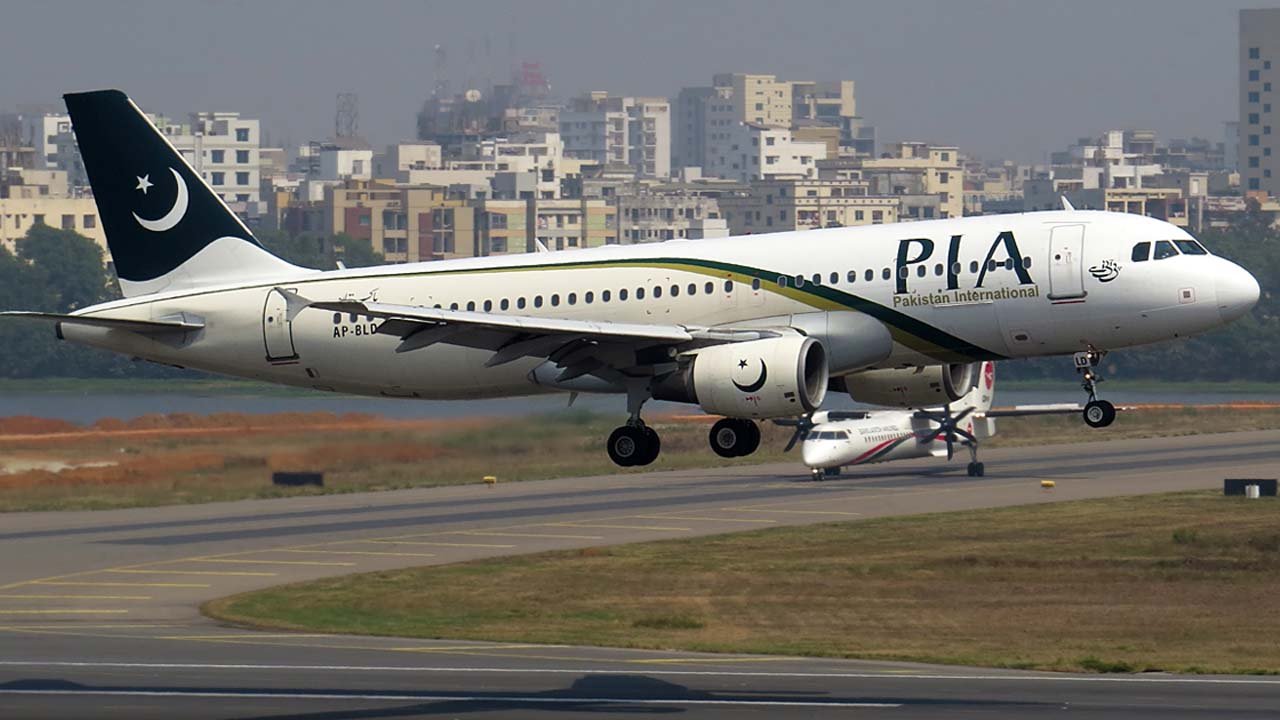
    In a significant development, the caretaker federal cabinet has granted approval for the restructuring of Pakistan International Airlines (PIA) and the privatisation of First Women Bank Limited.

    This decision, based on recommendations put forth by the Privatisation Division, aims to address the financial challenges faced by PIA in recent years.

    The pivotal meeting of the federal cabinet, presided over by Caretaker Prime Minister Anwaar ul Haq Kakar, saw the submission of restructuring recommendations by the Privatisation Division.

    It was highlighted during the session that PIA has been grappling with financial losses over an extended period.

    Previous cabinet meetings had already endorsed the appointment of a financial advisor, whose role is integral to the financial and administrative restructuring of PIA.

    The cabinet was briefed on the progress, indicating that the financial advisor has devised a comprehensive financial restructuring plan aligned with international norms.

    Under this plan, PIA is set to undergo a division into two distinct entities: Top-Co and Hold-Co. The core operations of PIA, including engineering, ground handling, cargo, flight kitchen, and training, will be consolidated under Top-Co.

    On the other hand, entities such as Precision Engineering Complex, PIA Investment Limited, properties, and other subsidiaries will find their place within Hold-Co.

    This strategic restructuring aims not only to address the financial challenges faced by PIA but also to attract potential investors.

    The cabinet has been briefed on the measures undertaken to enhance the attractiveness of PIA for investment, laying the groundwork for a positive trajectory in the airline’s future.

  • Govt surpasses petroleum levy collection targets despite declining sales

    Govt surpasses petroleum levy collection targets despite declining sales

    In the first six months of fiscal year 2023–24, the federal government has exceeded expectations by collecting Rs472.77 billion in petroleum levy (PL), constituting an impressive 54 per cent of the total budgetary estimates for PL on petroleum products for the current fiscal year.

    This collection marks a significant uptick, registering a remarkable 166 per cent increase compared to the same period in the previous fiscal year. The government achieved a substantial PL collection of Rs222 billion in the initial three months of the current fiscal year.

    Originally budgeted at Rs869 billion for PL collection in the fiscal year 2023–24, the government revised its target to Rs918 billion following an increase in PL from Rs50 to Rs60 per litre on petrol and high-speed diesel (HSD). This adjustment aligns with the government’s commitment to the International Monetary Fund (IMF).

    However, against this backdrop of successful revenue generation, the country witnessed a notable 15 per cent decline in the sales of petroleum products in the first six months of the current financial year.

    According to the Oil Companies Advisory Council (OCAC), petroleum product sales dropped to 7.68 million tonnes, a considerable decrease from the 9.03 million tonnes recorded during the same period in the previous fiscal year (July to December).

  • Gold price sees Rs1,700 per tola dip on last trading day

    Gold price sees Rs1,700 per tola dip on last trading day

    In the final trading session of the week, the per-tola price of 24 karat gold in Pakistan witnessed a notable decrease, sliding by Rs1,700. The precious metal was traded at Rs216,000, compared to its previous rate of Rs217,700.

    Similarly, the price of 10 grammes of 24 karat gold experienced a decline of Rs1,458, settling at Rs185, as opposed to its earlier value of Rs186,643.

    Meanwhile, the prices of 10 grammes of 22-karat gold also observed a dip, reaching Rs169,753 from Rs171,089, according to a report by the All Sindh Sarafa Jewellers Association.

    The per-tola and ten-gramme silver prices remained unchanged, standing at Rs2,600 and Rs2,229.08, respectively.

    On the global front, the price of gold faced a decrease of $15 in the international market, falling to $2,059 from its previous value of $2,074, as reported by the Association.

    These fluctuations in the precious metals market highlight the dynamic nature of the economic landscape, influencing both domestic and international trade.

    Investors and consumers alike are keeping a close eye on these developments as they navigate the ever-changing market conditions.