Category: Business

The most important business news, explained in a young, easy to understand way. News that affects young career professionals.

  • Pakistan Stock Exchange to halt trading activity on February 8

    Pakistan Stock Exchange to halt trading activity on February 8

    In an official notice sent to all Trading Rights Entitlement (TRE) certificate holders, the Pakistan Stock Exchange Limited (PSX) has announced the closure of the exchange on Thursday, February 8, 2024. 

    This decision is attributed to the upcoming general election scheduled to take place on that day, as declared by the Election Commission of Pakistan.

    All TRE certificate Holders, along with the staff and concerned parties, are duly informed about the closure on February 8, 2024, which has been declared a public holiday by the Election Commission of Pakistan in conjunction with the national general election, PSX noted.

    Furthermore, it is pertinent to note that the PSX will also remain closed on Monday, February 5, 2024, in observance of Kashmir Day.

    Investors and market participants are urged to plan their activities accordingly, considering the temporary closure of the Pakistan Stock Exchange on these specified dates.

  • FBR grants importers, wholesalers direct access to digital invoicing

    FBR grants importers, wholesalers direct access to digital invoicing

    The Federal Board of Revenue (FBR) has granted permission to importers, manufacturers, and wholesalers/dealers/distributors of fast-moving consumer goods to seamlessly integrate their electronic invoicing system with the FBR’s digital invoicing platform, eliminating the requirement for licenced integrators.

    The clarification, issued by the FBR, states that starting from February 1, 2024, entities involved in the import, manufacturing, wholesale, and distribution of fast-moving consumer goods must electronically transmit sales tax invoices.

    To ease the process for registered individuals, the FBR emphasises that until licenced integrators are officially designated, those notified under S.R.O. 28 of Sales Tax should integrate their electronic invoicing system with the FBR’s digital platform, readily accessible on the FBR’s website.

    The FBR has outlined specific categories of registered persons obligated to electronically transmit sales tax invoices, as per rule 150Q of Notification No. 1525(1)/2023 under Chapter XIV of the Sales Tax Rules 2006. This directive is effective February 1, 2024.

    Notably, the mentioned registered persons may request an extension for compliance by submitting an application to the Commissioner of Inland Revenue with jurisdiction, citing plausible reasons. In the context of this notification, “fast-moving consumer goods” refers to consumer goods supplied in retail markets based on daily consumer demand, excluding durable goods, according to the FBR’s definition.

  • Pakistani rupee shows marginal improvement, gains 0.03% against US dollar

    Pakistani rupee shows marginal improvement, gains 0.03% against US dollar

    The Pakistani rupee (PKR) experienced a slight improvement, appreciating by 0.03 per cent against the US dollar (USD) in the inter-bank market on Friday. 

    Closing at Rs279.41 after a gain of Re0.07 against the USD, as reported by the State Bank of Pakistan (SBP). On Thursday, the rupee had a marginal increase, settling at Rs279.48 against the USD, according to the SBP.

    The government is reportedly scheduled to hold a session with the International Monetary Fund (IMF) in the next day or two, focusing on tariff rationalisation to reduce industry tariffs from 14 cents per unit to 11.75 cents per unit through a subsidy-neutral proposal.

    Globally, the US dollar experienced a broad decline on Friday, influenced by positive risk sentiment following upbeat big tech earnings on Wall Street. Traders are anticipating US job data later in the day to assess the potential timing for the Federal Reserve to initiate rate easing.

    Comparatively, against major currencies, the PKR depreciated by 2.71 rupees against the Euro, closing at 304.1 compared to the previous value of 301.39. 

    The British Pound strengthened, becoming costlier by 2.93 rupees and closing at 356.46 compared to 353.52 from the previous day. 

    The Swiss franc saw gains of 2.6 rupees, closing at 325.94, compared to 323.34 in the previous session. Against the Japanese yen, PKR lost 0.06 paisa, closing at 1.906 versus 1.906 a day ago. 

    The Chinese Yuan gained 1.57 paisa, closing at 38.9171 against 38.9014 from the previous session.

  • Pakistan’s inflation eases slightly to 28.3% in January 2024

    Pakistan’s inflation eases slightly to 28.3% in January 2024

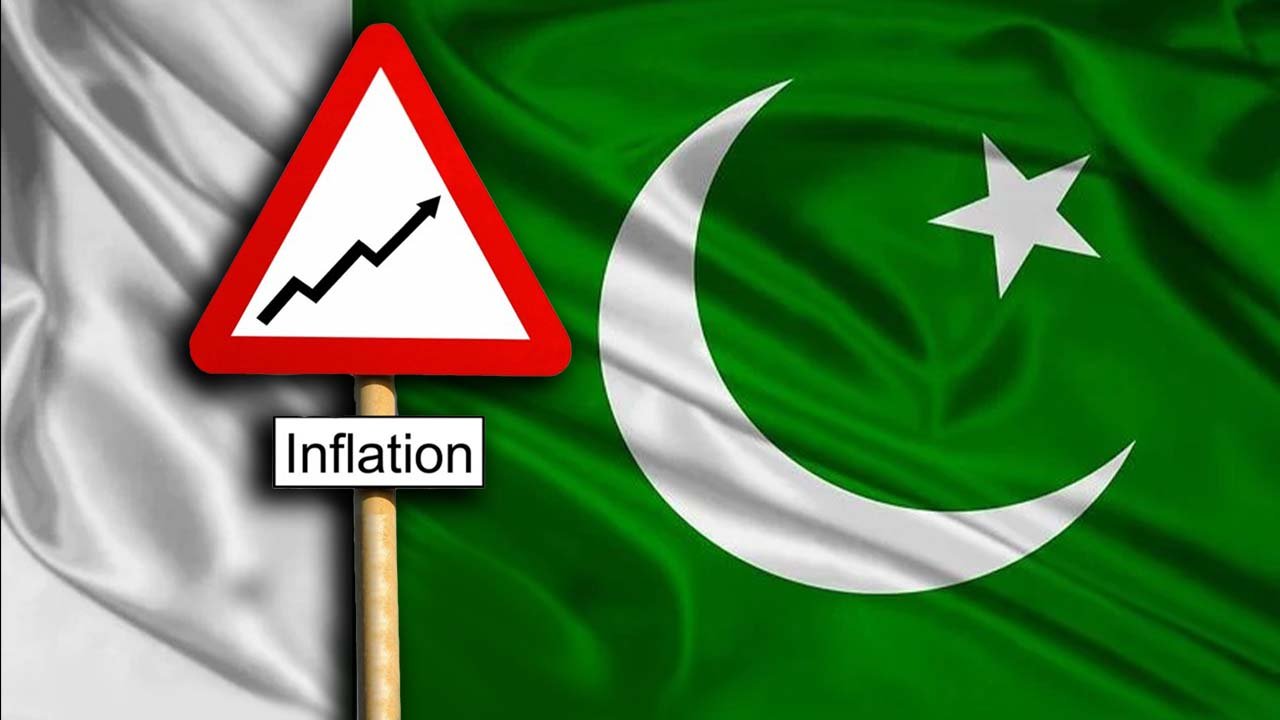
    The Pakistan Bureau of Statistics (PBS) reported that the country’s headline inflation for January stood at 28.3 per cent on a year-on-year basis, marking a slight decrease from the December figure of 29.7 per cent. The month-on-month reading recorded a 1.8 per cent increase.

    This latest data brings the average inflation for the period of July to January to 28.73 per cent, up from 25.40 per cent in the corresponding period of the previous year. Despite this surge, the inflation rate aligns with the government’s expectations.

    The Ministry of Finance, in its ‘Monthly Economic Update and Outlook’ report released on Wednesday, projected a CPI-based inflation rate of 27.5-28.5 per cent for January 2024. The report attributed the inflationary pressure to elevated prices of perishables and vegetables, along with increased utility costs for electricity and gas.

    A contributing factor to the rising prices has been a surge in onion export orders following the Indian ban, straining local supply and causing domestic prices to escalate.

    Severe weather disruptions led to supply shortages of tomatoes, resulting in price hikes, while reduced chicken supply, especially from controlled sheds facing higher input costs, contributed to increased chicken prices.

    JS Global, in a report from last week, anticipated that inflation would remain elevated, particularly in the food segment. The report predicted a 1.8 per cent month-on-month uptick in food prices, resulting in an overall January 2024 YoY CPI estimate of 27.9 per cent.

    The brokerage house noted that the CPI inflation in the coming months is expected to remain on the lower side amid the decline in local fuel prices and the high base effect of last year.

    Breaking down the inflation figures, urban areas recorded a year-on-year CPI inflation of 30.2 per cent in January 2024, slightly lower than the previous month’s 30.9 per cent and higher than January 2023’s 24.4 per cent. On a month-on-month basis, urban inflation increased by 1.8 per cent in January 2024.

    In rural areas, year-on-year CPI inflation for January 2024 was 25.7 per cent, down from the previous month’s 27.9 per cent but higher than January 2023’s 32.3 per cent. On a month-on-month basis, rural inflation increased by 1.9 per cent in January 2024.

    The PBS data indicates a nuanced inflationary landscape in Pakistan, with both urban and rural areas experiencing fluctuations in prices across various commodities. The government’s focus on addressing these challenges remains critical as it navigates the economic impact of inflation on citizens and businesses.

  • Petrol price increased by Rs13.55 per litre for the next two weeks

    Petrol price increased by Rs13.55 per litre for the next two weeks

    In a statement released on Wednesday, the caretaker government disclosed an adjustment in the pricing of petrol and diesel, elevating their rates to Rs272.89 and Rs278.96 per litre, respectively.

    The revised figures indicate an increment of Rs13.55 per litre for petrol and Rs2.75 per litre for high-speed diesel (HSD).

    The updated prices are slated to come into effect on February 1, 2024. Prior speculation by Business Recorder suggested a potential surge in petrol prices ranging from Rs8 to Rs11 per litre and an increase of Rs2 to Rs7 per litre for HSD.

    This decision follows the government’s recent review, during which a notable reduction of Rs 8 per litre was declared for petrol while the HSD rate remained unaltered.

    The move has garnered attention and stirred discussions within various sectors.

  • Survey: Imran Khan emerges as top choice for financial experts to revive Pakistan’s economy

    Survey: Imran Khan emerges as top choice for financial experts to revive Pakistan’s economy

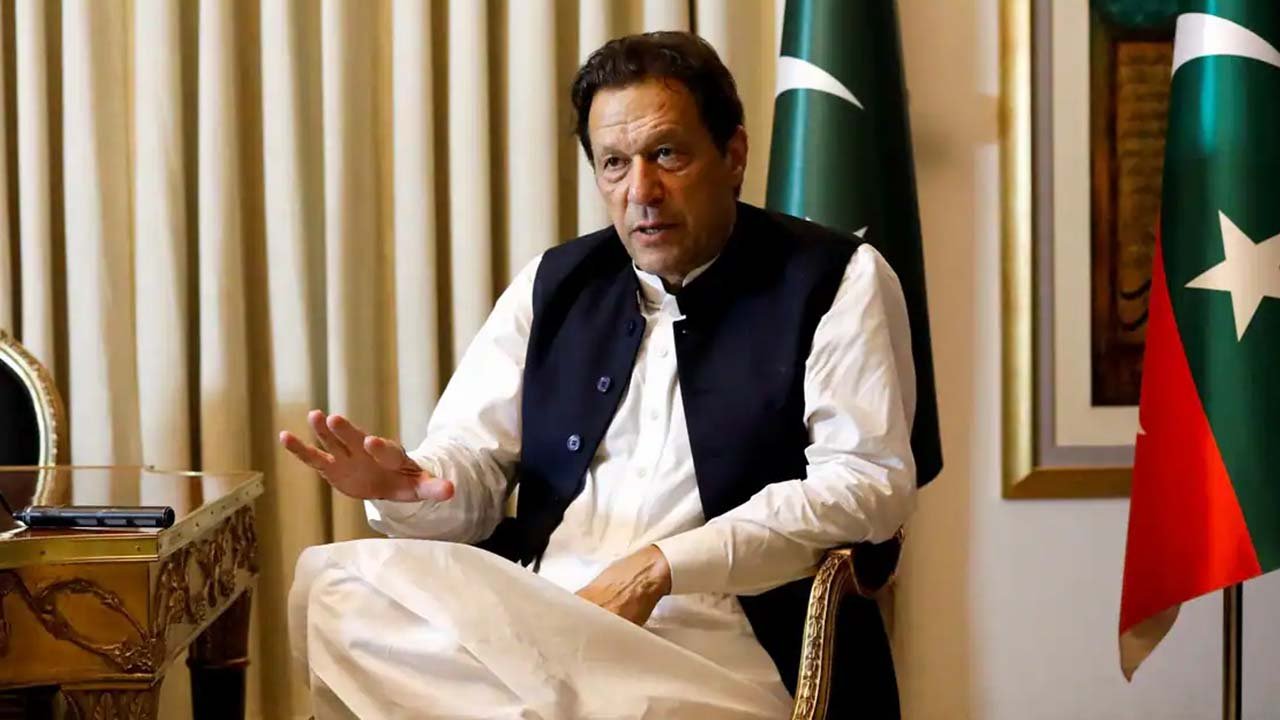
    In a recent Bloomberg survey conducted among Pakistani finance professionals, incarcerated former Prime Minister Imran Khan emerged as the leading choice to oversee the country’s economic recovery.

    Despite being barred from contesting the upcoming February 8 election, Khan’s enduring popularity was cited as a crucial factor by respondents, who believe he could implement market-focused reforms in the long term.

    The survey, which included 12 traders, economists, and analysts from major brokerages, placed three-time former premier Nawaz Sharif in the second position. Respondents acknowledged Sharif’s experience in government and speculated that his alignment with the powerful military contributed to his standing.

    Bilawal Bhutto Zardari, a member of the influential Bhutto clan, secured a distant third place, with some survey participants expressing reservations about dynastic politics.

    Bloomberg Economics conducted an analysis of Pakistan’s misery index, combining inflation and unemployment rates, revealing that Sharif’s party had a better track record in managing the economy over the past three decades compared to rivals, including Khan.

    Despite Khan’s three court convictions and election disqualification, questions about the legitimacy of the upcoming polls are surfacing among independent observers and voters.

    With almost 129 million eligible voters set to cast their ballots, concerns are growing about the electoral system’s integrity in the absence of the country’s most popular politician.

    Pakistan’s National Assembly has completed a full term only three times in its 76-year history, and political observers note rising discontent with the electoral system in Khan’s absence.

    Khan, convicted of graft in August, received another jail sentence on Tuesday for his involvement in publicising a classified diplomatic cable. On Wednesday, he and his wife, Bushra Bibi, were sentenced to 14 years in jail for a case related to the illegal selling of state gifts.

    As Khan faces legal challenges, Sharif and his Pakistan Muslim League-Nawaz are gaining support from voters. Sharif’s return from exile last year, widely seen as a deal with the military, has boosted his popularity, particularly in Punjab, Pakistan’s most populous province.

    The respondents to the Bloomberg survey unanimously agreed that Pakistan’s economic survival hinges on a new International Monetary Fund (IMF) loan. Half of them believe the country can withstand six months without a bailout, while the ongoing nine-month IMF programme is set to conclude in March, with about $1 billion in dollar-denominated debt due in April.

    Key findings from the January survey include expectations of 2.65 per cent economic growth in the fiscal year starting July, the government’s estimate of 2 per cent to 2.5 per cent expansion in the current fiscal year, a forecasted moderation of inflation to 25.05 per cent by the fiscal year ending June (currently at about 30 per cent), and a consensus that Pakistan cannot survive for more than a year without an IMF bailout.

  • Banks nationwide to close on February 5 in observance of Kashmir Day

    Banks nationwide to close on February 5 in observance of Kashmir Day

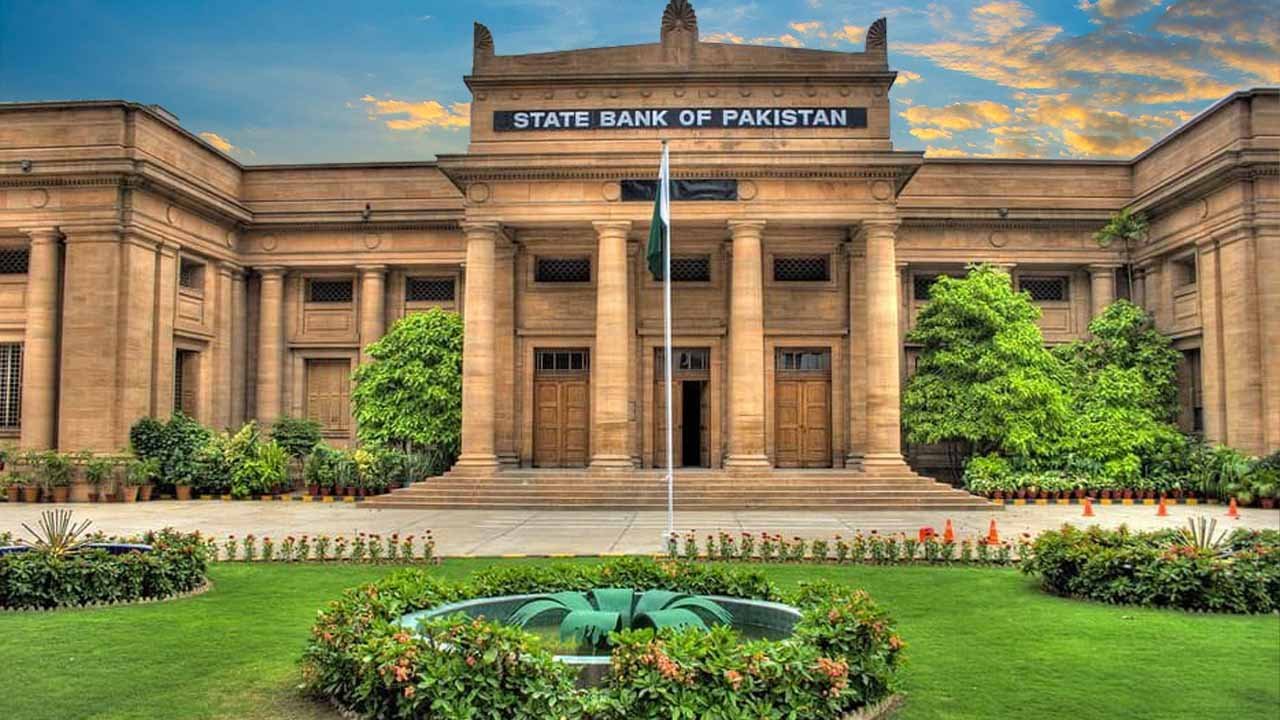
    In a recent announcement, the State Bank of Pakistan (SBP) declared that banks across the country will remain closed on February 5 (Monday) in commemoration of Kashmir Day. The central bank issued a statement on Wednesday, confirming the closure of the State Bank of Pakistan on this day.

    “The State Bank of Pakistan will remain closed on 5th February, 2024 (Monday) being a public holiday on the occasion of ‘Kashmir Day’ as declared by the Government of Pakistan,” the statement from the SBP read.

    Kashmir Day is observed annually on February 5 in Pakistan to honour and remember the struggles and sacrifices of Kashmiris in the Indian Illegally Occupied Jammu and Kashmir (IIOJK).

    Last week, the federal government officially declared February 5 as a national holiday throughout the country. The Cabinet Division’s decision includes a national observance with a one-minute silence at 10 am on Kashmir Day.

    In addition to the nationwide recognition, the Sindh government also issued a notification today to observe Kashmir Day.

    On this day, the nation sends a resounding message of solidarity and support to the people living in the Indian-occupied valley. The Kashmir issue continues to be a significant point of contention between Pakistan and India. Islamabad consistently calls on the international community to organise a plebiscite in the disputed territory.

    The conflict gained global attention after Indian Prime Minister Narendra Modi’s decision to unilaterally revoke Article 370 of the Indian Constitution on August 5, 2019, which granted special status to the IIOJK. Pakistan has emphasised that normalising ties with India is contingent on the restoration of Kashmir’s special status.

  • Netherlands fines Uber over data protection

    Netherlands fines Uber over data protection

    Dutch regulators said Wednesday they are imposing a 10 million euro ($10.8 million) fine on ride-hailing app Uber for lack of transparency in how it treats the personal data of its drivers.

    The Dutch Data Protection Authority said it imposed the fine after a group of 170 French drivers complained to a French human rights organisation.

    The complaint was handled in the Netherlands because it is where Uber has it European headquarters.

    “The DPA found that Uber had made it unnecessarily complicated for drivers to submit requests to view or receive copies of their personal data,” the authority said in a statement.

    DPA said the process for drivers to request access to their data “was located deep within the app and spread across various menus.”

    “In addition, they did not specify in their privacy terms and conditions how long Uber retains its drivers’ personal data or which specific security measures it takes when sending this information to entities in countries outside the European Economic Area,” it said.

    Uber has taken steps to improve the situation and has appealed the decision, the statement said.

  • SBP seeks design ideas from students, designers for new banknotes

    SBP seeks design ideas from students, designers for new banknotes

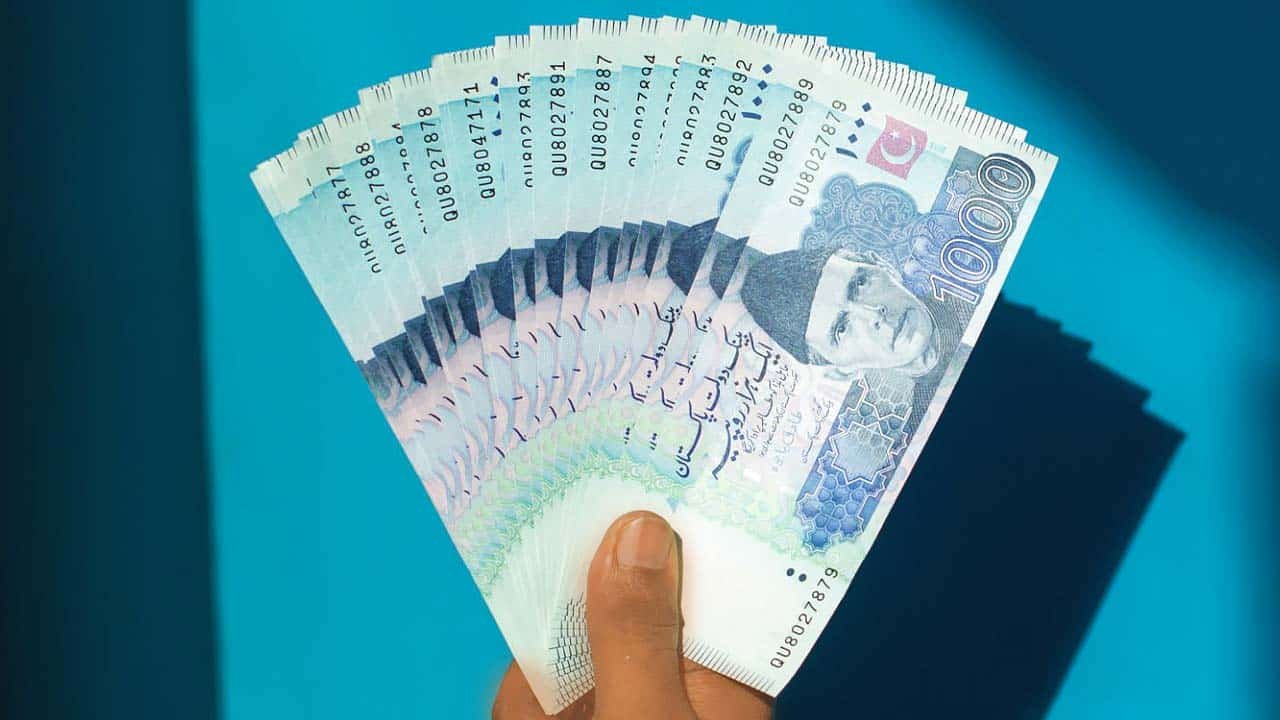
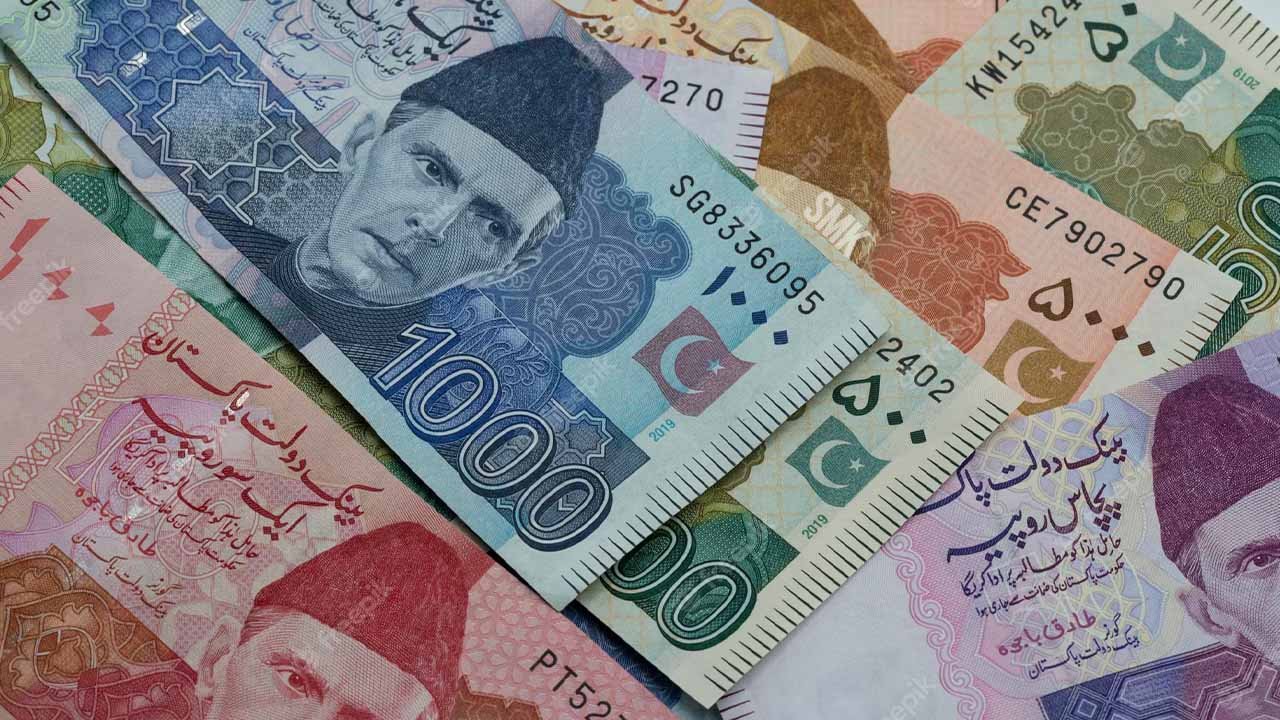
    In a significant move to enhance security features and align with technological advancements, the State Bank of Pakistan (SBP) has kicked off the process of designing and issuing a new series of banknotes covering all existing denominations.

    The SBP, in an official statement released on Tuesday, emphasised the complexity of the issuance process, which involves multiple meticulous steps and stages that demand careful planning and coordination among various stakeholders. Despite the general timeline of 2-3 years for launching a new banknote series, the SBP aims to expedite the process and complete it within the next two years.

    As an initial step towards the design process, the SBP has organised an art competition for the new banknote series. This competition is expected to yield diverse and creative ideas and themes that will form the basis for the subsequent phases of development.

    The finalised concepts will be shared with renowned professional banknote designers, who will be selected through a competitive process to transform these ideas into the final printable designs for each denomination.

    The final designs will then undergo scrutiny by the federal government for approval, ensuring that they meet the necessary standards and security features. The SBP assured the public that the existing banknote series would continue to remain in circulation even after the introduction of the new series.

    Any decision regarding the withdrawal of the existing banknotes will be executed gradually and in a phased manner, contingent upon the successful issuance and sufficient circulation of the new banknotes.

    The central bank highlighted that the periodic introduction of new banknote series, occurring approximately every 15–20 years, is a common practice among central banks. This practice aims to bolster the integrity of banknotes and integrate the latest technological developments in design and security features, ensuring a secure and reliable currency system for the nation.

  • State Bank of Pakistan unveils plans for new currency notes with international security features

    State Bank of Pakistan unveils plans for new currency notes with international security features

    The State Bank of Pakistan (SBP) on Monday announced plans to issue new currency notes featuring international security features. 

    The central bank assured a seamless transition, avoiding disruptions akin to India’s 2016 demonetisation. 

    Governor Jameel Ahmad stated that the new notes would have updated serial numbers, designs, and heightened security features. The design framework is expected to be finalised by March.

    The decision, prompted by concerns over counterfeit currency, was cautiously welcomed by financial experts. 

    CEO Khurram Schehzad acknowledged the move as a “positive development” but cautioned against premature assessment. 

    He emphasised the need to address higher-denomination notes and questioned their effectiveness, citing challenges faced by countries like India after demonetisation.

    Schehzad underscored the importance of evaluating the impact on black money, highlighting the public’s inclination to convert cash into alternative assets amidst inflation. 

    He urged the SBP to consider reducing the number of higher-denomination notes in circulation to address economic concerns, emphasising the role of controlled currency printing in curbing inflation.