Category: Business

The most important business news, explained in a young, easy to understand way. News that affects young career professionals.

  • Monetary policy committee maintains status quo: SBP keeps policy rate at 22% to tackle elevated inflation

    Monetary policy committee maintains status quo: SBP keeps policy rate at 22% to tackle elevated inflation

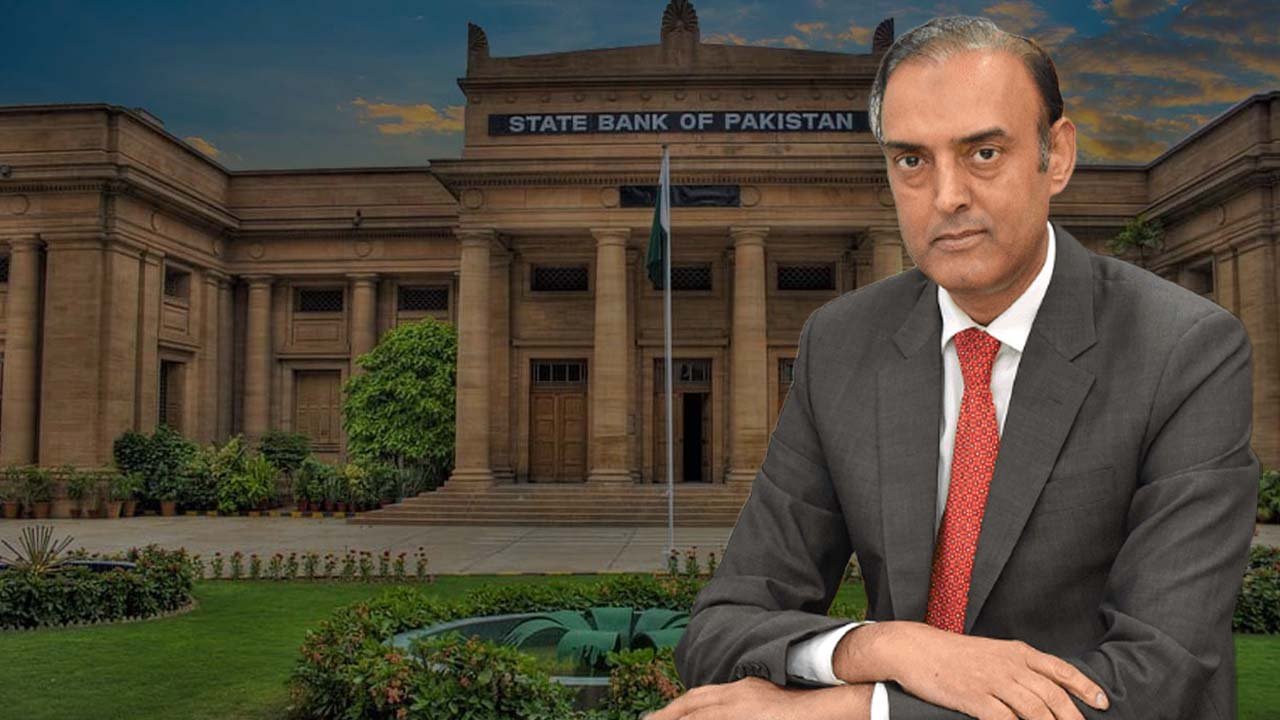
    In a decision announced on Monday, the Monetary Policy Committee (MPC) of the State Bank of Pakistan (SBP) has opted to maintain the status quo, retaining the key policy rate of 22 per cent. 

    SBP Governor Jameel Ahmad highlighted the persistent elevation of inflation, disclosing a revised forecast for the fiscal year 2023–24 ranging from 23 per cent to 25 per cent.

    Market analysts, anticipating the decision, noted that the sustained high inflation rate was a contributing factor to the MPC’s decision to keep the key policy rate unchanged.

  • Pakistan sets sights on $5 billion smartphone exports by 2029

    Pakistan sets sights on $5 billion smartphone exports by 2029

    Pakistan’s mobile phone industry is experiencing a significant boom, with plans to export smartphones worth $500 million in the next two years and an ambitious target of $5 billion in the next five years, according to the Federal Minister of IT and Telecom, Dr Umar Saif.

    The announcement was made during the Pakistan Mobile Summit 2024, a collaborative effort between the Ministry of IT and Telecom and mobile phone manufacturers.

    Dr Umar Saif, speaking at the summit, drew parallels with neighbouring India, which currently exports mobile phones worth $10 billion annually.

    He expressed confidence in enhancing Pakistan’s presence in the global mobile phone market and outlined steps being taken to boost smartphone exports manufactured within the country.

    During the summit, the minister disclosed that 35 companies have been licenced to assemble smartphones of different brands.

    Furthermore, a comprehensive policy is in the works to facilitate the local production of complete phones and some of their components.

    This initiative is expected to not only strengthen the local industry but also contribute significantly to Pakistan’s standing in the international mobile phone market.

    Dr Saif highlighted the progress made so far, indicating that approximately 90 million mobile phones have been assembled in Pakistan over the past two years.

    Additionally, the country has successfully exported around 250,000 mobile phones, amounting to a value of $15 million. These figures showcase the growing capabilities of Pakistan’s mobile phone manufacturing sector.

    The minister emphasised the need for sustained efforts to capitalise on the industry’s potential and underscored the importance of innovation and competitiveness to further enhance Pakistan’s share in the global market.

    As the country moves forward, there is a concerted push to not only meet but surpass the set export targets, contributing significantly to the national economy and establishing Pakistan as a key player in the international mobile phone industry.

    The success and growth of the mobile phone industry align with the government’s broader vision for economic development and technological advancement, showcasing Pakistan as a competitive player in the global digital landscape.

  • Monthly inflation expected to ease in the coming months

    Monthly inflation expected to ease in the coming months

    In January, a discerning shift towards disinflation is anticipated, as headline inflation is poised to soften to 27.2 per cent year-over-year (YoY), attributed to a favourable base effect.

    This decline from the previous month’s 29.7 per cent is primarily influenced by a higher base in the preceding year, while monthly pressures on consumer prices are expected to persist.

    Despite the overall yearly decrease, monthly inflation is projected to rise by 0.93 per cent month-over-month (MoM), contrasting with the 12-month average of 2.2 per cent MoM. 

    Consequently, the average yearly inflation for the first seven months of fiscal year 2024 is estimated at 28.57 per cent YoY, up from 25.40 per cent YoY in the same period last fiscal year.

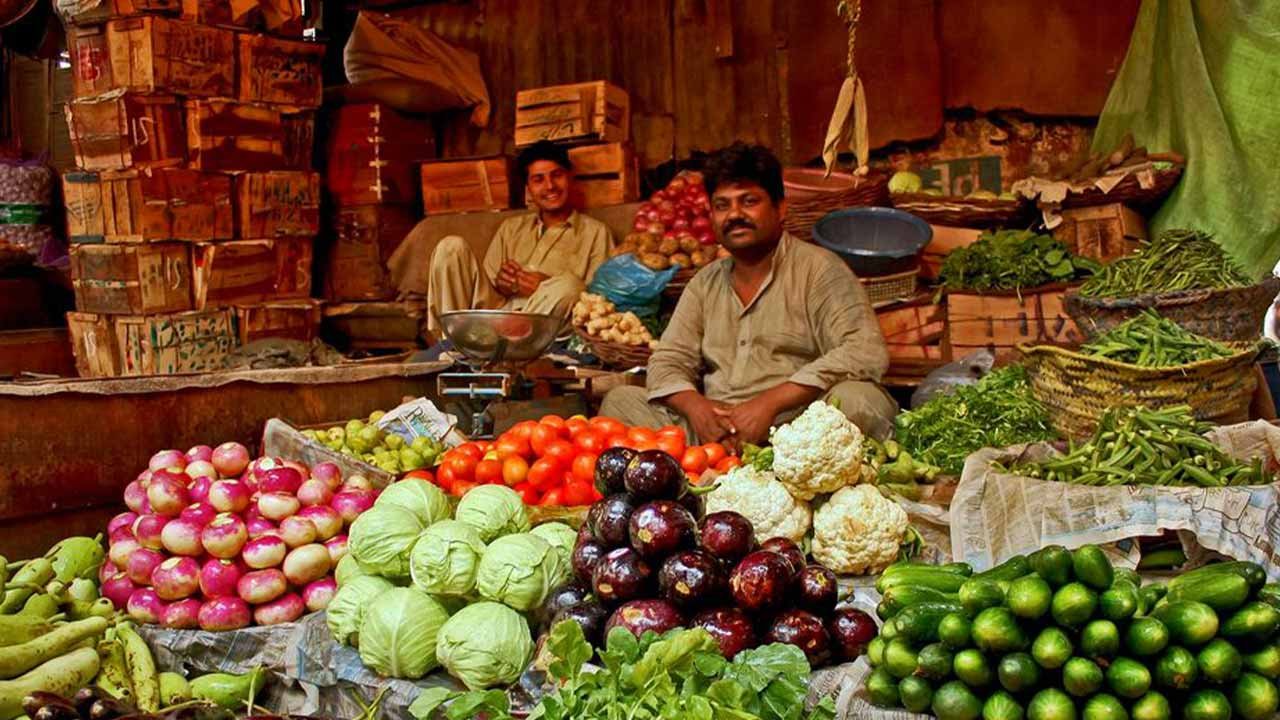
    The surge in monthly inflation is predominantly fueled by a rise in the food and housing index. Food inflation is expected to increase by 1.76 per cent MoM, driven by inflated prices of essential commodities such as onions, chicken, tomatoes, eggs, and pulses. 

    Meanwhile, the housing index is projected to experience a 1.54 per cent MoM increase, primarily due to quarterly rent adjustments. In contrast, the transport index is anticipated to decrease by 2.69 per cent MoM, attributed to relief in fuel prices.

    Looking ahead, a 0.5 per cent MoM inflation rate in February could result in an annual headline inflation of around 22 per cent, with a gradual decline below 16 per cent by June 2024.

    Even a 1 per cent MoM inflation rate, significantly lower than the 12-month average, is expected to maintain real interest rates from turning positive until March 2024, as illustrated in the accompanying chart depicting various monthly inflation scenarios.

    Starting in January, the disinflationary trend is expected to accelerate due to the favourable base effect, the lagged impact of monetary tightening, and other administrative measures.

    However, potential risks include unforeseen climate events, volatility in global commodity prices—especially oil—and external account pressures.

    Rising global oil prices amid geopolitical tensions pose a threat to the inflation outlook, and an additional gas price adjustment, as suggested by the International Monetary Fund (IMF), may further intensify pressure on consumer prices.

  • Petrol and diesel prices predicted to rise in February

    Petrol and diesel prices predicted to rise in February

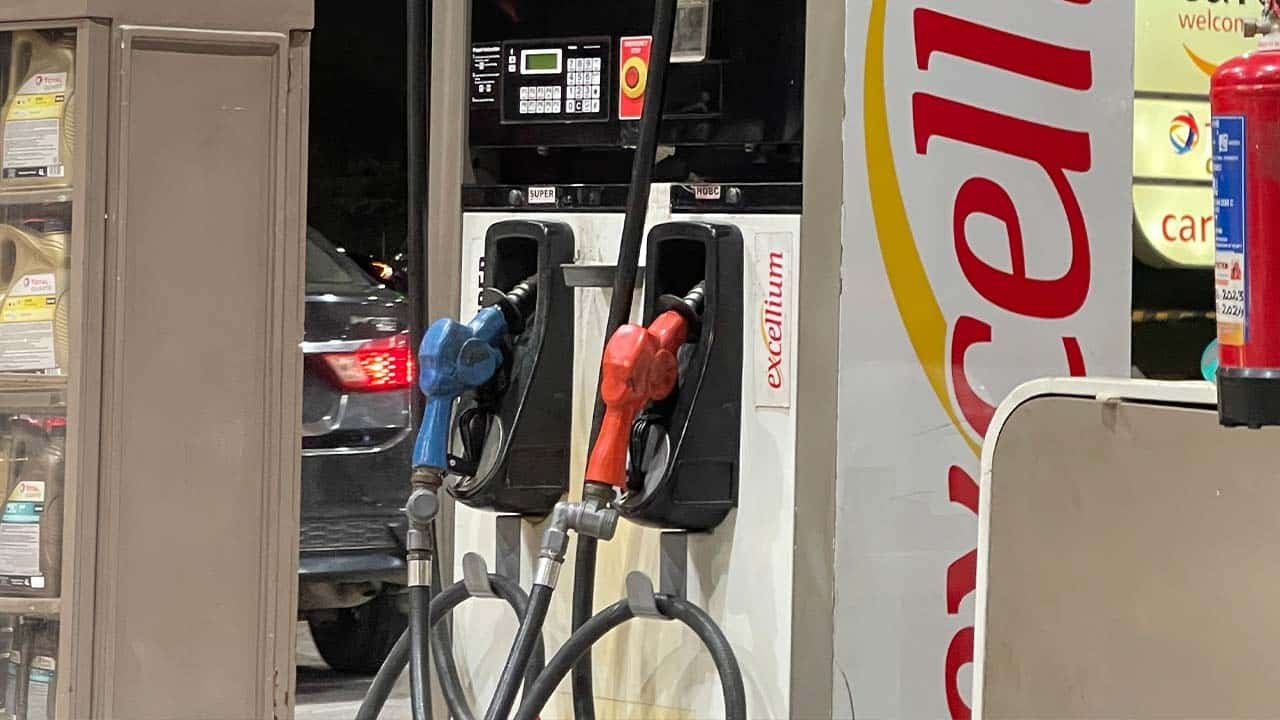
    In response to the recent surge in global oil prices, the government is anticipated to raise petrol and diesel prices by Rs11 and Rs6 per litre, respectively, for the first half of February. 

    The significant 11 per cent and 25 per cent increases in the premium on petrol and diesel contribute to the upward adjustment. 

    Recent pricing estimates until January 26 reveal a 5 per cent rise in finished petroleum prices to $87.7 per barrel and a 1 per cent gain in finished diesel prices to $97.4 per barrel.

    Despite a slight appreciation of the local currency, which stands at a weighted average rate of around PKR 279.87 per USD since the last pricing decision, it remains insufficient to counterbalance the substantial international price hikes. 

    It’s crucial to note that there are three more sessions before the next pricing update, and final prices will be contingent on global market movements and exchange rate fluctuations.

    The government is set to unveil the revised prices at midnight on January 31, 2024, and these adjustments will be effective for the first half of February. 

    Notably, in the previous fortnight, the government reduced petrol prices by Rs8 per litre to Rs259.34 while keeping diesel prices steady at Rs276.21 per litre.

  • Gold loses shine: Jewellers report Rs300 per tola decline in gold rates

    Gold loses shine: Jewellers report Rs300 per tola decline in gold rates

    In a significant market shift, the per tola price of 24 karat gold witnessed a decline of Rs300, settling at Rs213,900 on Saturday, as opposed to its previous rate of Rs214,200 on the last trading day.

    The decrease in gold prices extended to 10 grams of 24 karat gold, experiencing a Rs257 drop to Rs183,385 from Rs183,642.

    Similarly, the prices for 10 grams of 22 karat gold also dipped, reaching Rs168,103 from Rs168,338, as reported by the All Sindh Sarafa Jewellers Association.

    Contrastingly, both per tola and ten grams of silver remained unchanged at Rs2,600 and Rs2,229.08, respectively.

    The international market also observed a decline in gold prices, with a $2 drop to $2,038 from $2,040, according to the Association’s report.

    Meanwhile, the US dollar experienced a fall, following data indicating a modest increase in December’s inflation, with a downward trend.

    This development is expected to keep the Federal Reserve on course to reduce interest rates by the middle of the year.

    Despite this, the dollar is poised to mark gains for the fourth consecutive week, with the dollar index down 0.3 per cent at 103.25.

    Data revealed that the Personal Consumption Expenditures (PCE) price index rose by 0.2 per cent last month, following a previously unaltered 0.1 per cent drop in November.

    Over the 12 months through December, the PCE price index recorded a 2.6 per cent increase, aligning with November’s unrevised gain and meeting consensus expectations.

    For the third consecutive month, the annual inflation rate remained below 3 per cent, a key indicator monitored by the Fed for its 2 per cent inflation target.

    This stable inflation rate suggests a cautious approach towards future monetary policy decisions.

  • New profit rates unveiled for National Savings Schemes

    New profit rates unveiled for National Savings Schemes

    The Central Directorate of National Savings (CDNS) has recently adjusted the rates of return on several National Savings Schemes.

    Special Savings Certificates (SSC) will now offer a 16 per cent return, down by 40 basis points (bps) from the previous 16.4 per cent.

    Similarly, Defence Saving Certificates (DSC) will yield 14.22 per cent, a decrease of 19 bps from the earlier 14.41 per cent.

    Short Term Savings Certificates (STSC) will see a decline to 20.34 per cent from the previous 20.8 per cent, reflecting a 46 bps decrease.

    Moreover, Regular Income Certificates (RIC) now offer a 15 per cent return, down by 12 bps from the previous 15.12 per cent.

    Notably, Bahbood Savings Certificates (BSC), Savings Account (SA), and Pensioners Benefit Account (PBA) rates remain unchanged.

    These adjustments will take effect from January 26. The revision precedes the upcoming Monetary Policy Committee (MPC) meeting of the State Bank of Pakistan (SBP) on Monday, January 29, 2023.

    In the last MPC meeting, the SBP maintained the key interest rate at 22 per cent, anticipating a significant decline in headline inflation during the second half of FY24.

    The December Consumer Price Index (CPI)-based inflation registered at 29.7 per cent year-on-year, slightly higher than November, with a 0.8 per cent month-on-month increase.

  • State Bank of Pakistan’s reserves soar to $8.27 billion, highest level since July 2023

    State Bank of Pakistan’s reserves soar to $8.27 billion, highest level since July 2023

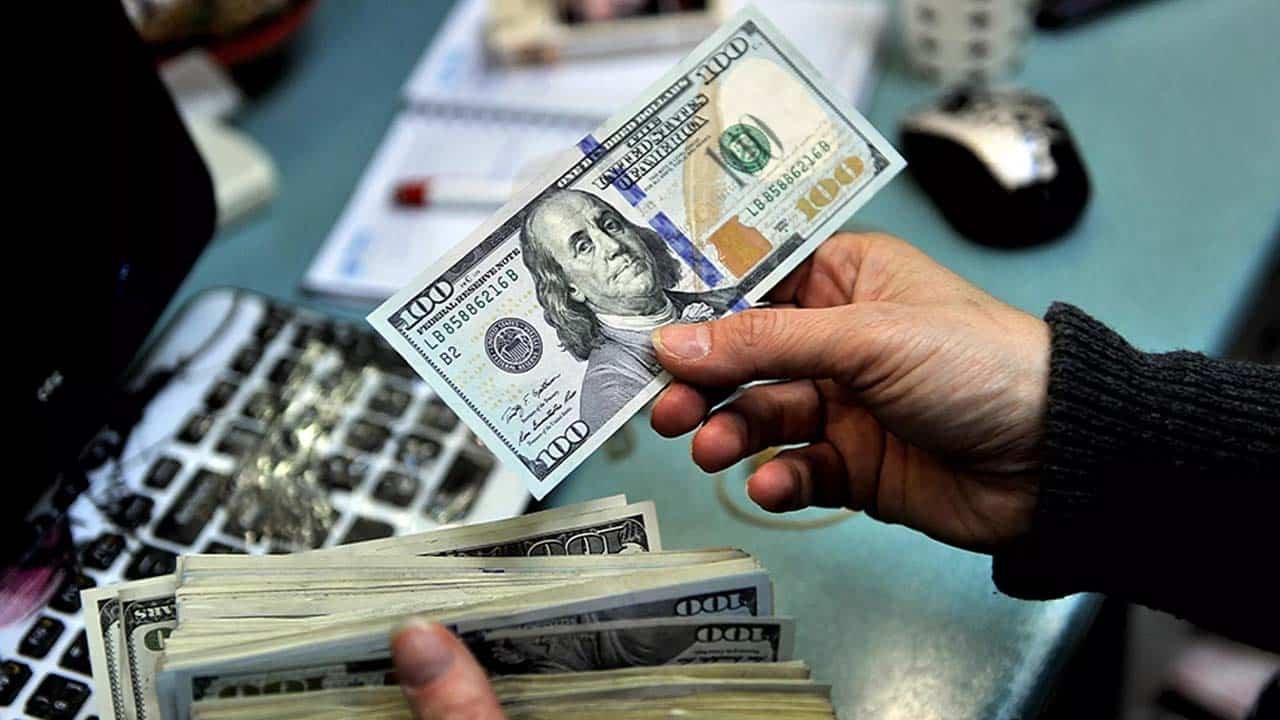
    In the latest report, the State Bank of Pakistan (SBP) announced a significant rise of $243.1 million, or 3.03 per cent week-on-week, in foreign exchange reserves, reaching $8.27 billion as of January 19, 2024. 

    This boost is credited to the reception of the second installment of SDR 528 million, equivalent to $705.6 million, from the International Monetary Fund (IMF). 

    After settling government external debt repayments, the net increase for the week stands at $243.1 million, marking the highest level for SBP’s reserves since July 14, 2023.

    Furthermore, the total reserves of the country witnessed an increase of $196.3 million, or 1.49 per cent, totaling $13.34 billion during the same week. 

    In contrast, commercial banks experienced a decline in reserves, dropping by $46.8 million, or 0.91 per cent, to $5.07 billion week-on-week.

    It is noteworthy that in the current fiscal year, total liquid foreign reserves have shown a substantial growth of $4.18 billion, reflecting a 45.65 per cent increase. 

    Similarly, the ongoing calendar year has seen a rise of $0.12 billion, marking a 0.91 per cent increase in the nation’s reserves.

  • Pakistan’s debt burden increases by Rs86.28 billion within seven days

    Pakistan’s debt burden increases by Rs86.28 billion within seven days

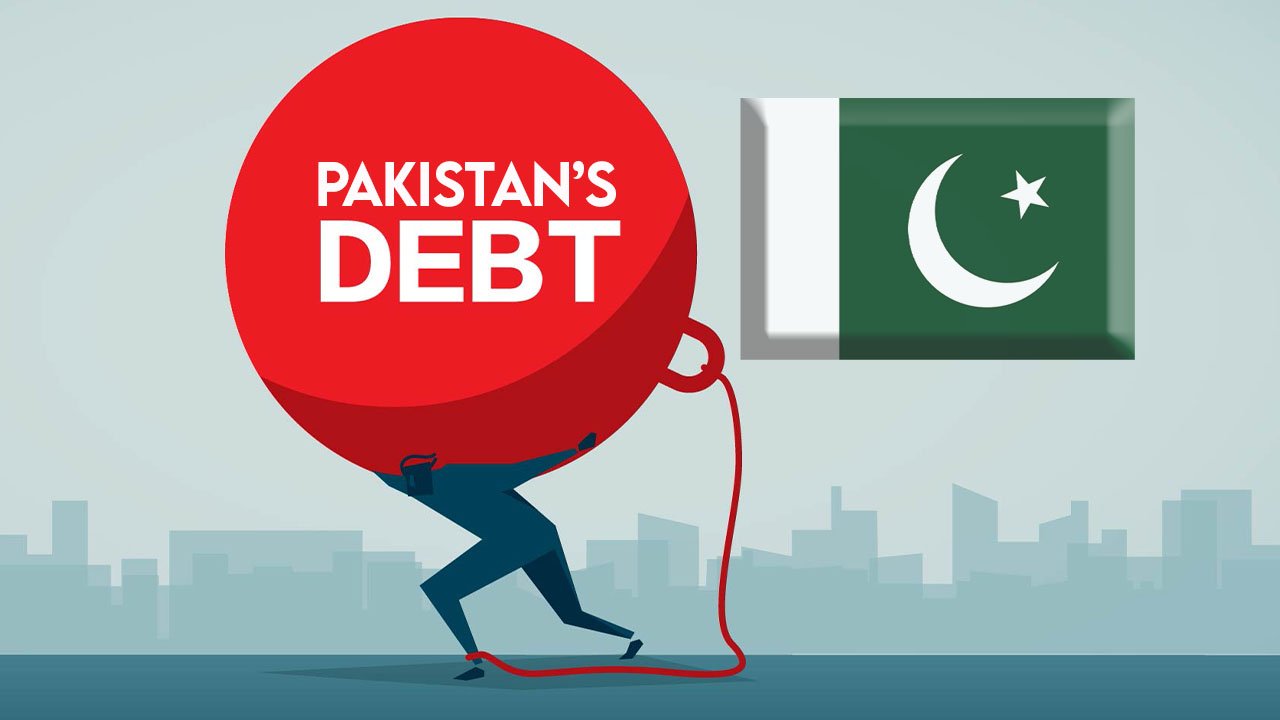
    In the week ending January 12, the government of Pakistan increased its debt burden by Rs86.28 billion, bringing the total net borrowing for the ongoing fiscal year 2024 to Rs2.57 trillion, as per the latest estimates from the State Bank of Pakistan (SBP).

    The government’s borrowings fall into three main categories: budgetary support, commodity operations, and others.

    The breakdown of the weekly net borrowing reveals that Rs87.7 billion was allocated for budgetary support, while Rs1.37 billion went towards retiring commodity operations.

    Additionally, Rs48.4 million was used for other purposes during the week.

    Cumulatively, this brings the borrowing figures for the fiscal year 2024 to Rs2.77 trillion for budgetary support, Rs193.72 billion for retiring commodity operations, and Rs1.1 billion for other purposes.

    The primary sources of financing for budgetary support are the State Bank of Pakistan and the Scheduled Banks. In the ongoing fiscal year, the government has repaid a net sum of Rs1.05 trillion to the central bank.

    The Federal Government accounted for Rs954.56 billion of this repayment, while the Provincial Government, AJK Government, and GB Government contributed Rs77.73 billion, Rs11.17 billion, and Rs2.05 billion, respectively.

    On the other hand, scheduled banks have extended a net total of Rs3.81 trillion in loans. The Federal Government borrowed Rs3.9 trillion, while the Provincial Government repaid Rs90.41 billion during this period.

  • Saudi Arabia to open first liquor store in Riyadh

    Saudi Arabia to open first liquor store in Riyadh

    Saudi Arabia is gearing up to inaugurate its maiden alcohol store in the capital city of Riyadh, exclusively catering to non-Muslim diplomats, according to a reliable source and an official document disclosed on Wednesday.

    Prospective customers will be required to register through a designated mobile app, obtain a clearance code from the foreign ministry, and adhere to monthly purchase quotas, as outlined in the document.

    This development marks a significant milestone in Saudi Arabia’s initiatives, spearheaded by Crown Prince Mohammed bin Salman, to transform the ultra-conservative Muslim nation into a hub for tourism and business. Notably, the consumption of alcohol is strictly forbidden in Islam.

    Situated in Riyadh’s Diplomatic Quarter, a locale housing embassies and diplomats, the new store will be “strictly restricted” to non-Muslims, according to the document. 

    It remains unclear whether other non-Muslim expatriates will be granted access to the establishment, given that the majority of expatriates in Saudi Arabia are Muslim workers from Asia and Egypt.

    Insiders familiar with the plans have indicated that the store is anticipated to open its doors in the coming weeks.

    Saudi Arabia has long maintained stringent laws against alcohol consumption, with penalties ranging from lashes, fines, and imprisonment to deportation. 

    As part of ongoing reforms, the practice of whipping has largely been replaced by jail sentences. Until now, alcohol has only been available through diplomatic mail or on the black market.

    According to Reuters, the Saudi government has not responded to requests for comments on the matter.

    Recent reports from state-controlled media suggest that the government is imposing new restrictions on alcohol imports within diplomatic consignments. This move is expected to bolster demand for the forthcoming alcohol store. 

    The new regulations aim to control imports and prevent the improper exchange of special goods and alcoholic beverages received by non-Muslim embassies in Saudi Arabia, as reported by the Arab News daily on Sunday.

    In recent years, Saudi Arabia, traditionally closed off to the world, has relaxed strict social codes. These changes include ending the segregation of men and women in public places, lifting the requirement for women to wear all-covering black robes (abayas), and allowing women to drive. 

    These transformations, part of Vision 2030, align with the broader goal of developing local industries, logistics hubs, and generating hundreds of thousands of jobs for Saudi nationals.