Category: Business

The most important business news, explained in a young, easy to understand way. News that affects young career professionals.

  • Gold rate drops to Rs213,700, marking a decrease of Rs1,600 per tola

    Gold rate drops to Rs213,700, marking a decrease of Rs1,600 per tola

    In the domestic bullion market, the decline persisted alongside a drop in global prices.

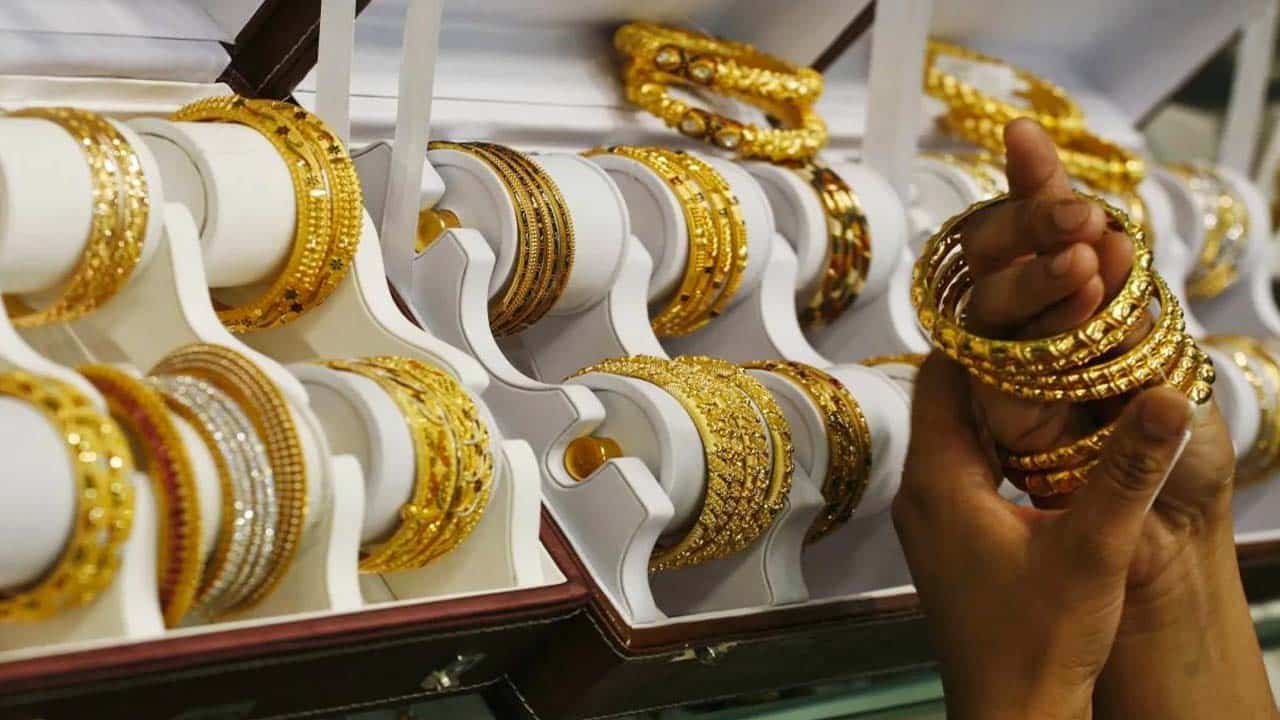
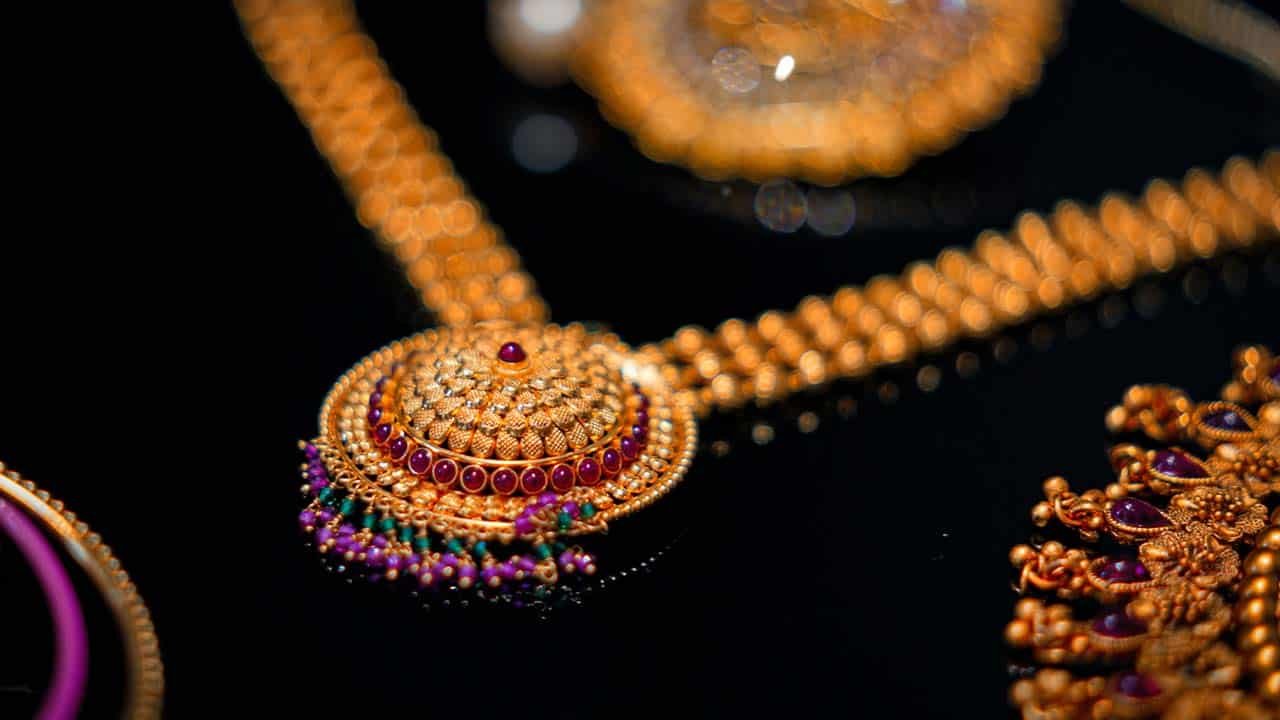
    The price of 24-karat gold in Pakistan saw a further decrease, now standing at Rs213,700 per tola, marking a Rs1,600 reduction.

    The Karachi Sarafa Association provided details indicating that the rate for 10 grammes of 24-karat gold is now Rs183,213, reflecting a decrease of Rs1,372.

    Additionally, the price for 10 grammes of 22-karat gold is Rs167,945, compared to yesterday’s rate of Rs169,203.

    Conversely, silver maintained its stability in the domestic market, with 24-karat silver being traded at Rs2,600 per tola and Rs2,229.08 per 10 grammes.

    On the global front, the international spot gold price hovered around $2,011.77 [02:50 pm PST], experiencing a weekly decline of $37.3 or 1.82 per cent.

    This downward movement in commodity prices was attributed to central bankers vehemently opposing market expectations for interest rate cuts, resulting in a widespread selloff across global stocks and bonds.
  • SBP receives second IMF installment, total disbursements reach $1.9 billion

    SBP receives second IMF installment, total disbursements reach $1.9 billion

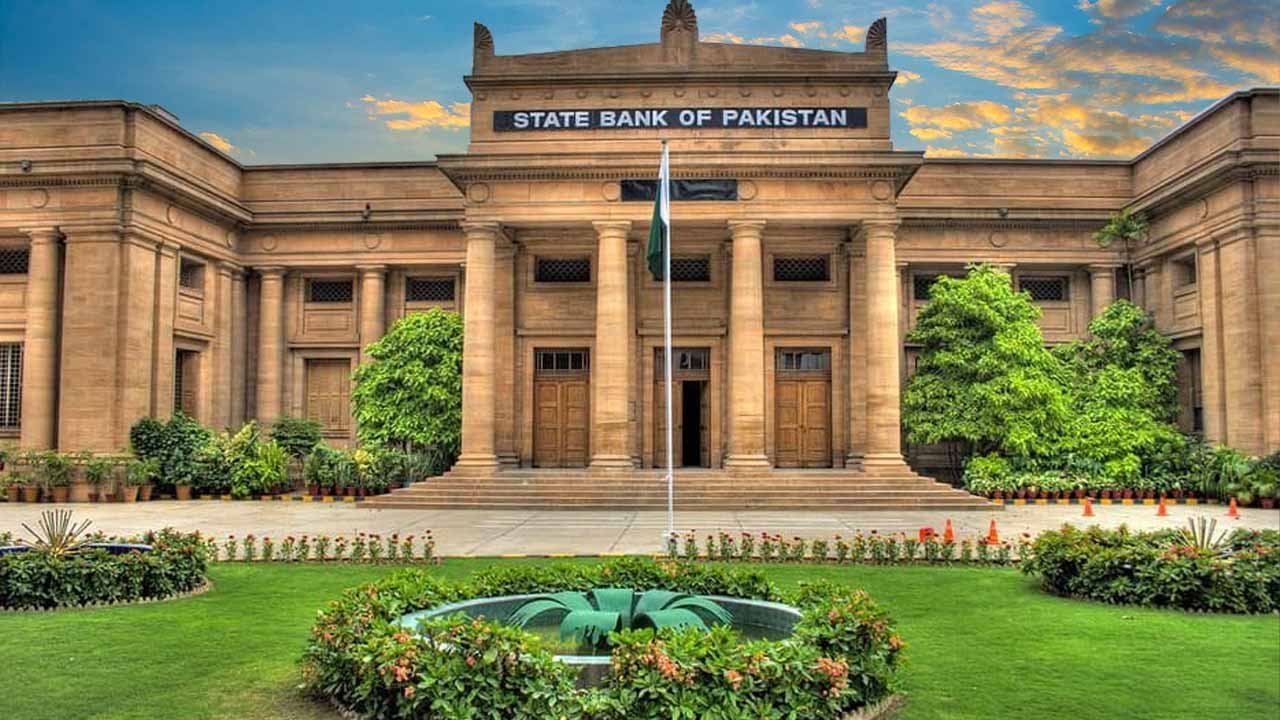
    The State Bank of Pakistan (SBP) announced today that it has successfully received the second installment of SDR 528 million, equivalent to $705.6 million, from the International Monetary Fund (IMF).

    This disbursement, slated to be reflected in SBP reserves for the week ending on January 19, 2024, marks a significant step in the ongoing financial collaboration between Pakistan and the IMF.

    The latest disbursement brings the total disbursements under the stand-by arrangement (SBA) to a substantial $1.9 billion.

    It is noteworthy that the remaining $1.1 billion is expected to be received after another comprehensive review scheduled for February 2024.

    As of January 5, 2024, the State Bank of Pakistan’s total reserves stand at $8.15 billion, showcasing the positive impact of the financial support received through the IMF programme.

    To recall, Pakistan secured a $3 billion SBA from the IMF towards the end of FY23, crucially preventing the nation from defaulting on its sovereign debt.

    The disbursement of the IMF funds has been phased out over two installments, subject to meticulous reviews.

    On January 11, 2024, Pakistan successfully completed the first review of the economic reform programme, a significant milestone in ensuring the country’s financial stability.

    Following the board’s approval, the IMF highlighted that economic activity has stabilised, though acknowledging that the outlook remains challenging and is contingent on the implementation of sound policies.

    Pakistan’s 9-month SBA aims to provide a robust policy anchor for addressing both domestic and external balances, serving as a framework for continued financial support from multilateral and bilateral partners.

    This financial collaboration with the IMF is instrumental in navigating Pakistan through economic challenges, providing a solid foundation for sustained growth and stability in the region.

    The country remains committed to implementing prudent economic policies as outlined in the reform programme, with the ongoing support of international partners.

  • Gold price drops by Rs2,000 per tola to Rs215,300

    Gold price drops by Rs2,000 per tola to Rs215,300

    On Wednesday, the domestic bullion market experienced a notable decline, influenced by a drop in international prices. 

    In Pakistan, the price of 24-karat gold plunged by Rs2,000 per tola, reaching Rs215,300.

    The Karachi Sarafa Association reported a decrease of Rs1,715 in the price of 10-gramme 24-karat gold, standing at  Rs184,585. 

    Additionally, the price of 10-gramme 22-karat gold dipped to Rs169,203 compared to Rs170,775 on Tuesday.

    Silver prices also witnessed a downturn in the domestic market, with 24-karat silver selling at Rs2,600 per tola and Rs2,229.08 per 10-gramme, reflecting declines of Rs50 per tola and Rs 42.86 per 10-gramme, respectively.

    On the global stage, international spot gold experienced a $6, or 0.31 per cent, decrease, currently trading at $2,021.77 [02:46 pm PST]. 

    This follows a $26 or 1.27 per cent decline yesterday, contributing to the overall impact on the domestic bullion market.

  • IMF analysis reveals AI’s potential to disrupt 40% of jobs globally

    IMF analysis reveals AI’s potential to disrupt 40% of jobs globally

    In a recent comprehensive analysis, the International Monetary Fund (IMF) sheds light on the extensive impact of artificial intelligence (AI), unveiling its potential to disrupt nearly 40 per cent of all jobs worldwide.

    Kristalina Georgieva, the Managing Director of the IMF, expresses deep concerns about the consequences of widespread AI adoption, emphasising the likelihood of exacerbating existing inequalities.

    Georgieva underlines the urgency for policymakers to address this alarming trend, cautioning that unchecked deployment of AI could further widen social disparities and intensify tensions.

    The analysis indicates that the influence of AI on employment is expected to be particularly pronounced in advanced economies, with an estimated impact on approximately 60 per cent of jobs.

    While in about half of these cases, employees are poised to benefit from AI integration by enhancing their productivity and work capabilities, in other instances, AI may assume critical roles traditionally performed by humans.

    This shift in labour dynamics could lead to reduced demand for human workers, potentially affecting wages and, in some cases, resulting in job displacement.

    Contrary to the more significant impact projected for advanced economies, the IMF’s projections suggest that low-income countries may experience a comparatively lower impact, with AI affecting only around 26 per cent of jobs in these regions.

    Ms. Georgieva points out that many of these nations lack the necessary infrastructure or skilled workforces to harness the benefits of AI, raising concerns that the technology could exacerbate inequality among nations over time.

    This analysis aligns with a 2023 report by Goldman Sachs, estimating that AI has the potential to replace the equivalent of 300 million full-time jobs.

    However, the report also highlights the possibility of new job opportunities emerging along with a substantial increase in productivity.

    As the rapid proliferation of AI continues to spark intense debate, the global community faces the critical challenge of balancing the benefits and risks associated with this transformative technology.

  • Price Monitoring Committee responds to alarming spike in food prices

    Price Monitoring Committee responds to alarming spike in food prices

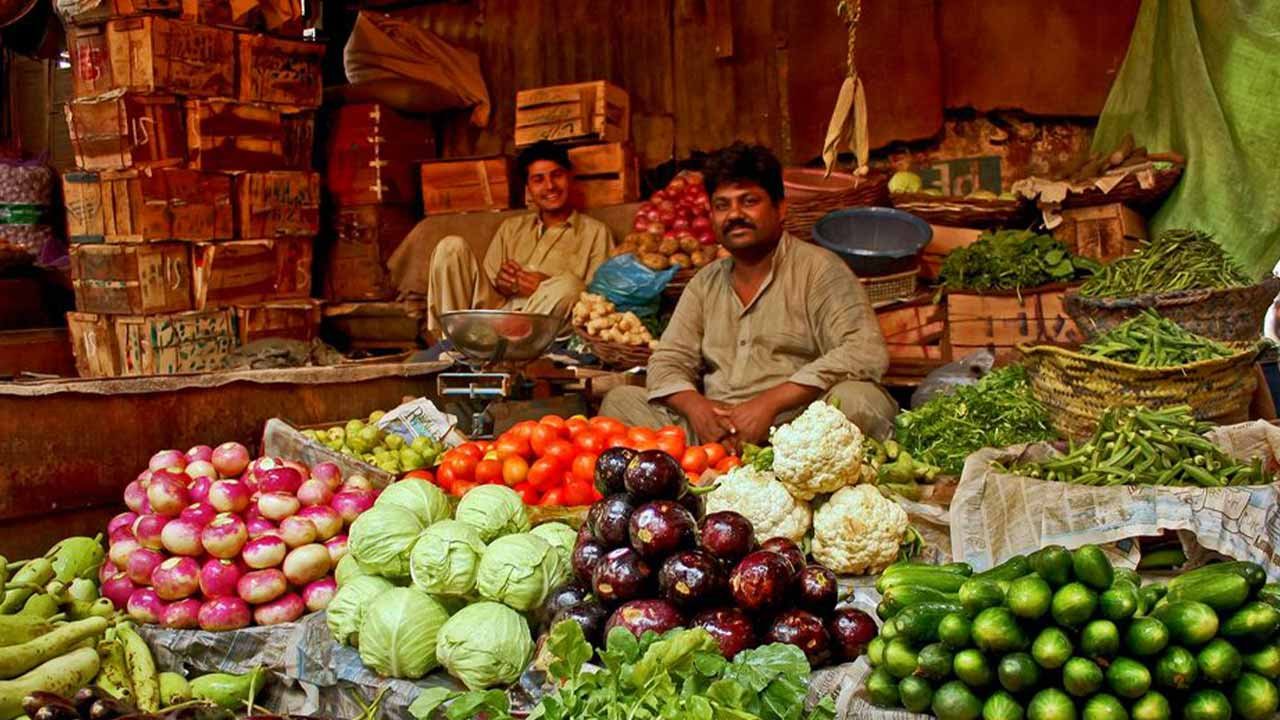
    In response to the surge in food prices, the Food and Industries Departments of Punjab, Sindh, and KP have jointly implemented robust monitoring measures, including heavy fines, surprise raids, and the sealing of establishments engaging in price gouging.

    The Caretaker Minister for Planning, Development, and Special Initiatives, Muhammad Sami Saeed, led a crucial meeting of the National Price Monitoring Committee (NPMC) on Tuesday.

    The committee convened to assess the prices of essential commodities amid the current economic challenges.

    As of the week ending on January 11, 2024, the Chief Statistician, PBS, presented a comprehensive overview of the country’s price situation.

    The report revealed a 1.4 per cent increase in the SPI over the previous week (WoW) and a significant 44.2 per cent surge over the corresponding week of the previous year.

    The spike in SPI was primarily attributed to the increased prices of perishable items such as tomatoes and onions, as well as poultry products like chicken and eggs.

    Out of the 21 monitored items, prices for 21 increased, 8 decreased, and 22 remained stable. Noteworthy declines were observed in the prices of potatoes, vegetable ghee, and sugar.

    During the meeting, the minister inquired about the measures taken by provincial governments and ICT to bridge the gap between wholesale and retail prices.

    Representatives from the provincial Food and Industries Departments of Punjab, Sindh, and KP assured strict monitoring through the imposition of heavy fines, surprise raids, and the sealing of shops involved in overcharging.

    Despite challenges in the supply of perishable items due to extreme weather conditions, the meeting underscored the importance of addressing climate change.

    The administration of Punjab is actively working on controlling prices by sensitising Deputy Commissioners across the province.

  • Pakistani rupee continues to gain ground against major currencies

    Pakistani rupee continues to gain ground against major currencies

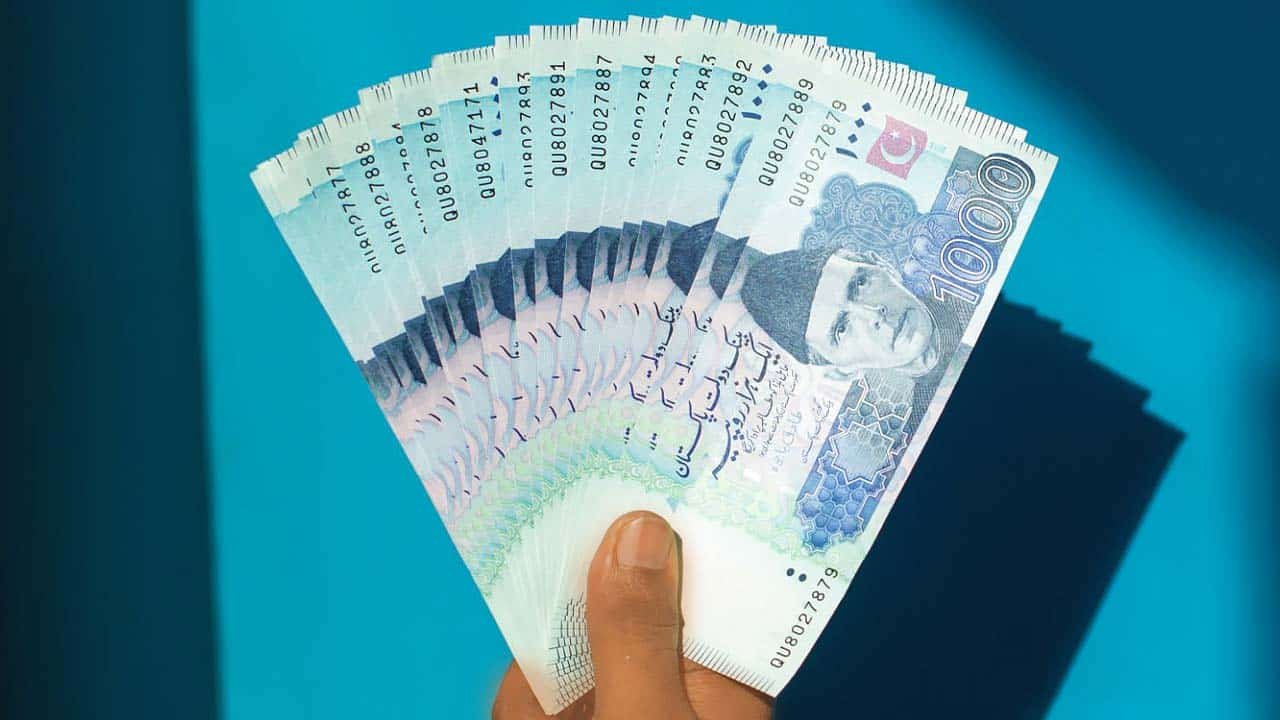
    In Tuesday’s interbank session, the Pakistani rupee (PKR) demonstrated resilience against the US dollar (USD), settling the trade at PKR 280.25 per USD.

    This maintained a stable position compared to the previous session’s closing rate of PKR 280.24 per USD.

    Throughout the day, the currency experienced an intraday high (bid) of Rs280.6 and a low (ask) of Rs280.1.

    In the open market, Exchange Companies quoted the US dollar at Rs279 for buying and Rs281 for selling.

    Notably, the PKR celebrated its 9th consecutive weekly victory, appreciating by 1.04 rupees against the US dollar last week.

    This positive trend can be attributed to various factors, including increased liquidity in the foreign exchange market, tighter enforcement of regulations, a reduction in the money supply, a balance of payments surplus due to low import demand, and a moratorium on Chinese debt repayments.

    In comparison to major currencies, the PKR exhibited strength by gaining 1.17 rupees against the Euro, closing at Rs305.92 in contrast to the previous value of Rs307.09.

    The British Pound became more affordable by Rs2.15, concluding at Rs355.06 compared to Rs357.21 from the previous day.

    The Swiss franc experienced losses of 2.48 rupees, closing at Rs326.23 as opposed to Rs328.71 in the previous session.

    Against the Japanese Yen, the PKR gained 0.96 paisa, closing at Rs1.9181 versus Rs1.9277 a day ago.

    Meanwhile, the Chinese Yuan saw a slight decline, losing 6 paisa and closing at Rs39.01 against Rs39.07 from the previous session.

  • Gold prices dip in Pakistan: 24-carat gold settles at Rs217,300 per tola

    Gold prices dip in Pakistan: 24-carat gold settles at Rs217,300 per tola

    The domestic price of gold witnessed a decline, particularly impacting 24-karat gold in Pakistan, which dropped by Rs600 per tola to reach Rs217,300.

    According to the Karachi Sarafa Association, the price for 10 grammes of 24-karat gold was reported at Rs186,300, marking an increase of Rs514.

    The price for 10 grammes of 22-karat gold was Rs170,775 during this period.

    In contrast, silver remained steady in the local market, with 24-karat silver being traded at Rs2,650 per tola and Rs2,271.94 per 10 grammes.

    Internationally, the spot price of gold experienced a decline of $15, or 0.74%, reaching $2,039. It’s noteworthy that, at the time of the Karachi Sarafa Association’s report, the international spot rate had decreased by $8.

    It’s worth mentioning that 24-karat gold in Pakistan has observed a decline for the second consecutive week, as reported in the previous week.

  • Govt reduces petrol price by Rs8 to Rs259.34 per litre for next fortnight

    Govt reduces petrol price by Rs8 to Rs259.34 per litre for next fortnight

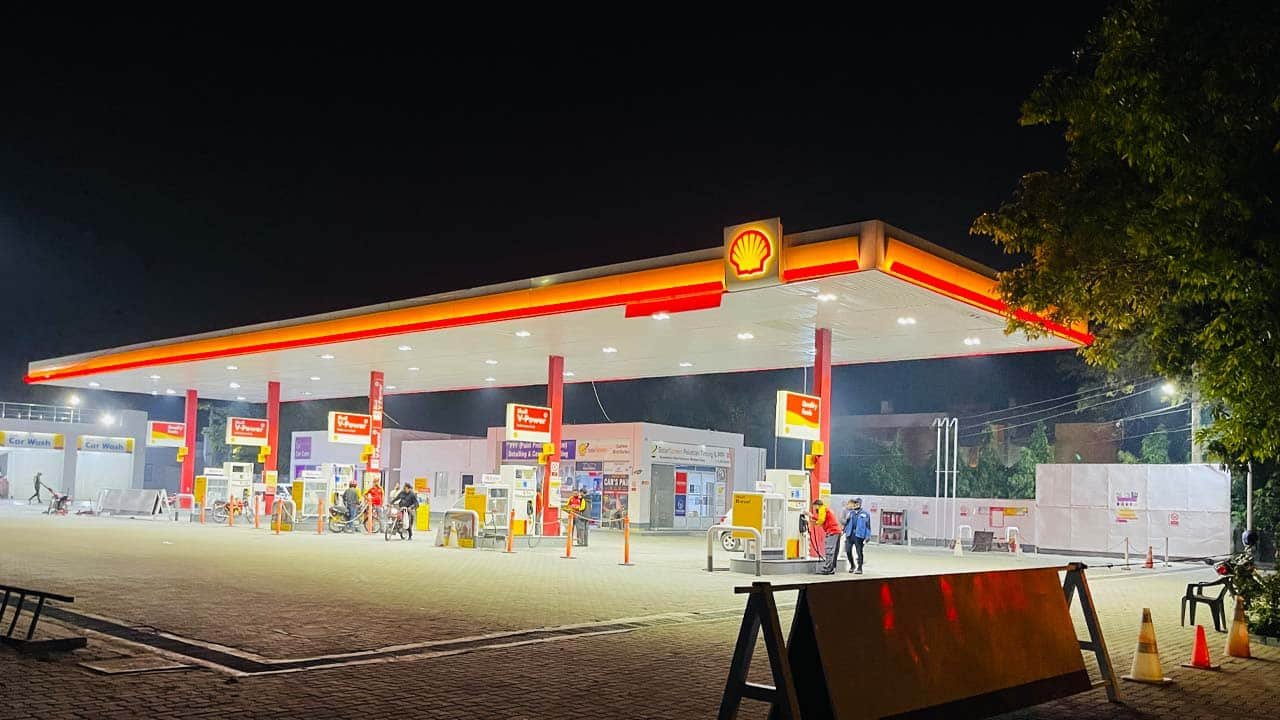
    In a significant move, the caretaker government announced a substantial reduction in the price of petrol by Rs8 per litre for the upcoming fortnight, effective January 16.

    This decision, as conveyed in a notification issued today by the Finance Division, aligns with the recommendations put forth by the Oil and Gas Regulatory Authority (OGRA).

    The adjusted ex-depot price of petrol now stands at Rs259.34 per litre, reflecting a notable decrease from the previous rate of Rs267.34 per litre.

    However, it is important to note that there have been no alterations in the prices of high-speed diesel, light-diesel oil, or kerosene oil.

    The government has already reached the maximum permissible limit under the law, with a Rs60 per litre petroleum levy imposed on both petrol and high-speed diesel (HSD).

    This levy is in line with the commitments made to the International Monetary Fund (IMF), aiming to collect Rs869 billion during the current fiscal year.

    Optimistically, the government anticipates surpassing this target, with the collection expected to exceed Rs950 billion by the end of June.

    Petroleum and electricity prices have been identified as key contributors to inflation, which surged to 29.7 per cent in December, as indicated by the Consumer Price Index.

    Presently, the government imposes a tax of approximately Rs82 per litre on both petrol and HSD.

    This adjustment in petrol prices not only provides relief to consumers but also marks a strategic step by the caretaker government to manage fiscal targets while considering the economic impact on the general population.

    The move is anticipated to have ripple effects on inflation rates, offering a temporary respite from the cost of living for the common citizen.

  • Pakistan’s key industries report 3.63% output increase

    Pakistan’s key industries report 3.63% output increase

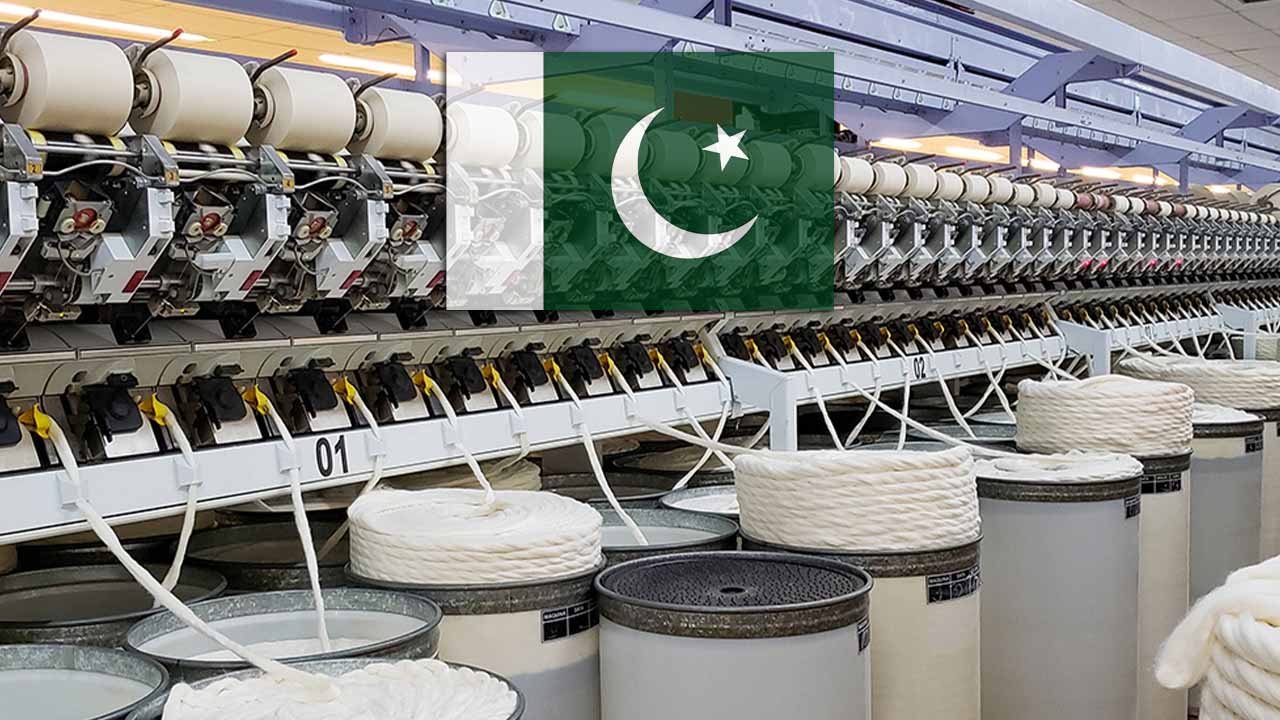
    In November 2023, Pakistan’s Large Scale Manufacturing Industries (LSMI) experienced a notable monthly growth of 3.63 per cent, reaching a production index of 114.85, as reported by the Pakistan Bureau of Statistics (PBS).  

    This marks an increase from the October 2023 figure of 110.83. 

    On an annual basis, LSMI output demonstrated a year-on-year rise of 1.59 per cent, contrasting with the November 2022 recorded index of 113.05. 

    However, when considering the cumulative data for the first five months of Fiscal Year 2024 (5MFY24), LSMI exhibited a marginal decline of 0.8 per cent when compared to the corresponding period in the previous year. 

    Various sectors played a significant role in contributing to this overall decline of -0.80 per cent. Notable contributors to the growth include food (0.53), garments (3.18), petroleum products (0.43), chemicals (0.32), pharmaceuticals (1.56), and cement (0.17).  

    Conversely, sectors such as tobacco (-0.80), textiles (-2.48), paper and board (-0.11), iron and steel products (-0.09), electrical equipment (-0.45), automobiles (-1.70), and furniture (-1.65) experienced contractions. 

    The provisional quantum indices of LSMI for November 2023, based on the 2015-16 reference year, have been formulated using the latest data provided by the relevant source agencies.