Category: Business

The most important business news, explained in a young, easy to understand way. News that affects young career professionals.

  • Cost of living rises in Pakistan: Weekly inflation jumps by 0.81%

    Cost of living rises in Pakistan: Weekly inflation jumps by 0.81%

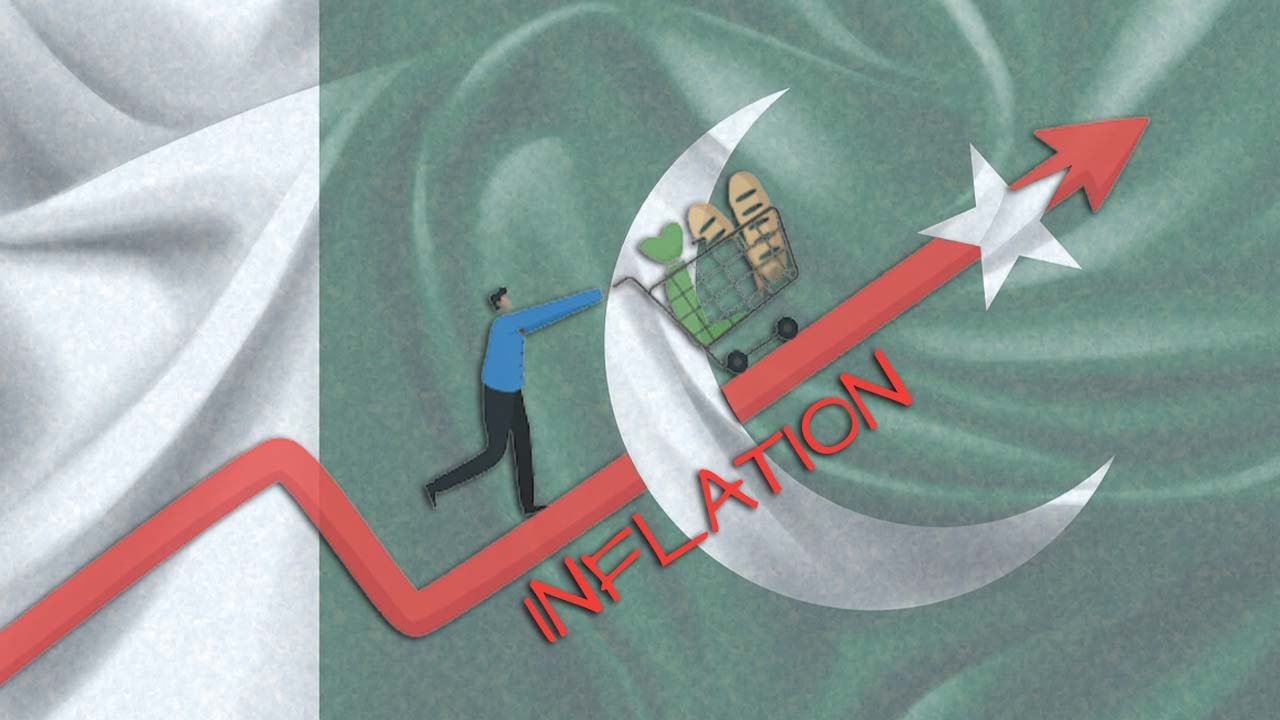
    In a recent report by the Pakistan Bureau of Statistics (PBS), the Weekly Sensitive Price Indicator (SPI) for the Combined Group witnessed a marginal increase of 0.81 per cent Week on Week (WoW), concluding on January 04, 2024.

    The SPI also exhibited a substantial 42.86 per cent Year on Year (YoY) surge when compared to the corresponding period from the previous year.

    The Combined Index, reflecting the overall price movement, stood at 313.66 as of January 04, 2024, compared to 311.14 on December 28, 2023. In contrast, a year ago on January 05, 2023, the index was reported at 219.56.

    Out of the 51 items considered, the average prices of 19 items experienced an increase, 09 items observed a decrease, and 23 items remained stable throughout the week.

    During this period, notable price hikes were observed in tomatoes (16.04 per cent), chicken (13.98 per cent), eggs (3.20 per cent), onions (3.04 per cent), and bananas (2.13 per cent).

    Moreover, significant decreases were noted in the prices of potatoes (8.68 per cent), tea Lipton (1.29 per cent), garlic (0.68 per cent), and cooking oil 5 litre & vegetable ghee 2.5 kg (0.54 per cent) each.

    Analysing the weekly SPI percentage change across income groups revealed a universal increase ranging from 0.79 per cent to 0.84 per cent. The Lowest Income Group experienced a rise of 0.81 per cent, while the highest income group recorded a slightly lower increase of 0.8 per cent.

    On a yearly basis, the SPI change across different income segments exhibited a general increase ranging from 35.33 per cent to 46.38 per cent. The Lowest Income Group saw a yearly rise of 35.33 per cent, while the highest income group recorded an increase of 41.35 per cent.

    Noteworthy price points in the market included Sona urea, with an average price of Rs4,618 per 50 kg bag, marking a 0.02 per cent increase from the previous week and a substantial 72.45 per cent surge compared to the previous year.

    In contrast, the average Cement price recorded at Rs1,226 per 50 kg bag showed a 0.47 per cent decrease from the previous week but stood 17.43 per cent higher than prices observed last year.

    These fluctuations in the SPI underscore the dynamic nature of the market, reflecting both short-term variations and longer-term economic trends.

    As consumers and businesses navigate these changes, analysts are closely monitoring the SPI for insights into broader economic patterns.


  • Gold sees Rs1,800 per tola dip in local market

    Gold sees Rs1,800 per tola dip in local market

    Gold continued its decline for the second consecutive session on Thursday, mirroring the international downtrend.

    In the local market, the price of gold reached Rs218,200 per tola, registering a loss of Rs1,800 during the day.

    According to data from the All Pakistan Gems and Jewellers Sarafa Association (APGJSA), 10-gramme gold was traded at Rs187,071, reflecting a decrease of Rs1,543.

    Notably, Wednesday witnessed a Rs1,300 decrease in gold prices per tola in Pakistan.

    The international gold rate, accompanied by a $15 decline in the global market, stood at $2,067 per ounce on Thursday, with a $20 premium, as reported by APGJSA.

    In a parallel development, silver experienced a modest decline of Rs20, settling at Rs2,660 per tola.

  • Gold prices in Pakistan follow global trend, decline by Rs1,300 per tola

    Gold prices in Pakistan follow global trend, decline by Rs1,300 per tola

    On Wednesday, gold prices in Pakistan experienced a reduction, mirroring the global downward trend. 

    The current valuation of the precious metal stands at Rs220,000 per tola, marking a decrease of Rs1,300 throughout the day.

    As reported by the All Pakistan Gems and Jewellers Sarafa Association (APGJSA), the 10-gramme gold rate now stands at Rs188,614, reflecting a decline of Rs1,115.

     In contrast, the previous day witnessed a surge of Rs 1,600 per tola in gold prices.

    The international gold rate, despite a $12 dip in the global market, settled at $2,082 per ounce on Wednesday, with a $20 premium, according to APGJSA.

    In contrast, silver rates remained unchanged at Rs2,680 per tola during this period.

  • Pakistan’s exports to China surge to $1223.5 million

    Pakistan’s exports to China surge to $1223.5 million

    In a noteworthy development, Pakistan’s export of goods and services to China experienced a substantial increase of 39.44 per cent during the initial five months of the current fiscal year (2023–24), as reported by the State Bank of Pakistan (SBP).

    According to the latest SBP data, the overall exports to China reached $1223.532 million from July to November (2023–24), marking a significant rise compared to the $877.444 million recorded during the same period last fiscal year.

    On a year-to-year basis, the exports to China showed a remarkable growth of 36.29 per cent, rising from $199.058 million in November 2022 to $271.316 million in November 2023.

    However, on a month-on-month basis, there was a slight decline in exports to China during November 2023, registering a decrease of 14.90 per cent compared to the exports of $318.842 million in October 2023, as per the SBP data.

    Meanwhile, Pakistan’s overall exports to other countries exhibited a commendable increase of 4.99 per cent in the first five months, surging from US $11.915 billion to US $12.510 billion, according to the SBP data.

    In contrast, the imports from China into Pakistan during the reviewed months amounted to US $4741.099 million, reflecting a decline of 6.03 per cent compared to the corresponding period last year (2022–23).

    On a year-on-year basis, imports from China saw a notable increase of 10.71 per cent, rising from US $906.128 million in November 2022 to US $1003.248 million in November 2023.

    On a month-on-month basis, the imports from China recorded a marginal uptick of 0.99 per cent in November 2023 compared to the imports of US $993.401 million in October 2023, according to the data.

    The overall imports into Pakistan witnessed a significant decrease of 16.02 per cent, declining from $25.341 billion to US $21.281 billion, as reported by the data.

  • Gold prices in Pakistan kick off 2024 with decline, hitting Rs219,700 per tola

    Gold prices in Pakistan kick off 2024 with decline, hitting Rs219,700 per tola

    On the inaugural day of 2024, gold prices experienced a downturn in Pakistan.

    The precious metal, colloquially referred to as the yellow metal, was valued at Rs219,700 per tola following a decline of Rs300 in Pakistani gold market on Monday. 

    In terms of 10 grammes, gold was traded at Rs188,357, reflecting a decrease of Rs258, as reported by the All Pakistan Gems and Jewellers Sarafa Association (APGJSA). 

    Notably, this came after a Rs900 per tola decrease in gold prices on the preceding Saturday.

    Concurrently, the global gold rate exhibited stability at $2,082 per ounce on Monday, with an additional $20 premium per ounce, according to APGJSA. 

    In the realm of silver, rates held steady at Rs2,680 per tola in Pakistan.

  • FBR surpasses Rs1 trillion tax collection milestone in December

    FBR surpasses Rs1 trillion tax collection milestone in December

    In a historic achievement, the Federal Board of Revenue (FBR) announced the unprecedented collection of over Rs1 trillion in December, marking the first instance of such a milestone, as per a press release issued today.

    Furthermore, the FBR has set a new record by collecting Rs4.468 trillion in the initial six months of Fiscal Year 2024, indicating a notable increase of over Rs1 trillion when compared to the Rs3.43 trillion collected during the same period in FY23.

    Remarkably, the FBR has surpassed its targeted collection for the first half of FY24, which was initially set at Rs4.425 trillion. The government’s ambitious projection for the entire fiscal year stands at Rs9.415 trillion.

    Despite challenges such as the issuance of Rs230 billion in refunds, up from Rs177 billion in the corresponding period of the previous year, and sustained import compression, the FBR continues to face obstacles in revenue collection at the import stage.

    Traditionally, the revenue mix at the import stage and domestic taxes had a 50:50 ratio. However, this balance has shifted to 36:64, with the FBR mitigating the impact of import compression by generating more revenue domestically.

    The ratio of direct to indirect taxes has also experienced a shift, with the share of direct taxes increasing to 49 per cent in the first six months.

    Notably, in December alone, direct taxes accounted for 59 per cent, marking a 41 per cent increase in the first six months compared to the previous year.

    Within the category of direct taxes, the FBR has reduced the share of withholding taxes from 70 per cent to 55-58 per cent over the past two years. Remarkably, the share of withholding taxes reached as low as 40 per cent in December 2023.

    It’s worth noting that the FBR had achieved a Rs1 trillion annual collection back in 2007-08, a milestone that took 50 years to accomplish.

    In contrast, the FBR has achieved a comparable feat within a single month after 15 years, underscoring the relentless efforts, unwavering dedication, and hard work demonstrated by the field formations and top leadership of the FBR.

  • Petrol, diesel  price in Pakistan to remain unchanged for first two weeks of January 2024

    Petrol, diesel price in Pakistan to remain unchanged for first two weeks of January 2024

    The interim government has chosen to uphold the current petrol price in Pakistan for the initial two weeks of January 2024.

    This decision is attributed to the absence of any significant decrease in global crude prices and amidst a stable exchange rate between the Pakistani rupee and the US dollar.

    The diesel price will also stay unaltered for the upcoming fortnight.

    As a result of this development, the prices for petrol and diesel will persist at Rs267.34 and Rs276.21 per liter, respectively.

    These revised prices will be effective from January 1, 2024.

    Earlier in the month, the government had reduced the prices of petrol and diesel by Rs14 and Rs13.5, respectively, following the bi-weekly revision.

  • Second consecutive decline: Gold price drops by Rs900 per tola in Pakistani markets

    Second consecutive decline: Gold price drops by Rs900 per tola in Pakistani markets

    Gold sustained its downward trend for the second consecutive session on Saturday, experiencing a decline of Rs900 per tola in the Pakistani gold market.

    The price of one tola gold was established at Rs220,000, and the 10-gramme gold recorded a sale at Rs188,615, reflecting a decrease of Rs771.

    These figures were provided by the All Pakistan Gems and Jewellers Sarafa Association (APGJSA).

    In comparison, Friday witnessed a decrease of Rs1,900 per tola in gold rates in Pakistan. This local downturn aligns with the global moderation observed in the price of gold.

    The international rate of gold, marked by a $20 premium, was set at $2,082 per ounce on Saturday, following an $8 dip in the international market, according to APGJSA.

    In contrast, silver rates in Pakistan remained stable at Rs2,680 per tola.

    Reflecting on the broader trend, the year 2023 saw a noteworthy 20 per cent increase in gold prices in Pakistan, with the price per tola reaching around Rs184,000 by the end of 2022.

    The pinnacle of gold rates in 2023 occurred on September 2, recording Rs242,700 per tola, while the lowest point in the year was noted on October 4 at Rs188,400 per tola, based on APGJSA data.

  • Inflation may drop to 20-22% in the coming year: SBP report

    Inflation may drop to 20-22% in the coming year: SBP report

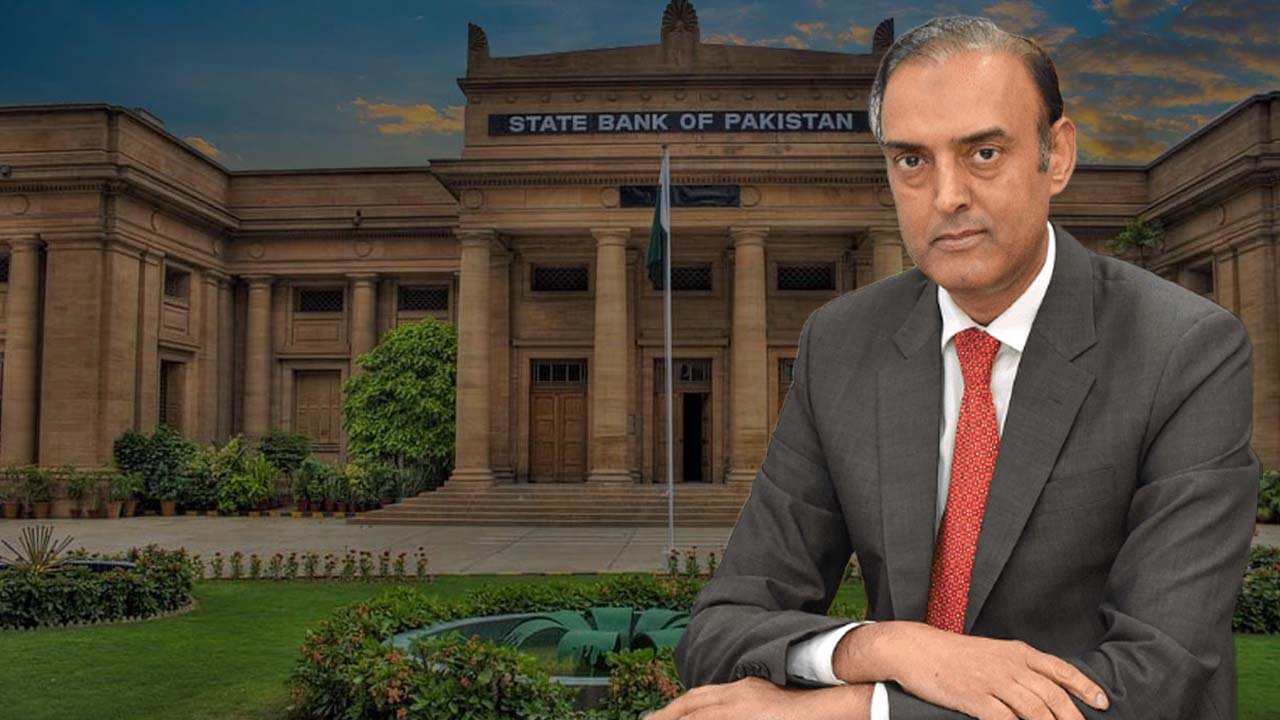
    In the Governor’s Annual Report 2022–23, released ahead of the upcoming national election, the Chief of the State Bank of Pakistan (SBP) conveyed that the country’s inflation is expected to decrease to approximately 20–22 per cent in fiscal year 2024.

    The SBP remains committed to making decisions aimed at preventing persistently high inflation. Notably, Pakistan’s economy fell significantly short of its fiscal and primary surplus targets in FY23, resulting in a contraction of the real GDP to 0.2 per cent.

    During FY23, Pakistan, with a population of 241 million, witnessed its highest-ever inflation, leading to historic lows in its currency value. The situation was mitigated by a $3 billion IMF bailout in July, preventing an imminent sovereign default.

    Governor Jameel Ahmed highlighted in the report that the Consumer Price Index (CPI) surged to 29.2 per cent in FY23, aligning with the upper bound of the bank’s revised projections.

    The SBP remains committed to anchoring inflation expectations to achieve its medium-term target of 5-7 per cent by the end of FY25.

    Fiscal and policy measures implemented before and after the bailout are contributing to stabilising Pakistan’s $350 billion economy as the country approaches the national election scheduled for February 8.

    Despite missing fiscal and primary surplus targets by a considerable margin, the SBP emphasises its dedication to curbing inflation.

    Simultaneously, the finance ministry anticipates a moderate inflation outlook for the remaining months of FY24, even with the upward revision of administered prices, particularly gas prices.

    According to the ministry’s monthly economic report, Consumer Price Index (CPI)-based inflation in Pakistan for December is projected to be in the range of 27.5-28.5 per cent.

    Looking ahead, the ministry foresees a further easing of inflation to 24–25 per cent in January 2024.

  • Pakistani rupee ends 2023 with marginal gain versus US dollar

    Pakistani rupee ends 2023 with marginal gain versus US dollar

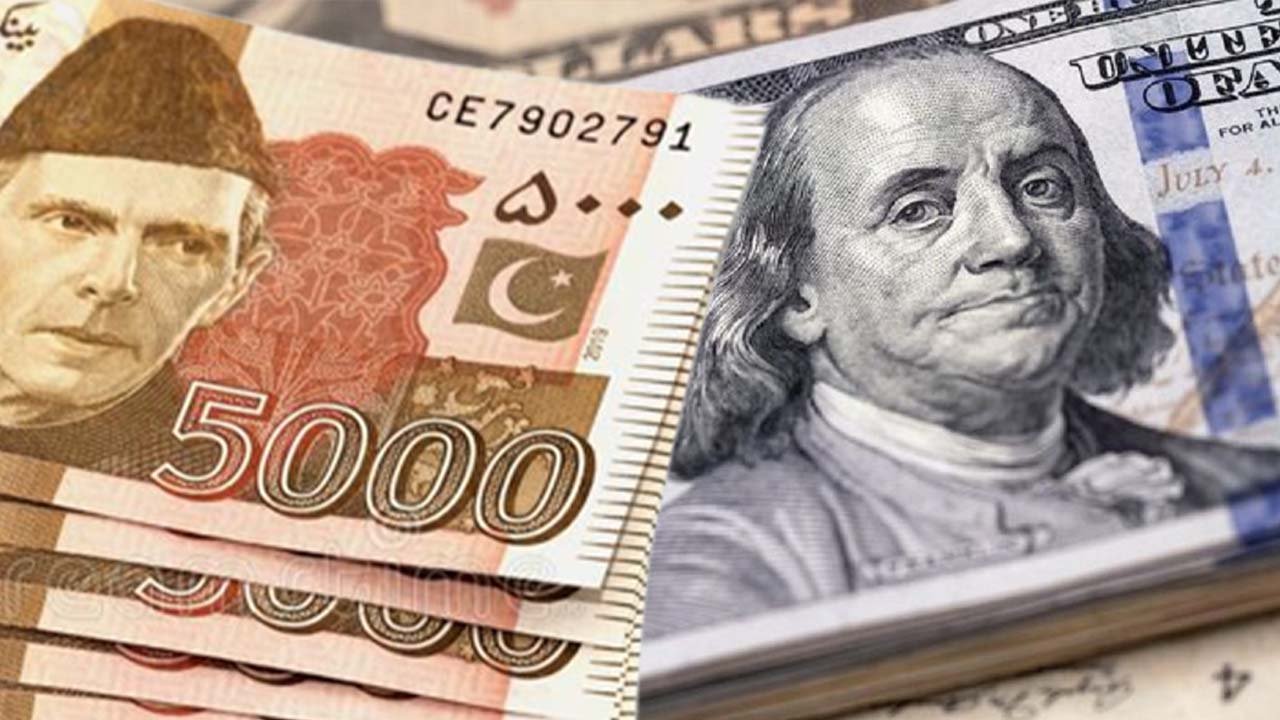
    Pakistani rupee demonstrated a slight appreciation against the US dollar for the 13th consecutive session, marking a gain of 0.02 per cent in the inter-bank market on Friday.

    According to the State Bank of Pakistan (SBP), the day concluded with the rupee settling at Rs281.86, reflecting an increase of Rs0.07.

    Remarkably, this signifies a closure of 2023 with the rupee undergoing a depreciation of 19.7 per cent, originating from its starting point at Rs226.43 against the US dollar in the inter-bank market at the beginning of the year. 

    Notably, on the preceding Thursday, the rupee experienced a marginal upturn, settling at Rs281.93 against the US dollar.

    A significant development unfolded as the foreign exchange reserves held by the State Bank of Pakistan observed a substantial weekly upswing, surging by $852 million to reach $7.75 billion as of December 22, according to data released on Thursday. 

    The overall liquid foreign reserves for the country tallied at $12.85 billion, with commercial banks holding net foreign reserves amounting to $5.1 billion. The SBP attributed this surge in reserves to official government inflows.

    On the global stage, the US dollar appeared poised to conclude 2023 with a loss, reversing a two-year trend of gains. This shift was influenced by market expectations that the US Federal Reserve might initiate rate easing as early as March of the following year. 

    The greenback remained generally subdued on the last trading day of the year, hovering near a five-month low against a basket of currencies, falling 0.02 per cent to 101.18, following a recent dip to 100.61. 

    This trend underscored the impact of the Federal Reserve’s aggressive rate-hike cycle initiated in early 2022 on the dollar’s trajectory over the past two years.