Category: Business

The most important business news, explained in a young, easy to understand way. News that affects young career professionals.

  • Minister urges officials to use PBS monitoring app for ensuring price stability across provinces 

    Minister urges officials to use PBS monitoring app for ensuring price stability across provinces 

    In a bid to ensure consistent prices across provinces, Muhammad Sami Saeed, the Caretaker Minister for Planning, urged Deputy Commissioners and Assistant Commissioners on Tuesday to rigorously utilise the Decision Support System (DSS) app developed by the Pakistan Bureau of Statistics (PBS) for effective price monitoring. 

    According to a press release issued today, Muhammad Sami Saeed chaired a meeting of the National Price Monitoring Committee (NPMC) in Islamabad.  

    The gathering focused on essential aspects such as the prices and supply of essential commodities, the margin between wholesale and retail prices, and the availability of necessary items. 

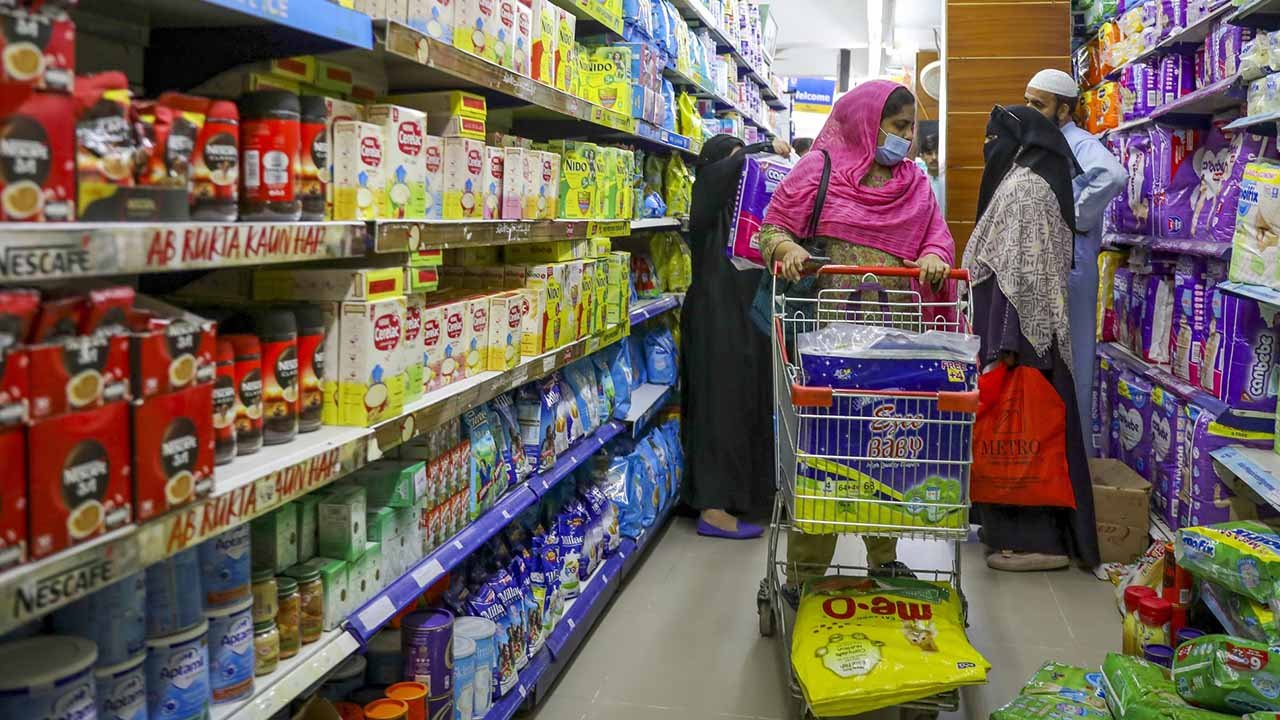
    During the meeting, the Chief Statistician from PBS presented the price movements of 51 essential items collected from the markets in 17 cities.  

    Minister Saeed stressed the importance of maintaining price stability across provinces and urged participants to oversee the supply of essential items, available stock levels, and pricing mechanisms. 

    Highlighting the critical role of administrative oversight and monitoring, Minister Saeed emphasised the need for vigilance in ensuring price stability.  

    The meeting also explored the potential utilization of remote sensing technology provided by SUPARCO to enhance monitoring of cropped areas and predict the supply situation of essential food items in the provinces. 

    Encouraging the exploration and implementation of remote sensing capabilities, the minister aimed to strengthen monitoring and oversight capacities.  

    He underscored the importance of continued vigilance and proactive measures to address fluctuations in commodity prices and ensure a smooth supply chain. 

    Representatives from the Ministry of Industries and Commerce, utility stores, and provincial governments attended the meeting, signifying a collaborative effort to maintain stability in commodity prices. 
  • State Bank of Pakistan maintains policy rate at 22% despite inflation concerns 

    State Bank of Pakistan maintains policy rate at 22% despite inflation concerns 

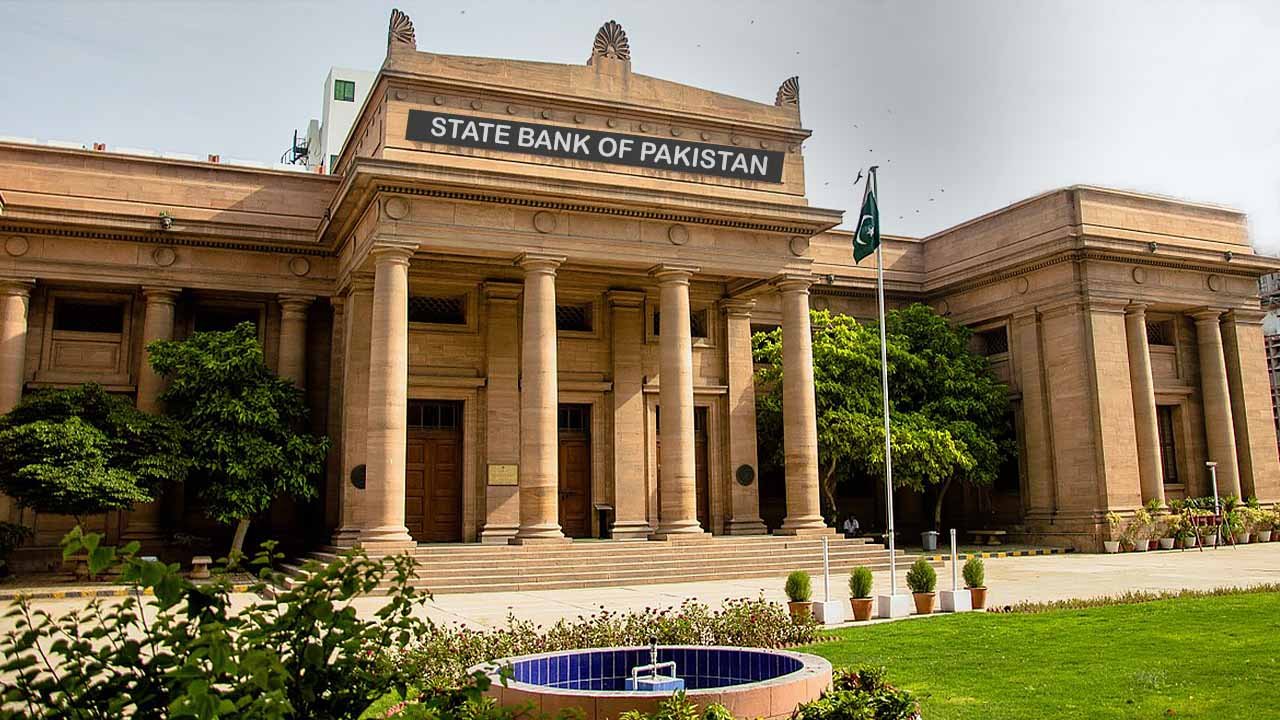
    The Monetary Policy Committee (MPC) of the State Bank of Pakistan (SBP) convened today to deliberate on the prevailing economic conditions and has resolved to maintain the policy rate at 22 per cent for the fourth consecutive meeting. 

    This decision aligns with market expectations, as a majority of market participants were in agreement regarding the rate remaining unchanged. 

    The Monetary Policy Statement issued by the central bank indicates that the decision takes into consideration the impact of the recent increase in gas prices on November’s inflation, which exceeded the MPC’s earlier projections.  

    The Committee acknowledged the potential implications of this on the inflation outlook while also noting offsetting factors such as the recent decline in international oil prices and the improved availability of agricultural produce. 

    Additionally, the Committee conducted an assessment indicating that the real interest rate remains positive over a 12-month forward-looking horizon and anticipates a downward trajectory for inflation. 

    Key developments since the October meeting were considered by the MPC. Firstly, the successful completion of the staff-level agreement for the first review under the IMF SBA programme, which is expected to unlock financial inflows and enhance the SBP’s foreign exchange serves, 

    Secondly, the quarterly GDP growth for Q1–FY24 met the MPC’s expectations for a moderate economic recovery. 

    Lastly, consumer and business confidence surveys reflected positive sentiment improvements. Lastly, core inflation persists at elevated levels, showing a gradual reduction. 

    Considering these developments, the Committee determined that the existing monetary policy stance is conducive to achieving the inflation target of 5-7 per cent by the end of FY25. 

    The Committee emphasised that this assessment is contingent on the sustained implementation of targeted fiscal consolidation and the timely realisation of planned external inflows. 

  • PSX bounces back with gain of nearly 500 points

    PSX bounces back with gain of nearly 500 points

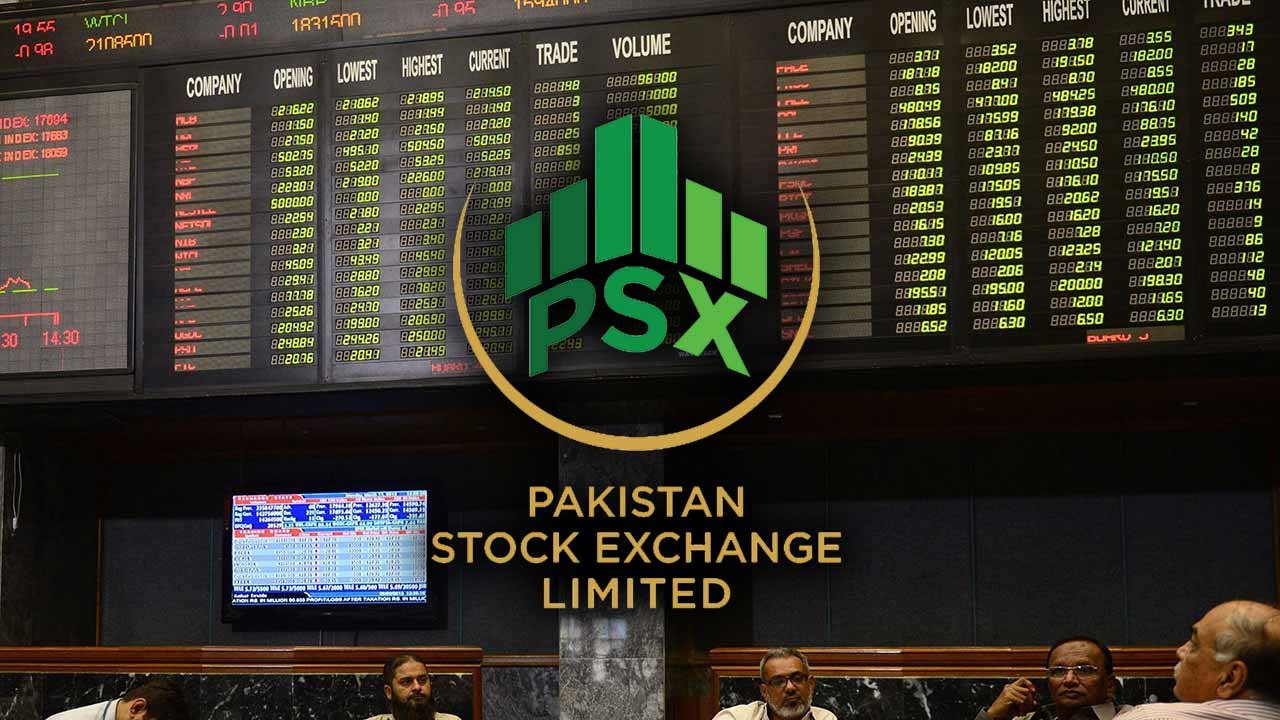
    The Pakistan Stock Exchange (PSX) welcomed a resurgence of bullish activity as the KSE-100 Index marked a substantial gain of nearly 500 points in Tuesday’s trading session.

    At 1:55 pm, the benchmark index stood at 66,496.21, reflecting a noteworthy increase of 483.89 points, or 0.73 per cent. 

    The positive momentum was evident in key sectors such as cement, fertiliser, oil and gas exploration, OMCs, refineries, and power generation. However, a mixed trend characterised the automobile and commercial bank sectors.

    In contrast to the previous session, where profit-taking led to a 211-point dip in the KSE-100 Index, today’s bullish trend is attributed to favourable economic indicators. 

    Investors are keenly observing the upcoming International Monetary Fund (IMF) executive board meeting on January 11, 2024.

    Simultaneously, the Monetary Policy Committee (MPC) of the State Bank of Pakistan (SBP) is convening today, with market expectations leaning towards a maintenance of the key interest rate—a rate that reached an unprecedented 22 per cent in June and has remained unchanged for the past three meetings.

    Analysts note that investors have factored in the pinnacle of Pakistan’s interest rates, and optimism surrounds the anticipated successful conclusion of the IMF programme, contributing to the positive sentiment in both the stock markets and the currency.

  • ECNEC approves multi-billion rupee initiatives for education, healthcare, and infrastructure 

    ECNEC approves multi-billion rupee initiatives for education, healthcare, and infrastructure 

    The Executive Committee of the National Economic Council (ECNEC) recently convened to review and approve nine projects valued at Rs371.85 billion across various sectors, as detailed in a press release from the Finance Division.   

    Among the sanctioned projects is the Khyber Pakhtunkhwa Food Security Support Project, with a budget of Rs25.098 billion, aimed at addressing climate vulnerabilities, enhancing food security, and improving livelihoods in flood-affected districts of KP province over a five-year period.  

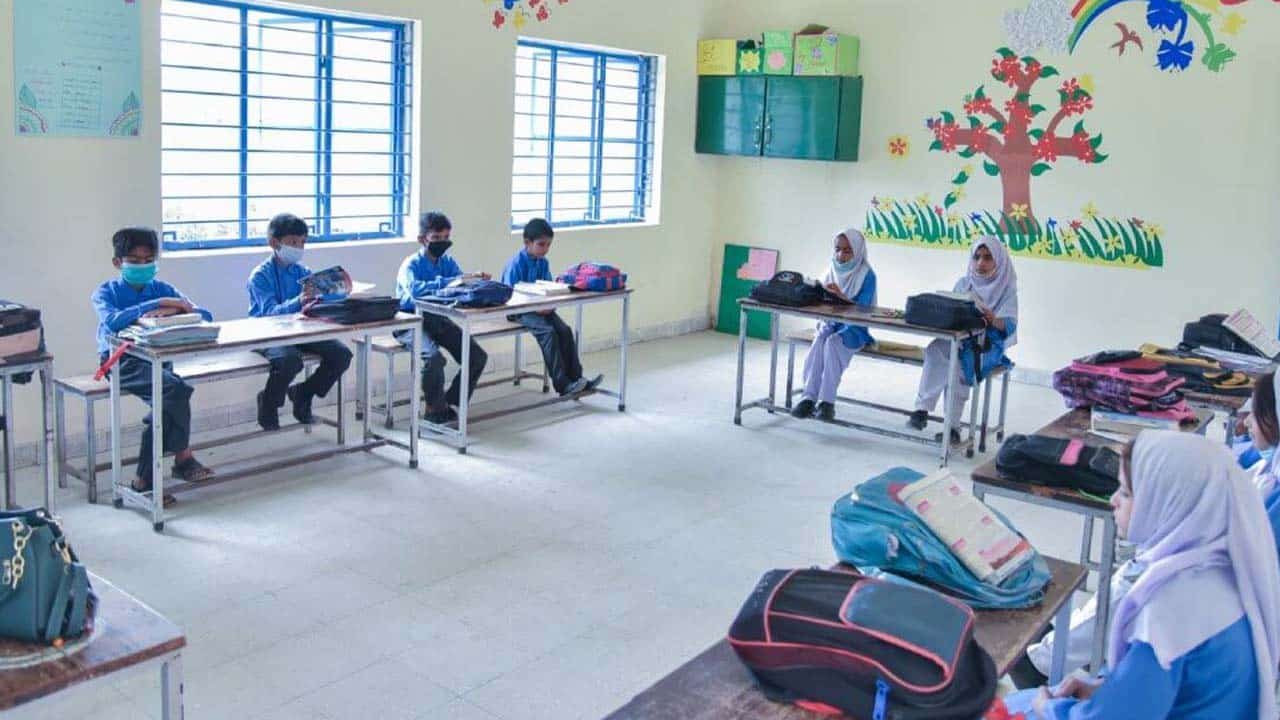
    In Sindh, the ECNEC approved the “Sindh School Rehabilitation Project under Flood Restoration Programme,” valued at Rs86.081 billion, with the goal of rehabilitating 1607 schools in districts severely affected by rain/floods.   

    Another KP-focused initiative, the “Education Component: Refugees & Host Communities Regional Sub-Windows SH Khyber Pakhtunkhwa Human Capital Investment Project (KP-HCIP),” received approval at a cost of Rs32.835 billion, targeting the rehabilitation and reconstruction of 1165 damaged schools in 13 districts.  

    Additional projects approved include the “Prime Minister’s Laptop Scheme” (Rs16.801 billion), Khyber Pakhtunkhwa Human Capital Investment Project (Health Component) (Rs24.225 billion), Women Inclusive Finance (Rs31.413 billion), Thar Coal Railway Connectivity (Rs53.727 billion), Peshawar Northern Bypass Project (PNBP) (Rs27.052 billion), and the Greater Thal Canal Project (Phase-II), which was deferred for further consultation.  

    The ECNEC also granted permission for the Sindh Barrage Improvement Project (Phase-II), allocating Rs74.618 billion for the rehabilitation and modernization of Sukkur Barrage and remaining works for Guddu Barrage.   

    Chaired by Dr. Shamshad Akhtar, the caretaker Federal Minister for Finance, Revenue & Economic Affairs, the meeting involved discussions among government officials.   

    The approved projects cover diverse areas such as education, healthcare, infrastructure, and disaster recovery, reflecting a comprehensive approach to addressing various socio-economic challenges across provinces. 

  • Gold price in Pakistan drops to Rs215,400 per tola 

    Gold price in Pakistan drops to Rs215,400 per tola 

    The price of 24-karat gold per tola witnessed a decrease of Rs200, settling at Rs215,400 on Monday. This marked a decline from its previous closing at Rs215,600 on the last trading day.  

    Simultaneously, the cost of 10 grammes of 24-karat gold saw a reduction of Rs171, reaching Rs184,671 from its earlier value of Rs184,842.  

    In the case of 10 grammes of 22-karat gold, the price dropped to Rs169,282 from Rs169,439, as reported by the All Sindh Sarafa Jewellers Association. 

    The rates for silver, however, remained unchanged, with the per-tola and ten-gramme prices standing at Rs2,600 and Rs2,229.08, respectively.  

    Additionally, in the international market, the cost of gold experienced a $6 decrease, reaching $2,018 from $2,024, according to the Association. 

    Meanwhile, the recent trend of the Pakistani rupee’s appreciation against the US dollar came to a halt as the currency witnessed a marginal 0.01 per cent dip in the interbank market on Monday.  

    The State Bank of Pakistan (SBP) reported that the rupee settled at 283.90, reflecting a decrease of Re0.03. 

  • Pakistan expected to increase petroleum levy to get IMF loan 

    Pakistan expected to increase petroleum levy to get IMF loan 

    Pakistan has reportedly provided assurances to the International Monetary Fund (IMF) regarding an augmentation of the petroleum levy in the fiscal year 2024–25, aligning with its intentions to embark on a new loan programme. 

    According to documentation cited by sources within the finance ministry, Pakistan has committed to elevating the petroleum levy to Rs1,065 billion in FY2024–25, anticipating a revision of the current levy target from Rs869 billion to Rs918 billion.  

    The attainment of the revised target is contingent upon an uptick in the consumption of petroleum products. 

    The sources additionally revealed that the caretaker government would have implemented a Presidential Ordinance if adjustments were to be made to the current petroleum levy target. 

    Earlier revelations indicate that Pakistan is poised to secure another financial assistance package from the International Monetary Fund (IMF) subsequent to the conclusion of the existing standby agreement. 

    The caretaker government has initiated consultations in preparation for the forthcoming IMF programme. 

    Sources have indicated that talks between the government and the IMF for the new loan programme are likely to commence this month.  

    Finance ministry officials underscored the commitment of the elected government to advance the measures established by the caretaker government. 

  • Govt may cut petrol price by more than Rs10 per litre

    Govt may cut petrol price by more than Rs10 per litre

    The government is poised to provide significant relief by potentially reducing petrol and diesel prices by Rs13 and Rs15 per litre, respectively, in the upcoming fortnightly pricing update.

    This anticipated reduction is attributed to a noteworthy downturn in international petroleum and diesel prices over the past fortnight.

    The stability of the local currency at a weighted average of approximately PKR 284.33 per USD further contributes to this potential relief. 

    Current estimates as of December 2008 reveal a global decline in petrol and diesel prices by 5.44 per cent and 5.6 per cent, reaching $94.95 and $100.05 per barrel, respectively.

    As the next pricing update is still a week away, the future trajectory of these prices hinges on global market movements and exchange rate fluctuations. 

    Notably, in the preceding fortnight, the government maintained the petrol price at Rs281.34 while reducing the HSD price by Rs7 to Rs289.71 per litre.

  • iPhone 16 batteries to be primarily manufactured in India

    iPhone 16 batteries to be primarily manufactured in India

    In a strategic manoeuvre aimed at reducing its reliance on China, Apple has reportedly communicated a strong preference for manufacturing iPhone 16 batteries in India.

    As part of this initiative, an existing Indian battery supplier has been encouraged to scale up production, while Chinese suppliers, including Desay and Simplo Technology, have received directives to establish battery factories within India.

    Additionally, Japanese battery supplier TDK is gearing up for its own production facility in the country.

    This significant shift in strategy deviates from the original decision made by Steve Jobs to centralize most of Apple’s manufacturing operations in China, a move that was previously lauded as a key achievement by Tim Cook during his tenure as COO. 

    The change reflects a growing recognition of the strategic risks associated with being overly dependent on a single country, evident in events such as the COVID-19 pandemic and ongoing geopolitical tensions between the US and China.

    The multifaceted rationale behind this move includes concerns about the impact of global events on manufacturing capacity, the unpredictability of trade relations between major economies, and the reputational challenges posed by close associations with a country facing human rights criticisms.

    Apple’s decision aligns with a broader industry trend of diversifying manufacturing locations to mitigate risks associated with geopolitical and economic uncertainties.

    Notably, the company aims to prioritise Indian production for iPhone 16 batteries, with local government support evident in a Japanese supplier, TDK, establishing a significant facility in Manesar, Haryana.

    While this facility is expected to begin production in 2025, post-iPhone 16 release, it signifies a strategic commitment to bolstering the electronics manufacturing ecosystem in India.

    Apple’s move underlines the industry’s evolving approach to supply chain management in response to a dynamic global landscape.

  • Anti-corruption victory: NAB recovers Rs2.3 trillion, saves $10 billion

    Anti-corruption victory: NAB recovers Rs2.3 trillion, saves $10 billion

    National Accountability Bureau (NAB) Chairman Lt Gen (retd) Nazir Ahmed announced a significant achievement, revealing that the bureau has successfully recovered an impressive amount of Rs2.3 trillion and saved over $10 billion in savings for the national exchequer. 

    Speaking at an event, he highlighted the necessity of collective efforts in combating corruption, emphasising that every instance of corruption should face consequences.

    Chairman Nazir Ahmed underscored the importance of collaboration among all stakeholders, stating that the eradication of corruption is a shared responsibility that no single institution can accomplish alone. 

    He reiterated NAB’s commitment to fulfilling obligations outlined in the United Nations Convention against Corruption (UNCAC), emphasising that documenting the economy is a crucial step in reducing corruption.

    Prominent economist Dr Ashfaque Hasan Khan and UNODC Pakistan’s Country Representative, Jermey Milsom, attended the event as guest speakers. 

    Dr Khan, in his keynote speech, emphasised the citizen’s responsibility to register in the taxation system for access to state welfare benefits.

    He highlighted the plight of individuals in the informal/unregistered economy facing poverty due to limited access to banking incentives, proposing a restructuring of the tax system to provide incentives rather than relying solely on punitive measures.

  • China and UAE expected to inject $500 million into Pakistan’s LNG projects 

    China and UAE expected to inject $500 million into Pakistan’s LNG projects 

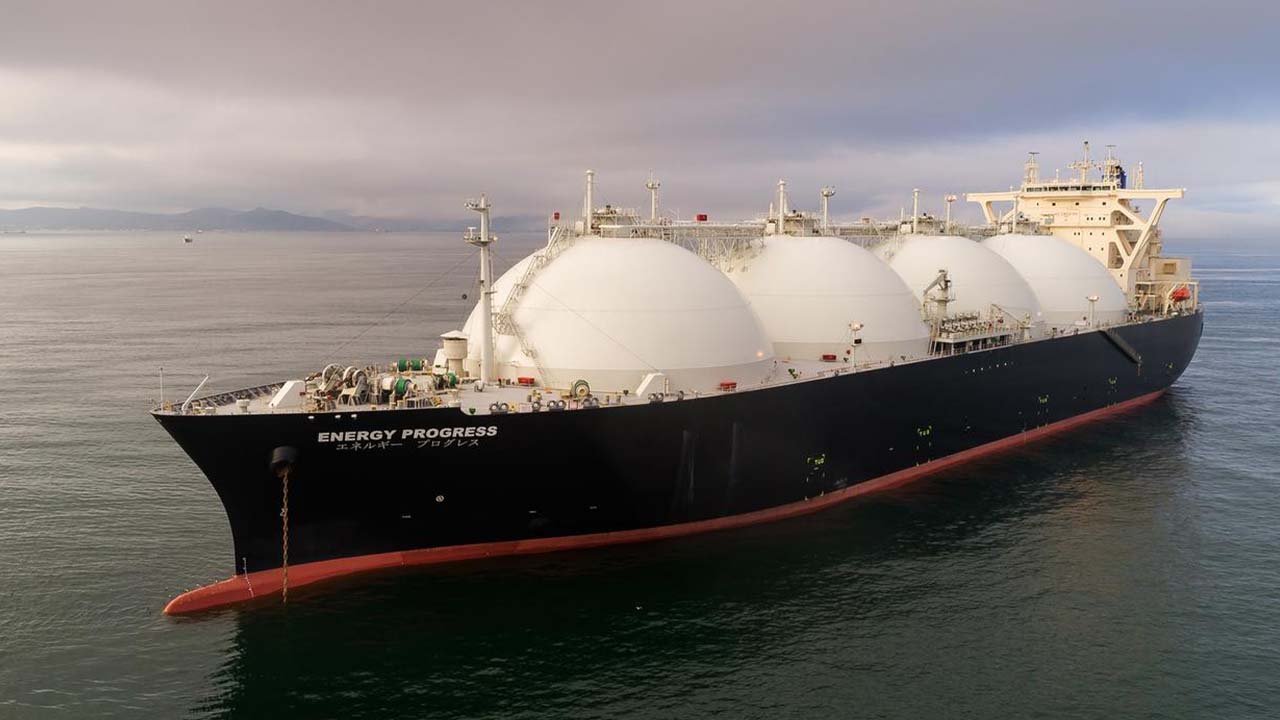
    China and the United Arab Emirates (UAE) are considering investing $500 million in two liquefied natural gas (LNG) projects in Pakistan.  

    The China National Chemical Engineering Company (CNCEC) and LNGFlex, a subsidiary of Bison in the UAE, are expected to contribute to the development of LNG terminals and supply infrastructure. 

    Sources reveal that these companies have outlined plans for both virtual and non-virtual projects. The aim is to establish a virtual LNG project, which includes a receiving terminal and storage facility at Karachi port. 

    Earlier, Pakistan and the UAE inked several multi-billion-dollar Memoranda of Understanding (MoUs) to enhance economic and strategic cooperation between the two nations. 

    It’s worth noting that in June, Bloomberg reported that Pakistan faced challenges in securing liquefied natural gas (LNG) from the spot market.  

    The attempt to purchase six shipments for October to December through Pakistan LNG Limited (PLL) was unsuccessful, as no suppliers responded to the offer.  

    Overseas banks were reportedly unwilling to accept letters of credit from Pakistani counterparts, contributing to suppliers’ reluctance to provide LNG cargoes. 

    The failure to secure gas may worsen energy shortages in Pakistan, leading to more frequent blackouts and limiting fuel supply to industrial consumers.