Category: Business

The most important business news, explained in a young, easy to understand way. News that affects young career professionals.

  • Gold price in Pakistan increases to Rs221,000 per tola

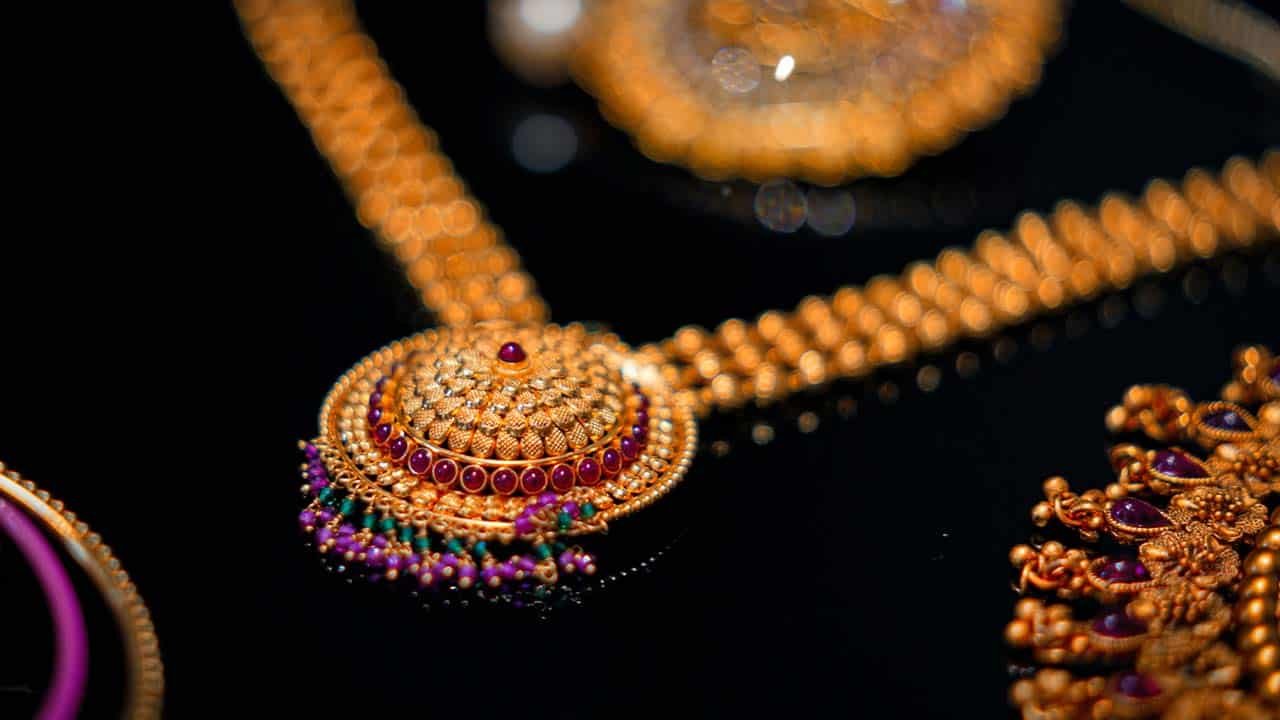
    Gold price in Pakistan increases to Rs221,000 per tola

    The per tola price of 24-karat gold in Pakistan witnessed a rise of Rs2,600, reaching Rs221,000 on Wednesday. This marks an increase from its previous sale at Rs218,400 on the last trading day.

    Similarly, the price of 10 grammes of 24-karat gold experienced an uptick of Rs2,229, settling at Rs189,472 compared to the previous Rs187,243.

    Meanwhile, the cost of 10 grammes of 22-karat gold rose to Rs173,683 from Rs171,640, according to the All Sindh Sarafa Jewellers Association.

    The prices for both per tola and ten-gramme silver remained unchanged at Rs2,620 and Rs2,246.21, respectively.

    In the international market, the price of gold increased by $29, reaching $2,062 from the previous $2,033, as reported by the Association.

  • Pakistan’s economy picks up pace: GDP growth hits 2.13%

    Pakistan’s economy picks up pace: GDP growth hits 2.13%

    In the first quarter of the fiscal year 2023-24, Pakistan’s economy exhibited signs of recovery with a Gross Domestic Product (GDP) growth rate of 2.13 per cent, marking a significant improvement from the 0.96 per cent recorded in the same period of the previous fiscal year, according to estimates released by the Pakistan Bureau of Statistics (PBS) on Tuesday. 

    These estimates gained approval during the 107th National Accounts Committee (NAC) meeting convened on the same day.  

    To align with the structural benchmarks outlined in the IMF-SBA program, PBS engaged in consultations with stakeholders and data providers. They presented revised GDP figures for both the fiscal year 2022-23 and the first quarter of 2023-24 to the NAC. 

    In a noteworthy development, the NAC also sanctioned the incorporation of quarterly national accounts into the country’s statistical system. 

    Revisiting the GDP figures for the fiscal year 2022-23, the growth rate has been revised to -0.17 per cent, a departure from the provisional report of 0.29 per cent. 

    Breaking down the growth by industry, the 107th NAC greenlit a sector-specific methodology for compiling quarterly GDP. This includes a series of quarterly growth rates for various industries spanning from the first quarter of 2016-17 to the first quarter of 2023, with 2015-16 serving as the base year. 

    For the first quarter of 2023-24, the agricultural sector exhibited growth of 5.06 per cent, the industrial sector 2.48 per cent, and services 0.82 per cent. 

    In agriculture, crops recorded a robust growth of 6.13 per cent, with a notable 11.16 per cent increase in important crops.  

    The expansion is attributed to a rise in the sowing area, particularly for rice, cotton, and maize, with increases of 21 per cent, 11 per cent, and 5 per cent, respectively. Sugarcane saw an 11 per cent decline, but this was offset by growth in other major crops. 

    The industrial sector, which experienced a continuous decline in the preceding fiscal year except for a modest growth in the second quarter, reversed its trend in the first quarter of 2023-24, registering a growth of 2.48 per cent. Mining and quarrying posted a positive growth of 2.15 per cent, based on quarterly production in the mining sector.  

    Large-Scale Manufacturing (LSM) demonstrated growth of 0.93 per cent according to the Quantum Index of Manufacturing (QIM). Construction industry growth was estimated at 1.73 per cent, with a notable 15.38 per cent increase in cement production. 

    In services, the overall growth was 0.82 per cent. Wholesale and retail trade, reliant on the output of agriculture, manufacturing, and imports, was estimated at 3.05 per cent due to positive growth in agriculture and industry.  

    Transport grew by 1.7 per cent, based on quarterly data. Information & Communication, previously negative, showed a growth of 2.4 per cent, primarily due to a low base and quarterly information received from sources. 

    The finance and insurance industry reported a growth of -12.79 per cent, driven by a decline in the output of insurance companies and brokers, along with high growth in the deflator.  

    Public administration reported -16.65 per cent growth in the quarter, with high deflators contributing to a decline in constant prices.  

    Negative growth in education and human health and social work activities was largely influenced by a decrease in government budget data along with a high deflator. 
  • Administrative oversights, thefts lead to millions in losses for Pakistan Steel Mills

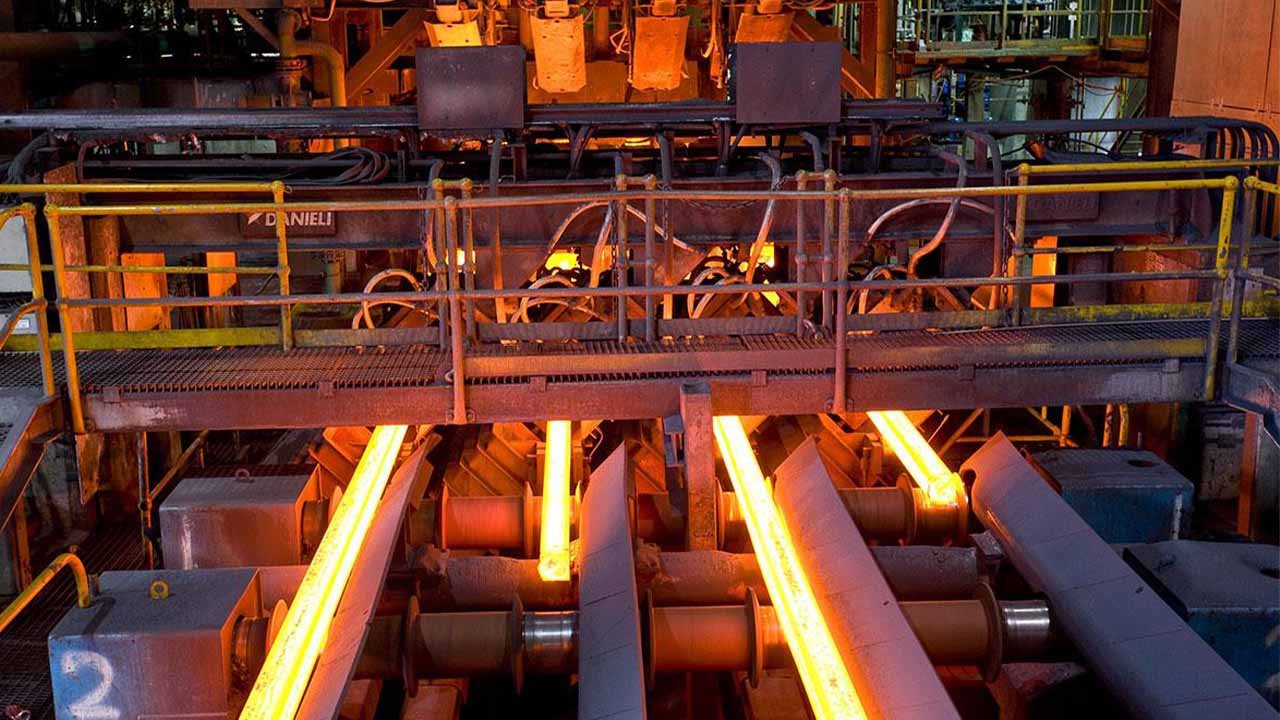
    Administrative oversights, thefts lead to millions in losses for Pakistan Steel Mills

    In the fiscal year 2020–21, Pakistan Steel Mills (PSM), under state ownership, faced a significant financial setback, recording a staggering loss of Rs164.4 million.  

    The Auditor General of Pakistan (AGP) brought attention to the root causes behind this substantial financial downturn in its recently issued financial report for PSM. 

    Administrative negligence emerged as a primary factor contributing to the massive loss, with Rs164.4 million attributed to this oversight.  

    Furthermore, instances of theft exacerbated the financial strain, with stolen copper, brass, electric instruments, and cable resulting in a cumulative loss exceeding Rs6.49 million for the steel mills. 

    According to ARY News, the AGP’s report highlighted additional incidents of theft, including the disappearance of electricity poles, three high-tension (HT) wires of considerable value, a 132-KV transmission line, and tracks designated for freight trains.  

    The lapses in security arrangements by the PSM administration were underscored as a critical failure contributing to these losses. 

    Compounding the financial challenges, the report revealed that the PSM incurred a Rs5.62 million loss due to the unauthorised hiring of services from retired officers.  

    This improper utilisation of funds further strained the already precarious financial position of the state-owned entity. 

    Moreover, the PSM faced an additional financial setback of Rs4.33 million in terms of insurance services provided by a private company.  

    This multi-faceted financial downturn highlighted various areas where the PSM faced challenges, ranging from administrative oversights to security lapses and questionable financial decisions. 

  • Honda unveils its first electric bike in Pakistan 

    Honda unveils its first electric bike in Pakistan 

    Atlas Honda has revealed its first electric motorcycle, the Honda ‘BENLY e’, during a ceremony at the Sheikhupura plant to mark the company’s 60th year of operation in Pakistan. 

    Although the company did not specify the rollout date, Noriaki Abe, Chief Officer of Motorcycle and Power Products at Atlas Honda, announced that the Honda BENLY e will undergo test marketing. 

    The launch event emphasised the company’s commitment to delivering quality products based on market feedback. 

    Abe highlighted the integral role Honda products play in the daily lives of many Pakistanis, noting the significant contributions of the joint venture between Atlas Group and Honda Motor Company since 1963. 

    Meanwhile, Shinji Aoyama, Executive Vice President and COO of Honda Motor Company, expressed Honda’s readiness for the evolving mobility industry. 

    Saquib H. Shirazi, President and CEO of Atlas Honda, shared insights into the company’s achievements, including a 95 per cent localisation of its product line and the development of an extensive network of local auto parts manufacturers and dealers, generating employment for over 150,000 individuals. 

    Despite challenges in the motorcycle industry, such as a 5 per cent month-on-month and 11 per cent year-on-year decline in sales in October, Atlas Honda Limited reported a remarkable 152 per cent increase in net profit for the first quarter of the fiscal year 2023–24. 

    The growth was attributed to robust sales and additional income. Overall, motorcycle sales for the first four months of the fiscal year experienced a 10 per cent year-on-year decline to 371,000 units, influenced by higher bike prices and reduced consumer purchasing power. 

  • Pakistani rupee predicted to decline to Rs350 against US dollar in 2024

    Pakistani rupee predicted to decline to Rs350 against US dollar in 2024

    According to BMI, a Fitch Solutions Company, the Pakistani rupee is expected to depreciate to as low as Rs350 against the US dollar by the end of 2024. Similarly, Topline Securities Ltd., a brokerage firm, predicts a fall to Rs324. 

    Despite government efforts to combat smuggling and speculation, the local currency has already experienced a 20 per cent devaluation against the dollar, with analysts predicting a continued decline, as reported by Bloomberg

    John Ashbourne, a global economist at BMI in London, remarked, “This appears to be a currency that is set to adjust downwards.” 

    “It will be very hard in the long term to convince people to use the official rate if parallel markets offer more value for a dollar,” added Ashbourne. 

    He further stated, “The authorities can push against the tide for a certain amount of time, but they are not able to do that sustainably.” 

    As of Tuesday, the local unit closed at Rs285.52 against the dollar in the interbank market. 

    According to experts, Pakistan’s currency is poised to conclude 2023 as Asia’s worst-performing country in terms of currency performance. 

    In a temporary recovery effort in September, when the rupee was at a record low of Rs300, the caretaker set-up initiated aggressive measures against the illegal purchase and sale of the greenback at a premium exchange rate. 

    However, experts caution that this recovery is expected to be short-lived. 

  • Saudi Arabia lifts age limit, restores pre-COVID Hajj quota for Pakistani pilgrims 

    Saudi Arabia has granted approval to Pakistan’s request, ensuring equal quotas for all private Hajj tour operators during the upcoming pilgrimage scheduled to take place between June 26 and July 1, 2024.

    Saudi Arabia has reinstated Pakistan’s pre-coronavirus Hajj quota, allowing 179,210 pilgrims, and has lifted the previous age limit of 65 years for pilgrimage.

    Anticipating the participation of approximately 90,000 Pakistani pilgrims under the government scheme, an equal number will opt for private tour operators to fulfil this religious obligation.

    The revised scheme for private Hajj operators entails the formation of 180 groups, each comprising 500 people.

    Each private Hajj operator is now permitted to facilitate 100 pilgrims, resulting in diverse groups of pilgrims utilising services from five different operators.

    In a separate announcement, applications for Hajj 2024 under the government scheme are open from November 27 to December 12, 2023. Notably, there are no age restrictions for Hujjaj (pilgrims), and all applicants must possess a valid CNIC and a Machine-Readable Passport valid until December 16, 2024. Additionally, possessing a mandatory bank account is a prerequisite for all applicants.

    Pakistan is currently in talks with airlines to lower airfares for Hajj flights. Simultaneously, negotiations are ongoing with a mobile company to digitize Hajj 2024 through a dedicated cellphone app, showcasing efforts to enhance accessibility and streamline the pilgrimage experience.

  • Gold price increases by more than Rs1,000 per tola

    Gold price increases by more than Rs1,000 per tola

    The domestic bullion market commenced the week with robust performance, witnessing a noteworthy surge in the price of 24-karat gold, which rose by Rs1,100 per tola to reach Rs217,600.

    The Karachi Sarafa Association reported that in three last session, the price of 10-gramme 24-karat gold closed at Rs186,557, reflecting a gain of Rs943, while 10-gramme 22-karat gold stood at Rs171,010, experiencing an increase of Rs864.

    It’s worth noting that the local gold prices had risen by Rs1,400 per tola last week, primarily influenced by the upward trend in international prices. 

    The silver market also saw positive momentum, with 24-karat silver and 10-gramme 24-karat silver closing at Rs2,550 and Rs2,186.21, respectively, marking gains of Rs70 and Rs60.

    Domestic gold prices are intricately linked to changes in global prices and fluctuations in the interbank exchange rate of the local currency. 

    On the international front, the spot price of gold has risen by 0.50 per cent, currently trading at $2,012.39. Market sentiment leans towards the belief that the Federal Reserve has concluded its tightening cycle, exerting downward pressure on the US dollar and bond yields.

    The US dollar index recorded its third consecutive weekly decline, making gold more affordable for holders of other currencies and positively influencing gold prices. 

    Additionally, falling yields enhance the appeal of gold as a safe-haven asset by reducing the opportunity cost of holding the precious metal.

  • Pakistan Stock Exchange may surpass 60,000 level soon

    Pakistan Stock Exchange may surpass 60,000 level soon

    The benchmark index of the Pakistan Stock Exchange (PSX) marked a record-breaking bullish run on Monday, closing just shy of the 60,000 mark without surpassing it. 

    There is an anticipation that, given the current pace, the stock market might breach the 60,000 level soon. 

    According to the PSX website, the KSE-100 index showed marginal gains until noon. However, at 1:11 pm, it experienced a sudden surge that persisted until closing time, reaching 59,811.34, up by 724.99 points (1.23%) from the previous day’s 59,086.35.

    In the preceding Friday session, the KSE-100 index had set a new record at 59,100 points, attributed to strong corporate profits, reduced economic volatility, the successful conclusion of an IMF staff-level deal, expectations of a stable post-poll government, and optimism about an early reversal of monetary tightening. This led to a rapid increase in share prices over the last three months.

    Regarding the current rally, Raza Jafri, head of equity at Intermarket Securities, noted, “The banking sector is driving the rally, aligning with the improving economic outlook.” He emphasised that banks, offering a combination of high dividend yields and attractive valuations, have consistently been favoured by foreign investors.

    Shahbaz Ashraf, chief investment officer at FRIM Ventures, a Karachi-based investment company, attributed the rally to “cheap valuations and an influx of liquidity.”

  • Anti-smog crackdown intensifies: Rs129 million fines issued to violators

    The Lahore High Court (LHC) has been apprised through a comprehensive report detailing the robust measures taken by the Punjab government to address the smog issue. The report highlights the imposition of fines totalling Rs129 million on violators as a strong deterrent against activities contributing to air pollution.

    The report outlines that 6,700 units were sealed for violating smog-related restrictions. Over a three-month period, authorities inspected approximately 60,000 small and large units, resulting in the closure of more than 6,700 units due to violations.

    During this crackdown, 540 cases were registered against those contributing to smog, leading to the arrest of 118 individuals.

    The report highlights the sealing of 735 smoke-emitting factories in the Lahore division and the closure of 187 brick kilns during the smog control initiative.

    Fines amounting to Rs8.6 million were imposed for burning crop residue, and 216 cases were registered against those setting fire to crop stubble.

    Despite these efforts, the air quality index (AQI) of Lahore, initially recorded at a hazardous level of 371 in the morning, later dropped to around 211 in the afternoon. This shift caused Lahore to fall to the third position on the list of the world’s most polluted cities, a noteworthy change from its consistent first and second positions in recent months due to high levels of air pollution.

    Specifically, Polo Ground Cantt and Phase 8 DHA were identified as the most polluted areas within the city, with AQIs of 291 and 259, respectively.

  • Tim Hortons to open soon in DHA Phase 2, Islamabad

    Due to overwhelming support from Lahoris, Tim Hortons is set to open soon in Defence Housing Authority (DHA) Phase 2, Islamabad. 

    The construction of the Tim Hortons building is currently underway and appears to be mostly finished. 

    Anticipated to draw considerable attention from residents of Islamabad and Rawalpindi, the introduction of this renowned Canadian coffee chain to DHA Islamabad is expected to attract a substantial crowd. 

    The peaceful reputation of DHA Islamabad contrasts with the potential influx of visitors, especially from Rawalpindi and Islamabad. 

    The ability of DHA to manage this increased activity, particularly in the initial days, remains to be seen. 

    Unlike DHA Lahore, which has numerous entry points, DHA Islamabad has limited gates, posing a potential challenge. 

    The upcoming days will reveal how residents of the twin cities respond to this new addition.