Category: Business

The most important business news, explained in a young, easy to understand way. News that affects young career professionals.

  • Pakistan Stock Exchange achieves record high, crossing 58,000 points

    Pakistan Stock Exchange achieves record high, crossing 58,000 points

    A positive shift in market sentiment fueled the Pakistan Stock Exchange’s (PSX) upward trajectory as the benchmark KSE-100 Index surpassed the historic 58,000 level for the first time in Wednesday’s trading session.

    At 12:45 pm, the benchmark index reached 58,203.85, marking a noteworthy increase of 832.27 points, or 1.45 per cent. 

    Widespread buying, particularly in index-heavy sectors such as automobile assemblers, cement, chemicals, commercial banks, fertiliser, and oil and gas exploration companies, contributed to this surge, with OMCs also registering gains.

    The benchmark index climbed by 294 points, or 0.51%, the previous day, settling at 57,371.59.

    This sustained bullish trend reflects improved economic indicators in the country and the interim government’s successful negotiations with the International Monetary Fund (IMF) for the first review, unlocking $700 million in funding.

    Analysts expect that, following the review, Pakistan will attract additional inflows from both multilateral and bilateral partners.

    Commenting on this rapid yet anticipated recovery at PSX, Mohammed Sohail, CEO of Topline Securities, stated, “PSX is experiencing one of the fastest but not unexpected recoveries.”
  • Senators propose discontinuation of Rs5,000 currency note to fight corruption

    Senators propose discontinuation of Rs5,000 currency note to fight corruption

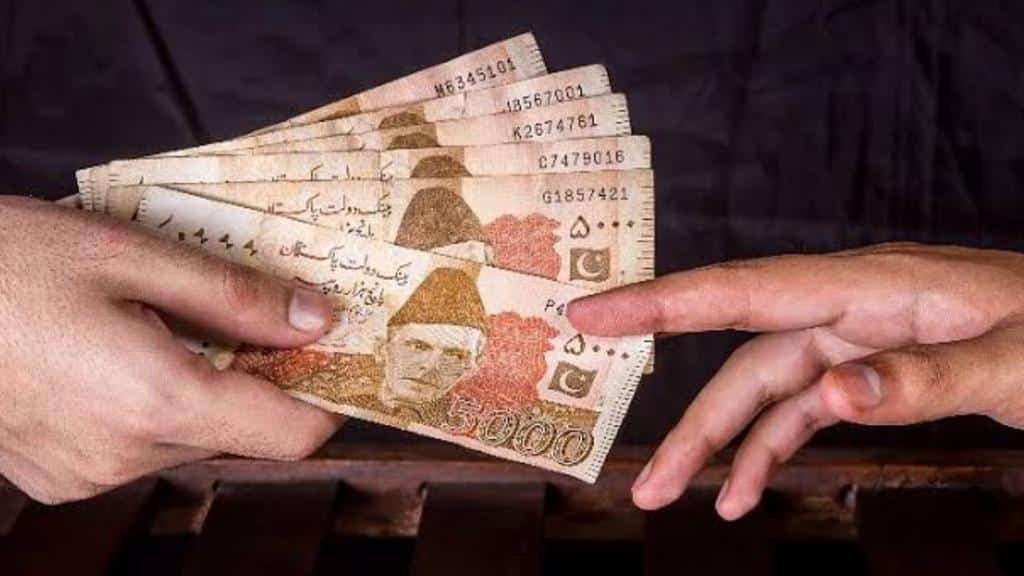
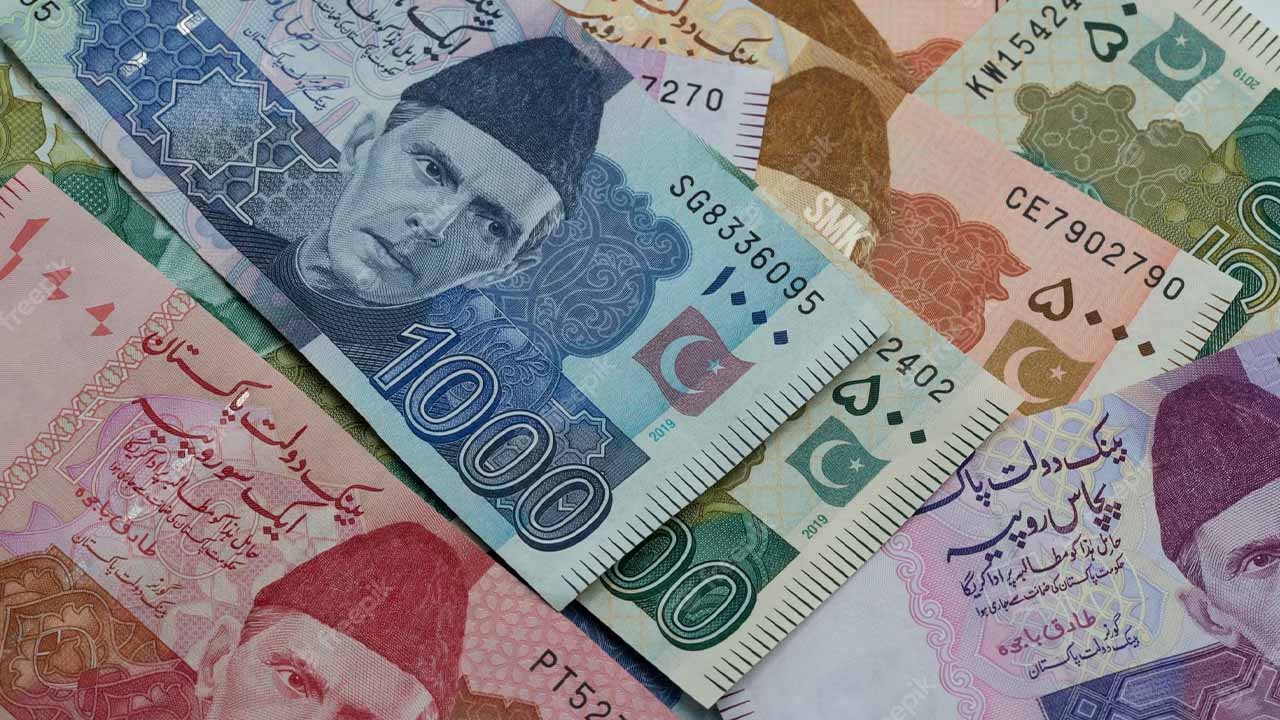
    Pakistan Tehreek-e-Insaf (PTI) senators are advocating for the discontinuation of the Rs5,000 currency note as a strategic move to combat corruption and inflation.

    On Monday, Senator Mohsin Aziz presented a resolution in the Upper House of Parliament urging the prohibition of the highest-denomination currency.

    According to Senator Aziz, the Rs5,000 note is frequently associated with corruption, terrorism, and smuggling.

    Providing details, Senator Aziz revealed that Rs5,000 currency notes totaling Rs3.5 trillion have been issued to date.

    Notably, he emphasised that Rs2 trillion worth of Rs5,000 notes are not currently in circulation but are securely stored in “safe deposit,” which he alleges is linked to money laundering, tax evasion, and smuggling.

    Senator Aziz called for a specific timeframe during which individuals should surrender the highest denomination notes.

    Supporting this initiative, another PTI Senator, Waleed Iqbal, echoed Senator Aziz’s call to discontinue the Rs5,000 currency note.
    He suggested that promoting digital payments would be instrumental in reducing reliance on physical currency.

    Responding to these claims, Caretaker Information Minister Murtaza Solangi stated that Rs5,000 currency notes totaling 905 million have been issued thus far, with Rs4.5 trillion currently in circulation.

    Solangi attributed the autonomy granted to the State Bank of Pakistan (SBP) by the previous government as a contributing factor to the situation. He asserted that the SBP operates within the confines of its laws.

    This isn’t the first time that officials have targeted the highest denomination note for its alleged role in fostering corruption.

    In September of this year, former Federal Board of Revenue (FBR) chief Shabbar Zaidi emphasised the importance of discontinuing Rs5,000 notes and imposing restrictions on the physical movement of dollars as crucial steps in curbing the cash economy in the country.

  • General elections 2024: Candidates allowed to spend up to Rs10 million on campaigns

    General elections 2024: Candidates allowed to spend up to Rs10 million on campaigns

    The Election Commission of Pakistan (ECP) has recently finalised the Code of Conduct for political parties in preparation for the upcoming general elections in 2024.

    In a collaborative effort with political parties, the Election Commission of Pakistan has meticulously drafted the code of conduct, incorporating valuable suggestions from various political entities.

    According to reliable sources, the code includes provisions preventing political parties from undermining the sovereignty of Pakistan during the election campaign.
    Additionally, parties are expected to refrain from disparaging the ECP in the course of their campaigns.

    The code of conduct emphasises ethical practices, urging political parties and candidates to abstain from offering gifts, inducements, or bribes to encourage the withdrawal of other candidates.

    Ensuring the safety of election staff and polling agents is paramount, as outlined in the draft.
    A noteworthy feature of the code is the commitment to implementing a 5 per cent women’s quota in the upcoming general elections in 2024. This underscores the importance of gender inclusivity in the political landscape.

    The code unequivocally discourages violence on polling day, strictly prohibiting the display of weapons during election campaigns.
    Aerial shootings and the use of firecrackers in public gatherings are also prohibited, promoting a peaceful electoral environment.

    Addressing the eligibility of election agents, the code stipulates that the appointed agent must be a registered voter in the relevant constituency.

    Furthermore, financial regulations have been established, allowing National Assembly candidates a spending limit of up to Rs10 million for their election campaigns, while Provincial Assembly candidates are capped at a maximum of Rs4 million.

    In adherence to transparency, successful candidates are required to submit detailed reports of their election expenses to returning Officers, fostering accountability in the electoral process.

    The comprehensive nature of the Code of Conduct reflects the Election Commission’s commitment to conducting fair, transparent, and violence-free elections in 2024.

  • Price of 10kg flour bag reaches nearly Rs1,500 

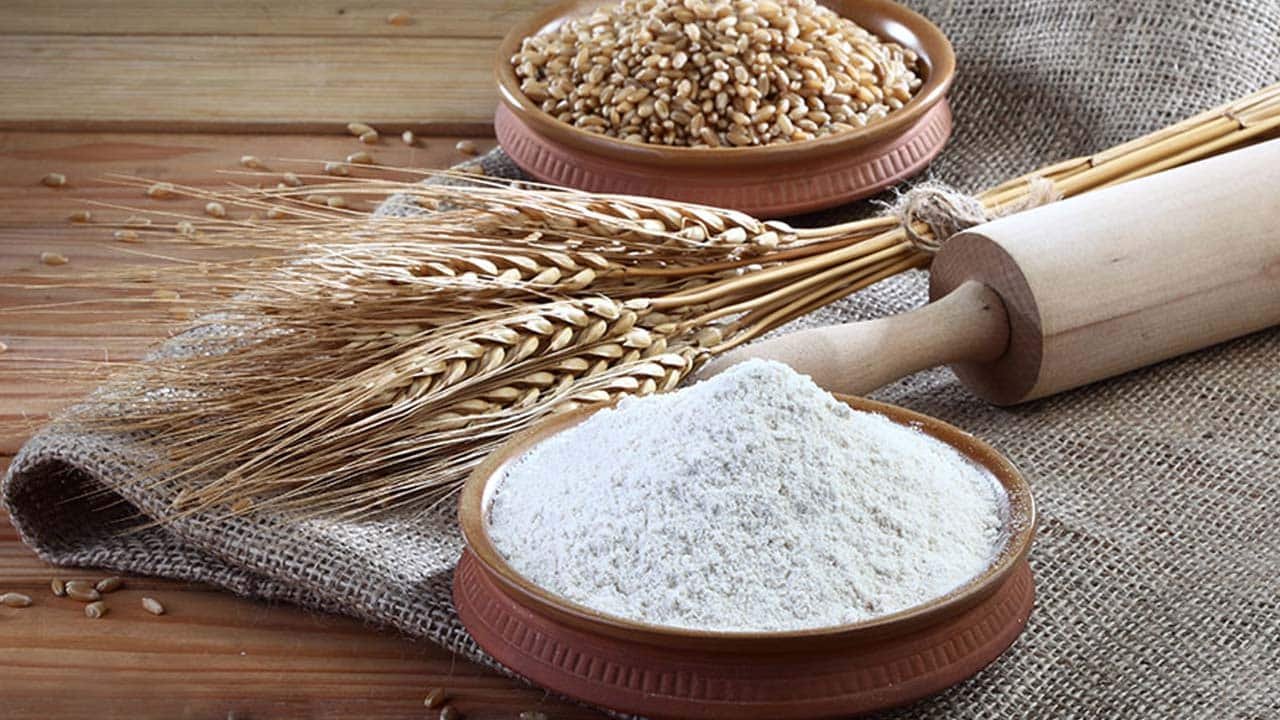
    Price of 10kg flour bag reaches nearly Rs1,500 

    The price of ‘chakki’ flour has recently experienced an increase of Rs10 to Rs12 per kilogramme in Hyderabad, the second-largest city in the province of Sindh.  

    Consequently, the price of a 10-kg sack of flour has risen from Rs1,350 to Rs1,470.  

    In an official statement, ‘chakki’ owners explained that the surge in prices is attributed to the increased cost of wheat. They clarified that the price of a 100-kg sack of wheat has escalated by Rs3,000, elevating it from Rs8,500 to Rs11,500.  

    According to their assertions, the prevailing market rate for a 100-kg sack of wheat is Rs12,000.  

    Earlier this month in Karachi, the retail price of flour was established at Rs127 per kilogramme following successful negotiations between Karachi Commissioner Salim Rajput and the flour mills association.  

    During the discussions, the association agreed to retail the flour at Rs127 and wholesale it at Rs120 per kilogramme in the city.  

    Furthermore, the wholesale market prices were set at Rs130 per kilogramme for fine flour and Rs134 per kilogramme for retail.  

    Meanwhile, there has been a noticeable increase in prices for sugar, flour, and other essential commodities at utility stores nationwide.   

    The reported prices reveal that sugar is priced at Rs155 in utility stores, compared to Rs142.54 in the open market, representing a Rs12.46 disparity.  

    Similarly, a 20-kg bag of flour is priced at Rs2,840 in utility stores, with an open market price of Rs2,706.32, reflecting a Rs133.68 difference. 

  • Federal secretaries to play key role in Customs Board as part of tax reform drive 

    The interim government is poised to establish a dedicated Customs Board as part of the ongoing reform initiative to oversee the operations of Pakistan Customs. 

    Within the framework of the tax reform programme, five federal secretaries, namely those from Finance, Industries and Production, National Food Security, Commerce, and Interior, are slated to serve as ex-officio members of the Customs Board. 

    Insiders reveal that FBR Chairman Amjad Zubair Tiwana recently apprised Caretaker Prime Minister Anwaar ul Haq Kakar of the FBR’s reform agenda. 

    Additionally, reports suggest that the government has decided to institute a novel position, “Member Appraisal,” within the Customs Department with the aim of segregating appraisal from operational and enforcement functions. 

    Sources further indicate that the government intends to expand the scope of the Track and Trace System to encompass additional sectors as part of the new reform framework. 

    Furthermore, as part of the reform measures, tax authorities are set to implement an electronic invoicing system in designated sectors with the objective of overseeing the entire supply chain and mitigating the risk of smuggling. 

  • Pakistan International Airlines announces special discount for students

    Pakistan International Airlines announces special discount for students

    In an effort to promote goodwill and support the academic pursuits of students, Pakistan International Airlines (PIA) has introduced an enticing offer in celebration of International Students Day. 

    The national flag carrier is now offering an exclusive 20 per cent discount, along with an impressive 80 kg luggage allowance, for students traveling on its flights to China. 

    This special promotion is part of PIA’s ongoing initiatives to attract passengers and rejuvenate its operations following significant financial challenges caused by fuel shortages.  

    It is noteworthy that the airline resumed its weekly flights to China in August, re-establishing the Islamabad-Beijing-Islamabad route. 

    Students, being a crucial demographic for air travel, can now enjoy substantial cost savings as they embark on their educational journeys or return home for holidays. 

    This offer is particularly advantageous for those traveling the Islamabad-Beijing route, with the weekly flight taking place every Sunday.  

    PIA is also considering extending students’ baggage allowance when traveling between Pakistan and China, providing an additional benefit to those taking advantage of this limited-time offer. 

    This announcement follows PIA’s recent initiatives to attract passengers, such as a 15 per cent discount on tickets for flights from Toronto to Pakistan.  

    Additionally, the airline recently reduced ticket prices for Umrah by up to Rs6,000, showcasing a concerted effort to meet diverse passenger needs and preferences. 

  • FBR restructuring: 145 offices set up to add 2 million new taxpayers

    FBR restructuring: 145 offices set up to add 2 million new taxpayers

    In a bid to streamline operations, the Federal Board of Revenue (FBR) has set up 145 district tax offices, aiming to bring in 1.5 to 2 million new taxpayers by June 2024. 

    Highlighting the significance of revenue and the need to increase the number of tax filers, the Prime Minister also stressed these goals in recent meetings.  

    The initiative is geared towards expanding the tax base, ultimately achieving the desired tax-to-GDP ratio. 

    Heading these offices are district tax officers responsible for compelling income tax returns from non-filers and preventing lapses from existing filers.  

    This marks a pivotal step in bridging the critical tax gap and incorporating all potential taxpayers into the system. 

    The newly established offices, led by dedicated Inland Revenue Officers in BS-17/18, will leverage third-party data obtained from various departments to track information on asset investments and significant expenditures by potential taxpayers.   

    This approach aims to curtail avenues for individuals evading taxation, particularly in terms of registration and filing returns. 

    The department will invoke the recently introduced Section 114B in the Income Tax Ordinance, 2001, to enforce compliance, enabling it to disconnect utility connections (such as electricity and gas) and block mobile SIMs if returns are not filed in response to issued notices. 

    A new documentation law is also in the works to mandate agencies and departments to provide data to the FBR through an automated common transmission system. 

    The Federal Board of Revenue has sought collaboration with the National Database and Registration Authority (NADRA), and the Chairman of NADRA is ensuring assistance for the expansion of the tax base through data integration. 

    This comprehensive initiative not only strengthens the FBR’s capacity to enforce tax laws but also facilitates taxpayers by establishing dedicated offices, ultimately fostering a more efficient and effective taxation system. 

  • Gold price in Pakistan surge with global trend, reach Rs216,500 per tola

    Gold price in Pakistan surge with global trend, reach Rs216,500 per tola

    On Friday, gold prices in Pakistan experienced a notable uptick, mirroring the global surge in rates. 

    The precious metal attained a value of Rs216,500 per tola, marking a substantial single-day increase of Rs2,200. 

    As reported by the All Pakistan Gems and Jewellers Sarafa Association (APGJSA), the 10-gramme gold reached Rs185,614, reflecting a rise of  Rs1,886. 

    This shift follows a decline of Rs500 in gold prices on Thursday, settling at Rs214,300 per tola. 

    According to APGJSA, the international gold rate exhibited a $20 increment on Friday, reaching $2,006 with a $20 premium. In comparison, the previous day witnessed a closing rate of $1,986. 

    In contrast, silver prices remained steady at Rs2,550 per tola on the same day, exhibiting resilience in the face of fluctuations observed in the gold market. 

  • ADB approves $250 million loan to upgrade Pakistan’s power transmission system 

    ADB approves $250 million loan to upgrade Pakistan’s power transmission system 

    The Asian Development Bank (ADB) has granted a $250 million loan to Pakistan to enhance the country’s power transmission system, addressing persistent electricity shortages. 

    The approved aid aims to ensure a reliable electricity supply by expanding and enhancing the power transmission network in Punjab and Khyber Pakhtunkhwa provinces, as outlined in an official ADB statement. 

    The initiative, known as the Power Transmission Strengthening Project, focuses on fortifying the national grid’s stability by increasing transmission capacity. 

    The project includes the expansion of high-voltage transmission networks, specifically 500 kilovolt (kV) and 220 kV transmission line loops, with the goal of reducing transmission losses in Lahore, Punjab, through the replacement of outdated transmission lines. 

    ADB Director General for Central and West Asia, Yevgeniy Zhukov, emphasised the significance of a reliable power supply for inclusive and sustainable economic growth. 

    He expressed satisfaction in continuing ADB’s support for Pakistan’s pursuit of energy security and improved energy efficiency. 

    In addition to reinforcing power transmission, the project aims to complement ADB’s existing assistance to the National Transmission & Despatch Company Limited (NTDC). 

    This support targets energy security, climate resilience, and increased transmission capacity for the deployment of sufficient, reliable, clean, and cost-effective energy. 

    The project’s key objectives extend to enhancing the management of the national transmission system. 

    Beyond strengthening power transmission, ADB’s initiative will improve the project and financial management of NTDC, incorporating climate resilience in planning and operations. 

    To promote gender equality and women’s involvement in the energy sector, ADB plans to develop mentorship guidelines, conduct awareness campaigns, establish childcare centres, and provide technical training for female staff within NTDC. 

    The project also includes livelihood skills development for women in the designated areas, aiming to enhance their economic opportunities. 

    Additionally, local communities will receive training to enable them to respond effectively to climate-induced natural hazards. 

  • Govt plans to increase gas and electricity prices in January

    Govt plans to increase gas and electricity prices in January

    The interim Finance Minister, Dr Shamshad Akhtar, announced during a press conference that the caretaker government is planning to increase electricity and gas tariffs in January to address the circular debt issue, in line with the International Monetary Fund’s (IMF) Stand-By Arrangement (SBA). 

    The circular debt in the power and gas sectors, currently exceeding 4 per cent of the Gross Domestic Product, requires urgent action for reduction. 

    Dr Akhtar also discussed tariff revisions with the IMF and the potential imposition of additional taxes on sectors like real estate and retail, emphasizing that final decisions are pending. 

    She highlighted the necessity for a new short-term IMF program and anticipated a medium-term program under the Extended Fund Facility (EFF) after the SBA concludes. 

    Regarding the external financing gap, Finance Secretary Imdad Bosal expressed optimism that a successful IMF review would unlock programme and project loans from multilateral lenders. 

    He anticipated approvals in December for loans from the World Bank, Asian Development Bank, Asian Infrastructure Investment Bank, and Islamic Development Bank. 

    Bosal assured that there is no external financing gap, and the improved ratings post-review would attract foreign loans. 

    Dr Akhtar stated that the World Bank is expected to disburse $2 billion during the current fiscal year, contributing to foreign exchange reserves along with the $700 million tranche approval from the IMF, bringing the total disbursement under the SBA to $1.9 billion out of $3 billion. 

    The approval for the second tranche from the IMF’s Executive Board is anticipated within a month.