Category: Business

The most important business news, explained in a young, easy to understand way. News that affects young career professionals.

  • Pakistan’s forex reserves dip by $79 million amidst external debt repayments

    Pakistan’s forex reserves dip by $79 million amidst external debt repayments

    Pakistan’s total liquid foreign exchange reserves declined by $79 million in the past week, primarily due to external debt repayments. 

    According to the State Bank of Pakistan (SBP), as of November 10, 2023, the country’s total reserves amounted to $12.535 billion, down from $12.614 billion on November 3, 2023.

    During the reviewed week, SBP’s reserves decreased by $115 million to $7.397 billion due to debt servicing. Conversely, commercial banks’ net foreign reserves increased by $36 million, reaching $5.139 billion by the end of the week.

    In a significant development, the International Monetary Fund (IMF) announced on Wednesday that a staff-level agreement (SLA) has been reached on the first review of a nine-month stand-by arrangement (SBA) totaling $3 billion with Pakistani authorities.

    Pending approval by the IMF Executive Board, the SLA signifies a milestone, and upon approval, an amount of SDR 528 million, approximately a $700 million loan tranche, will be disbursed to Pakistan. 

    This disbursement will bring the total funds received under the IMF SBA to $1.9 billion.

    These incoming funds are expected to contribute to replenishing the country’s diminishing foreign exchange reserves. 

    The IMF team, led by Nathan Porter, conducted discussions in Pakistan from November 2–15, 2023, culminating in the announcement of the SLA upon the completion of the economic review.
  • FBR restructuring: Govt plans to separate Customs and revenue collection system

    FBR restructuring: Govt plans to separate Customs and revenue collection system

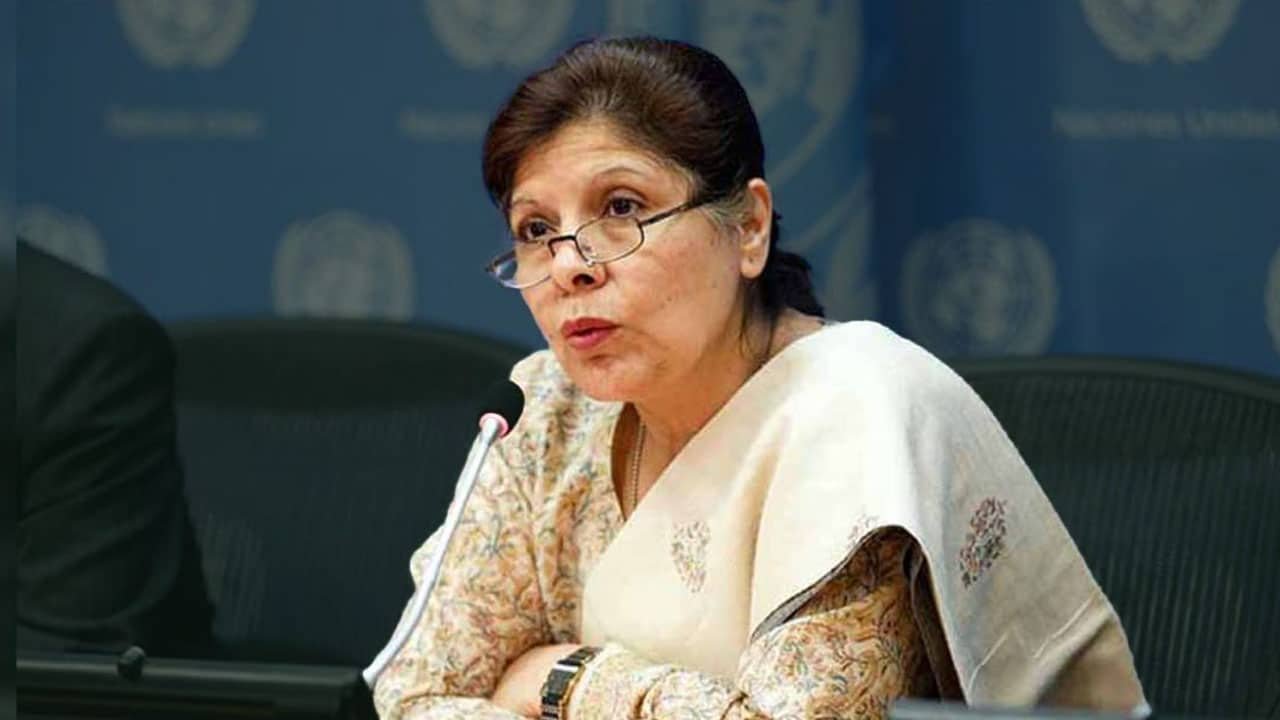
    Caretaker Finance Minister Dr Shamshad Akhtar has announced that the government is implementing significant restructuring measures within the Federal Board of Revenue (FBR) to eliminate apparent conflicts of interest in tax collection and enhance overall performance. 

    Speaking at the Future Summit organised by the Nutshell Group, she outlined the action plan for restructuring Pakistan’s tax administration, emphasising the crucial aspect of strengthening the internal governance of the FBR. 

    One notable decision involves separating customs from the revenue collection mechanism. Customs will focus on tracking smuggling and related activities, while revenue collection will remain the exclusive mandate of the FBR. 

    Akhtar noted that a formal notification for this change will be issued next week, with additional notifications expected for further FBR restructuring initiatives. 

    Discussing FBR reforms, Akhtar highlighted the adoption of innovative digital technologies to broaden the tax base, minimise the tax policy and compliance gap, and increase tax collection. 

    The government aims to reduce the share of the shadow economy by more effectively identifying non-filers and those under-reporting incomes or business activities. 

    Furthermore, Akhtar revealed plans to separate the tax policy and revenue division, making it an independent entity reporting directly to the Minister of Finance. 

    According to Brecorder, this move aims to eliminate perceived conflicts of interest in tax collection, emphasising the need for fair, equitable, and productive tax policy design. 

    Collaboration with the National Database and Registration Authority (NADRA) is also underway to upgrade data systems, with a technical committee chaired by NADRA and FBR chairpersons established for this purpose. 

    The overall objective is comprehensive tax administrative reforms and increased efficiency in revenue collection. 

  • Finance Minister envisions Pakistan’s economy soaring to $2 trillion by 2047 

    Finance Minister envisions Pakistan’s economy soaring to $2 trillion by 2047 

    Dr Shamshad Akhtar, the Caretaker Finance Minister, emphasised Pakistan’s significant economic potential, stating that the country could achieve a $2 trillion economy by 2047, as per a World Bank report.  

    Addressing the Future Summit in Karachi, she underscored the importance of adopting robust economic and sector-specific policies, coupled with a resolute commitment to implementing challenging structural reforms. 

    Dr Akhtar highlighted the need for increased innovation and diversification within the economic framework to ensure sustainable growth.  

    Emphasising the role of Development Finance Institutions (DFIs), she noted that institutions with expertise, efficiency, and flexibility could serve as crucial drivers for the growth and development of the capital market. 

    In a recent meeting with the Chairman of the Securities and Exchange Commission of Pakistan (SECP) and heads of DFIs, Dr Akhtar discussed the progress of establishing a private equity and venture capital (PE and VC) fund.  

    While the DFIs reaffirmed their commitment, they also provided insights into the progress made and challenges encountered in the process. 

    Notably, Pakistan, currently under a caretaker government, successfully reached a staff-level agreement with the International Monetary Fund on the first review of a short-term bailout program.  

    This agreement clears the path for unlocking $700 million, a crucial step in mitigating the looming economic crisis.  

    The caretaker government has implemented various fiscal measures, including an increase in the petrol levy, additional taxes, and significant reforms in the power sector, to address the economic challenges effectively. 

  • SNGPL commits uninterrupted winter gas supply to boost textile exports

    SNGPL commits uninterrupted winter gas supply to boost textile exports

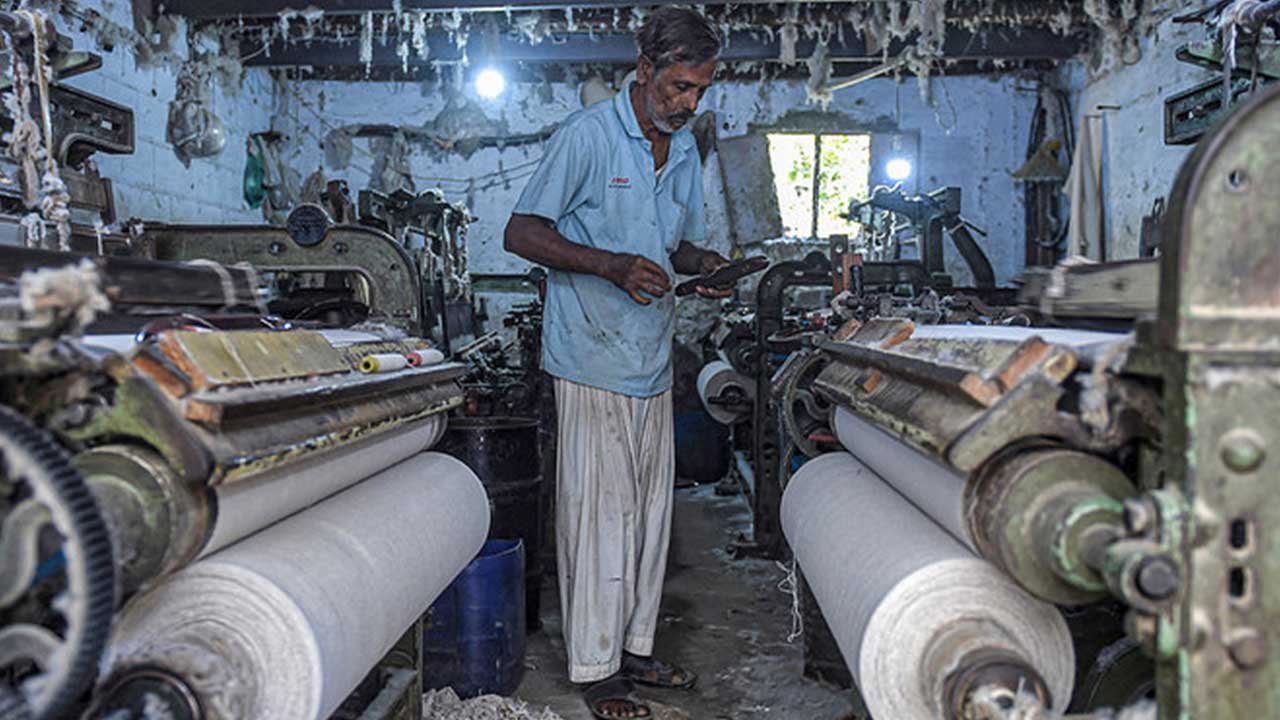
    Sui Northern Gas Pipelines Limited (SNGPL) has provided a commitment to the All Pakistan Textile Mills Association (APTMA) regarding the seamless supply of gas to textile mills during the winter season.

    SNGPL, under the leadership of Managing Director Amer Tufail, assured an APTMA delegation led by Chairman Kamran Arshad that uninterrupted gas supply with optimal pressure would be maintained for the export industry.

    This measure aims to facilitate smooth production and enhance textile goods’ exports to maximise foreign exchange for the nation.

    During the meeting, MD Amer Tufail emphasised that the export industry, utilising a system integrated with RLNG (Regasified Liquefied Natural Gas), would be subject to a shared tariff of 50:50 for November.

    He highlighted the historical priority given to the export industry in gas supply and urged APTMA member mills without existing gas connections to apply promptly.

    Regarding new connections and load enhancements, Tufail mentioned that clarity on tariff applications would be sought from the Ministry of Petroleum in the near future.

    In anticipation of the non-availability of natural gas during the winter months from December to March, MD Tufail clarified that the industry would be charged at the RLNG rate set by OGRA on a monthly basis.

    Chairman Kamran Arshad raised concerns about industry confusion regarding gas tariffs for the upcoming winter months after the federal government’s tariff rationalisation.

    Discussions delved into issues such as gas tariff specifics for connections predating June 2022, post-June 2022 connections with or without zero-rated FBR certificates, and the utilisation of APTMA certificates for gas supply to zero-rated industrial units.

    MD Tufail acknowledged SNGPL’s limitations in determining eligibility for new connections, emphasising the need for the Commerce and Energy Ministries’ intervention to establish an eligibility framework.

    The meeting also addressed concerns related to new gas connections, faulty metre replacements, erroneous charging due to slow or faulty metres, and low gas pressure. MD Amer Tufail underscored the commitment to uninterrupted gas supply, particularly to export-oriented sectors, recognising the vital role of the textile industry in job creation, attracting investment, and boosting the country’s exports.

    He pledged a thorough examination of issues raised by APTMA and assured a proactive approach to ensure a smooth gas supply, with nominated focal persons from both SNGPL and APTMA tasked with holding periodic meetings to promptly resolve any gas-related challenges in the textile industry.

  • Slight relief for consumers: Petrol price dropped by Rs2.04 per litre

    Slight relief for consumers: Petrol price dropped by Rs2.04 per litre

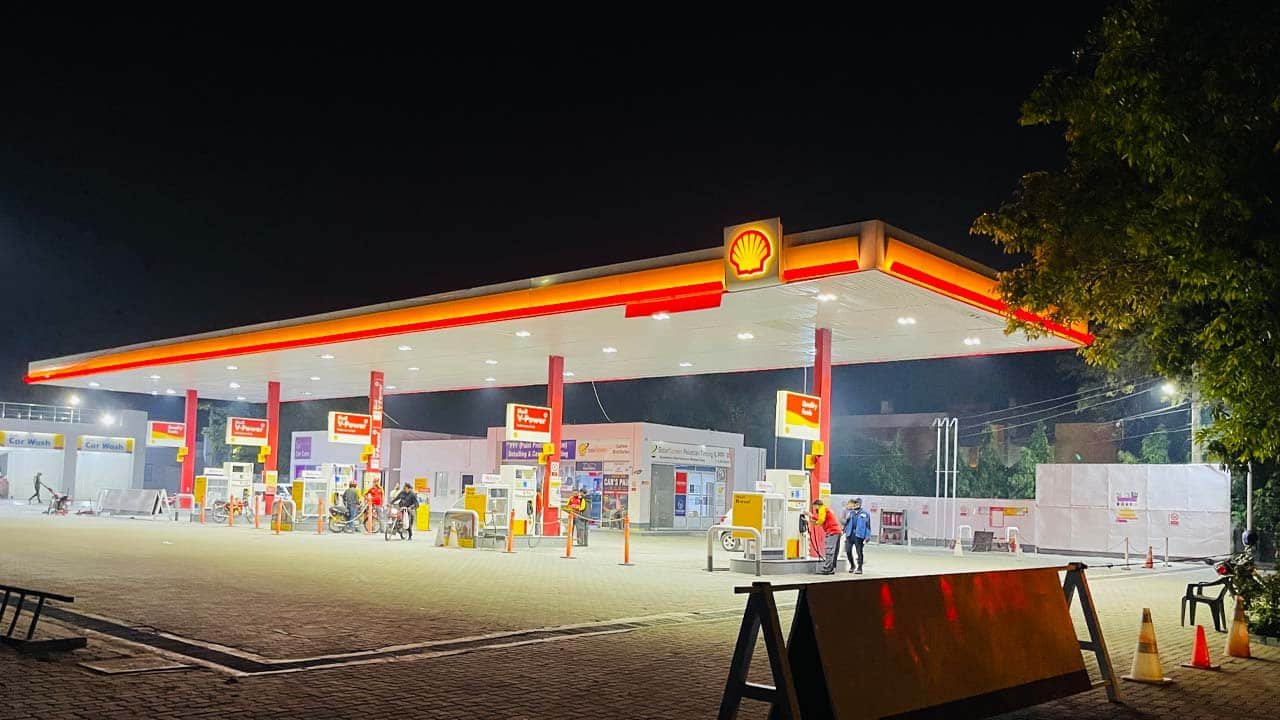
    The government announced a reduction in the prices of petrol and high-speed diesel (HSD) by Rs2.04 and Rs6.47 per litre, respectively, for the upcoming fortnight.

    According to a notification from the Ministry of Finance, the revised prices for petrol and HSD now stand at Rs281.34 and Rs296.71.

    Simultaneously, there was a decrease in the prices of kerosene oil and light-diesel oil by Rs6.05 and Rs9.01 per litre, bringing their new prices to Rs204.98 and Rs180.45, respectively.

    Prior to this decision, officials had anticipated a more substantial decline in the prices of petrol and HSD, ranging from Rs8 to Rs10 per litre.
    This projection was primarily based on the recent drop in international prices.

    However, despite the decrease in global prices for both HSD and petrol over the past two weeks, the rupee experienced depreciation against the dollar in the same period, mitigating the benefit of lower international prices for consumers.

    According to officials, the international prices indicated a reduction of about $9 per barrel on average for HSD, decreasing from approximately $113 to $104 during the week.

    Similarly, the price of petrol saw a decline of one dollar, moving from $91 to $90. Conversely, the rupee depreciated by Rs6 against the dollar, falling from Rs280 to Rs286.

  • IMF and Pakistan seal agreement on $3 billion SBA, await board approval

    IMF and Pakistan seal agreement on $3 billion SBA, await board approval

    In a significant development, the International Monetary Fund (IMF) declared on Wednesday that its team and Pakistani authorities have successfully concluded the initial review of the $3 billion, nine-month Stand-By Arrangement (SBA).

    This staff-level agreement awaits the approval of the IMF Executive Board.

    Upon endorsement, approximately US$700 million (SDR 528 million) will be accessible, contributing to a cumulative disbursement of nearly US$1.9 billion under the programme.

    A delegation from the IMF, led by Nathan Porter, conducted discussions in Islamabad from November 2–15, 2023, focusing on the inaugural review of Pakistan’s economic programme supported by the IMF SBA.

    The nascent recovery, supported by international partners and enhanced confidence indicators, is attributed to the stabilizing policies outlined in the SBA.

    The disciplined implementation of the FY24 budget, ongoing adjustments in energy prices, and increased inflows into the foreign exchange (FX) market have alleviated fiscal and external pressures.

    The IMF anticipates a decline in inflation in the upcoming months, driven by diminishing supply constraints and modest demand.

    Nevertheless, Pakistan remains exposed to significant external risks, including heightened geopolitical tensions, escalating commodity prices, and potential tightening in global financial conditions.

    It is imperative to persist in efforts to enhance resilience in the face of these challenges, according to the international lender

  • Pakistan Stock Exchange sets record at 56,665 points following strong buying activity

    Pakistan Stock Exchange sets record at 56,665 points following strong buying activity

    The Pakistan Stock Exchange (PSX) experienced a positive trading session on Tuesday, with the benchmark KSE-100 index concluding at a record high of 56,665.93 after gaining 142 points.

    The day commenced with optimistic market sentiment, but a brief shift into negative territory occurred due to profit-taking activities.

    Nevertheless, a robust surge in buying activity during the latter part of the day allowed the index to finish in positive territory, reflecting a 0.25 per cent increase or 142 points. Despite notable profit-taking during the session, the market achieved a positive closure following periods of heightened volatility.

    Key contributors to the market’s performance during the session were identified in the power generation and distribution, technology, and communication sectors, as well as the automobile assembly sector, according to the brokerage house.

    This positive trend follows Monday’s milestone, where the KSE-100 Index surpassed the 56,500 level for the first time, recording a historic gain of over 1,132 points.

    Conversely, the Pakistani rupee sustained losses against the US dollar for the 16th consecutive session, depreciating by 0.11 per cent in the inter-bank market on Tuesday.

    According to the State Bank of Pakistan, the currency settled at 287.87, indicating a decrease of Re0.32.

    Market metrics revealed a decrease in volume on the all-share index, registering 526.3 million compared to the previous session’s 660.6 million.

    However, the value of shares witnessed an uptick, reaching Rs22.4 billion from Rs21.1 billion in the preceding session.

  • Honda Civic sales in Pakistan drop by 72.36%

    Honda Civic sales in Pakistan drop by 72.36%

    Sedan car sales experienced a significant downturn, particularly notable in Honda Civic sales, which suffered a substantial decline of 67.33 per cent in October 2023 on a month-over-month basis and 72.36 per cent on a year-over-year basis in Pakistan. 

    This decline can be attributed to production interruptions, elevated car prices, and a reduction in car financing. 

    Specifically, Honda Atlas Cars Limited reported the sale of only 379 Civic units in October 2023, a notable drop from the 1371 units sold in October 2022.

    In contrast, Toyota Corolla sales exhibited a relatively better performance, with a 24.19 per cent decrease on a month-over-month basis and a 56.69 per cent decrease on a year-over-year basis in Pakistan. 

    To provide precise figures, Toyota Indus Motor Company sold 796 Corolla units in October 2023, as opposed to the 1838 units sold in October 2022.

  • Pakistan expects positive outcome in talks with IMF, eyes $700 million disbursement

    Pakistan expects positive outcome in talks with IMF, eyes $700 million disbursement

    Pakistan is optimistic about the successful completion of the initial review under the $3 billion standby arrangement (SBA) with the International Monetary Fund (IMF). 

    According to reports, the ongoing negotiations, now in their final phase, are anticipated to culminate positively, marking a crucial milestone. 

    Commencing on Monday, policy-level discussions between Pakistani authorities and the IMF are scheduled to persist until November 15, spearheaded by Finance Minister Shamshad Akhtar.  

    The Pakistani delegation, including key figures such as State Bank of Pakistan Governor Jameel Ahmad and Federal Board of Revenue Chairman Malik Amjed Zubair Tiwan, along with representatives from the finance and energy ministries, has been actively engaged in the deliberations. Nathan Porter leads the IMF team in this dialogue. 

    During the latest session, the IMF delegation articulated their recommendations and requirements, while technical-level talks involved the sharing of pertinent economic data with the international lender’s team, according to The News.  

    Sources within the finance ministry assert that Pakistan has diligently fulfilled all stipulated conditions set forth by the IMF. 

    It is anticipated that the staff-level agreement will be finalised during the ongoing policy-level talks, paving the way for the disbursement of approximately $700 million to Pakistan upon the successful completion of the first review. 

    Earlier this month, the IMF review mission commended the Pakistani government for its commendable progress towards economic recovery, as stated by the finance ministry.  

    The IMF’s $3 billion loan programme, sanctioned in July, played a pivotal role in averting a sovereign debt default. The initial tranche of $1.2 billion was disbursed in July, with the remaining amount contingent on subsequent reviews. 

    Finance Minister Shamshad Akhtar has unequivocally ruled out any requests to the IMF for an extension of the SBA programme’s timeframe or an increase in its size. 

  • Govt expected to hike petrol price on Thursday

    Govt expected to hike petrol price on Thursday

    In the final fortnight of November 2023, the per litre price of petrol in Pakistan is projected to experience an increase of Rs3.18, while high-speed diesel (HSD) is anticipated to undergo a reduction of Rs8.30 per litre on Thursday, November 16.

    Sources have indicated that the pricing trajectory of petroleum products is poised for a mixed trend in the latter half of the current month of November 2023.

    The price of petrol is forecasted to rise from Rs283.38 per litre to Rs286.56 per litre, marking an uptick of Rs3.18 per litre.

    Correspondingly, the cost of HSD/diesel is expected to decrease by Rs8.30 per litre, moving from Rs303.18 per litre to Rs 294.88 per litre.

    Additionally, the price of kerosene oil is projected to witness a decline of Rs5.61 per litre, transitioning from Rs211.03 per litre to Rs205.42 per litre.

    Furthermore, the price of light diesel oil (LDO) is set to experience a reduction of Rs8.33 per litre, shifting from Rs189.46 per litre to Rs181.13 per litre.

    These price adjustments are calculated based on current government taxes and the prevailing US dollar exchange rate, as per informed sources.

    According to Profit, the government may uphold the price of petrol due to outstanding forex adjustments, while a reduction of Rs10 per litre is expected for diesel (HSD).

    Notably, starting from 1st November 2023, the government has imposed a petroleum levy (PL) of Rs60 per litre on petrol and diesel, alongside receiving an Inland Freight Equalization Margin (IFEM) of Rs7.71 per litre on petrol and Rs0.60 per litre on diesel.

    Additionally, the Dealers’ Margin (inclusive of extra margin) on petrol and diesel presently stands at Rs8.64 per litre.

    Similarly, the margin for Oil Marketing Companies is fixed at Rs7.87 per litre.

    Furthermore, the Distributors’ Margin (inclusive of extra margin) on diesel is currently set at Rs8.12 per litre, and on petrol, it is Rs7.87 per litre, effective from 1st November 2023.

    On 1st November, the government maintained the prices of petrol and diesel at Rs283.38 per litre and Rs303.18 per litre, respectively.

    Simultaneously, the price of kerosene oil witnessed a reduction of Rs3.82 per litre, establishing the new price at Rs211.03 per litre.

    The price of LDO was also decreased by Rs3.40 per litre, fixing the new price of LDO at Rs189.46 per litre for the first half of November 2023.