Category: Business

The most important business news, explained in a young, easy to understand way. News that affects young career professionals.

  • Pakistan’s cotton production surge offers hope for forex reserves 

    Pakistan’s cotton production surge offers hope for forex reserves 

    Cotton production this year is proving to be a silver lining for Pakistan’s foreign exchange reserves, with an impressive 83 per cent increase in production for the 2023-24 season, totalling 6.79 million bales. 

    According to an estimate by the Pakistan Cotton Ginners’ Forum, cumulative production in the current season may reach around 9 to 9.5 million bales, a significant improvement from the previous year’s production of 5 million bales. This can be attributed to favourable weather conditions. 

    However, it’s worth noting that the production is still below the government’s target of 11.5 million bales. 

    According to Express Tribune, the recent 193 per cent increase in gas prices has exacerbated challenges faced by textile manufacturers and exporters, reducing the country’s competitiveness among regional textile exporters. 

    Another discouraging factor is for the farmers, as the market is offering them Rs7,000 per 40 kilogrammes, falling short of the government’s announced support price of Rs8,500 per 40 kilogrammes.

    The government has yet to fulfil its promise of purchasing cotton to stabilise market prices.  

    The Caretaker Prime Minister has urged the activation of the Trading Corporation of Pakistan, but this action is contingent on approval from the Economic Coordination Committee of the Cabinet, which has not yet occurred. 

    Ginners has mentioned that the increase in cotton production will save the country approximately $1 billion in import costs. 

  • Cost of living rises: SPI records increase in weekly inflation 

    Cost of living rises: SPI records increase in weekly inflation 

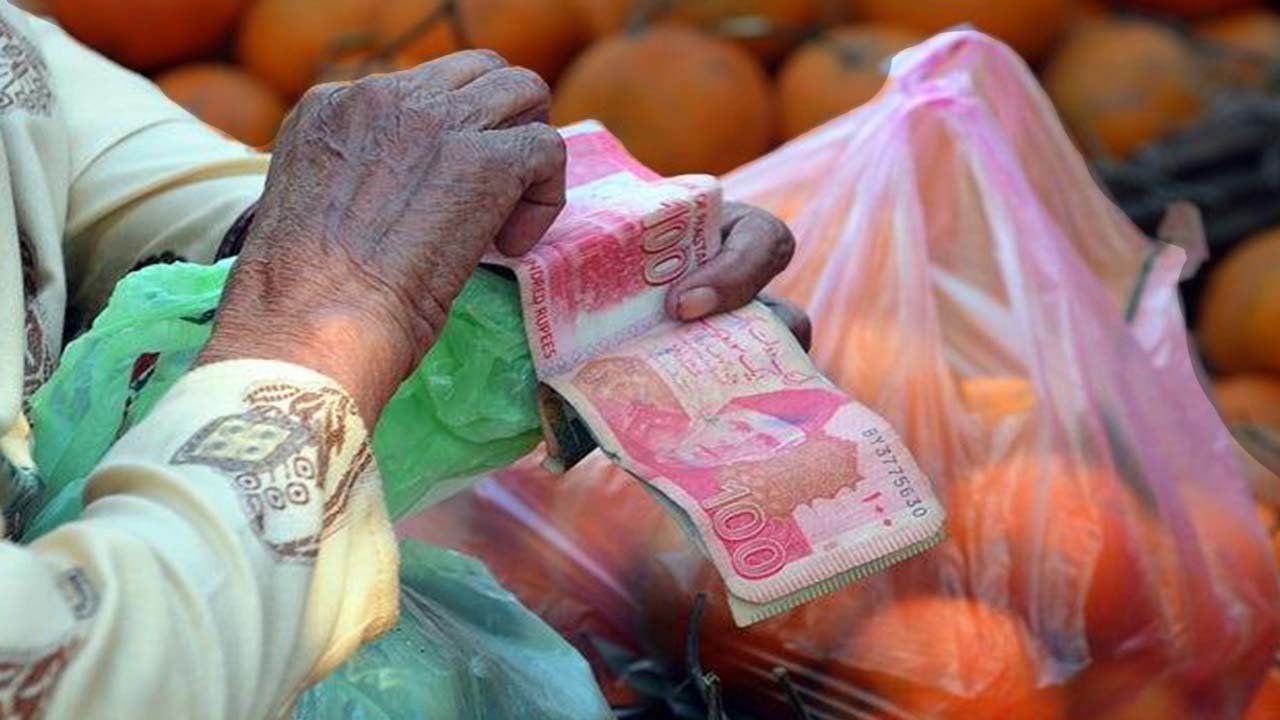
    The Sensitive Price Indicator (SPI) recorded a slight increase of 0.71 per cent for the week ending November 3, 2023, compared to the previous week.

    According to data from the Pakistan Bureau of Statistics (PBS), the combined index stood at 279.08 on November 3, 2023, up from 277.11 on October 26, 2023, and significantly higher than the index of 214.88 recorded a year ago on November 3, 2022.

    Out of 51 items, the prices of 12 items increased, 14 items decreased, and 25 items remained stable. 

    The most notable price increases were seen in tomatoes (25.58 per cent), onions (25.25 per cent), chicken (10.79 per cent), potatoes (1.61 per cent), Lipton tea (1.58 per cent), eggs (1.30 per cent), garlic (0.50 per cent), basmati broken rice (0.19 per cent), georgette (0.28 per cent), and firewood (0.05 per cent).

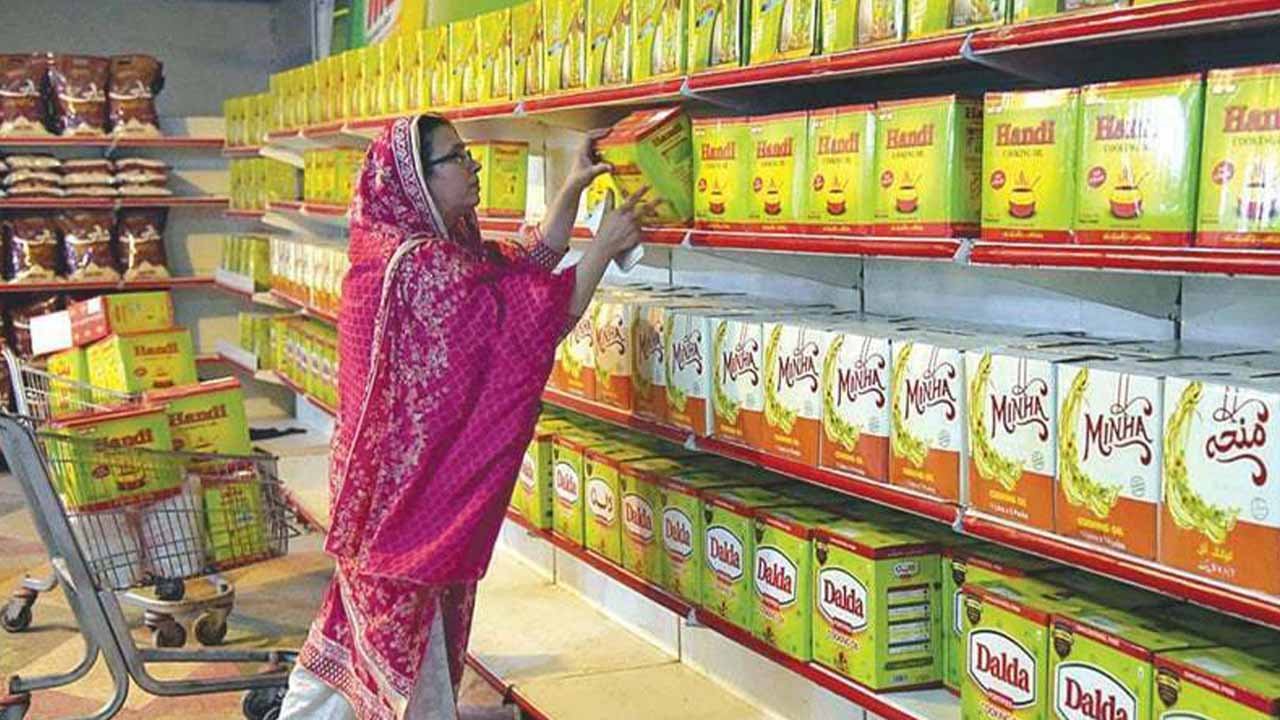
    Conversely, significant price decreases were observed in gur (2.66 per cent), bananas (1.78 per cent), 5-litre cooking oil (1.62 per cent), 1 kg vegetable ghee (1.23 per cent), LPG cylinders (1.05 per cent), masoor pulse (0.93 per cent), wheat flour (0.62 per cent), washing soap (0.41 per cent), and mustard oil (0.32 per cent).

    The weekly SPI percentage change across different income groups revealed an increase in SPI for all quantiles, ranging from 0.64 per cent to 0.86 per cent.

  • Dubai Golden Visa price in 2023: What’s driving the high demand? 

    Dubai Golden Visa price in 2023: What’s driving the high demand? 

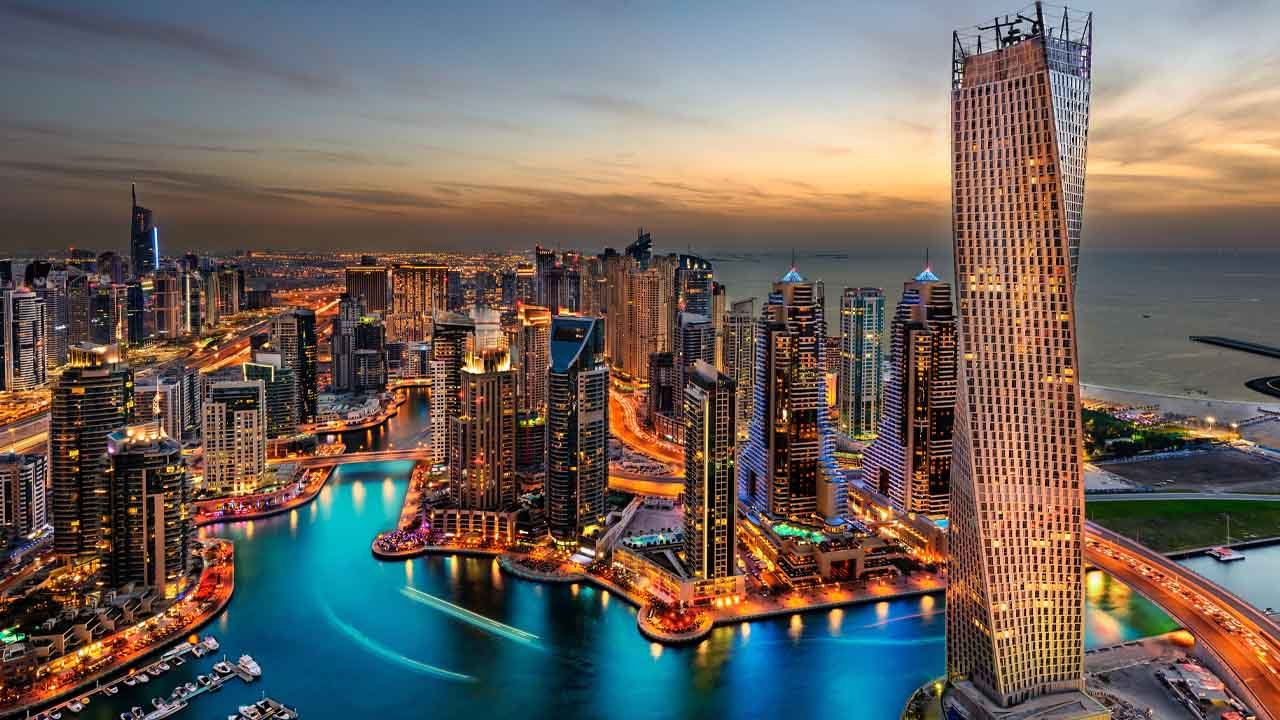
    Dubai has seen a remarkable surge in the issuance of Golden Visas during the first half of this year, marking a substantial 52 per cent increase compared to the same period in the previous year, according to a report. 

    Additionally, data from the General Directorate of Residency and Foreign Affairs (GDRFA) reveals a substantial 63 per cent increase in the issuance of residency visas this year. The report also highlights a noteworthy 21 per cent boost in the tourism sector. 

    What is the price of Dubai Golden Visa? 

    The price of Dubai Golden Visa varies depending on the category of visa you are applying for. However, the general cost is as follows: 

    Real estate investor visa: AED 2 million 

    Public investor visa: AED 5 million 

    Entrepreneur and startup owner visa: AED 500,000 

    Exceptional Talents Visa: AED 500,000 

    Scientists visa: AED 500,000 

    Skilled professionals visa: AED 250,000 

    Student visa: AED 100,000 

    Humanitarian Pioneers Visa: AED 100,000 

    Doctors and nurses visa: AED 100,000 

    Exceptional coder visa: AED 100,000 

    The UAE introduced the Golden Visa scheme to offer additional security for those looking to make their future in the UAE. There are numerous advantages for Golden Visa holders, including: 

    Long-term residency: Golden Visa holders can live, work, or study in the UAE for five or ten years. 

    100 per cent business ownership: Golden Visa holders do not need to find a national sponsor for almost all business activities. 

    Employment: Golden Visa holders can apply for jobs with any company in the UAE. 

    UAE driving licence: Golden Visa holders from one of 32 approved countries are automatically eligible for a UAE driver’s license. 

    Understanding Golden Visas 

    Golden Visas represent a category of residency-by-investment programmes, offering individuals and their families the opportunity to secure residency or even citizenship in a foreign nation by making substantial investments in the host country’s economy. 

    Typically, such programmes necessitate a minimum investment in real estate, government bonds, or other approved investment vehicles to qualify. The term “Golden Visa” derives from its advantageous privileges, including unrestricted travel within the host country and potential tax benefits. 

    Benefits of getting a Golden Visa 

    While the primary allure of a Golden Visa for many is the prospect of gaining residency or citizenship, not all programmes confer citizenship solely in return for investments.

    Here are some of the most common advantages offered by countries with Golden Visa programmes: 

    Residency or Citizenship: A Golden Visa affords you and your family members the privilege to reside and work in the host country. In certain cases, your investment may eventually lead to eligibility for citizenship. 

    Travel: Residency status permits unrestricted travel within the country hosting the programme. In most European countries with Golden Visa programmes, this privilege extends to travelling within the European Union, simplifying business and leisure travel without the need for additional visas. 

    Education: Many Golden Visa programmes provide access to local education systems, encompassing public schools and universities. 

    Healthcare: Golden Visa holders often enjoy access to local healthcare benefits, contingent on the host country’s programme. 

    Tax Benefits: Certain Golden Visa programmes offer tax incentives, such as reduced personal income tax rates or exemptions on foreign income. 

    Real Estate Investment: The primary pathway to securing a Golden Visa is through investments in real estate, which also presents opportunities for capital appreciation and rental income. 

  • More imports, less exports: Pakistan’s trade gap grows in October

    More imports, less exports: Pakistan’s trade gap grows in October

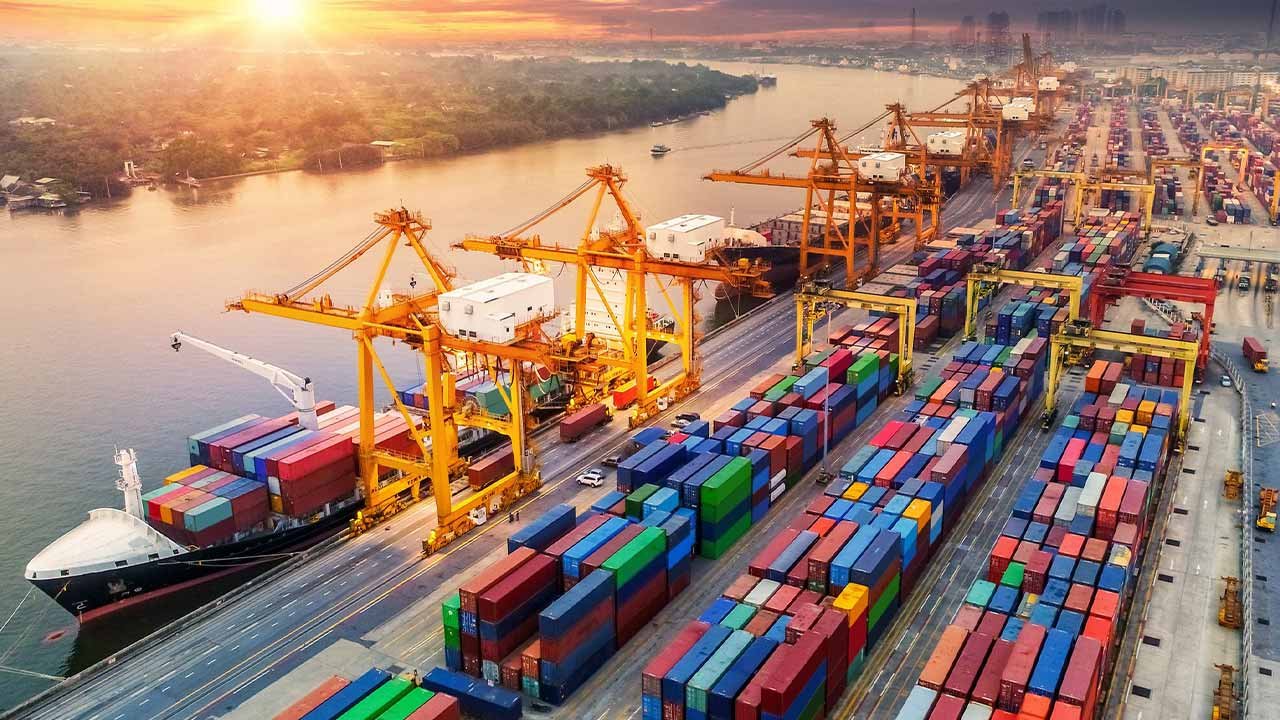
    Recent trade data for Pakistan reveals a monthly trade deficit increase of $0.6 billion, primarily driven by an $0.8 billion surge in imports.

    However, on an annual basis, the trade deficit is gradually shrinking at a modest rate of 4 per cent.

    This is not necessarily negative news, as import restrictions have been lifted as part of the İnternational Monetary Fund (IMF) programme while the economy is experiencing an uptick in demand.

    The encouraging aspect lies in the positive signs displayed by the export sector. The Pakistani rupee (PKR) has depreciated by approximately 35 per cent year-on-year, falling from PKR 220/USD to PKR 280/USD.

    Last year, exporters faced challenges in importing raw materials, machinery, and intermediate goods.

    Consequently, the 14 per cent year-on-year growth in exports, rising from $2.4 billion to $2.7 billion, is a heartening development, provided this trajectory continues.

    Recent measures by the State Bank of Pakistan (SBP) aimed at promoting exports, including competitive gas rates for exporters, reflect a positive intent.

    While industries reliant on gas may require more regionally competitive energy rates, the direction is favorable.

    Moreover, the alignment of open market and interbank exchange rates may encourage a shift from official channels.

    To address Pakistan’s economic challenges, two key corrections are imperative, among many others: increasing tax revenues and enhancing value-added exports.

    Depreciation of the currency alone cannot serve as the sole remedy for stimulating growth.

    To achieve a comprehensive economic framework, it is essential to boost the exports-to-GDP ratio beyond the current 8 per cent.

    This should encourage capitalists to prioritise exports and foreign direct investment (FDI) over property, fixed income, currency, and trading, ensuring sustained double-digit growth over the next five years.

  • Shell Pakistan’s domestic operations set for sale to Saudi company 

    Shell Pakistan’s domestic operations set for sale to Saudi company 

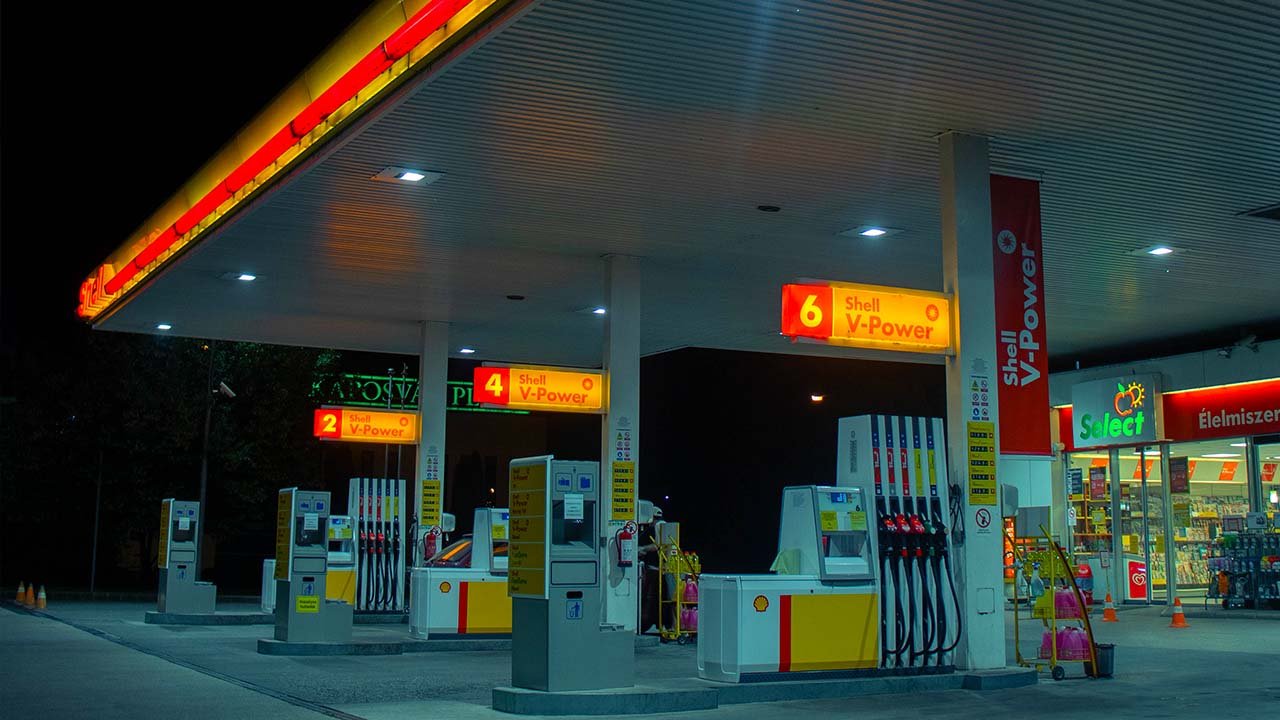
    On Wednesday, Shell Pakistan (SHEL.PSX) announced that its parent company’s subsidiary, Shell Petroleum Company, has entered into an agreement with Wafi Energy for the sale of its domestic operations. 

    The international branch of Shell (SHEL.L), known as Shell Petroleum Company, anticipates the completion of this sale by the fourth quarter of 2024, pending regulatory approvals. 

    Back in June, Shell Petroleum Company declared its intention to divest its 77 per cent ownership stake in Pakistan.  

    This decision follows a series of global operational updates by Shell and significant losses incurred by Shell Pakistan (SPL) in 2022.  

    These losses were primarily attributed to fluctuating exchange rates, the devaluation of the Pakistani rupee, delayed receivables, and the backdrop of a financial crisis and economic slowdown in the country. 

    According to Reuters, Wafi Energy, an entirely owned affiliate of Asyad Holding Group, a fuel retailer based in Saudi Arabia, is the acquiring party. 

    Shell Pakistan’s operations encompass more than 600 mobility sites, 10 fuel terminals, a lubricant oil blending plant, and a 26 per cent ownership interest in Pak-Arab Pipeline Company Limited. 

  • Pakistan’s October inflation eases to 26.9%

    Pakistan’s October inflation eases to 26.9%

    In October, Pakistan witnessed a year-on-year headline inflation rate of 26.9 per cent, as reported by the Pakistan Bureau of Statistics (PBS) on Wednesday.  

    This figure represents a notable decrease from the previous month’s reading of 31.4 per cent in September. Additionally, the month-on-month inflation rate for October showed a 1.1 per cent increase. 

    When considering the average inflation from July to October, it amounted to 28.48 per cent, a contrast to the 25.48 per cent recorded during the same period the previous year. 

    In its most recent ‘Monthly Economic Update and Outlook’ report, the Ministry of Finance projected that consumer price index (CPI)-based inflation in Pakistan for October would fall within the range of 27 per cent to 29 per cent.  

    The ministry anticipated that inflation would exhibit a more contained trend compared to the elevated levels observed during the first quarter of fiscal year 2024. 

    The Pakistan Bureau of Statistics further distinguished between urban and rural inflation rates. In urban areas, the year-on-year CPI inflation increased to 25.5 per cent in October 2023, marking a decline from the 29.7 per cent observed in the previous month and the 24.6 per cent recorded in October 2022.  

    On a month-on-month basis, urban inflation experienced a 1.1 per cent increase in October 2023, compared to a 1.7 per cent increase in the previous month and a 4.5 per cent increase in October 2022. 

    Similarly, in rural areas, the year-on-year CPI inflation rose to 28.9 per cent in October 2023, which represented a decrease from the 33.9 per cent recorded in the previous month and the 29.5 per cent in October 2022.  

    On a month-on-month basis, rural inflation increased by 1.1 per cent in October 2023, in contrast to a 2.5 per cent increase in the previous month and a 5.0 per cent increase in October 2022. 

  • Pakistan on track to secure second IMF tranche successfully: PM Kakar

    Pakistan on track to secure second IMF tranche successfully: PM Kakar

    Caretaker Prime Minister Anwaar ul Haq Kakar expressed optimism about Pakistan’s upcoming review with the International Monetary Fund (IMF), set for this month.

    The IMF, led by Nathan Porter, will visit Pakistan from November 2–16 to discuss the first review of the country’s current $3 billion stand-by arrangement (SBA).

    Pakistan is navigating a challenging economic recovery path under a caretaker government following an IMF loan programme approval in July, which prevented a sovereign debt default. The country received the first $1.2 billion tranche from the IMF in July.

    Kakar stated that Pakistan has successfully achieved its targets, including revenue goals, and is confident about the negotiations for the second tranche.

    Regarding inflation, the interim prime minister acknowledged a decrease in inflation rates, attributing it to the Pakistani rupee’s appreciation against the dollar and a drop in petroleum prices. 

    The prime minister also encouraged journalists to analyse the impact of the Pakistani rupee’s strength on circular debt and highlighted that stringent measures against smuggling through Afghan transit trade have boosted local industry productivity.

  • Govt decides not to reduce petrol, diesel prices

    Govt decides not to reduce petrol, diesel prices

    The caretaker government announced on Tuesday that petrol and diesel prices would remain unchanged until November 15. 

    Furthermore, the government reduced the prices of kerosene and light-speed diesel by Rs 3.82 and Rs3.40 per litre. Kerosene and light-speed diesel will now be priced at Rs211.03 and Rs189.46 per litre, respectively.

    In the previous review on October 15, the caretaker government had announced a reduction of Rs 40 and Rs15 in petrol and diesel prices, bringing them to Rs283.38 and Rs303.18 per litre, respectively. 

    This adjustment was made in response to the continuous appreciation of the local currency against the greenback and fluctuations in international petroleum product prices.

  • World Bank projects only 1.7% growth for Pakistan in FY 2023-24 amid economic challenges

    World Bank projects only 1.7% growth for Pakistan in FY 2023-24 amid economic challenges

    The World Bank has issued a cautious outlook for Pakistan’s economy in the fiscal year 2023–24, projecting a modest growth rate of 1.7 per cent.

    The report, titled “South Asia Development Update Towards faster, cleaner growth,” highlights the fragile economic situation in Pakistan.

    Several factors have contributed to this fragility. The US dollar value of imports decreased by 26 per cent in August 2023 due to low demand and import controls, resulting in input shortages and a 15 per cent decline in industrial production by June 2023.

    Additionally, the economy shrank by 0.6 per cent in the fiscal year 2022–23 due to the impact of 2022 floods, high inflation, and balance of payments challenges.

    Import controls, initially aimed at reducing the trade deficit, hindered the supply of industrial materials and stifled growth.

    While these controls have been removed as part of an IMF lending programme, Pakistan still faces inflationary pressures, tight fiscal policies, and extensive flood damage. Foreign exchange reserves remain low, leaving the country vulnerable to external shocks.

    Pakistan is not alone in its economic struggles. Bangladesh, Pakistan, and Sri Lanka are all facing acute crises with ongoing balance-of-payments issues. These countries have begun implementing IMF-supported policies to address capital outflows and debt sustainability.

    Global factors, such as rising prices due to the end of the pandemic and Russia’s invasion of Ukraine, have exacerbated the challenges faced by these nations, leading to increased current account deficits and currency depreciations. To combat this, import controls have been imposed.

    In Pakistan, consumer price inflation stood at 27 per cent in August, down from a peak of 38 per cent in May, thanks to a stabilised exchange rate and a decline in food prices caused by the previous year’s floods. To address high inflation, the central bank raised its benchmark interest rate to 22 per cent in June.

    Pakistan and Sri Lanka are experiencing severe financial stresses, with low foreign reserve coverage and weak asset quality in both banking and non-banking sectors. The report also highlights the need for investment reforms in several South Asian countries to encourage growth.

    Restrictive import measures in Bangladesh, Pakistan, and Sri Lanka, although aimed at stabilising the external sector, have led to import shortages and economic downturns. Lowering these barriers to trade and capital flows could help boost long-term productivity.

    Lastly, despite adopting debt ceilings and deficit targets, many South Asian countries have high government debt-to-GDP ratios, with Pakistan experiencing fluctuations in government spending during election years.

    In summary, the World Bank’s report paints a cautious picture of Pakistan’s economic prospects, emphasising the need for sustained reforms and addressing various challenges to achieve stable and sustainable growth.

  • Punjab govt approves Rs2.07 trillion budget for four months

    Punjab govt approves Rs2.07 trillion budget for four months

    In a significant development, the Caretaker Punjab Cabinet, under the leadership of Chief Minister Mohsin Naqvi, convened for its 31st session at the Chief Minister’s Secretariat on Monday.  

    During this session, the Cabinet approved a surplus budget of Rs2.07 trillion for the upcoming four months, with a substantial allocation of Rs351 billion dedicated to development projects. 

    It is worth noting that this budget represents a crucial step in the interim governance of the province, as the caretaker government lacks the authority to approve a full-year budget in the absence of an elected government.  

    This temporary budget is designed to ensure that essential ongoing expenses are accounted for, enabling the effective management of the province’s daily affairs. 

    Within this four-month budget, particular emphasis has been placed on directing resources towards critical sectors.  

    Notably, Rs208 billion has been earmarked for the healthcare sector, and Rs222 billion has been allocated for the education sector. An additional Rs10 billion has been allocated to promote the progress of the agricultural sector. 

    In addressing various challenges facing the province, the Cabinet has committed Rs1.80 billion to the National Health Support Programme and Rs5 billion to the Punjab Textbook Board. Moreover, an allocation of Rs7.30 billion has been designated to address climate change issues, reflecting the government’s commitment to environmental sustainability. 

    The Cabinet meeting also saw the finance secretary provide a comprehensive overview of the forthcoming four-month budget, highlighting the robust financial position and surplus resources of the Punjab government.  

    In a significant move, the Cabinet approved a minimum wage of Rs32,000 for workers, effective July 1, 2023, further promoting workers’ rights and economic well-being. 

    Furthermore, the meeting underscored the importance of anti-smog measures in various regions, including Sheikhupura, Sahiwal, Gujranwala, Hafizabad, Lahore, and Kasur.  

    Chief Minister Naqvi urged strict enforcement of regulations on smoke-emitting vehicles and brick kilns by commissioners and deputy commissioners.  

    Stringent measures were also advised for ongoing construction projects, including the regular use of water sprinklers and a strict ban on crop residue burning, contributing to environmental preservation. 

    The Punjab Price Control for Essential Commodities Ordinance, 2023, received the Cabinet’s approval, reinforcing the government’s commitment to regulating essential commodity prices and ensuring consumer protection.