Category: Business

The most important business news, explained in a young, easy to understand way. News that affects young career professionals.

  • Govt implements major gas price hike to tackle circular debt crisis 

    Govt implements major gas price hike to tackle circular debt crisis 

    On Monday night, the interim government made a significant announcement that will have a profound impact on the nation’s economy.  

    The decision involved a substantial increase in gas prices, set to take effect on November 1st, 2023. 

    Under this new pricing structure, non-protected domestic consumers will experience a substantial surge in their gas tariffs.  

    Specifically, rates will surge by a staggering 173 per cent for this category of consumers. Commercial users will see their gas prices climb by 136.4 per cent, while those in the export and non-export industries will face increases of 91 per cent and 83 per cent, respectively. 

    Further elaborating on the specifics of these changes, the revised monthly charges for protected consumers have been elevated from a mere Rs10 to a more substantial Rs400. For non-protected consumers, the monthly charges have surged from Rs460 to Rs1000, and for higher consumption slabs, the charges have escalated to a maximum of Rs2000. 

    In terms of actual consumption, the price per mmbtu will vary depending on usage. Users consuming up to 0.25 cubic metres will be charged Rs121 per mmbtu.  

    Those using up to 0.5 cubic metres will pay Rs150 per mmbtu; users with a monthly consumption of 0.60 cubic metres will incur charges of Rs200 per mmbtu; and those utilising 0.9 cubic metres will see rates set at Rs250 per mmbtu.  

    The steepest increase is witnessed by individuals using 1 cubic metre of gas per month, as their charges have surged from Rs400 per mmbtu to Rs1,000 per mmbtu. Users with gas consumption up to 1.5 cubic metres, previously paying Rs600 per mmbtu, will now be required to pay Rs1,200 per mmbtu starting from November 1st. 

    The changes in gas pricing also extend to small commercial users, such as local tandoors, who will be paying Rs697 per mmbtu from the aforementioned date.  

    The power sector will experience a range of charges, with rates fluctuating between Rs1,050 and Rs3,890 per mmbtu, while the cement industry will be subject to a consistent rate of Rs4,400 per mmbtu. 

    As for the export industry, gas pricing has been set at Rs2,100 to Rs2,400 per mmbtu, while non-export industries will be required to pay between Rs2,200 and Rs2,500 per mmbtu. These significant adjustments have been made to alleviate the burden on the nation’s economy. 

    The Power Division, in an official statement, justified the increase in gas prices by referencing the recommendations of the Oil and Gas Regulatory Authority, which sought to prevent an additional burden of Rs400 billion on the already burgeoning circular debt.  
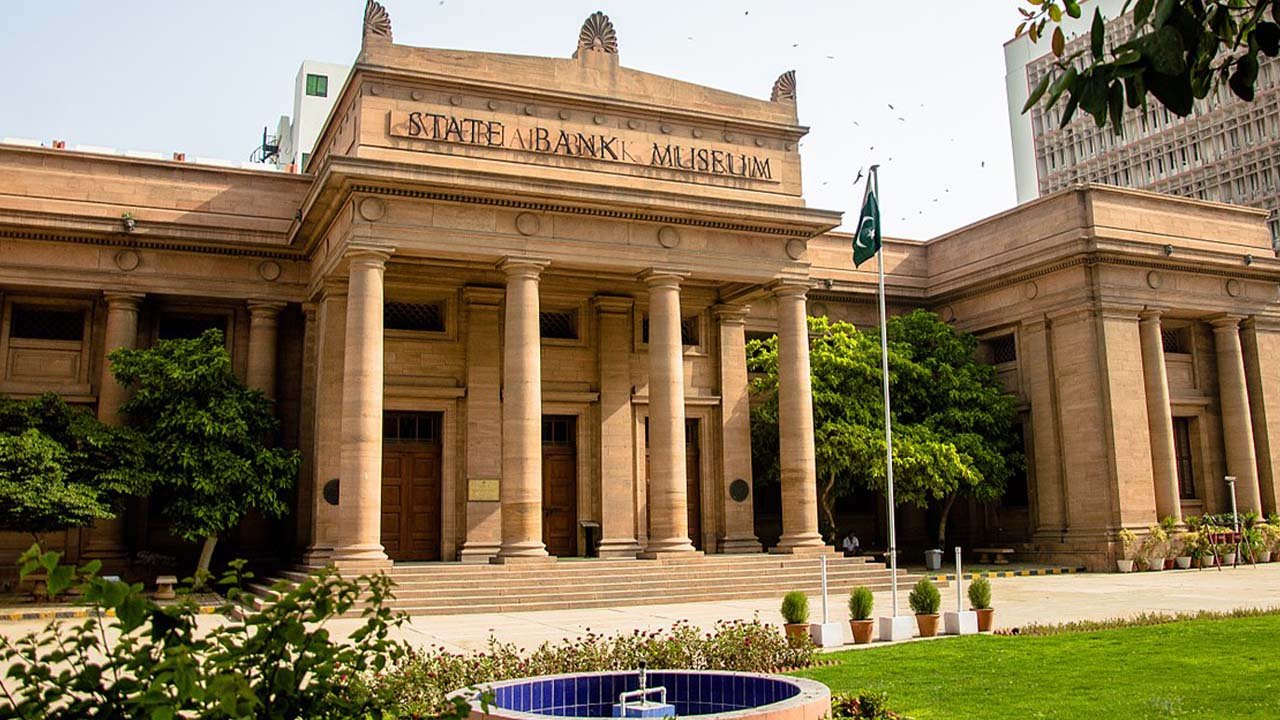
  • State Bank of Pakistan maintains 22% policy rate in line with market consensus

    State Bank of Pakistan maintains 22% policy rate in line with market consensus

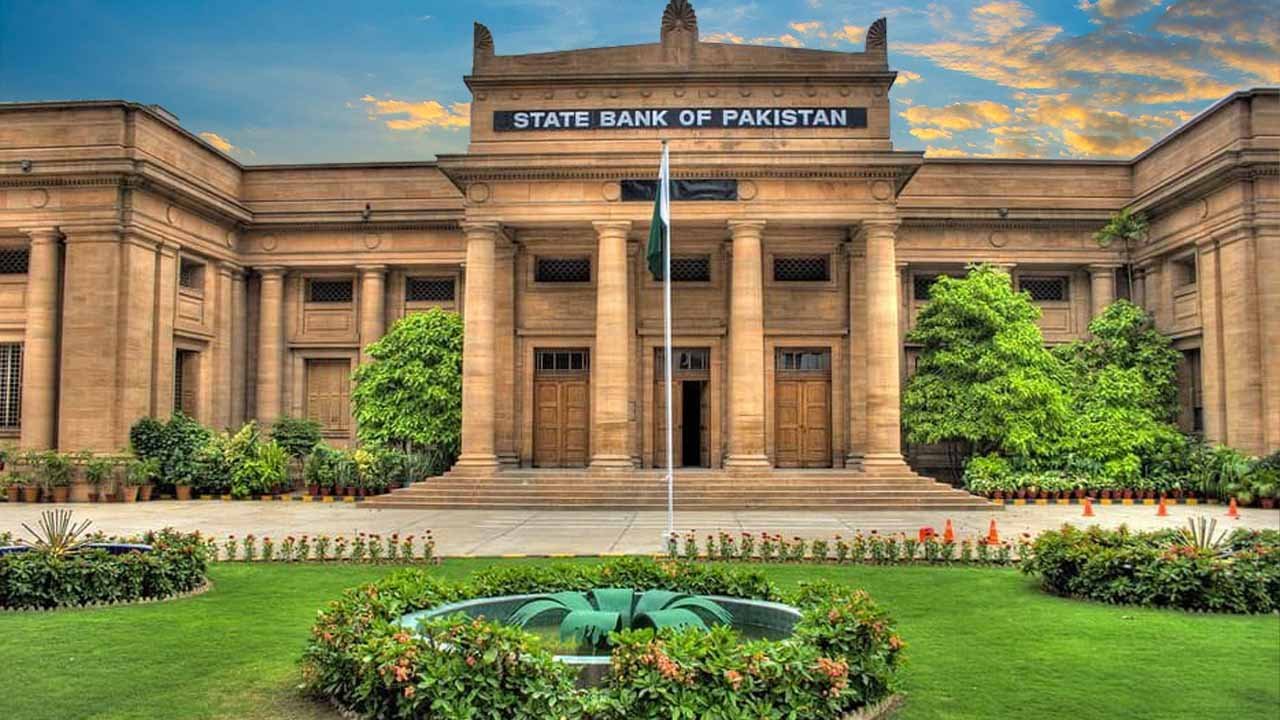
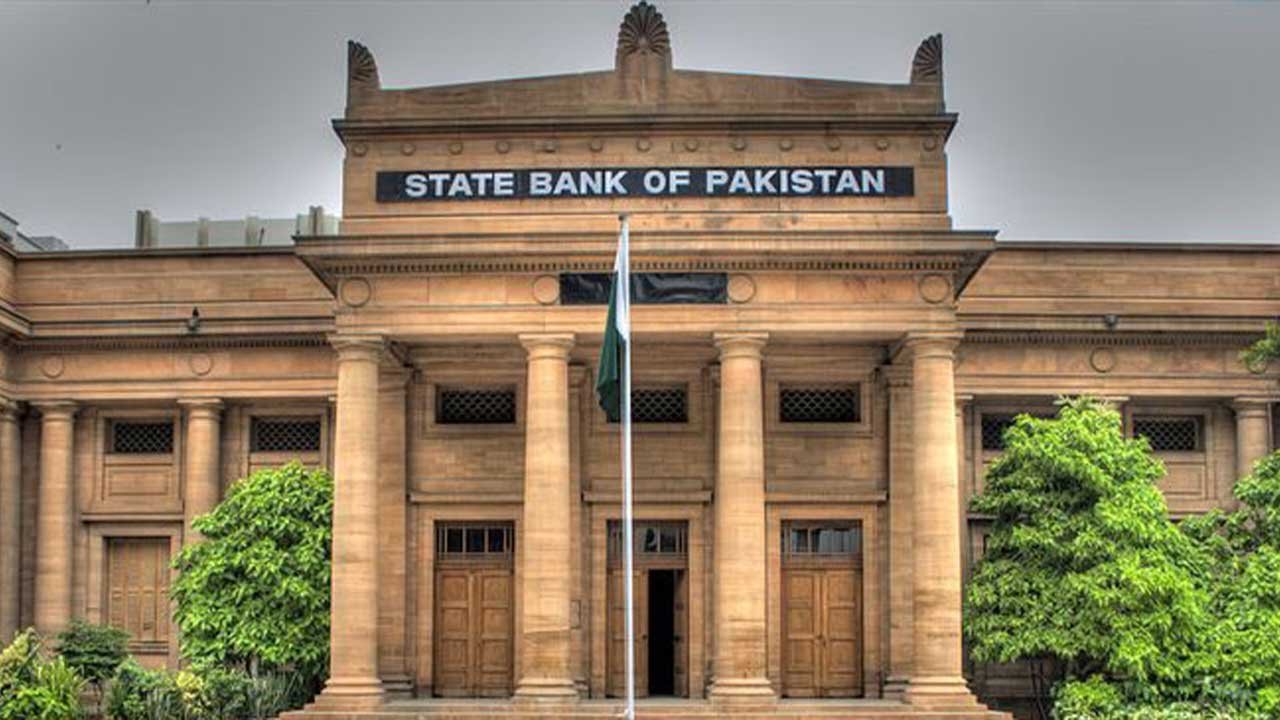
    Following the consensus in the broader market, the Monetary Policy Committee (MPC) of the State Bank of Pakistan (SBP) announced on Monday that it would maintain the key policy rate at 22 per cent, as stated in their press release.

    The Committee recognised that headline inflation, as expected, increased in September 2023 but anticipates a decline in October, followed by a sustained decrease, particularly in the latter half of the fiscal year.

    While the MPC acknowledged potential risks to the FY24 inflation outlook and the current account due to recent global oil price volatility and forthcoming gas tariff increases in November 2023, they also identified mitigating factors.

    These factors include targeted fiscal consolidation in the first quarter, enhanced availability of crucial commodities in the market, and the alignment of interbank and open market exchange rates.

    The MPC emphasised that the real policy rate, looking forward over a 12-month horizon, remains significantly positive.

    This is deemed appropriate to achieve the medium-term inflation target of 5-7 per cent by the end of FY25, contingent upon the sustained fiscal consolidation and timely realisation of planned external inflows, as articulated in the MPC statement.

  • State Bank of Pakistan set to announce policy rate decision today

    State Bank of Pakistan set to announce policy rate decision today

    The State Bank of Pakistan (SBP) will soon unveil its latest monetary policy for the upcoming two months.

    In an official statement, the central bank declared that the Monetary Policy Committee (MPC) of SBP will convene on Monday, October 30, 2023, to determine the monetary policy. SBP will then issue the Monetary Policy Statement via a press release on the same day.

    Currently, the State Bank’s policy rate stands at 22 per cent. Since October 2021, the central bank has increased its policy rate by a cumulative 1,500 basis points in an effort to combat rising inflation and bolster the external balance. This rate has remained unchanged since July 2023.

    The forthcoming policy rate announcement is poised to exert a substantial influence on Pakistan’s industries and inflation rate.

    In the most recent meeting held in July, the State Bank of Pakistan (SBP) resolved to maintain the interest rate at 22 per cent.

    The Monetary Policy Committee of the central bank meticulously assessed economic data and the prevailing inflation situation before opting to retain the interest rate. It’s worth noting that substantial progress has been achieved in the current account, thanks to government initiatives.

    This decision comes against the backdrop of Pakistan contending with a high inflation rate, currently pegged at 29.65 per cent.

  • IMF’s $700 million tranche approval crucial for Pakistani rupee’s recovery

    IMF’s $700 million tranche approval crucial for Pakistani rupee’s recovery

    The Pakistani Rupee (PKR) is expected to rebound against the US dollar this week, with this revival contingent on the approval of the next tranche by the International Monetary Fund (IMF).

    Last week, the PKR weakened by 1.78 rupees (0.6 per cent), closing at Rs280.57 against the US dollar, marking a second consecutive week of decline. On the last trading day, it reached a high of Rs280.5 and a low of Rs280.15 against the greenback.

    In the open market, the rupee depreciated by 50 paisa, closing at Rs279.5 for buying and Rs292.8 for selling, compared to Rs279 and Rs282 a week ago.

    The rupee’s decline is attributed to expectations of the IMF’s approval for the next $700 million tranche of its $3 billion loan. Geopolitical tensions in the Middle East and decreased export receipts have also played a role.

    Despite hopes for recovery post-IMF approval, concerns linger about its long-term stability, with Goldman Sachs predicting a short-lived strong performance.

    The rupee’s fate remains tied to the 280 level until the IMF’s decision. The upcoming weeks and months hold uncertainty amid global economic challenges and geopolitical issues.

    Economists and financial experts are closely watching events, especially the IMF’s decision, which will significantly impact Pakistan’s economic stability as it strives to restore economic health and growth.

  • Gold price surpasses Rs213,000 per tola in Pakistan

    Gold price surpasses Rs213,000 per tola in Pakistan

    The price of gold in Pakistan has experienced an upward trend, marked by a noteworthy increase of Rs2,000 per tola within the domestic market on Saturday.

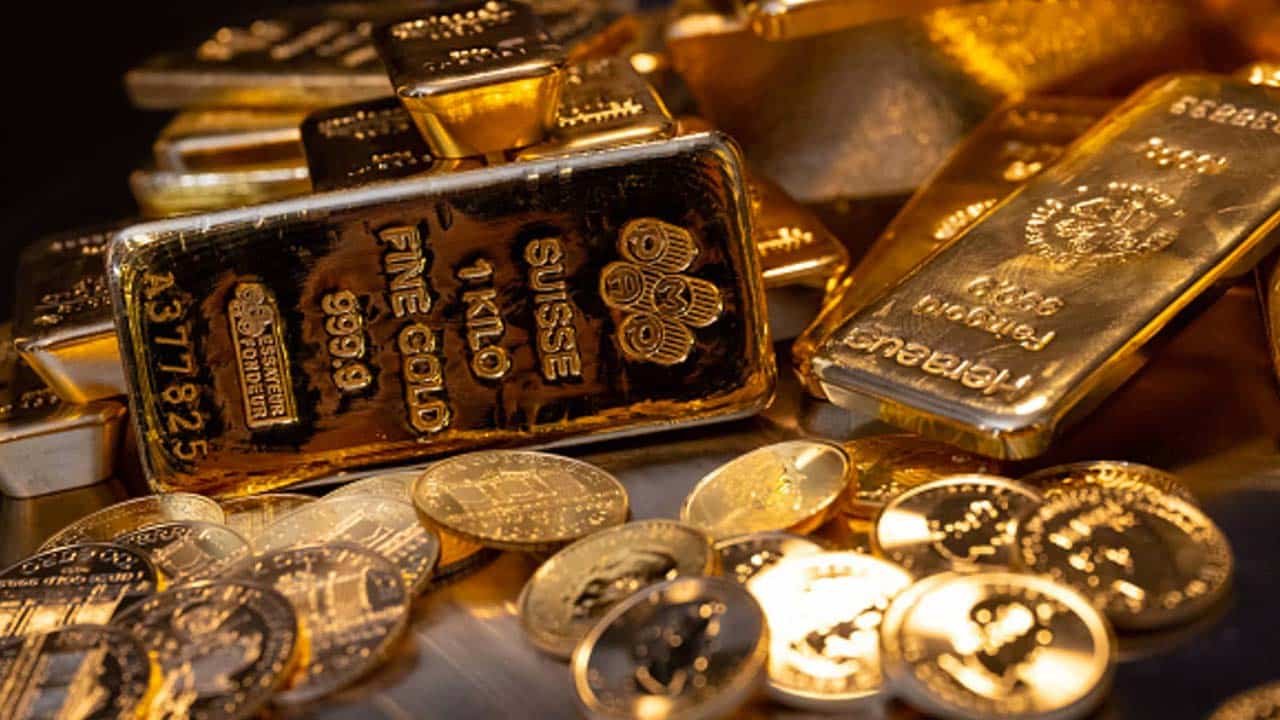
    This surge brings the price of one tola of gold to Rs213,300, as reported by Muhammad Arshad, the chairman of the All Pakistan Jewellers Manufacturers Association.

    Similarly, the price of 10 grammes of gold also saw a significant increase, rising by Rs1,714 to reach Rs182,870.

    On the international front, gold prices are also experiencing an upward trend, currently standing at $1,987 per ounce. 

    However, in the spot market, gold fell by 0.3 per cent to $1,976.19 per ounce by 1:42 pm ET (1741 GMT), and  US gold futures settled 0.3 per cent lower at $1,987.80.

    Other precious metals displayed mixed performance, with silver slipping by 1.3 per cent to $23.05 per ounce, platinum rising by 0.3 per cent to $897.58, and palladium gaining 3 per cent to reach $1,131.03.

  • Annual inflation increases by 29.65% in Pakistan, driven by rising gas prices 

    Annual inflation increases by 29.65% in Pakistan, driven by rising gas prices 

    According to the Pakistan Bureau of Statistics (PBS) report released on Friday, the weekly inflation, as measured by the Sensitive Price Indicator (SPI), exhibited a decline of 0.33 per cent during the week ending on October 19. 

    The Combined Index, as reported by PBS, stood at 277.11, down from 278.04 on October 19, 2023, with a notable contrast to the index of 213.74 recorded on October 27, 2022, a year ago.

    Among the 51 items monitored, the analysis indicates that the average prices of 14 items experienced an increase, 17 items saw a decrease, and 20 items remained stable. 

    Significant reductions were observed in the prices of chicken (10.19 per cent), onions (4.4 per cent), rice IRRI-6/9 (3.84 per cent), bananas (3.64 per cent), gur (3.4 per cent), pulse masoor (2.36 per cent), sugar (2.22 per cent), and mustard oil (2.17 per cent). 

    Conversely, notable price increases were recorded for tomatoes (20.81 per cent), potatoes (3.33 per cent), eggs (1.63 per cent), salt powdered (0.91 per cent), garlic (0.77 per cent), tea prepared (0.67 per cent), bread plain (0.56 per cent), and mutton (0.28 per cent).

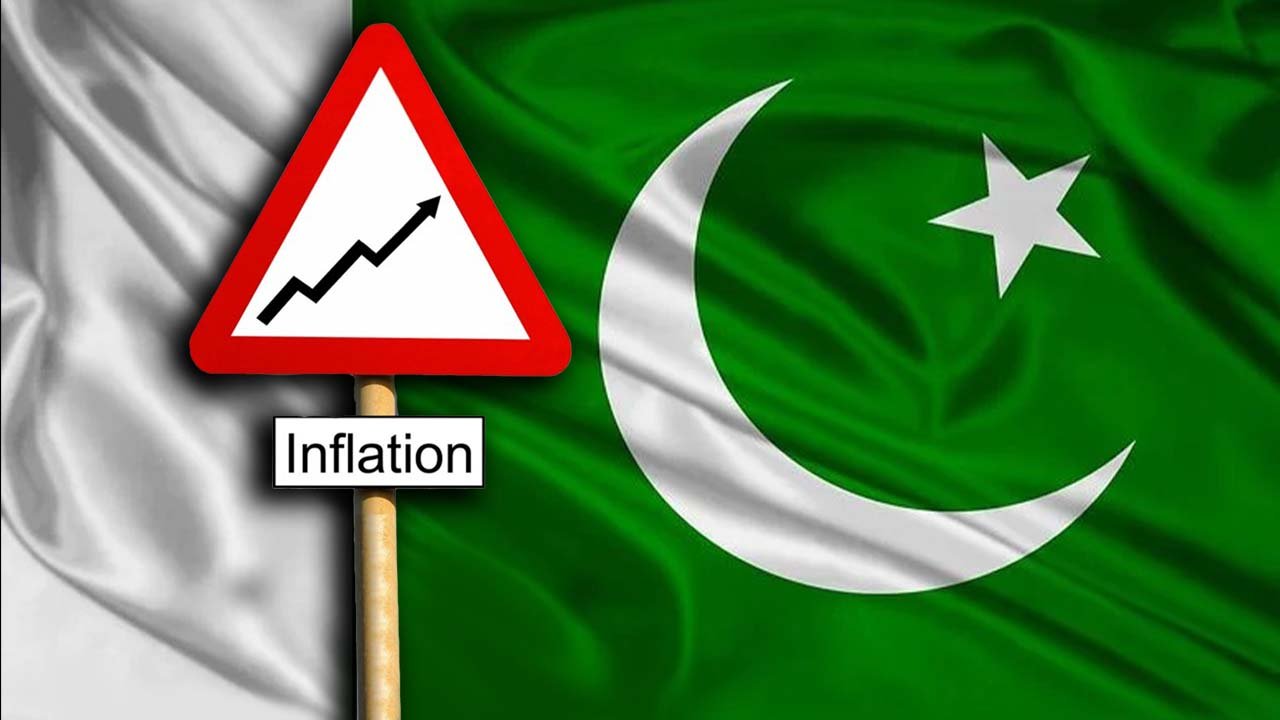
    In a year-on-year comparison, the trend reveals an increase of 29.65 per cent in overall inflation, with substantial hikes in gas charges for Q1 (108.38 per cent), cigarettes (94.46 per cent), chilies powder (84.11 per cent), rice basmati broken (78.51 per cent), wheat flour (77.49 per cent), sugar (63.22 per cent), rice irri-6/9 (62.83 per cent), gents sponge chappal (58.05 per cent), gur (57.73 per cent), and salt powdered (54.84 per cent). 

    In contrast, price decreases are observed in tomatoes (31.90 per cent), onions (24.88 per cent), pulse gramme (5.82 per cent), mustard oil (4.16 per cent), and vegetable ghee (1 1 kg) (0.92 per cent).

  • Pakistani rupee declines by 48 paisa, closing at Rs280.57 against US dollar

    Pakistani rupee declines by 48 paisa, closing at Rs280.57 against US dollar

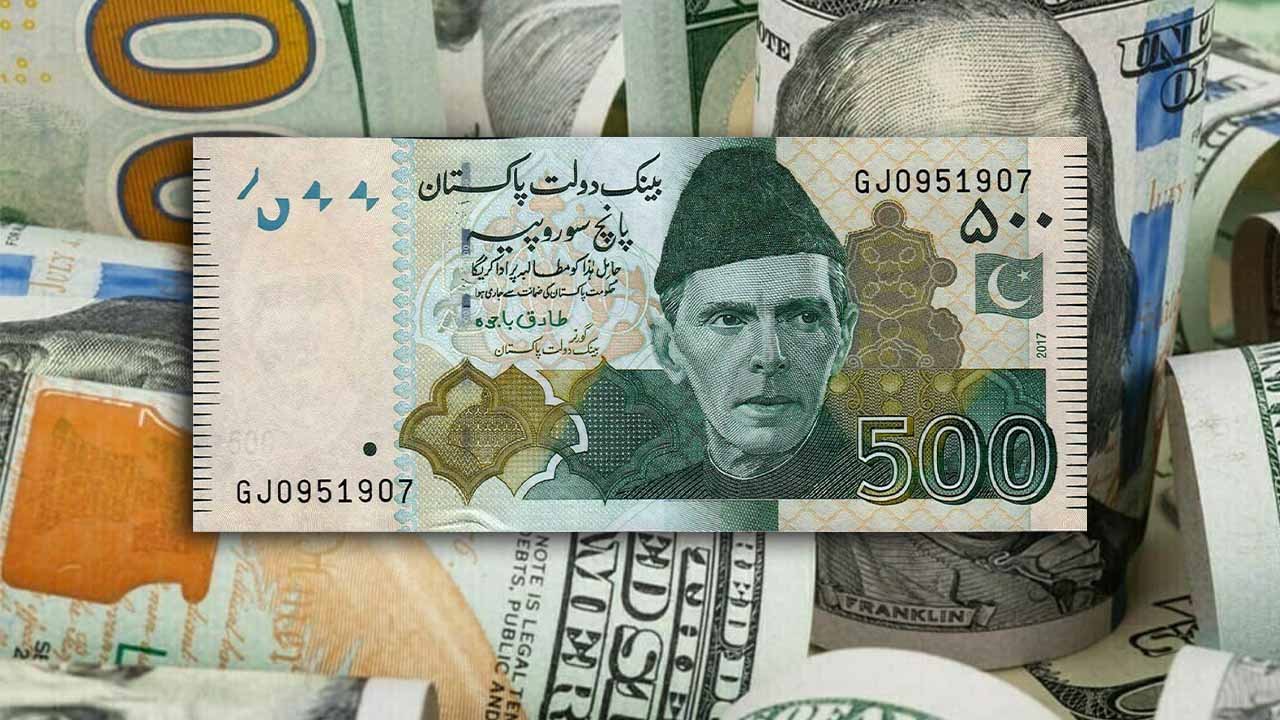
    In the financial markets this week, the Pakistani rupee (PKR) experienced a depreciation of 1.78 rupees against the US dollar (USD), closing the week’s trade at PKR 280.57.

    This marks a significant shift from the previous week’s closing rate of PKR 278.8 per USD.

    During today’s trading session, the local currency saw a decline of 48.1 paisa. The intraday high (bid) was recorded at Rs280.5, while the low (ask) reached Rs280.15 against the US dollar.

    In the open market, exchange companies quoted the US dollar at Rs279.5 for buying and Rs292.8 for selling, indicating a loss of 50 paisa compared to the previous closing rates of Rs279 for buying and Rs282 for selling.

    This decline against the US dollar signifies the second consecutive weekly decrease for the Pakistani rupee. In comparison to other major currencies, the PKR experienced fluctuations as well.

    Against the Euro, the PKR depreciated by 64.78 paisa, closing at Rs296.17 compared to the previous value of Rs295.53.

    The British Pound became more expensive by 1.21 rupees, closing at Rs339.94 in contrast to Rs338.73 from the previous day.

    PKR lost 0.69 paisa against the Japanese yen, closing at Rs1.869 versus Rs1.862 the previous day.

    The UAE dirham also increased in value by 12.89 paisa from Rs76.257 to Rs76.386.

    It’s noteworthy that during the current financial year, the PKR has appreciated against the dollar by Rs5.42, or 1.93 per cent.

    However, in the current calendar year, PKR has depreciated by 54.14 rupees, or 19.3 per cent.

    This dynamic market movement reflects the ongoing economic fluctuations in the country.

  • PIA struggles to stay afloat as fuel shortage forces cancellation of 349 flights  

    PIA struggles to stay afloat as fuel shortage forces cancellation of 349 flights  

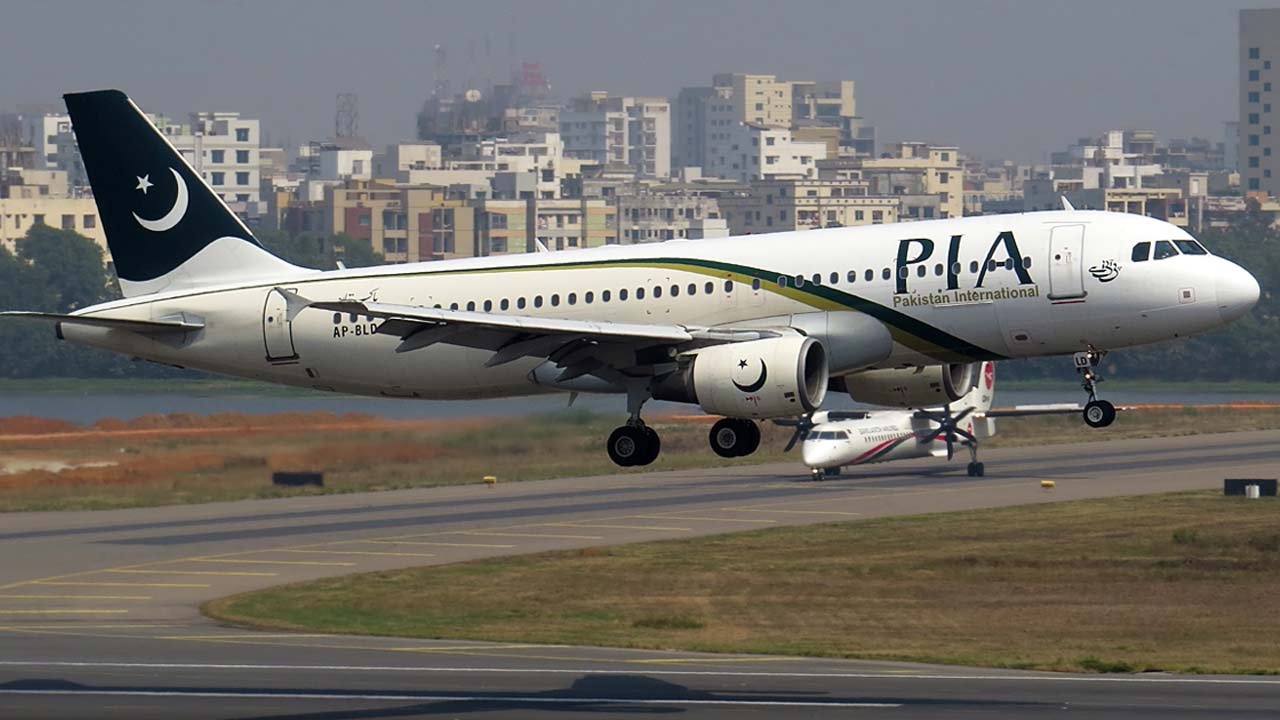
    Over the past two weeks, Pakistan International Airlines (PIA) has been compelled to cancel 349 flights due to a severe fuel shortage, underscoring the challenges faced by the financially struggling national carrier.

    According to a spokesperson, these flight cancellations, which began on October 14, have affected both domestic and international routes, causing significant inconvenience to passengers. 

    PIA has issued a statement confirming that daily flight rescheduling is ongoing, but without specifying the expected duration of this crisis. Flight schedules are being adjusted based on fuel availability, as mentioned in the statement. 

    This situation has arisen from an ongoing financial dispute between PIA and the Pakistan State Oil Company (PSO). PIA alleges that PSO has suspended its credit line for fuel and is now requiring daily advance payments before supplying the necessary fuel. 

    PIA has emphasised its efforts to manage its funds and has indicated that the return to regular flight schedules depends on the availability of financial resources. 

    To keep affected travellers informed, PIA has outlined its priority destinations once flight operations resume. Canada, Turkey, China, Malaysia, and Saudi Arabia are expected to be among the first countries to be reconnected. 

    However, PIA’s flights to Europe and the UK have remained suspended since 2020 following the revocation of the national carrier’s authorization by the European Union’s Aviation Safety Agency due to the pilot licence scandal. 

  • State Bank of Pakistan’s forex reserves dip by $220 million in weekly report 

    State Bank of Pakistan’s forex reserves dip by $220 million in weekly report 

    The State Bank of Pakistan (SBP) witnessed a notable decline in its foreign exchange reserves, with a weekly reduction of $220 million, bringing the total to $7.5 billion as of October 20th, according to the data released on Thursday. 

    The overall liquid foreign reserves of the country now stand at $12.6 billion, while the commercial banks hold net foreign reserves of $5.1 billion.  

    The decrease in SBP’s reserves was attributed to debt repayments during the week that ended on October 20, 2023, leading to a decrease of $220 million and bringing the total to $7,494.2 million. 

    Last week saw a modest increase of $67 million in Pakistan’s central bank reserves. Notably, Pakistan’s central bank received a significant boost to its reserves in July of this year.  

    This boost was a result of the initial installment of approximately $1.2 billion from the International Monetary Fund (IMF), following the approval of a new $3-billion stand-by arrangement by the IMF. Additionally, Pakistan received inflows from Saudi Arabia and the UAE. 

    Nevertheless, the central bank’s reserves have come under pressure due to a combination of factors, including ongoing debt repayments, increased import payments after the easing of restrictions, and a lack of substantial new inflows. 

  • Here’s when PayPal and Stripe payment services will be available in Pakistan

    Here’s when PayPal and Stripe payment services will be available in Pakistan

    Dr Umar Saif, Pakistan’s interim Federal Minister for IT and Telecommunications, shared noteworthy developments on Wednesday regarding the imminent availability of PayPal and Stripe payment gateways within the country. Addressing the flourishing freelancing community, he drew attention to the current scarcity of financial tools to facilitate payments within this sector. 

    During these discussions with major industry players, including PayPal, Stripe, and Wise, a compelling case for Pakistan was presented, despite reservations, including those arising from the Financial Action Task Force (FATF). 

    Dr Saif expressed optimism, foreseeing promising updates on PayPal and Stripe services in the coming four to six weeks, heralding positive implications for the freelancer community. 

    Highlighting the substantial size and potential of Pakistan’s IT freelancing workforce, the country ranks as the world’s second-largest online workforce, boasting approximately 1.5 million active IT freelancers. Nonetheless, the sector’s growth has been stymied by infrastructure limitations. 

    To address these challenges, the E-Rozgar programme is set to offer interest-free loans to the private sector, with plans for establishing co-working spaces capable of accommodating 500,000 individuals. Dr Saif also revealed a collaborative initiative with the Higher Education Commission (HEC) to introduce standardised testing for IT graduates. 

    The significance of Pakistan’s IT sector cannot be understated, with around 19,000 companies contributing substantially to both employment and the national economy, boasting official exports worth $2.5 billion. 

    Another pertinent issue discussed by Dr Saif is the reluctance of some IT companies to maintain foreign exchange reserves and revenues abroad due to constraints on repatriating US dollars. Despite conservative estimates placing Pakistan’s IT exports at $4–4.5 billion, the reality is obscured by restrictions on US-dollar spending. 

    Fueled by cooperative efforts between the IT ministry and P@SHA, a positive development has emerged. IT companies can now retain 50 per cent of their revenue in US dollar accounts and receive corporate debit cards from banks, facilitating international payments without hindrance. 

    In addition, the State Bank of Pakistan (SBP) has played a crucial role in assisting IT exporters. The SBP recently increased the permissible retention limit for IT exporters, allowing them to hold 50 per cent of their export proceeds in Exporters’ Specialised Foreign Currency Accounts (ESFCAs) with the aim of bolstering IT and IT-enabled services exports.