Category: Business

The most important business news, explained in a young, easy to understand way. News that affects young career professionals.

  • Private airlines seize opportunity to charge high fares amid PIA flight disruptions

    Private airlines seize opportunity to charge high fares amid PIA flight disruptions

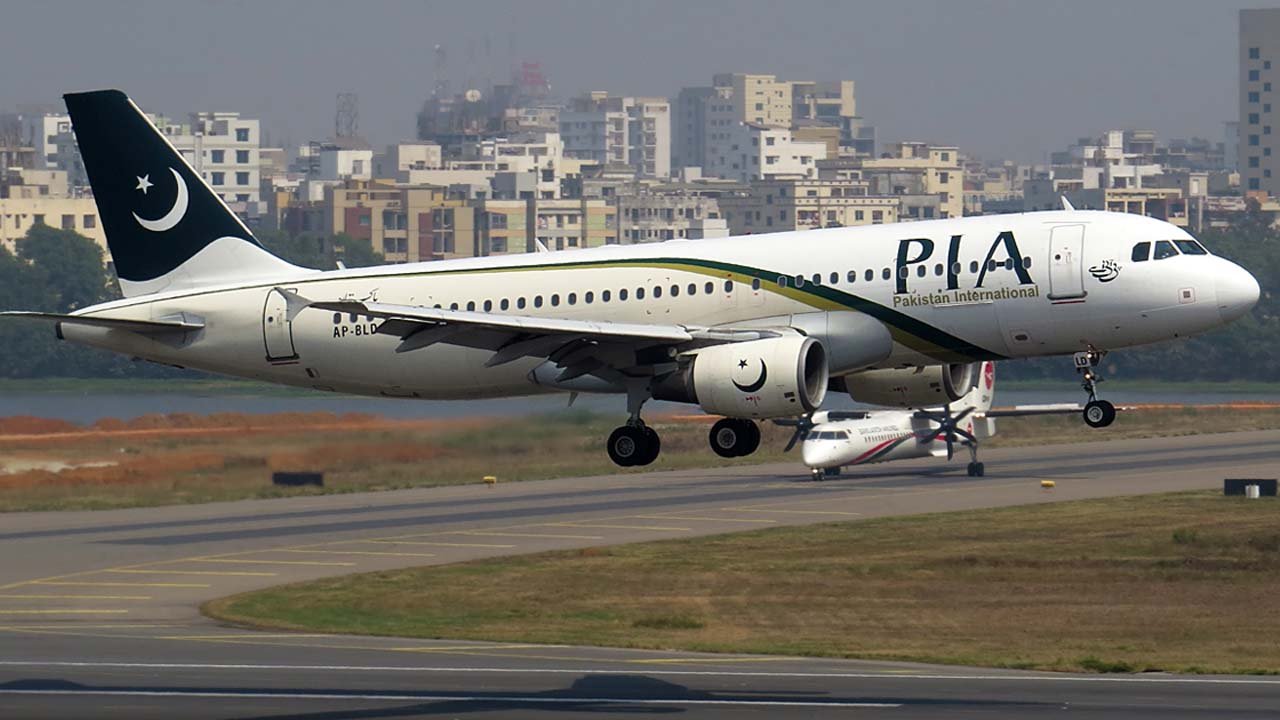
    Pakistan International Airlines (PIA), the nation’s flagship carrier, is grappling with operational challenges caused by a shortage of fuel. 

    Concurrently, private airlines are capitalising on this situation for their own advantage.

    In light of the disruption in PIA’s flight operations, private airlines have swiftly increased their fares. Domestic flights are now priced at a range of Rs40,000 to Rs70,000, with Lahore-Karachi routes reaching as high as Rs49,000 per seat. 

    Meanwhile, one-way fares from Karachi to Islamabad are commanding prices between Rs55,000 and Rs61,000.

    This development follows a week of disruptions in PIA’s domestic flight schedule, resulting in a surge of intending passengers. A spokesperson for a private airline attributed the disparity in demand and supply to this sudden influx of travellers.

    Simultaneously, PIA’s financial predicament is deepening, with the cancellation of 35 domestic and foreign flights. The interruption in fuel supply has also caused significant delays for both domestic and international flights across the country. Airline administrations have scrambled to create new departure schedules for these affected flights.

    Regarding outstanding dues, the Pakistan State Oil (PSO) revealed that PIA owed Rs3.45 billion for fuel supplied between October 1 and 18, with an additional Rs195 million provided on the mentioned Thursday. 

    The total liabilities for the current month have reached Rs2.11 billion, compounding PIA’s existing debt of Rs26 billion accumulated over the years. A provisional agreement between PSO and PIA for daily fuel supply in exchange for daily payments has been established.

    The current turmoil in PIA’s flight operations is primarily attributable to the suspension of fuel supply by the Pakistan State Oil due to non-payment of dues. 

    According to Samaa, the suspension has impacted Karachi, Lahore, Islamabad, and Peshawar, although international flights remain unaffected. PIA’s financial woes have already led to flight cancellations and delays, making the fuel supply suspension a significant setback for the struggling airline.

  • McDonald’s Pakistan donates Rs1 crore to aid Gaza victims via Edhi Foundation

    McDonald’s Pakistan donates Rs1 crore to aid Gaza victims via Edhi Foundation

    McDonald’s Pakistan has officially announced a donation of Rs1 crore to provide support to Gaza victims through the Edhi Foundation. This announcement was made via the company’s official social media account on X (formerly known as Twitter).

    This philanthropic effort arises amidst a global controversy surrounding McDonald’s due to allegations of indirectly supplying free meals to the Israeli occupation army. In response, McDonald’s Pakistan, in an official statement, clarified its stance by emphasising that it is an independently operated entity with no connections to McDonald’s Israel.

    The company reiterated its commitment to addressing the urgent humanitarian crisis in Gaza, underscoring its dedication to assisting those impacted by the ongoing conflict in the region. However, it’s important to note that this act of goodwill also sheds light on the broader controversy surrounding McDonald’s, as its involvement in providing complimentary meals to the Israeli occupation army has triggered global protests and boycott movements.

    Numerous McDonald’s branches in different countries have taken swift measures to distance themselves from the actions of the Israeli branch, asserting that the Israeli branch’s actions do not represent their own positions. This announcement may be an attempt to mitigate the backlash from some Pakistanis who criticised the food chain for its perceived support of Israel. Whether these events have impacted McDonald’s Pakistan’s sales remains uncertain at this time.

  • Gold price increases by Rs6,400 to Rs206,500 per tola

    Gold price increases by Rs6,400 to Rs206,500 per tola

    Gold prices in Pakistan are once again on an upward trajectory, with the per tola price recently surging by Rs6,400 in the domestic market.

    This increase was observed as the price of this precious metal climbed by Rs6,500 per tola, reaching Rs206,500, according to statements made by the chairman of the All Pakistan Jewellers Manufacturers Association.

    Simultaneously, the price for 10 grammes of gold also rose, now trading at Rs107,740 after a substantial increase of Rs5,487.

    In the international arena, the price of gold saw an uptick of $46, settling at $1,938 per ounce. Conversely, the US dollar strengthened against the Pakistani rupee in interbank trading on Wednesday morning, ending a streak of losses for the Pakistani currency.

    Furthermore, the value of the US dollar also rose by one rupee in the open market, where it now trades at Rs278, up from its previous rate of Rs277. Just last week, the US dollar had depreciated by Rs5.07 against the Pakistani rupee in interbank trading.

  • Pakistan ‘least prepared country’ for digital education

    Pakistan ‘least prepared country’ for digital education

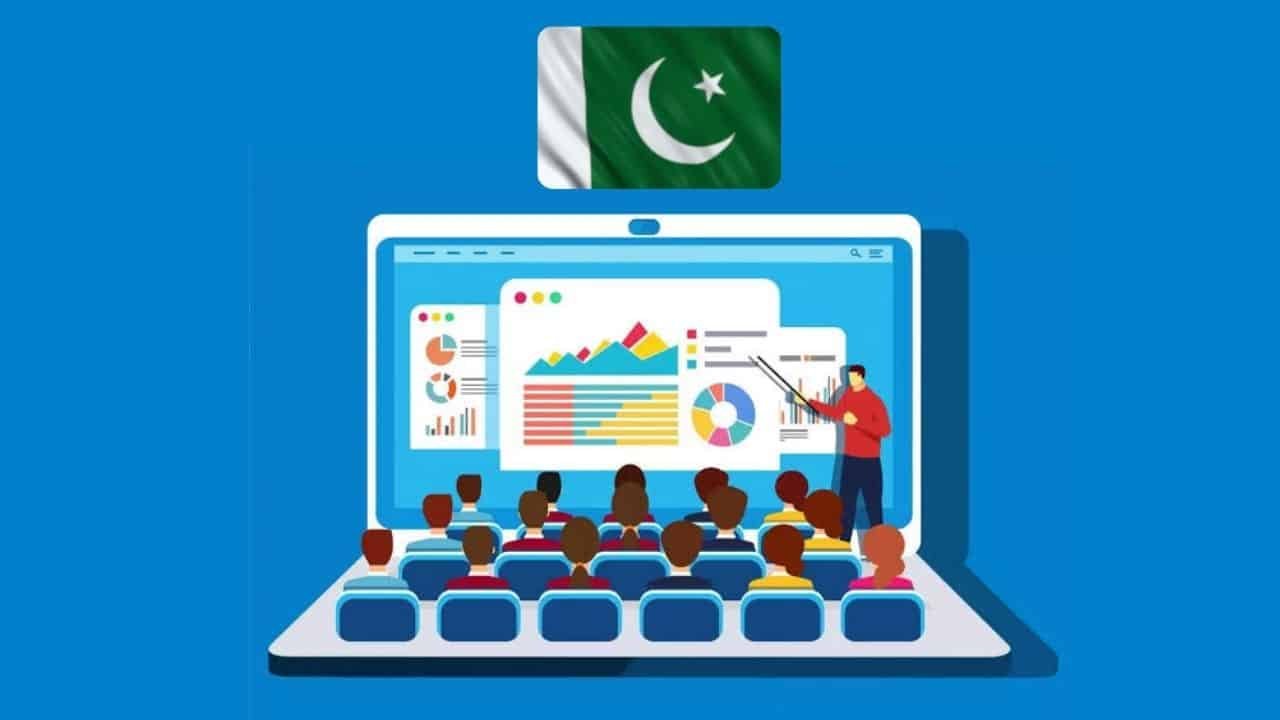
    Among the developing member countries of the Asian Development Bank (ADB), Pakistan ranks as the least prepared nation for digital education, according to the ADB’s report titled “Towards Mature Digital Education Ecosystems, the Digital Education Readiness Framework.” 

    The report underscores several areas where Pakistan needs improvement, including low internet connectivity (only 34.1 per cent of households are connected), slow fixed broadband speeds, high fixed line broadband costs, and limited rural electricity access.

    In contrast, Uzbekistan stands out as the most prepared country for digital education, closely followed by Indonesia. On the flip side, Pakistan is the least ready, with Fiji following suit. 

    Across all five evaluation pillars, the “Providers” category shows the lowest performance, with six out of the ten DMCs categorised as “initial” in readiness, including Cambodia, Bangladesh, the Kyrgyz Republic, Mongolia, Pakistan, and Fiji (in descending order of scores). The remaining four countries are classified as “emerging” in readiness, comprising Indonesia, the Philippines, Viet Nam, and Uzbekistan.

    The gap between the model country’s normalised score and the highest-scoring country is a significant 45 points. While the 10 DMCs manage to keep mobile broadband costs relatively low as a per centage of GNI per capita, there is considerable variation in fixed broadband costs. 

    Cambodia, Indonesia, and Pakistan emerge as the least affordable in this aspect, while Bangladesh, Mongolia, and Uzbekistan offer more cost-effective solutions.

    In terms of urban electricity access, most countries excel, with nearly 100 per cent of urban households having access to electricity. Rural electricity access in the 10 DMCs ranges from 90 per cent to 100 per cent, with Pakistan lagging behind at just 41.3 per cent of rural households lacking access to electricity.

    Households with TV coverage are relatively high across the board, averaging 81.7 per cent. Cable TV subscriptions per 1,000 individuals vary from low to moderate among the countries studied, with Pakistan having the highest subscription rate.

    Pakistan’s National Education Policy for 2017–2025 focuses on enhancing ICT access in schools, using ICT to improve teaching quality and student learning, and developing complementary ICT approaches. However, it lacks clarity on access to devices.

    Teacher training in ICT skills, particularly for online education delivery, is lacking. Although teachers do create their own educational content, it tends to be basic, such as documents and presentations. Internet quality varies, with schools having some limitations in handling heavier content, while higher education and TVET teachers enjoy better quality.

    Institutional support for teachers in delivering online education requires improvement, particularly in schools, where paper-dependent systems are prevalent. Students in Pakistan exhibit reasonable proficiency in digital skills, but access to devices at home is limited, with smartphone access being the primary means.

    The utilisation of private EdTech platforms for conducting classes or interacting with students is quite low among teachers. Pakistan also has a relatively small share of ICT graduates among tertiary education graduates.

    Pakistan, as a partner state of the Global Partnership for Education (GPE), has utilised GPE grants for tech tools to deploy teachers where needed and introduced apps for teacher attendance in certain regions. These initiatives aim to support distance learning across the country.
  • PTCL’s profits drop by 7.11% despite revenue increase

    PTCL’s profits drop by 7.11% despite revenue increase

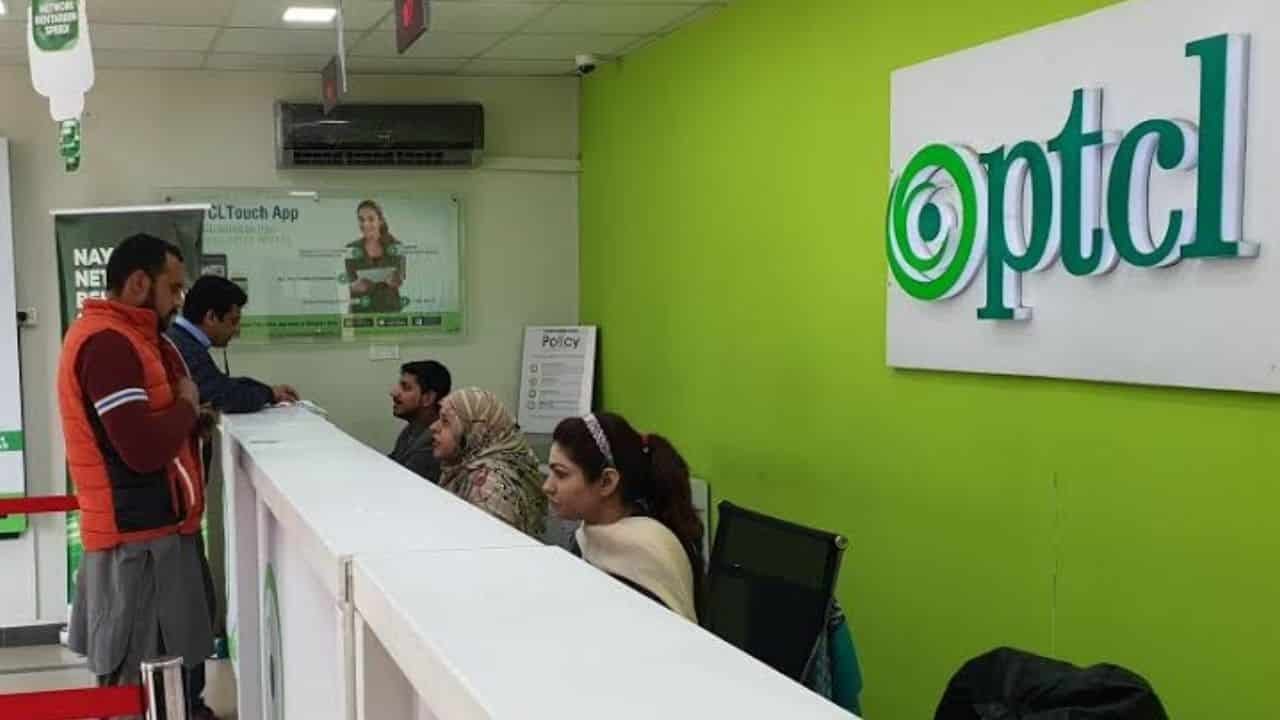
    Pakistan Telecommunication Company Limited (PSX: PTC) has reported its financial performance for the first nine months of 2023.

    The company’s profit dropped by 7.11 per cent compared to the same period last year, coming in at Rs7.64 billion with earnings of Rs1.50 per share. This is less than the Rs8.23 billion profit and Rs1.61 per share in the previous year.

    On the positive side, the company’s revenue increased by 17.15 per cent compared to last year, reaching Rs71.61 billion, up from Rs61.13 billion.

    Even though the cost of sales also increased by 17.16 per cent, the increase wasn’t as much as the rise in sales, resulting in a 17.1 per cent increase in gross profit, which reached Rs15.28 billion.

    In terms of expenses, selling and marketing costs rose by 21.53 per cent year-on-year, while administrative and general expenses increased by 10.28 per cent during this period.

    Additionally, the company’s impairment loss on trade debts and contract assets went up by 6.53 per cent.

    Looking ahead, PTCL’s other income increased significantly, going up by 48.30 per cent. The company’s finance costs saw a substantial increase due to higher interest rates.

    Regarding taxes, the company paid 11.33 per cent more in taxes compared to the previous year.

  • Pakistani rupee finally ends 28-day winning streak, loses against US dollar

    Pakistani rupee finally ends 28-day winning streak, loses against US dollar

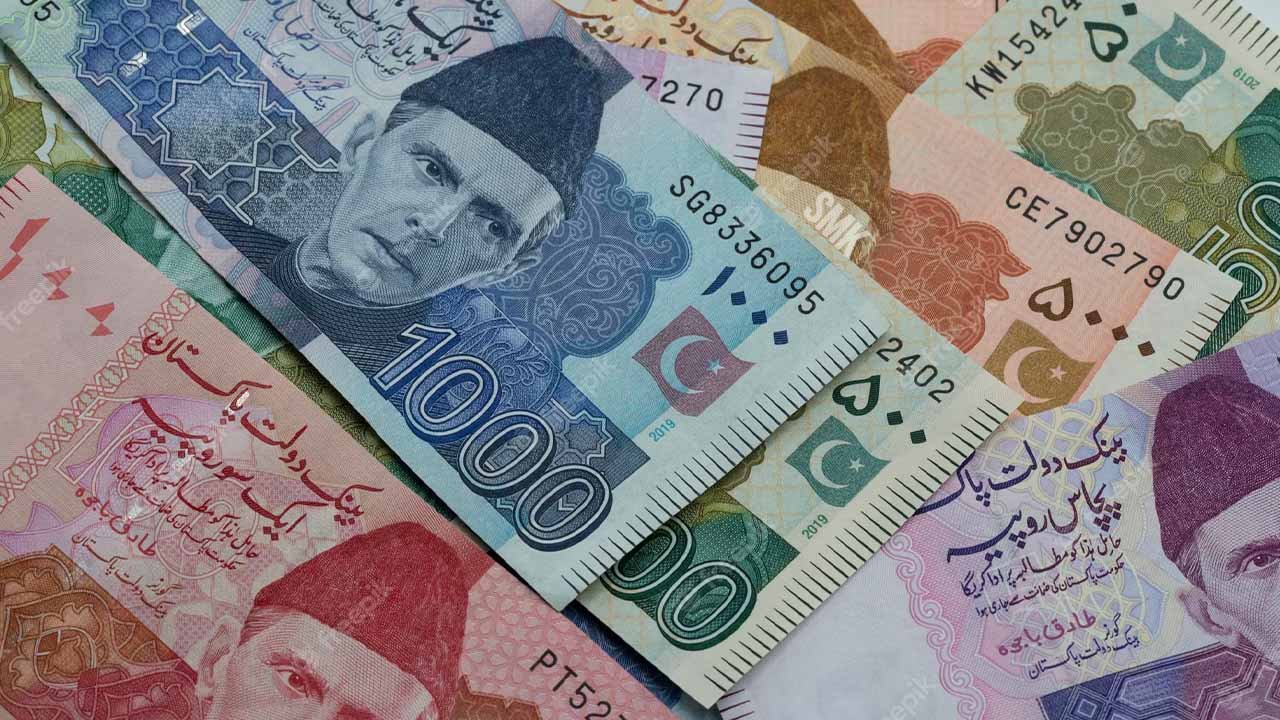
    The Pakistani rupee’s remarkable 28-day winning streak against the US dollar came to an end today, as it recorded losses following an initial trade opening at Rs278.5 in the interbank market.

    In the morning, the rupee had steadied, maintaining a level of Rs276 against the greenback. Subsequently, between 1:00 PM and 2:35 PM, the interbank rate dipped to Rs278 before settling at Rs277 for the rest of the day. 

    Open market rates, observed across various currency exchange counters, ranged from Rs277 to Rs279 throughout the day.

    At the close of the trading day, the PKR experienced a depreciation of 0.07 per cent, concluding at Rs277.03 after losing 20 paisas against the US dollar.

    Despite today’s setback, it is noteworthy that the disparity between interbank and open market rates has significantly decreased by Rs60 since September 4th. The rates have fluctuated between as low as Rs277 and sporadic spikes up to Rs280 today.

  • Pakistan Stock Exchange breaks six-year record, surpasses 50,000 points 

    Pakistan Stock Exchange breaks six-year record, surpasses 50,000 points 

    The recent surge in the performance of the benchmark KSE-100 Index at the Pakistan Stock Exchange (PSX) can be attributed to the combination of a positive earnings season and notable economic improvements. 

    On Tuesday, the index breached the significant 50,000-point threshold, marking the first time in over six years since June 7, 2017.

    Around 11 am, the benchmark index was trading at 50,017 points, reflecting a gain of 286 points, equivalent to a 0.58 per cent increase. However, it later retracted from this milestone. 

    This momentous achievement was supported by multiple factors, including an enduring upward trend observed in various sectors, such as automobile assemblers, commercial banks, cement, chemical, oil marketing companies, and oil and gas exploration firms.

    The bullish momentum on the Pakistan Stock Exchange has been a consistent theme, extending through 11 consecutive trading sessions. Intra-day trading on Monday nearly brought the KSE-100 Index to the 50,000 level, closing at 49,731.35 points. 

    One significant driver behind this surge has been the strengthening of the Pakistani rupee against the US dollar, with the exchange rate holding steady at around Rs275 in the inter-bank market.

    Additionally, the ongoing earnings season has instilled confidence in the market, with high expectations, especially in the banking sector, for positive financial results. These factors collectively contribute to the robust performance witnessed in the Pakistani stock market.

  • Here’s why Toyota Indus Motor Company is halting car production for one month

    Here’s why Toyota Indus Motor Company is halting car production for one month

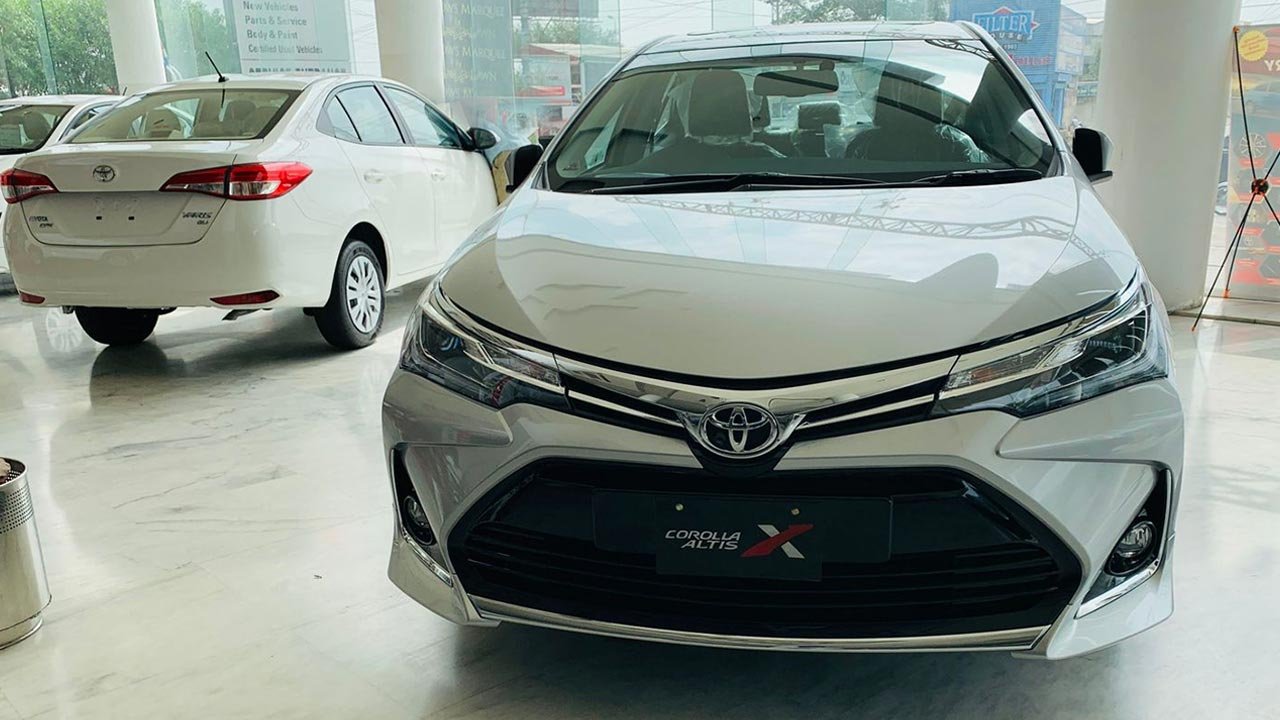
    Indus Motor Company (IMC), the leading manufacturer of Toyota vehicles in Pakistan, has announced a temporary production suspension lasting a month due to inventory shortages.

    The company informed the Pakistan Stock Exchange (PSX) of this development.

    Starting on October 17 and concluding on November 17, 2023, Toyota IMC has chosen to halt production in response to insufficient inventory of vehicles and parts stemming from supply chain challenges.

    The company has stated that they will keep stakeholders informed of any adjustments to this plan. This marks the ninth production closure announcement by Indus Motor this year. In the previous month, the company ceased plant operations from September 28 to October 9 due to similar inventory issues.

    In its most recent financial report, Indus Motor recorded a profit-after-tax (PAT) of Rs9.66 billion for FY23, representing a nearly 39 per cent decline compared to the earnings of Rs15.8 billion in the preceding year’s corresponding period.

    The Pakistani auto sector, heavily reliant on imports, has encountered hardships due to government measures to restrict imports and limit LC issuance. Elevated financing costs and substantial car price hikes have also dampened consumer demand.

    In the first quarter of FY24, sales figures reached 20,983 units, reflecting a 40 per cent decrease compared to the same period in the prior year.

    The Pakistani automotive industry is grappling with dwindling demand, primarily attributed to soaring prices, costly auto financing, and increased taxes, all contributing to a year-on-year decline in sales.

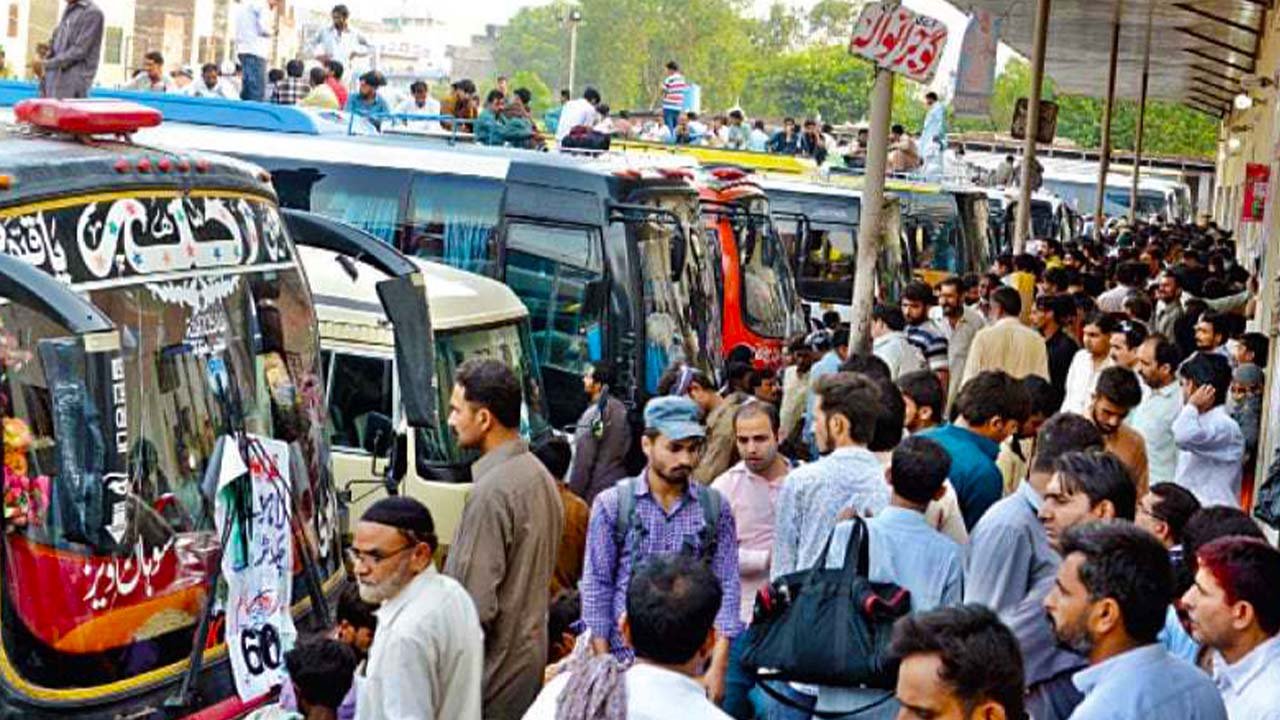
  • Islamabad’s public transport fares reduced by 10% 

    Islamabad’s public transport fares reduced by 10% 

    With immediate effect, public transport fares in Islamabad have been reduced by 10 per cent in direct response to the recent decline in petroleum prices.  

    This decision emerged following a meeting convened by the Secretary of the Islamabad Transport Authority, involving consultations with representatives from the Drivers Welfare Association as well as transportation business owners. 

    This fare reduction is poised to make a significant impact, encompassing 23 distinct routes crisscrossing the capital city of Islamabad. It serves as a vital measure to alleviate the financial burden borne by commuters in the region. 

    Notably, this benevolent gesture is mirrored in Lahore, where transport operators have also undertaken fare reductions for both long-haul and short-haul journeys. 

    Furthermore, as part of its ongoing commitment to ease the economic challenges facing the populace amidst escalating inflation, the caretaker government took decisive action on Sunday.  

    This action involved a substantial reduction in petrol price by a notable Rs40 per litre and an equally substantial reduction of Rs15 per litre for high-speed diesel (HSD) over the forthcoming two weeks.