Category: Business

The most important business news, explained in a young, easy to understand way. News that affects young career professionals.

  • Human trafficked beggars from Pakistan arrested in alarming numbers abroad

    Human trafficked beggars from Pakistan arrested in alarming numbers abroad

    The Senate Standing Committee on Overseas Pakistanis was briefed on a concerning issue whereby a significant number of beggars are being trafficked abroad. Zulfikar Haider, the Secretary of the Overseas Ministry, brought this matter to light during a Senate panel discussion centred on the migration of both skilled and unskilled labourers from Pakistan.

    Haider revealed that an alarming 90 percent of beggars apprehended in foreign countries happen to be Pakistani nationals. This predicament has led to a notable strain on foreign jails, with reports from the ambassadors of Iraq and Saudi Arabia attesting to the overcrowding of their detention facilities due to these arrests.

    During the course of the discussion, Secretary Haider also pointed out a troubling trend where Japan has emerged as a newfound destination for such beggars.

    According to ARY News, Senator Rana Mehmoodul Hasan highlighting the varying demands placed on Japan for skilled workers from different countries, including India, Nepal, and Pakistan, each sending a distinct number of individuals to meet these demands.

    Senator Hasan further raised the issue of unemployment among engineers in Pakistan, highlighting that a staggering 50,000 engineers in the country are currently without employment opportunities.

    In the context of the Middle East, the senator provided statistics, noting that approximately three million Pakistanis reside in Saudi Arabia, while another 1.5 million have sought employment in the UAE, with an additional 0.2 million in Qatar.

    It is imperative to underscore that beggar syndicates are also exploiting minors, subjecting them to harsh weather conditions for personal gain. These syndicates have devised new tactics to extract money from people, contributing to a distressing trend whereby the number of beggars has doubled within a mere three-year span, as per recent reports.
  • PIA to be privatised: assets, debt and staff to be transferred

    PIA to be privatised: assets, debt and staff to be transferred

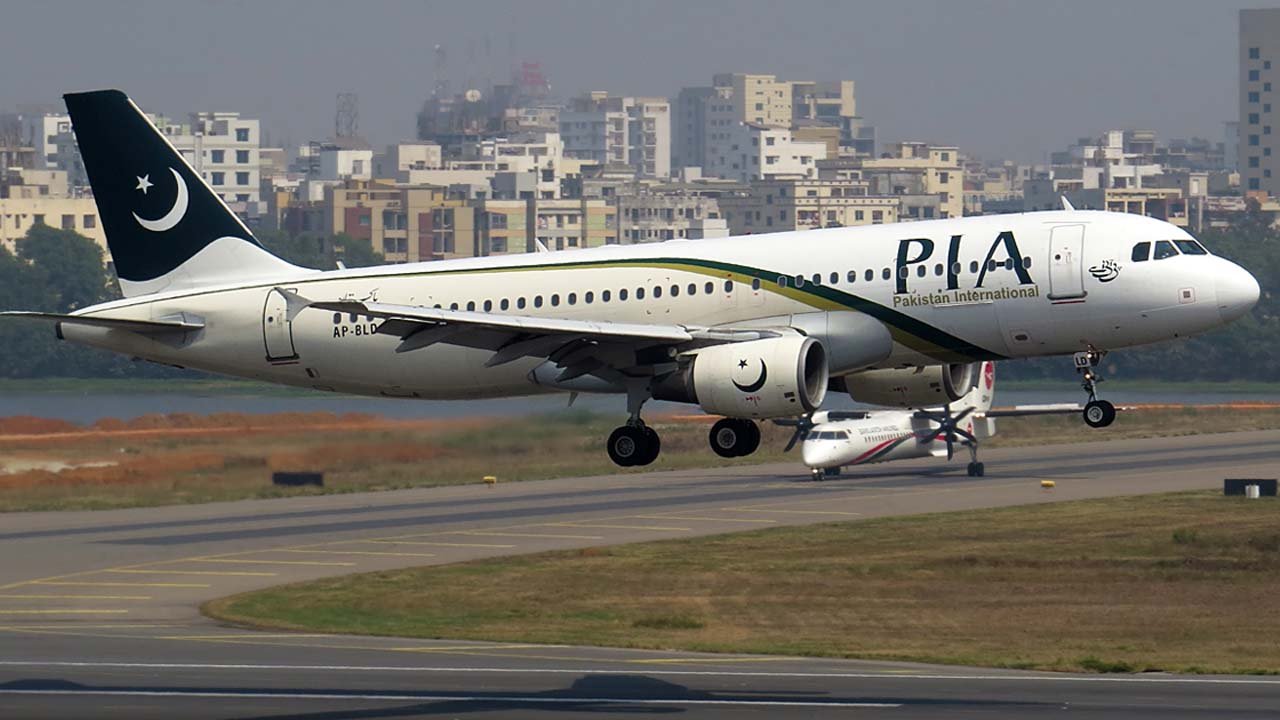
    Pakistan International Airlines (PIA), which has been running at a loss, has unveiled its privatisation plan. Sources indicate that this plan encompasses not only the privatisation of PIA but also the power distribution companies and the revival of Pakistan Steel Mills.

    Furthermore, it has been reported that the process of appointing a financial advisor for PIA’s privatisation is underway. While PIA’s affiliated institution will remain unaffected by privatisation, plans have been solidified to address issues related to PIA’s debt and government guarantees.

    According to ARY News, the Privatisation Commission sources have disclosed that, under the current circumstances, Pakistan Steel Mills cannot be privatised. However, efforts will be made to enhance the mill’s production and capabilities to attract potential investors.

    It’s worth noting that the restructuring plan for the privatisation of Pakistan International Airlines (PIA) is progressing rapidly. The PIA administration has invited applications from legal and corporate firms for assistance in this restructuring plan. The Department of Contract Management has been instructed to forward these applications by October 6.

    The assets of PIA, including properties, debts, aircraft, and employees, will be transferred to the new company, presenting PIA as a debt-free organisation to potential investors.

  • Power company in Punjab wants to set power price at record-breaking high of Rs77.3 per unit

    Power company in Punjab wants to set power price at record-breaking high of Rs77.3 per unit

    In a noteworthy development that has captured significant attention and ignited considerable debate, the Kot Addu Power Company (KAPCO) has formally submitted an application to the National Electric Power Regulatory Authority (NEPRA) for the endorsement of what could potentially become the nation’s most costly electricity generation tariff. 

    This significant step has unfolded against the backdrop of ongoing deliberations concerning the escalating expenses associated with electricity production within Pakistan. 

    The Kot Addu Power Company has put forth a bold proposition, aiming to establish the electricity tariff at an unprecedented Rs77.31 per unit, attributing the primary rationale for this request to substantial hikes in production costs. 

    Notably, the present initial tariff offered by the independent power producer (IPP) company stands at a modest twenty-eight rupees per unit, underscoring the magnitude of the escalation should their proposal garner approval. 

    Adding a layer of complexity to this unfolding narrative, IPP Kot Addu Power, the entity responsible for electricity generation, has been granted a sixteen-month extension during the tenure of the Pakistan Tehreek-e-Insaf (PTI) administration.  

    However, this extension has not been without its share of controversy, with the Senate Power Committee recently deeming it unlawful, further intensifying the discourse surrounding this matter. 

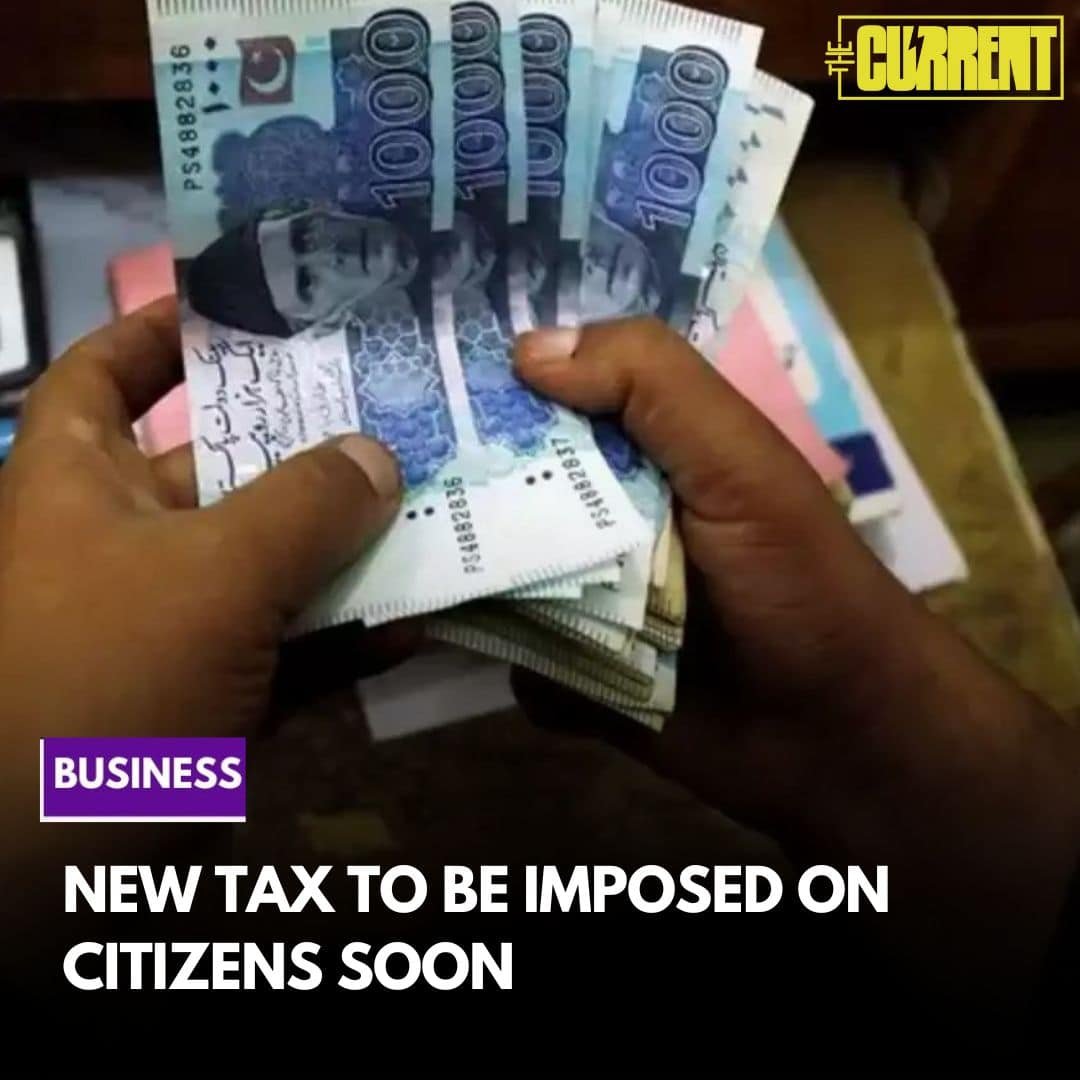
  • New tax to be imposed on citizens soon

    New tax to be imposed on citizens soon

    The local government has unveiled a new tax that has drawn mixed reactions from citizens. 

    This latest tax, to be imposed in lieu of garbage collection, will be collected from households, shops, petrol pumps, and industrial units on a monthly basis.

    Starting from October, Multan and its neighboring areas will see this sanitation tax in effect. The tax rates are set at Rs50 for houses, Rs200 for shops, Rs1,000 for petrol pumps, and Rs2,000 for industrial unit owners on a monthly basis. 

    The government anticipates an annual revenue boost of approximately Rs4.28 billion through this tax initiative. However, the move has not been met with unanimous approval among citizens, many of whom have criticised it. 

    Meanwhile, amid ongoing discussions concerning the surging costs of electricity production in Pakistan, the Kot Addu Power Company has submitted an application to the National Electric Power Regulatory Authority (Nepra), seeking approval for what could potentially become the country’s most expensive electricity generation tariff.

    The proposal suggests an electricity tariff of Rs77.31 per unit, a significant increase from the current rate of twenty-eight rupees per unit. The power company attributes this substantial hike to rising production costs.

    Notably, the Kot Addu Power Company recently secured a sixteen-month extension during the Pakistan Tehreek-e-Insaf (PTI) administration. However, this extension has not escaped controversy, as the Senate Power Committee has declared it illegal, further fueling the debate over electricity tariffs in the country.

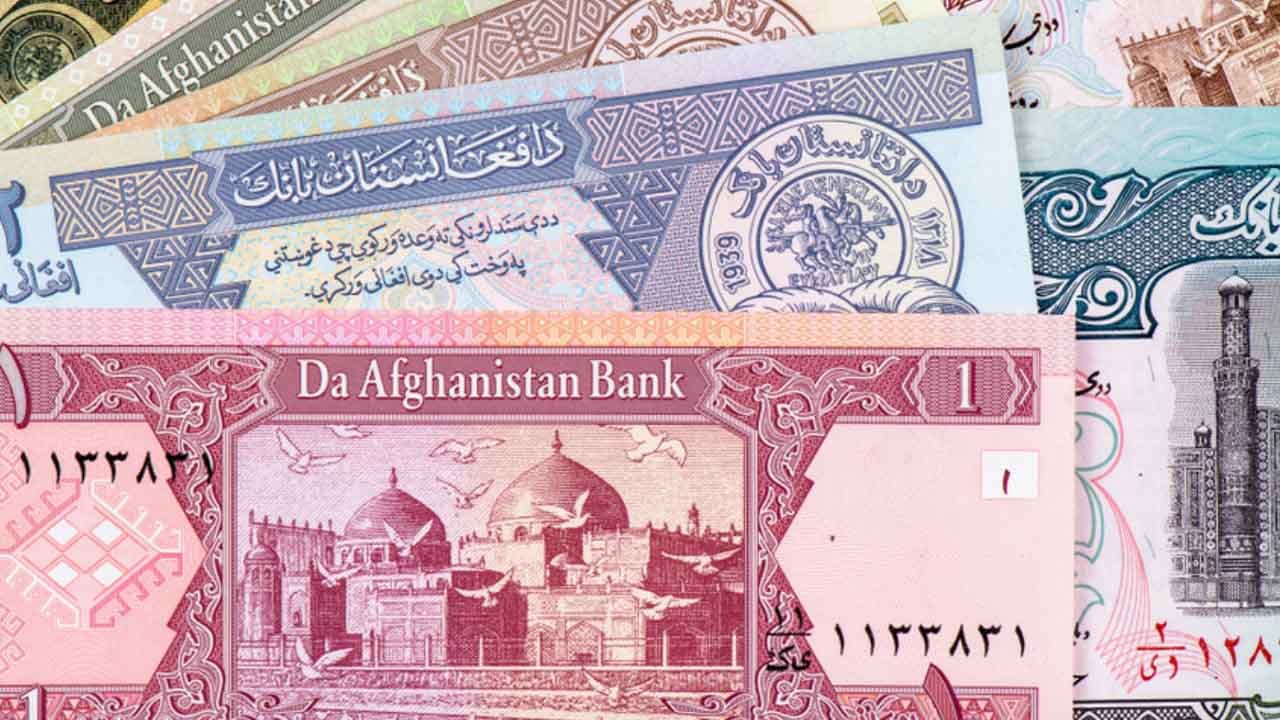
  • Afghani emerges as top-performing currency against US dollar 

    Afghani emerges as top-performing currency against US dollar 

    In the third quarter of 2023, the Afghani, the official currency of Afghanistan, has exhibited exceptional performance, marking itself as the standout currency in the global financial landscape. Its remarkable ascent against the US dollar, with a substantial 9 per cent surge since the commencement of July, stands as a testament to its resilience and strength. 

    This impressive trajectory positions the Afghani as the third-strongest performer among global currencies in 2023, trailing only behind the Colombian peso and the Sri Lankan rupee. This distinction underscores the Afghani’s resilience amid challenging economic circumstances. 

    In Afghanistan, the pivotal role of facilitating foreign currency transactions falls upon the numerous money exchange establishments known as “sarrafs.” These sarrafs are ubiquitous, dotting the landscapes of both urban centres and rural villages alike, serving as the lifeblood of currency exchange activities. 

    Among these financial hubs, the Sarai Shahzada market in Kabul takes centre stage as Afghanistan’s premier financial epicenter. It serves as a bustling hub where substantial sums of currency are traded daily, exemplifying the nation’s financial vitality. Remarkably, the central bank places no restrictions on these exchange transactions. 

    Due to stringent financial sanctions, a significant portion of funds flowing into Afghanistan from foreign nations now traverse through the age-old money transfer system known as Hawala. This venerable system plays a pivotal role in the operations of sarrafs, further cementing their significance in Afghanistan’s financial ecosystem. 

    It is noteworthy that the United Nations (UN) has identified Afghanistan’s dire need for approximately $3.2 billion in aid for the current year, with roughly $1.1 billion already disbursed. This underscores the critical importance of international assistance in alleviating the nation’s pressing humanitarian challenges. 

    A sombre backdrop to these financial dynamics is the fact that, just last year, the UN disbursed nearly $4 billion in aid as Afghanistan grappled with a dire famine that affected half of its 41 million citizens. This staggering statistic underscores the profound challenges faced by the Afghan population. 

    Since the Taliban’s resurgence in Kabul in August 2021, stringent currency controls have been imposed, disallowing the use of the US dollar and Pakistani rupee by locals and restricting online trading activities. While these measures have seemingly contributed to Afghanistan’s stability, the broader Afghan economy has suffered, with soaring unemployment rates exacerbating the nation’s humanitarian crisis. 

    Regrettably, a staggering 79 per cent of the population now languishes in poverty, with a distressing 44 per cent of the people unable to secure adequate nourishment. The plight of Afghanistan’s populace remains a pressing global concern, necessitating concerted efforts to address both immediate humanitarian needs and long-term economic stability. 

  • Govt’s borrowing soars to over Rs1.6 trillion in three months, marking a fivefold increase from last year

    Govt’s borrowing soars to over Rs1.6 trillion in three months, marking a fivefold increase from last year

    In the current fiscal year, FY24, the federal government’s net borrowing to meet its financial obligations for governing the nation amounted to Rs1.6 trillion.

    According to official data released by the State Bank of Pakistan (SBP), the government secured loans exceeding Rs1.6 trillion in cash from the domestic banking sector during the first quarter, up significantly from the Rs261 billion borrowed during the same period in the previous year.

    During this period, the government obtained a net loan of Rs98 billion from SBP. It’s worth noting that the government is obligated to adhere to International Monetary Fund regulations, which prohibit direct borrowing from the central bank.

    Additionally, the government raised Rs1.5 trillion from scheduled banks in the first quarter of FY24 (up to September 8) to address the budget deficit.

    The net borrowing by the government for budgetary support in FY23 totaled Rs3.74 trillion, marking an increase from Rs3.13 trillion in FY22.

  • Sindh raises factory worker salaries: Skilled workers to earn Rs33,280 monthly

    Sindh raises factory worker salaries: Skilled workers to earn Rs33,280 monthly

    The Sindh Minimum Wage Board, in a recent announcement, has officially revised the compensation rates for factory workers. Chairman Zulfiqar Ali Nizamani revealed that skilled workers in the province will now receive a minimum monthly wage of Rs33,280, while unskilled workers will be entitled to a minimum wage of Rs32,000.

    According to ARY News, Nizamani emphasised the mandatory nature of these minimum wages for factory owners, with a provision for objections to be submitted within a 14-day window. He also warned of punitive measures against those who fail to adhere to these wage standards.

    Notably, the Sindh High Court has intervened in this matter, ordering the enforcement of the minimum wage set by the Sindh government. Specifically, the court mandated that sanitary workers must receive a minimum wage of Rs25,000.

    Additionally, the labour department has been directed to gather reports from various departments to assess and oversee compliance with these wage regulations.

  • Microsoft to buy ‘Call of Duty’ maker, Activision, for $69 billion

    Microsoft to buy ‘Call of Duty’ maker, Activision, for $69 billion

    Xbox-owner Microsoft is edging closer to finalising its $69 billion acquisition of the video game giant Activision Blizzard, the creator of ‘Call of Duty.’ The UK regulatory body, on Friday, gave its approval for the revamped deal, addressing previous regulatory concerns.

    Microsoft, a US tech giant, initiated this bid early last year, aiming to secure its position as the world’s third-largest gaming company by revenue, following China’s Tencent and Japan’s PlayStation maker, Sony.

    This acquisition has undergone rigorous scrutiny from both US and UK regulators. The Competition and Markets Authority (CMA) in the UK had previously blocked an earlier version of the deal in April. However, the CMA, in its recent statement, mentioned that the “restructured deal makes important changes” and paves the way for potential clearance. The CMA will now consult on the required “remedies” before making a final decision.

    Microsoft’s Vice Chairman and President, Brad Smith, expressed optimism about the CMA’s review process, stating, “We presented solutions that we believe fully address the CMA’s remaining concerns related to cloud game streaming, and we will continue to work towards earning approval to close the deal by October 18.”

    Bobby Kotick, CEO of Activision Blizzard, which also produces popular games like ‘Diablo’ and ‘Candy Crush,’ hailed the UK regulator’s announcement as “a significant milestone for the merger.”

    The revised proposal submitted by Microsoft to the CMA last month significantly alters the deal. Notably, it ensures that the cloud distribution of these critical games remains with a strong independent supplier, Ubisoft Entertainment, instead of coming under Microsoft’s control. Colin Raftery, Senior Director of Mergers at the CMA, emphasised this change.

    The original concerns of the CMA have been addressed, according to its Chief Executive, Sarah Cardell. She noted, however, that presenting this restructuring during the initial investigation would have been preferable, emphasising the costs and delays incurred when effective remedies are not proposed promptly.

    Outside the UK, the European Union approved the deal in May, while the US antitrust regulator temporarily halted its efforts to block the acquisition after a legal setback.

    Regulators have been concerned about Microsoft potentially restricting access to highly popular games by making them exclusive to the Xbox platform. In July, Microsoft and Sony reached an agreement to continue releasing the ‘Call of Duty’ video game on the PlayStation console, resolving previous disputes where Sony sought to oppose Microsoft’s acquisition of Activision Blizzard.”

  • Islamabad Airport to be outsourced, international firms meeting underway in Dubai

    Islamabad Airport to be outsourced, international firms meeting underway in Dubai

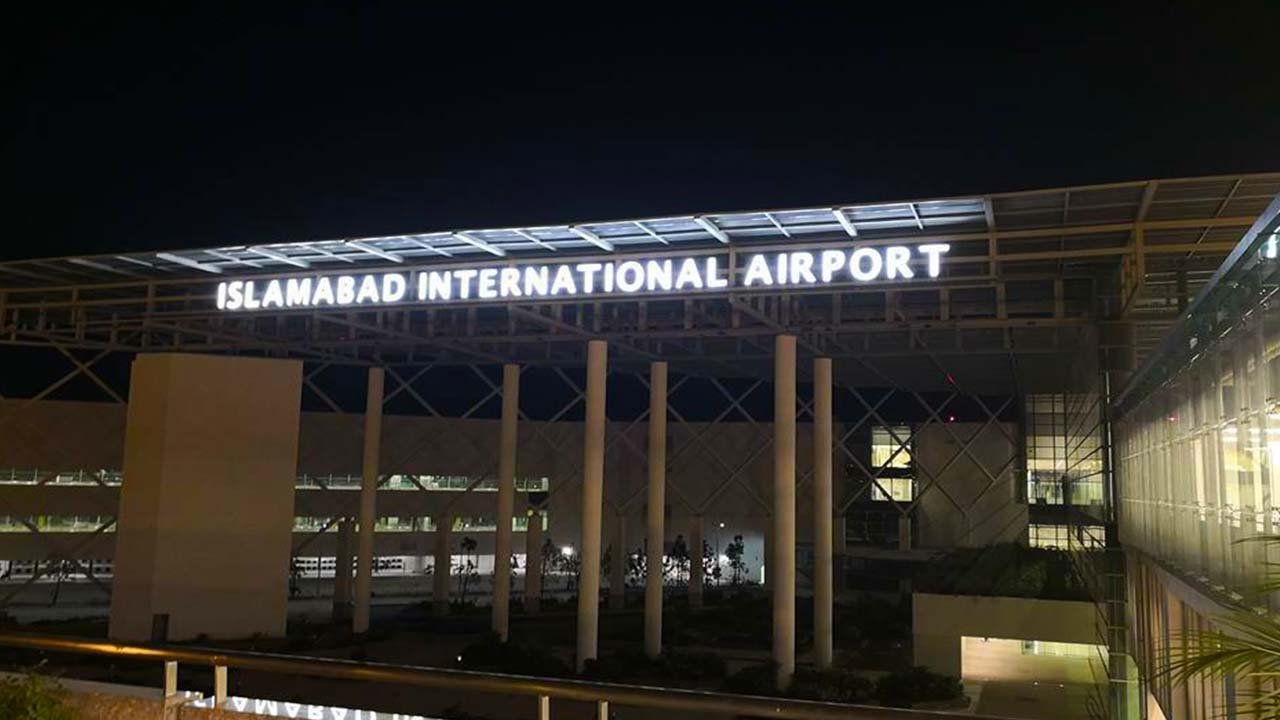
    Today in Dubai, a crucial meeting of the Civil Aviation Authority (CAA) is set to take place, focusing on the outsourcing of Islamabad International Airport.

    According to ARY News, CAA officials have convened in Dubai to participate in this pivotal session, marking a significant step in the outsourcing process for Islamabad International Airport.

    This gathering will see the participation of international firms that have expressed interest in becoming part of Islamabad Airport’s outsourcing initiative. It’s noteworthy that the federal government intends to implement a phased approach to outsourcing major airports nationwide.

    Previously, the federal government had initiated the process by issuing tenders to solicit applications for outsourcing Islamabad International Airport for a duration of 15 years. The Civil Aviation Authority has stipulated that interested bidders are required to submit their applications along with a Rs5,000 fee to the CAA by November 8.

    Recent developments reveal that the government has made the decision to outsource Karachi, Lahore, and Islamabad International Airports. Notably, countries such as the United Arab Emirates, Qatar, Turkey, China, and Saudi Arabia have expressed a keen interest in the outsourcing of all three airports.

    In response to this decision, CAA unions launched a protest movement, and despite attempts at negotiation by Aviation Minister Khawaja Saad, talks have proven unsuccessful. CAA employees remain steadfast in their opposition to the outsourcing of airports, with a spokesperson for the CAA Union emphasising that the protest will persist until their demands are met.

  • Rs5.1 trillion debt threatens energy sector, govt thinking about privatisation of power companies

    Rs5.1 trillion debt threatens energy sector, govt thinking about privatisation of power companies

    The caretaker government is contemplating significant changes in response to mounting circular debt and losses in the power and gas sectors in Pakistan.

    Two key strategies are under consideration: privatising both power generation (Gencos) and distribution companies (Discos) or transferring management control to private entities for a duration of 20 to 25 years.

    This policy shift is driven by the alarming circular debt crisis in the power sector, totaling Rs2.3 trillion, and a staggering Rs2.8 trillion in the gas sector. Combined, this amounts to over $17 billion, endangering sector sustainability.

    Energy Minister Muhammad Ali disclosed that the government is considering transferring management responsibilities for four power generation plants and 10 state-run Discos to private entities under long-term concession agreements. Discussions with the World Bank’s International Finance Corporation (IFC) for such agreements are ongoing.

    The power generation plants under consideration include the Haveli Bahadur Shah and Balloki power plants, the Guddu power plant, and the Nandipur power plant. The government is exploring options such as transferring Discos to provincial governments, complete privatisation, or management delegation to private investors.

    After privatisation or management transfer, uniform tariffs may no longer be mandatory, allowing for varying tariff structures. This move is aimed at reducing government subsidies and losses.

    The government is also considering public listings, but only for profitable entities. This shift towards privatisation is seen as a means to spur economic growth, job creation, and increased tax revenues.

    Regarding gas availability, the situation is expected to be similar to the previous year, with gas load-shedding planned. Gas tariffs are set to increase, particularly for low-income consumers.

    Government-independent power producer (IPP) agreements will be honoured as international investments prevent alterations. Short-term strategies to reduce circular debt include cost reduction measures, extending loan terms, boosting local power generation, and upgrading transmission lines.

    The gas sector’s annual losses of Rs350 billion are a significant concern, primarily due to the reliance on imported liquefied natural gas (LNG) procured at a higher cost than what is sold domestically.

    In summary, the Pakistani government is considering a major overhaul of the power and gas sectors, with privatisation and management transfers as primary options to address circular debt and losses. These reforms aim to reduce financial burdens, encourage efficiency, and stimulate economic growth, all while ensuring essential services remain accessible to consumers.