Category: Business

The most important business news, explained in a young, easy to understand way. News that affects young career professionals.

  • Names of politicians not paying their electricity bills made public

    Names of politicians not paying their electricity bills made public

    In a shocking revelation, the Quetta Electric Supply Company (QESCO) has unveiled a roster of prominent individuals who have failed to meet their obligations regarding electricity payments. 

    According to Samaa, this list comprises former Members of the National Assembly (MNAs), Senators, and individuals associated with the transportation industry, thereby bringing to light the substantial unpaid dues of these notable figures. 

    According to a QESCO spokesperson, the most significant defaulter on this list is none other than the former Federal Minister, Mir Hamayoun Aziz Kurd, who is currently indebted to the tune of an astounding Rs4.95 million. 

    Following closely behind, we find former Provincial Minister Asim Kurd with an outstanding balance of Rs2.06 million, while former Interior Minister Mir Zia Ullah Langau’s dues are accounted for at Rs1.57 million. 

    Among other noteworthy entries on this list, former Provincial Minister Zafar Zehri is recorded with unpaid bills totaling Rs1.16 million, former MNA Abdul Qahar Uddin with an outstanding amount of Rs916,253, and former Provincial Minister Sardar Abdul Rehman Khetran showing Rs468,770 in unsettled bills. 

    This compilation also reveals that Feroz Lehri, a prominent transporter, owes QESCO a sum of Rs493,310, while Senator Naseeb Ullah Bazai has failed to clear Rs447,810 in unpaid bills. Additionally, former MPA Haji Ahmed Nawaz’s dues amount to Rs179,009, and tribal leader Wadera Sheeren Marri has an unsettled bill of Rs86,953. 

    KESCO, in response to the rampant issue of electricity theft across Balochistan, including Quetta, has undertaken rigorous measures. According to the spokesperson, a total of 322 cases have been registered against electricity thieves, resulting in the apprehension of 122 individuals.  

    Quetta leads with the highest number of cases at 64, followed by Loralai with 75, Khuzdar with 65, Sibi with 88, and Pishin with 25 cases. In addition to these, 5 cases have been filed in Makran. 

    Read more: Govt considers substantial gas tariff hike as energy concerns loom 

    The stringent crackdown on electricity theft has culminated in the collection of approximately Rs75 million in fines from the culprits, with Rs42.6 million already successfully recovered.  

    In response to non-payment issues in Balochistan, authorities have seized 15 transformers, and an additional 6 illegal transformers have been confiscated. Furthermore, 435 defaulters in Quetta, Loralai, Khuzdar, Pishin, Sibi, and Makran have had their connections disconnected due to their persistent outstanding bills. 
  • Govt considers substantial gas tariff hike as energy concerns loom 

    Govt considers substantial gas tariff hike as energy concerns loom 

    Caretaker Minister for Energy, Muhammad Ali, addressed concerns about gas prices during a visit to the Lahore Chamber of Commerce and Industry (LCCI), accompanied by Caretaker Federal Minister for Commerce, Industries, and Production, Gohar Ejaz.

    He revealed that impending announcements would detail changes in gas prices, acknowledging that gas prices have consistently been a matter of concern. According to Dawn, the Oil and Gas Regulatory Authority (OGRA) had proposed a 45–50 per cent gas tariff increase earlier in the year to meet revenue requirements for gas utilities. However, the government has not yet made a formal decision. 

    Ali emphasised regional disparities in gas prices, with the North having higher prices than the South. He also discussed the challenges of inadequate long-term LNG contracts and efforts to combat electricity theft. He noted that while steps were being taken to reduce energy price disparities, an overnight reduction was impossible due to the country’s commitment to the IMF programme. 

    Commerce Minister Ejaz highlighted efforts to address issues related to Afghan Transit Trade (ATT) and its impact on the dollar rate. He pointed out that industry inputs, raw materials, and energy prices were vulnerable to international market fluctuations, affecting exports due to currency devaluation. However, recent measures have stabilised the exchange rate. 

    Read more: IMF urges Pakistan to increase taxation on the rich and ‘protect the poor’

    Ejaz also stressed that currency devaluation had hindered export growth and highlighted how disparities in gas supply and prices hampered development efforts nationwide. He called for unity and collaboration, emphasising that traders were vital assets for the country’s strength and prosperity. 

    Notably, the caretaker government had recently raised petrol and high-speed diesel prices, leading to widespread criticism and sporadic protests due to the significant price surge amid high inflation. 

  • Pakistan imports tea worth Rs31.64 billion in just two months 

    Pakistan imports tea worth Rs31.64 billion in just two months 

    According to data from the Pakistan Bureau of Statistics (PBS), Pakistan’s imports of food items in the first two months of the fiscal year 2023–24 amounted to Rs378.98 billion. 

    The PBS data reveals that during this two-month period, Pakistan imported tea worth Rs31.64 billion, a notable increase from Rs20.23 billion during the corresponding period in the previous year.  

    Additionally, Pakistan imported palm oil valued at Rs158.7 billion and soybean oil worth Rs13.56 billion. 

    Furthermore, Pakistan imported pulses worth Rs48.25 billion and dry fruits valued at over Rs2 billion during the same two-month period. 

    It is worth noting that in July, the State Bank of Pakistan (SBP) lifted all import restrictions as part of its efforts to meet the conditions set by the International Monetary Fund (IMF). 

    Read more: Pakistani rupee gains value, now at Rs292.78 per US dollar 

    The central bank issued a circular to abolish these import restrictions and authorised banks to facilitate remittances to clear more than 6,000 containers. 

    The SBP clarified in the circular that remittances would be made available for all imports following the implementation of the latest order. 

  • Pakistan plans to establish 5,000 e-working centres to empower freelancers 

    Pakistan plans to establish 5,000 e-working centres to empower freelancers 

    Dr Umar Saif, the Caretaker Federal Minister for Information Technology and Telecommunications, has announced a significant government initiative to establish 5,000 collaborative e-working centres designed specifically for freelancers.  

    In a recent statement, Minister Saif unveiled plans to provide interest-free loans for the creation of these joint E-Working Centres, with the primary goal of facilitating freelancers and, in turn, generating millions of job opportunities throughout the country.  

    A press release from the Ministry, issued on Thursday, also highlighted Minister Saif’s commitment to attracting global investors to support startup ventures. Additionally, he mentioned an upcoming visit to Saudi Arabia to further these discussions.  

    Furthermore, Minister Saif emphasised a positive dialogue with Caretaker Finance Minister Shamshad Akhtar, focusing on a comprehensive 5-point agenda centred on the IT sector. One key topic of discussion was the issue of retaining dollars within the IT industry.   

    According to Geo News, the Ministry believes that addressing this matter will not only repatriate overseas IT accounts to Pakistan and restore investor confidence but also enhance the inflow of foreign currency into the country, consequently boosting the volume of IT exports.  

    Separately, Minister Saif stressed the need for the Pakistan Software Export Board (PSEB) to redefine its role. He proposed that the PSEB should actively assist IT companies in securing international clients and expanding their businesses on the global stage, ultimately promoting the image of Pakistan in the international market.  

    During the 58th meeting of the PSEB, Minister Saif underlined Pakistan’s unique strengths in terms of IT professionals and its favourable time zone. He emphasised the importance of presenting Pakistan’s IT/ITeS products to the world effectively. He suggested that the PSEB should collaborate with Pakistan’s trade and commerce missions in embassies worldwide to support the growth of exports by Pakistani IT companies.  

    In a directive to the PSEB, Minister Saif urged the expedited implementation of all necessary measures to train 200,000 IT professionals, with the goal of contributing $5 billion to the country’s IT exports. The meeting also delved into discussions concerning the IT industry and strategies for increasing investment within Pakistan. 

  • Efforts underway to resolve UAE meat export ban

    Efforts underway to resolve UAE meat export ban

    The Trade Development Authority of Pakistan (TDAP) is optimistic about resolving the issue of fresh chilled meat exports from Pakistan to the United Arab Emirates (UAE) in a friendly manner. 

    According to Geo News, TDAP is actively working to address the recent ban imposed by the UAE’s Ministry of Climate Change and Environment on shipping fresh chilled meat from Pakistan by sea. 

    TDAP’s initial investigation suggests that the meat quality issue in the UAE may be due to problems with the refrigeration systems on the shipping containers. TDAP emphasises that it’s the responsibility of the shipping line to ensure proper refrigeration during transport. 

    Furthermore, TDAP mentions that the exporters involved have filed claims against the shipping line for damages. 

    Read more: Fungus found: UAE bans fresh meat imports from Pakistan 

    To resolve the situation, the Pakistani Consulate in Dubai has formally requested a meeting with the UAE Ministry of Climate Change and Environment. 

    The goal of this meeting is to present Pakistan’s viewpoint and address the UAE’s concerns. TDAP is committed to both addressing these concerns and strongly advocating for the ban to be lifted. 

  • Pakistani rupee gains value, now at Rs292.78 per US dollar

    Pakistani rupee gains value, now at Rs292.78 per US dollar

    The Pakistani rupee’s ascent against the US dollar persisted for the 12th consecutive session in the inter-bank market on Thursday, registering a 0.38 per cent gain.

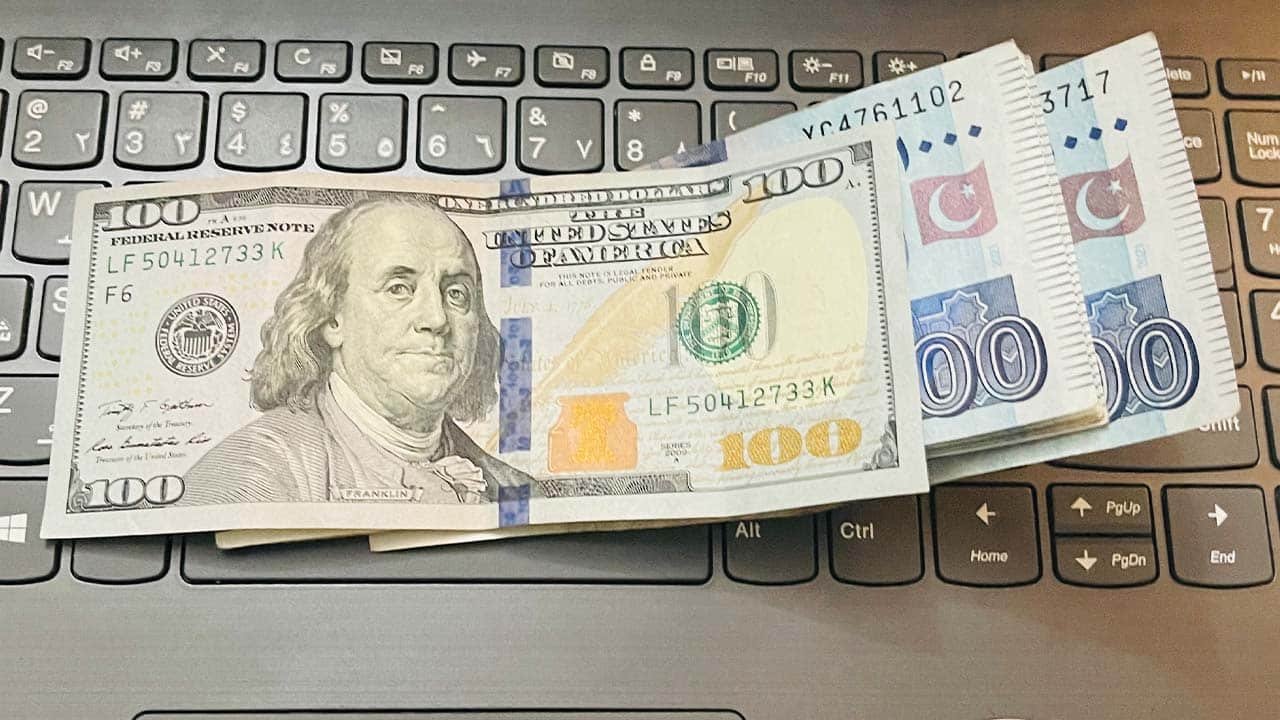
    According to the State Bank of Pakistan (SBP), the rupee settled at 292.78, marking a notable increase of Rs1.1 within the inter-bank market. Just the day before, on Wednesday, the rupee had exhibited a similar upward trend, appreciating by 0.35 per cent and settling at 293.88.

    This remarkable turnaround in the rupee’s value follows a recent period of decline, during which it hit a record low of 307.1 in the inter-bank market on September 5.

    The transformation in its fortune can be attributed to a series of structural reforms introduced by the State Bank of Pakistan (SBP) within the Exchange Companies’ (ECs) sector, along with various administrative measures implemented by authorities to combat currency smuggling and hoarding.

    On the global stage, the US dollar reached new heights on Thursday, notably against the yen, marking its strongest position since November.

    This surge in the dollar’s strength followed a hawkish stance taken by the US Federal Reserve at its recent monetary policy meeting, where it opted to maintain interest rates within the 5.25 per cent–5.50 per cent range.

    The Fed’s decision reflected a growing confidence among officials that their assertive monetary policy approach can effectively combat inflation without causing significant economic disruption or substantial job losses.

    Conversely, oil prices experienced a decline on Thursday, following the previous session’s significant drop, as expectations of US interest rate hikes overshadowed the impact of reduced US crude stockpiles.

  • Punjab food department ceases wheat quota subsidy 

    Punjab food department ceases wheat quota subsidy 

    The Punjab Food Department has decided to discontinue a substantial subsidy programme linked to the allocation of government wheat quotas. 

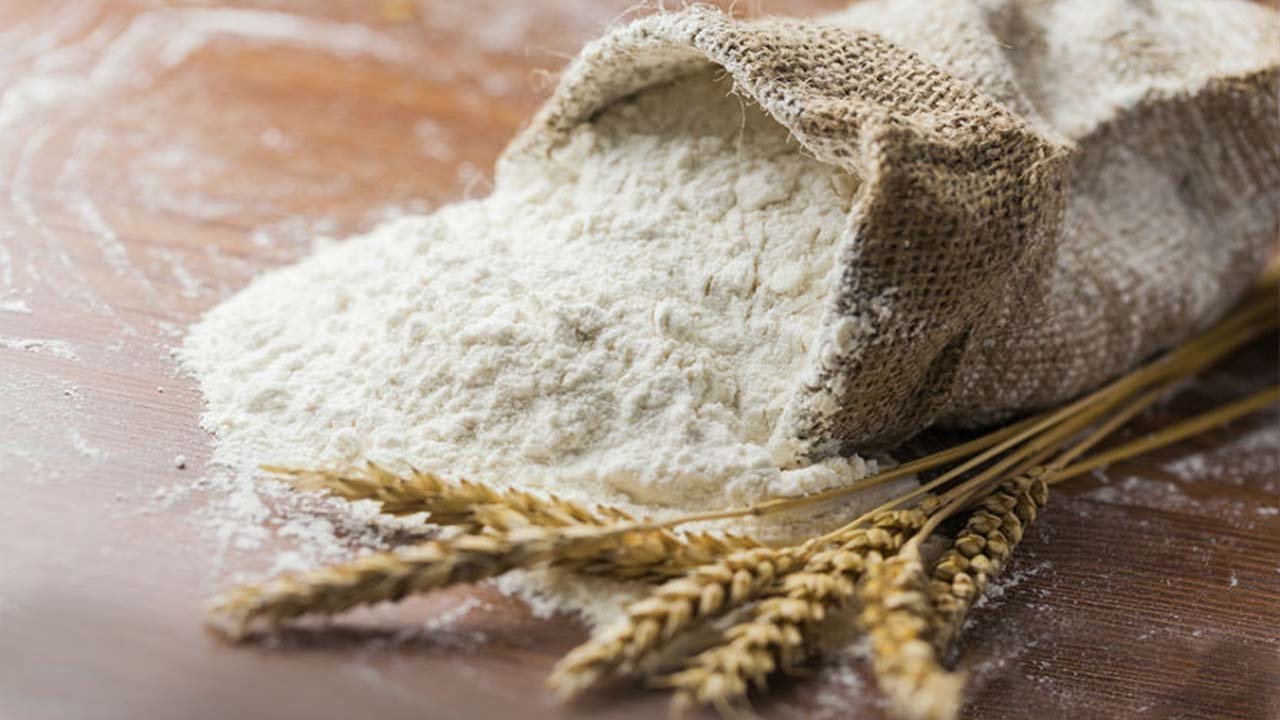
    Officials responsible for this matter have informed the media that the government has set the price of wheat at Rs3,900 per maund, with the distribution of wheat from the government quota to flour mills commencing on October 15th.  

    Within the framework of the government quota, wheat will be made available to 1,000 operational flour mills at a rate of Rs4,450 per maund.  

    In the wake of the issuance of government wheat quotas, a 20-kilogramme bag of flour will be retailed at Rs2,600, while in the open market, the same 20-kilogramme bag of flour is currently selling for Rs2,750.  

    These officials have also disclosed that the Punjab Food Department currently maintains a wheat stockpile of over 40 lakh tonnes.  

    Read more: IMF urges Pakistan to increase taxation on the rich and ‘protect the poor’ 

    In June, the Punjab Food Department had temporarily halted the allocation of wheat quotas to flour mills, opting instead to conduct wheat auctions in accordance with the regulations set forth by the Public Procurement Regulatory Authority (PPRA).  

    As reported by ARY News, the Punjab Food Secretary mentioned that mill owners are eligible to participate in these auctions.  

    Furthermore, the provincial government is contemplating the provision of direct subsidies on flour, with these measures aimed at curbing any irregularities associated with the allocation of wheat quotas. 

  • IMF urges Pakistan to increase taxation on the rich and ‘protect the poor’

    IMF urges Pakistan to increase taxation on the rich and ‘protect the poor’

    International Monetary Fund (IMF) Managing Director (MD) Kristalina Georgieva has urged Pakistan to increase taxation for the rich and safeguard the well-being of the less privileged. She said that these actions align with the desires of the people in Pakistan. 

    According to Geo News, speaking on the sidelines of the 78th United Nations General Assembly (UNGA) session in New York, she stated, “What we are asking in our programme is that you please collect more taxes from the wealthy and please protect the poor people of Pakistan. I do believe this is in line with what people in Pakistan would like to see for the country.”

    In a separate social media post after a meeting with Pakistan’s caretaker prime minister, Anwaar ul Haq Kakar, Georgieva stated, “Very good meeting with Pakistan’s PM today on Pakistan’s economic prospects. We agreed on the vital need for strong policies to ensure stability, foster sustainable and inclusive growth, prioritise revenue collection, and provide protection for the most vulnerable in Pakistan.”

    Furthermore, the Prime Minister’s Office (PMO) released a statement expressing gratitude for the IMF’s approval of a $3 billion stand-by agreement (SBA) to support Pakistan’s economy. The arrangement, approved by the IMF’s Executive Board in July, is set for its second review in November.

    The statement mentioned that Kakar briefed the MD IMF on various measures taken by the Government of Pakistan to stabilise and revive the country’s economy, with a focus on creating a stable environment for sustainable economic growth and investment, particularly for vulnerable segments of society.

    Kristalina Georgieva commended Pakistan’s concerted efforts in implementing policies and reforms to revive the economy and assured continued engagement with Pakistan.

    Read more: UAE bans fresh meat imports from Pakistan 

    In July, Pakistan secured a last-minute SBA with the IMF, providing relief to its economy, which had long grappled with a boom-and-bust cycle due to the absence of meaningful structural reforms. High inflation and a balance-of-payments crisis have led to economic distress, prompting the Asian Development Bank (ADB) to revise its growth outlook for the country.

    Low foreign exchange reserves have resulted in import restrictions as debt payments remained high and avenues for dollar inflows were limited.

    Anwaar-ul-Haq Kakar also called upon the international community to find a lasting solution to the debt issues faced by 59 countries in debt distress, emphasising the need for global and regional cooperation to achieve sustainable development goals. 

    He highlighted the importance of resources for developing countries and reiterated Pakistan’s commitment to supporting the Global Development Initiative. Kakar also noted the significance of China’s Belt and Road Initiative (BRI) and China-Pakistan Economic Corridor (CPEC) in achieving sustainable development goals.

  • Fungus found: UAE bans fresh meat imports from Pakistan

    Fungus found: UAE bans fresh meat imports from Pakistan

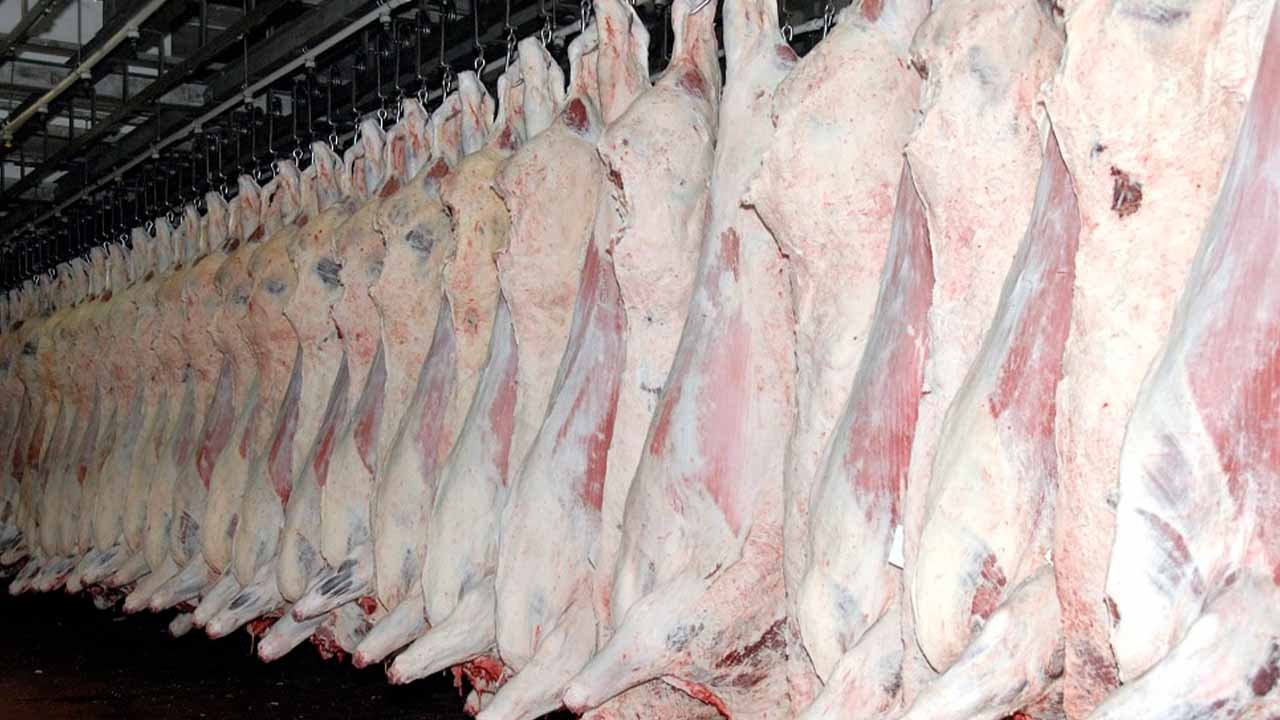
    The United Arab Emirates (UAE) has imposed a ban on the importation of fresh meat from Pakistan.

    This decision stems from the discovery of fungal contamination in frozen meat shipments from Pakistan via the sea route.

    As reported by ARY News, the presence of fungus on meat imported by a Karachi-based company prompted the UAE to enact this ban, which will be in effect until October 10.

    It’s worth noting that Pakistan typically exports fresh meat valued at $12 million monthly to the UAE through maritime channels.

    Pakistan primarily directs a significant portion of its meat exports towards the United Arab Emirates, Saudi Arabia, and Bahrain.

  • Power outage alert: Residents of Rawalpindi and Islamabad to experience disruption today 

    Power outage alert: Residents of Rawalpindi and Islamabad to experience disruption today 

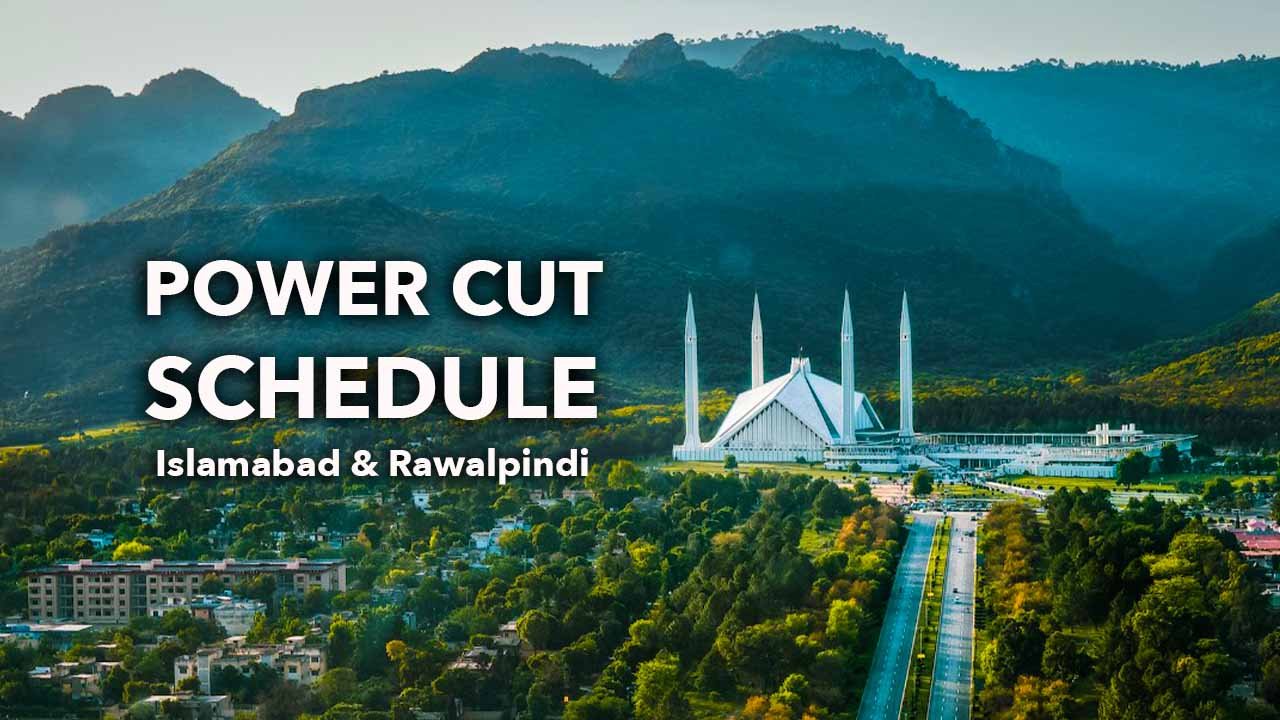
    Residents of Rawalpindi and Islamabad are slated to experience a power outage today. The Islamabad Electric Supply Company (IESCO) has announced a scheduled power suspension programme for various areas within its jurisdiction. This planned interruption is imperative to facilitate necessary maintenance and routine development work. 

    According to an IESCO spokesperson, the power supply to different feeders and grid stations will be temporarily suspended during specific time windows. From 08:00 AM to 01:00 PM, the affected areas include Islamabad Circle, Anguri, NCP, Mengyal, Shahdara, Shahpur, Khayaban Iqbal, Pir Suhawah, Quaid-e-Azam University, Punjab House, Bari Imam, Mandala, Athal, NIH, and Suhadran Road Feeders. 

    Additionally, from 07:00 AM to 12:00 Noon, the power supply will be interrupted in the following areas: Islamabad Circle, SES, Fazal Ghi, NDC-1, H-11/4, I-10/2, New Exchange, Kidney Centre, Dr AQ Khan, Islamic University, Bahria University, G-10/1, 2 & 4, G-9/1, CWO, Dhok Najo, Raja Sultan, Eid Gah, Khasala, I-8/4, Service Road, Muslim Town, and FHS Feeders. 

    This scheduled power outage will also affect areas within Rawalpindi Cantt Circle, including FECHS, Swan Garden-I, IST, New Rawat, Old Rawat, CWO, AOWHS, and Sparco Feeders. Furthermore, areas covered by Rawalpindi City Circle, Pindhon, I-14/3, Noon, I-16/1, HPT Radio Pak, Lakho Road, Ameer Hamza, Officer Colony, New Milpur, Jinnah Camp, KRL, Zeeshan Colony, and Lakho Feeders will experience power interruptions. 

    According to APP, residents in Attock Circle, specifically Ghorghashti, Bara Zee, Maskinabad, Shah Dir, Radio Pak-I & II, Larnpur, Qaziabad, GBHP Colony, HMC Road, Taxila, Sher Shah Suri, Islampura Feeder, Chakwal Circle, Chakra Feeders, Jhelum Circle, and F-3 Gul Afshan, Sanghui, Chotala, Kantrela, Pakhwal feeders, and their surrounding areas will also be affected by this planned power suspension.