Category: Business

The most important business news, explained in a young, easy to understand way. News that affects young career professionals.

  • 7th straight win: Pakistani rupee gains 86 paisas, closes at Rs297.96 per US dollar

    7th straight win: Pakistani rupee gains 86 paisas, closes at Rs297.96 per US dollar

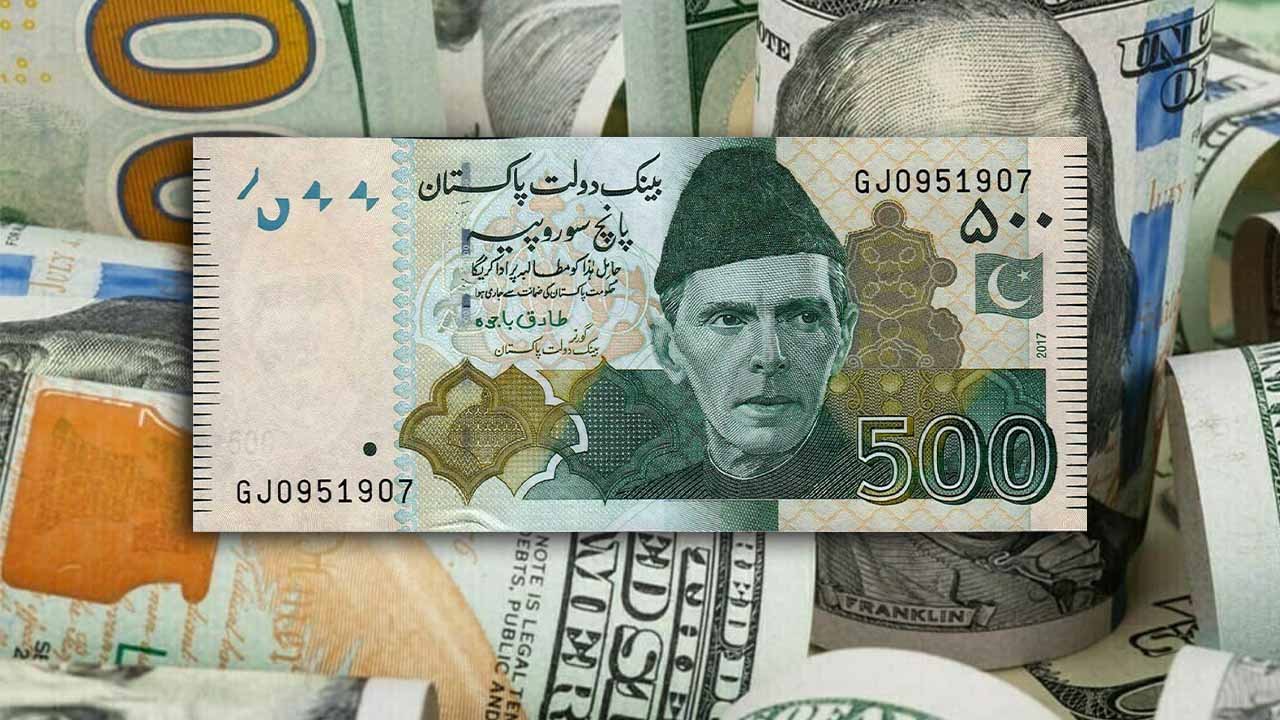
    The Pakistani Rupee (PKR) has extended its impressive winning streak against the US dollar for the seventh consecutive session, concluding at PKR 297.96 to the dollar. This marks a gain of 86 paisas when compared to the previous rate of Rs298.82 in the interbank foreign exchange market on Wednesday.

    The PKR’s recent surge follows its all-time low of PKR 307.10 on September 5, 2023. Within this short span, the Pakistani rupee has appreciated by PKR 9.14, equivalent to an impressive 3 percent increase in the interbank foreign exchange market.

    Following a concerted effort by authorities to suppress illicit black market activities in the major cities of Pakistan, the Pakistani rupee continued its upward trajectory against the US dollar, marking a substantial three-point gain in the open market on Thursday.

    The Exchange Companies Association of Pakistan (ECAP) reported a noteworthy recovery of the rupee, which surged to 298 in relation to the greenback, reflecting a significant increase.

    This crackdown on black market operators was initiated earlier in the month in response to a precipitous decline in the rupee’s value, hitting a record low of Rs333.7 on September 5. The impetus for this decisive action stemmed from appeals made to Chief of Army Staff (COAS) Gen. Asim Munir by currency dealers, beseeching him to intervene and stabilise the escalating value of the American currency.

    As a direct outcome of these concerted efforts, the Pakistani currency rebounded to a level below 300 per dollar in the open market earlier this week. This positive shift also saw a substantial influx of tens of millions of dollars back into the country’s interbank and open markets, according to reports from dealers.


  • Indian-made iPhone 15 units expected to reach Pakistan soon

    Indian-made iPhone 15 units expected to reach Pakistan soon

    Apple is expected to release iPhone 15 units manufactured in India for sale in India and other countries. This means that we might also see these made in India iPhones in Pakistan, as Pakistani mobile sellers import iPhones from various countries like China, Japan, Hong Kong, and the US. While these Indian-made iPhones may not arrive in Pakistan directly from India, they are likely to become available as they enter international markets.

    Unfortunately, there are no official Apple stores in Pakistan, and there are limited authorised Apple product sellers. It remains uncertain how many iPhones made in India will be available in Pakistan in the future, but as Indian iPhone production increases, we can expect to see more of them.

    Although the majority of iPhone 15 units will still come from China, Apple’s efforts to scale production in India are making progress, reducing its reliance on Chinese manufacturing. Apple began assembling previous iPhone generations in India in 2017 and has been producing flagship iPhones there since 2020. The company aims to increase its production in India from 7 per cent to 25 per cent by 2025. However, there may still be some delays due to logistical challenges.

    Closing the production gap between China and India is crucial for Apple, as it provides a reliable manufacturing alternative and helps the company comply with India’s Make in India law to avoid steep tariffs. This move also aligns with Apple’s strategy to navigate geopolitical issues and local labour disputes.

    Given recent Chinese nationalism, which encourages the use of domestic brands like Huawei, this shift in production location is timely. Despite their high cost and the requirement for PTA approval in Pakistan, Apple iPhones remain popular among those who can afford them.

  • Will iPhone 15 Pro Max in Pakistan surpass the price of a Hyundai SUV in India?

    Will iPhone 15 Pro Max in Pakistan surpass the price of a Hyundai SUV in India?

    The iPhone 15 Pro Max with 256 GB of storage is initially priced at $1,100 in the United States, which, at the current exchange rate of Rs295, translates to approximately Rs325,000 in Pakistani rupee (PKR).

    However, it’s anticipated that the cost will significantly rise in Pakistan due to additional expenses like Pakistan Telecommunication Authority (PTA) approval and retailer margins.

    Given the precedent set by the iPhone 14 Pro Max, which currently retails for Rs540,000 in Pakistan, we expect the starting price of the iPhone 15 Pro Max to be around Rs555,000 or possibly even higher once local mobile shop owners import and sell them.

    Apple iPhones generally have higher price tags in Pakistan due to taxes and PTA approval fees, making it challenging to pinpoint the exact cost.

    Nonetheless, it’s reasonable to assume it will exceed Rs500,000, considering that the iPhone 14 Pro Max is already priced above this threshold in Pakistan.

    Additionally, a Pakistani website called Phonebolee suggests an expected price of PKR 643,999 for the Apple iPhone 15 Pro Max.

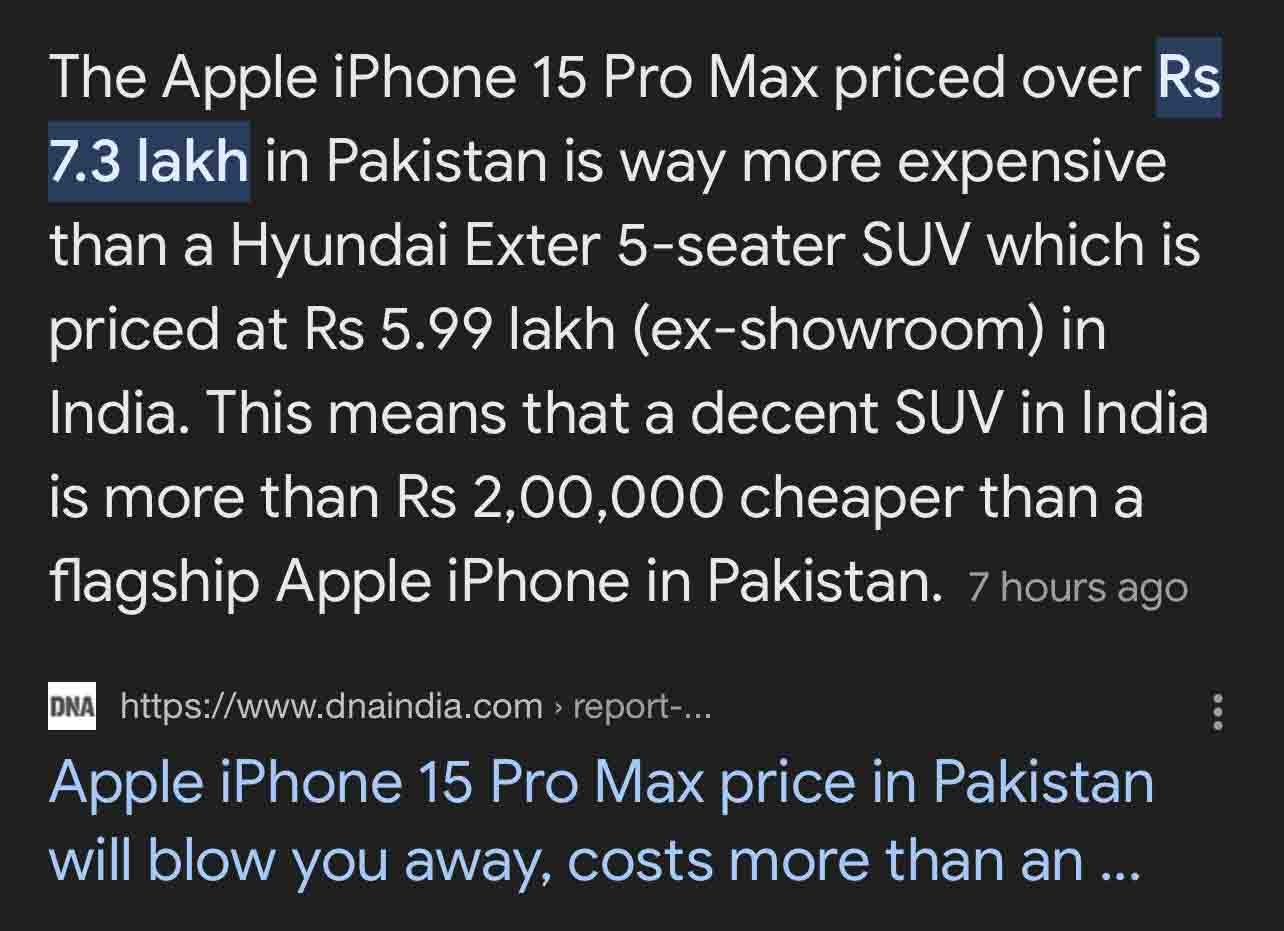
    In terms of comparisons to India, a report by DNA India highlights the astonishing prices of iPhones in Pakistan. It notes that the Apple iPhone 15 Pro Max, priced over Rs7.3 lakh in Pakistan, surpasses the cost of a Hyundai Exter 5-seater SUV, which is priced at INR 5.99 lakh in India.

    However, it’s important to be cautious about such comparisons, as they might not accurately reflect the actual market dynamics.

    Keep in mind that the exact price of the iPhone 15 Pro Max in Pakistan can vary among different retailers.

    Additionally, the exchange rate between the Indian rupee and the Pakistani rupee is approximately 1 INR to PKR 3.56. So, when comparing the INR 600,000 price of an SUV, it equates to approximately Rs2,136,800, or Rs2.1 million in Pakistani rupees, which is significantly higher than the expected price of the Apple iPhone 15 Pro Max.

  • Financial turmoil threatens PIA: Flight cancellations surge, salaries delayed

    Financial turmoil threatens PIA: Flight cancellations surge, salaries delayed

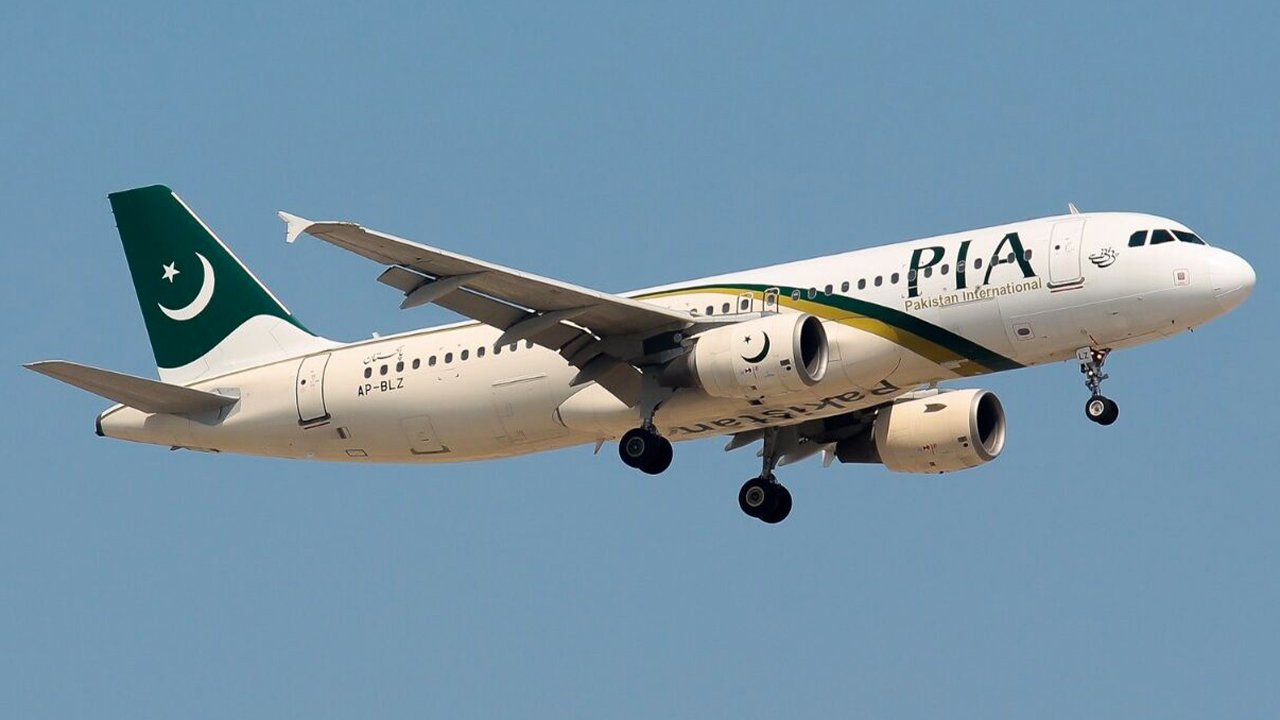
    The Pakistan International Airline (PIA) faces an imminent crisis, as a high-ranking official from the national carrier has issued a warning that flight operations may be suspended by September 15th if emergency funding is not promptly secured. This concerning development, as reported by Geo News, underscores the severity of the situation.

    In a statement to Geo News on Wednesday, a senior director at PIA highlighted that the operational fleet has dwindled from 23 to just 16 aircraft, resulting in the unfortunate cancellation of numerous flights. The dire financial straits of the airline have led to significant disruptions.

    Furthermore, the official revealed that renowned aircraft manufacturers, Boeing and Airbus, have halted the supply of crucial spare parts to PIA due to outstanding payments. This disruption, coupled with reduced flight operations, has incurred substantial daily losses running into millions of rupees for the national airline.

    In a distressing incident, one PIA aircraft was temporarily detained at Dammam airport, while four others faced a similar situation at Dubai airport, all due to unpaid fuel bills. These aircraft were eventually permitted to depart based on written assurances from PIA, with the International Air Transport Association (IATA) reinstating PIA services following an emergency payment of $3.5 million.

    The official’s somber warning emphasized that without an injection of Rs23 billion in emergency funds, flight operations may face suspension by September 15th.

    In response to this critical situation, a PIA spokesperson, in a statement, assured that exhaustive efforts were underway to avert the suspension of flight operations.

    Earlier reports had indicated that PIA’s financial challenges had severely impacted its flight schedule, resulting in the cancellation of both domestic and international flights. The airline had urgently requested government intervention to provide the necessary funds, and there were also reports of unpaid salaries to PIA employees.

    This financial turmoil for PIA had previously prompted the grounding of five leased aircraft, with the possibility of grounding four more due to ongoing financial constraints. The airline had sought an emergency bailout of Rs22.9 billion, which was unfortunately rejected by the Economic Coordination Committee (ECC). Additionally, the ECC declined requests for the deferment of monthly payments to the Federal Board of Revenue (FBR) and the Civil Aviation Authority (CAA).

    In another setback, last month, the FBR had frozen 13 PIA bank accounts due to non-payment of Rs8 billion in Federal Excise Duty (FED), further compounding the airline’s financial woes.

  • Chinese woman holds 16 corporate jobs for three years without showing up

    Chinese woman holds 16 corporate jobs for three years without showing up

    A Chinese woman, identified only as Guan Yue under a pseudonym, was recently exposed for a remarkable three-year involvement in a complex labor-fraud operation, as reported by local media. 

    Guan Yue’s participation encompassed maintaining 16 distinct corporate positions without physically attending any of them, contributing to a staggering labour-fraud scheme valued at nearly $7 million, according to China’s state-owned newspaper, Xinmin.

    The report detailed Guan’s meticulous record-keeping, in which she meticulously documented each hiring opportunity on paper. During job interviews, she would post images from these interviews on her company’s internal communication channels, misleading colleagues by implying client meetings. 

    As the volume of job offers exceeded her capacity, Guan would delegate these positions to acquaintances, earning a commission in the process. It’s important to note that Insider was unable to independently verify the details of this extensive investigation.

    Xinmin highlighted the pervasive nature of such labour fraud in China, with an estimated 700–800 organised groups regularly exploiting multiple job opportunities from employers. These groups have honed their skills in securing employment, mastering the art of interviews, and presenting impressive, albeit fraudulent, resumes.

    Remarkably, when their deception is exposed, these cases are seldom treated as criminal offences; instead, they are typically resolved through employment law channels, a system these groups have become increasingly adept at navigating. 

    In a notable instance, one of these groups successfully infiltrated a company, placing a member in the role of HR representative, who subsequently hired the rest of the group, as disclosed by the newspaper.

  • UK job market: Rise in unemployment, but paychecks soar to new heights

    UK job market: Rise in unemployment, but paychecks soar to new heights

    The United Kingdom’s unemployment rate saw a slight increase to 4.3 per cent during the three months leading up to the end of July, as confirmed by official data released on Tuesday. This marks a marginal rise from the previous quarter’s 4.2 per cent unemployment rate, as reported by the Office for National Statistics (ONS).

    In the same period, average regular earnings, excluding bonuses, exhibited a remarkable annual growth rate of 7.8 per cent, a historic high since comparable records began in 2001, according to the ONS.

    In response to these figures, Finance Minister Jeremy Hunt emphasised the persistence of elevated wage growth, partly attributed to one-time payments to public sector employees. He stressed the importance of adhering to their plan to combat inflation to ensure sustainable real wage growth.

    Prime Minister Rishi Sunak had earlier expressed his intention to halve UK annual inflation, especially when it exceeded 10 per cent, as reported by AFP. However, the current inflation rate remains at 6.8 per cent, surpassing that of other G7 nations.

    The Capital Economics research group’s UK economist, Ashley Webb, observed a gradual relaxation in the labour market’s tightness during July. Nevertheless, the substantial wage growth noted is expected to raise concerns at the Bank of England, potentially leading to an anticipated interest rate hike from the current 5.25 per cent to a peak of 5.5 per cent at the upcoming regular policy meeting.

  • SBP expected to hike interest rates by at least 150 bps to control inflation

    SBP expected to hike interest rates by at least 150 bps to control inflation

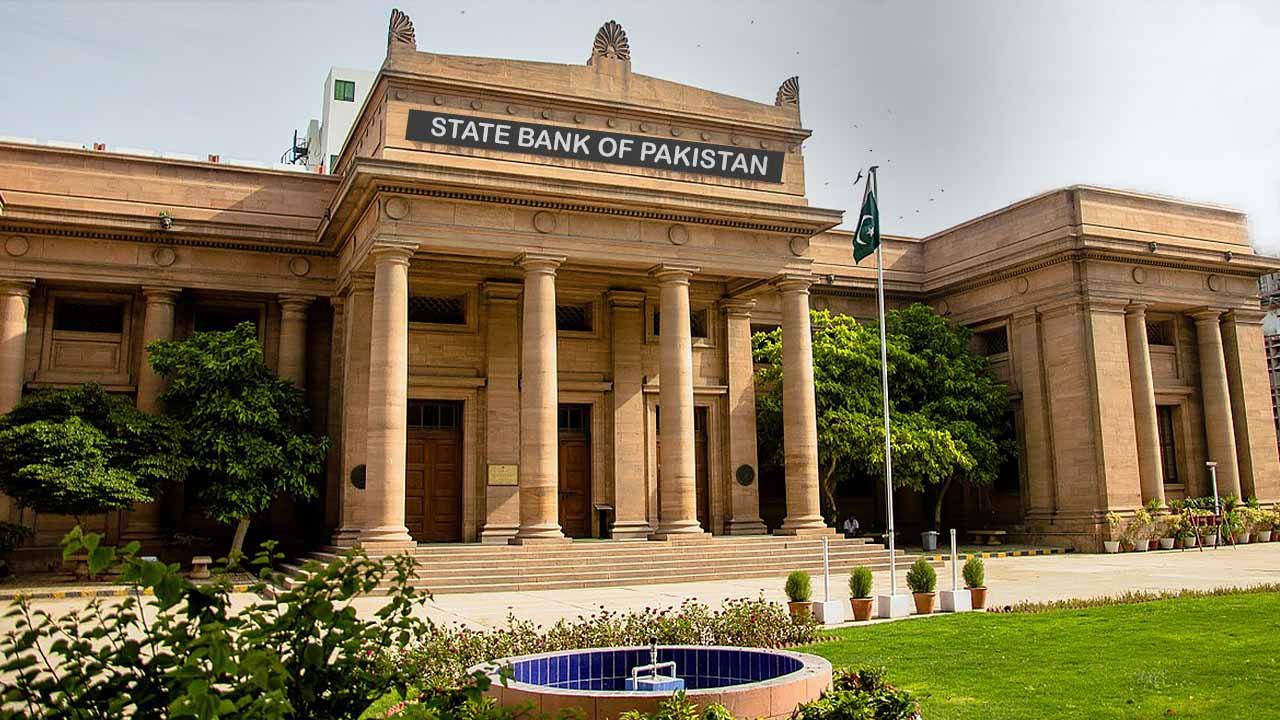
    The State Bank of Pakistan (SBP) is expected to hike interest rates by at least 150 basis points (bps) on Thursday in an effort to curb sky-high inflation and bolster diminished foreign exchange reserves. 

    The central bankas already raised its benchmark rate by 12.25 per cent points to 22 per cent since April 2022, but inflation remains in double digits, at 27.4 per cent in August. The rupee has also depreciated sharply in recent months, reaching an all-time low of 200 rupees per dollar. 

    A Reuters poll of 17 analysts shows that 15 are forecasting a rate hike, with nine predicting an increase of at least 150 bps. The other two analysts expect the rate to remain unchanged. 

    The SBP is under pressure to raise rates in order to cool inflation and attract foreign investment. However, a rate hike could also dampen economic growth, which is already slowing. 

    The central bank is also facing challenges from the International Monetary Fund (IMF), which has set conditions for the release of further tranches of its $3 billion bailout package. One of these conditions is that the SBP must raise interest rates. 

    The SBP is likely to balance these competing considerations when it makes its decision on Thursday. However, it is clear that the bank is under pressure to take action to address the country’s economic challenges. 

    Here are some additional details about the factors that are likely to influence the SBP’s decision: 

    • Inflation: Inflation remains a major concern for the SBP. The latest data shows that inflation fell slightly in August, but it remains in double digits. The SBP has said that it expects inflation to decline over the next 12 months, but it is unclear whether this will happen without further monetary tightening.  
    • Foreign exchange reserves: The SBP’s foreign exchange reserves have been declining in recent months, reaching a critical level of $10.3 billion in August. The SBP needs to bolster its reserves in order to meet its import obligations and avoid a sovereign debt default. A rate hike could help to attract foreign investment and slow the decline in reserves.  
    • IMF conditions: The IMF has set conditions for the release of further tranches of its bailout package. One of these conditions is that the SBP must raise interest rates. The SBP is likely to comply with this condition in order to secure the IMF’s support. 

    The SBP’s decision on Thursday will be closely watched by markets and investors. A rate hike is likely to be welcomed by those who are concerned about inflation, but it could also dampen economic growth. The SBP is facing a difficult balancing act, and its decision will have a significant impact on the country’s economic outlook. 

  • Govt not reducing solar net metering rate of Rs19 

    Govt not reducing solar net metering rate of Rs19 

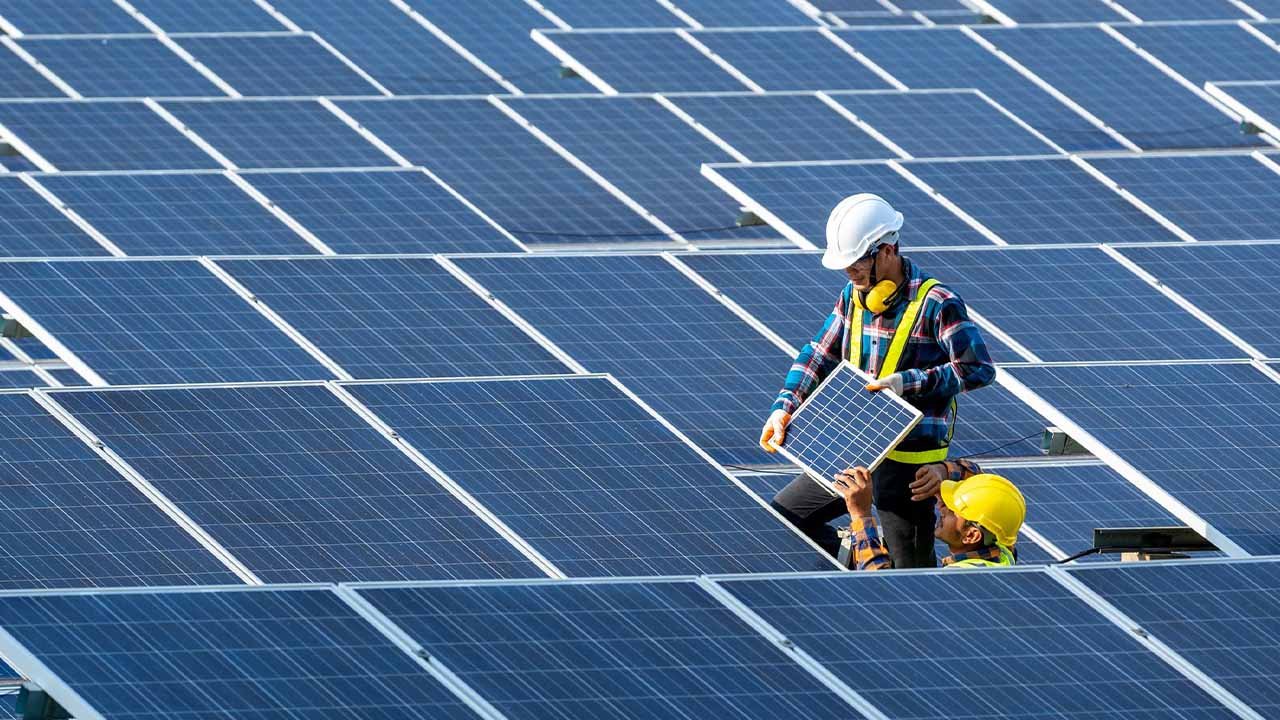
    In an official statement, Muhammad Ali, the Caretaker Minister for Energy and Petroleum, has provided clarity on the government’s stance regarding incentives for solar net metering. Addressing recent speculation in the media and on social platforms, he affirmed that the government has no intentions of reducing the incentives associated with solar net metering, particularly the rate of Rs19.  

     “There were talks of a change in the rate of solar net metering in media and social media that the government is reducing the net metering rate from Rs19. I want to clarify and ensure that we are not taking any such measure,” he said. 

    Furthermore, Ali announced the government’s upcoming initiative to introduce a special incremental tariff for industrial electricity users before October 31. This endeavor is aimed at ensuring affordable electricity for industrial sectors, thereby relieving some of the financial burden on energy consumers. 

    In its ongoing efforts to support energy consumers during the winter season, the government is actively working on devising a special tariff designed to mitigate expenses for this specific period. 

    Ali also disclosed the government’s rigorous measures to combat electricity theft, which includes a nationwide crackdown on the illegal activity. He reported that individuals implicated in electricity theft within distribution and other utility companies have been reassigned, and comprehensive actions are being taken against them. Additionally, a crackdown against gas theft has been initiated to curb such practices. 

    Previously, reports had suggested that the government was contemplating the issuance of an ordinance to further regulate net metering. This decision was prompted by concerns that the installation of solar panels on rooftops had inadvertently increased capacity payments to Independent Power Producers (IPPs). Notably, the proposed ordinance is expected to include provisions criminalizing non-payment of electricity bills, as reported by Geo News

  • Pakistani e-motorbike startup raises $1.2 million to manufacture budget-friendly e-bikes

    Pakistani e-motorbike startup raises $1.2 million to manufacture budget-friendly e-bikes

    Pakistani e-motorbike startup Zyp Technologies has raised $1.2 million in seed funding led by venture capital fund Indus Valley Capital.

    With this key investment, Zyp is driving mass-market adoption of electric mobility in Pakistan by addressing key hurdles to adoption including High upfront cost, Range anxiety, Long charging times.

    According to the official statement, the company aims to use this investment at its assembly line which is capable of manufacturing up to 8,000 e-motorbikes per year to meet demand. Depending on each variant in production, these bikes may cost in the region of Rs150,000-450,000.

    The startup also intends to build 4,000 charging stations across the country.

    Aatif Awan, founding partner at Indus Valley Capital, said, with its vision to electrify the 25 million motorbikes in Pakistan, Zyp is building one of the most important products Pakistan needs to help solve the trade imbalance and high inflation. 

    Zyp team has meticulously designed their electric motorbikes and battery swapping to perform well in the local environment, creating a remarkable indigenous solution we’re proud to back.

    Zyp founders joined forces with a mission to create Pakistan’s own homegrown automotive brand in the clean energy sector. 

    This dream team brings experience from Silicon Valley tech companies like Microsoft and Intel, as well as auto companies like Volvo and Land Rover, and startups like Retailo.

  • Growing Saudi-India partnership: MBS and Modi discuss expanding trade goals

    Growing Saudi-India partnership: MBS and Modi discuss expanding trade goals

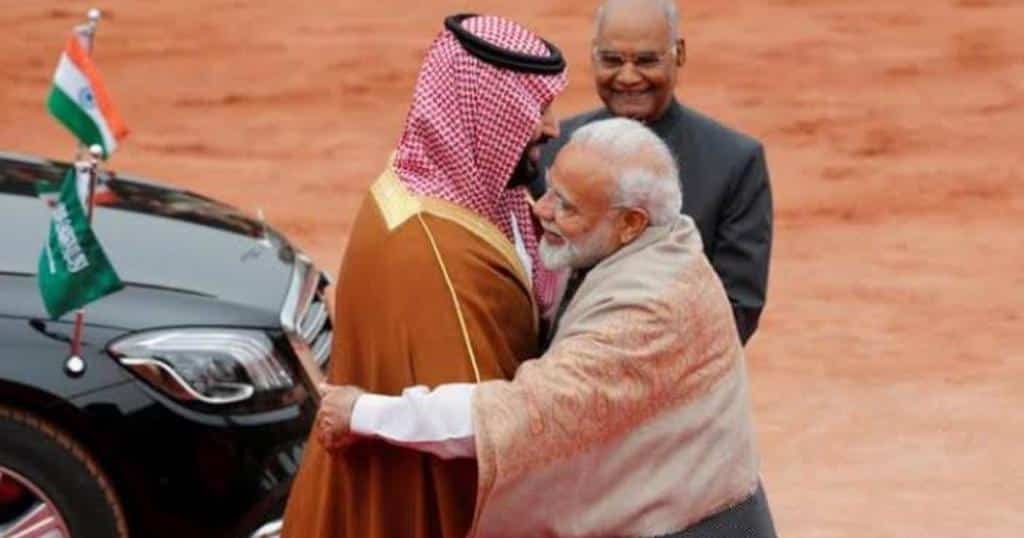
    Indian Prime Minister Narendra Modi and Saudi Crown Prince Mohammed bin Salman held discussions on trade ties in New Delhi after the G20 Summit. The leaders met at the Hyderabad House, New Delhi, for the Saudi-Indian Strategic Partnership Council meeting. During the talks, they covered various areas of cooperation and regional and international topics of mutual interest.

    Modi expressed satisfaction with the discussions, highlighting synergy with Saudi Arabia. He emphasized the potential for collaboration in grid connectivity, renewable energy, food security, semiconductors, and supply chains.

    The meeting involved senior officials from Saudi Arabia, including Minister of Energy Prince Abdulaziz bin Salman, Foreign Minister Prince Faisal bin Farhan, and Minister of Investment Khalid al-Falih. Falih mentioned the possibility of establishing an office for Saudi Arabia’s sovereign wealth fund, the Public Investment Fund, in India’s tax-neutral financial services center, Gujarat International Finance Tec-City.

    Furthermore, the Saudi Export-Import Bank (Saudi EXIM) and the India Export-Import Bank (India EXIM) signed an agreement to boost exports and mutual market presence.

    This gathering followed the announcement of a multinational rail and ports deal involving India, Saudi Arabia, the United States, the European Union, the United Arab Emirates (UAE), and other global leaders. The deal aims to connect the Middle East and South Asia through the India-Middle East-Europe Economic Corridor, enhancing connectivity and reducing shipping costs.

    US President Joe Biden viewed this agreement as a significant step and a counter to China’s Belt and Road Initiative.