Category: Business

The most important business news, explained in a young, easy to understand way. News that affects young career professionals.

  • Sugar price expected to drop below Rs150 per kg

    Sugar price expected to drop below Rs150 per kg

    The Punjab caretaker government successfully resolved the issue of high sugar prices in the country through negotiations with sugar mill owners. 

    A delegation from the sugar mill owners met with Punjab Caretaker Chief Minister (CM) Mohsin Naqvi. Both sides agreed to start sugarcane crushing on October 28. 

    According to ARY, sugar mill owners agreed to sell sugar to the Punjab government at Rs140 per kilogramme, and the provincial government planned to distribute the sugar stocks through special stalls in model markets.

    CM Naqvi acknowledged the financial difficulties faced by citizens and promised to lower sugar prices to provide relief.

    Despite the commerce ministry denying any sugar shortages, prices had surged to over Rs200 per kilogramme in various cities across the country. 

    This led citizens in Quetta and Sukkur to buy sugar at Rs220 per kg, while Karachi markets sold it for Rs180 to Rs200 per kg. 

    Similarly, sugar prices rose to Rs195 to Rs200/kg in Lahore, Jhang, and Faisalabad.

    Previously, it was reported that sugar prices reached a record high of Rs220 per kg in Balochistan’s retail markets. 

    Authorities initiated an investigation into the price increase and tightened scrutiny on sugar mill owners and dealers in Lahore. The Punjab government planned to take action to reduce the soaring sugar prices.

  • Pakistani currency strengthens amid crackdown on smuggling

    Pakistani currency strengthens amid crackdown on smuggling

    The Pakistani rupee continued its upward trajectory against the US dollar, registering a 0.6 per cent appreciation in the inter-bank market on Monday.

    At precisely 2:15 pm, the rupee was quoted at Rs301.10, marking a notable increase of Rs1.85 within the inter-bank market.

    In the preceding week, the rupee exhibited a 0.83 per cent gain, concluding at 302.95 in its exchange rate against the US dollar within the inter-bank arena. However, this performance is only part of a larger narrative, as the gap between the inter-bank and open market rates underwent a substantial reduction.

    This shift occurred in conjunction with reported measures taken to combat smuggling and speculative activities, leading to a remarkable turnaround for the currency after it had reached a record low just the previous Tuesday.

    The State Bank of Pakistan’s (SBP) initiative to fortify controls over Exchange Companies, coupled with reports of the army chief’s intervention and the deployment of law-enforcement personnel at currency dealer outlets, played pivotal roles in the rupee’s resurgence.

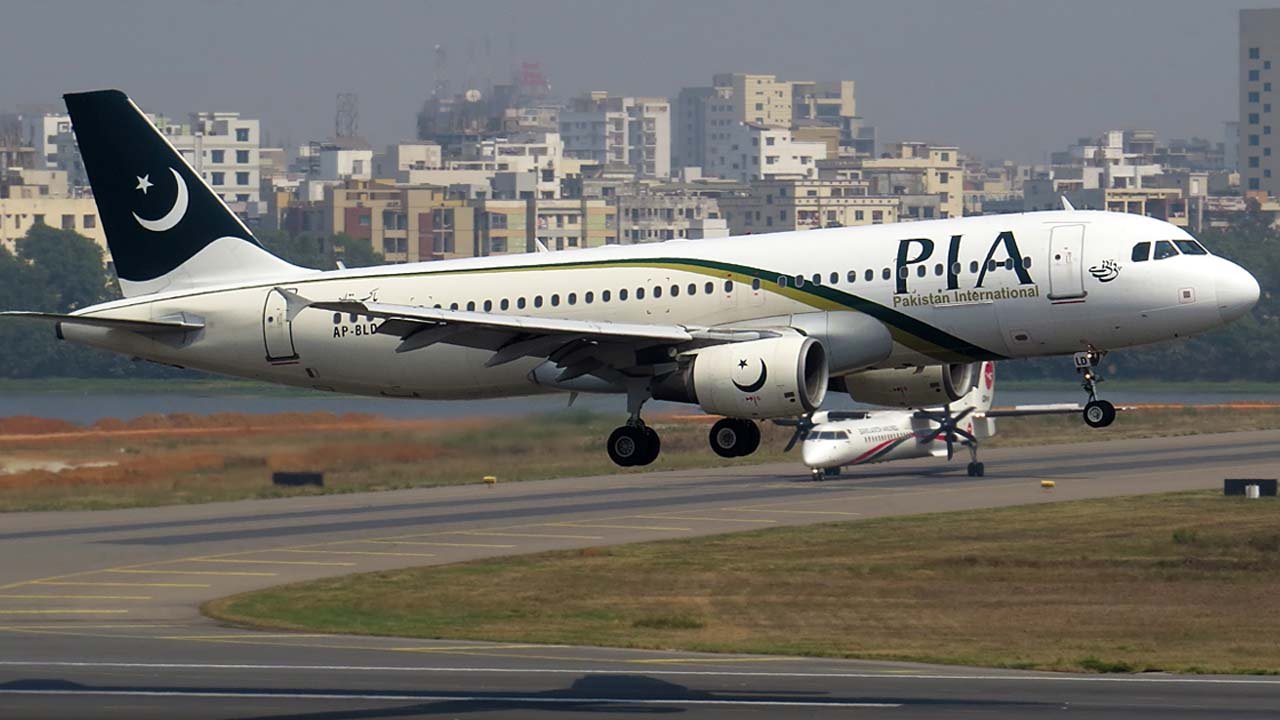
  • From ‘great people to fly with’ to ‘great debt to deal with’: PIA expected to ground several aircraft

    From ‘great people to fly with’ to ‘great debt to deal with’: PIA expected to ground several aircraft

    Pakistan International Airlines (PIA) is facing a critical financial crisis, prompting the grounding of several aircraft due to difficulties in securing funds. This crisis has resulted in arrears with various stakeholders, including creditors, aircraft lessors, fuel suppliers, insurers, and airport operators. Boeing and Airbus are also on the verge of discontinuing spare parts supply by mid-September.

    The Ministry of Aviation has urgently requested a cash injection of Rs23 billion and the suspension of duties, taxes, and service charges, although no concrete business plan has been presented. The restructuring of PIA is expected to be a complex eight-month process, and the airline must remain operational during this period for divestment to yield a fair value.

    Regrettably, PIA serves only a small fraction of Pakistan’s population while consuming significant public funds. The government, holding a 92 per cent share in PIA, faces mounting losses attributed to competition, mismanagement, and inadequate funding for fleet expansion.

    As of December 31, 2022, PIA’s debt and liabilities stood at Rs743 billion, five times more than its assets’ total value. The airline’s annual losses reached Rs86.5 billion for the last financial year, with projections indicating debt and losses could further rise.

    According to Dawn, previous attempts to make PIA sustainable through cost-cutting and fleet expansion have failed. Alternately, efforts focused on financial, legal, and operational restructuring to attract private investment have been explored but not implemented.

    In June 2023, a decision was made to restructure PIA based on the Dubai Islamic Bank Consortium Report. This involves creating a new holding company to retain legacy loans and non-aviation assets while keeping PIACL subsidiaries intact. Recent legal restrictions hindering private investment have been lifted.

    However, the restructuring plan is pending government approval. The Aviation Division has requested Rs23 billion in funds and relief from various financial obligations. A separate panel has been formed to assess the restructuring plan, with support from the finance ministry and the State Bank of Pakistan expected once the plan is fully finalised.

  • American retailer sells Pakistani Servis Cheetahs as ‘Taliban’s favourite shoe,’ priced over Rs30,000

    American retailer sells Pakistani Servis Cheetahs as ‘Taliban’s favourite shoe,’ priced over Rs30,000

    An American online shopping platform known as “Americana Pipedream” is offering Pakistani Servis Cheetah high-top shoes, which are advertised as “The Taliban’s Favourite Shoe” and are priced at approximately Rs30,500 ($99). 

    Screenshot from Americana Pipedream Website

    The website lists these shoes for individuals who wish to emulate the Taliban’s style, and the company claims that “the Servis Cheetah is a highly popular running and sports shoe in the Middle East and Southeast Asia. Much of its notoriety stems from its use by the Taliban, Mujahideen, and even Afghan Security Forces over the past 40 years. 

    These Servis Cheetahs are brand new and originate from Pakistan, a shoe brand that is not commonly found in the American market. 

    Interestingly, despite the platform’s strong promotion of these shoes as the “Taliban’s favourite,” the details section acknowledges that they are rare to come by in the United States and suggests that the quality may not be top-notch due to their Pakistani origin. 

    Furthermore, upon conducting research, it was discovered that the exact same shoes are sold by Servis Pakistan for Rs2,799. 

    Screenshot from official Servis Pakistan Website

    The website appears to specialise in promoting clothing and accessories associated with the Taliban and similar themes. Other products featured on the website include Afghan War Rugs & Accessories, new apparel and accessories, books, camping and outdoor gear, axes and knives, tactical gear, pipes and accessories, vintage clothing, Phantomleaf camouflage, clearance items, night vision devices, and various military surplus items categorised by style and country of origin, including Swiss Surplus, Balkan Surplus, Greek Surplus, German & Austrian Surplus, Romanian Surplus, Vintage US Military Clothing, and British Surplus. 

  • Arrogance vs innovation: Why BlackBerry failed to see threat posed by the iPhone 

    Arrogance vs innovation: Why BlackBerry failed to see threat posed by the iPhone 

    In 2007, Apple introduced the iPhone, a revolutionary new smartphone that would change the way people use their phones forever. BlackBerry, the dominant smartphone maker at the time, was quick to dismiss the iPhone, saying that it was “not a threat” and that “we’ll be fine.” 

    But BlackBerry was wrong. The iPhone was a huge success, and it quickly took over the market. BlackBerry, on the other hand, began to lose market share. By 2013, BlackBerry was no longer the top smartphone maker. 

    How BlackBerry lost the smartphone war?

    There were a number of reasons why BlackBerry failed to see the threat posed by the iPhone. Here are some of the most important factors: 

    • BlackBerry was too focused on its existing customers: The company’s bread and butter was business users, who were slow to adopt new technologies. The iPhone, on the other hand, was designed for a wider audience, including consumers.
    • Slow to innovate: The iPhone was packed with new features, like a touch screen and a web browser, that BlackBerry didn’t have. BlackBerry was also slow to adopt new operating systems, such as Android. 
    • BlackBerry was arrogant: The company executives believed that they were the best in the business and that they didn’t need to change. This attitude blinded them to the threat posed by the iPhone.

    How iPhones have captured the market now 

    The iPhone has been the best-selling smartphone in the world for many years. In 2022, it accounted for 22 per cent of the global smartphone market. This is followed by Android with 69. per cent market share. 

    There are a number of reasons why iPhones have captured the market: 

    • They are known for their high quality and sleek design. iPhones are made from high-quality materials and have a sleek, modern design. This makes them appealing to consumers who want a stylish and durable smartphone. 
    • iPhones have a user-friendly interface and are easy to use. The iPhone’s operating system, iOS, is known for its intuitive interface and easy-to-use features. This makes it a good choice for people who are not familiar with smartphones. 
    • Offer a wide range of features and apps. The App Store has a wide variety of apps to choose from, including games, productivity apps, and social media apps. This makes the iPhone a versatile device that can be used for a variety of purposes. 
    • Backed by a strong brand name and reputation. Apple is a well-known and respected company, and its products are known for their quality. This gives consumers confidence in the iPhone. 

    Facts about iPhone sales 

    • In 2022, Apple sold over 240 million iPhones. 
    • The iPhone 13 was the best-selling iPhone model in 2022. 
    • Apple iPhone generates more revenue for the tech giant than any other product. 
    • The iPhone is a major driver of Apple’s stock price. 

    Additional thoughts on the matter 

    BlackBerry’s physical keyboard was a major advantage in the early days of smartphones, when touch screens were still relatively new and difficult to use. However, the iPhone’s touch screen was a more intuitive and user-friendly interface, and it eventually won over consumers. 

    The company’s business model was also a factor in its downfall. BlackBerry made most of its money from selling its devices to businesses, which were slow to adopt new technologies. Apple, on the other hand, made most of its money from selling apps and services in its App Store, which was a more open and flexible platform. 

    BlackBerry also made some bad strategic decisions. For example, the company decided to focus on its own proprietary operating system, BlackBerry OS, instead of adopting a more open platform like Android. This decision made it difficult for BlackBerry to attract developers and apps, which further hurt its competitive position. 

    The story of BlackBerry vs. iPhone is a cautionary tale about the dangers of complacency. When a new technology comes along, it’s important to be open to change and to be willing to adapt. Otherwise, you could end up like BlackBerry. 

    BlackBerry’s main focus currently is on software and services. Sadly, the company has discontinued its own smartphone line and now focuses on providing security software and services to businesses and governments.

  • Pakistan’s textile exports dip 6% in August 2023, posing economic challenges

    Pakistan’s textile exports dip 6% in August 2023, posing economic challenges

    Pakistan’s textile sector has experienced a continued decline in exports, with provisional data released by the All Pakistan Textile Mills Association (APTMA) indicating that in August, exports reached $1.48 billion, down by 6 per cent compared to the same month in the previous year when they stood at $1.58 billion.

    Moreover, the data reveals that Pakistan’s textile exports for the first eight months of the calendar year 2023 have seen a significant drop of 19 per cent, totaling $10.58 billion, as opposed to the $13 billion recorded during the equivalent period in 2022. This year-on-year decline raises concerns for Pakistan’s economy, especially in light of its foreign exchange shortage, which has already led to a depreciation of the rupee by more than 25 per cent in the inter-bank market since the beginning of 2023.

    However, there is a glimmer of optimism as monthly figures indicate a 13 per cent improvement in textile exports, rising to $1.48 billion in August compared to $1.31 billion recorded in July.

  • SPI index surges to three-week high at 26.41%: Food and energy prices drive inflation

    SPI index surges to three-week high at 26.41%: Food and energy prices drive inflation

    The Sensitive Price Indicator (SPI) index recorded a notable surge, reaching 26.41 per cent for the week ending on September 7, 2023, marking a three-week high. This increase was primarily propelled by the persistent rise in food and energy prices when compared to the same week in the previous year, putting added strain on households’ purchasing power and disposable income.

    Within this week, data from the Pakistan Bureau of Statistics (PBS) revealed that out of 51 items, 32 (62.75 per cent) experienced price increases, 5 (9.80 per cent) saw decreases, while 14 (27.45 per cent) remained unchanged, in contrast to the previous week.

    Food items saw significant price hikes, including a 17 per cent increase in tomato prices, a 10.87 per cent uptick in pulse masoor prices, a 6.73 per cent rise in sugar prices, a 4.66 per cent surge in garlic prices, and a 3.62 per cent uptick in gur prices. Pulse moong prices rose by 3.55 per cent, onions by 3.43 per cent, and pulse gram by 3.25 per cent. Among non-food items, diesel prices soared by 6.28 per cent, LPG (liquefied petroleum gas) increased by 5.19 per cent, and petrol prices rose by 5.12 per cent.

    Conversely, there was a decline in the prices of certain items, including chicken by 3.20 per cent, 5-liter cooking oil by 1.03 per cent, 2.5 kg vegetable ghee by 0.47 per cent, Lipton tea by 0.43 per cent, and 1 kg vegetable ghee by 0.14 per cent, compared to the previous week.

    Looking at the bigger picture, the Consumer Price Index (CPI) revealed that monthly inflation has remained persistently high, averaging 27.8 per cent in the first two months (Jul-Aug) of the current fiscal year 2023-24. This was primarily attributed to recent rupee depreciation, imported inflation, and the continuous ascent of power and petroleum product prices.

    It is anticipated that September’s monthly inflation reading will reach its peak, with experts also suggesting the possibility of the government raising gas prices, further exacerbating inflationary pressures on the economy.

    To combat inflation, the Pakistan central bank is expected to raise its key policy rate by 1.5 to 2 percentage points during its upcoming Monetary Policy Committee (MPC) meeting on September 14. The current policy rate stands at a record high of 22 per cent.

    Topline Research highlighted significant developments since the last MPC meeting on July 31, 2023, including Pakistan posting a current account deficit of $809 million in July after four consecutive months of current account surplus. 

    Additionally, local fuel prices have increased by around 19 per cent, international oil prices in US dollars have risen by 6 per cent, and the rupee has depreciated by 6 per cent against the US dollar. These factors are expected to weigh heavily on the central bank committee’s decision during the upcoming MPC meeting.

  • Nepra approves Rs1.46 per unit fuel charge adjustment

    Nepra approves Rs1.46 per unit fuel charge adjustment

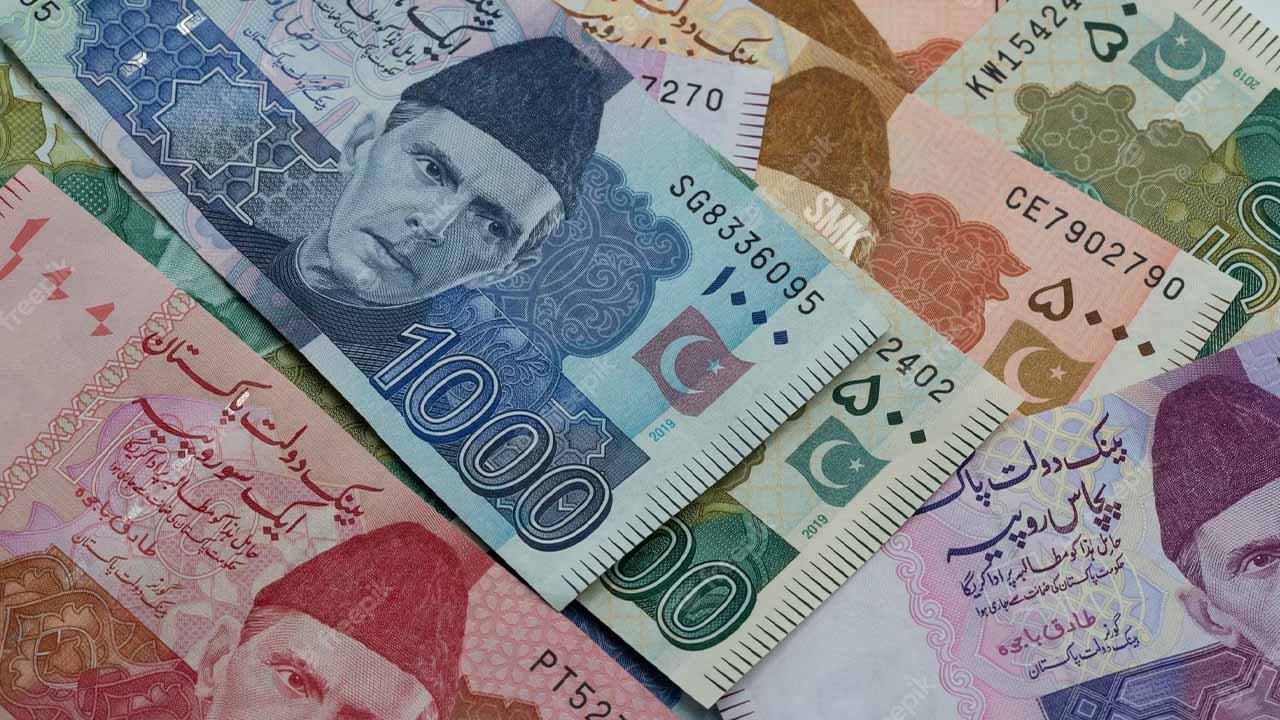
    In the midst of widespread protests over surging electricity bills in Pakistan, the National Electric Power Regulatory Authority (Nepra) has taken a significant step.

    They have given the green light for power distribution companies to impose an additional charge of Rs1.46 per unit on consumers in the form of a fuel charge adjustment (FCA) for the month of July.

    This decision, rooted in the Regulation of Generation, Transmission, and Distribution of Electric Power Act of 1997, comes as an attempt to address financial challenges in the power sector.

    The FCA, however, excludes electric vehicle charging stations (EVCS) and lifeline consumers. This means that this adjustment will be itemised separately on consumers’ bills based on their electricity usage in July 2023. The billing for this adjustment is scheduled for September 2023.

    The background to this move involves costly imported coal inventory held by coal-based power plants, particularly the Sahiwal coal power plant, and limitations in the power transmission system. The latter includes issues such as the HVDC transmission line’s inability to efficiently transport cost-effective power from southern generators. These factors have placed a considerable financial burden on power consumers.

    This tariff increase compounds the woes of consumers, who are already grappling with record inflation, high fuel prices, and elevated electricity rates. As a result, consumers are expected to bear a cumulative burden of Rs24.76 billion in their September 2023 bills due to over 14 billion units sold in July.

    In response to public protests and growing dissatisfaction, the interim government, led by Prime Minister Anwaar-ul-Haq Kakar, has sought assistance from the International Monetary Fund (IMF) to provide immediate relief to electricity consumers.

    According to Geo News, Pakistan is under an IMF programme, making any relief or subsidy contingent upon IMF approval. Negotiations between the government and the IMF have been intense, resulting in some relief for consumers using up to 200 units, allowing them to pay electricity bills in installments.

    However, the IMF rejected the government’s plan to provide relief to those consuming up to 400 units of electricity per month, which could have benefited 32 million consumers. Instead, the IMF stressed the need to address electricity and gas theft and improve revenue collection.

    Furthermore, the IMF has proposed a 45 to 50 per cent increase in gas tariffs starting July 1, pending approval by the federal cabinet. These developments reflect a challenging situation in Pakistan’s energy sector as the government grapples with the need for reform amid rising consumer discontent.

  • Karachi airport operation: Four passengers nabbed in million-rupee Apple product smuggling

    Karachi airport operation: Four passengers nabbed in million-rupee Apple product smuggling

    In a highly successful operation, customs authorities thwarted an attempt to smuggle high-value tech gadgets worth millions of rupees at Jinnah International Airport in Karachi

    According to ARY News, four passengers, who had arrived in Karachi from Dubai via a private airline, were apprehended by diligent customs officials, resulting in the confiscation of goods with a substantial valuation.

    The individuals taken into custody were identified as Azhar Iqbal, Muhammad Faisal, Azhar Gill, and Zul Noorain. 

    These passengers made an ill-fated attempt to evade customs scrutiny by utilising the green channel without declaring the valuable merchandise. However, the astute customs officials promptly intercepted them and proceeded to inspect their luggage.

    According to Superintendent Agha Najamuddin, who was in charge of the shift, a significant cache of contraband was seized from the arrested individuals. 

    This included more than 50 iPads, numerous laptops, 46 of the latest iPhone models, and 500 packs of internationally sourced cigarettes. 

    Furthermore, the customs officials initiated legal proceedings against the detained suspects, as they failed to provide adequate tax documentation to the customs staff, ensuring that justice prevails in this case.

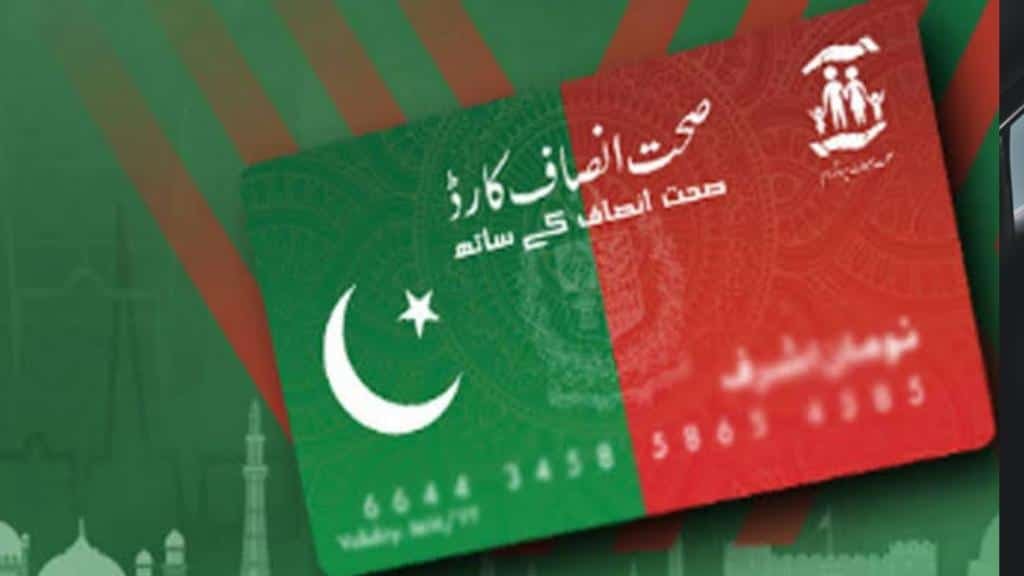
  • KP govt limits Health Card benefits, shifts focus to fiscal sustainability

    KP govt limits Health Card benefits, shifts focus to fiscal sustainability

    The Khyber Pakhtunkhwa (KP) caretaker government, under the leadership of caretaker Chief Minister Muhammad Azam Khan, recently convened a significant cabinet meeting. During this gathering, attended by cabinet members, the chief secretary, additional chief secretary, and administrative secretaries, the pivotal topic of discussion was the Health Card scheme.

    During a press conference, Advisor to the Chief Minister on Health, Riaz Anwar, said that due to escalating expenses, the full benefits of the Health Card scheme would now be exclusively available to beneficiaries of the Benazir Income Support Programme. The financial liability associated with the scheme had surged from Rs30 billion to Rs39 billion, leading to a proposal to potentially discontinue the programme.

    The cabinet subsequently approved a set of reforms for the Health Card initiative. Under these reforms, individuals with an income of up to Rs37,000 will be required to cover 25 per cent of their medical expenses. This contribution will be calculated based on data from the Benazir Income Support Programme, ensuring that those with higher incomes contribute to their healthcare costs.

    While the poor and underprivileged will continue to receive free healthcare services, access to free facilities at the emergency ward will be extended to everyone. Importantly, it was clarified that the Health Card programme itself would not be terminated; instead, it would persist in serving the underprivileged.

    According to Samaa, this shift in focus is a response to budgetary constraints, as the expenses of KP’s Health Card programme rose from Rs30 billion to Rs39 billion.