Category: Business

The most important business news, explained in a young, easy to understand way. News that affects young career professionals.

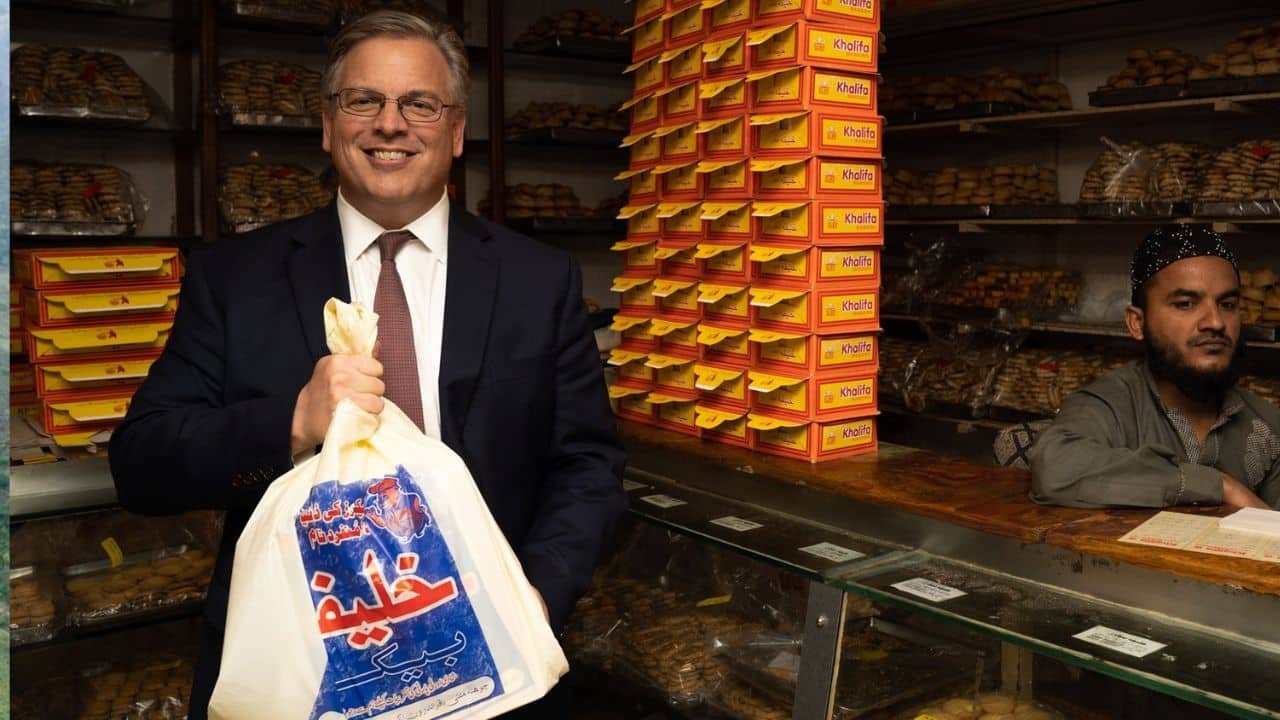
  • Khalifa nan-khatai lover, US Ambassador Donald Blome wants more women in the Pakistani workforce

    Khalifa nan-khatai lover, US Ambassador Donald Blome wants more women in the Pakistani workforce

    US Ambassador to Pakistan, Donald Blome, visited Lahore from September 4-6 and The Current got the opportunity to sit down with him and have a little chat.

    And yes, you read it correctly. The ambassador is a lover of Khalifa nan-khatai. He told us that he discovered the biscuits last year when he came to Lahore. Later, during his February trip, he even stopped by Khalifa Bakers in the Walled City.

    Visit to Lahore
    Over the course of his latest tour, Ambassador Blome visited PepsiCo’s FritoLay Snack plant and NetSol Technologies Ltd. While the focus of the ambassador’s trip was to foster the economic ties between the United States (US) and Pakistan, special emphasis was placed upon the importance of human rights and inclusive workspaces — particularly in regards to women.

    “It is not just a matter of simply hiring — there are things you have to change, and ensure a welcoming environment for women with different needs and different requirements to excel in the workforce,” he pointed out.

    Playing a leading role in corporate social responsibility, American-based companies have not only created employability in Pakistan, but they endeavour to cater to the local communities through initiatives that actively work towards women’s empowerment as well as education, health, disaster relief, and skills development.

    Ambassador Blome cited a USAID programme in partnership with PepsiCo that aims its attention on women farmers of Pakistan who are working in one of the more difficult areas, toiling under a strenuous work environment.

    Cultural Barriers
    Taking into consideration the socio-domestic constraints that often restrict women from growing in their careers, Ambassador Blome believes that practical initiatives can make workplaces more inviting for women in Pakistan.

    “It is the simple things; like having child care facilities, providing safe transportation — beyond that is developing a culture that ensures that equal chance is given to women to advance within their jobs and careers, and that they are valued in the same way every other employee is valued.”

    He further stated that he hopes American firms like PepsiCo, which has advanced gender parity in managerial roles globally, are exemplary models providing a leadership structure for the local businesses.

    “A lot of things work through to get there. But many Pakistani companies are also trying to head in that direction,” Ambassador Blome acknowledged.

    Success stories
    While a number of US businesses have actively countered gender inequality, Ambassador Blome particularly highlighted the digital sector as a success. He mentioned that not only more women are being employed by IT firms but certain institutes have been accommodating by providing opportunities for flexible work like allowing to work partly at home, partly in office.

    NetSol Technologies, an American software company, is known for being an “equal opportunity employer with the largest concentration of female employees in Lahore”.

    This year, they took an initiative to encourage women back into workspaces — women who are married or left the job after having a baby. This was carried out by creating women-exclusive jobs which catered them through on-office facilities.

    Ambassador Blome, however, also hailed a number of “impressive” Pakistani women-led organisations that are in the lead when it comes to facilitating women.

    “It is a whole constellation of different issues that come together,” he underlined.

    “If companies are able to make that work [i.e. create inclusive workspaces], it would be incredibly effective because it brings unique talents and energy, and it is something badly needed for Pakistan. The participation of women in force is too low here and it hurts the country in many ways — to forgo this incredible resource the country has.”
  • IMF approves relief plan for 4 million consumers with monthly power usage below 200 units

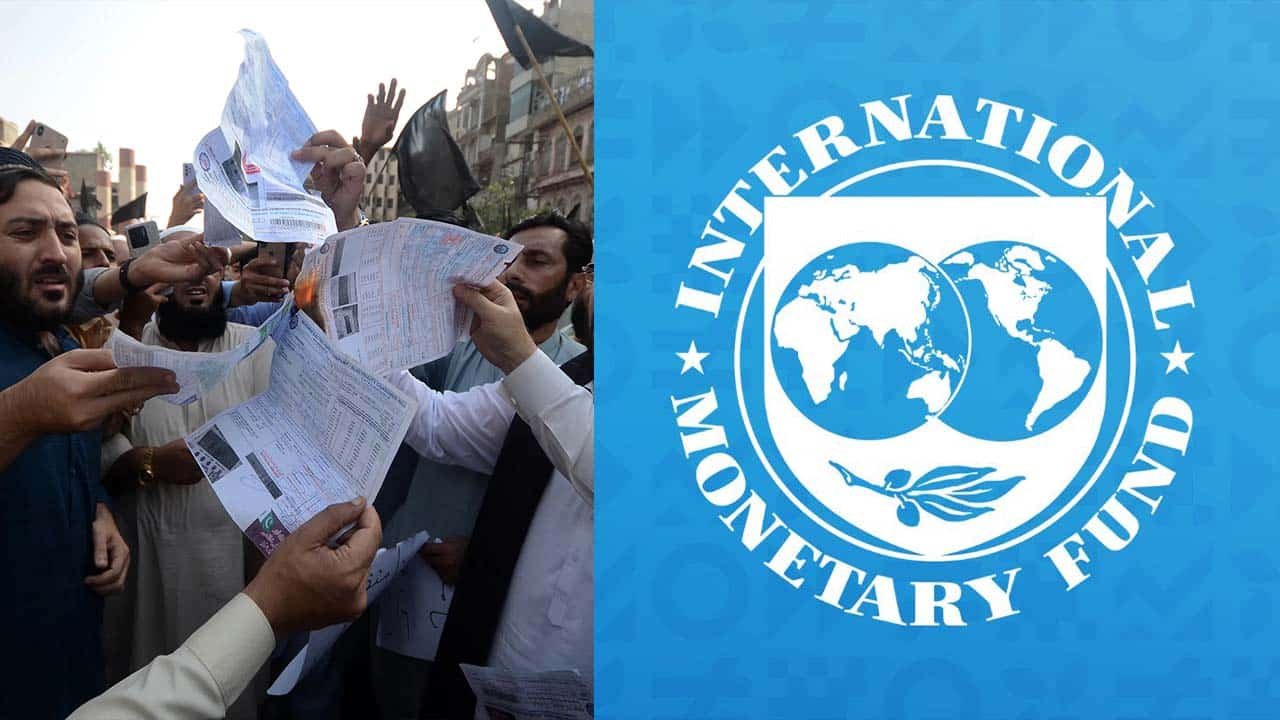
    IMF approves relief plan for 4 million consumers with monthly power usage below 200 units

    After extensive negotiations prompted by widespread protests against soaring electricity bills, the International Monetary Fund (IMF) has reportedly granted approval to a relief proposal targeting consumers with monthly electricity consumption of up to 200 units, allowing authorities to implement an installment-based billing system, according to sources cited by Geo News.

    Sources indicated that the final authorisation for implementing the installment billing system will require approval from the federal cabinet. 

    Approximately 4 million electricity consumers are expected to benefit temporarily from this initiative.

    Regrettably, the interim government’s proposal to extend relief to consumers using up to 400 units of electricity per month was rejected by the IMF. This decision means that approximately 32 million consumers would have benefited if the proposal had been accepted.

    Additionally, sources disclosed that the IMF stressed the importance of combating electricity and gas theft while also focusing on improving revenue collection.

    Furthermore, the sources revealed that the IMF had requested an increase of 45 to 50 per cent in gas tariffs, effective from July 1. However, the approval of this tariff hike remains contingent upon federal cabinet approval.

    In response to persistent protests by citizens and traders who have taken to the streets to denounce the steep increases in power bills and additional taxes, the caretaker government led by Prime Minister Anwaar ul Haq Kakar in Islamabad has been actively engaging with the IMF to secure immediate relief for electricity consumers in the economically challenged nation, where the populace is grappling with soaring inflation.

    It is crucial to note that Pakistan is currently operating under an IMF programme, making any relief or subsidy subject to IMF approval.

  • MoIB warns against spreading false news of Rs5,000 banknote ban

    MoIB warns against spreading false news of Rs5,000 banknote ban

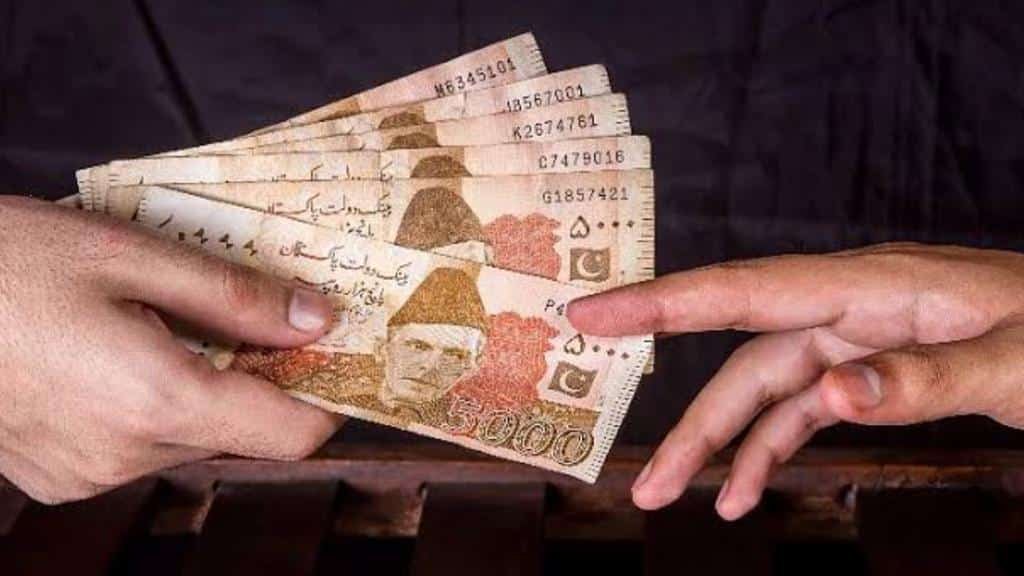
    The official Ministry of Information and Broadcasting (MoIB) handle recently confirmed that the news circulating on various social media platforms regarding the ban of Rs5,000 banknotes is fake.

    In a recent post, MoIB stated, “Disseminating #FakeNews is not only unethical and illegal but it is also disservice to the nation. It is the responsibility of everyone to reject irresponsible behavior.”

    The fake letter circulating on social media falsely claims, “Effective Date: The ban on Rs5,000 currency notes will take effect on September 30, 2023. From this date onwards, these notes will no longer be legal tender.

    Exchange and Deposit: Citizens and financial institutions are encouraged to exchange or deposit their Rs 5000 notes at authorized banks and financial institutions until the specified deadline. After September 30, 2023, the notes will only be accepted at designated government offices and central banks.”

    This is not the first time such news has gone viral on social media regarding the discontinuation of Rs5,000 notes. Similar false reports have surfaced in the past, and reputable news channels have later clarified that no such action is being taken.

  • ECC approves margin hike for petroleum dealers and OMCs starting September 15

    ECC approves margin hike for petroleum dealers and OMCs starting September 15

    The Economic Coordination Committee (ECC) of the Cabinet, in a significant move, has given its nod to incrementally raise the margins of petroleum dealers and oil marketing companies (OMCs) starting from September 15. This decision followed a detailed review of a proposal submitted by the Ministry of Energy (Petroleum Division).

    The ECC’s decision entails an enhancement of the margins for petroleum dealers handling Motor Spirit (MS) and High-Speed Diesel (HSD) by Rs1.64 per litre. This increment will be implemented through four fortnightly installments of Rs0.41 per litre, effective from September 15, 2023.

    Furthermore, OMCs will also see their margins on MS and HSD increase by Rs1.87 per litre. This increment will likewise be phased in over four installments, each amounting to Rs0.47 per litre, also commencing on September 15, 2023.

    To ensure transparency and efficiency in determining these margins, the ECC has entrusted the responsibility to the Oil and Gas Regulatory Authority (Ogra). Ogra is expected to develop a systematic mechanism for margin calculation, taking into account the operational costs incurred by OMCs and dealers, with specific reference to Pakistan State Oil (PSO).

    In a separate development, the ECC meeting addressed the financial challenges faced by Pakistan International Airlines (PIA). The national carrier had requested a provision of Rs22.9 billion, as well as the deferment of Rs1.3 billion per month to the Federal Bureau of Revenue (FBR), along with loans and markup amounts until the finalization of the restructuring plan.

    However, the ECC decided to reject PIA’s request. It was also agreed upon that the Finance Division and the State Bank of Pakistan would extend their support to PIA once a concrete restructuring plan is developed and submitted to the committee’s satisfaction.

    Additionally, the ECC approved a Technical Supplementary Grant of Rs40 billion to fund various pre-approved projects for defense services and to cover subsidies and miscellaneous expenditures during the fiscal year 2023-24. This funding will be disbursed on a case-by-case basis, aligning with the current budgetary provisions.

    According to The News, The ECC’s decisions reflect the government’s commitment to addressing the financial dynamics of the petroleum sector and the ongoing restructuring efforts within PIA, while maintaining fiscal prudence in budget allocations.

    This latest development is expected to have a significant impact on the energy sector and the national carrier, as stakeholders closely monitor the implementation of the ECC’s decisions in the coming fortnights.

  • Govt aims to ‘reduce power theft of Rs589 billion at the earliest’

    Govt aims to ‘reduce power theft of Rs589 billion at the earliest’

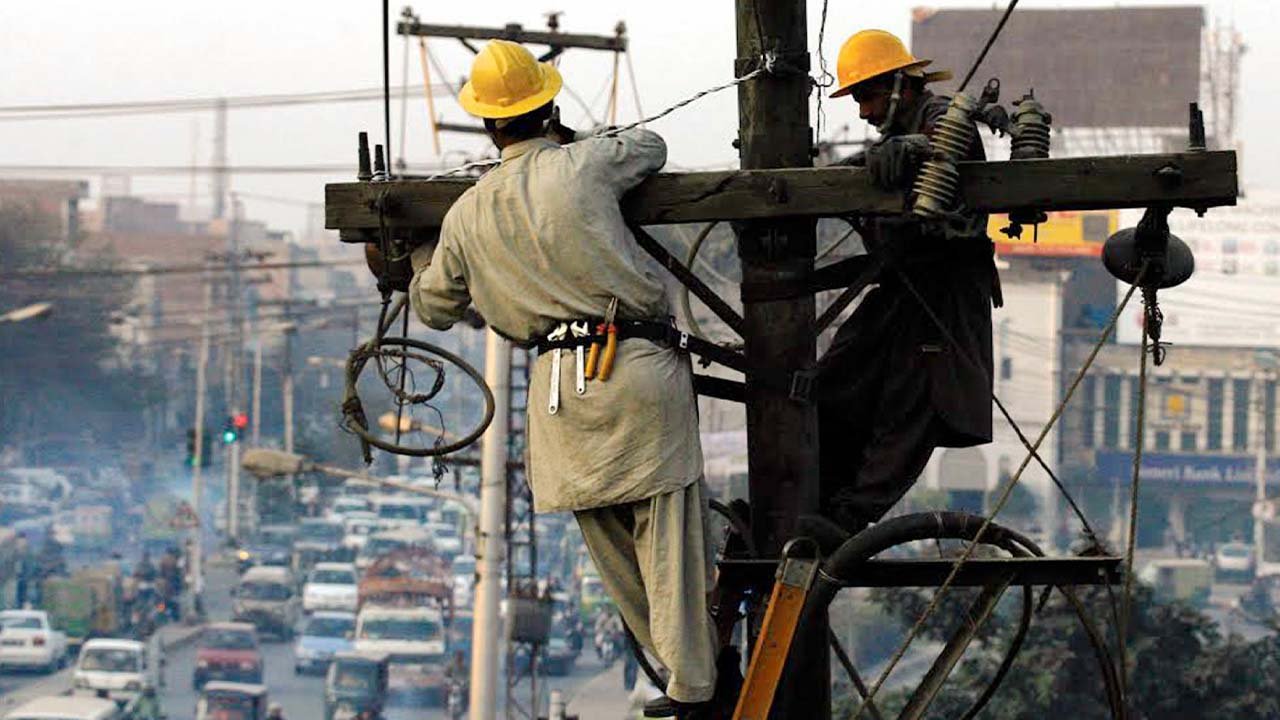
    The caretaker government unveiled a set of measures to tackle power theft nationwide, aiming to reduce the growing circular debt issue in the power sector, which is causing electricity prices to soar. 

    This announcement comes amid widespread protests against high electricity bills, hindered by strict conditions from the International Monetary Fund.

    During a press conference, Caretaker Energy Minister Mohammad Ali, alongside Interim Information Minister Murtaza Solangi, outlined their plan. 

    According to Geo News, Ali said that the government is working on a new law, the electricity theft act, to create enforcement mechanisms and special courts for those involved in theft. This law will be introduced within the next two to three weeks.

    “We are aiming to stop or reduce power theft of Rs589 billion at the earliest,” the minister said.

    In line with Caretaker Prime Minister Anwaar ul Haq Kakar’s instructions, the Energy Minister announced a crackdown on power theft, emphasising that consumers shouldn’t pay for theft, and lower electricity prices depend on solving this issue. Ali assured that authorities would act based on available data.

    Additionally, the minister revealed a list of power distribution company officers involved in power theft and measures to take action against them. This list was sent to the Election Commission of Pakistan for possible removal.

    In another meeting, Caretaker PM Kakar stressed the urgency of dealing with power theft, urging regular progress reports. He emphasised zero leniency toward power thieves and defaulters.

    During the meeting, detailed briefings covered the energy sector’s challenges, including total installed capacity, actual generation, and overall energy supply across different seasons.

  • Rising debt levels: Pakistan’s national debt surpasses Rs61 trillion

    Rising debt levels: Pakistan’s national debt surpasses Rs61 trillion

    The federal government has witnessed a substantial increase in its total debt, which has surged to nearly Rs62 trillion. This significant escalation is primarily attributed to the government’s strategic borrowing from both domestic and foreign sources, a measure aimed at covering the fiscal deficit.

    According to The News, data from the State Bank of Pakistan (SBP) reveals that as of July 2023, the total debt of the government stands at Rs61.75 trillion. This figure reflects a substantial year-on-year increase of 22.11 per cent, compared to Rs50.57 trillion recorded in July 2022. Furthermore, on a month-on-month basis, the government’s debt exhibited a 1.49 per cent increase from Rs60.84 trillion in June 2023.

    The surge in the debt burden can be predominantly attributed to the government’s reliance on domestic and foreign borrowing mechanisms to address fiscal deficits.

    Breaking down the composition of the debt, data from the central bank highlights that a significant portion of Rs39.02 trillion is domestically sourced, representing a notable year-on-year growth of 24.08 per cent. This domestic debt comprises Rs29.59 trillion in long-term debt and Rs9.29 trillion in short-term debt. The remaining Rs22.73 trillion is external in nature.

    By the close of July 2023, the government’s long-term debt had escalated by 24.44 per cent year-on-year to Rs29.59 trillion when compared to the figure of Rs23.78 trillion recorded in the same period a year earlier. In parallel, short-term debt exhibited a substantial year-on-year increase of 27.14 per cent as opposed to Rs7.31 trillion in July 2022.

  • Second consecutive decline: Gold price drops by more than Rs6,000 per tola

    Second consecutive decline: Gold price drops by more than Rs6,000 per tola

    The price of gold in Pakistan fell for the second consecutive day on Tuesday, as the rupee depreciated against the US dollar. The price of 24 karat gold decreased by Rs6,300 per tola (11.66 grammes) and Rs5,402 per 10 grammes, to settle at Rs232,800 and Rs199,588, respectively.

    The decline in gold prices was in line with the fall in the international market, where the price of gold fell by $9 to settle at $1,931 per ounce. The gold rate has been volatile in Pakistan recently due to political and economic uncertainty, and high inflation.

    The price of silver also fell by Rs100 per tola and Rs85.74 per 10 grammes, to settle at Rs2,800 and Rs2400.5, respectively.

    The depreciation of the rupee against the dollar is the main reason for the decline in gold prices in Pakistan. When the rupee weakens, gold becomes more expensive for buyers in Pakistan, who have to pay more rupees to buy the same amount of gold.

    The political and economic uncertainty in Pakistan is also a factor that is contributing to the volatility of gold prices. Investors are unsure about the future of the country, and they are looking to gold as a safe haven investment. This demand for gold is pushing up prices.

    The high inflation in Pakistan is also making gold more expensive. When inflation rises, the value of the rupee decreases, which makes gold more expensive for buyers in Pakistan.

    Overall, the gold rate in Pakistan is expected to remain volatile in the near future due to the factors mentioned above.

  • Sugar prices soar to record highs, adding to woes of inflation-hit masses in Pakistan

    Sugar prices soar to record highs, adding to woes of inflation-hit masses in Pakistan

    Sugar prices across Pakistan have hit an all-time high, casting a cloud of concern and inconvenience among its populace. In a dramatic turn of events, the sugar market landscape underwent significant fluctuations, causing consumers to feel the pinch while traders and policymakers raced to decipher the root cause. 

    Reports from various regions of the country reveal staggering price disparities. In the southwestern province of Balochistan, the town of Chaman witnessed the highest sugar prices, with the sweet commodity soaring to an astonishing PKR 230 per kilogramme. Meanwhile, in the central Punjab town of Arifwala, the price of sugar reached PKR 185 per kilogramme, perplexing both buyers and sellers alike. 

    However, amidst this tumultuous surge in sugar prices, Karachi experienced a minor respite as wholesale prices dropped by PKR 2 to settle at PKR 176 per kilogram. Yet, the relief was not fully passed on to consumers, with the retail price stubbornly clinging to PKR 190 per kilogramme, as reported by the PPI news agency via Dawn. 

    The question on everyone’s mind: What led to this unprecedented rise in sugar prices? 

    The shocking escalation in sugar prices came on the heels of growing concerns expressed by Pakistan’s caretaker government regarding depleting sugar stocks. Dawn’s report identifies rising sugarcane prices and court orders as the primary contributors to the spiralling sugar prices. 

    Furthermore, dealers have attributed the surge to a logistical nightmare, where the supply of sugar was severely disrupted due to vehicles getting stranded on national highways following the suspension of permits.

    Senator Taj Haider added another layer of complexity to the issue, alleging that former minister Rana Sanaullah allowed a massive 1.4 million tonnes of sugar to be smuggled, thus exacerbating the crisis.

    In this blame game, Haider emphasised that Naveed Qamar, Pakistan’s former Commerce Minister, had officially authorised the export of approximately 250,000 metric tonnes of sugar to bolster foreign exchange reserves. He vehemently defended his party colleague, rejecting any implication that Qamar was responsible for the ongoing sugar shortage. 

    Read more: Saudi Arabia to invest $25 billion in Pakistan over five years

    The repercussions of the sudden sugar price surge have further deepened the financial woes of the Pakistani people, who are already grappling with the burdensome weight of inflation. The situation has prompted policymakers, traders, and citizens alike to closely monitor the ever-changing dynamics of the sugar market. 

    As Pakistan grapples with the sugar crisis, the nation remains hopeful for a sweet resolution that can alleviate the hardships faced by its people in these challenging times. 

  • Pakistani rupee sets new record, falls to Rs307.10 per US dollar 

    Pakistani rupee sets new record, falls to Rs307.10 per US dollar 

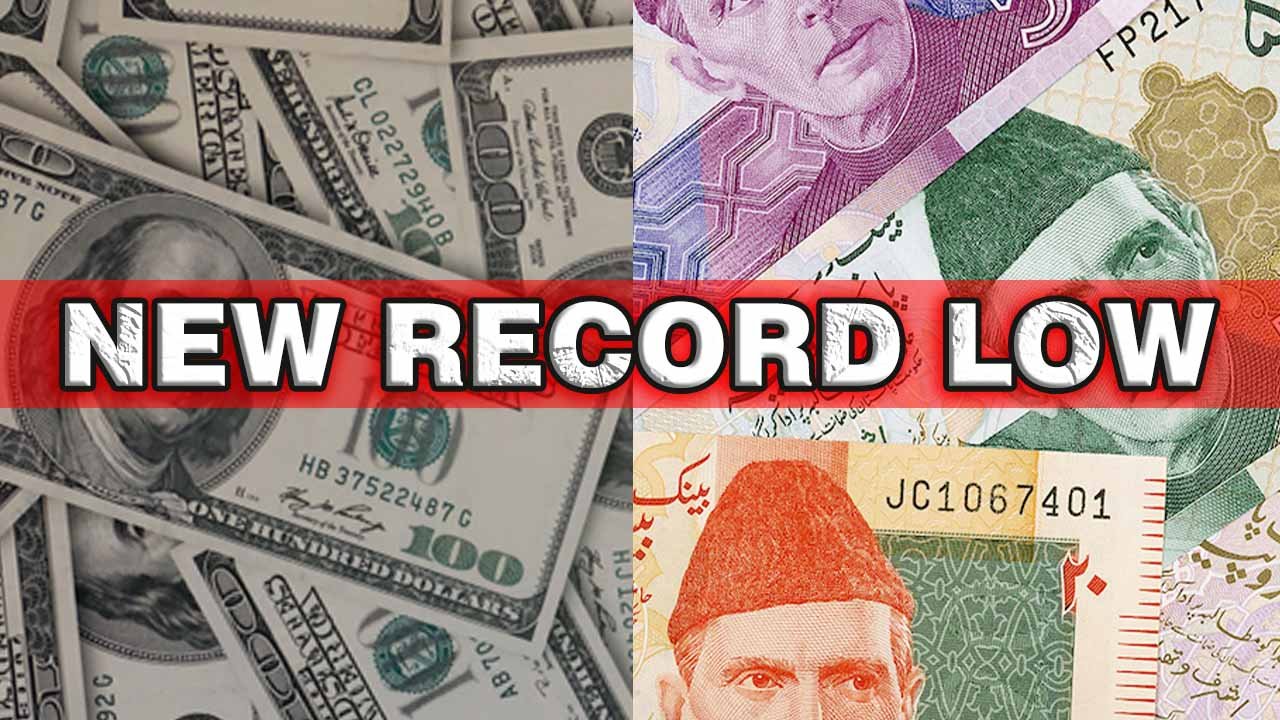
    In the interbank market on Tuesday, the Pakistani rupee (PKR) continued to weaken against the US dollar, losing PKR 1.4569 (0.48 per cent) on a day-over-day basis and ending the session at PKR 307.0996 per US dollar.

    On Monday, the Pakistani rupee experienced a slight decline against the US dollar, settling at Rs305.64 in the interbank market.

    The government has not yet finalised relief measures for the surging electricity bills of consumers, primarily due to disagreement between the federal government and the International Monetary Fund (IMF) regarding the provided data.

    On the international front, the US dollar remained strong on Tuesday, while the Australian dollar faced some pressure. Traders were closely monitoring the Reserve Bank of Australia’s upcoming interest rate decision, speculating that interest rates may have reached their peak.

  • Saudi Arabia to invest $25 billion in Pakistan over five years: PM Kakar

    Saudi Arabia to invest $25 billion in Pakistan over five years: PM Kakar

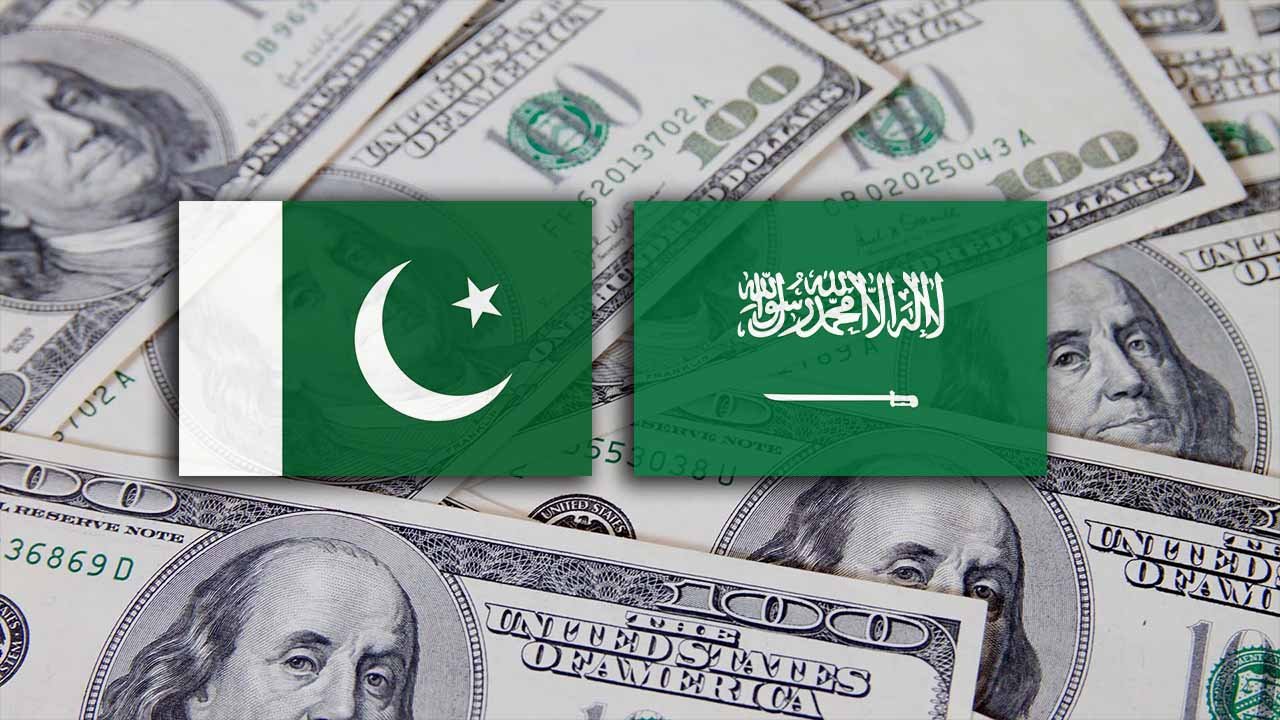
    On Monday, Interim Prime Minister Anwaar ul Haq Kakar announced that the Kingdom of Saudi Arabia (KSA) intends to invest a substantial sum of up to $25 billion in Pakistan over the next two to five years.

    During a media briefing, PM Kakar explained that Saudi Arabia’s investment focus will primarily encompass the mining, agriculture, and information technology sectors. This initiative aims to boost foreign direct investment in Pakistan, which is currently facing financial challenges. 

    If this investment materialises, it will mark the largest-ever commitment by Saudi Arabia to Pakistan. The country is grappling with a pressing need for funds to address its trade deficit and repay international loans in the ongoing fiscal year. 

    While specific projects earmarked for Saudi investment were not disclosed during the meeting, Barrick Gold Corp. expressed interest last month in partnering with Saudi Arabia’s wealth fund for the Reko Diq mine in Pakistan. 

    Kakar emphasised that Pakistan holds substantial untapped mineral resources valued conservatively at $6 trillion. Additionally, the government intends to expedite two privatisation transactions, likely involving state-owned power sector entities, within the next six months. There is also a plan to privatise another government-owned company, preferably outside the energy sector. 

    Read more: Business community finds hope as COAS Munir vows to tackle corruption and boost investment  

    It’s worth noting that privatisation efforts in Pakistan have faced challenges in the past, as the sale of state assets is a politically sensitive issue that previous elected governments have largely avoided. 

    Currently, Pakistan is navigating a challenging path to economic recovery under a caretaker administration, following the approval of a $3 billion loan plan by the International Monetary Fund in July, which prevented a sovereign debt default. Islamabad is confronted with a balance of payments crisis and requires substantial funds to rectify its trade deficit and settle outstanding debts.