Category: Business

The most important business news, explained in a young, easy to understand way. News that affects young career professionals.

  • Economic situation worse than expected, subsidies not feasible: Finance Minister

    Economic situation worse than expected, subsidies not feasible: Finance Minister

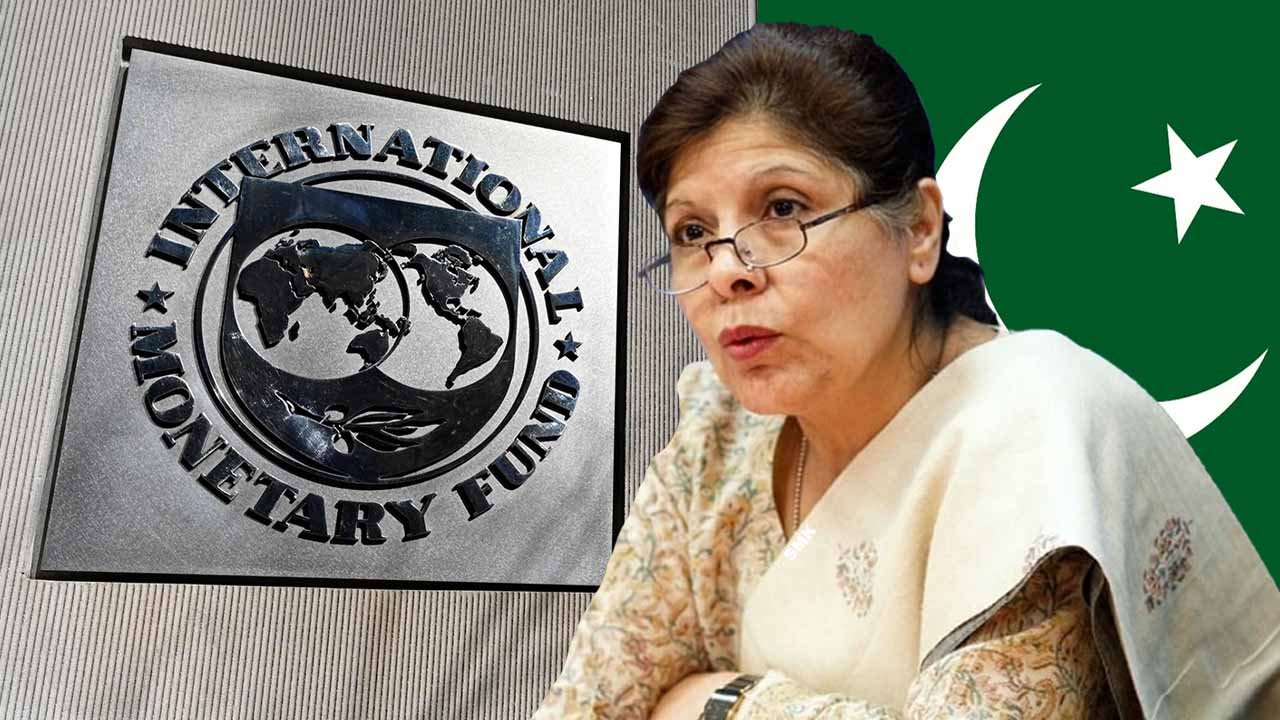
    In the midst of Pakistan’s ongoing battle with rising prices, the country’s interim Finance Minister, Shamshad Akhtar, issued a strong warning on Wednesday. She pointed out that Pakistan’s economic situation is even “worse” than expected, and the government can’t afford to provide subsidies to the public due to financial constraints.

    According to DAWN, Akhtar made these comments during a meeting of the Senate’s Standing Committee on Finance. She explained that the current government had inherited a programme from the International Monetary Fund (IMF) that couldn’t be changed.

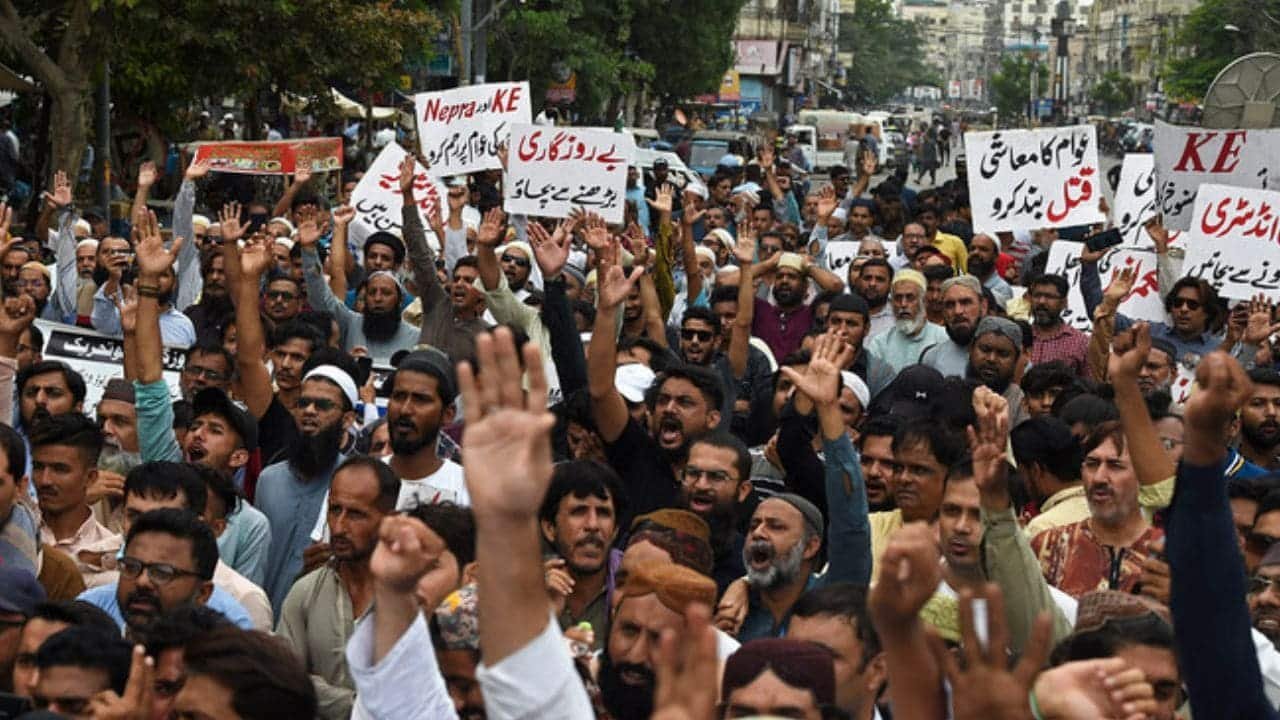
    This announcement comes at a time when Pakistan is facing high living costs, especially expensive electricity bills that have led to protests across the country.

    The government has struggled to find ways to help while also maintaining good relations with the IMF. The caretaker government, which is temporarily in charge, hasn’t been able to come up with clear solutions to ease the situation.

    In a recent meeting chaired by Caretaker Prime Minister Anwaar ul Haq Kakar, the government expressed that it’s not sure how to solve the issue. They even discussed the possibility of letting people pay their electricity bills in smaller portions over time, but this would need permission from the IMF.

    Interim Information Minister Murtaza Solangi mentioned that discussions are ongoing with the IMF to find relief measures for people struggling with high electricity bills. An official announcement about this is expected soon.

    However, it’s important to note that even if the option of paying bills in smaller portions is pursued, it still needs approval from the IMF. This underscores the IMF’s influence on Pakistan’s economic decisions.

    Minister Akhtar, while speaking to the Senate’s Standing Committee on Finance, highlighted the substantial losses faced by government institutions. She stressed the need to sell off some government-owned assets to alleviate financial pressure. Currently, a large portion of Pakistan’s tax earnings goes toward repaying debt. Moreover, the Pakistani rupee is facing challenges due to a shortage of dollars coming in and a high amount going out of the country.

    Akhtar also expressed concern that if Pakistan doesn’t follow the IMF’s agreement, the country might stop receiving dollars, leading to an even worse economic situation. She admitted that the government has taken actions that weakened the economy. She mentioned that the Federal Board of Revenue is not collecting as much as it should while expenses remain high.

    The finance minister clarified that the caretaker government doesn’t have unlimited power. They are restricted in their actions and must work within those limits.

    She also pointed out that any changes to the existing IMF agreement, made by the previous government, are not possible for the current administration. She mentioned that the government is considering reducing benefits for the wealthy, and a detailed update on the economy will be provided to the committee within a week.

    Before the finance minister’s comprehensive briefing, several committee members expressed concerns about the rising value of the dollar and the high electricity bills. Senator Kamil Ali Agha insisted that taxes added to electricity bills should be removed immediately, arguing that the entire country shouldn’t suffer due to a few people’s actions.

  • Pakistan to import 100,000 tonnes of sugar from Brazil due to high prices, shortage

    Pakistan to import 100,000 tonnes of sugar from Brazil due to high prices, shortage

    With the price of sugar skyrocketing in the market, aided by the exploitative practices of the sugar mill cartel, and the commodity facing scarcity, a decision has been reached to import 100,000 metric tonnes of sugar from Brazil.

    The Trading Corporation of Pakistan has formally communicated its intention to procure sugar from the South American nation. This comes as a reversal of trends, considering that sugar had been exported back in June; however, preparations are now underway for its import in September.

    Nevertheless, there are concerns that the price of sugar might surge further in the market following its import. It is anticipated that sugar could reach a staggering Rs200 per kilogramme.

    Insider sources have disclosed that the country is grappling with a significant shortage of sugar after its previous export. In November 2022, sugar was priced at Rs91, but following its export, the price catapulted to Rs180. The impending import of 100,000 metric tonnes is feared to exacerbate the price increase.

    Speaking on the issue, Food Secretary Zaman Wattoo revealed that the recent surge in sugar prices has collectively burdened the masses with an additional cost of Rs47 billion.

    Meanwhile, the price of sugar persistently climbs, now touching the Rs170 per kilogramme mark in the retail sector. Over a span of just four days, the price has gradually escalated by Rs10 per kilogramme.

    At the wholesale level, sugar is valued at Rs16,400 per 100 kilogrammes. Different sugar mills are offering rates ranging from Rs15,800 to Rs16,600 per 100 kilogrammes.

    According to Samaa, despite the ongoing dynamics, there is still no officially defined market rate for sugar, leaving room for potential further spikes in pricing. Furthermore, considering the current market conditions, the export of sugar has been placed under a temporary prohibition.

  • IMF demands detailed electricity bill relief plan from Pakistan amid nationwide unrest

    IMF demands detailed electricity bill relief plan from Pakistan amid nationwide unrest

    The International Monetary Fund (IMF) has asked Pakistan to provide a written plan for relief in electricity bills amidst ongoing nationwide protests. 

    The caretaker government’s decision to seek approval from the IMF before announcing any consumer relief led to a federal cabinet meeting on Tuesday, chaired by interim Prime Minister Anwaarul Haq Kakar. 

    Despite discussing options, the meeting concluded without unveiling any measures. The Power Division had shared proposals with authorities, but the strict conditions of the IMF loan necessitated involving the lender first. 

    Pakistan’s $3 billion loan agreement with the IMF in July involved adhering to stringent financial discipline. The current surge in electricity rates, approved by the previous government, is reflected in bills. 

    According to Geo, Finance Minister Shamshad Akhtar held a virtual meeting with IMF representative Esther Perez, discussing relief measures and the ongoing protests. While the Pakistani team submitted various relief proposals, the IMF officials requested a written plan, expected to be shared soon. 

    Additionally, the Federal Board of Revenue (FBR) engaged with the IMF on tax collection in July, with plans for further discussions in the coming days. 

  • Toyota resumes production after system malfunction halts operations 

    Toyota resumes production after system malfunction halts operations 

    Toyota Motor is set to resume production at its assembly plants in Japan on Wednesday after a recent system malfunction forced a halt in domestic production. The disruption not only affected the world’s largest-selling automaker but also caused disruptions across its supply chain.

    Toyota’s plans to restart operations across 25 production lines in twelve plants within its home market are scheduled to begin on Wednesday morning. The last two plants will come back online in the afternoon.

    The automaker is currently investigating the root cause of the system failure, which prevented Toyota from procuring the necessary components for its production.

    This setback impacted approximately one-third of Toyota’s global production capacity. Toyota’s domestic production was in the process of recovering from output cuts attributed to semiconductor shortages.

    Toyota experienced a 29 per cent increase in output during the first half of the year, marking its first such growth in two years.

    Industry experts have pointed out the challenge Toyota faces in making up for the production loss due to the system outage. One potential strategy could be running extra shifts, although the automaker was already operating at full capacity.

    The system failure also had a cascading impact on other companies within the Toyota Group. Toyota Industries, a group firm, reported partial suspension of operations at two engine plants due to the automaker’s system glitch.

    This incident shed light on Toyota’s reliance on just-in-time inventory management, which aims to minimize costs but leaves the company vulnerable to supply chain disruptions.

    While the exact cause of the malfunction is still being investigated, it underscores the sensitivity of modern manufacturing processes to unforeseen interruptions.

    The broader context in Japan includes reports of harassing phone calls received by businesses and government offices, possibly due to geopolitical factors. These calls have been linked to China and the decision to release treated radioactive water from the damaged Fukushima nuclear power plant into the Pacific Ocean.

  • Installment plans introduced for power consumers struggling with full bill payments

    Installment plans introduced for power consumers struggling with full bill payments

    In a strategic move aimed at addressing the protests triggered by soaring electricity bills and alleviating the burden on citizens, Dr Muhammad Amjad Khan, Chief Executive of the Islamabad Electric Supply Company (IESCO), has issued a comprehensive directive. This directive mandates all IESCO offices to introduce installment plans tailored to assist customers who are facing challenges in paying their electricity bills in full.

    Against the backdrop of mounting public outcry, Dr Khan’s proactive step aims to alleviate the financial burden on power consumers. These installment plans are envisioned to provide customers with a respite, allowing them to manage their electricity bill payments more effectively while maintaining their financial stability.

    To further enhance customer convenience, IESCO has also taken the initiative to extend the due dates for electricity bill payments. This calculated move underscores the company’s commitment to accommodating the unique challenges faced by its customers.

    Dr Amjad Khan underscored the importance of open communication, urging IESCO’s patrons to engage with the relevant Sub-Divisional Offices, Revenue Offices, or Customer Service Centers for any concerns related to their bills. This approach underscores IESCO’s dedication to ensuring customer satisfaction and resolving any uncertainties promptly.

    Nevertheless, this considerate move coincides with ongoing protests across the nation, ignited by grievances against inflated electricity bills. Demonstrators, who have congregated outside the IESCO office in Rawalpindi for the past four days, have now rallied in various cities, including Sargodha, Hafizabad, Vehari, and Hyderabad.

    In response to the heightened tensions, IESCO officials have taken precautions by involving the local police to bolster security measures. This step is aimed at safeguarding the well-being of both the demonstrators and IESCO’s employees.

    The protestors have been resolute in their demands, seeking a reduction in the substantial charges or even pledging to withhold bill payments until their concerns are heard. These demonstrations, set against a backdrop of broader economic challenges and escalating inflation, reflect the mounting frustrations of citizens grappling with financial hardships.

    The protestors hail from diverse backgrounds, encompassing members of civil society, men and women alike, traders, farmers, and representatives from legal and business sectors. This broad participation underscores the pervasive concern and unified front against economic difficulties and price hikes.

    As electricity prices continue their upward trajectory and taxes weigh heavily on citizens, these widespread demonstrations emphasise the pressing need to address economic grievances.

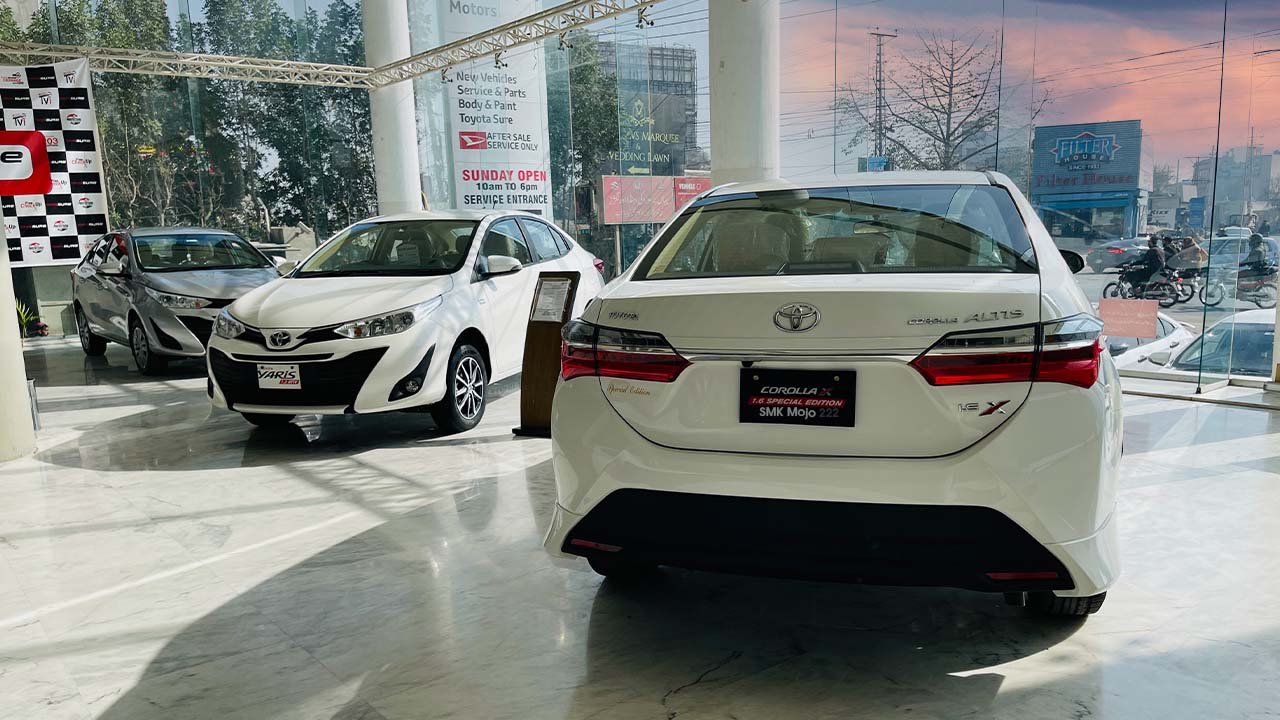
  • High interest rates and taxes lead to 20.90% drop in car financing in Pakistan

    High interest rates and taxes lead to 20.90% drop in car financing in Pakistan

    In a notable shift, the landscape of automobile financing in Pakistan has undergone a substantial transformation, with figures from the State Bank of Pakistan (SBP) indicating a significant decline. The data, released by SBP, unveils a marked decrease in car financing, plummeting to Rs285.19 billion in July 2023. This represents a notable 20.90 per cent year-on-year (YoY) decrease and a 2.91 per cent month-on-month (MoM) decrease when compared to the figures from July 2022, which stood at Rs360.55 billion, and June 2023, which registered at Rs293.73 billion.

    The primary contributors to this downward trajectory are multi-faceted. Firstly, the imposition of higher interest rates has played a pivotal role in reshaping the car financing landscape. Additionally, the surge in car prices has also contributed significantly to this downturn. Moreover, regulatory restrictions governing the acquisition of loans have created a notable barrier, further impacting the market. Furthermore, the imposition of elevated taxes on the import of automobiles and their integral parts has compounded the challenges faced by the automobile financing sector.

    Contrastingly, in a separate but related sphere, consumer financing for house building displayed a contrasting narrative. SBP’s data reveals that by the conclusion of July 2023, consumer financing for house building registered at Rs211.11 billion, marking a commendable 4.82 per cent YoY increase. According to Mettis Global, this uptick can largely be attributed to SBP’s proactive measures to stimulate the housing and construction sector within the nation. However, in terms of monthly changes, the figures remained relatively static, with a minor decline of 0.57 per cent.

    Meanwhile, financing for personal use, amounting to Rs250.24 billion, experienced a marginal 0.09 per cent YoY decrease. Similarly, on a monthly basis, financing within this category saw a slight downturn of 0.95 per cent. Consequently, the cumulative credit extended to consumers in various segments reached Rs851.22 billion during the assessment month. This overall credit value reflected a notable 4.70 per cent YoY decline and a 0.99 per cent MoM reduction.

    Furthermore, the credit scenario within the private sector depicted a nuanced picture. Outstanding credit to the private sector encountered a minor 0.06 per cent YoY decrease and a slightly more pronounced 1.12 per cent MoM reduction, resting at Rs8.19 trillion in July 2023. In contrast, loans granted to the manufacturing sector exhibited an encouraging 1.12 per cent YoY increase, amounting to Rs4.48 trillion during the review period. However, on a monthly scale, the loans within the manufacturing sector dipped by 1.44 per cent MoM.

    In summation, the marked decline in car financing, as evidenced by SBP’s recent data, underscores the multifaceted challenges that the automobile financing sector in Pakistan is currently grappling with. While interest rates, car prices, and regulatory curbs have contributed to this downward trend, other sectors such as house building and manufacturing loans have demonstrated distinct trajectories. As the nation navigates through these financial dynamics, stakeholders remain vigilant in monitoring and adapting to these evolving circumstances.

  • Petrol and diesel prices expected to surpass Rs300 per litre this week

    As global oil rates surge and the rupee’s value against the US dollar weakens, there are growing indications that petrol and diesel prices in Pakistan could soon breach the significant Rs300 mark. The Oil and Gas Regulatory Authority (Ogra) is reportedly contemplating recommending a substantial increase in petroleum product prices for the upcoming fortnight, in an attempt to address the challenges posed by these economic dynamics.

    Sources indicate that if the proposal is approved, petrol prices might experience a sharp upswing of around Rs12 per litre, while diesel could see an even more substantial increase of Rs14.83 per litre. These potential hikes, set to take effect from September 1, 2023, have sparked concerns about their impact on the already high inflation rate, which currently stands at 28 per cent.

    A senior official from the Energy Ministry has expressed apprehensions regarding the potential consequences of these price adjustments. Balancing the need to mitigate citizens’ financial burdens with the demands of existing agreements, the government is grappling with a challenging decision. Notably, any attempt to counteract the price hikes could put the caretaker government in a precarious situation, as it might be perceived as a default on the International Monetary Fund’s (IMF) stipulations tied to a $3 billion standby agreement (SBA) loan.

    The depreciation of the rupee against the dollar has further fueled the need for these adjustments. With the dollar’s value reaching Rs301.75 in the interbank market and around Rs319 in the open market, the impact on petroleum prices is undeniable. The authorities have decided to recalibrate their calculations, opting for a dollar rate of Rs299 to account for the recent Rs12 exchange rate impact.

    Beyond the exchange rate, the recent surge in LC (letter of credit) confirmation charges, marked by a 10 per cent increase, has also played a role in pushing petroleum prices upwards. These charges have contributed to the overall increase in the cost of PSO (Pakistan State Oil) petroleum products. Presently, Mogas (motor gasoline) is priced at Rs290.45 per litre; however, this could rise by Rs12 per litre if the recommendations are greenlit. Similarly, the price of HSD (high-speed diesel) might surge from Rs293.40 per litre to Rs308.23 per litre, assuming the proposed Rs14.83 increase goes into effect.

    According to The News, of particular concern is the potential hike in diesel prices, given its primary use in powering heavy transport vehicles, trains, and various agricultural engines. This ripple effect could raise the cost of essential commodities, putting pressure on consumers’ wallets. 

    On the other hand, a surge in petrol prices would directly affect private transportation, rickshaws, two-wheelers, and small vehicles, disproportionately impacting the budgets of middle and lower-middle-class citizens. The impending decision on petroleum prices presents a delicate challenge for the government, requiring a careful balance between economic realities, inflation concerns, and public sentiment.

  • Fact check: Islamabad Police confirm elderly protester is safe, debunking suicide rumours

    Fact check: Islamabad Police confirm elderly protester is safe, debunking suicide rumours

    In the midst of ongoing nationwide protests against escalating electricity bills, rumours of a tragic incident have emerged, capturing the attention of social media users and news outlets alike. A post that quickly gained traction depicted an elderly man, purportedly driven to despair by soaring electricity prices, who tragically took his own life by jumping off a bridge in Rawalpindi.

    The accompanying image showed the man lying on the road, an electricity bill resting on his chest. However, an investigation by the Islamabad Police has since confirmed that these claims are false.

    The viral post elicited an outpouring of sympathy and concern from prominent social media figures and digital news platforms, who shared the purported tragedy with deep sadness. However, as the post gained momentum, it also caught the attention of the Islamabad Police. Responding to the viral news, the authorities swiftly addressed the situation, clarifying that the incident as portrayed never occurred.

    In an official statement, the Islamabad Police stated, “The case of an elderly citizen jumping from a bridge has been circulating on social media. However, there is no truth to this news. While the elderly citizen did fall during the protest, he later safely returned home. Videos of this incident went viral among citizens on social media platforms. It’s important for citizens to refrain from disseminating such false information and instead report any suspicious activities by calling 15.”

    This incident serves as a reminder of the critical role that accurate information plays in shaping public perception and understanding of events. As protests continue to unfold across Pakistan, staying vigilant against the spread of unverified news is paramount to upholding the integrity of the ongoing discourse.

    Read more: Taxes in your electricity bill: What Pakistanis are paying and what for?

    It is crucial for both individuals and media outlets to exercise responsible reporting, ensuring that the facts are presented accurately and without distortion.

  • Taxes in your electricity bill: What Pakistanis are paying and what for?

    Taxes in your electricity bill: What Pakistanis are paying and what for?

    Protests against exorbitant electricity prices continued to grip Pakistan as consumers from all corners of the country voiced their frustration by burning electricity bills and chanting slogans denouncing overcharging. With Pakistan facing a severe economic crisis and inflation rates surging to a staggering 29 per cent, citizens are grappling with the overwhelming impact of inflated electricity costs.

    The outcry has intensified as incumbent authorities adhering to an IMF deal have slashed power sector subsidies, resulting in unprecedented price hikes that have burdened already inflation-weary citizens. The new pricing structure has set electricity rates at a record high, significantly affecting the cost of living for the nation’s over 240 million inhabitants.

    Central to the grievances is the manner in which electricity bills are calculated. The basic charge is linked to kilowatt-hours (kWh) or units consumed, a component that carries an array of additional taxes. These taxes, directly borne by the masses, have contributed to the mounting frustration felt by the population.

    An individual from Gujranwala recently shared an eye-opening example of the impact of these charges. Despite consuming around 212 units in the previous month, he received an electricity bill of Rs10,500, while the cost of the electricity consumed was merely around Rs6,400. The disparity between consumption and billing has drawn attention to the various components contributing to the final cost.

    For those consuming slightly over 200 units, the Fuel Price Adjustment (FPA) accounts for approximately Rs250. This adjustment is contingent on the price of the fuel used in electricity generation. If the cost of fuel rises during power generation, WAPDA (Water and Power Development Authority) levies an additional charge in subsequent billing cycles.

    Breaking down the bill further, it reveals a complex web of charges. An electricity duty of around Rs100 is imposed, accompanied by a General Sales Tax (GST) of Rs1,316.

    Additional charges include Income Tax amounting to Rs900 and Extra Taxes totaling Rs366. The bill also features a peculiar charge of Rs227 labeled as ‘Further Taxes,’ which has prompted criticism from citizens questioning its purpose and transparency.

    Additional charges on the bill encompass Rs365 for Sales Tax, Rs680 for Financing Cost Surcharge (FC Surcharge), and Rs115 designated as ‘Taxes on FPA.’ Notably, non-filers of income tax are subjected to supplementary charges on their utility bills.

    As confusion mounts among consumers regarding the breakdown of charges, it is imperative for electricity consumers to comprehend the various taxes levied on their monthly bills. Diverse categories of consumers are subject to a range of taxes, duties, and surcharges, contributing to the complex structure of electricity pricing in Pakistan.

    Below is a list of the taxes and levies imposed on electricity consumers in Pakistan:

    Electricity Duty: Ranging from 1.0 per cent to 1.5 per cent of Variable Charges, this provincial duty is levied on all consumers.

    General Sales Tax (GST): At a rate of 17 per cent of the electricity bill, GST is levied on all consumers under the Sales Tax Act 1990.

    PTV License Fee: Domestic consumers pay Rs35, while commercial consumers pay Rs60 as PTV license fee in their electricity bills.

    Financing Cost Surcharge: This surcharge of Rs0.43 per kWh applies to all consumer categories except lifeline domestic consumers.

    Fuel Price Adjustment (FPA): FPA represents the difference between actual fuel charges and reference fuel charges. Positive variation leads to a charge, while negative variation benefits the consumer.

    Extra Tax: Imposed on industrial and commercial consumers not registered in the active taxpayer list, rates range from 5 per cent to 17 per cent based on different bill amount slabs.

    Further Tax: Levied at a 3 per cent rate on all consumers without a Sales Tax Return Number (STRN), except for domestic, agriculture, bulk consumers, and street light connections.

    Income Tax: Charged at varying rates depending on the applicable tariff and the electricity bill amount.

    Sales Tax: Commercial consumers face a 5 per cent sales tax on bills up to Rs20,000 and a 7.5 per cent tax on bills exceeding Rs20,000.

    With public discontent on the rise, authorities are urged to address the concerns of citizens and seek a balanced approach that mitigates the impact of these charges on the already struggling populace.

    As the nation grapples with economic uncertainties, finding a solution that eases the burden on citizens while ensuring the sustainability of the power sector remains a pressing challenge.

  • Planning to travel on the motorway? You’ll be paying more for it now

    Planning to travel on the motorway? You’ll be paying more for it now

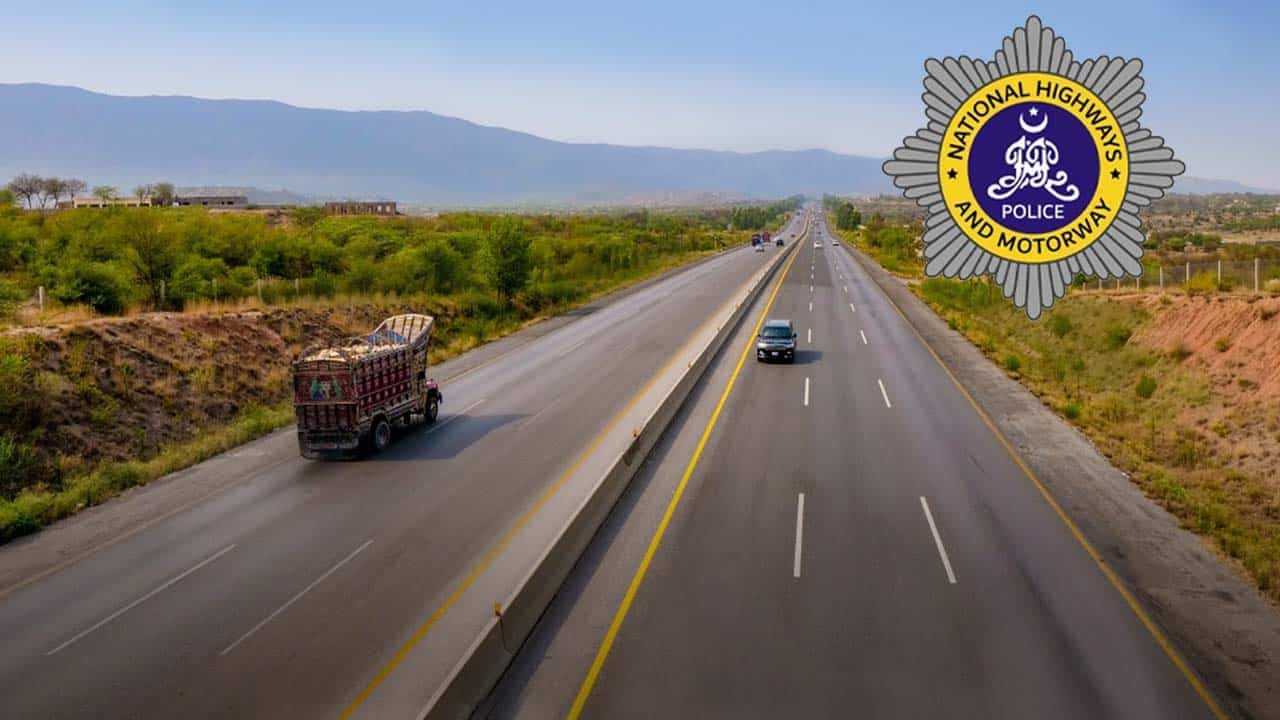
    The toll tariff for the Lahore-Islamabad Motorway (M2) underwent a 10 per cent increase, with the new rates becoming effective starting from Saturday, August 26th, 2023.

    The decision to revise the toll rates comes as the National Highways Authority (NHA) releases an official notification, citing the execution of a concession agreement with M/s Motorway Operations and Rehabilitation Engineering (Private) Limited, a subsidiary owned by the Frontier Works Organisation (FWO). 

    The agreement, which was formalised on April 23, 2014, pertains to the modernisation and overlay of the Lahore-Islamabad Motorway (M-2) under the Build-Operate-Transfer (BOT) framework. The agreement spans two decades.

    As per the terms stipulated in the concession agreement, an escalation of 10 per cent in toll rates is set to be implemented from the second operational year onward. Thus, from the 26th of August 2023 to the 25th of August 2024, the revised toll rates are set to take effect.

    According to the official notice provided by the NHA, the revised toll rates are outlined as follows:

    • Car/Jeep/Pickup: Rs1,100, equivalent to Rs3.07 per km
    • Van: Rs1,840, equivalent to Rs5.15 per km
    • Coaster: Rs2,590, equivalent to Rs7.22 per km
    • Coach: Rs3,690, equivalent to Rs10.29 per km
    • Truck: Rs4,800, equivalent to Rs13.39 per km
    • Trailer: Rs6,170, equivalent to Rs17.22 per km

    The decision to raise toll rates by 10 per cent reflects the ongoing economic trends in Pakistan, where a range of commodities and services have experienced notable price increments. 

    The revised toll rates are envisaged to contribute to the sustainability and enhancement of the Lahore-Islamabad Motorway infrastructure, supporting ongoing operational and maintenance efforts.

    As Pakistan grapples with economic dynamics, this adjustment in toll rates underscores the authorities’ focus on maintaining and improving critical transportation networks across the country.