Category: Business

The most important business news, explained in a young, easy to understand way. News that affects young career professionals.

  • PM Kakar sets 48-hour deadline for relief plan amid electricity bill protests

    PM Kakar sets 48-hour deadline for relief plan amid electricity bill protests

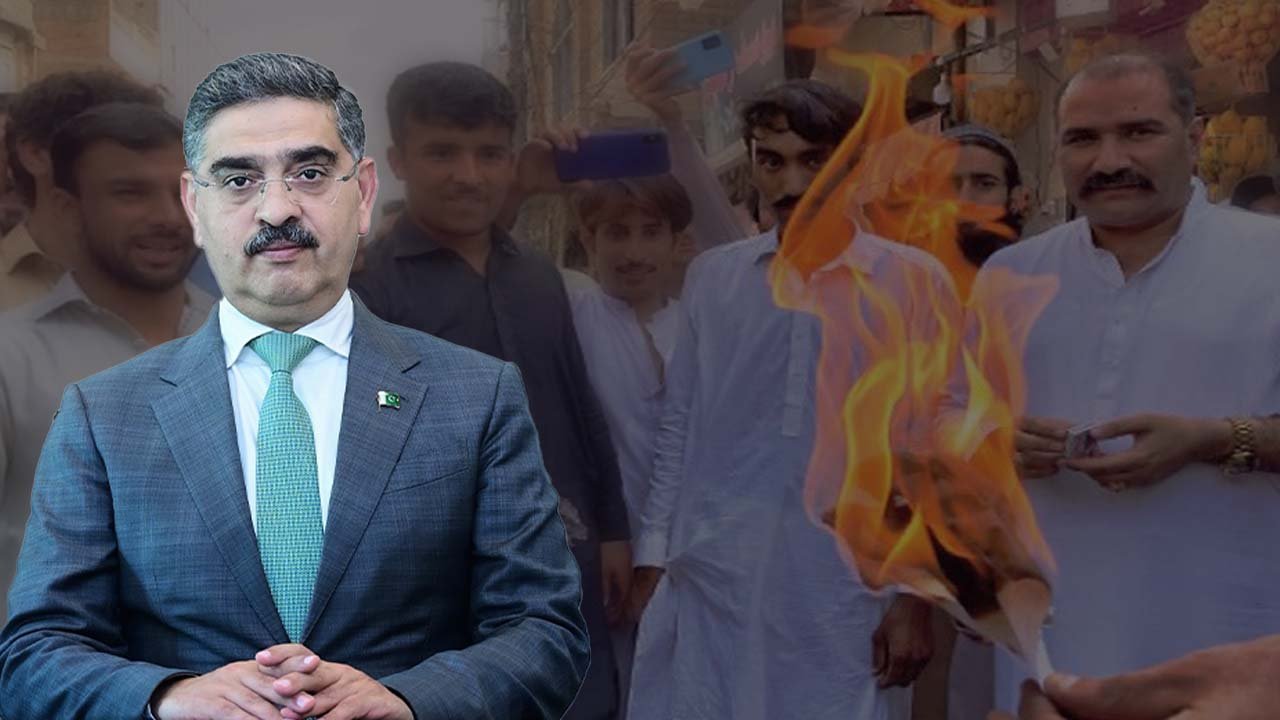
    Amid escalating protests across the nation demanding relief from inflated power bills, Caretaker Prime Minister Anwaar ul Haq Kakar has taken proactive steps to address the pressing issue. In response to the ongoing unrest, Prime Minister Kakar convened a high-level meeting yesterday to strategise and formulate a comprehensive relief plan within the next 48 hours.

    The focal point of the meeting was an informative briefing provided by the Power Division, shedding light on the notable increase in power bills during the month of July. Attended by esteemed members of the interim cabinet, including Dr Shamsad Akhtar, Dr Gohar Ijaz, and the PM’s advisor, Dr Waqar Masood, the meeting aimed to address the mounting concerns over the substantially high electricity bills. There are growing fears that if swift action is not taken, the situation could spiral into widespread public protests and potentially even riots.

    In the aftermath of the meeting, PM Kakar took to social media to communicate the intended course of action. “The Ministry of Energy and the Ministry of Finance have been tasked with collaboratively devising an action plan aimed at providing relief to the public with regard to their electricity bills,” announced the Prime Minister, reiterating the government’s commitment to addressing the pressing issue.

    Beyond seeking immediate measures to curtail electricity consumption on government premises, Prime Minister Kakar emphasised that consultations would be initiated with all provincial representatives. He further assured the public that the caretaker government was resolute in its commitment to providing the maximum possible relief while remaining within its designated mandate.

    The Caretaker Minister for Information and Broadcasting, Murtaza Solangi, echoed the Prime Minister’s sentiments by sharing the key outcomes of the meeting via social media. He conveyed that PM Kakar had stressed the urgency of devising an action plan within the next 48 hours to alleviate the mounting financial burden caused by excessive charges on electricity bills. The Prime Minister’s emphasis was on implementing measures that wouldn’t have a detrimental impact on the national exchequer yet would genuinely alleviate the financial strain on consumers.

    The meeting concluded with a comprehensive commitment to tackle electricity theft, roll out energy-efficient initiatives, and initiate dialogue with provincial chief ministers regarding the substantial charges incurred in July. The meeting also included detailed briefings on pertinent issues within the electricity sector and strategies to counteract electricity theft.

    Against the backdrop of sustained protests, political parties from diverse backgrounds have voiced their concerns and demands. Jamaat-e-Islami has taken a decisive step by announcing a nationwide strike on September 2 as a means of voicing their discontent with the drastic surge in electricity bills. The party’s leader, Siraj-ul-Haq, articulated his intention to mobilise people across the country to participate in these protests, lamenting the financial hardship faced by salaried individuals due to soaring living costs.

    According to Brecorder, adding to the chorus of concerns, MQM-P leaders have issued a stern warning that the ongoing protests could rapidly escalate into violent riots if prompt relief measures are not taken. Farooq Sattar, Senior Deputy Convener of MQM-P, highlighted the burden of multiple taxes contributing to the high electricity bills, underscoring the palpable frustration among the populace.

    As the nation anticipates the proposed relief plan within the stipulated 48-hour timeframe, the government’s actions in response to the mounting crisis will significantly shape the trajectory of the ongoing protests and public sentiment at large.
  • PM Kakar highlights the positive aspect of Pakistanis going abroad for ‘better opportunities’

    PM Kakar highlights the positive aspect of Pakistanis going abroad for ‘better opportunities’

    The issue of emigration from Pakistan has gained significant traction as more than 450,000 Pakistanis have departed the country in pursuit of improved job prospects overseas during the first half of 2023. Caretaker Prime Minister Anwaar ul Haq Kakar addressed this pressing concern, emphasising the dual nature of this trend as both a challenge and an opportunity for the nation.

    Speaking to an audience at the University of Harvard’s interactive session in Islamabad, Prime Minister Kakar acknowledged the historic pattern of individuals leaving Pakistan in search of better livelihoods abroad. He highlighted the positive contributions that these expatriates make to the country through remittances, underscoring the integral role they play in supporting their families and contributing to Pakistan’s economy.

    Amid discussions about Pakistan’s desire for a constructive long-term partnership with the United States, the premier also turned the spotlight on the phenomenon of emigration. He stressed that the exodus of individuals seeking better opportunities was a recurrent trend and not exclusive to the present time. Prime Minister Kakar further asserted that the pursuit of a better life beyond national borders was a valid aspiration, echoing the sentiment that the success of these individuals, whether at home or abroad, was of paramount importance.

    Prime Minister Kakar’s address touched upon the challenges posed by high expenditures and limited resources in Pakistan. In this context, he emphasised that democracy served as a cornerstone of the nation’s strength and resilience. He commended the Pakistani populace for their ability to navigate crises with determination.

    The premier’s discourse extended to the issue of unemployment, which he identified as a concern shared by individuals both within the country and those who have sought opportunities abroad. However, Prime Minister Kakar also shed light on the positive aspects of this migration trend.

    “This is not only a challenge but also an opportunity, as these individuals bring benefits to the country through remittances,” Kakar said.

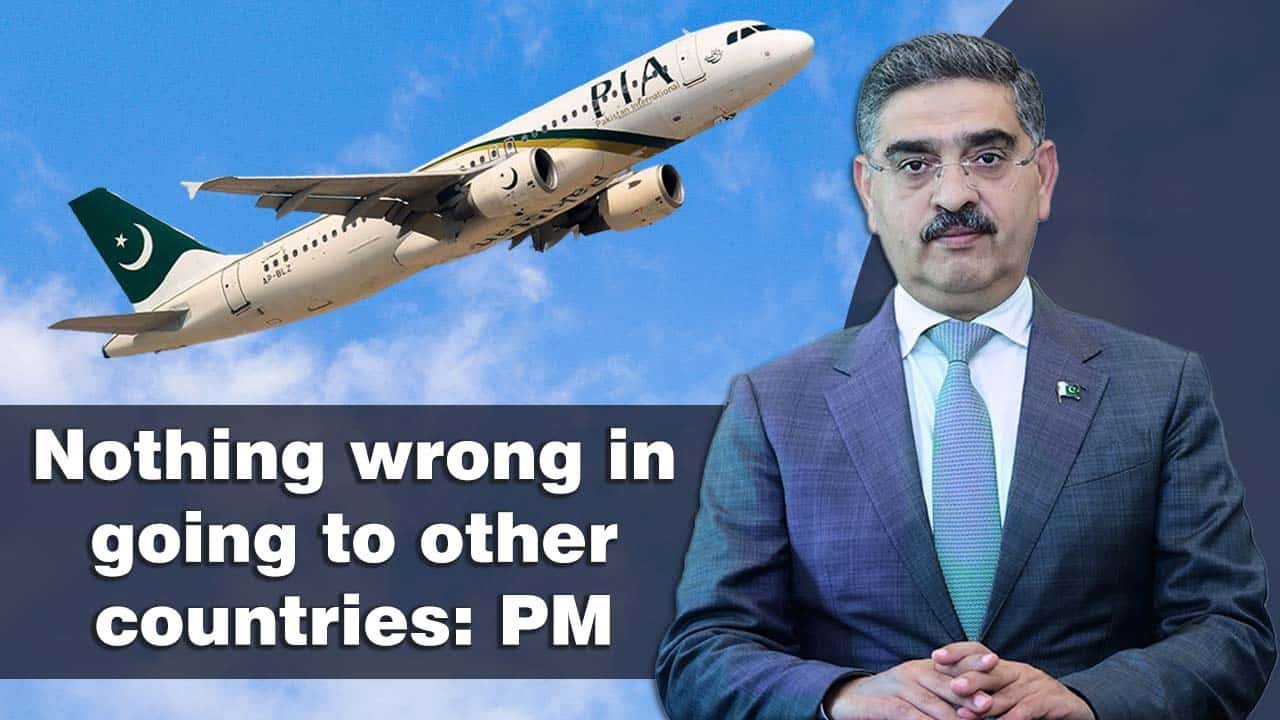
    “It is not wrong for them to go to other countries in search of better opportunities,” he said, adding that when individuals return to Pakistan, they bring not only financial assets but also valuable professional skills, enriching the country’s human capital.

    While the emigration trend remains a matter of significance, Prime Minister Kakar drew attention to the historical context. In the past, the country has witnessed varying levels of emigration, with the highest numbers recorded in 2015 and 2016. He underlined that this movement was a testament to individuals’ quest for better prospects and should be understood in that light.

  • PM calls emergency meeting as public outcry grows over high electricity bills

    PM calls emergency meeting as public outcry grows over high electricity bills

    On Saturday, people residing in various areas of the country openly expressed their deep sense of despair and frustration due to the shockingly high electricity bills they had received.

    Some individuals even went so far as to issue veiled threats of organising protests and, in more extreme cases, initiating a campaign of civil disobedience. These actions were contingent on the condition that the additional taxes included in the bills were not waived.

    The intensity of these emotionally charged reactions prompted the caretaker Prime Minister, Anwaar ul Haq Kakar, to swiftly convene an emergency meeting at the Prime Minister’s residence. This urgent gathering is scheduled to take place on the subsequent day, Sunday.

    Clarifying the purpose of the meeting, the premier stated, “In the meeting, a briefing will be taken from the ministry of power and distribution companies, and consultations will be held regarding giving maximum relief to consumers regarding electricity bills.”

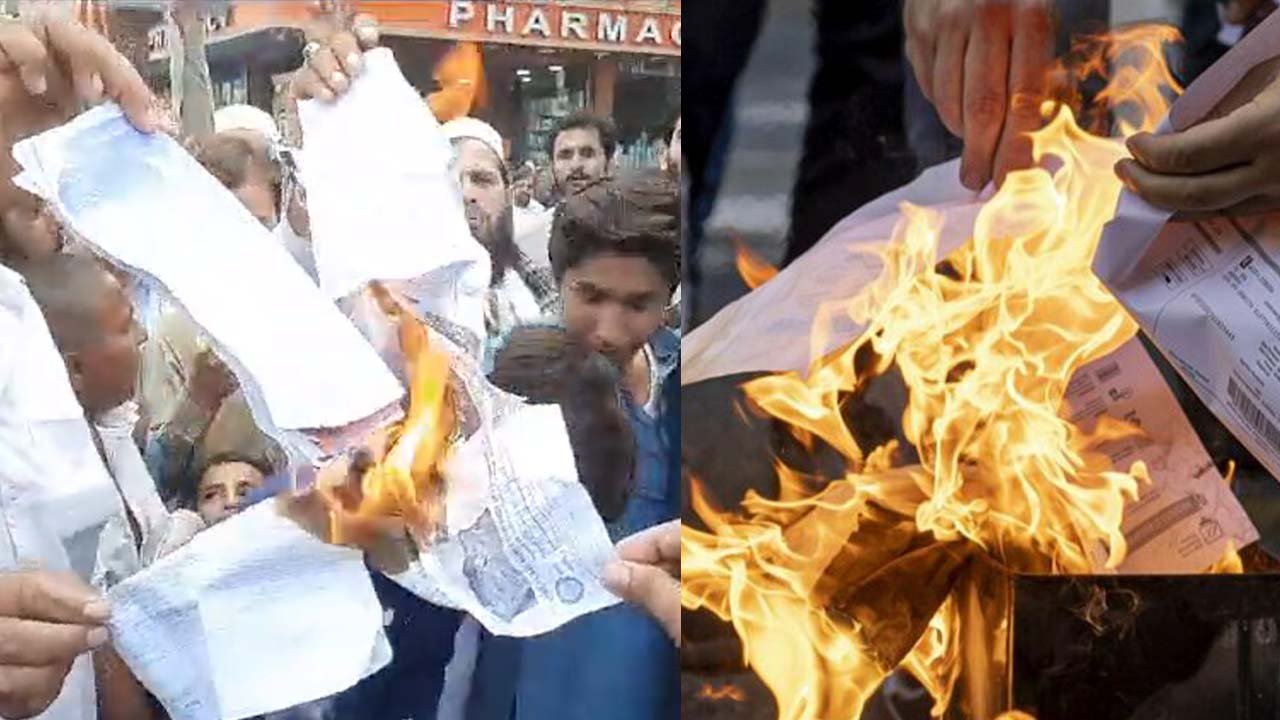
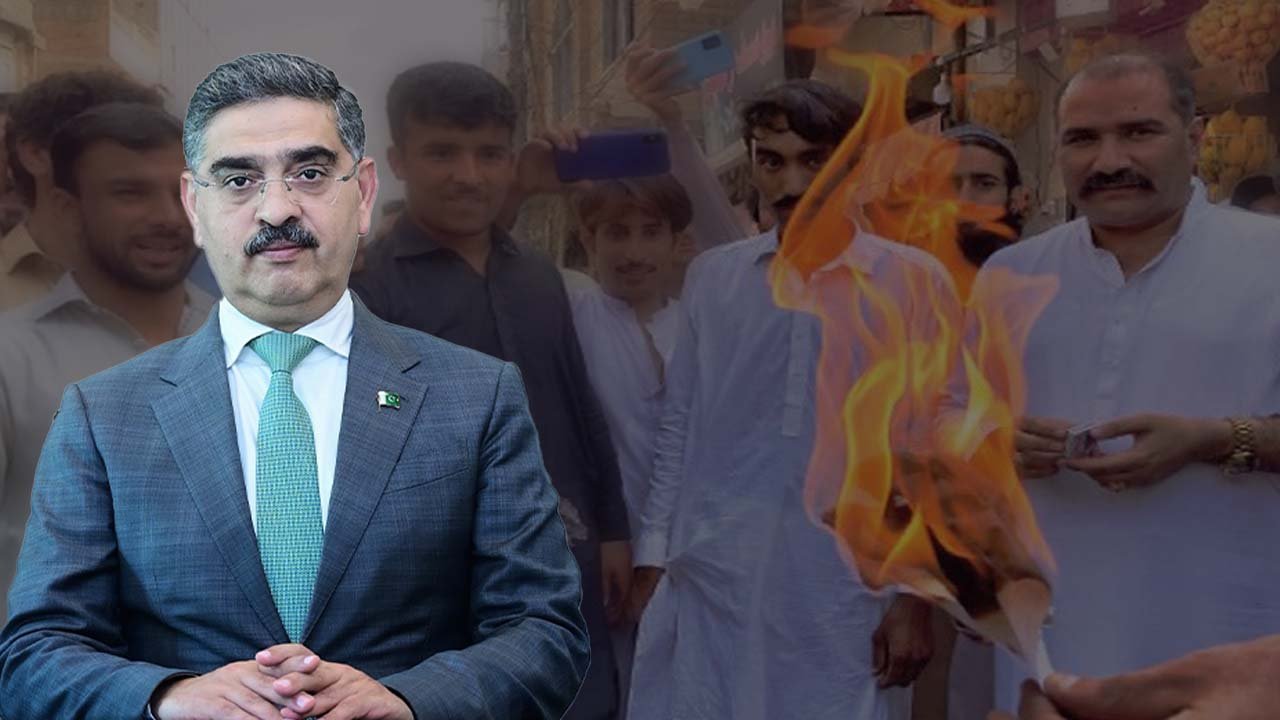
     Protests took place in several cities including Islamabad, Rawalpindi, Multan, Rahim Yar Khan, Gujranwala, Narowal, Kasur, Attock, Sargodha, Peshawar, Haripur, and numerous other cities across the nation. Numerous videos were shared on social media, depicting individuals burning their electricity bills and chanting slogans against power companies.

  • Over 500 personnel deployed by Rawalpindi police to provide security for IESCO and WAPDA employees amid protests

    Over 500 personnel deployed by Rawalpindi police to provide security for IESCO and WAPDA employees amid protests

    Large-scale protests erupted across Pakistan on Friday as traders’ associations and the general public voiced their frustration over skyrocketing electricity bills and heavy taxes. The demonstrations, which gained momentum in cities like Karachi and Islamabad, highlighted the widespread discontent with the financial burden faced by the population.

    In Karachi, a significant protest gathered steam with the backing of the Jamaat-e-Islami (JI) party. The focal point of the protest was a call for a reduction in the surging electricity prices and the additional taxes added to power bills.

    Rawalpindi saw its own protest against added electricity charges, with citizens chanting slogans against the Islamabad Electric Supply Company. Protesters in various cities also directed their chants against the Water and Power Development Authority (WAPDA) while symbolically burning electricity bills.

    The backdrop of these protests is the recent approval by the federal cabinet to increase the national average tariff. This move led to an increase of up to Rs7.5 per unit in the national uniform electricity tariff starting July 1, 2023. This pushed the total cost of electricity, including extra charges and taxes, beyond Rs55 per unit for certain categories of consumers.

    520 police officers deployed to secure IESCO and WAPDA offices

    The growing protests have also raised concerns about the safety of power company employees, prompting calls for enhanced security measures. In Rawalpindi, over 500 police personnel have been deployed to address potential public unrest.

    Here is a letter from IESCO requesting the police to enhance security at electricity offices:

    Amidst the escalating situation, the IESCO (Islamabad Electric Supply Company) has taken steps to secure their offices and installations. The Superintendent Engineer of Rawalpindi sent a request to the Central Police Officer (CPO) of Rawalpindi for additional security. According to Express Tribune, this step was taken due to agitated consumer groups visiting IESCO offices and staging protests, putting the safety of IESCO employees at risk during work hours.

    Following the request, the Rawalpindi police have taken action by assigning over 500 personnel to enhance security at electricity offices. A police spokesperson has confirmed that 520 officers and personnel are now in charge of keeping IESCO and WAPDA employees safe.

    The authorities are closely monitoring the situation, and the police officials are on high alert to ensure everything runs smoothly.

  • Pak Suzuki’s fiscal year ends with Rs9.68 billion loss: Operational disruptions and low demand

    Pak Suzuki’s fiscal year ends with Rs9.68 billion loss: Operational disruptions and low demand

    Pak Suzuki Motor Company Limited (PSMCL) has reported a substantial net loss of Rs9.68 billion for the fiscal year that ended on June 30, 2023. The loss was attributed to import restrictions and weakened demand, causing a significant increase compared to last year’s Rs17.238 million loss.

    The drop in sales was due to operational disruptions caused by inventory shortages. The loss per share (LPS) reached Rs117.58 for this year, a stark contrast to the Rs0.21 LPS recorded from January to June 2022. Despite these challenges, the cost of sales remained stable at Rs39.037 billion, compared to Rs108.415 billion the previous year.

    Financial expenses surged to Rs10.141 billion from Rs1.842 billion last year, contributing to the increased losses. However, the company did manage to achieve a Rs3.238 billion profit for the quarter ending on June 30, a significant improvement from the Rs442.989 million recorded during the same quarter the previous year. Earnings per share for this quarter were Rs39.36, compared to Rs5.38 per share in the previous year.

    Experts noted that the second-quarter results exceeded expectations due to increased gross margins from car price hikes. The company also gained from finance income of Rs2.6 billion due to exchange rate gains.

    During this time, the company’s revenue dropped by 67 per cent year-on-year and 2 per cent quarter-on-quarter due to lower sales volume caused by disruptions in raw material supply and reduced demand. Despite challenges, the company achieved a 10 per cent gross profit margin in 2QCY23, a significant increase from 4 per cent the previous year.

    According to The News, the auto sector faces challenges like obtaining Letters of Credit (LCs) for imports and sluggish demand due to high prices and interest rates. Car sales declined 57 per cent year-on-year in the first month of fiscal year 2023–24, as reported by the Pakistan Automotive Manufacturers Association (PAMA). PAMA-registered car manufacturers sold only 5,092 units in July, a 16 per cent decrease from the previous month.

    Despite the challenges faced by Pakistan’s auto industry, including low sales and various disruptions, it’s worth noting that car prices in the country remain at their highest point.

  • Sindh industries to face two-day gas supply suspension due to shortage

    Sindh industries to face two-day gas supply suspension due to shortage

    Gas supply to industries and power plants in Sindh will be stopped for 48 hours starting Saturday, as informed by the Sui Southern Gas Company (SSGC).

    The reason for this interruption is the low gas pressure in the system. There’s been a drop in pressure in the gas lines, leading to reduced supply.

    According to The News, the SSGC stated that due to insufficient gas supply, the available gas has decreased, causing low pressure in the system.

    As per the Gas Supply Agreement (GSA) guidelines for industrial customers approved by the Oil and Gas Regulatory Authority (OGRA) and authorised by the Economic Coordination Committee (ECC) of the cabinet, all industries, including power generation units, will remain closed during this time:

    Starting from 8 AM on Saturday, August 26, 2023, to 8 AM on Monday, August 28, 2023.

    The gas will be supplied according to the established priority order. The company issued a stern warning that strict action would be taken if anyone was found violating these rules during the gas supply suspension.

    The statement also mentioned that if any violations are noted during this gas holiday period, the company will take significant measures, which might even involve the suspension of gas supplies for a minimum of 7 days.

    The company’s strict stance against any breaches during this gas supply suspension underscores the importance of adherence to these measures, with the possibility of severe consequences, including a minimum seven-day disconnection of gas supplies.

  • Economists predict ‘Barbenheimer,’ Taylor Swift, and Beyoncé will inject billions into US economy

    Economists predict ‘Barbenheimer,’ Taylor Swift, and Beyoncé will inject billions into US economy

    Taylor Swift, Beyoncé, and the “Barbenheimer” fever are making a substantial positive impact on the United States economy. According to Bloomberg Economics, the tours of these mega stars and the success of their blockbuster films are projected to contribute a significant sum of $8.5 billion (S$11.5 billion) to the US economy in the third quarter.

    The concerts alone, with nearly 50 shows scheduled, could boost the US gross domestic product (GDP) by $5.4 billion. Additionally, the films “Barbie” and “Oppenheimer” are anticipated to result in approximately $3.1 billion in consumer spending and export revenue from international ticket sales.

    This combined effect is expected to lead to a 0.7 per cent increase in annualized real personal consumption expenditures and a 0.5 per cent rise in GDP during the July-through-September period. Economists Anna Wong and Eliza Winger have revised their growth forecasts for this period, attributing the adjustment in part to these notable gains. This economic outlook further reinforces the ongoing strengthening of the American economy, which has been evident in recent months.

    The current economic landscape shows signs of easing inflation and a stable labor market, which are propelling consumer spending. This positive scenario is causing some economists to postpone their predictions of an impending recession, while others are reconsidering their projections altogether.

    Nonetheless, the analysts at Bloomberg argue that the benefits generated by the movies and tours are temporary in nature. They highlight the absence of Beyoncé and Swift performances in the US during the last quarter of the year and describe the Barbenheimer event as a rare occurrence. Moreover, the US economy remains vulnerable to a drop in demand, and challenges persist in the housing market due to low supply and rising mortgage rates.

    The Bloomberg economists emphasise that a significant portion of the current economic vigor is linked to short-term factors. In their assessment, These factors create a facade of robust consumption, when in reality, it is losing momentum. Importantly, their evaluation only accounts for ticket sales for “Barbie” and “Oppenheimer” up until Wednesday, and they do not include the net-export effects of the four concerts Swift is performing in Mexico City this week.

  • IMF and Pakistan discuss circular debt and energy sector losses in virtual meeting

    IMF and Pakistan discuss circular debt and energy sector losses in virtual meeting

    Pakistan and the International Monetary Fund (IMF) recently discussed the country’s energy sector losses and efforts to reduce circular debt during a virtual meeting. The government is committed to adjusting fuel prices and quarterly tariffs to eliminate circular debt accumulation.

    According to The News, a new plan called the Circular Debt Management Plan (CDMP) was shared with the IMF. This plan involves revising fuel price adjustments and quarterly tariffs upward to counter circular debt growth. The IMF expressed concerns about the plan’s sustainability due to slower recoveries.

    The government was advised to create an effective strategy to tackle this issue. The meeting took place virtually on a technical level. The newly appointed Finance Minister, Dr Shamshad Akhtar, is expected to hold a virtual meeting with the IMF team soon.

    The IMF’s first review is scheduled for October or November and will be based on economic data from the initial quarter (July–September) of the current fiscal year.

    Pakistan and the IMF signed a $3 billion bailout package under the Standby Arrangement in July 2023. Pakistan has already received $1.2 billion, with two more reviews planned to release the remaining $1.8 billion by March or April 2024.

  • Interbank market: US dollar reaches all-time high against Pakistani rupee, surpassing Rs300 mark

    Interbank market: US dollar reaches all-time high against Pakistani rupee, surpassing Rs300 mark

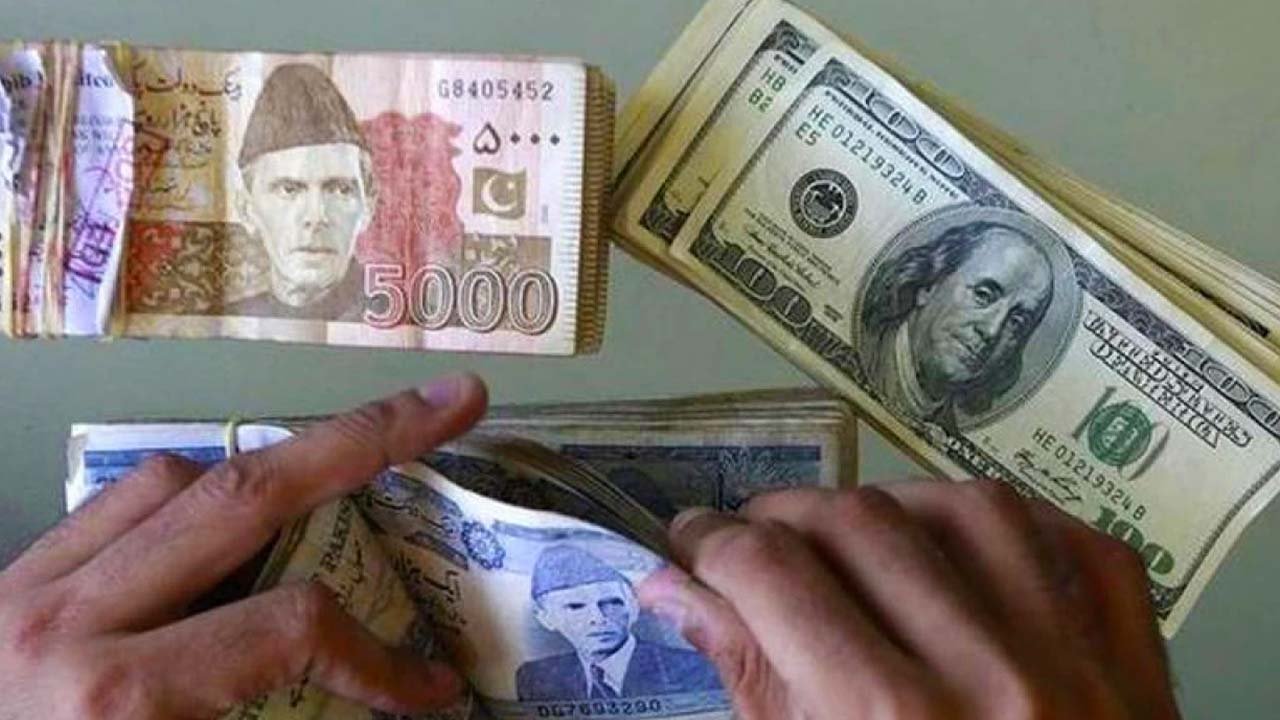
    The US dollar reached a new high against the Pakistani rupee, going past Rs300 in the interbank market on Thursday. At 11:15 am, it was at Rs300.4 as per the Forex Association of Pakistan. In the open market, it was valued at Rs314.

    The day before, the dollar ended at Rs299.64 and went up to Rs315 in the open market. The Exchange Companies Association of Pakistan (ECAP) reported buying and selling prices at Rs309 and Rs312.

    As the dollar keeps going up, experts are asking the government to do something about the black market. Saad bin Naseer from Mettis Global said that even though it’s hard to find dollars in the interbank market, they’re easily available in the open market at higher prices.

    Naseer didn’t like that the central bank kept the interest rate at 23 per cent because people prefer investing in foreign currencies over the local economy. Malik Bostan, who leads the Forex Association of Pakistan, warned against hoarding dollars, thinking their price will keep rising.

    Bostan noticed regular people buying dollars thinking they’ll become more valuable due to the increase in the interbank market. He also mentioned that removing import restrictions from the IMF made the rupee weaker.

    Zafar Paracha, from the Exchange Companies Association of Pakistan, blamed the rupee’s decline on more unnecessary imports. He agreed with Bostan and urged people not to buy more dollars during this uncertain time for the rupee.

  • NEPRA approves Rs5.40 per unit power tariff increase for quarterly adjustment

    NEPRA approves Rs5.40 per unit power tariff increase for quarterly adjustment

    The National Electric Power Regulatory Authority (NEPRA) has given its approval for a quarterly adjustment, resulting in an increase of Rs5.40 per unit in the power tariff.

    This adjustment comes as NEPRA recognises the limitations of the current structure of electricity distribution companies in providing relief to consumers. However, it’s important to note that this revised tariff won’t apply to Lifeline and K-Electric consumers.

    According to Samaa, NEPRA’s decision to revise the tariff comes after a thorough review of requests from distribution companies to raise the tariff by Rs5 per unit for the fourth quarter of the fiscal year 2022–23. Among these requests, FESCO, GEPCO, HESCO, and IESCO sought increases of Rs23.49 billion, Rs16.13 billion, Rs9 billion, and Rs9 billion, respectively.

    Additionally, LESCO requested a substantial increment exceeding Rs31 billion, while MEPCO, PESCO, QESCO, SEPCO, and TESCO collectively proposed tariff hikes totaling Rs27 billion, Rs9 billion, Rs7 billion, Rs5 billion, and Rs4 billion.

    Consumers should be aware that this tariff adjustment will be gradually recovered during September, October, and November, resulting in an added financial burden of Rs5.40 per unit.

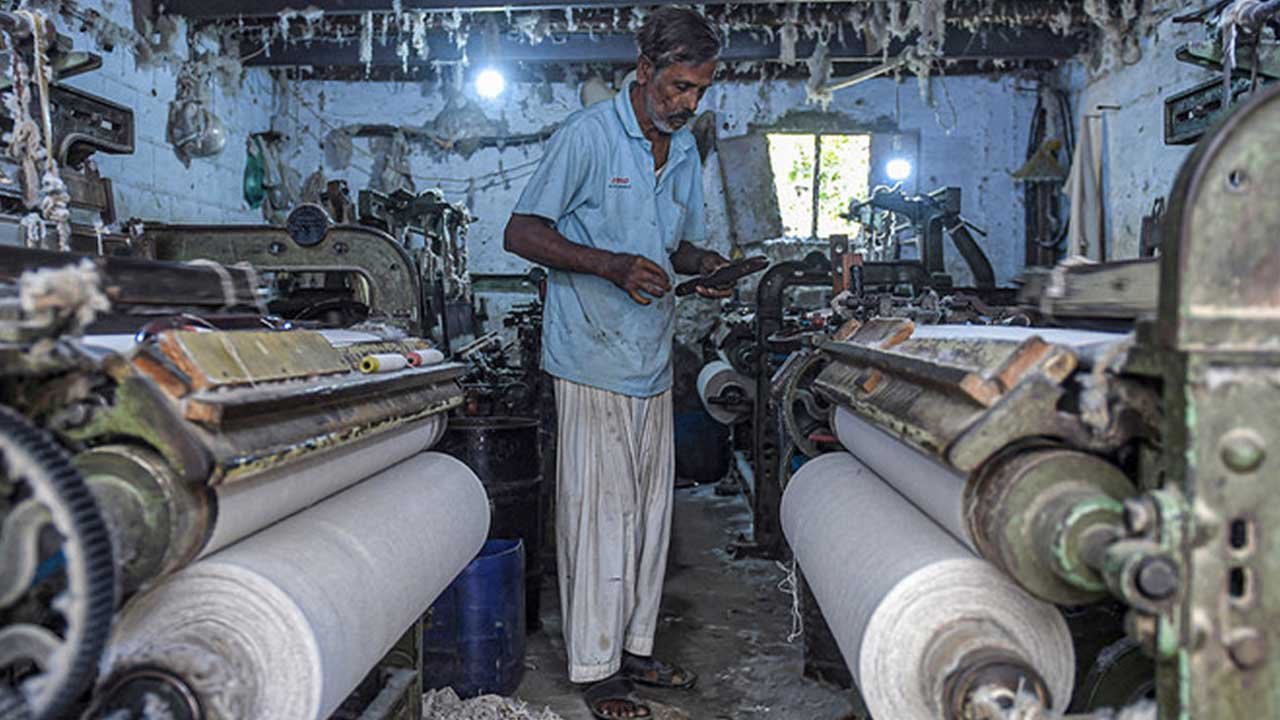
    Distribution companies, in their submissions, highlighted revenue challenges stemming from decreased industrial demand. Particularly, LESCO faced a deficit of three billion units of electricity due to climate-related issues and industrial shutdowns. Both LESCO and HESCO faced higher capacity charges due to industry closures and reduced demand.

    Presently, there’s a backlog of approximately 350,000 pending connections with distribution companies. To recover revenue and address declining demand, the Central Power Purchasing Agency imposed surcharges amounting to Rs7.91.