Category: Business

The most important business news, explained in a young, easy to understand way. News that affects young career professionals.

  • Gold price reaches Rs234,000 per tola, nearing new record high

    Gold price reaches Rs234,000 per tola, nearing new record high

    Gold prices in Pakistan continued to rise on Tuesday, influenced by the Pakistani rupee’s decline against the US dollar and an uptick in global prices. 

    According to the All Pakistan Gems and Jewellers Sarafa Association, the cost of 24-carat gold settled at Rs234,500 per tola, marking a substantial increase of Rs4,600. Similarly, the price of 10 grammes of gold rose by Rs3,944 to reach Rs201,046.

    It is expected that the price of gold might reach unprecedented levels due to the relentless and rapid decline of local currency against the greenback.

    The movement of gold prices in Pakistan closely follows the path of the US dollar due to the country’s reliance on gold imports. 

    The Pakistani rupee saw a notable decrease, falling to a new all-time low against the US dollar. It ended at Rs299.01 rupees per dollar, reflecting a decline of Rs1.88, as reported by the State Bank of Pakistan.

    Currency experts attribute the surge in gold prices to the recent depreciation of the rupee. 

    With growing concerns about the country’s economic situation, investors are turning to gold as a safe-haven asset. This shift has resulted in a significant increase of Rs12,700 per tola in just one week.

    Read more: PKR to USD rate

    Notably, the hike in gold prices coincided with political turmoil and a decrease in the local currency’s value, leading to an all-time high valuation of Rs240,000 per tola on May 10, 2023. On the international front, the price of gold saw a $10 increase, reaching $1,901 per ounce on Tuesday.

  • Pakistani rupee declines to new historic low of Rs299 per US dollar

    Pakistani rupee declines to new historic low of Rs299 per US dollar

    The Pakistani rupee continued its downward trend on Tuesday, closing at an all-time low of Rs299.0070 against the US dollar. This represents a decline of 0.63 per cent or Rs1.873.

    On Monday, the rupee continued to struggle against the US dollar, closing at Rs297.13. This drop in value is due to several reasons. One is the country’s current account deficit, which has widened because it’s now easier to open letters of credit. This change has affected the availability of foreign exchange, putting pressure on the rupee’s value in the local market.

    Another factor is the lack of foreign exchange coming into the country. This shortage has also contributed to the rupee’s decline.

    Experts say that the increase in import payments is tied to the International Monetary Fund’s (IMF) demand to remove import restrictions. This has led to a higher demand for the US dollar.

    Political uncertainty is also playing a role in the rupee’s decline. There are concerns that the general elections might be delayed. This delay could also mean a hold-up in fulfilling promises made to the IMF and other international lenders. With a caretaker government in place, questions arise about who will invest in and lend money to the country.

    To add to these challenges, there’s a need to bridge the gap between the rates in the inter-bank and open markets, which has been getting wider lately.

  • Govt collects Rs75 billion from consumers in one month through petroleum levy

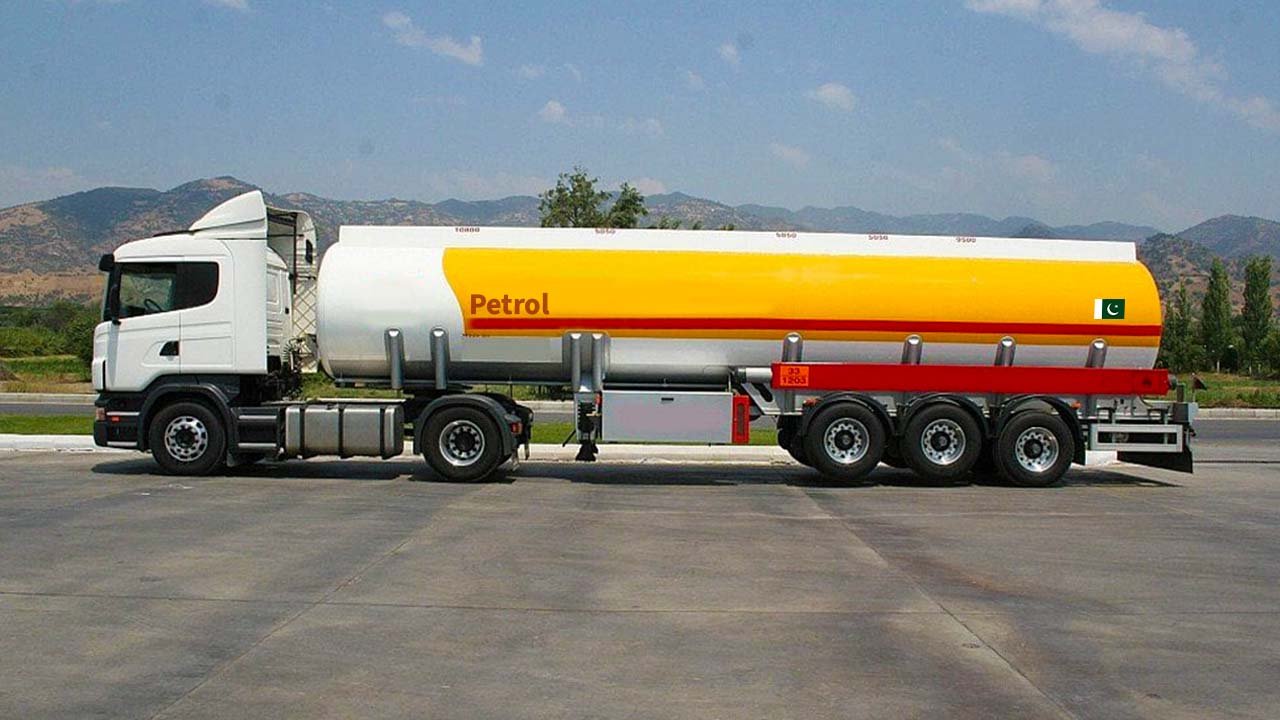
    The Pakistani government collected a significant sum of Rs75 billion in revenue from the petroleum levy (PL) in July 2023. This levy is a crucial income source because it’s not part of the divisible pool. The increase in the petrol levy to Rs55 per litre has driven this boost in revenue.

    If this pattern continues for the remaining 11 months of the fiscal year, the government could surpass its ambitious budget target for the petroleum levy. The target of Rs869 billion might be exceeded by a notable Rs31 billion.

    In July, the first month of the fiscal year, petroleum consumption decreased by 6 per cent compared to the same month in the previous fiscal year. However, when we look at the month-to-month basis, petroleum product consumption remained constant in July 2023 compared to the previous month.

    An anonymous source from the Petroleum Division, speaking to Brecorder, expressed the government’s concern about the potential decline in consumption. Such a decline could jeopardise meeting the budget goals. However, the government has a plan in place. If needed, the petroleum levy could be increased to Rs60 per litre, which is the maximum limit according to an agreement with the IMF under the Stand-By Arrangement (SBA) and the Finance Act 2023–24.

    Predictions for the current month point to a collection of Rs70 billion from the petroleum levy due to recent price increases of Rs17.50 per litre for petrol and Rs20 per litre for high-speed diesel (HSD).

    The government has committed, under the ongoing IMF SBA, to gradually raising the levy rate to an average of Rs55 per litre over the fiscal year. This strategic move is estimated to bring in an additional Rs79 billion. Currently, the government enforces a petroleum levy of Rs55 per litre on petrol and Rs50 per litre on HSD.

    Keep in mind that any rise in the petroleum levy on fuel products could lead to inflation, increasing transportation costs for goods and people as well as input expenses for various sectors.

    Oil industry experts speculate that gasoline prices might increase further by the end of the month. This projected increase is mainly due to the ongoing depreciation of the Pakistani rupee against the US dollar, which is likely to reduce gasoline consumption.

    In the last fiscal year, the government collected Rs580 billion from the petroleum levy, falling short of the Rs855 billion target by Rs275 billion.

    During the first quarter of the fiscal year 2022–23 (July–September 2022), the collection of the petroleum levy was Rs47.476 billion. This lower amount was due to the lower levy rates of Rs10 on petrol and Rs5 on HSD. Subsequently, collections increased significantly to Rs177.805 billion in the first two quarters (July–December) and further to Rs362.480 billion in the first three quarters (July–March 2023) of the previous fiscal year.

    It’s noteworthy that total consumption of petroleum products dropped by 27 per cent year-on-year in the fiscal year ending on June 30, 2023. Consumption decreased from 22.6 million metric tonnes in the fiscal year 2021–22 to 16.61 million metric tonnes in 2022–23 (July–June).
  • Caretaker govt decides to transfer ownership of electricity distribution companies to provinces

    Caretaker govt decides to transfer ownership of electricity distribution companies to provinces

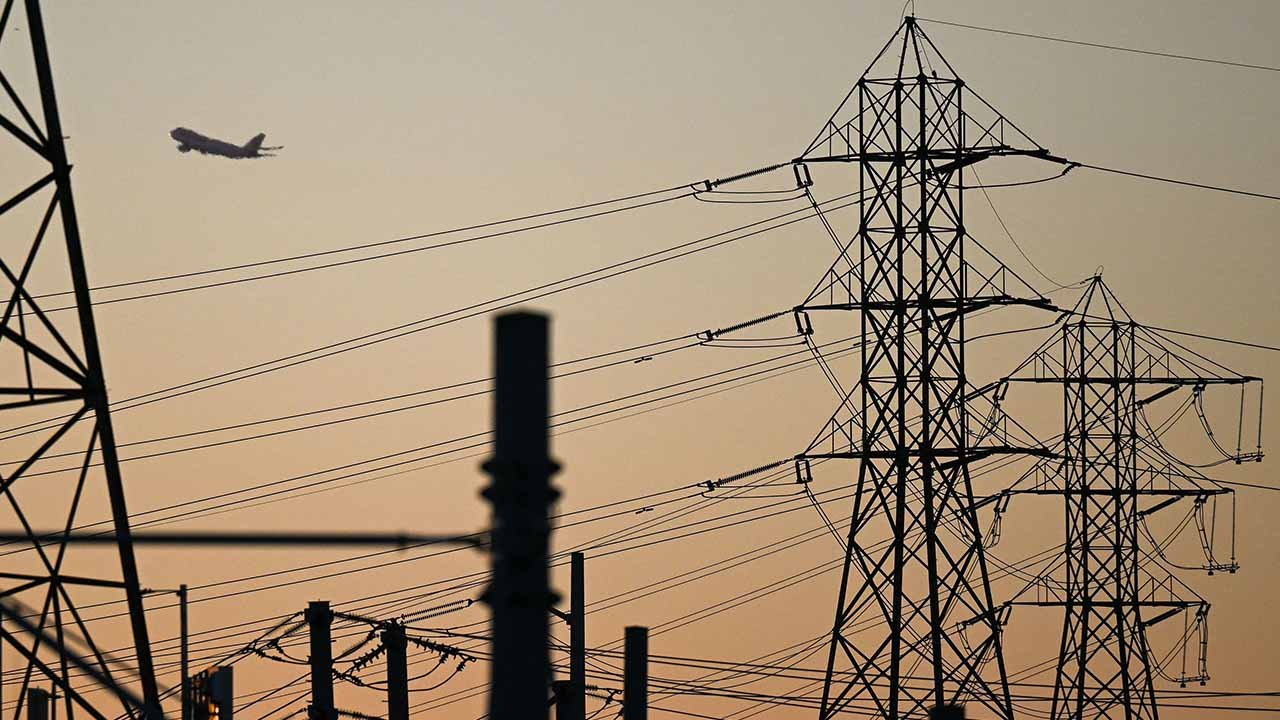
    The caretaker government has issued an order for the transfer of ownership of electricity distribution companies to the provinces.

    To accomplish this, the caretaker prime minister has granted approval to submit the summary to the federal cabinet. A decision has been reached to overhaul the existing system concerning the sale, distribution, and pricing of electricity under the caretaker federal government’s jurisdiction.

    As a result of this federal government directive, the practise of implementing a uniform electricity tariff across the nation will be discontinued. Instead, the responsibility for determining electricity rates and providing subsidies will be entrusted to the respective provinces.

    In line with these developments, the Hyderabad and Sukkur Electric Supply Company will come under the ownership of Sindh, while the ownership of the Quetta Electric Company will be transferred to Balochistan, according to HUM News.

    Likewise, the Lahore Gujranwala, Faisalabad, and Multan Electric Supply companies will be transferred to the ownership of Punjab. The Islamabad Electric Supply Company will be jointly owned by Punjab and the Federation, while the Peshawar and Tribal Area Electric Supply Company will be under the ownership of KP.

    As per official documents, a comprehensive policy framework has been formulated for the transfer of distribution company ownership to the provinces. This move is motivated by challenges such as electricity theft and revenue losses, which have placed a strain on the national treasury.

  • Gold price in Pakistan jumps to Rs229,900 per tola, up by Rs3,100

    Gold price in Pakistan jumps to Rs229,900 per tola, up by Rs3,100

    Starting the week on a high note, gold prices in Pakistan increased due to the Pakistani rupee’s decline against the US dollar and a rise in global rates. 

    Recent data from the All-Pakistan Sarafa Gems and Jewellers Association (APSGJA) shows that the price of 24-carat gold increased by Rs3,100 per tola, reaching Rs229,900, and by Rs2,658 per 10 grammes, reaching Rs197,102.

    Likewise, the price of gold in the international market saw a modest $2 increase, reaching $1,891 per ounce today. 

    Over the last six sessions, the local market experienced a substantial rise of Rs8,100 per tola in gold prices.

    According to the association’s data, the price of silver remained steady at Rs2,800 per tola and Rs2,400.54 per 10 grammes.

    The PKR continued its decline against the US dollar on Monday. The local currency went down by 0.45 per cent, which is about Rs1.35, and closed the day at Rs297.13 in the interbank market, as reported by the State Bank of Pakistan.

    Gold prices in the Pakistani market are consistently rising due to the depreciation of the local unit. Analysts suggest that despite the decline in global prices, local prices remain stable owing to the strengthening US dollar.

    In the event that the PKR continues to depreciate and global prices remain subdued, local gold prices are likely to hold steady. On the contrary, if global prices surge and the Pakistani currency remains weak, gold prices in the country might witness further escalation.

  • Illegal cigarettes capture 50% of market share: Official tobacco sector calls for govt help

    Illegal cigarettes capture 50% of market share: Official tobacco sector calls for govt help

    The tobacco sector that’s officially documented is urgently seeking government support to address the growing issue of smuggled and illicit cigarettes, which now make up over 50 per cent of the local market.

    During a recent briefing on “Current Tobacco Dynamics,” representatives from the Pakistan Tobacco Company (PTC) expressed concern that the market share of these illicit tobacco products could surpass 53 per cent in the next quarter of the fiscal year 2023–24.

    While a 200 per cent increase in excise duty (FED) on cigarettes was implemented, its real impact is expected to become evident in the current fiscal year. Sami Zaman, spokesperson for PTC, highlighted a 44 per cent drop in legitimate cigarette production in June, along with a 28.4 per cent overall sales decrease for the 2022–23 period.

    The implementation of the track-and-trace system has been limited to just two international manufacturers, leaving the rest of the undocumented tobacco sector largely unmonitored. Zaman stressed the need for consistent application across all local manufacturers to prevent tax evasion units from buying untaxed tobacco directly from farmers.

    Zaman also expressed concern about the government’s inability to effectively control the sale of untaxed, health-warning-free smuggled cigarettes. Currently, only multinational companies with track-and-trace systems are under scrutiny.

    According to Brecorder, smuggled cigarettes, due to their tax evasion, remain cheaper, lack mandatory graphic health warnings, and often come in appealing flavours, sometimes even in loose packs. Despite a significant 200 per cent increase in excise duty, the market continues to be flooded with untaxed, affordable cigarettes.

    Due to a shortage of raw tobacco, prices have risen. The growing illicit market is expected to have a significant impact on both legitimate industry volumes and government revenues in the upcoming quarter.

    Despite contributing Rs175 billion during the 2022–23 period (compared to a Rs180 billion target), the tobacco sector’s excise duty collections increased while volumes decreased.

  • Pakistan puts brakes on diesel imports: Economic slowdown and smuggling impact

    Pakistan puts brakes on diesel imports: Economic slowdown and smuggling impact

    In response to a drop in demand within Pakistan due to an economic slowdown and smuggling from Iran, the country opted not to import high-speed diesel (HSD) in July.

    Around 70 per cent of Pakistan’s diesel is consumed by its transport and agriculture sectors. However, these sectors have been severely affected by the economic crisis and the fact that Pakistani diesel is more expensive compared to the cheaper Iranian fuel.

    In the same period the previous year, Pakistan imported 162,000 metric tonnes of HSD. An industry expert stated, “The economic slowdown has greatly affected the transport sector’s operations, and even the agricultural sector’s diesel consumption has been low.” He also noted that daily diesel consumption through legal channels had dropped from 22,000 metric tonnes to 15,000 metric tonnes.

    Pakistan State Oil (PSO), the largest oil importer, postponed its planned HSD imports for July because local refineries had enough stock to meet the reduced demand. Another source explained, “If HSD had been imported, refineries would have had to stop operations as the local transport sector wouldn’t have been able to absorb their diesel output.”

    According to Geo, it is expected that PSO will not import HSD in August or September either, given the dim demand outlook and the growing price difference compared to Iranian diesel. Notably, Iranian diesel, which costs around Rs200 per litre in border areas, has become a viable alternative, meeting much of the demand in Pakistan.

    In response to an increase in diesel prices by 7 per cent to Rs293.40 per litre on August 15, the consumption of diesel through legal channels has decreased by approximately a third, according to an industry official.

    Given the ongoing circumstances, officials do not anticipate an improvement in diesel consumption patterns. The expected rise in diesel prices will likely further drive the preference for Iranian diesel in the country.

  • Weekly inflation increases to 27.5%, impacting household expenses

    Weekly inflation increases to 27.5%, impacting household expenses

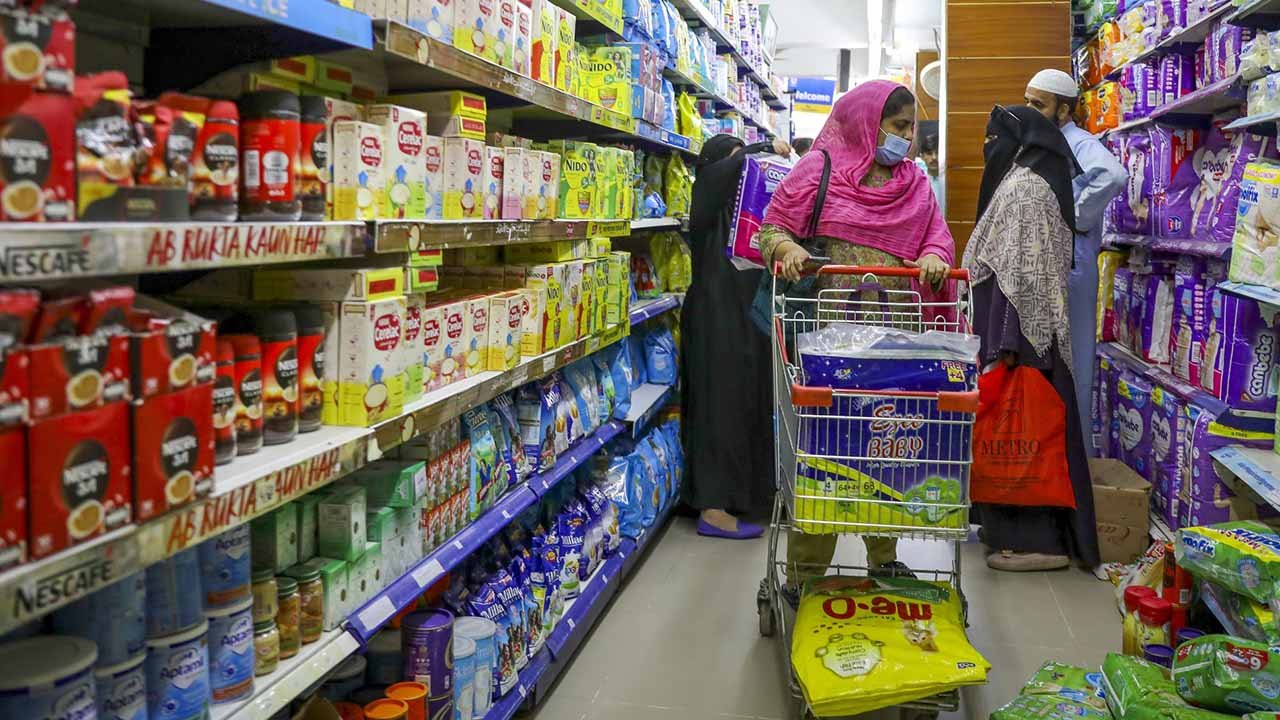
    According to official data from the Pakistan Bureau of Statistics (PBS), the Sensitive Price Indicator (SPI) shows that inflation for the week ending on August 17 increased by 27.57 per cent compared to the same period last year. In simpler terms, things are getting more expensive.

    Looking at shorter periods, within a week, inflation went up by 0.78 per cent. This means prices are rising quickly and there’s no sign of them slowing down, which is worrying for both economists and consumers.

    Comparing some numbers, the overall price index was 275.57 on August 17, up from 273.43 on August 10 this year, and a significant increase from 216.02 on August 18 last year.

    Out of the things people buy, 32 items got pricier, 7 got cheaper, and 12 stayed the same. Among the things that became more expensive this week compared to a year ago were things like chillies powder (up 7.58 per cent), rice irri-6/9 (up 7.48 per cent), garlic (up 5.06 per cent), sugar (up 4.02 per cent), gur (up 3.23 per cent), and chicken (up 2.83 per cent). non-food items like diesel (up 7.29 per cent) and petrol (up 6.40 per cent) also got more expensive.

    On the flip side, the price of some things dropped. Tomatoes got 13.60 per cent cheaper, cooking oil (5 liters) became 1.65 per cent cheaper, and there were smaller drops in prices for things like vegetable ghee and wheat flour.

  • Goods transporters implement 20% fare hike in response to soaring diesel prices

    Goods transporters implement 20% fare hike in response to soaring diesel prices

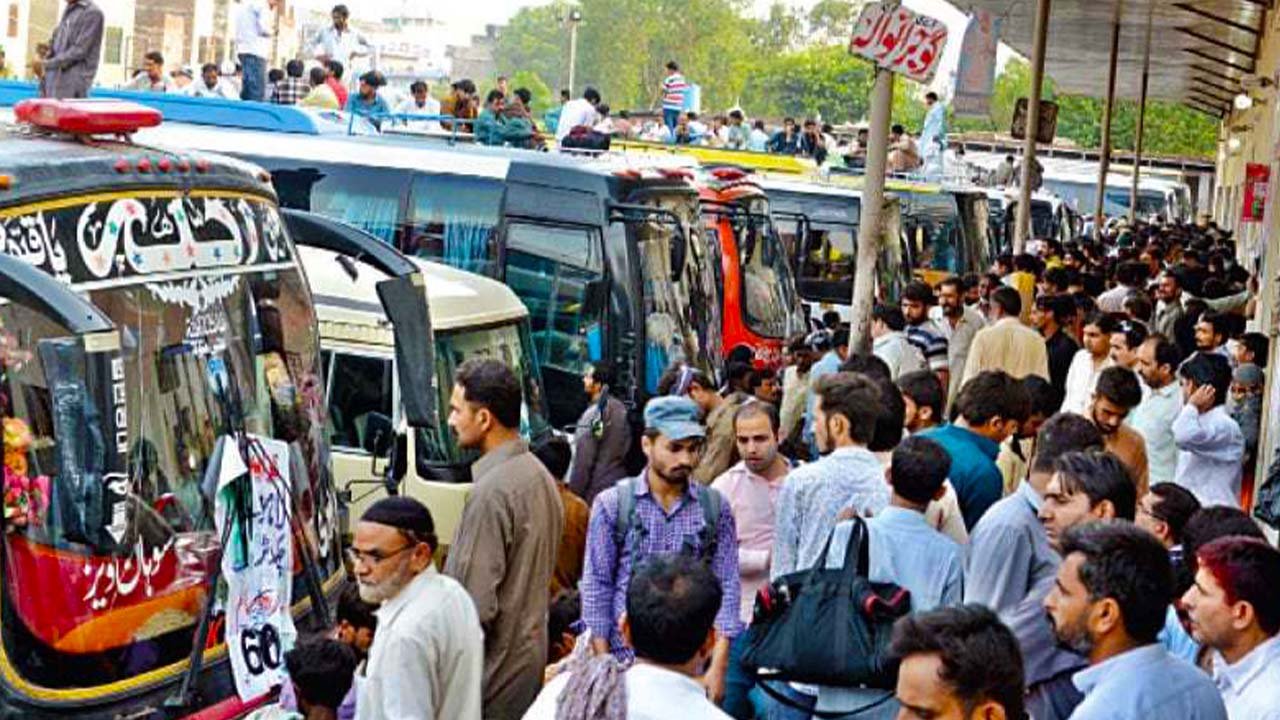
    Goods transporters raised their fares by 20 per cent in response to a recent surge in diesel prices on Thursday. The announcement came as the goods transporters association revealed their decision to implement a fare increase of 20 per cent, citing a substantial rise in diesel prices of up to Rs40 per litre over the span of 15 days.

    Rana Shoaib, the General Secretary of the Goods Transporters Association, conveyed in an official statement that their operational expenses had been significantly impacted by the substantial surge in diesel prices.

    He further elaborated that the provision of goods transportation services between major cities such as Karachi, Multan, Lahore, Faisalabad, Islamabad, and Peshawar has been sustained. However, the transporters are finding it increasingly challenging to bear the escalating financial burdens associated with fuel costs and spare parts.

    According to ARY News, Shoaib said that the decision to raise fares was a necessary step due to the considerable escalation in government-imposed fuel prices. Notably, earlier in the same month, local transporters independently elevated fares by as much as 20 per cent in response to a previous hike in fuel prices without any intervention or oversight from relevant authorities.

    Details indicate that local transporters unilaterally implemented fare increases ranging from Rs15 to Rs20 for stop-to-stop journeys, despite the absence of formal notifications regarding fare adjustments by the district administration.

    Furthermore, the fare hikes extended to transportation services between Karachi and other destinations like Hyderabad, Larkana, and Sukkur. This trend of fare increases also extended to buses and coaches operating within the city limits.

  • SBP-held forex reserves rise by $12 million to $8.05 billion, sufficient to cover over two months’ worth of imports

    SBP-held forex reserves rise by $12 million to $8.05 billion, sufficient to cover over two months’ worth of imports

    The State Bank of Pakistan (SBP) announced a rise of $12 million in its foreign exchange reserves, reaching $8.05 billion, as detailed in a statement released on Thursday. The nation’s overall liquid foreign reserves, encompassing both SBP and commercial banks, amounted to $13.379 billion as of August 11. Among these, commercial banks held net reserves totaling $5.3237 billion, as reported by the SBP.

    While the central bank did not provide specifics on the cause behind the augmentation of foreign exchange reserves, the situation presents an upbeat stance. Nevertheless, it’s worth noting that the existing reserves would barely cover imports for a span slightly exceeding two months.

    Notably, the previous month saw a notable escalation in SBP reserves due to inflows from the United Arab Emirates, Saudi Arabia, and the International Monetary Fund (IMF), following the formalisation of a $3 billion Stand-by Arrangement (SBA) with the global financial institution.

    According to Geo, in a departure from market predictions, the SBP opted to maintain the key policy rate at 22 per cent during the preceding month. This stance diverged from expectations, particularly those guided by IMF recommendations. SBP Governor Jameel Ahmed conveyed this decision following a Monetary Policy Committee (MPC) meeting. Explaining the rationale, he stated that given the decline in inflation, there was no inclination to increase the interest rate.

    During a press conference, Governor Ahmed also shared insights into the nation’s economic trajectory. He projected a growth rate ranging from 2 per cent to 3 per cent for the upcoming year. Highlighting the government’s actions, he mentioned the complete removal of import restrictions. This move, coupled with financial inflows from the IMF and other supportive nations, led to a $4.2 billion upswing in Pakistan’s foreign exchange reserves in July.