Category: Business

The most important business news, explained in a young, easy to understand way. News that affects young career professionals.

  • Pakistan invites Saudi Arabia to invest in key sectors like agriculture, IT, and energy

    Pakistan invites Saudi Arabia to invest in key sectors like agriculture, IT, and energy

    Prime Minister (PM) Shehbaz Sharif has extended a warm invitation to companies from Saudi Arabia, encouraging them to explore exciting investment prospects in various sectors such as agriculture, mining, technology, energy, and more.

    This friendly call was made during a meeting with Saudi Arabia’s Vice Minister for Foreign Affairs, Waleed Abdulkarim El Khereji, held in Islamabad.

    To boost economic partnerships, PM Shehbaz highlighted the creation of a Special Investment Facilitation Council (SIFC). This council is designed to simplify and speed up potential investments from countries in the Gulf Cooperation Council (GCC), with a special focus on enhancing collaborations with Saudi Arabia.

    PM Shehbaz also expressed heartfelt appreciation for Saudi Arabia’s timely financial support, particularly in the aftermath of natural disasters like floods. He acknowledged the Kingdom’s crucial role in helping Pakistan work towards a stable economy.

    He emphasised the importance of the visit by the Saudi delegation, underscoring the shared interest and eagerness on both sides to elevate their long-standing friendly relations to a practical and mutually beneficial economic partnership.

    In a significant earlier announcement, PM Shehbaz revealed plans to auction gifts from the Toshakhana. The funds generated from this auction will be directed towards the well-being of underprivileged individuals, especially those who are orphaned and vulnerable.

  • Govt aims to collect extra Rs721 billion from electricity consumers in current fiscal year

    Govt aims to collect extra Rs721 billion from electricity consumers in current fiscal year

    In a significant move to address the mounting circular debt crisis in the energy sector, the government has unveiled a plan to collect an additional Rs721 billion from electricity consumers during the current financial year. The decision comes as a response to the pressing need to reduce the burgeoning circular debt and stabilise the energy sector’s financial health.

    Sources within the Finance Ministry have revealed that the government has informed the International Monetary Fund (IMF) of its comprehensive strategy, which entails a multi-pronged approach to boost revenue and mitigate circular debt. The plan involves a series of phased electricity tariff hikes and adjustments over the coming months.

    According to the proposed timeline, the electricity price will initially be raised by Rs1.25 per unit until September. This adjustment is projected to generate approximately Rs39 billion in additional revenue through quarterly adjustments. This initial step aims to provide a quick injection of funds into the energy sector.

    Following this, from September to December, electricity tariffs are set to witness a further increase of Rs4.37 per unit under the banner of fuel adjustment charges. This particular measure is anticipated to contribute Rs122 billion to the overall revenue pool, providing a substantial boost to the government’s efforts to reduce circular debt.

    Moreover, an ambitious plan to raise the power tariff by Rs5.75 under annual rebasing is on the horizon, with projections suggesting that this move could generate an impressive Rs560 billion in revenue. The cumulative effect of these tariff hikes is expected to bring about a significant reduction in the circular debt that has plagued the energy sector for years.

    The government’s overarching objective is to curtail the circular debt of the power sector, which had skyrocketed to an alarming Rs2,700 billion by June 2023. With the implementation of the proposed tariff adjustments and revenue generation measures, officials are optimistic that the circular debt will be reined in substantially.

    By the end of the current financial year, the government aims to limit the circular debt to Rs2,130 billion, marking a significant milestone in the long-standing battle to stabilise the energy sector’s finances. These measures, though they might impose a temporary burden on electricity consumers, are viewed as critical steps towards achieving a more sustainable and reliable energy infrastructure for the country.

  • Heatwave woes: Rising temperatures pose new threats to air travel

    Heatwave woes: Rising temperatures pose new threats to air travel

    In a twist of fate, climate change is exacerbating the challenges of air travel, creating a new layer of misery for passengers and airlines alike. As temperatures soar due to global warming, the very air that planes need to lift off becomes less cooperative.

    When the mercury climbs, hot air’s reduced density causes planes to struggle for lift, complicating takeoffs and in-flight stability. Airlines often resort to delaying flights or unloading cargo and passengers to mitigate the issue, leading to a cascade of disruptions across the aviation system. Stranded on runways, passengers endure stifling conditions within grounded aircraft.

    Experts warn that this problem is set to intensify as the planet heats up further and the frequent occurrence of extreme heat becomes the norm. A Columbia University study projected that by mid-century, up to 30 per cent of all US flights could be subject to weight restrictions during periods of high heat.

    Regrettably, there’s no silver bullet to overcome this challenge. Ethan Coffel, an assistant professor at Syracuse University, explains that it’s a physical limitation tied to air density, leaving limited room for technological solutions.

    Heat-related delays are emerging as a more substantial issue than snow or ice. Last summer, Chicago’s O’Hare International Airport faced twice the number of weather-related delays compared to the previous winter. The impact is especially pronounced at airports with shorter runways, like New York’s LaGuardia Airport, which struggles to handle the volume of traffic it receives.

    Airports in high-altitude regions and warm climates are hit particularly hard by this heat-induced predicament. Denver and the Sun Belt cities face additional hurdles, with workers on scorching runways at risk due to the “heat island” effect. Despite efforts to make aircraft lighter and more efficient, progress is incremental, leaving airports to rely on conventional solutions like rescheduling flights and strengthening runways.

    The compounding effects of climate change on air travel are undeniable. Turbulence grows riskier, flights lengthen due to shifting wind patterns, and extreme weather spawns more delays. To truly address this issue, a holistic approach is required, including a concerted effort to reduce fossil fuel emissions, a primary driver of climate change. Amidst these challenges, the future of air travel remains uncertain, prompting travellers to brace for increasingly tumultuous skies.

  • PIA’s privatisation plan gets nod from Cabinet Committee

    PIA’s privatisation plan gets nod from Cabinet Committee

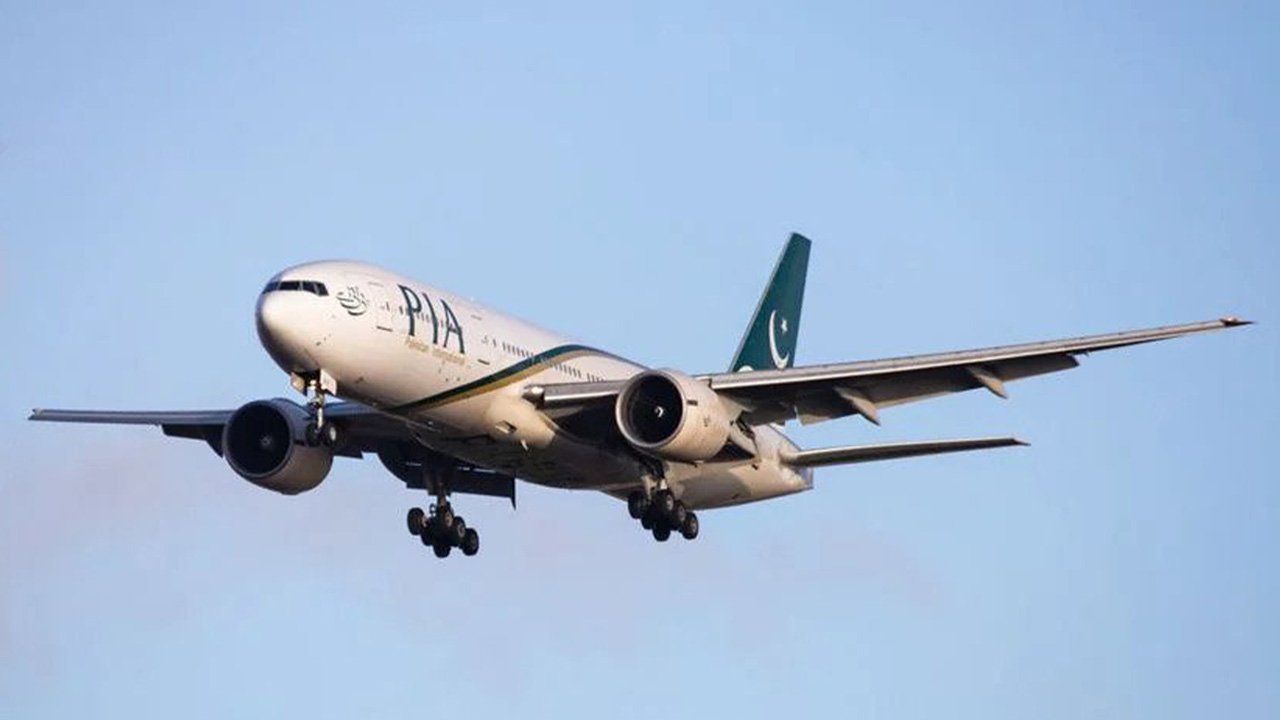
    In a significant development aimed at reviving the fortunes of Pakistan International Airlines (PIA), the Cabinet Committee on Privatisation (CCoP) has given its unanimous approval for the privatisation of the national carrier. The decision was reached during a recent session of the Cabinet Committee on Privatisation, chaired by Finance Minister Senator Ishaq Dar.

    The meeting deliberated on a proposal presented by the Privatisation Commission, advocating for the inclusion of Pakistan International Airlines Co. Ltd. (PIACL) in the ongoing privatisation programme. After thorough consideration and following a crucial amendment in the parliamentary law, the CCoP decided to formally incorporate Pakistan International Airlines Co. Ltd. (PIA) into the list of active privatisation projects.

    A significant aspect of the meeting’s agenda was the Privatisation Division’s detailed presentation on the progress of the Roosevelt Hotel’s privatisation. The Cabinet Committee on Privatisation engaged in an extensive discussion and subsequently granted its consent to the Privatisation Commission’s plan to appoint a Financial Adviser. This Financial Adviser will play a pivotal role in structuring and facilitating transactions related to the Roosevelt Hotel in New York, an asset owned by PIA Investment Limited (PIA-IL).

    Highlighting the urgent need for corrective action, Aviation Minister Khawaja Saad Rafique had previously issued a stark warning regarding PIA’s financial trajectory. If immediate measures were not undertaken, the airline could potentially incur staggering losses amounting to Rs259 billion by the year 2030. Minister Rafique stressed that the transfer of administrative control to the private sector, along with the injection of Foreign Direct Investment (FDI), was essential to mitigate these looming financial challenges.

    In pursuit of this objective, Minister Rafique tabled “The Pakistan International Airlines Corporation (Conversion) (Amendment) Bill, 2023” before the Senate. The proposed amendment to Section 3 of the bill seeks to redefine the ownership and privileges of the company’s shareholders. Additionally, the bill empowers the Federal Government to issue fresh shares or cancel existing ones, further facilitating the necessary structural changes.

    Despite the bold vision presented by Minister Rafique, the bill encountered resistance within the Senate. While emphasising the potential benefits of FDI and private sector involvement, the bill’s proponents faced opposition from certain Senators. In light of these differing perspectives, the Senate Chairman has referred the matter to the relevant standing committee for further deliberation.

    As Pakistan International Airlines embarks on this transformative journey towards privatisation, the nation awaits the outcome of these critical discussions, cognizant of the substantial implications for both the airline industry and the country’s economic landscape.

  • Mysterious closure: Kia Lucky Motors Pakistan closes four showrooms despite rising sales

    Mysterious closure: Kia Lucky Motors Pakistan closes four showrooms despite rising sales

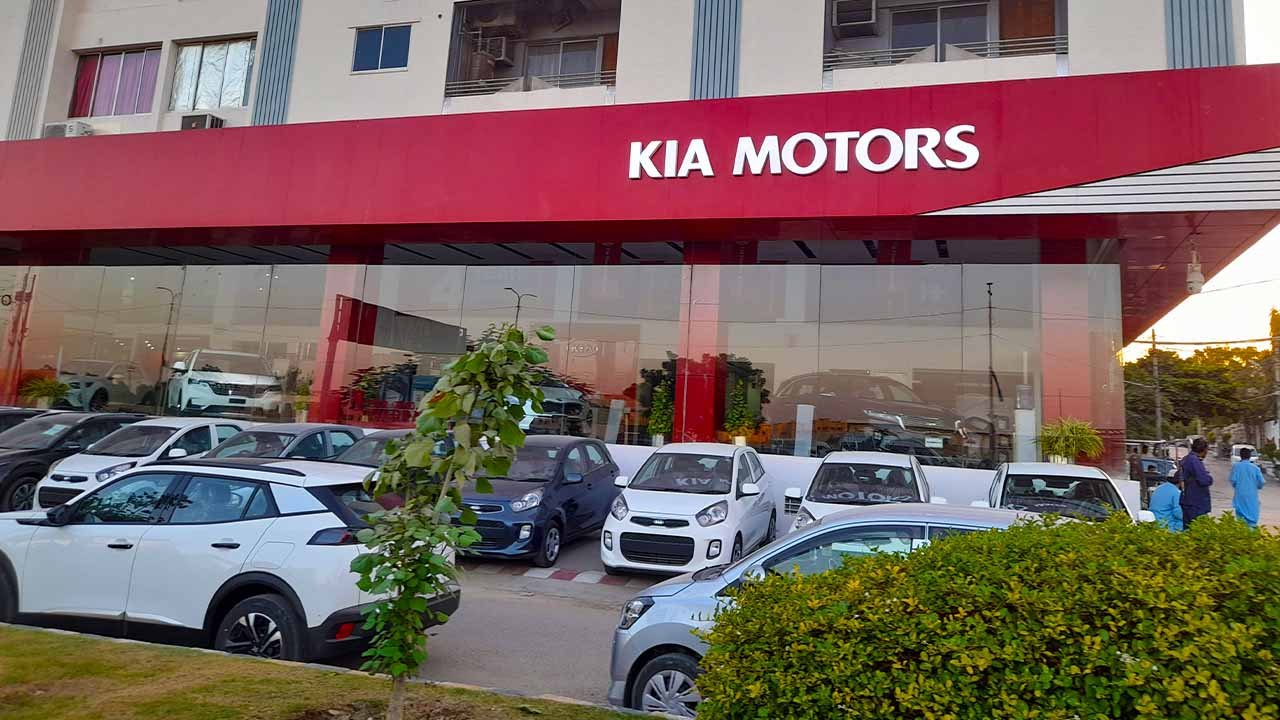
    Lucky Motor Corporation Limited (LMC) shocked the automotive industry in Pakistan with a surprise announcement on Monday. In a press release issued on the same day, LMC revealed its decision to close four of its dealerships in the country, effective immediately.

    The affected dealerships include Kia Motors Hanna Lake in Quetta, Kia Motors Chenab in Gujrat, Kia Motors Avenue in Dera Ghazi Khan, and Kia Motors Gateway in Mardan. While the announcement was unexpected, LMC emphasized its commitment to transparency and customer-centric practices by informing all its customers promptly.

    Curiously, the press release did not provide a specific reason for the abrupt decision. It comes as a puzzling move for LMC, considering the company’s positive performance in 2023. In contrast to its competitors experiencing declining sales, LMC saw a significant boost in sales during the same period.

    According to Mettis Global, Kia Sportage, one of the company’s popular models, saw a notable 4 per cent increase in total sales Month-over-Month (MoM). Furthermore, LMC managed to sell impressive numbers of other models, with 163 Picantos, 53 Stonics, and 72 Sorentos sold in February 2023 alone.

    The closure of these dealerships raises questions among industry experts and customers alike, as the company’s sales figures seemed to indicate a flourishing business. However, without a clear explanation from LMC, speculation continues to circulate regarding the true motives behind this unexpected decision.

  • Sharp rise in petrol price drives weekly inflation up, worsening daily struggles for Pakistanis

    Sharp rise in petrol price drives weekly inflation up, worsening daily struggles for Pakistanis

    The Sensitive Price Index (SPI) in Pakistan has risen by 1.30 per cent compared to the previous week, intensifying the financial burden on the already struggling population. The nation is grappling with ever-depreciating financial resources as it faces a sharp increase in petroleum prices and food inflation.

    One of the major contributors to the rising costs is the persistent increase in petroleum and oil prices over the past year-and-a-half. This increase directly affects commuters who have to bear the brunt of higher transportation costs, making it more challenging for them to manage their daily expenses, particularly when it comes to purchasing essential goods like food items.

    Although the SPI has seen a significant decline since reaching its highest level of 48.35 per cent on May 4, the overall inflation remains a concern. The International Monetary Fund (IMF) predicts the Consumer Price Index (CPI) for the current fiscal year to be 25.9 per cent, which is still high despite being lower than the 29.6 per cent recorded in 2022-23.

    According to the latest data released by the Pakistan Bureau of Statistics, the SPI has witnessed a staggering 29.83 per cent jump compared to the same week last year. This increase followed the government’s decision to hike petrol and high-speed diesel prices by Rs19.95 and Rs19.90 per litre, as well as a substantial increase in the rate of liquefied petroleum gas (LPG).

    The outgoing government, whose constitutional term is about to expire on Aug 12, defended the decision to increase fuel prices, citing the recently reached $3 billion IMF deal as being in the national interest.

    The SPI, which covers 51 essential items, has seen prices of 23 items go up, 7 items go down, and 21 items remaining unchanged compared to the previous week. The largest week-on-week rise was observed in the prices of tomatoes, increasing by 16.85 per cent, followed by chillies powder (7.58 per cent), garlic (5.71 per cent), onions (5.50 per cent), powdered milk (5.17 per cent), eggs (3.86 per cent), and rice basmati broken (2.06 per cent).

    Looking at the year-on-year comparison, the prices of wheat flour have surged by a staggering 131.40 per cent, while rice basmati broken and rice Irri-6/9 have increased by 82.86 per cent and 72.73 per cent, respectively. This is alarming as wheat flour and rice are staple foods for the majority of the population, and such steep price hikes can exacerbate the existing nutritional deficiencies and lack of protein in the daily diet.

    Adding to the concern is the rising cost of pulses, lentils, chicken, eggs, potatoes, and other vegetables, which are crucial components of the daily diet. This trend points towards a looming food insecurity crisis in Pakistan.

    The situation is expected to worsen as Pakistan must implement the harsh IMF conditions, which revolve around higher prices of utilities and fuel. This will make it even more challenging for the inflation-hit people to sustain the required food intake, leading to further hardship for the already struggling population.

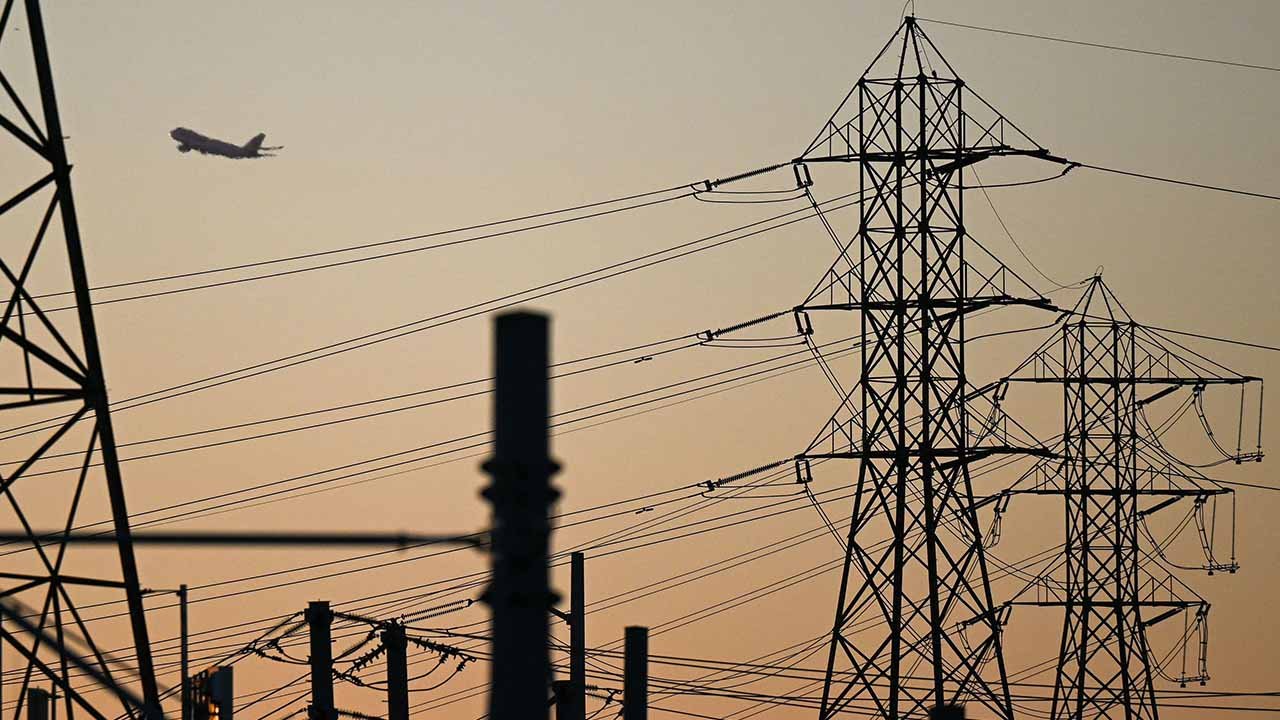
  • Pakistan International Airlines faces potential Rs259 billion loss by 2030

    Pakistan International Airlines faces potential Rs259 billion loss by 2030

    Pakistan’s Aviation Minister, Khawaja Saad Rafique, delivered a grave warning on Friday about the precarious financial state of Pakistan International Airlines (PIA). He highlighted that without swift corrective action, the airline could incur staggering losses of up to Rs259 billion by 2030. To salvage the national carrier from its mounting debts, Minister Rafique urgently called for essential measures, including the transfer of administrative control to the private sector.

    Minister Rafique’s concerns were voiced during his address on the Senate floor, where he presented “The Pakistan International Airlines Corporation (Conversion) (Amendment) Bill, 2023.” He stressed the critical need for foreign direct investment (FDI) and the involvement of private entities to ensure the long-term sustainability of PIA, which currently grapples with an overwhelming debt burden of Rs742 billion.

    However, the proposal faced strong opposition from several senators during the proceedings. As a result, the Senate chairman referred the matter to the relevant standing committee for further evaluation, acknowledging the significance of FDI and private sector participation in transforming PIA into a profitable entity.

    The deliberations also witnessed PTI lawmakers raising concerns about the quorum, prompting a fifteen-minute bell ringing to meet the attendance requirement. Once the quorum was restored, House proceedings resumed to discuss the fate of PIA.

    The key provision of the bill proposes an amendment to Section 3, which specifies that the company’s shareholders would retain the same number of fully paid shares while preserving their existing rights and privileges. Additionally, the federal government could, through an official gazette notification, issue fresh shares or cancel existing ones as needed during the validity period.

    The destiny of Pakistan International Airlines now lies in the hands of the standing committee, tasked with thoroughly scrutinising the bill and its proposed amendments. The committee’s decision will significantly impact the future of the struggling airline and determine whether privatisation and foreign investment can pave the way for PIA’s financial recovery.

  • Atlas Honda increases motorcycle prices: CD-70 price hiked to Rs158,000

    Atlas Honda increases motorcycle prices: CD-70 price hiked to Rs158,000

    Atlas Honda, the leading motorcycle brand in Pakistan, has recently announced price adjustments for its bikes. The new prices are set to take effect today, August 5th.

    Here are the latest prices of Atlas Honda motorcycles in Pakistan:

    Motorcycle Model Previous Price (Rs) New Price (Rs) Previous Price (Rs)
    CD-70 154,900 157,900 3,000
    Dream 70 165,900 168,900 3,000
    Pridor 203,900 208,900 5,000
    CG-125 231,900 234,900 3,000
    CB-125F 387,900 390,900 3,000
    CB-150F 490,900 493,900 3,000

    The CD-70 model will see an increase of Rs3,000, bringing its new price to Rs157,900. Similarly, the Dream 70 model’s price has been raised by Rs3,000, now priced at Rs168,900.

    For the Pridor model, there has been a significant increase of Rs5,000, setting its new price at Rs208,900. As for the CG-125 model, it will now be priced at Rs234,900. Additionally, the CB-125F model’s price has been adjusted to Rs390,900, and the CB-150F model will now cost Rs493,900.

    These changes in prices reflect the current market conditions and various factors impacting the automobile industry. Customers should be aware of these adjustments while making their purchasing decisions after the specified date.

  • Gold price drops by Rs2,800 per tola amidst Pakistani rupee appreciation

    Gold price drops by Rs2,800 per tola amidst Pakistani rupee appreciation

    Domestic bullion prices in Pakistan experienced a significant drop, with both gold and silver witnessing declines. The 24-karat gold closed at Rs220,200 per tola, falling by Rs2,800, while the price of 10-gramme 24-karat gold went down by Rs2,401, closing the day at Rs188,786 per tola. Additionally, 10-gramme 22-karat gold stood at Rs173,054 per tola, down by Rs2,200.

    The drop in gold and silver prices can be attributed to the recent appreciation of the Pakistani rupee (PKR). The PKR managed to snap a three-day losing streak by appreciating Rs2.18 against the US dollar in the interbank session on Thursday. Since gold is denominated in US dollars, when the PKR strengthens against the dollar, the value of gold in PKR terms diminishes.

    Similarly, the price of silver also witnessed a decline in the domestic market. The price of 24-karat silver fell by Rs50 to close at Rs2,750 per tola, and the price of 10-gramme 24-karat silver closed at Rs2,358 per tola, losing Rs42.86.

    The recent appreciation of the Pakistani rupee, coupled with global interest rate developments, has influenced the decline in gold and silver prices in the domestic market. Investors are now keeping a close eye on economic indicators and global central bank decisions to anticipate potential shifts in precious metal prices.

  • Load shedding and unbearable hike in electricity prices hit Pakistani homes and businesses

    Load shedding and unbearable hike in electricity prices hit Pakistani homes and businesses

    Pakistan is facing an ongoing and unbearable increase in electricity tariffs, causing hardships for the majority of the population. The government justifies these price hikes by claiming they are under pressure from the International Monetary Fund (IMF) to generate more revenue. However, the tariff increase is mainly due to fuel price adjustments and high taxes imposed by the government.

    Consumers, especially low- to middle-class households, are struggling to pay their electricity bills, which have more than doubled. The rise in fuel price adjustments and government taxes further exacerbates the burden on consumers. The government’s commitment to the IMF to implement a fifty per cent increase in the base tariff from July to October contributes to the escalating bills.

    Unfortunately, the increase in electricity prices is expected to continue, and there is no progress in essential power sector reforms to reduce system losses, corruption, power theft, and reliance on imported fuels. As a result, the National Electric Power Regulatory Authority (NEPRA) has raised the average tariff to ensure funds for loss-making power distribution companies, putting additional financial strain on consumers.

    The government claims that the tariff increase is necessary to meet the IMF’s requirements and support energy sector viability. However, the business community also suffers, fearing a loss of competitiveness and increased costs. Industries have cut down production due to high energy prices and inflation, affecting economic growth and job creation.

    Many argue that successive governments have failed to implement essential structural reforms, leading to Pakistan’s economic predicament. The solution proposed by economists involves fixing the energy sector’s deep-rooted issues, taxing sectors adequately, and implementing a credible privatization plan to reduce pressure on the budget.

    In conclusion, Pakistan’s never-ending increase in electricity tariffs has become a major burden for the population, and without significant reforms, the situation is unlikely to improve. The government’s need to meet IMF requirements clashes with the urgency of boosting industrial activity and economic growth, leaving the country in a challenging economic predicament.