Category: Business

The most important business news, explained in a young, easy to understand way. News that affects young career professionals.

  • Pakistan Stock Exchange surpasses 49,000 points, reaches new high since 2017

    Pakistan Stock Exchange surpasses 49,000 points, reaches new high since 2017

    The Pakistan Stock Exchange (PSX) witnessed a remarkable surge on Thursday as it extended its bullish momentum, crossing the 49,000 level and reaching its highest point in six years. This impressive rally was fueled by positive economic data and a series of favourable factors contributing to investor confidence.

    During the intraday trade, the PSX’s benchmark KSE 100-share Index experienced a significant gain of 560.20 points, amounting to a 1.15 per cent increase, ultimately settling at an impressive 49,324.50 points. This milestone represents the index’s highest level since June 9, 2017, marking a notable achievement for Pakistan’s financial markets.

    The impressive growth of the benchmark index has been sustained since Pakistan signed a staff-level agreement with the International Monetary Fund (IMF) for a substantial $3 billion Standby Agreement. Since the agreement’s signing, the market has witnessed an extraordinary upswing, with the benchmark index having gained an impressive 7,871 points.

    Market analysts and experts have identified multiple reasons behind the consistent surge in the market. Among these factors is the State Bank of Pakistan’s (SBP) decision to maintain the policy rate, effectively keeping the status quo. The SBP’s prudent approach to monetary policy has contributed to stability and encouraged investors to take bullish positions in the market.

    Furthermore, the positive economic data, both from domestic and international sources, has also played a pivotal role in bolstering investor confidence. With indicators pointing towards a strengthening economy, investors have been encouraged to increase their stakes in the market, resulting in the record-breaking performance of the Pakistan Stock Exchange.

    As the market continues to show resilience and upward momentum, financial experts and policymakers are cautiously optimistic about the future outlook. They emphasise the importance of sustaining a positive economic trajectory through sound policy measures and a vigilant approach to market dynamics.

    Market participants and investors are closely monitoring the developments and will likely adjust their strategies in response to any shifts in economic indicators and policy decisions. The surge in the Pakistan Stock Exchange serves as a testament to the country’s economic potential and its ability to attract local and foreign investors to participate in its thriving financial markets.

  • Banks will now pay 10% super tax if their earnings exceed Rs30 crore

    Banks will now pay 10% super tax if their earnings exceed Rs30 crore

    The Federal Board of Revenue (FBR) has announced important amendments to the Income Tax Ordinance, 2001 through Finance Act 2023, bringing significant changes to the Super Tax structure. According to the latest income tax circular (2 of 2023), banks will now be required to pay a 10 per cent Super Tax if their income exceeds Rs300 million.

    The Super Tax was initially introduced through the Finance Act of 2022, imposing graduated tax rates ranging from 1 per cent to 4 per cent on income slabs starting from Rs150 million to Rs300 million and above. Certain specified business sectors were subject to a higher Super Tax rate of 10 per cent if their income surpassed Rs300 million.

    New Super Tax slabs

    To enhance the scope of the Super Tax and ensure progressivity and uniformity in the tax rate structure, the Finance Act 2023 has introduced additional income slabs. These new slabs are as follows: Rs350 million to Rs400 million, Rs400 million to Rs500 million, and Rs500 million and above, with corresponding Super Tax rates of 6 per cent, 8 per cent, and 10 per cent, respectively. These new Super Tax rates will apply to all taxpayers across the board for the Tax Year 2023 and beyond.

    Addressing a significant concern, the Finance Act 2023 has also clarified the payment procedure for the Super Tax. The ambiguity surrounding whether the Super Tax under section 4C of the Ordinance should be paid as a lump sum at the time of filing income tax returns or in monthly/quarterly installments of advance tax under section 147 of the Ordinance has been resolved.

    The introduction of a new sub-section (5A) in section 4C now requires Super Tax liability to be paid in conjunction with monthly/quarterly advance tax installments, depending on the taxpayer’s circumstances. Corresponding amendments have been made in section 147 of the Ordinance to facilitate this process.

    This move is aimed at broadening the scope of the Super Tax and making it a more progressive and comprehensive tax measure. The FBR expects these changes to contribute significantly to the country’s revenue collection efforts while ensuring a fair and equitable tax system for all taxpayers.

  • Urgent passport renewal fee increases to Rs6,000 for both online and offline applications

    Urgent passport renewal fee increases to Rs6,000 for both online and offline applications

    The fee for renewing a passport online has recently undergone an upward revision, resulting in an additional cost of Rs1,000. Consequently, the new fee for online passport renewal has been set at Rs4,000, marking an increase from the previous Rs3,000.

    Furthermore, the urgent fee for passport renewal, applicable to both online and offline applications, has also been subject to a revision. It now stands at Rs6,000, representing an increase from the earlier amount of Rs5,000.

    The rationale behind these fee adjustments is attributed to the added service of home delivery of the passport via courier. Applicants can now receive their renewed passport conveniently at their doorstep.

    To apply for an online passport renewal, applicants must fulfill certain requirements. These include attaching a copy of their national identity card and passport as part of the application process. Additionally, the application fee must be paid securely online.

  • Pak Suzuki halts motorcycle production amidst ongoing inventory shortage

    The Pak Suzuki Motor Company (PSMC) is once again grappling with the repercussions of the ongoing raw material shortage, which has forced the company to halt production at its motorcycle plant for at least 15 days. The decision, announced in a statement released to the Pakistan Stock Exchange (PSX), comes as the company struggles to maintain adequate inventory levels due to the scarcity of essential components.

    The company secretary revealed that the motorcycle plant will remain non-operational from July 31, 2023, to August 15, 2023. This recent shutdown follows a previous closure earlier in July when both the motorcycle and automobile plants were shut down until July 19, which was subsequently extended. The persistent lack of raw materials has been plaguing Pak Suzuki since July of the previous year, primarily due to difficulties in importing these crucial components caused by a reduction in the nation’s foreign exchange reserves.

    Unfortunately, Pak Suzuki is not the only automaker facing such challenges. Honda Atlas Cars and Indus Motor Company, responsible for manufacturing Toyota cars in Pakistan, have also experienced several shutdowns due to the shortage of essential raw materials. Furthermore, automotive parts manufacturers have been compelled to temporarily halt their production lines, exacerbating the crisis across the entire automotive industry.

    The repercussions of these closures extend beyond the affected businesses, as the entire automotive industry faces unproductive days due to interrupted raw material imports arising from postponed credit letter openings. This situation has led to reduced operational capacities and an overall decrease in productivity across multiple sectors of the economy.

    The recent shutdown of Pak Suzuki’s motorcycle manufacturing plant has raised concerns among employees, stakeholders, and the general public alike. The motorcycle plant is a significant division within the company and serves as a major employer in the country. As a result, the closure is expected to have a considerable impact on both the company’s workforce and the overall economy.

    An analyst specialising in Pakistan’s automotive sector highlighted that the closure of the motorcycle plant serves as a stark reminder of the larger problems plaguing the industry. Addressing the underlying causes of the raw material scarcity requires a collaborative effort from stakeholders and the government to implement permanent solutions and avert further disruptions.

  • FBR misses July 2023 revenue target by Rs2 billion, collecting Rs532 billion in taxes

    FBR misses July 2023 revenue target by Rs2 billion, collecting Rs532 billion in taxes

    The Federal Board of Revenue (FBR) has announced that the tax revenues collected for the month of July 2023 amounted to Rs532 billion, slightly falling short by Rs2 billion of the target set for this period.

    This figure reflects a noteworthy increase of 15 per cent year-on-year, compared to the Rs462 billion collected in July 2022.

    However, when examining the data on a monthly basis, there was a significant decline of 43.52 per cent as the tax revenue for July 2023 dropped compared to the Rs942 billion collected in the previous month.

    Looking ahead, the government has set a revenue collection target of Rs9.415 trillion for the fiscal year 2023-2024.

     It is worth recalling that in the previous fiscal year 2022-2023, the FBR failed to meet its annual budgetary collection target by approximately Rs522 billion, as it collected Rs7.118 trillion by June 27, 2023, in contrast to the projected amount of Rs7.64 trillion for the entire fiscal year.

  • Govt hikes petrol and diesel prices by nearly Rs20 per litre

    Govt hikes petrol and diesel prices by nearly Rs20 per litre

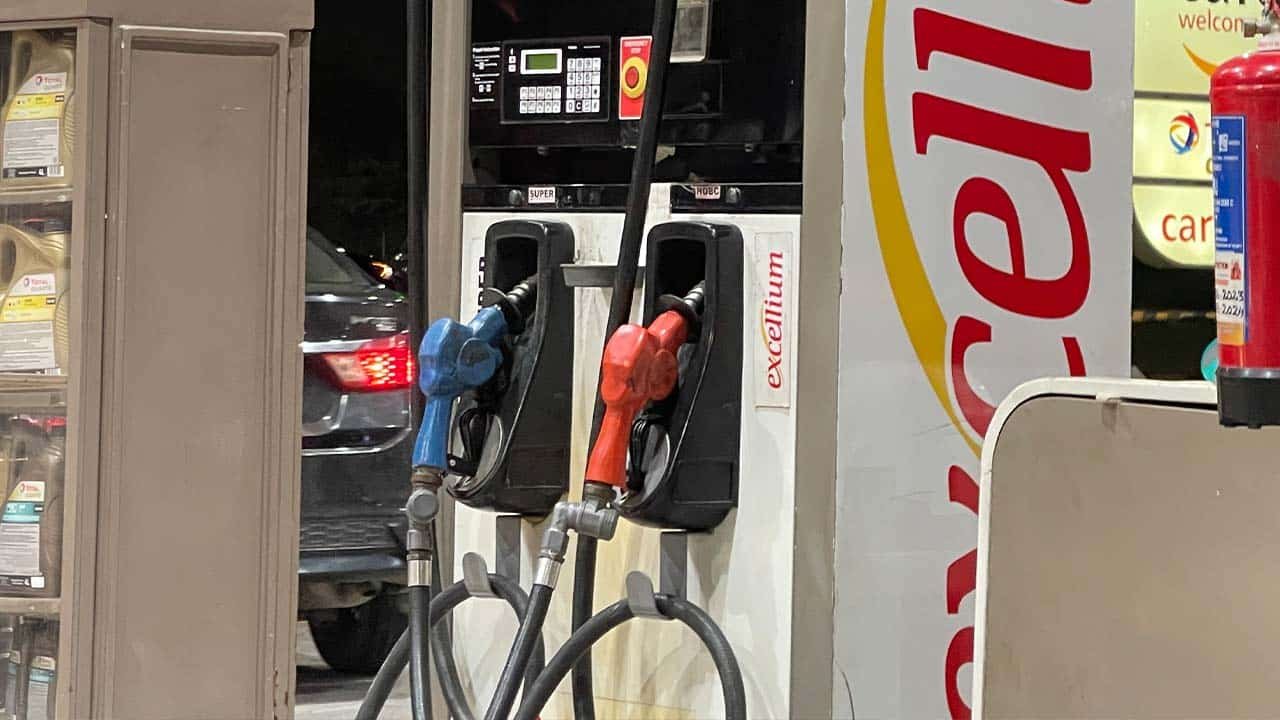
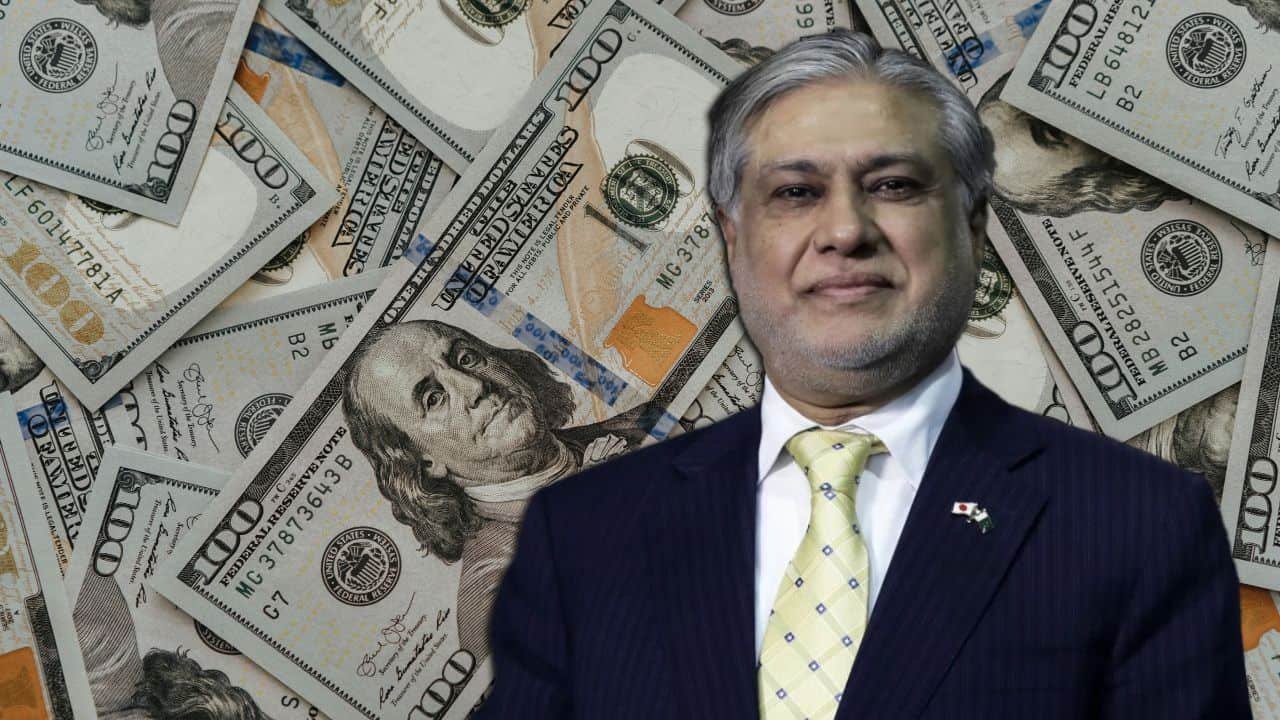
    In a move to fulfill its commitment with the International Monetary Fund (IMF), Pakistan’s Finance Minister Ishaq Dar has announced a substantial increase in petrol and diesel prices. The revision has taken effect immediately today (August 1st), with petrol price rising by Rs19.95 per litre and diesel price climbing by Rs19.90 per litre.

    Here are the new petrol and diesel prices:

    Product Old prices New prices Increase
    Petrol Rs253 Rs272.95 Rs19.95
    Diesel Rs253.50 Rs273.40 Rs19.90

    Minister Dar stated that the price hike was necessary to comply with the IMF’s requirement to impose a petroleum development levy (PDL) on the rates. He mentioned that despite attempts to mitigate the impact on inflation-weary citizens, the government had little room to maneuver due to the binding agreement with the IMF.

    The announcement was originally scheduled for July 31, but the government delayed the decision as officials sought ways to minimise the impact on the general public. The Finance Minister, making this announcement for the last time before his government’s term ends on August 12, emphasised that the decision was taken in the “national interest.”

    Dar clarified that if it were not for the IMF agreement, the government would have attempted to reduce the PDL to provide relief to the masses. He referred to the measures taken by the previous government that decreased petrol prices but resulted in a breach of commitments with the IMF.

    Explaining the reasons behind the price hike, the finance minister highlighted the surge in international market prices of high-speed diesel, which necessitated adjustments in local rates. He stressed that it was crucial to pass on the minimum amount to the consumers, considering the nation’s interests.

    The sudden increase in fuel prices is likely to have significant implications on the overall economy, including its impact on inflation rates and the cost of living for ordinary citizens. With the government’s term ending soon, the incoming administration will face the challenge of managing economic stability and addressing public concerns over rising fuel costs.

  • Dar credits govt’s prudent economic policies as Pakistan’s forex reserves rise to $14 billion

    Dar credits govt’s prudent economic policies as Pakistan’s forex reserves rise to $14 billion

    In a recent Senate session, Finance Minister Ishaq Dar announced that Pakistan’s foreign exchange reserves have witnessed a significant increase, rising from $8 billion to an impressive $14 billion. He attributed this remarkable growth to the government’s prudent economic policies and the unwavering support received from friendly nations, including Saudi Arabia, Qatar, and China.

    Dar said that China played a pivotal role in bolstering Pakistan’s financial position. Recognising Pakistan’s adherence to all technicalities regarding loan repayment, China graciously agreed to roll over the country’s loans. This move from China came as a testament to Pakistan’s commitment to fulfilling its financial obligations.

    Speaking about the nation’s economic future, Dar urged all political forces to unite and collaborate on a charter for the economy. The proposed charter aims to tackle the country’s financial challenges collectively, serving as a guiding framework to lead Pakistan out of the current financial crisis.

    Addressing a specific issue, the Finance Minister expressed concern over Pakistan International Airlines (PIA) annual loss of approximately Rs70 billion. He attributed this financial setback to an irresponsible statement made by a former minister during the previous regime. Dar highlighted the need for careful and responsible statements from leaders, as they can have far-reaching consequences for the national flag carrier.

    In a piece of encouraging news for the aviation sector, the minister also shared that the Pakistan Airports Authority Bill 2023 is on track to be implemented. Once enacted, this bill will pave the way for the resumption of PIA’s operations in Europe. The move is expected to bolster the airline’s revenue and contribute positively to the nation’s economic growth.

  • Pakistan’s stock market crosses 48,000 mark after two years

    Pakistan’s stock market crosses 48,000 mark after two years

    The Pakistan Stock Exchange’s (PSX) benchmark KSE-100 index soared past the 48,000 mark, reaching a 24-month high, on Monday, as investors responded to recent positive economic developments in the country. Analysts predict that the prevailing positive sentiment is likely to continue in the coming days.

    The bullish trend in the market gained momentum after Pakistan reached a deal with the International Monetary Fund (IMF). The agreement with the IMF has provided investors with renewed confidence in the country’s economic prospects, leading to a surge in market activity.

    Additionally, news on Pakistan’s mineral sector contributed significantly to the market’s gains. The announcement of favorable developments in the country’s mineral sector further boosted investor optimism and drove the benchmark index to reach new heights.

    During intra-day trade, the KSE-100 index saw a significant increase of 1,010.72 points or 2.15 per cent, culminating at 48,062.56 points. This remarkable rise marks a notable increase from the previous close of 47,076.9 points, which itself was a 21-month high.

    The impressive growth of the market has been sustained over time, as evidenced by a remarkable overall gain of more than 6,600 points (+15.9 per cent) since the staff-level agreement was reached with the IMF. The deal, which amounted to a $3 billion Standby Agreement, has been instrumental in driving investor confidence and attracting more capital to the market.

    Financial experts and market observers are optimistic about the future trajectory of the Pakistan Stock Exchange, given the positive economic indicators and recent developments in the country.

    The confidence in the market has sparked interest from both local and international investors, resulting in increased trading volumes and a positive impact on the overall economy.

  • FBR imposes 400% tax increase on payments to non-residents via debit and credit cards

    The Federal Board of Revenue (FBR) has taken a significant step to discourage the outflow of foreign exchange reserves by raising the withholding tax (WHT) on payments to non-resident individuals through debit and credit cards. The move aims to curtail the substantial impact of such payments on the country’s foreign exchange reserves.

    The FBR recently issued Circular Number 2 of 2023, which outlines the amendments to the Finance Act 2023. As per the circular, the Finance Act 2022 had introduced section 236Y, subjecting payments to non-residents through debit/credit cards to a 1 per cent withholding tax rate for Active Taxpayer List (ATL) persons and 2 per cent for Non-ATL persons.

    However, considering the considerable foreign exchange outflows resulting from these transactions, the FBR has implemented a drastic increase in withholding tax rates through the Finance Act 2023. According to The News, for ATL persons, the withholding tax rate has been elevated from 1 per cent to 5 per cent, and for Non-ATL persons, it has been raised from 2 per cent to 10 per cent. This means a fourfold increase in tax rates for both categories of taxpayers as well as non-filers.

    According to estimates shared by the State Bank of Pakistan (SBP) with parliamentarians before the 2023-24 budget, monthly payments made through credit cards or debit cards amounted to approximately $70 to $100 million, resulting in an annual outflow of around $1 billion.

    In line with the Finance Bill, the FBR has been granted powers under Section 236Y to levy advance tax on individuals remitting amounts abroad through credit, debit, or prepaid cards. As per the Finance Bill 2022, the proposed advance tax rate on such remittances was set at 1 per cent of the gross amount remitted abroad.

    The implementation of the increased withholding tax is expected to have a considerable impact on curbing unnecessary foreign exchange outflows and strengthening the country’s forex reserves. It also serves as a measure to encourage individuals to transact responsibly and ensure the stability of the country’s economic landscape.

    As the FBR takes these steps to address forex challenges, stakeholders and taxpayers await the outcomes and potential adjustments in the overall economic landscape. The move also highlights the government’s efforts to strike a balance between promoting foreign investments and managing capital outflows to ensure sustainable economic growth in the country.

  • US plans to raise fuel economy standards to 24.6 km per litre by 2032

    US plans to raise fuel economy standards to 24.6 km per litre by 2032

    The Biden administration has presented a proposal to increase fuel economy standards by 2032, aiming for a fleet-wide average of 58 miles per gallon (25 kilometres per litre). The primary goal of this proposal is to reduce greenhouse gas emissions and decrease fuel consumption.

    The proposal, put forth by the National Highway Traffic Safety Administration (NHTSA), is focused on the model years from 2027 to 2032. It calls for a yearly increase of 2 per cent in Corporate Average Fuel Economy (CAFE) requirements for passenger cars and 4 per cent for light trucks. Additionally, the agency is suggesting new fuel efficiency standards for heavy-duty pickup trucks and vans for the years 2030 to 2035, with a yearly rise of 10 per cent.

    Previously, in 2022, NHTSA had finalised rules for the years 2024 to 2026, which mandated a fleet average of 49 mpg by 2026. These rules gradually increased efficiency requirements by 8 per cent in 2024 and 2025 and by 10 per cent in 2026.

    NHTSA’s latest proposal is estimated to save vehicle owners in 2032 approximately $1,043 per vehicle in lifetime fuel costs. However, it will also result in an average increase of $932 in vehicle costs.

    According to NHTSA, this rule will incentivize manufacturers to produce internal combustion engine vehicles during the specified timeframe to achieve significant fuel economy improvements, enhance energy security, and substantially reduce harmful pollution.

    It’s important to note that CAFE requirements are not as stringent as the Environmental Protection Agency’s (EPA) proposal in April to reduce vehicle tailpipe emissions. The NHTSA is legally prohibited from considering electric vehicles’ fuel economy when setting standards.

    The EPA’s proposed standards for the years 2027–2032 are expected to lead to a 56 per cent reduction in emissions, with an average annual pollution cut of 13 per cent. Furthermore, it could result in 67 per cent of new vehicles in 2032 being electric.

    According to Reuters, NHTSA anticipates that its proposal would contribute to an 88 billion-gallon reduction in gasoline consumption by 2050.

    The agency is currently seeking feedback on five alternatives, which include not increasing requirements at all as well as raising them annually by 6 per cent for cars and 8 per cent for light trucks. NHTSA believes its preferred alternative strikes a balance between necessary improvements and ensuring the market can handle the changes without causing consumer acceptance or sales issues.

    In response to the EPA’s emissions proposal, the Alliance for Automotive Innovation, representing companies like General Motors, Toyota Motor, and Volkswagen, requested a more lenient approach, deeming the EPA’s proposal “neither reasonable nor achievable.” On the other hand, Tesla expressed the view that the EPA should make its proposal more rigorous. The alliance is currently reviewing NHTSA’s proposal.