Category: Business

The most important business news, explained in a young, easy to understand way. News that affects young career professionals.

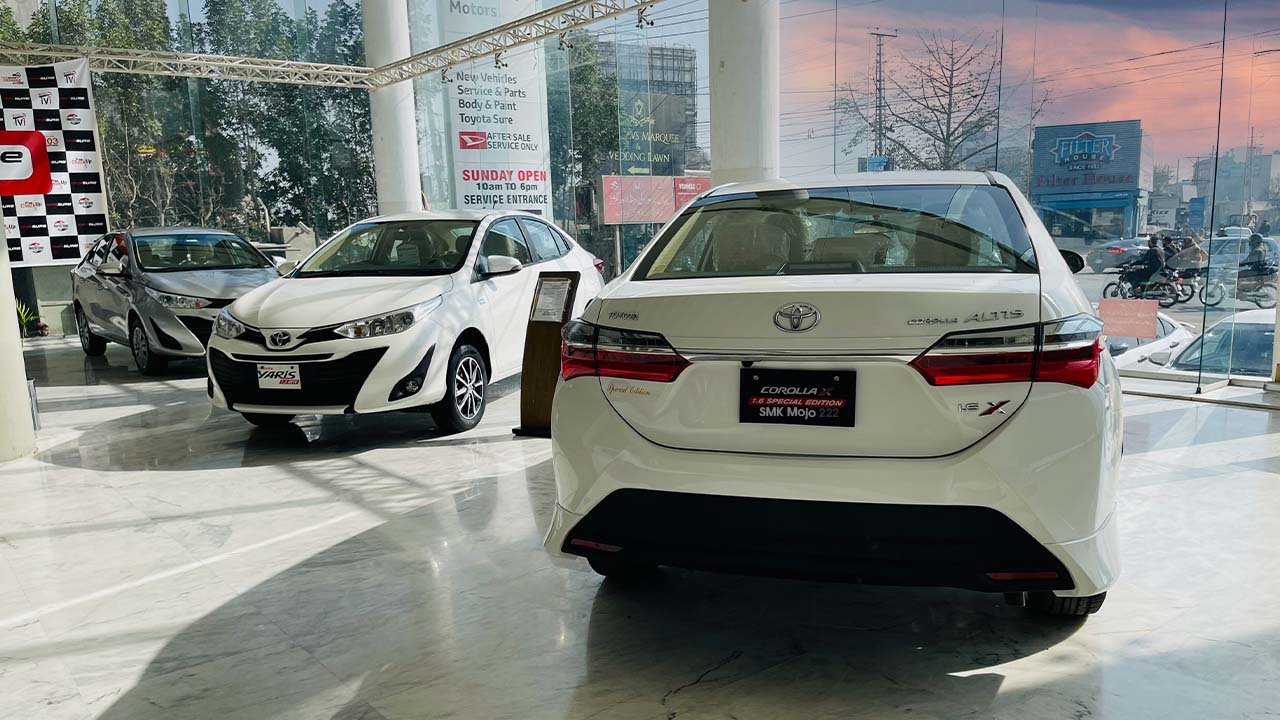
  • High prices lead to 79% drop in new car sales in June 2023

    High prices lead to 79% drop in new car sales in June 2023

    The automobile industry of Pakistan experienced a severe blow in the fiscal year 2022-23, with car sales plummeting by 56 per cent to a mere 126,879 units, according to data shared by the Pakistan Automotive Manufacturers Association (PAMA) on Tuesday. This significant decline can be attributed to various factors, including the non-availability of completely knocked down kits (CKDs), exorbitant car prices, a surge in auto financing, and the reduced purchasing power of buyers.

    In June 2023, the monthly sales took a substantial hit, dropping by 79 per cent compared to the same period last year, reaching a meager 6,034 units. However, it is worth noting that the sales in June were 10 per cent higher when compared to the sales in May.

    Among the car manufacturers, Honda Atlas Car (HCAR) witnessed the most notable increase in sales, with a month-on-month surge of 253 per cent to 307 units in June. This growth can be attributed to the lower sales base in the previous month and the availability of necessary car parts.

    Pak Suzuki, on the other hand, experienced a modest month-on-month growth of 2 per cent in June, with sales reaching 3,009 units. The surge in Bolan sales by 67 per cent contributed to this increase. However, the company’s bookings took a significant hit, plunging by 57 per cent to 65,364 units in the fiscal year 2022-23.

    Indus Motor Company, responsible for assembling Toyota cars, observed a 7 per cent increase in bookings on a month-on-month basis, reaching 1,846 units in June. Nonetheless, the company’s total car sales for the fiscal year 2022-23 amounted to 31,104 units, reflecting a decline of 58 per cent year-on-year.

    Hyundai Nishat Motor witnessed an 11 per cent month-on-month increase in sales, with the sales of Tucson surging by 61 per cent to 313 units and Elantra sales increasing by 28 per cent to 88 units in June.

    Shifting focus to the tractor segment, Millat Tractors (MTL) experienced a 42 per cent month-on-month increase in bookings, reaching 2,136 units in June. Conversely, Al Ghazi Tractors (AGTL) recorded sales of 854 units, marking a decline of 57 per cent. Overall, the total tractor industry sales for the fiscal year 2022-23 amounted to 30,942 units, representing a decrease of 48 per cent due to factors such as floods, plant shutdowns, lower consumer buying power, and higher prices.

    Looking ahead, the high interest rates and the significant increase in auto prices resulting from the depreciation of the Pakistani rupee against the dollar are expected to continue negatively impacting auto sales in the fiscal year 2024. Furthermore, restrictions on opening letters of credit (LCs) for importing CKDs by auto assemblers may lead to lower plant capacity utilisation and, in extreme cases, plant shutdowns across the industry.

  • Govt to implement Rs7 per unit power tariff hike, expecting over Rs3.2 trillion in revenue

    Govt to implement Rs7 per unit power tariff hike, expecting over Rs3.2 trillion in revenue

    The government is planning to raise the power base tariff by approximately Rs7 per unit. This move is expected to generate over Rs3.2 trillion in additional revenue from power consumers. The International Monetary Fund (IMF) Executive Board is set to discuss a stand-by arrangement, which is the final step in solidifying the IMF Staff Level Agreement. The government will then need to fulfill the program’s requirements.

    The increase in power tariff is a crucial condition set by the IMF for providing financial assistance to Pakistan. The Fund has been urging the government to raise the tariff and eliminate power subsidies to reduce the country’s fiscal deficit. The proposed increase, along with an 18 per cent GST on bills, could lead to a significant financial burden on power consumers.

    Nepra, the regulatory authority, has conducted hearings with distribution companies (Discos) on this matter. While the privatised company, K-Electric, will be insulated from the increase in base tariff, the price of electricity it draws from the national grid will become costlier.

    The increase in base tariff, estimated at nearly Rs7 per unit, is awaiting submission to the federal government for notification. If finalised, it would raise the base tariff to Rs31.80 per unit from the current Rs24.80. The increase is aimed at reducing the power sector’s circular debt accumulation, which currently stands at approximately Rs2.64 trillion due to inefficiencies in power generation, transmission, and distribution.

    The rise in power tariffs will impact consumers across residential, commercial, and industrial sectors, leading to inflation. Businesses will pass on the increased costs to consumers, while households will need to allocate more funds for power, straining their budgets. However, the government asserts that this step is necessary to revive the power sector and the economy. It has also promised targeted subsidies to alleviate the burden on the poor and vulnerable.

    In a positive development, the government has made a payment of Rs142 billion to Independent Power Producers (IPPs), reducing their outstanding dues and improving their cash flows. However, the power sector still faces a circular debt of Rs2.64 trillion. Additionally, the IMF has called for a 45-50 per cent increase in gas tariffs, affecting consumers of Sui Northern Gas Pipelines Limited (SNGPL) and Sui Southern Gas Company Limited (SSGCL).

    The government is likely to continue its policy of having high-end consumers subsidise low-end consumers. The circular debt in the energy sector amounts to over Rs4.30 trillion, including debts from the oil and gas sector.

    Finance ministry and Nepra officials have experienced confusion regarding the finalisation of the increase in base tariff, as the IMF board meeting approaches. The regulator is awaiting projections from the finance ministry to determine the final base tariff. The government aims to achieve a value of Rs240 for the US dollar, despite setting it at Rs290 billion in the federal budget.

    Overall, the government’s objective is to address the financial challenges in the power sector while providing support to those affected by the tariff increase. The proposed measures are crucial to stabilise the power sector and stimulate the economy.

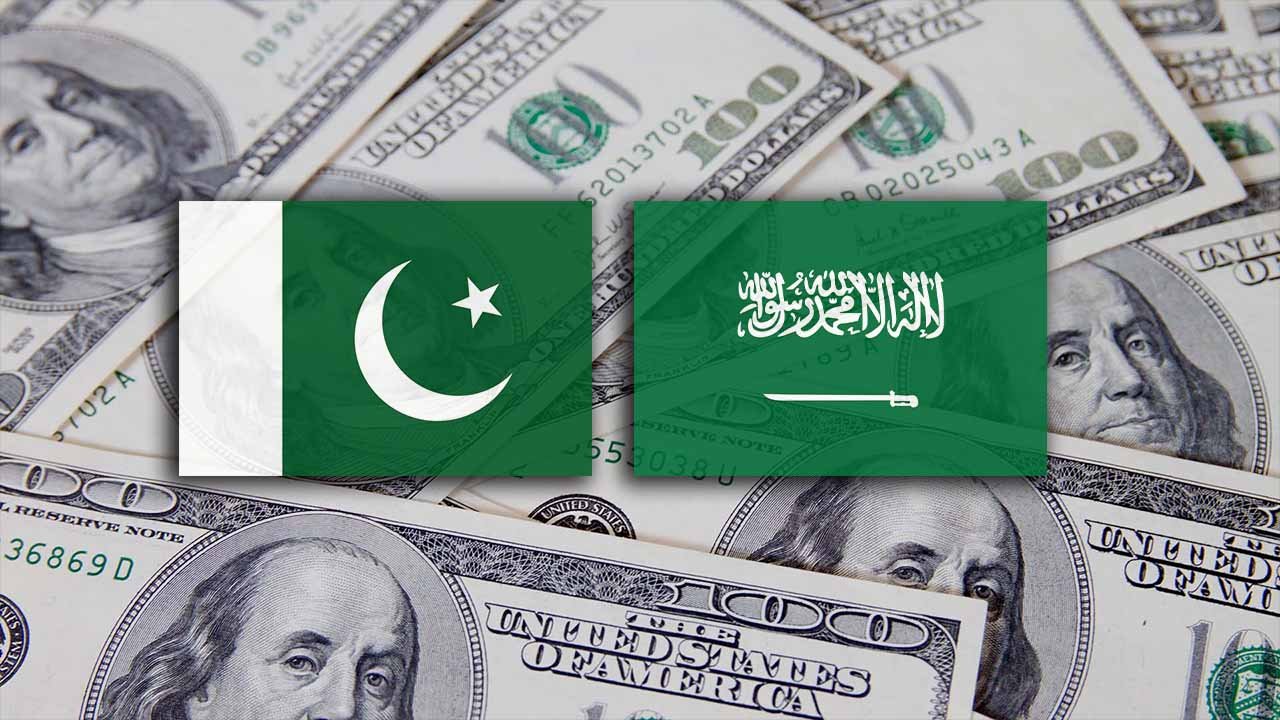
  • Pakistan’s foreign exchange reserves boosted by $2 billion deposit from Saudi Arabia

    Pakistan’s foreign exchange reserves boosted by $2 billion deposit from Saudi Arabia

    Pakistan’s central bank has received a significant financial boost of $2 billion from Saudi Arabia, as announced by Federal Minister Ishaq Dar. This infusion of funds will greatly bolster the country’s low foreign exchange reserves.

    During a media briefing on Tuesday, Dar expressed gratitude, stating, “Our brother nation, Saudi Arabia, has deposited $2 billion into the account of the State Bank of Pakistan (SBP).” He further emphasised that this contribution will directly enhance Pakistan’s foreign exchange reserves.

    At the close of last week, the SBP’s forex reserves grew by $393 million to reach $4.463 billion, primarily due to official government inflows. Over the past two weeks, the SBP’s reserves have surged by $937 million. However, it is important to note that these reserves still only cover approximately a month’s worth of imports.

    Dar stated, “These $2 billion will be reflected in the SBP’s reserves by the week ending 14th July.” The finance minister also commended the Saudi government, specifically King Salman and Crown Prince Mohammad bin Salman, for their instrumental role in this gesture of support. Dar extended heartfelt appreciation to the leadership of the Kingdom of Saudi Arabia for depositing $2 billion with the SBP and expressed optimism about future positive economic developments. He declared that Pakistan’s economic situation has nearly stabilised and is poised for growth.

    This development follows the recent announcement by the International Monetary Fund (IMF) that its staff and Pakistani authorities have reached an agreement on policies backed by a $3 billion, nine-month Stand-By Arrangement (SBA). The staff-level agreement is pending approval by the IMF Executive Board, with a decision expected on 12th July.

    Read more: Pakistan commits to 4% annual profit on $2 billion deposit from Saudi Arabia

    Nathan Porter, IMF Mission Chief to Pakistan, stated, “The new SBA builds upon the authorities’ efforts under Pakistan’s 2019 EFF-supported program, which expires at the end of June.” The new IMF arrangement, viewed as highly favorable for the government and economy amidst the ongoing crisis, extends Pakistan’s commitment to the lender well into the second half of fiscal year 2023-24. Moreover, it represents an upgrade from earlier expectations of receiving $1.1 billion following the ninth review.

    Experts have consistently emphasised the critical nature of resuming the IMF bailout package for Pakistan, a cash-strapped South Asian economy grappling with a balance of payments crisis. In addition to mitigating risks of potential default, the funding from the international lender is expected to pave the way for additional inflows from Pakistan’s multilateral and bilateral partners.

  • Local manufacturing plants in Pakistan assemble 4.88 million mobile phones in first five months of 2023

    Local manufacturing plants in Pakistan assemble 4.88 million mobile phones in first five months of 2023

    According to official data, local manufacturing plants in Pakistan have successfully manufactured and assembled 4.88 million mobile handsets during the first five months (January-May) of 2023. This figure stands in stark contrast to the mere 0.41 million handsets that were commercially imported during the same period.

    For the month of May 2023, local manufacturing plants contributed 1.44 million mobile handsets, while commercial imports lagged behind at 0.11 million.

    However, it is worth noting that the local manufacturing industry experienced a decline in production during the calendar year 2022, manufacturing 21.94 million mobile handsets compared to the 24.66 million produced in 2021. This decline can be attributed to import issues caused by restrictions on the opening of letters of credit (LCs).

    Providing additional insight, the Pakistan Telecommunication Authority (PTA) disclosed that out of the 21.94 million mobile handsets assembled in 2022, only 1.53 million were commercially imported.

    Of the 4.88 million locally manufactured and assembled mobile handsets, 4 million were 2G phones, while 0.88 million were smartphones.

    Furthermore, the PTA data reveals that smartphones accounted for 56 per cent of the mobile devices used in Pakistan, while 44 per cent were 2G phones.

    Moving on to imports, Pakistan imported mobile phones valued at $516.488 million during the first 11 months (July-May) of the current fiscal year 2022-23, indicating a significant negative growth rate of 73.46 per cent compared to the $1.946 billion imported during the same period last year.

    In May 2023, the country experienced a remarkable 308 per cent month-on-month increase in mobile phone imports, reaching $43.201 million. This figure surpasses the $10.587 million worth of imports recorded in April 2023, as reported by the Pakistan Bureau of Statistics (PBS).

    When compared to May 2022, however, mobile phone imports in May 2023 exhibited a negative growth rate of 68.52 per cent, with the value dropping to $137.212 million.

    Taking a broader view of the telecom industry, overall imports into Pakistan amounted to $860.441 million during the July-May 2023 period. This marks a substantial negative growth rate of 66.87 per cent compared to the $2.597 billion recorded during the same period in the previous fiscal year.

  • FBR to increase property valuation rates by 13-15% in accordance with World Bank loan conditions

    FBR to increase property valuation rates by 13-15% in accordance with World Bank loan conditions

    In accordance with the loan conditions set by the World Bank, the Federal Board of Revenue (FBR) has made the decision to increase property valuation rates in various urban centers across the country. This increase will range from 13 per cent to 15 per cent on average.

    As part of this ongoing exercise, the FBR has also expanded the number of cities covered from 42 to 51. The revised property valuation rates will be officially announced for these cities.

    High-ranking sources within the FBR have confirmed that consultations with provincial authorities are underway to determine the adjusted property valuation rates, which are scheduled to take effect from August 1, 2023.

    Presently, the FBR’s property valuation rates are applicable in over 40 cities and towns, including Abbottabad, Attock, Bahawalnagar, Bahawalpur, Chakwal, Dera Ismail Khan, Dera Ghazi Khan, Faisalabad, Ghotki, Gujranwala, Gujrat, Gwadar, Hafizabad, Haripur, Hyderabad, Islamabad, Jhang, Jhelum, Karachi, Kasur, Khushab, Lahore, Larkana, Lasbela, Lodhran, Mandi Bahauddin, Mansehra, Mardan, Mirpurkhas, Multan, Nankana Sahib, Narowal, Peshawar, Quetta, Rahimyar Khan, Rawalpindi, Sahiwal, Sargodha, Sheikhupura, Sialkot, Sukkur, and Toba Tek Singh.

    Under the revised valuation tables, all of these cities will experience an increase of 13 per cent to 15 per cent. Additionally, starting from August 1, 2023, nine more cities and towns will be added to the list of covered areas.

    The Punjab Board of Revenue recently communicated to all deputy commissioners and district collectors, informing them of a meeting held under the chairmanship of a senior member of the Board of Revenue, Punjab. The purpose of the meeting was to discuss the progress in preparing the DC Valuation Tables in consultation with FBR representatives.

    During the meeting, the senior member requested that instructions be issued to all Punjab district collectors regarding the preparation of valuation tables for the fiscal year 2023-24.

    To ensure consistency and alignment between the DC valuation tables and the FBR valuation tables, district collectors have been advised to include FBR representatives as members of the committee, as previously stipulated in the Punjab Stamp (Valuation Tables in respect of Immovable Property) Rules of 1999.

    It is recommended that the specified timelines for completing the valuation tables be adhered to. Furthermore, the valuation tables should include the name of the housing society or scheme, as well as the Khasra numbers corresponding to the developed housing society or scheme.

    In determining the rates, consideration should also be given to the brochure value advertised by the housing societies or schemes. This task should be given top priority, as per the order.

    The FBR’s higher authorities are currently reviewing the work conducted by field formations in consultation with the respective provincial authorities.

    According to Geo, the upcoming exercise will result in an average increase of 15 per cent in the valuation tables, effective from August 1, 2023. The aim is to establish the updating of valuation tables as an annual practice, as there is still a disparity between the FBR’s notified rates and the current market rates.

    The revision of property valuation tables is a condition attached to the $400 million World Bank loan known as the ‘Pakistan Raises Revenues (PRR) and RISE-II program’. The adjusted valuation rates will contribute to increased tax collection from immovable properties. However, it is important to note that the FBR’s notified rates still remain lower than the prevailing fair market value.

  • US dollar surges by Rs1.90, closes at Rs279.80 against Pakistani rupee

    US dollar surges by Rs1.90, closes at Rs279.80 against Pakistani rupee

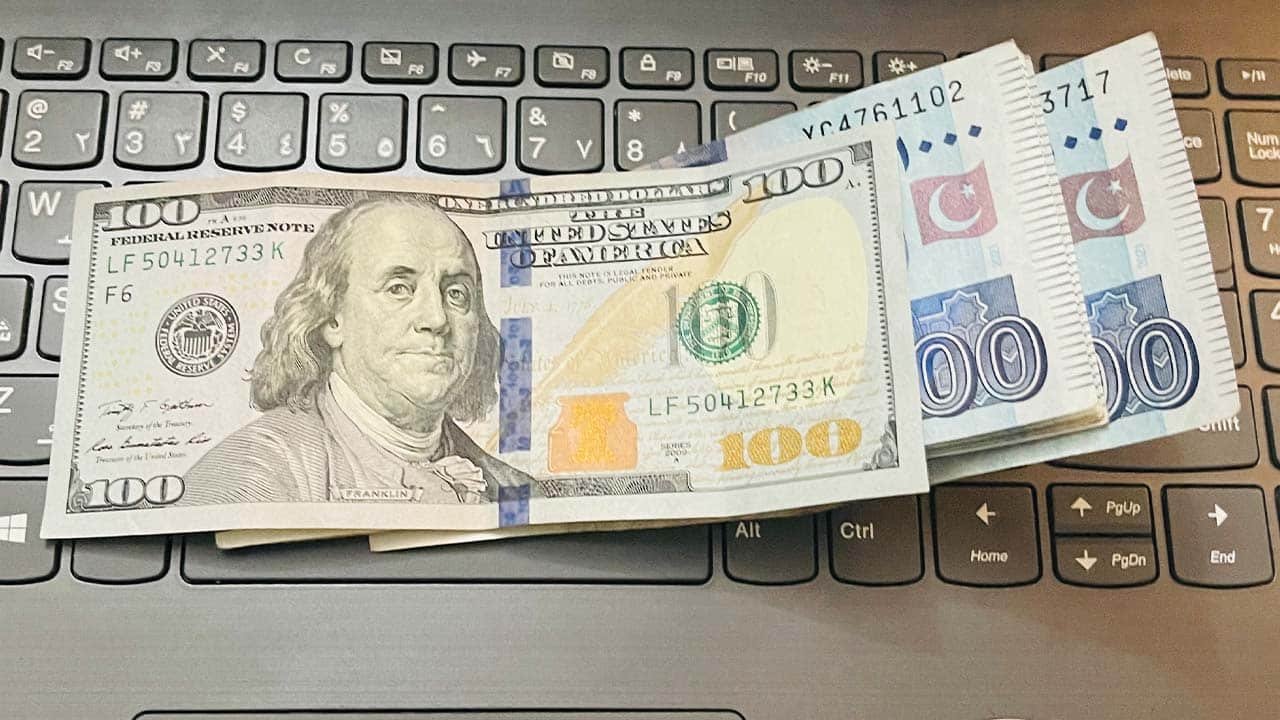
    According to the State Bank of Pakistan, the US dollar demonstrated further appreciation against the Pakistani rupee in the interbank market on Monday.

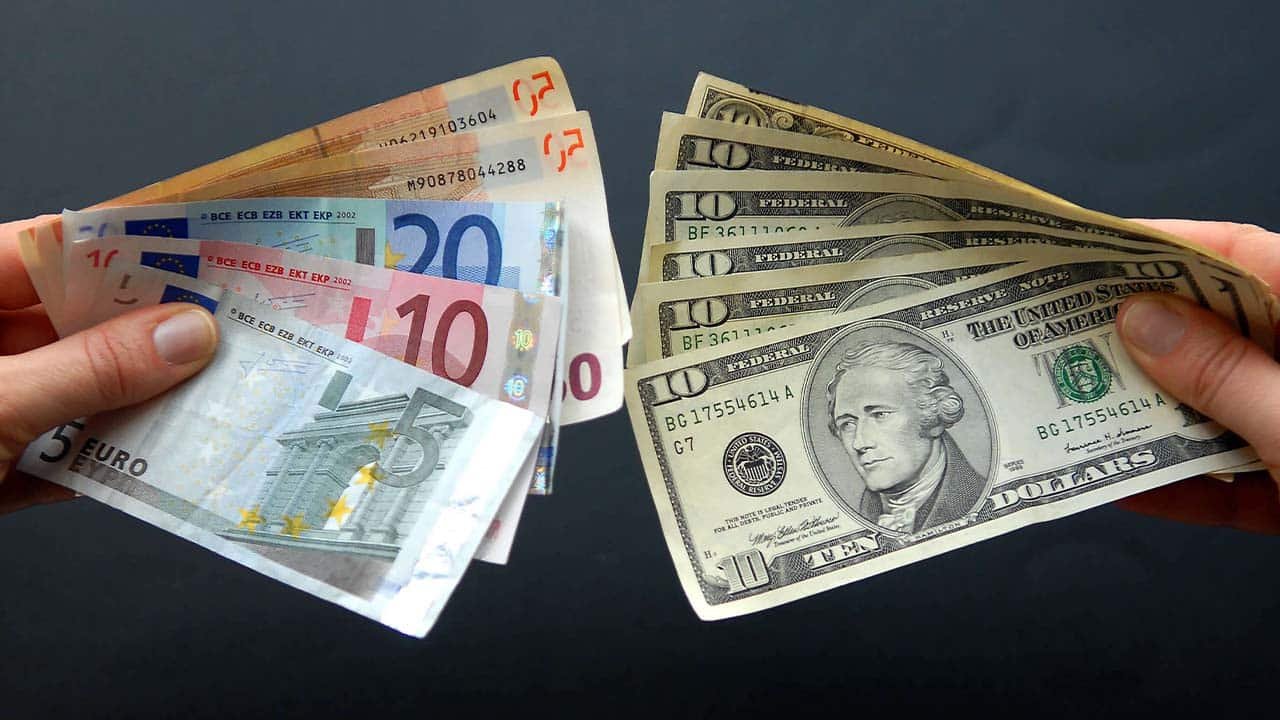
    The American currency gained Rs1.90 against the local currency, closing at a rate of Rs279.80, compared to the previous day’s closing rate of Rs277.90.

    Concurrently, in the open market, the dollar is being traded at Rs283. It is noteworthy that the Pakistani rupee had experienced a gain of Rs10.58 over the course of last week.

    Anticipating future trends, Malik Bostan, the President of the Exchange Companies Association of Pakistan (ECAP), expressed his belief that the value of the dollar will continue to decrease in the upcoming days.

    Furthermore, the price of gold in Pakistan also experienced a slight increase at the beginning of the week, corresponding to the devaluation of the rupee against the dollar.

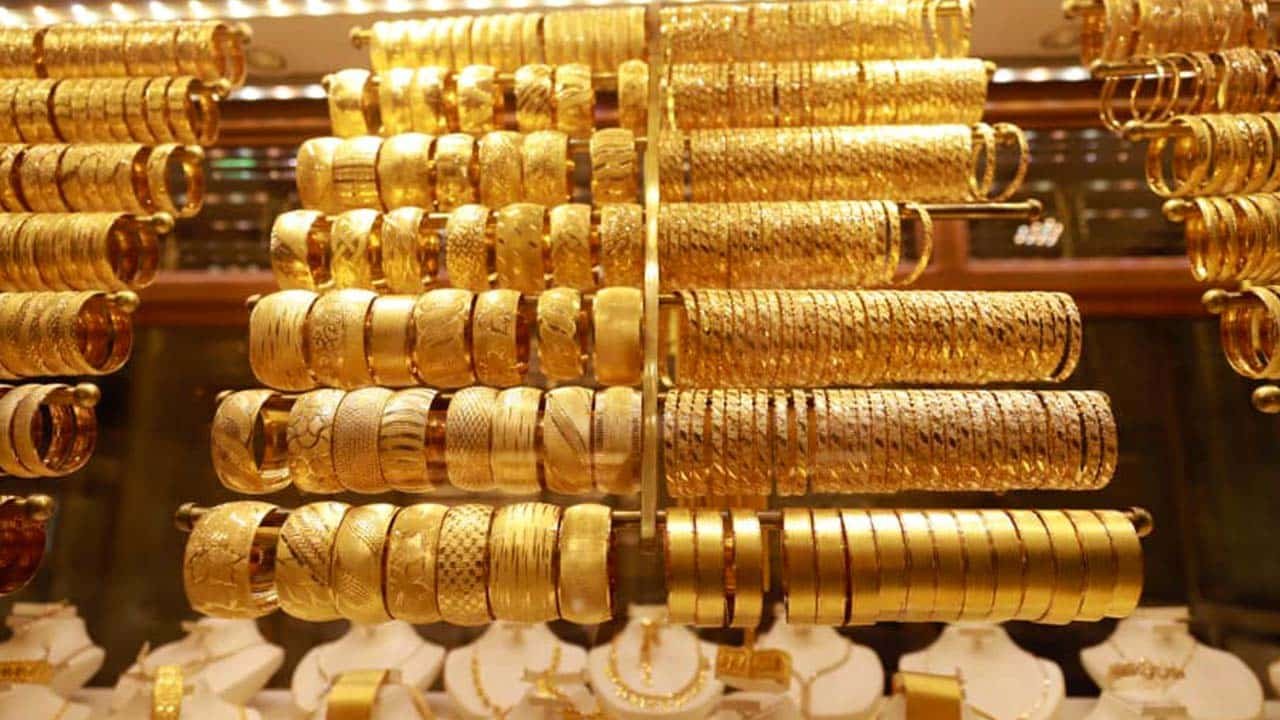
    As per the data released by the All-Pakistan Sarafa Gems and Jewellers Association (APSGJA), the price of 24-carat gold rose by Rs800 per tola and Rs686 per 10 grammes, reaching Rs209,000 and Rs179,184 respectively.

  • Gold price increases to Rs209,000 per tola amid depreciation of Pakistani rupee

    Gold price increases to Rs209,000 per tola amid depreciation of Pakistani rupee

    The price of gold in Pakistan experienced a slight increase at the beginning of the week, corresponding to the devaluation of the rupee against the dollar.

    As per the data released by the All-Pakistan Sarafa Gems and Jewellers Association (APSGJA), the price of 24-carat gold rose by Rs800 per tola and Rs686 per 10 grammes, reaching Rs209,000 and Rs179,184 respectively.

    In contrast, the international market maintained a stable price for gold at $1,925 per ounce. The gold market in Pakistan has displayed volatility in recent times, influenced by ongoing political and economic uncertainties, as well as high inflation. Consequently, individuals tend to view gold as a secure investment and a hedge during such periods.

    Data provided by the association indicates that the price of silver remained unchanged at Rs2,480 per tola and Rs2,26.20 per 10 grammes. During the previous session on Saturday, the price of gold experienced a decrease of Rs200 per tola.

    Meanwhile, the local currency underwent a marginal depreciation of 0.68 per cent against the US dollar in the interbank market, as reported by the State Bank of Pakistan (SBP). The rupee concluded the day at Rs279.80 against the dollar.

  • Remittances in June 2023 decline by 21.4%, hitting $2.2 billion: SBP

    Remittances in June 2023 decline by 21.4%, hitting $2.2 billion: SBP

    In June 2023, remittances experienced a year-on-year decrease of 21.4 per cent, falling to the $2.2 billion mark compared to $2.8 billion in June 2022, according to data released by the State Bank of Pakistan (SBP).

    Simultaneously, cumulative remittances sent by overseas Pakistanis for the 12-month period ending on June 30, 2023, diminished to $27 billion, reflecting a 14 per cent decline in the financial year 2022-23 when compared to the record-high inflows of $31 billion reported in the previous financial year.

    In terms of monthly trends, remittances received by the country from overseas Pakistanis increased by 3.85 per cent from $2.102 billion in May to $2.18 billion in June 2023.

    The primary sources of remittance inflows during June 2023 were Saudi Arabia ($515 million), the United Kingdom ($343 million), the United Arab Emirates ($325 million), and the United States ($272 million).

    Moreover, proceeds from expatriates residing in European Union countries showed an 11 per cent month-on-month increase in June 2023, amounting to $272 million. Similarly, remittances from other GCC countries (Bahrain, Kuwait, Qatar, and Oman) totaled $271.9 million.

    The decline in inflows reported for FY23 can be attributed to various austerity measures implemented by the coalition government and the banking regulator. These measures included high taxes on cash held in banks and exchange companies, aimed at increasing remittance collections.

    Import restrictions, coupled with unfavorable domestic economic conditions during FY23, had a detrimental impact on remittance inflows. These factors resulted in reduced demand and led to a diversion of a significant portion of expatriate inflows towards informal currency exchange channels.

    Fundamentally, the contraction in imports caused by policy measures, along with demand suppression, exchange rate depreciation, and the preference for undocumented channels to maximise profits, all contributed to curbing remittance inflows during FY23. As a consequence, the expatriate Pakistani community residing in various countries faced inadequate facilitation.

  • Khyber Pakhtunkhwa businessmen threaten industrial shutdown amidst worsening law and order situation

    Khyber Pakhtunkhwa businessmen threaten industrial shutdown amidst worsening law and order situation

    Khyber Pakhtunkhwa (KP) business community has expressed their concerns regarding the unfavorable law and order conditions, threatening a potential shutdown of industrial operations.

    Malik Imran Ishaq, President of Hayyatabad Industrial State, highlighted the persistent issue of extortion demands faced by industrialists. He further stated that unidentified individuals resort to grenade attacks on residences and offices when businessmen fail to comply with the extortion demands.

    In light of these circumstances, the president of the KP industrialists association has urged the government to ensure adequate security measures, emphasising that failure to do so would force them to halt their industrial activities.

    The deteriorating law and order situation in Khyber Pakhtunkhwa (KP) province has become a cause for concern among businessmen and residents alike.

    As per available records, a total of 411 incidents were reported in the province in the year 2022, out of which 342 cases were filed in relation to extortion.

    Additionally, the Counter Terrorism Department (CTD) registered First Information Reports (FIRs) for 69 extortion incidents and successfully apprehended 173 individuals involved in extortion activities during the same year.

  • Koenigsegg’s new Gemera to offer mind-blowing 2,300 horsepower hybrid powertrain

    Koenigsegg’s new Gemera to offer mind-blowing 2,300 horsepower hybrid powertrain

    We have been acquainted with luxurious alternatives in the past, yet never encountered anything quite as remarkable as this. According to reports from the inauguration event at Koenigsegg’s newly established manufacturing facility, the company is poised to offer purchasers of the Gemera model an unprecedented V8 hybrid powertrain, boasting a staggering output of 2,300 horsepower.

    Upon its initial revelation, Koenigsegg pledged that the Gemera, a two-door, four-seat vehicle, would exhibit a still-excessive 1,700 horsepower (1,268 kW/1,723 PS) generated by a three-cylinder engine harmoniously integrated with a hybrid system.

    However, the Egg Registry reports that the production iteration of the Gemera will present an alternative powertrain. Discarding the three-cylinder engine, the vehicle will adopt a V8 engine sourced from the Jesko model.

    The aforementioned 5.0-liter twin-turbocharged engine already commands an impressive output of 1,578 horsepower (1,177 kW/1,600 PS) and 1,106 lb-ft (1,500 Nm) of torque when utilising E85 fuel in the Jesko. Moreover, the company boldly asserts that this engine holds the title of the fastest revving production engine in existence, rendering it a highly coveted addition to nearly any automobile.

    According to CarScoops, the precise method by which this powerhouse will fit within the same space previously occupied by the comparatively diminutive three-cylinder engine remains uncertain. Nonetheless, reports indicate that it will be coupled with Koenigsegg’s nine-speed Light Speed Transmission and, owing to the inclusion of the hybrid system, deliver an awe-inspiring 2,300 horsepower and 2,028 lb-ft (2,750 Nm) of torque.

    Furthermore, the production model of the Gemera will be equipped with physical side mirrors instead of the cameras featured on earlier prototypes, adhering to the regulatory requirements of the United States. For enhanced performance, an optional “Ghost Package” will introduce several aerodynamic enhancements, including a rear wing, an extended front splitter, and an S-duct. It is worth noting, however, that this package compromises practicality by eliminating the front trunk.

    Regrettably, the outlet informs us that production of the Gemera is still a considerable amount of time away, with the first customers anticipated to receive their vehicles in 2025.