As voters queued up to participate in the contentious elections in Pakistan, a significant disruption emerged: the suspension of mobile phone services across the country.
While authorities defended the measure as a necessary step to maintain order, critics argued that it severely limited access to vital information during the crucial voting process.
The decision to suspend mobile services has sparked concerns among citizens, particularly regarding their ability to locate their designated polling stations using the 8300 SMS service, a widely relied-upon method for voters to find their voting locations.
They can also not use Google Maps to reach their desired location and ride-hailing applications are also not working.
Furthermore, the suspension of mobile services has hindered the reporting and highlighting of irregularities in the elections.
Without access to mobile networks, citizens are facing challenges in documenting and sharing any potential discrepancies or violations occurring at polling stations, raising questions about the transparency and integrity of the electoral process.
The Election Commission of Pakistan (ECP) wants people to use their toll-free numbers to lodge complaints directly with the ECP, but citizens cannot do so because their mobile networks are not working.
Amidst the disruptions, some citizens have suggested utilizing Wi-Fi devices or cable internet with Wi-Fi routers, removing passwords, and renaming the devices to “free internet” to facilitate access for those nearby.
If you can’t send or receive messages from 8300, send your CNIC number to Imran Khan’s Facebook page and you will get the details of your polling station.
The federal Ministry of Interior has confirmed on Thursday morning that internet services on mobile data across the country have been suspended after a dramatic surge of terror attacks just a day before the country goes to polls.
“Recent surge in terrorist activities resulting in precious lives have stirred security environment in the country. In the light of deteriorating security situation and to mitigate potential security threats, need has risen to take by measures to safeguard against it. Therefore, it has been decided to temporarily suspend the mobile services across the country,” a statement issued by the ministry said.
However, WiFi services have not been suspended and remain operational.
The news has been met by dismay on social media as users say it hinders the voting process and blocks candidates from communicating with their polling staff.
On Wednesday, two attacks just a short while apart from each other, killed 27 people in Balochistan while more than 50 people were injured. A grenade attack in Karachi got foiled when the ammo detonated in the hands of the motorcyclist carrying it, while JUI-F’s Hafiz Hamdullah was attacked by gunfire in an assassination attempt that failed.
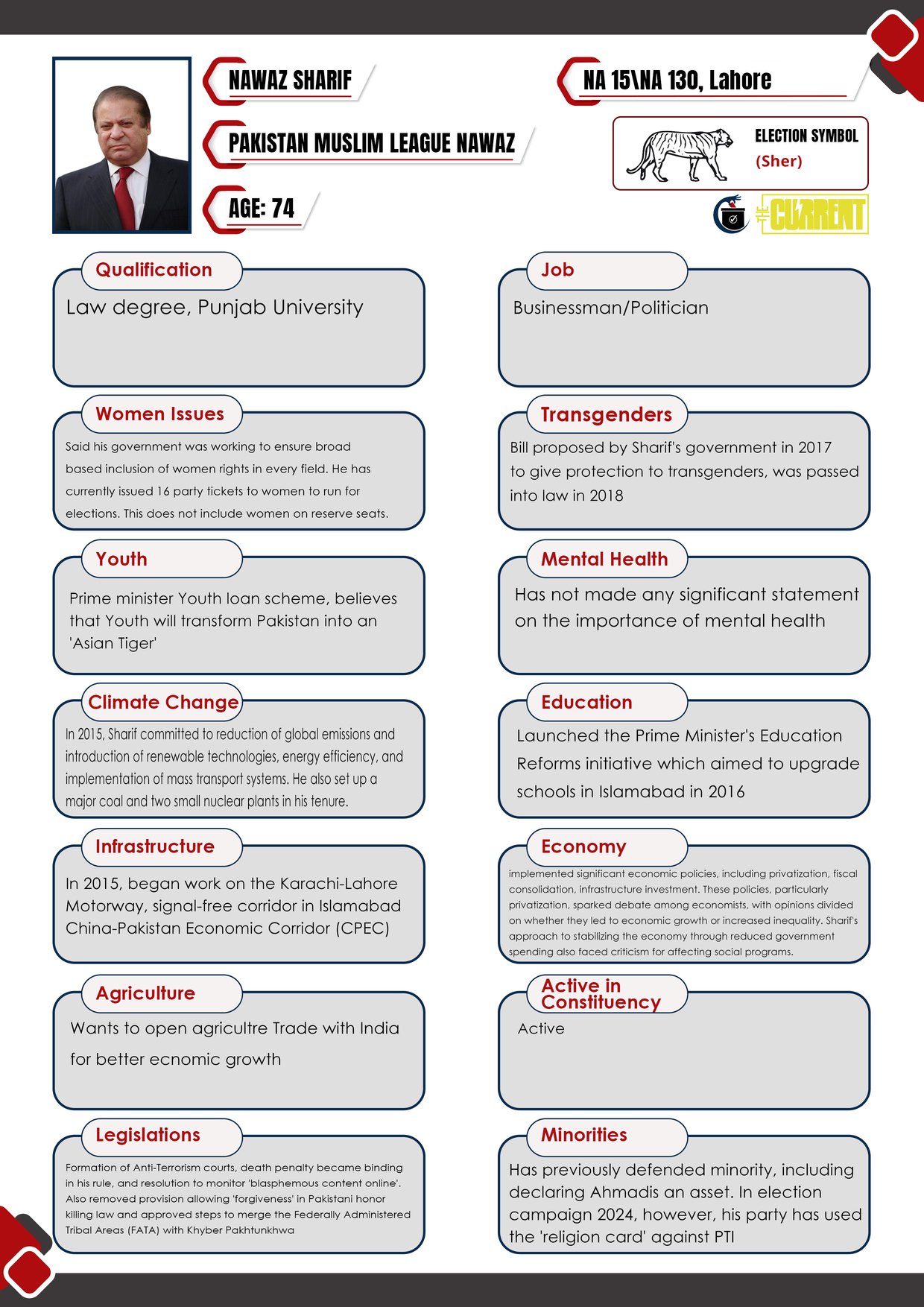
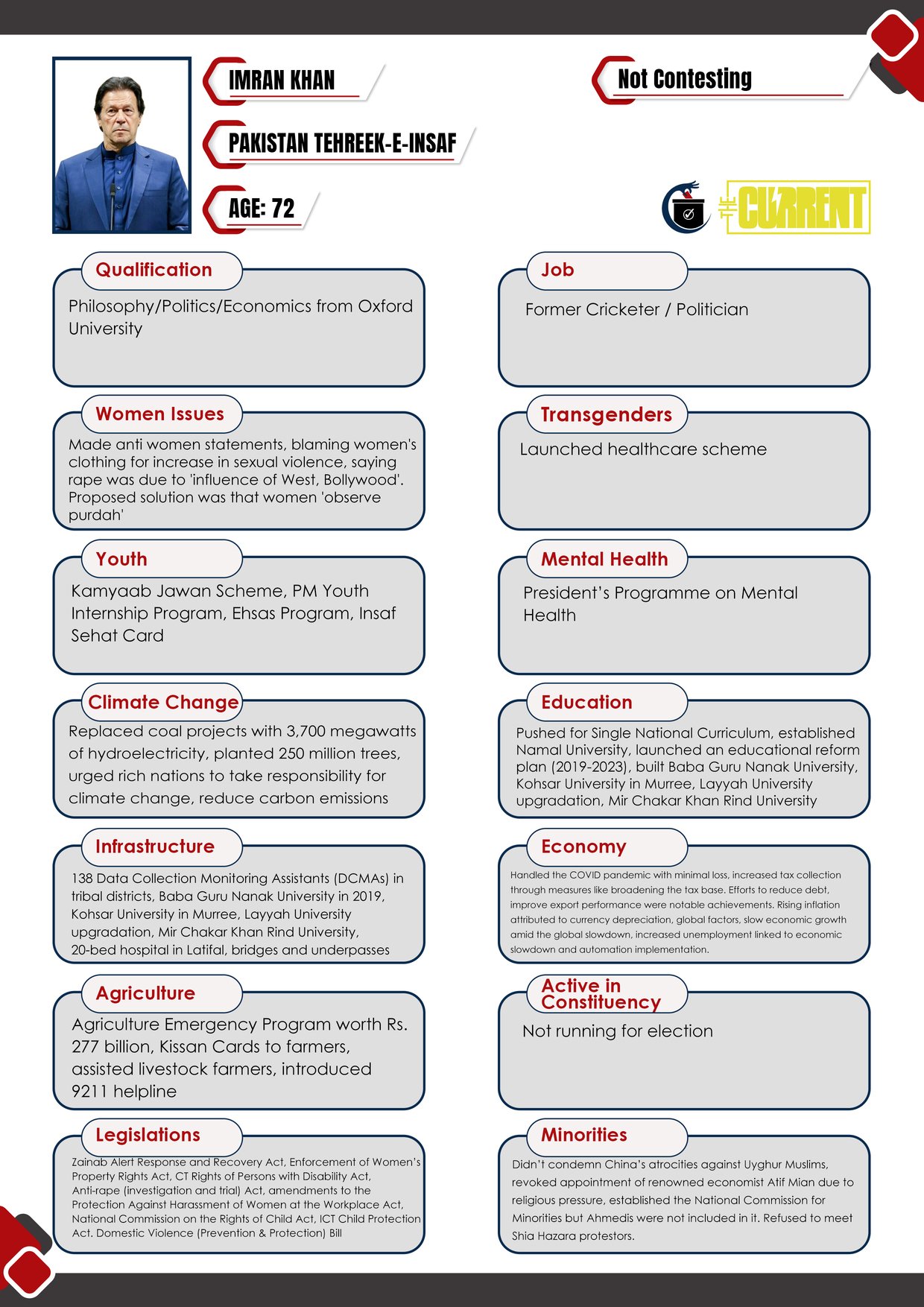
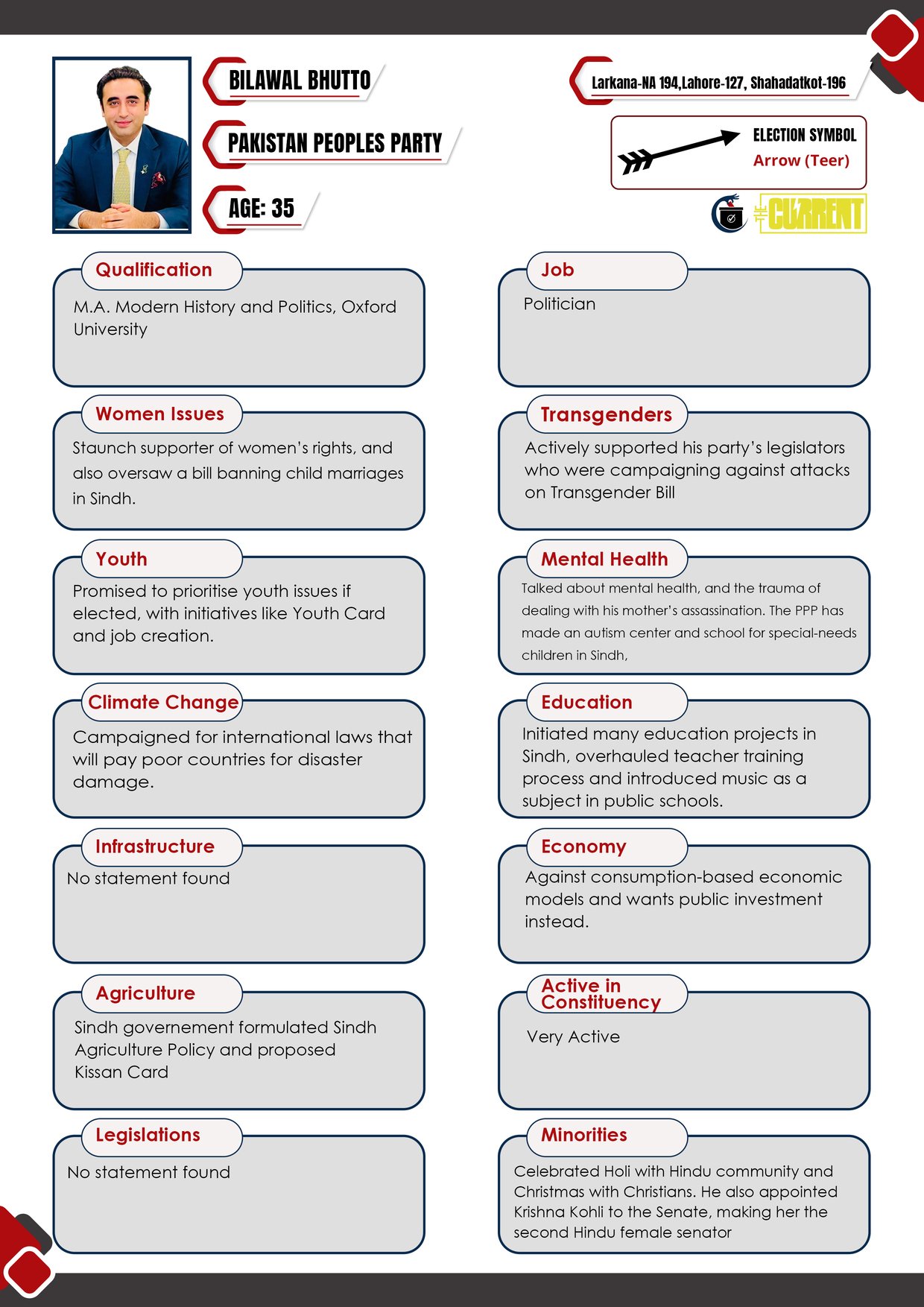
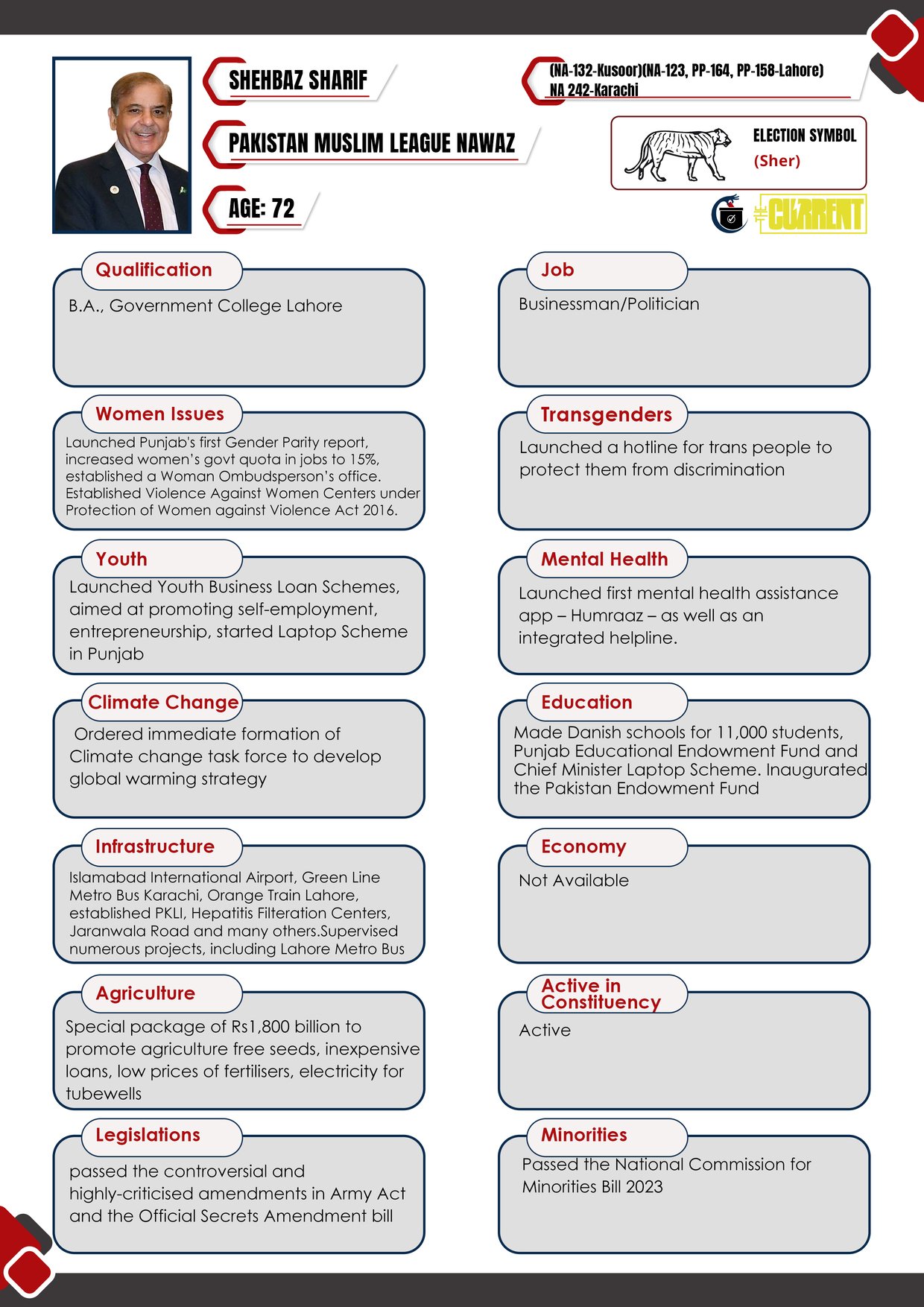
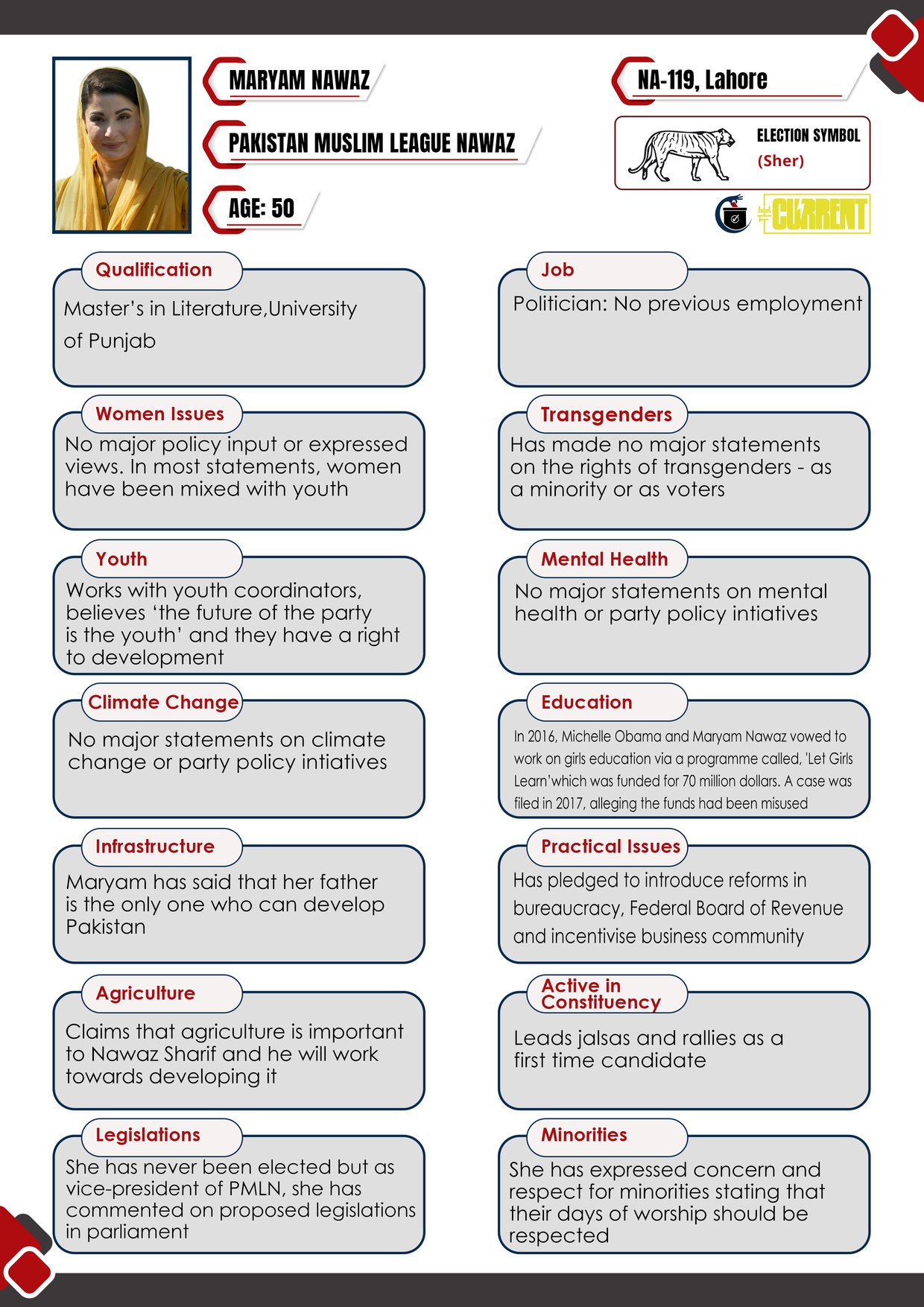
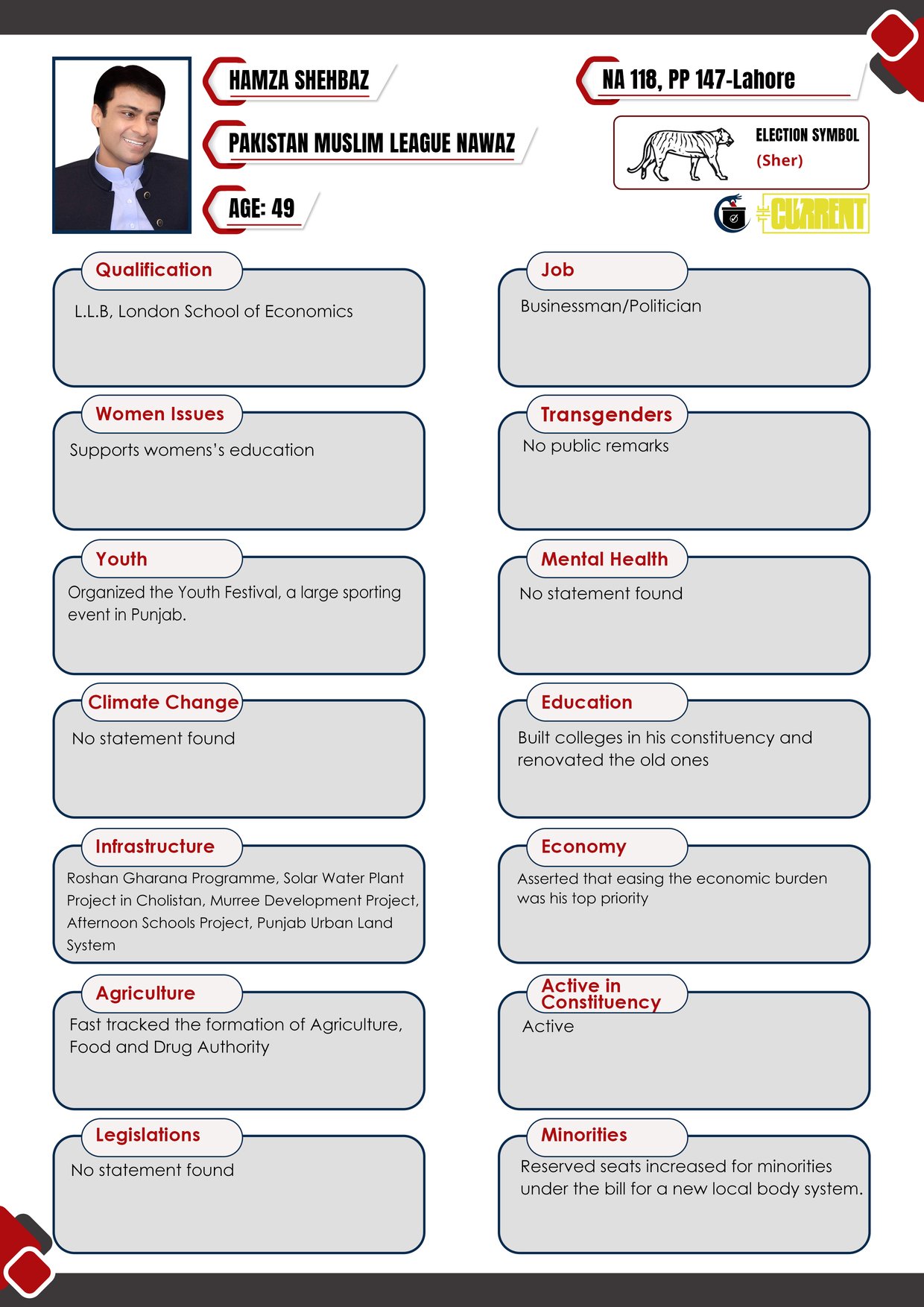
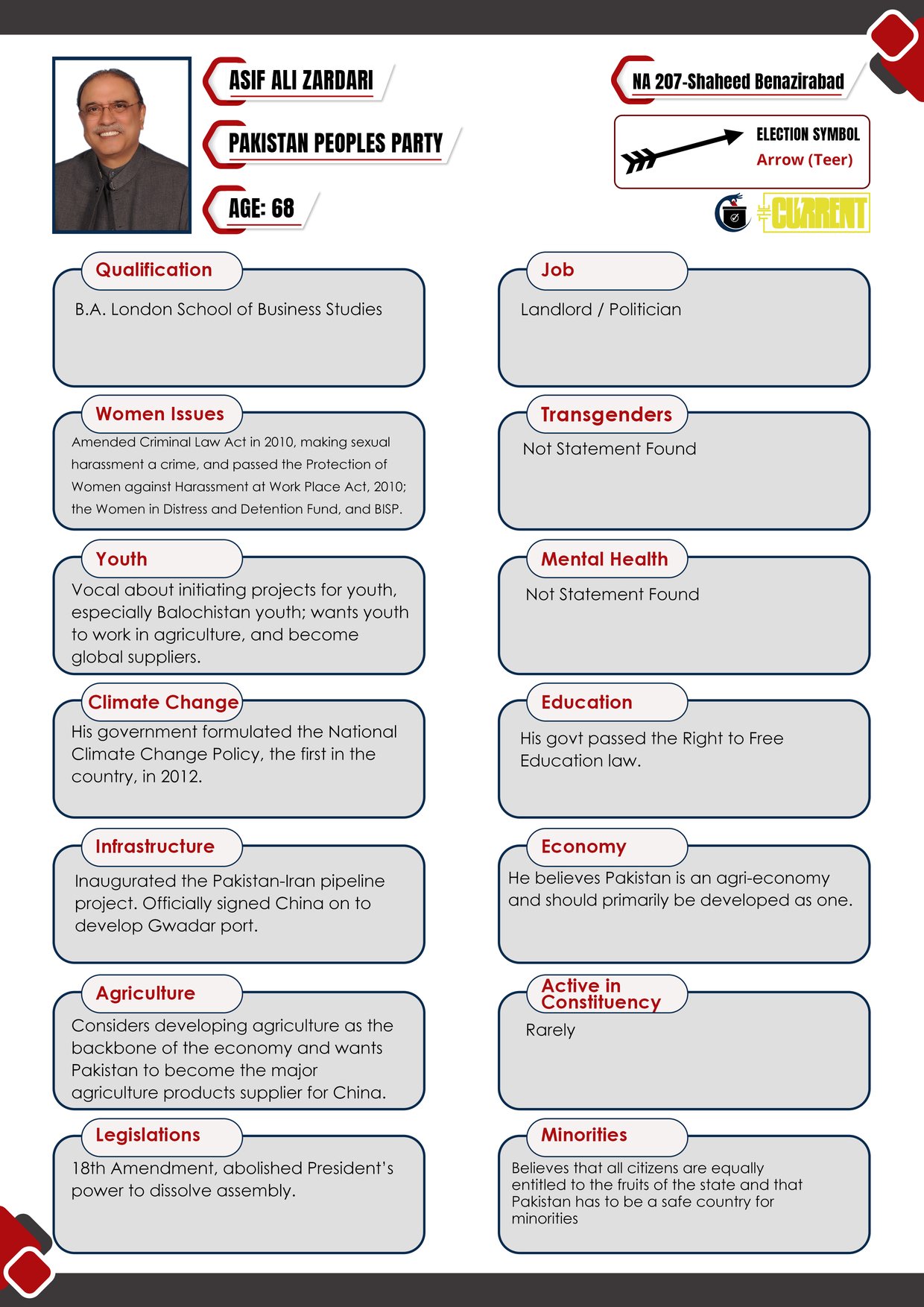
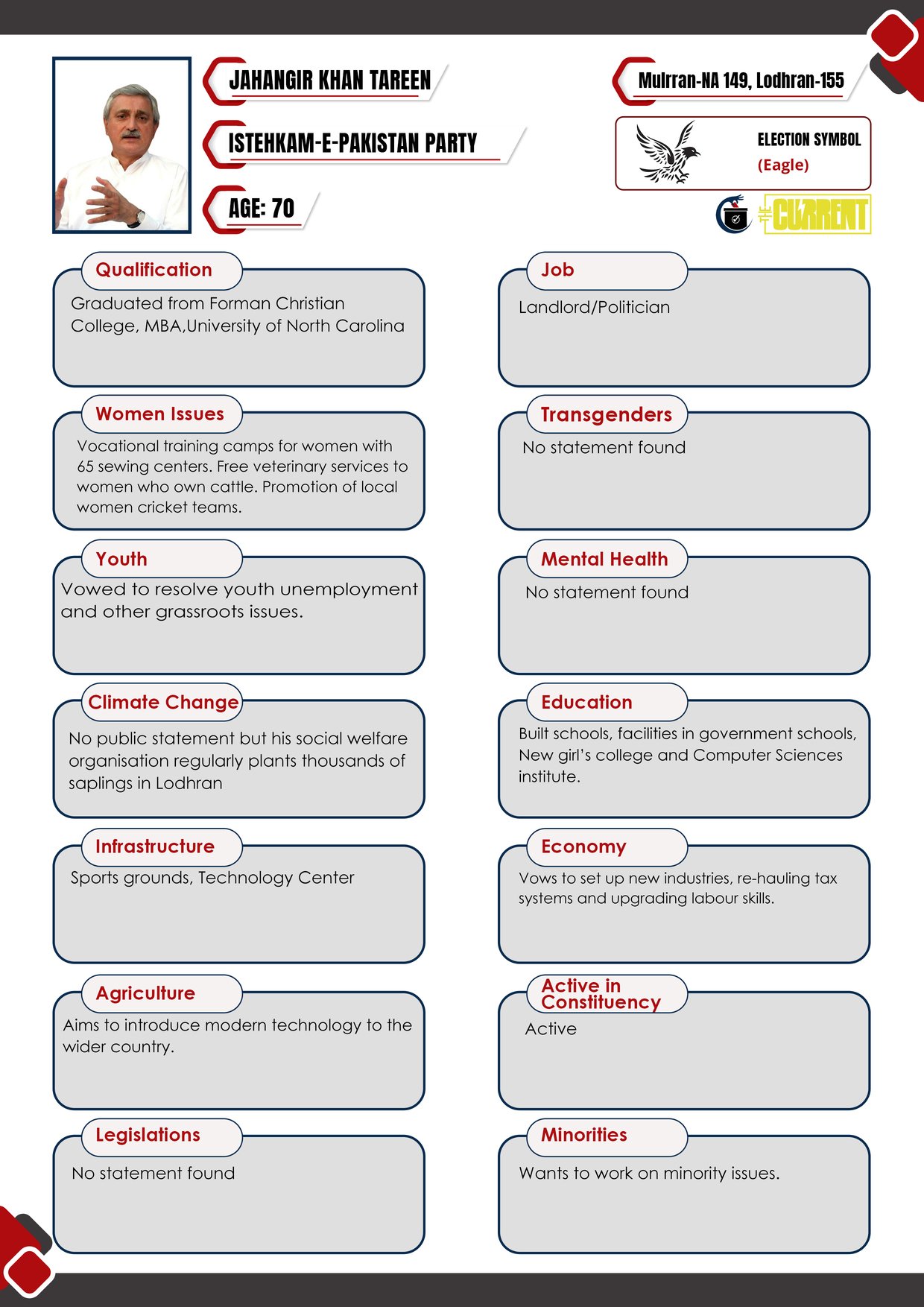
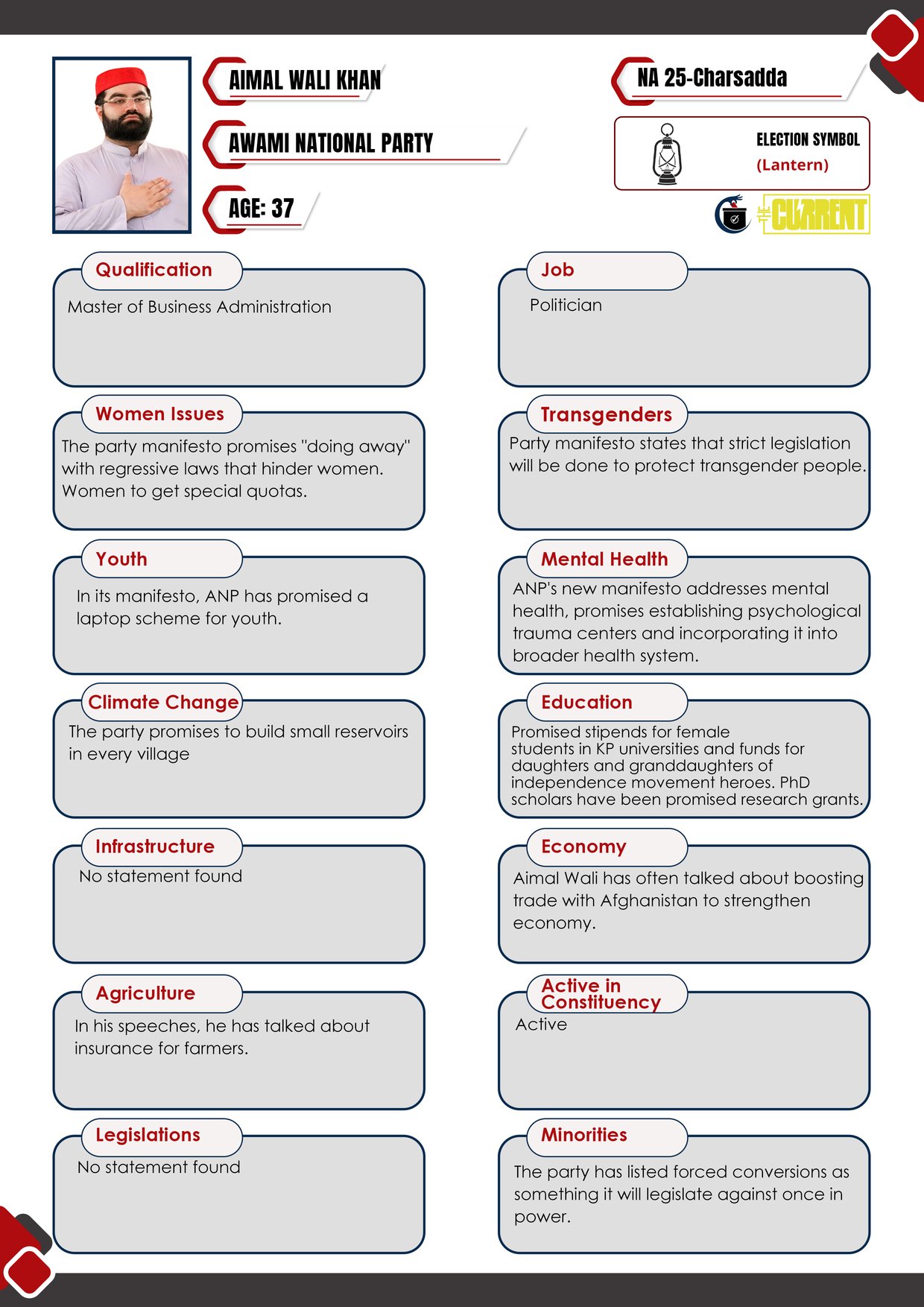
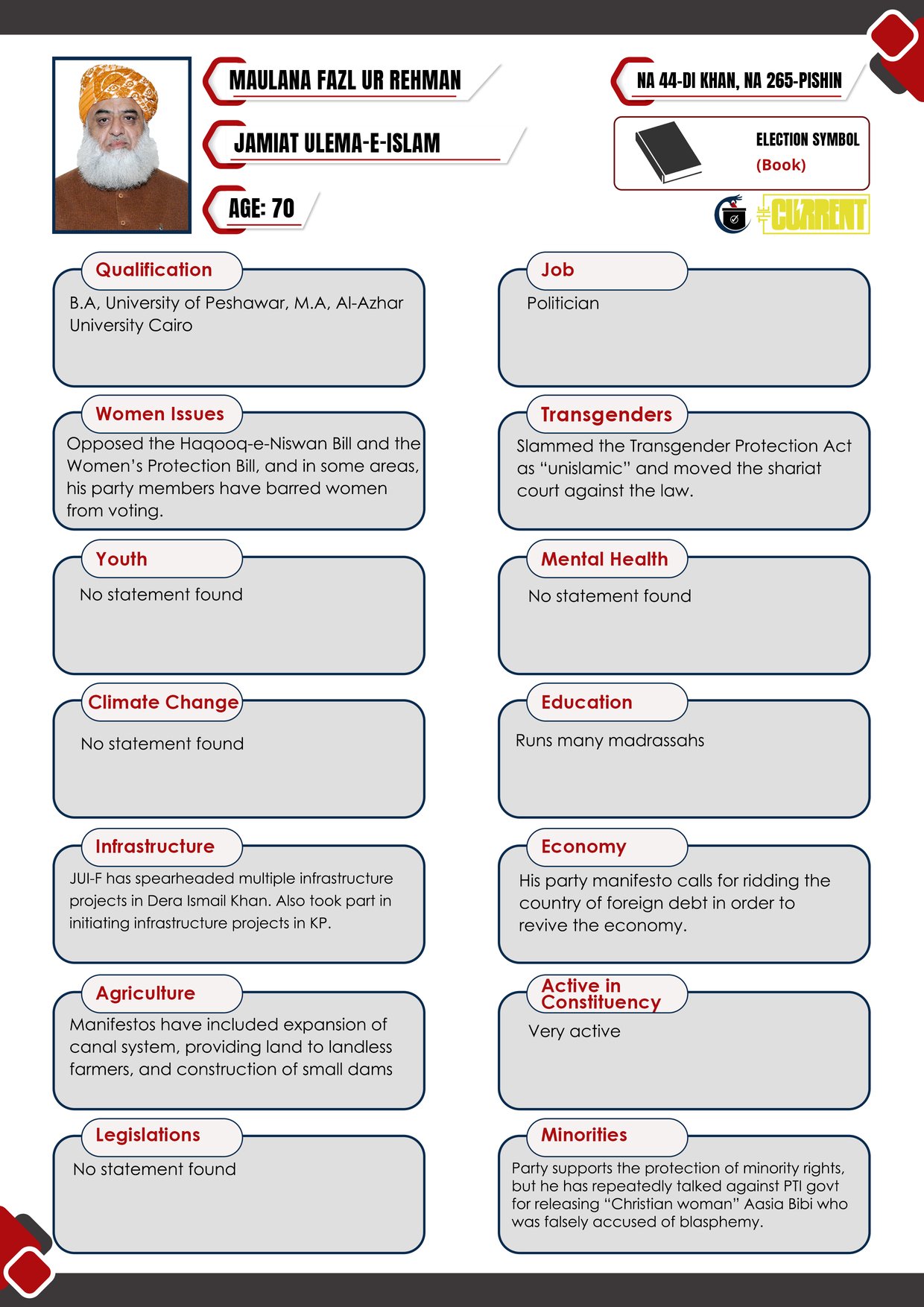
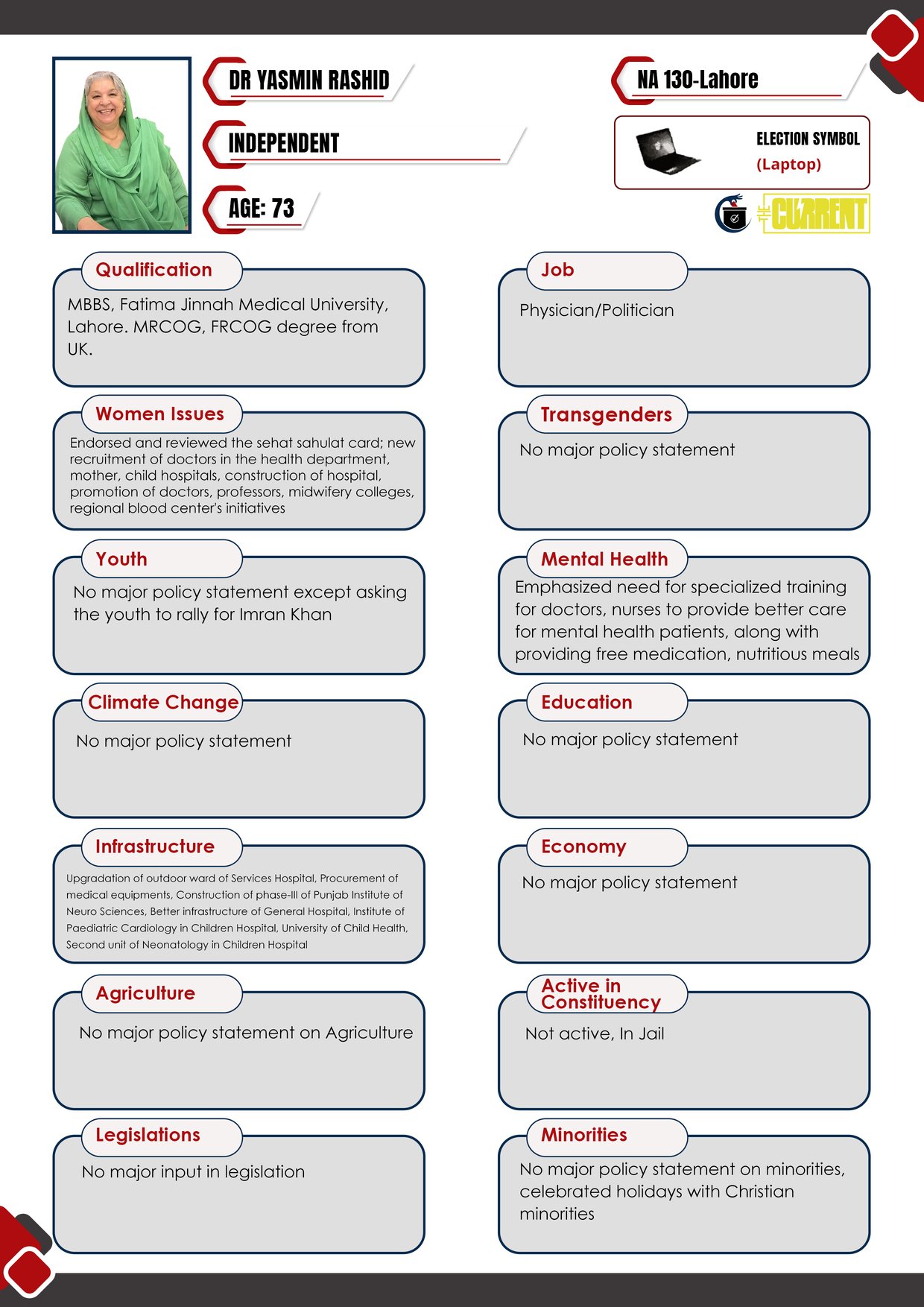
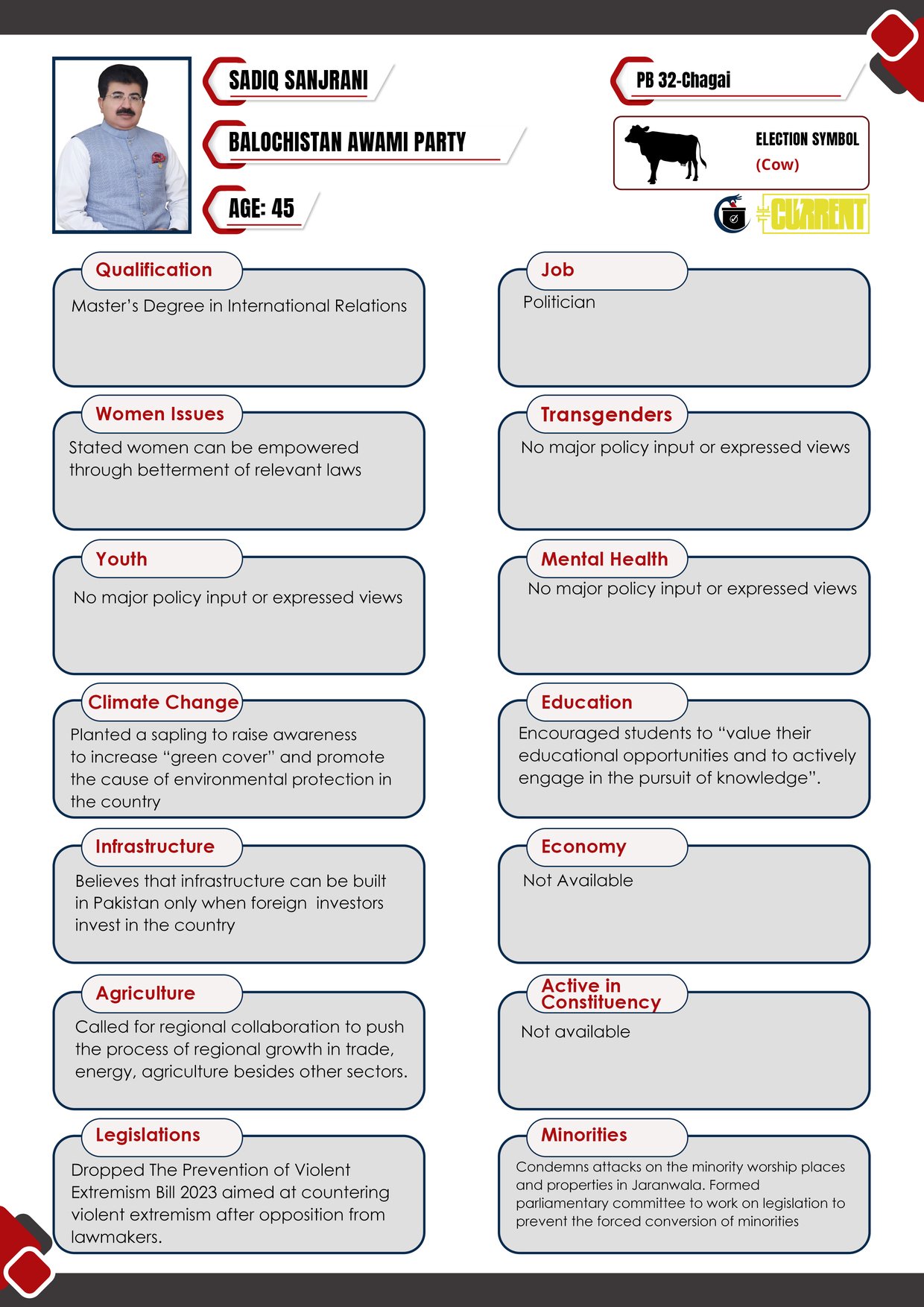
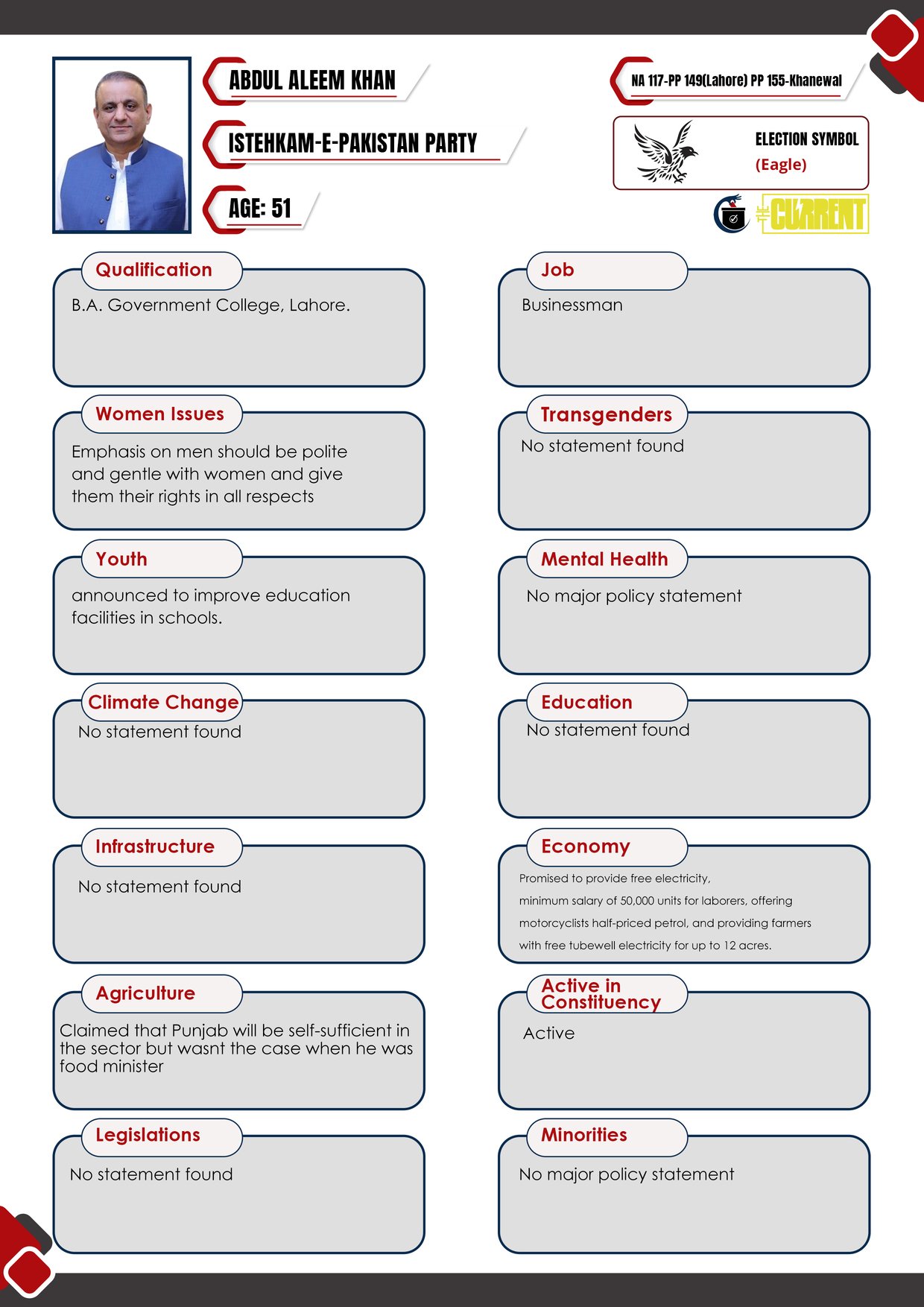
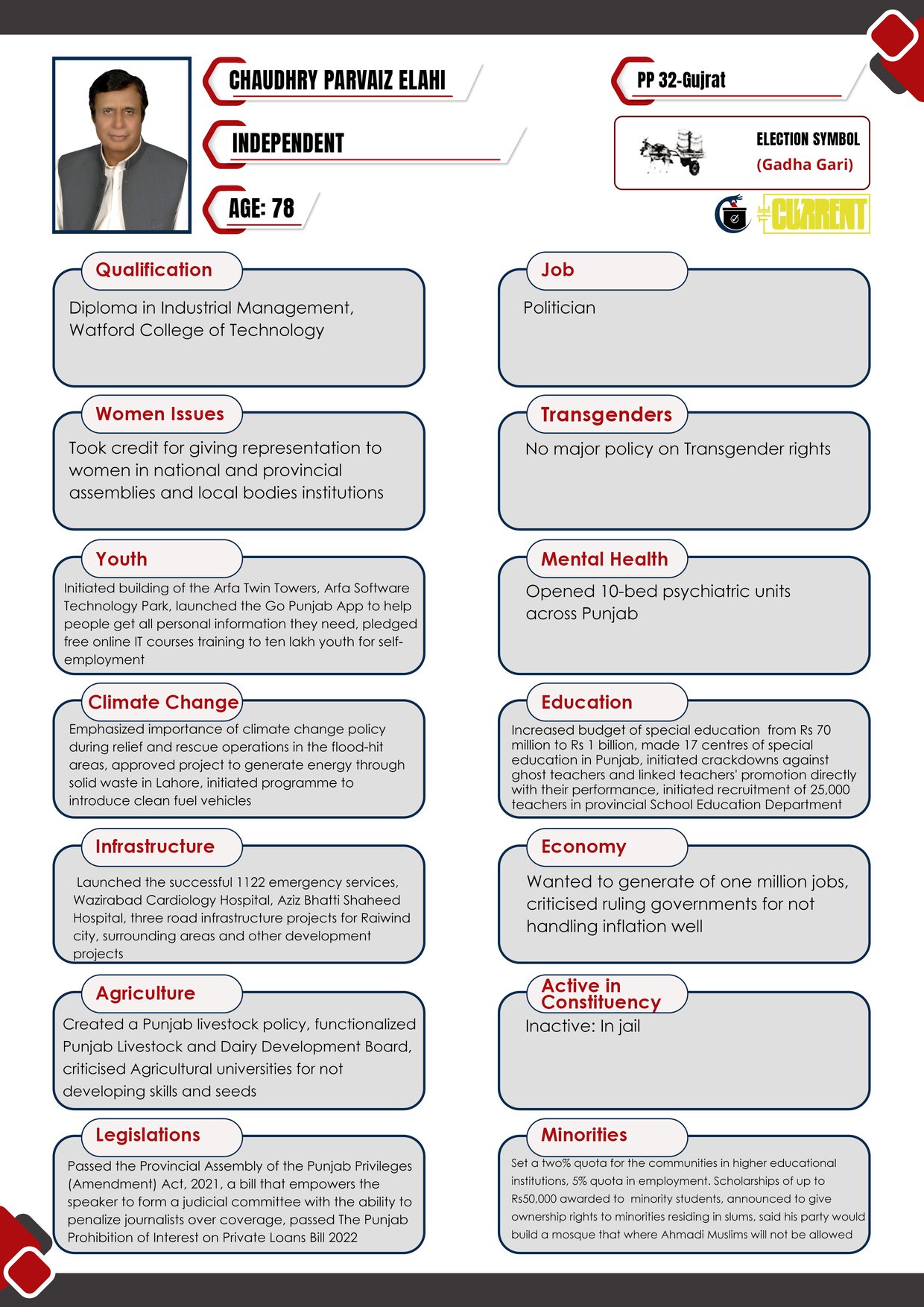
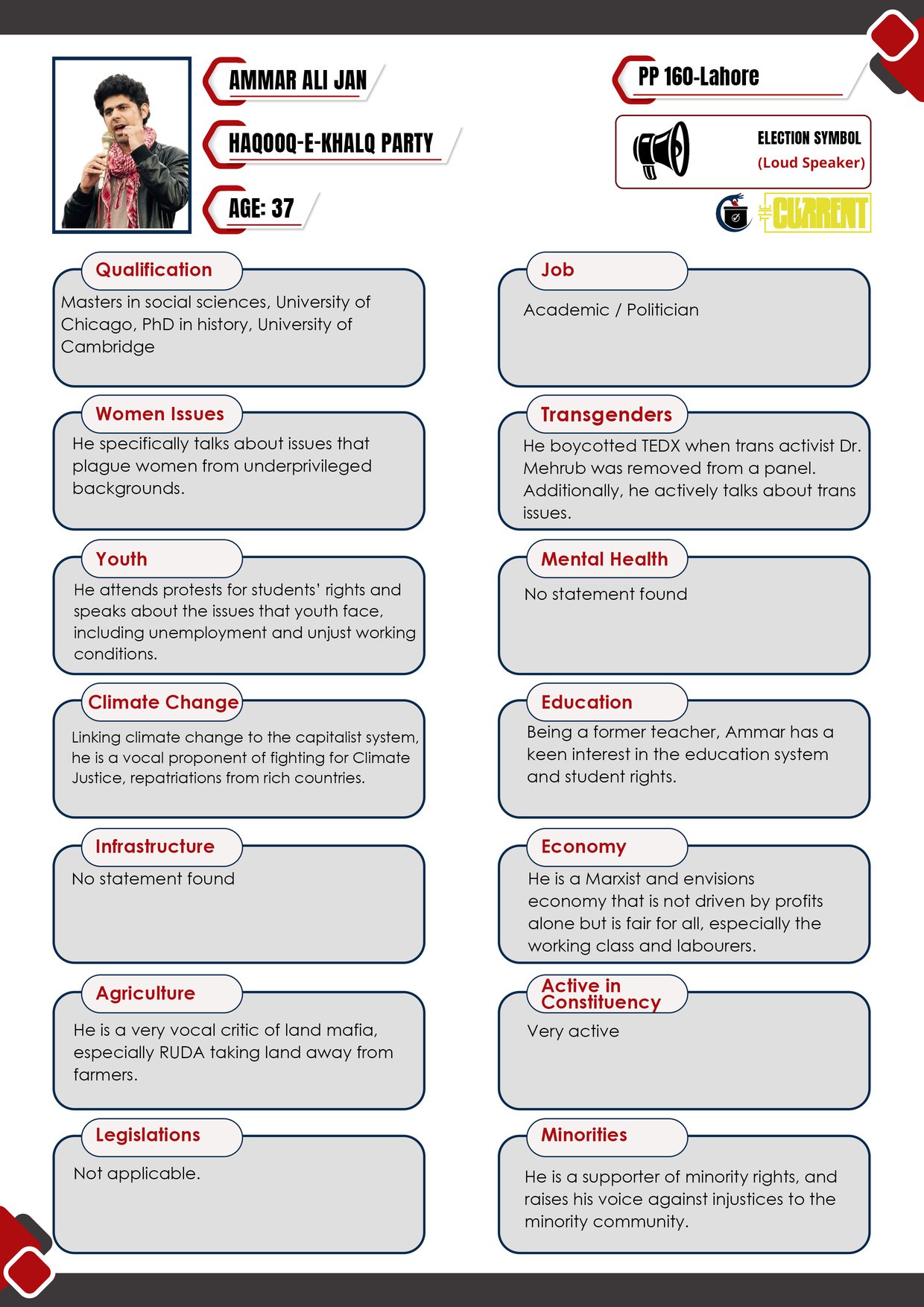
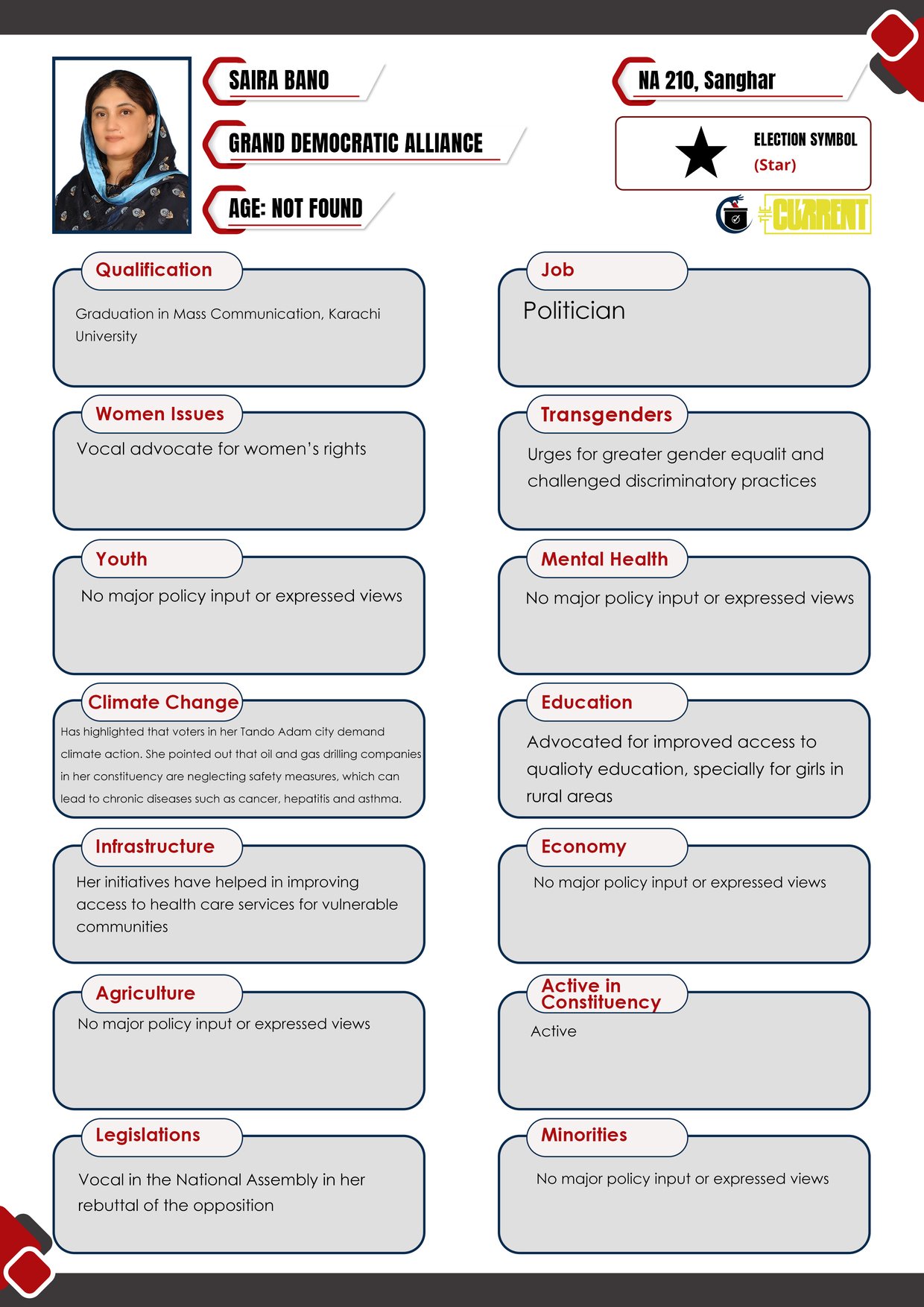
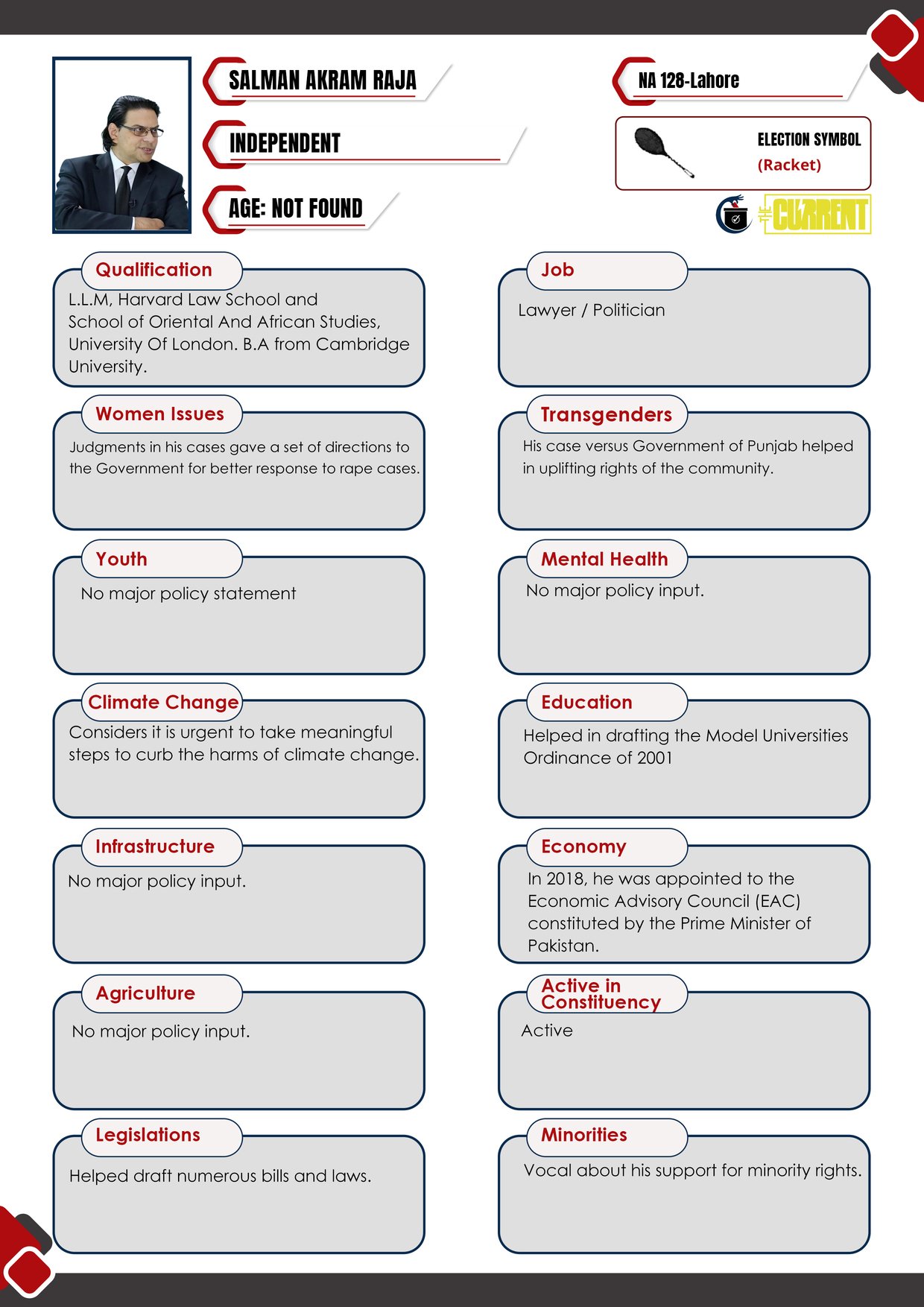
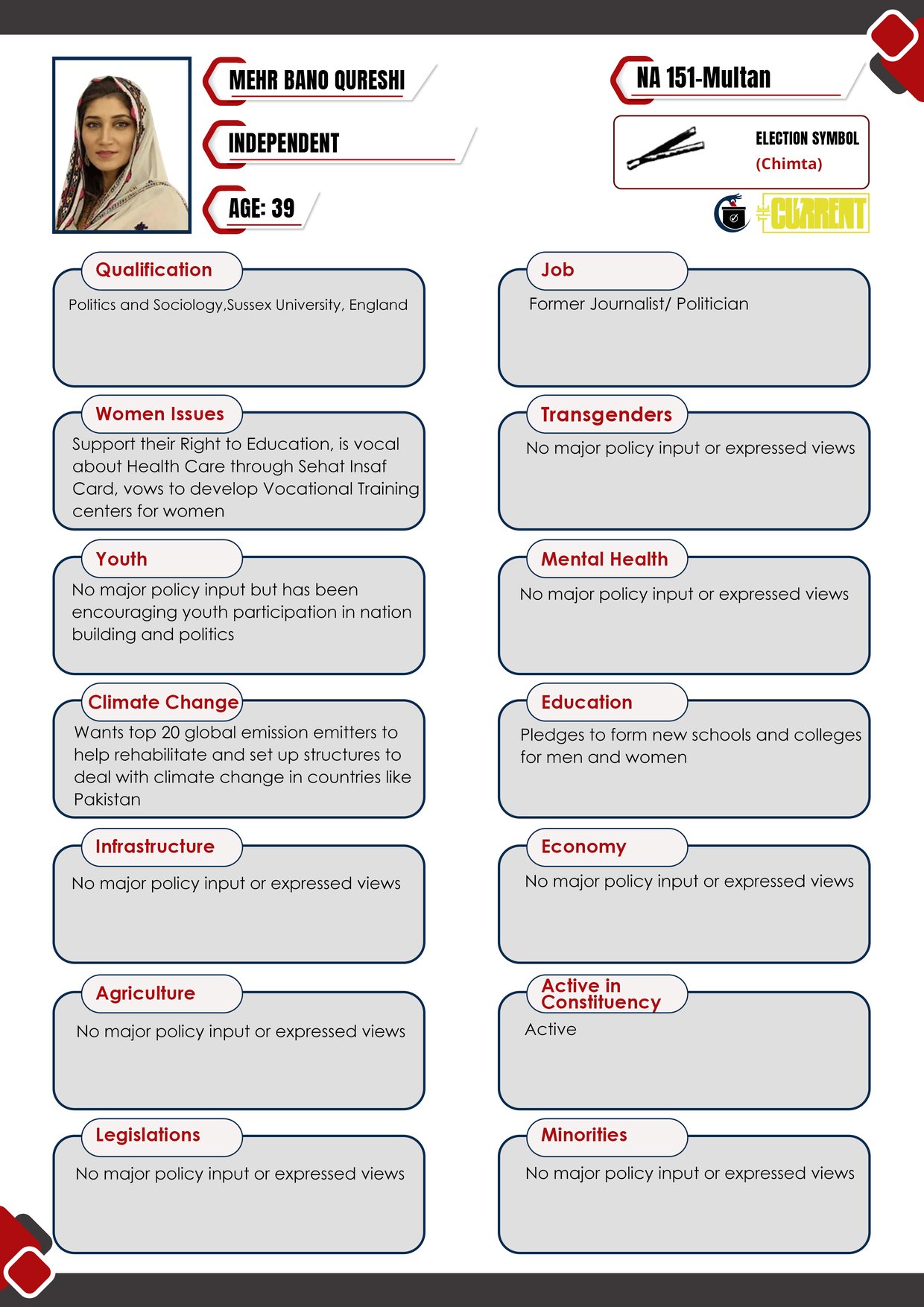
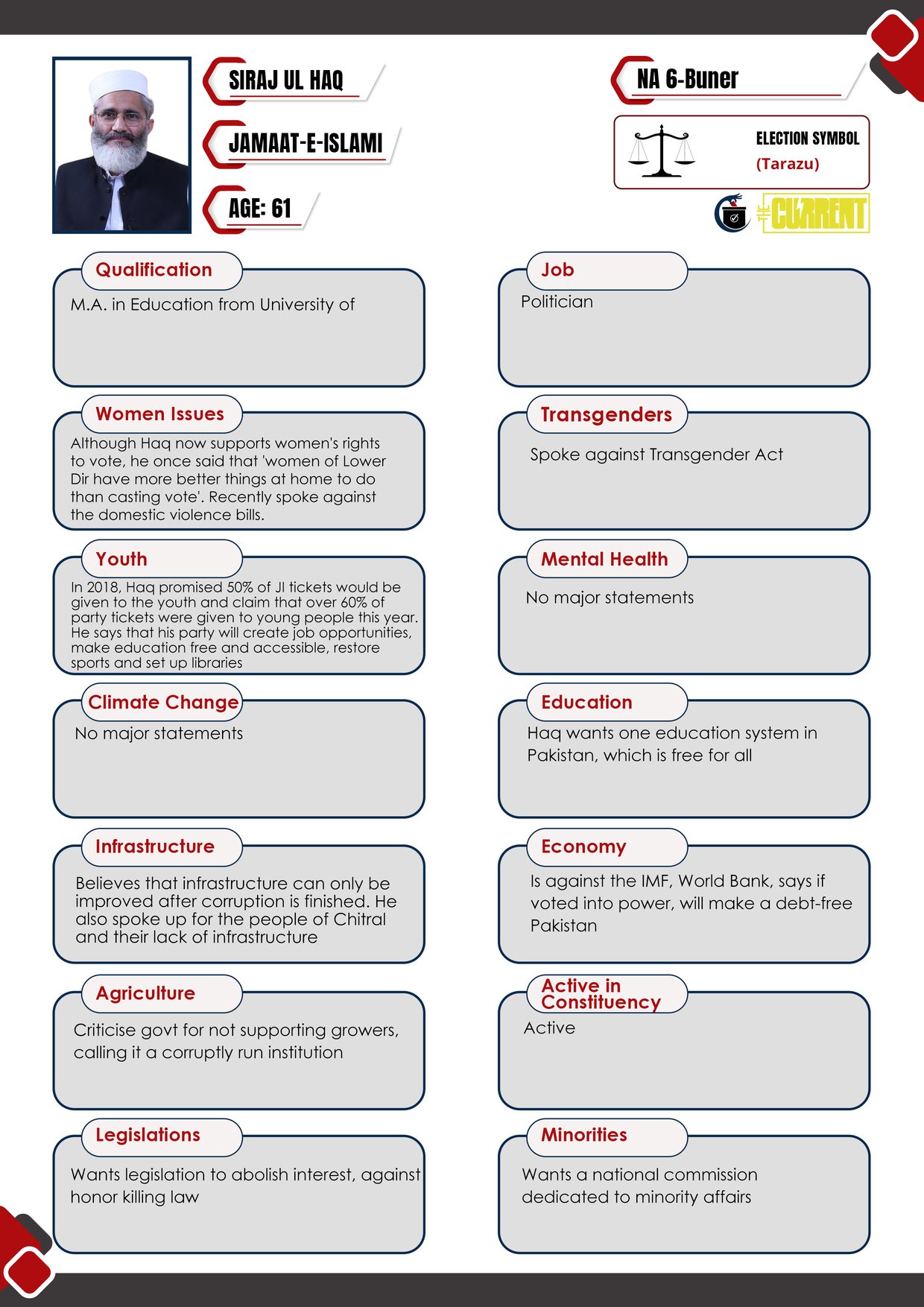
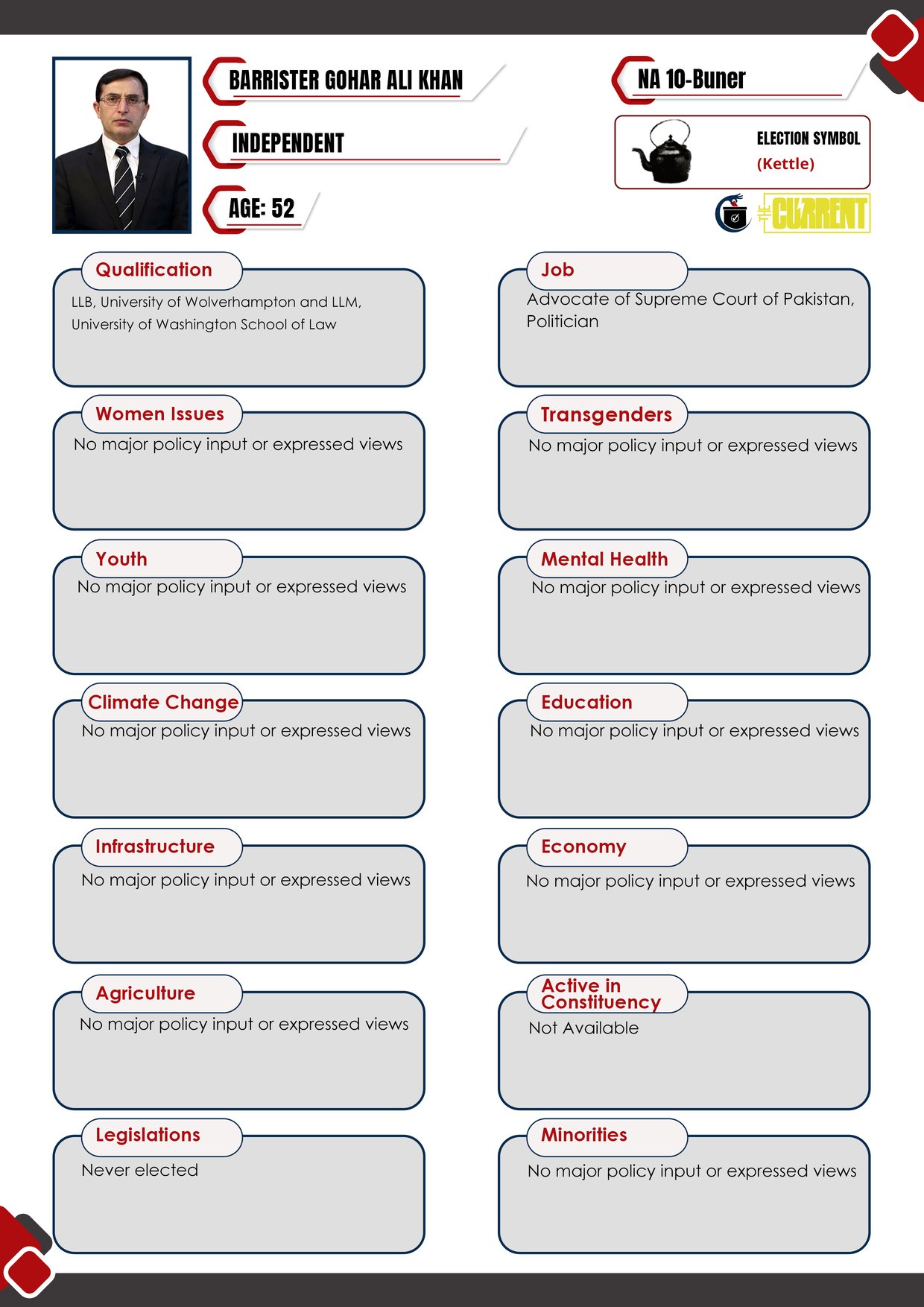
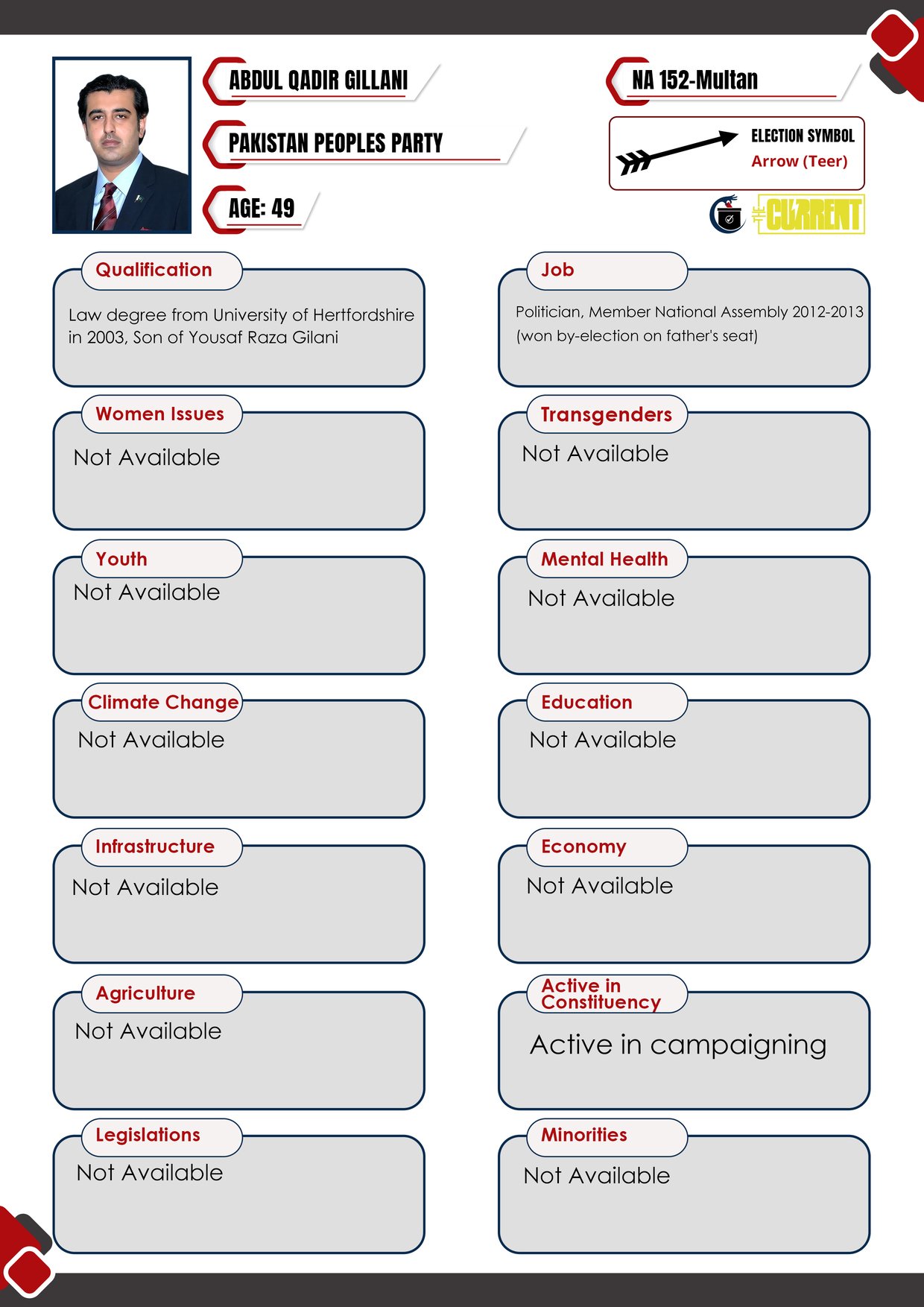
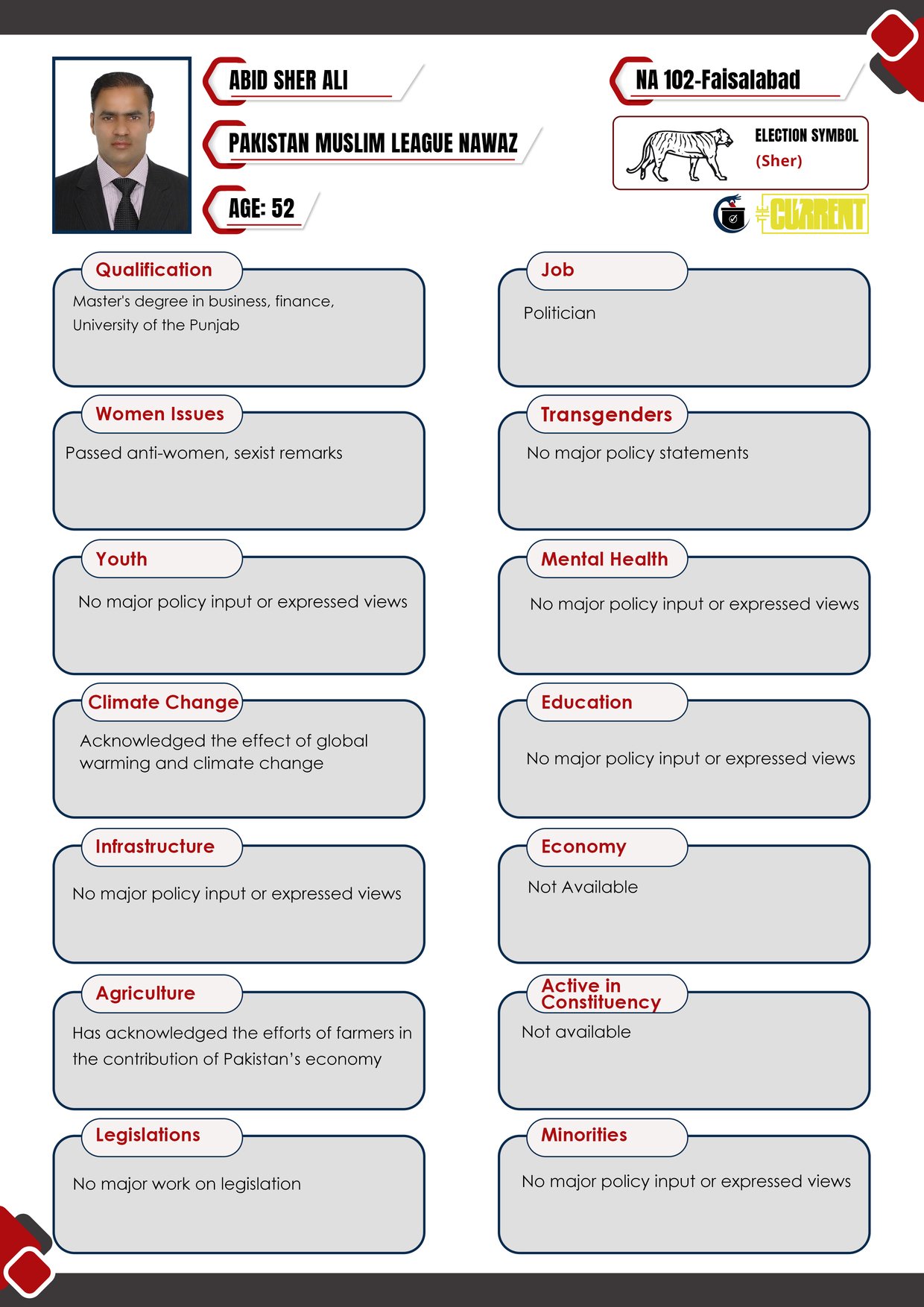
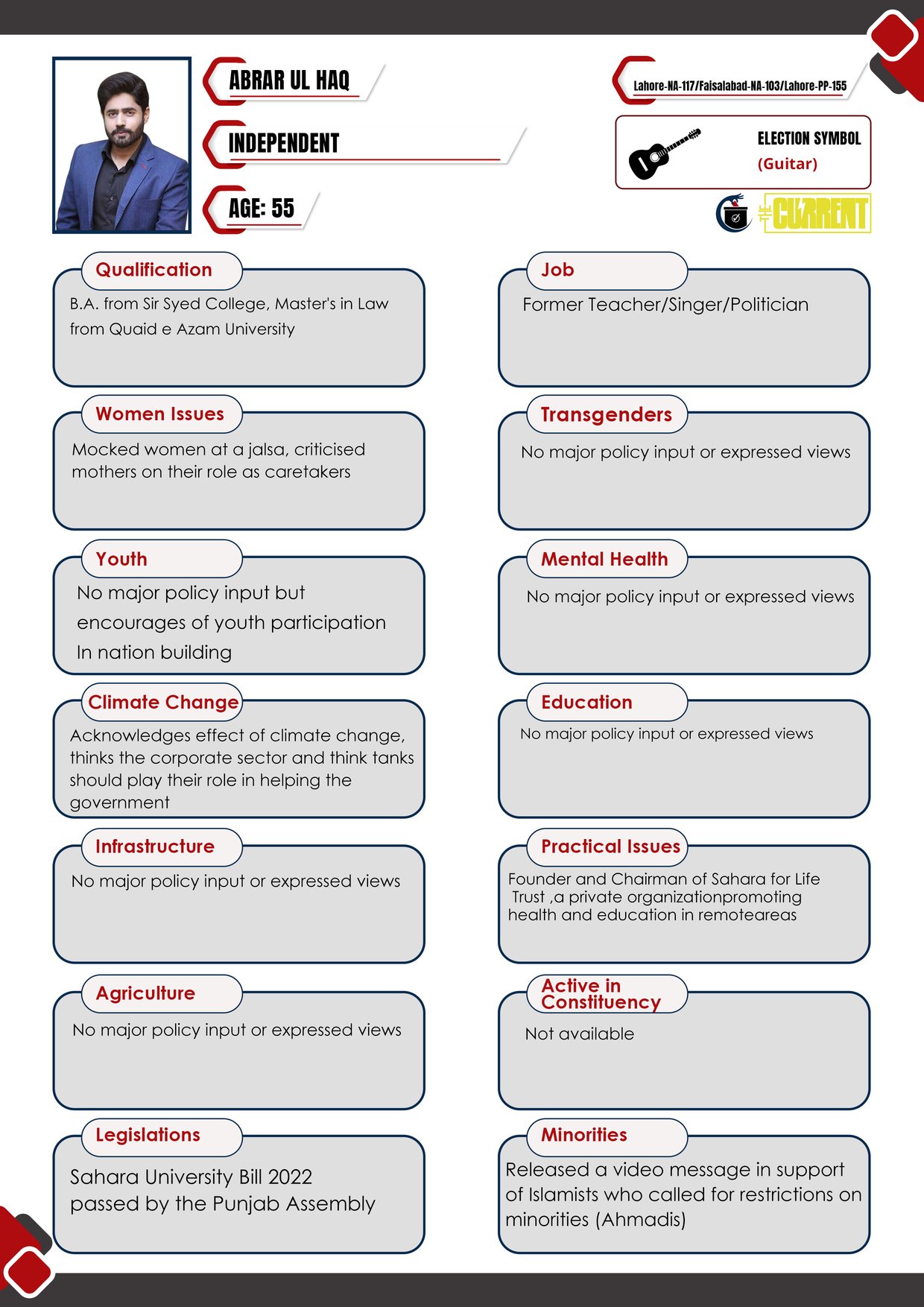
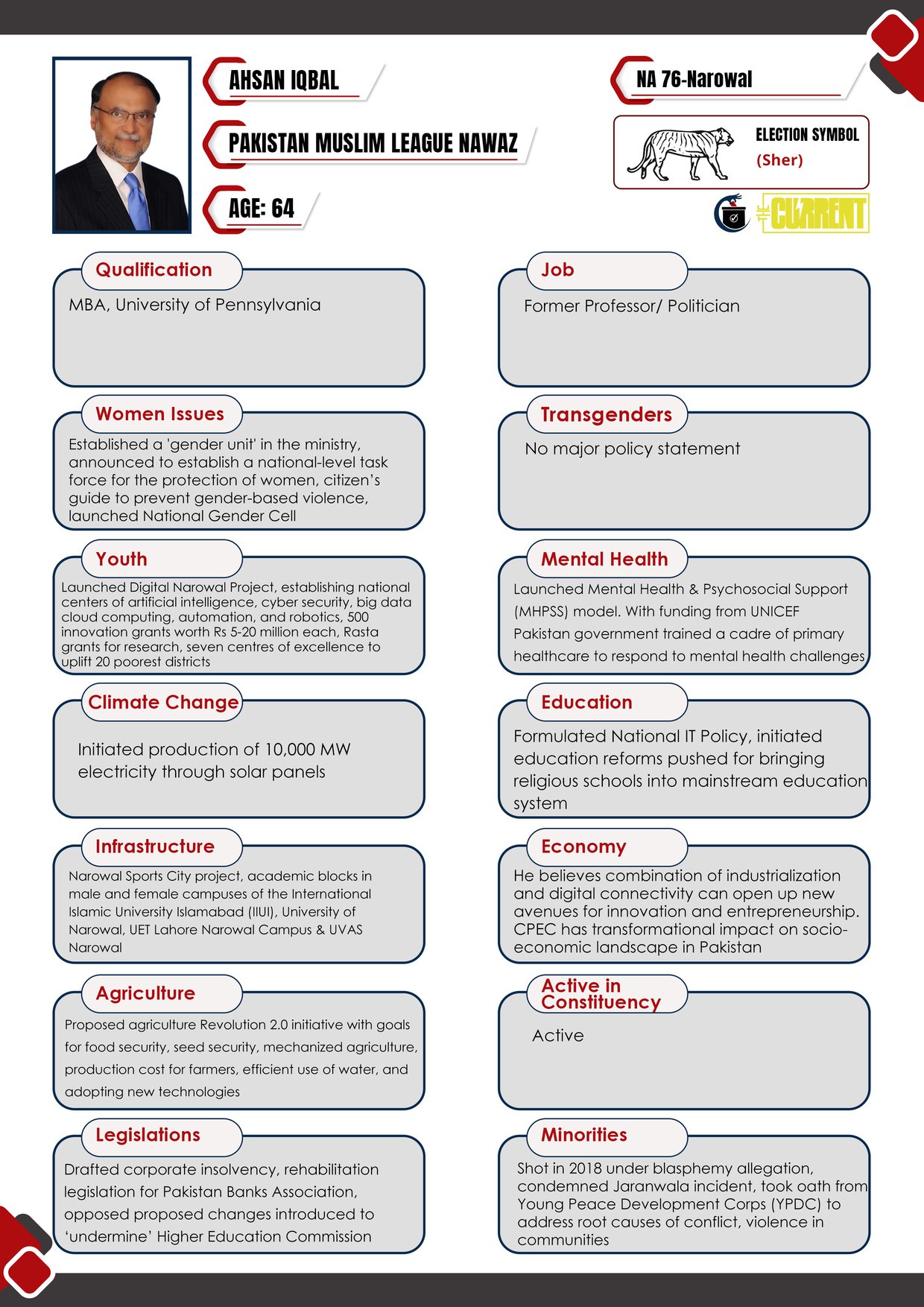
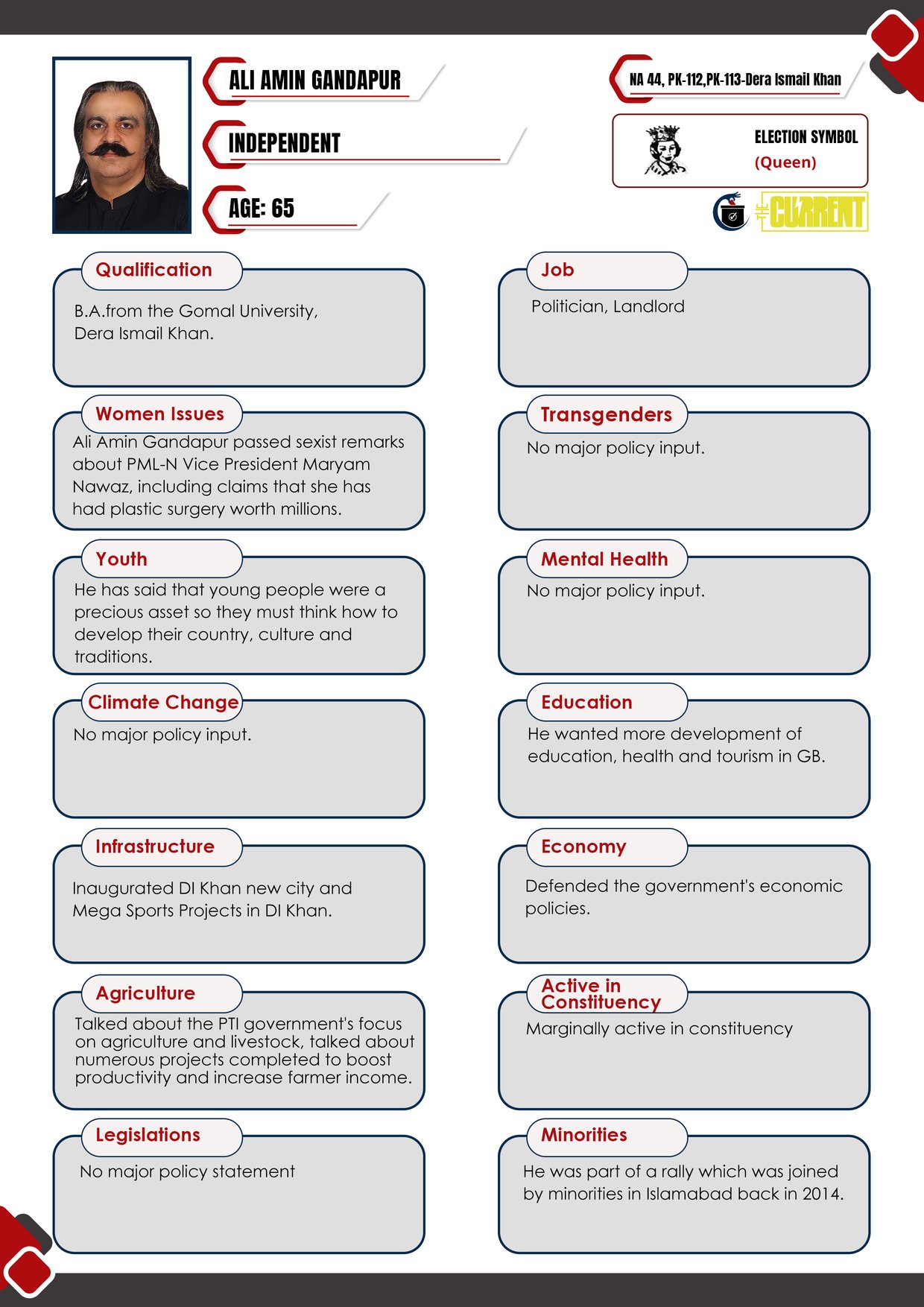
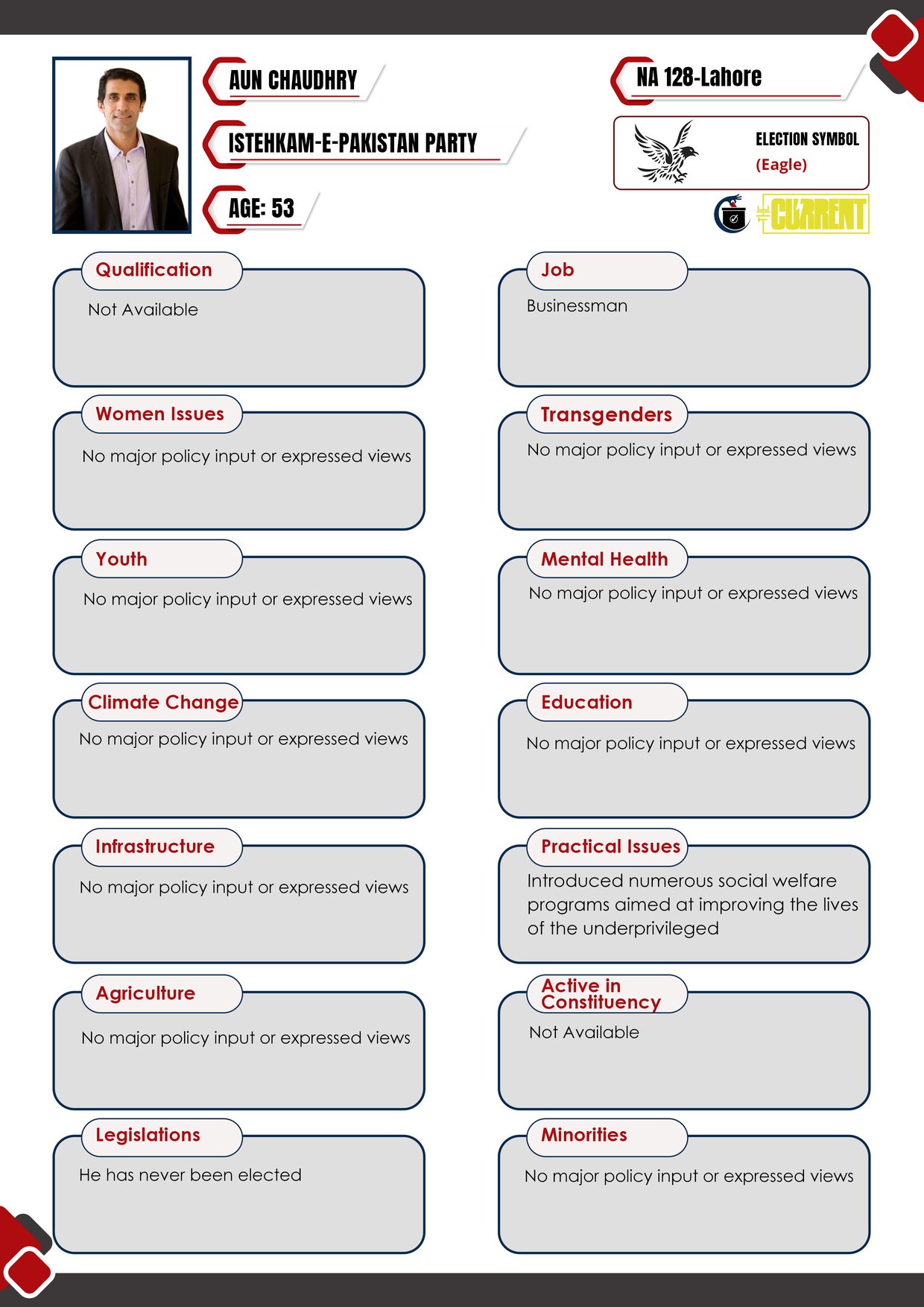
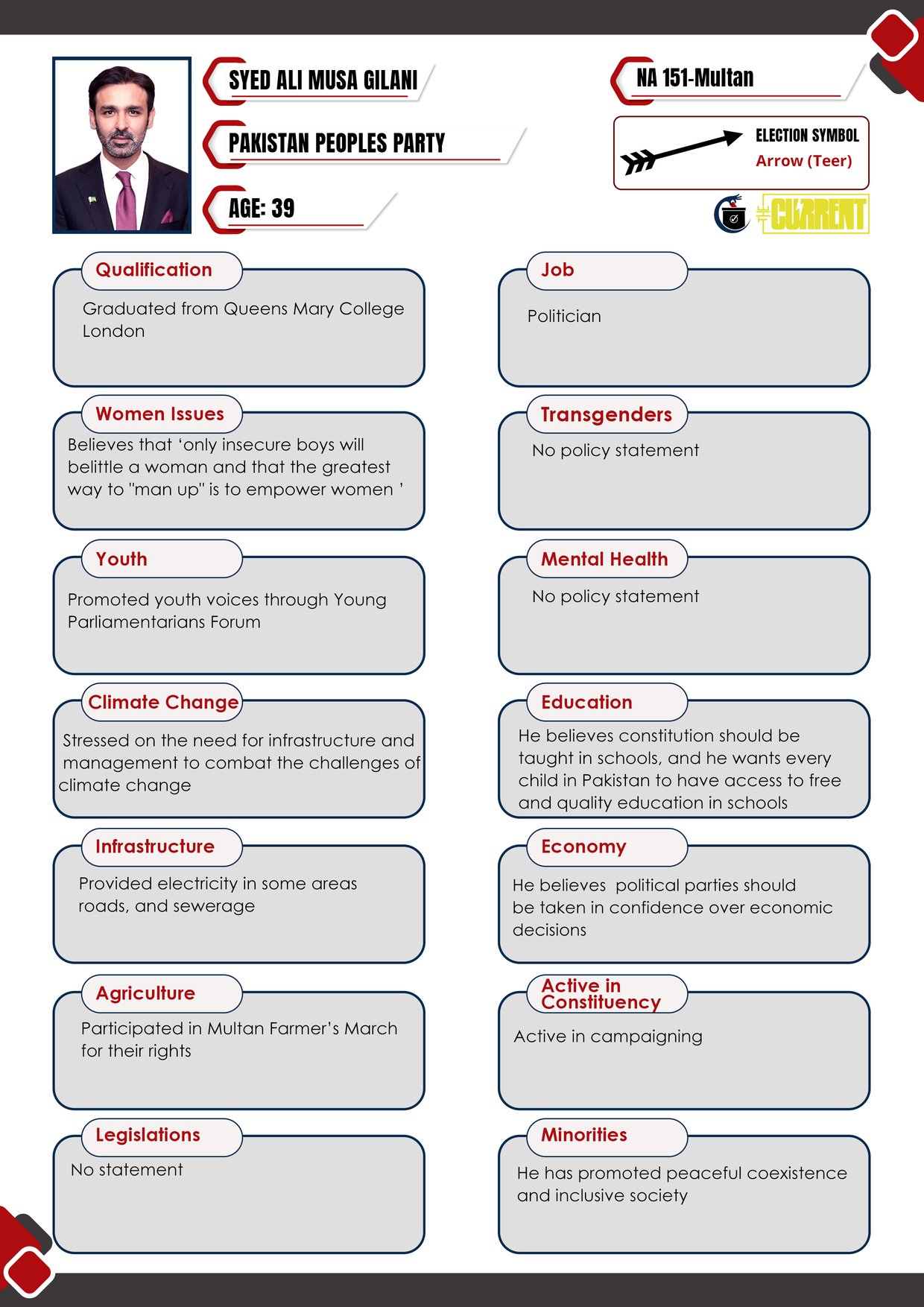
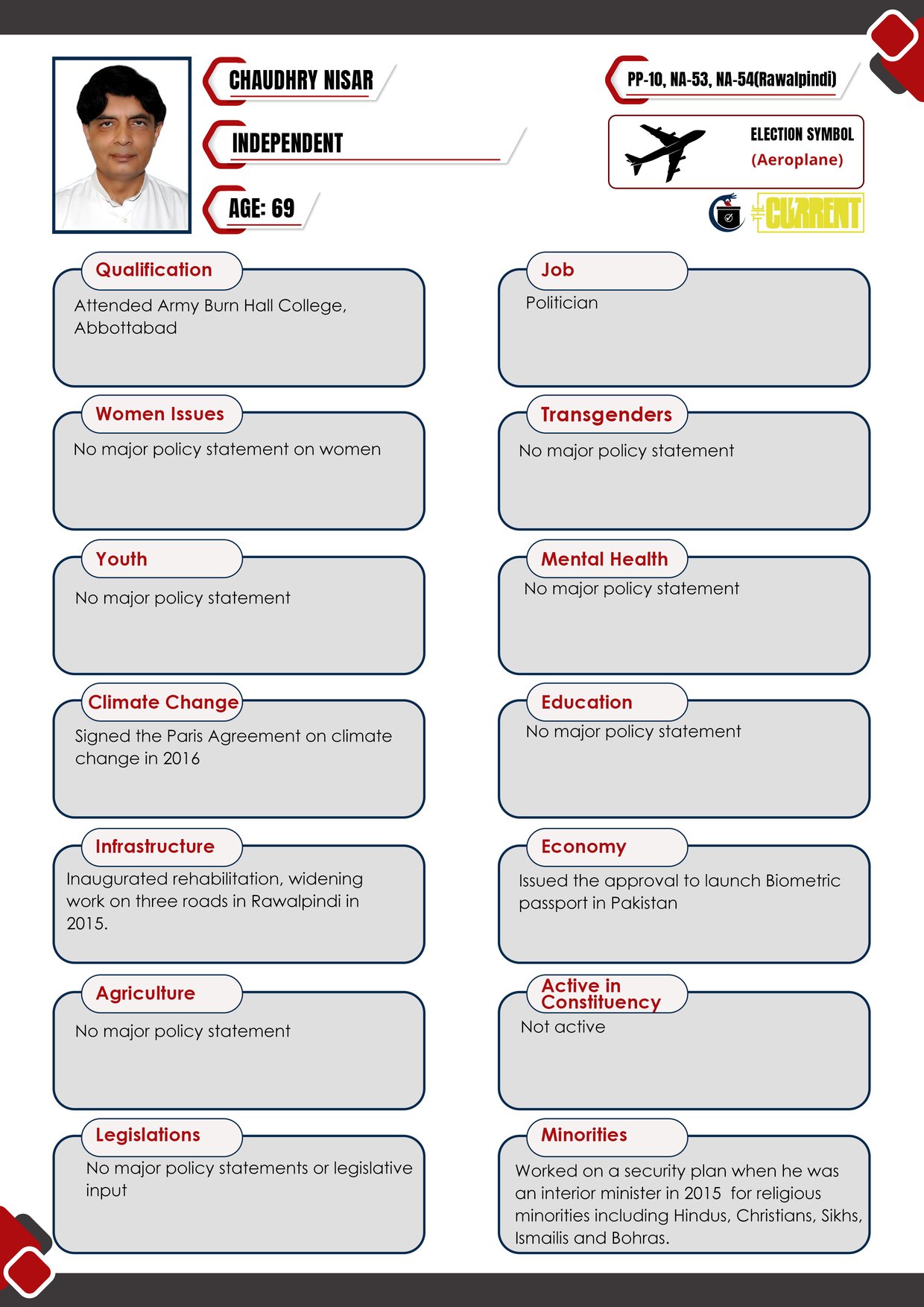
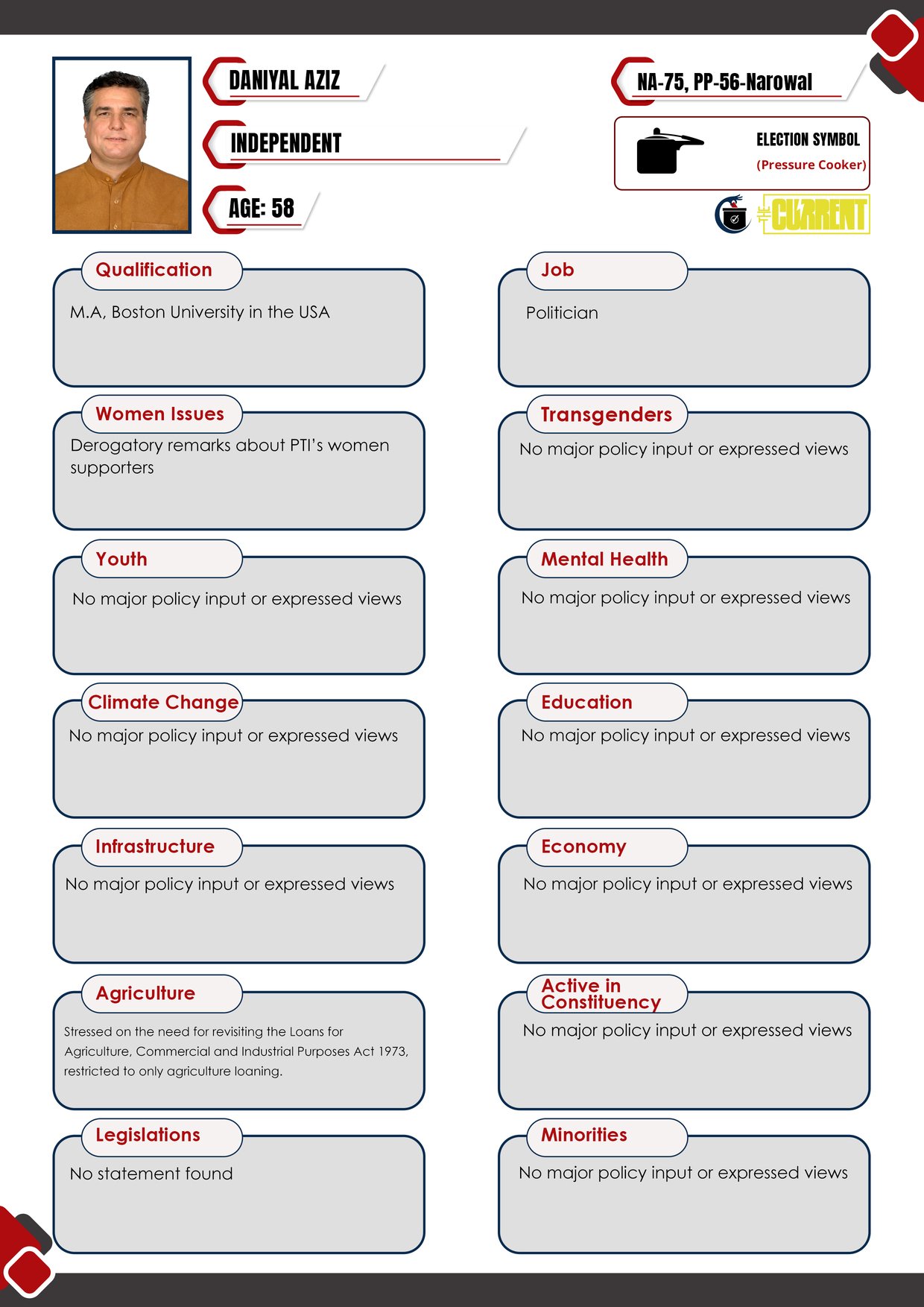
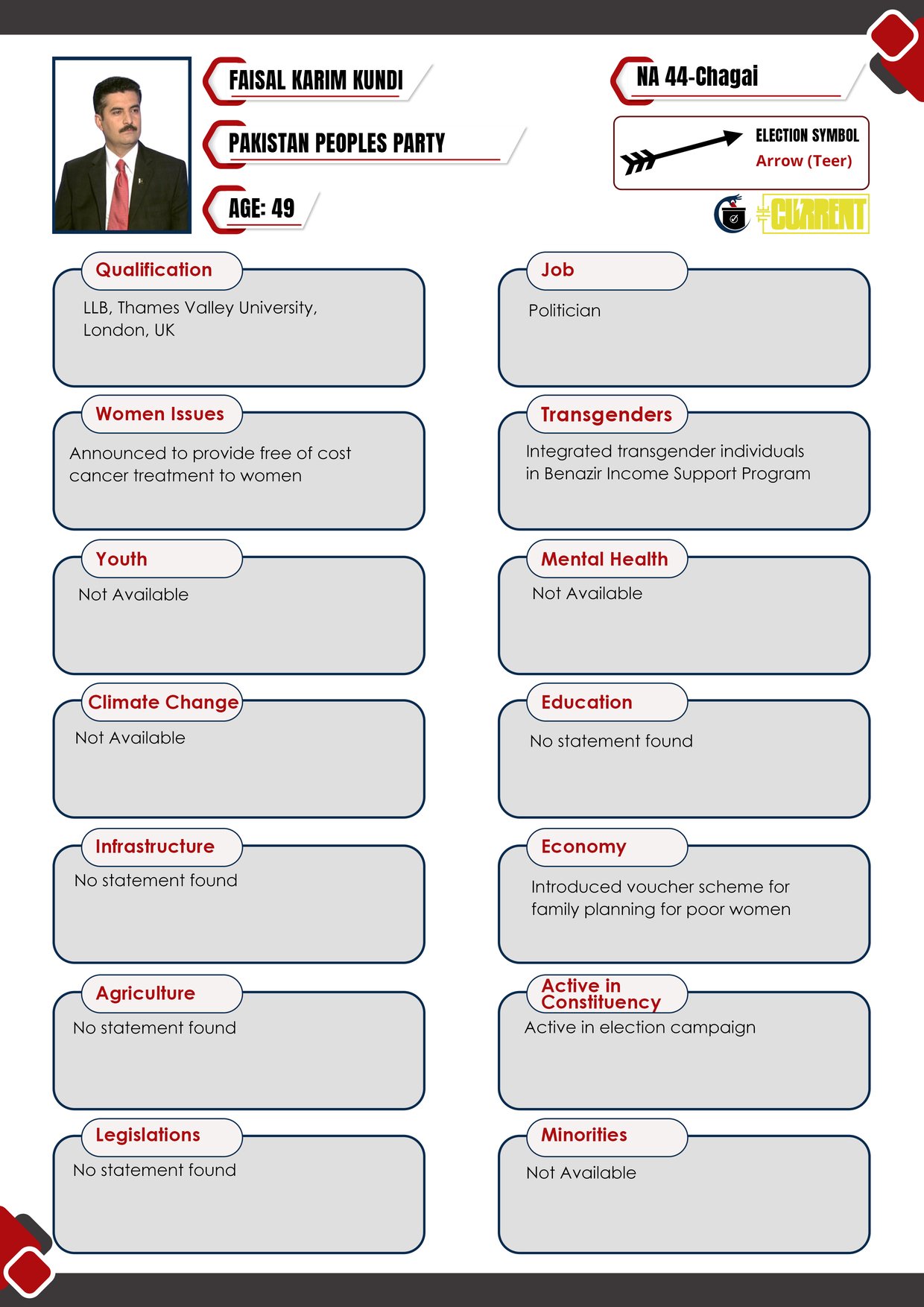
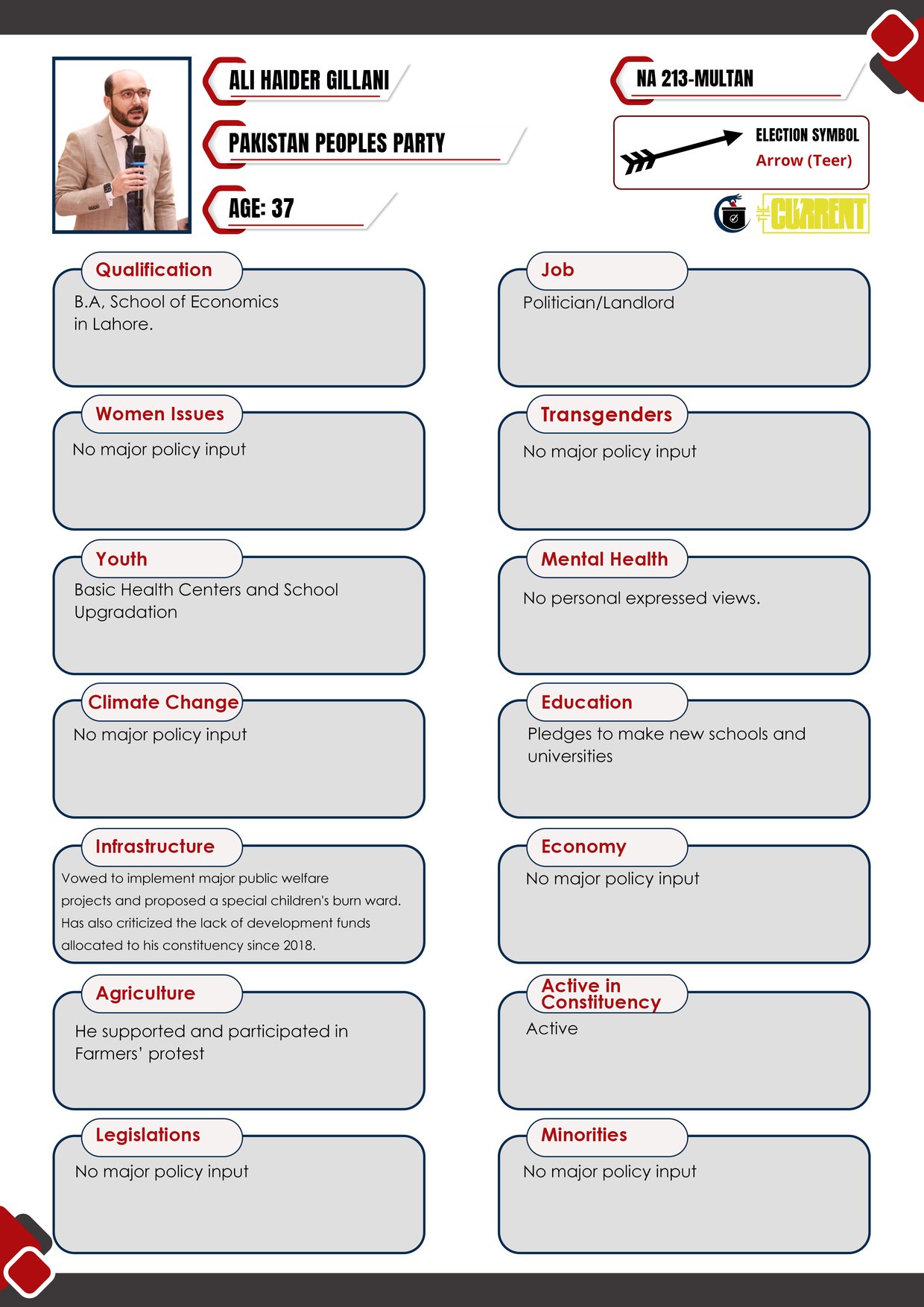
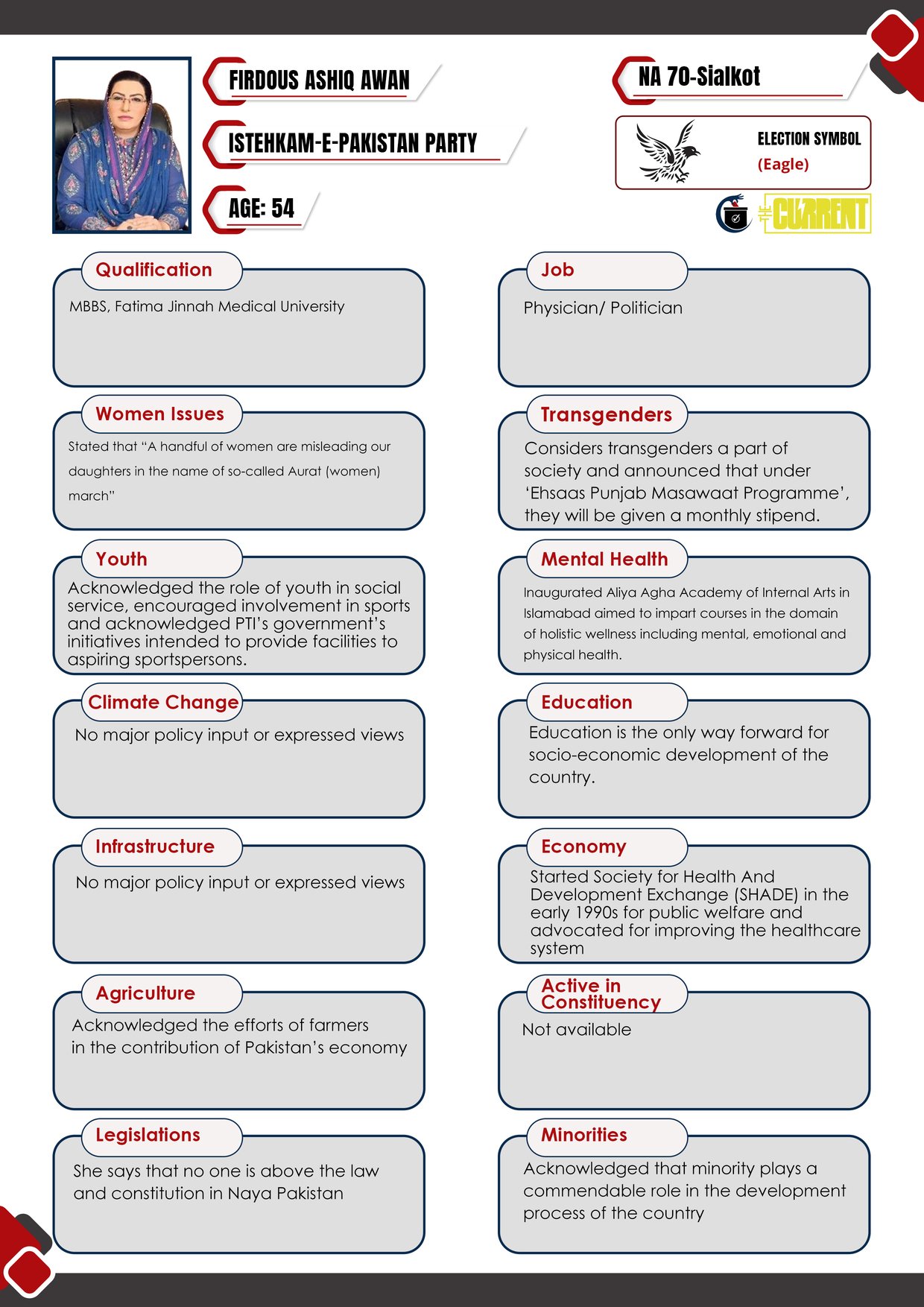
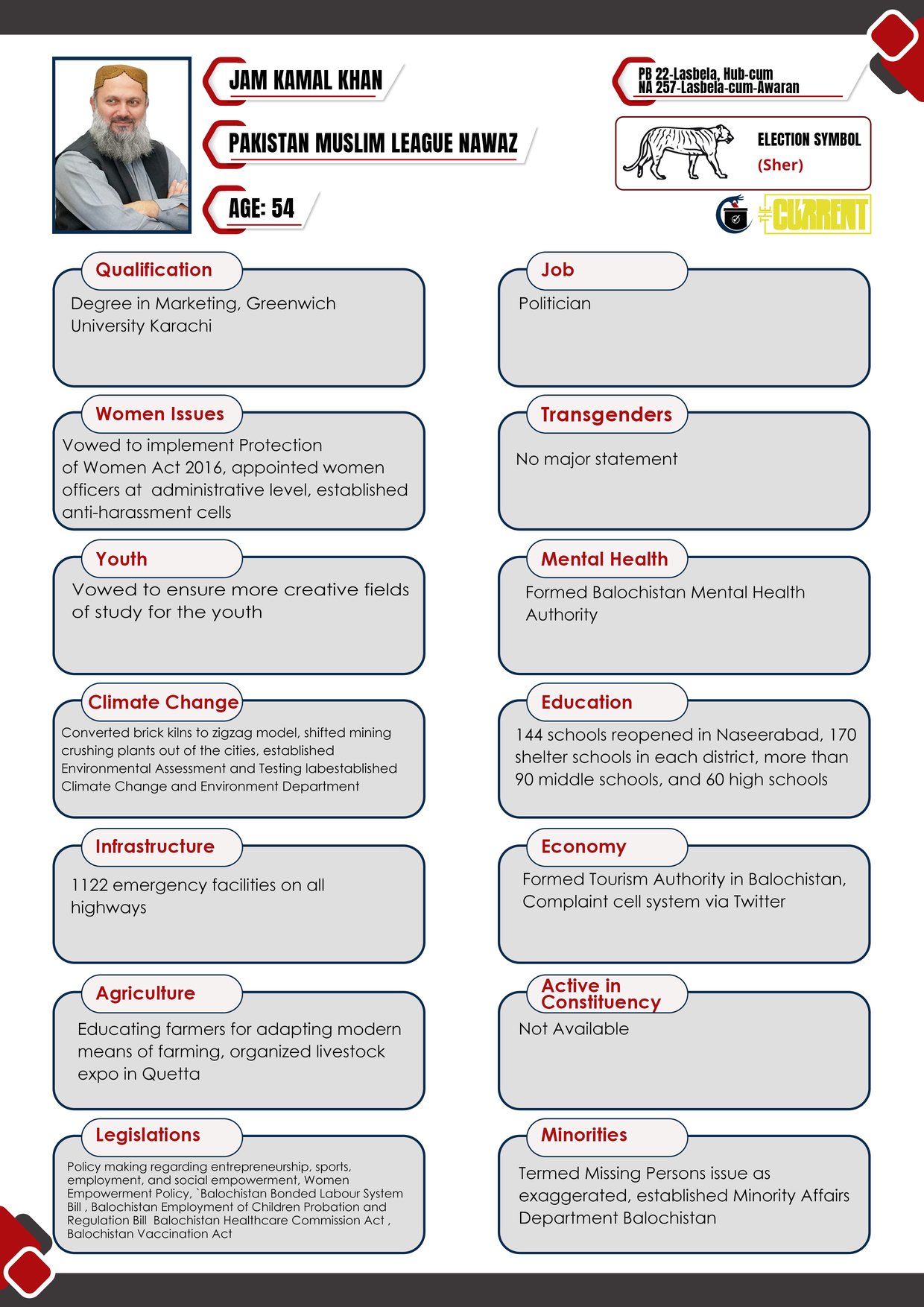
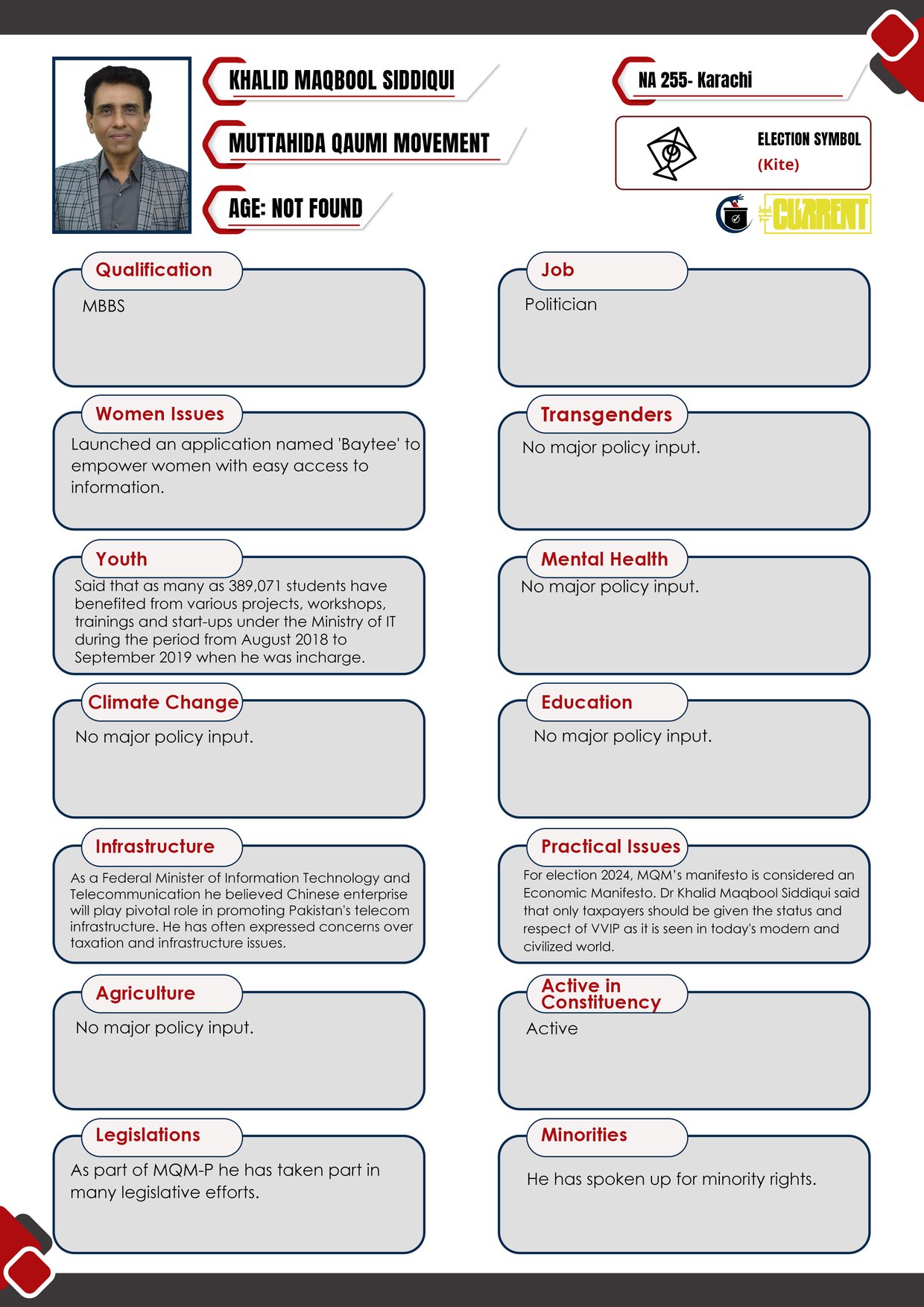
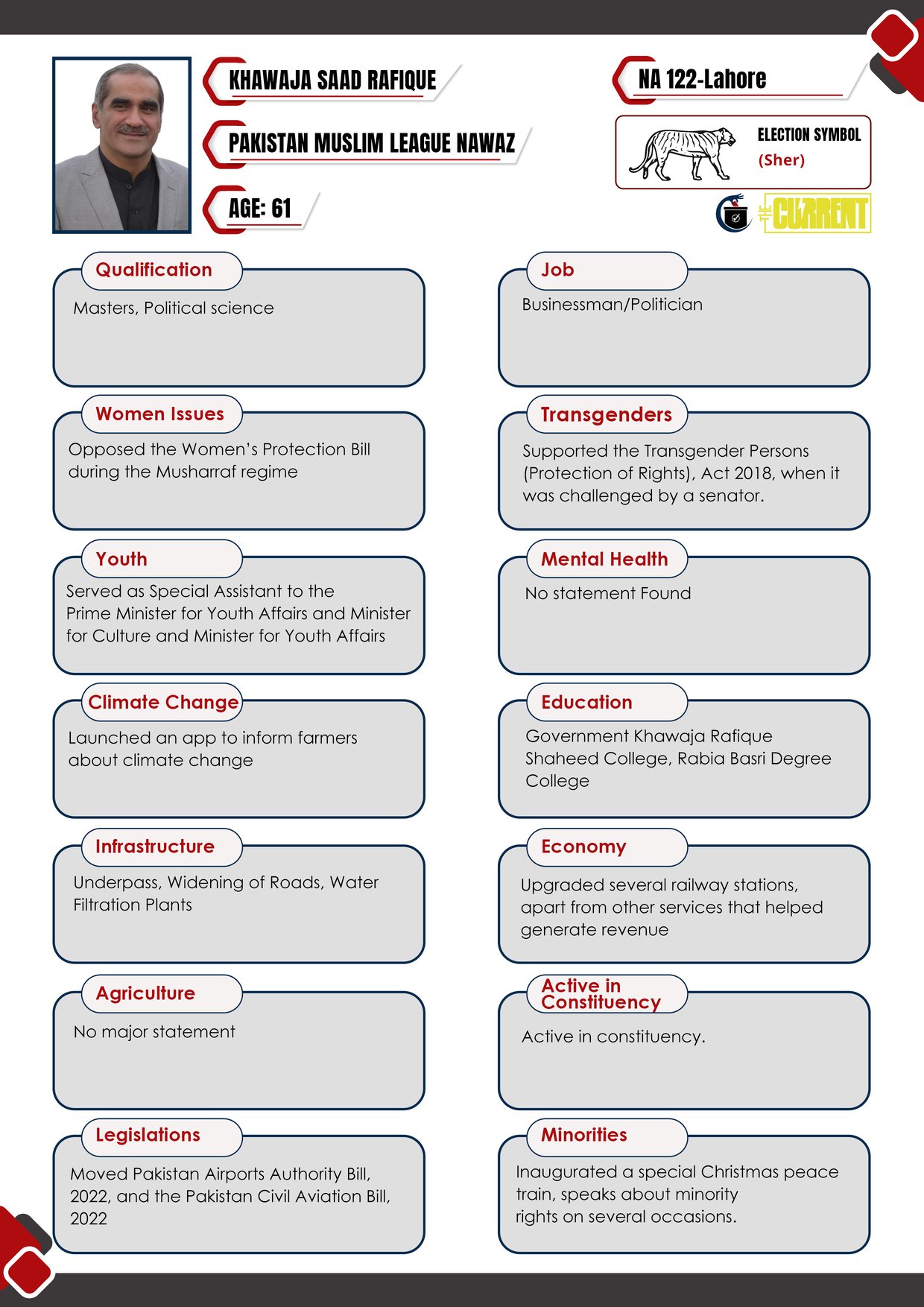
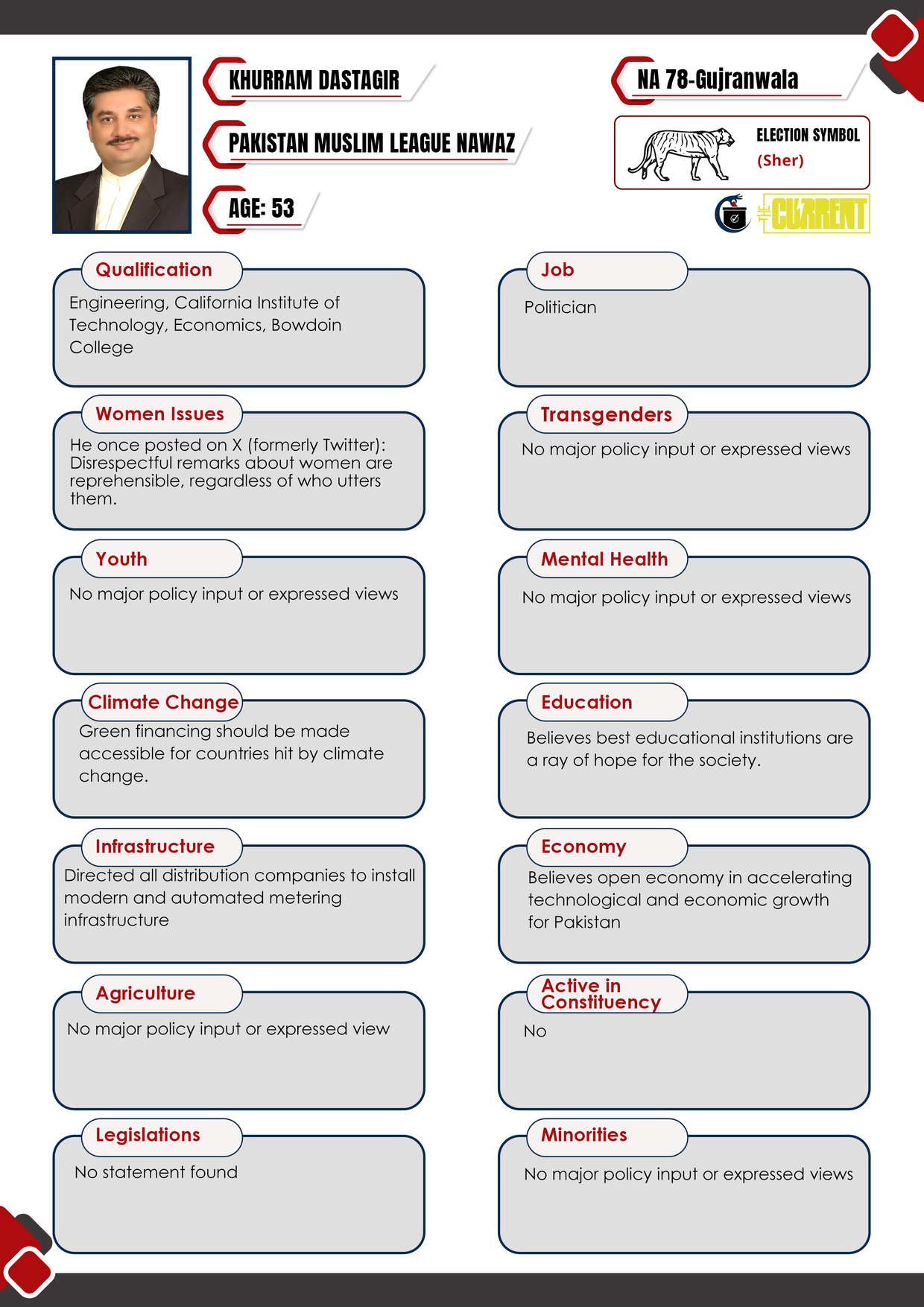
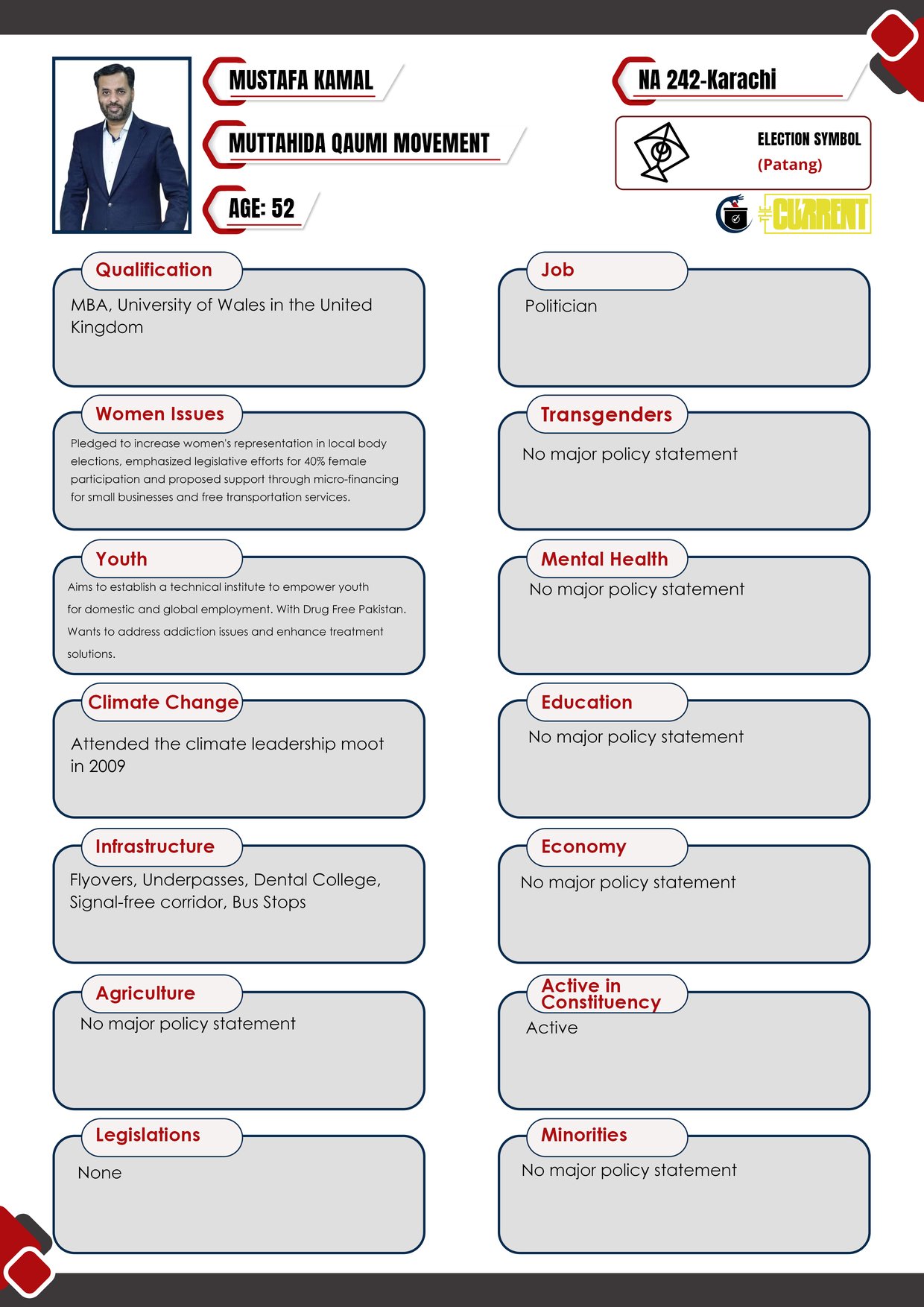
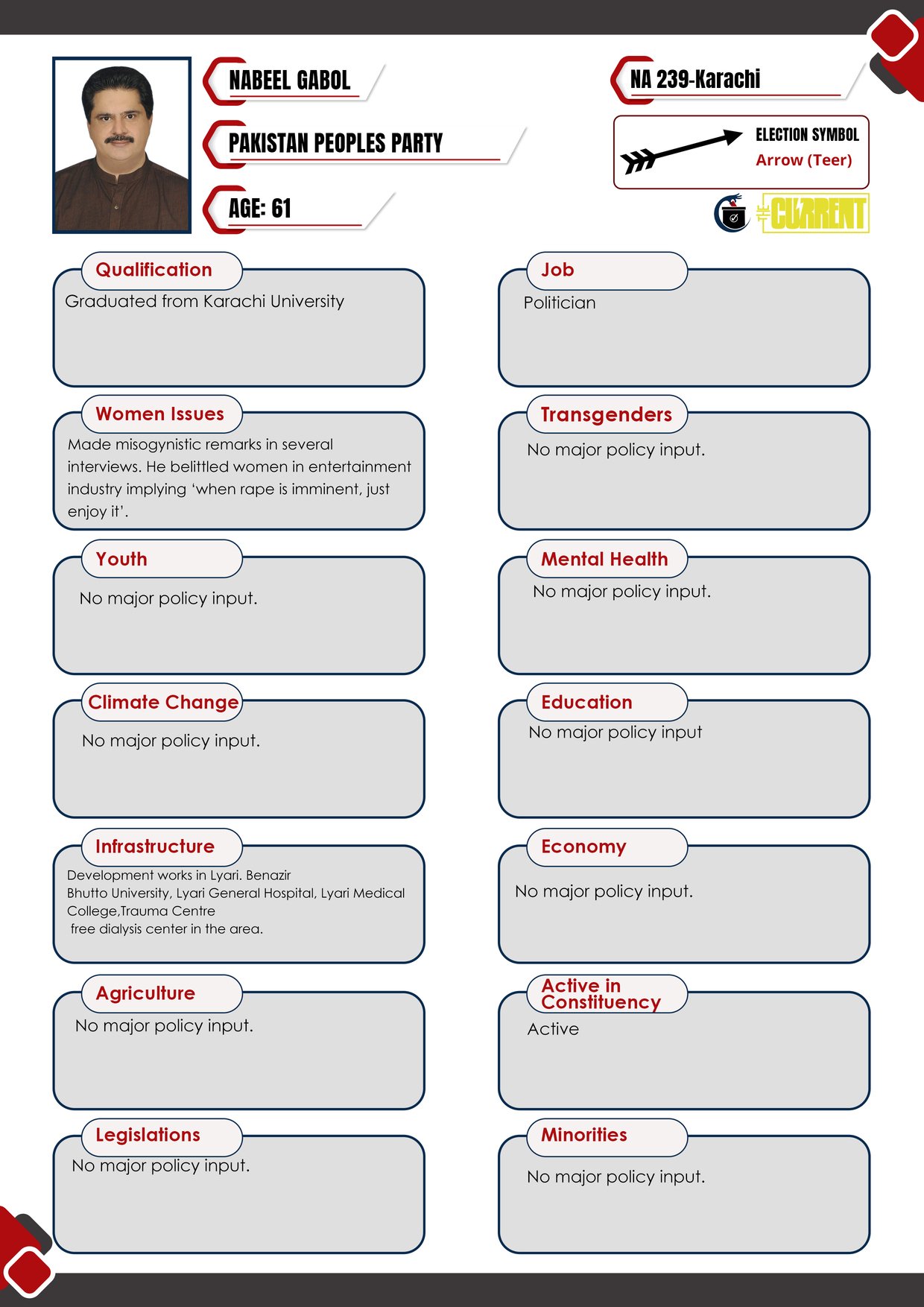
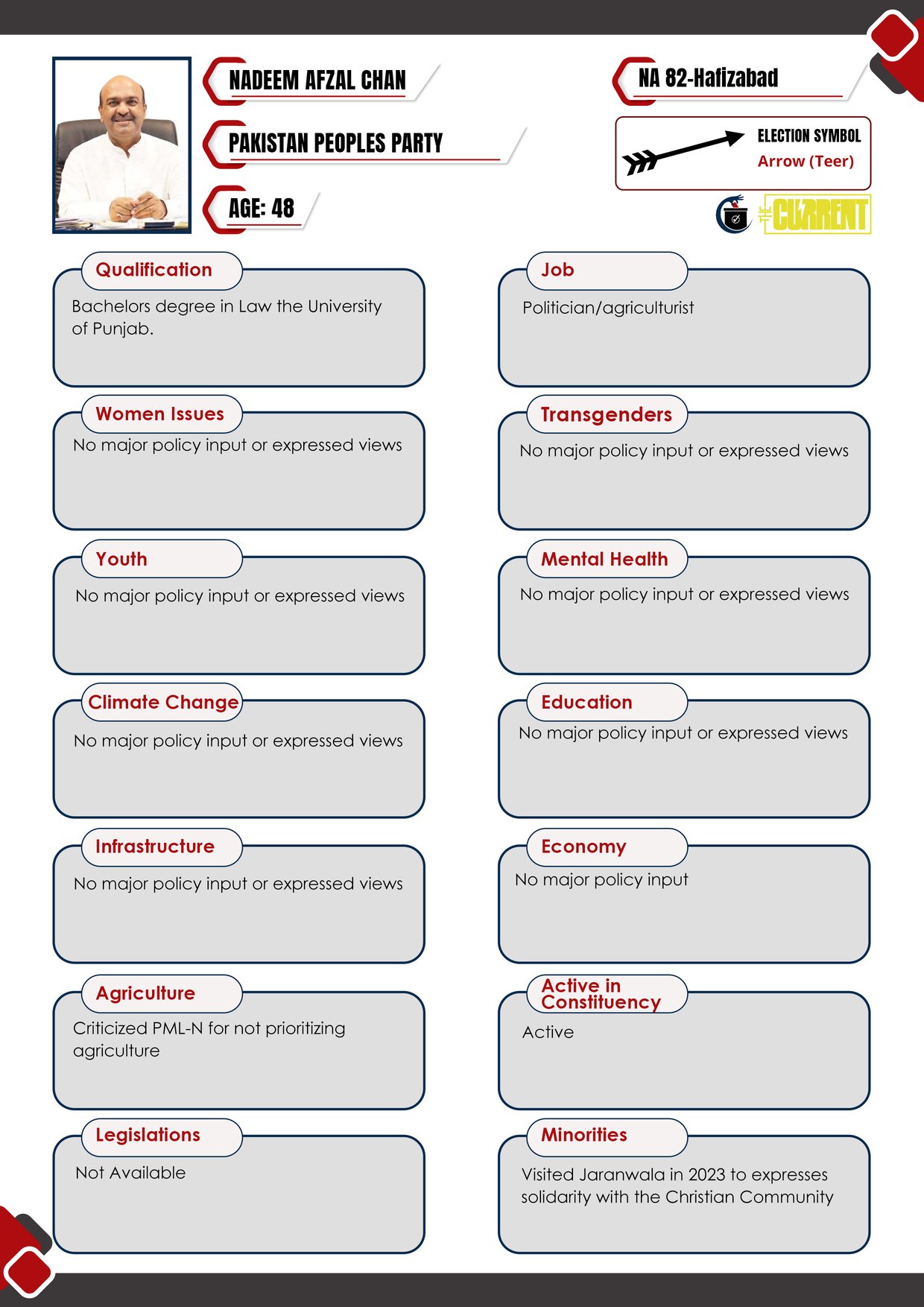
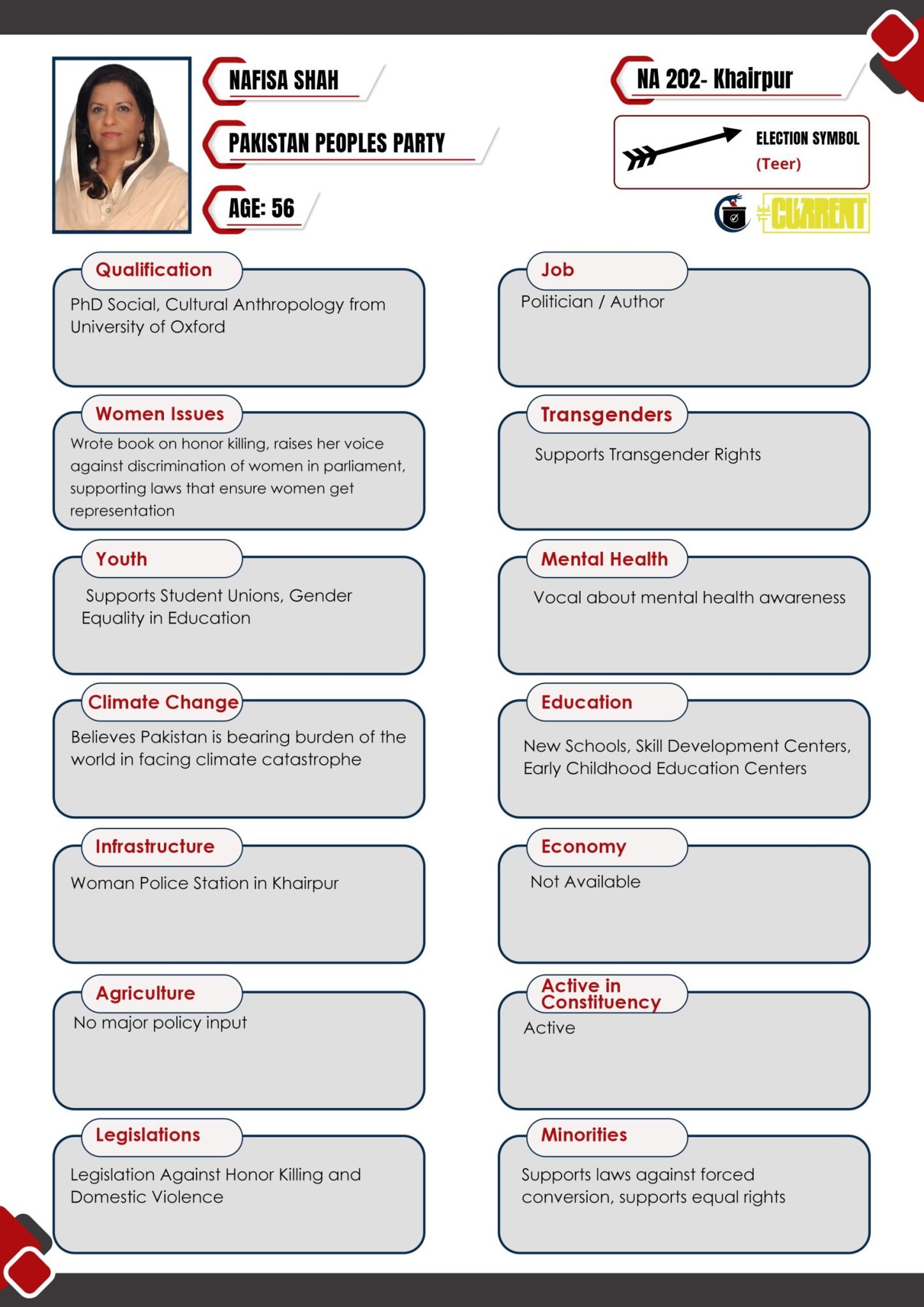
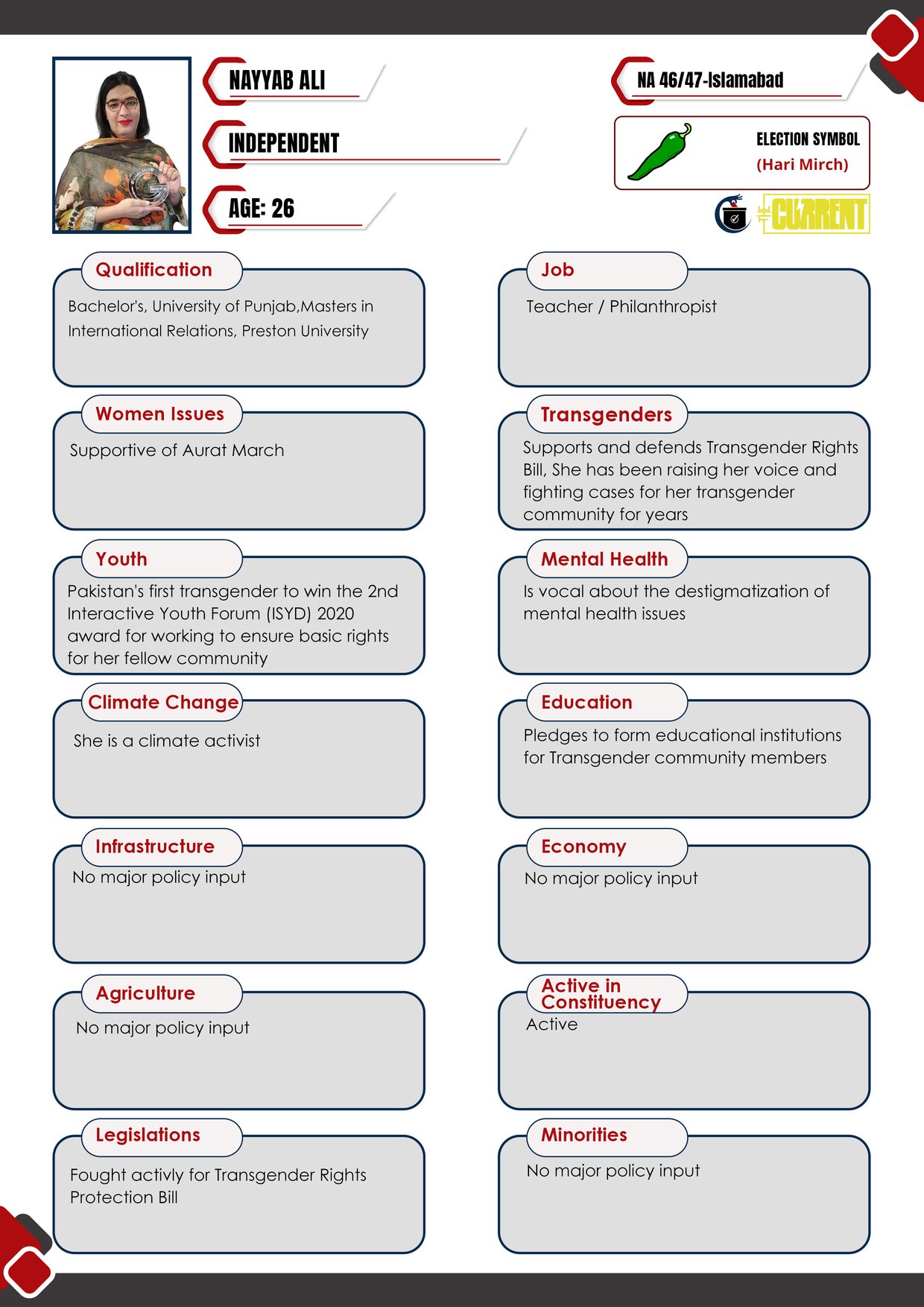
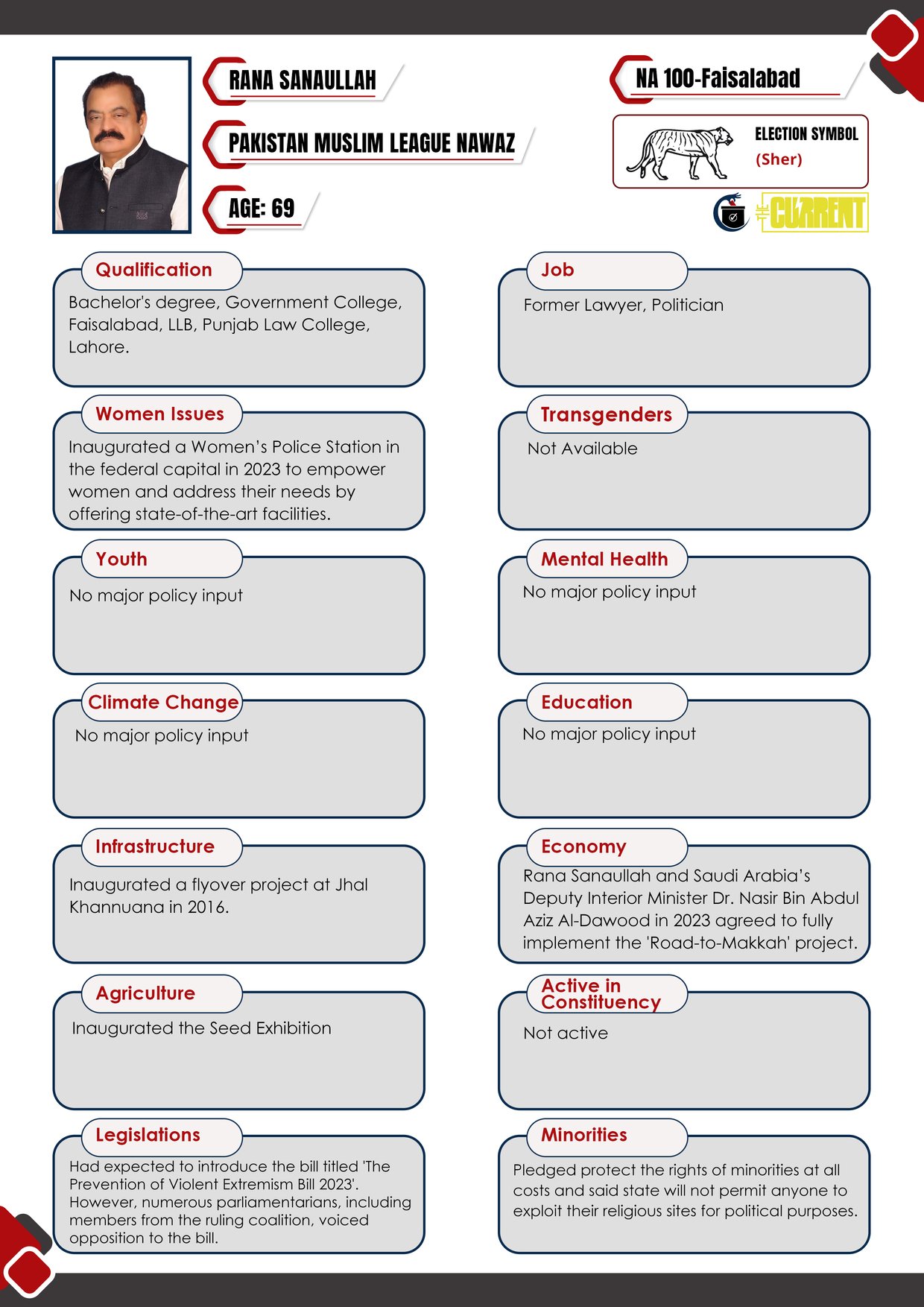
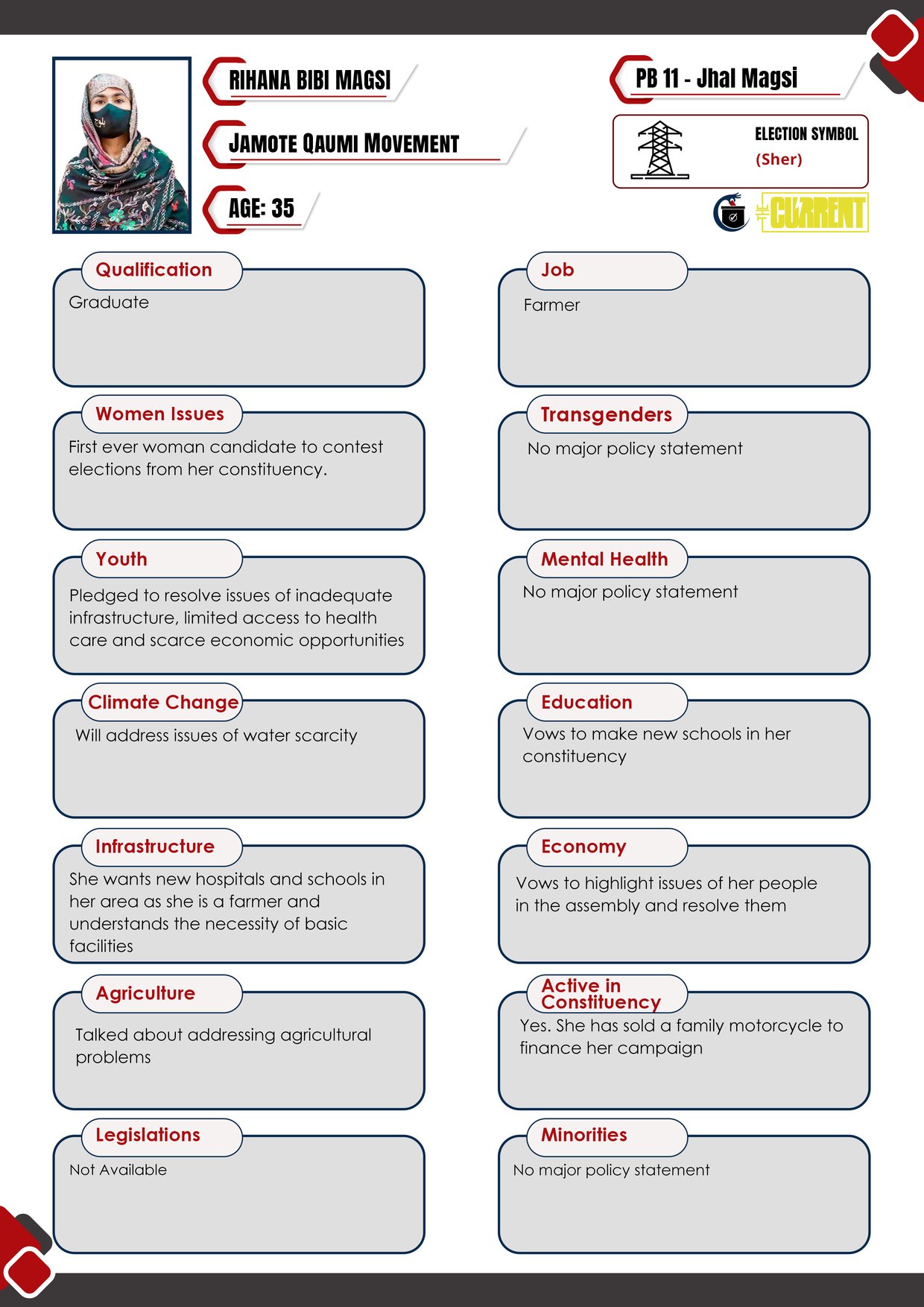
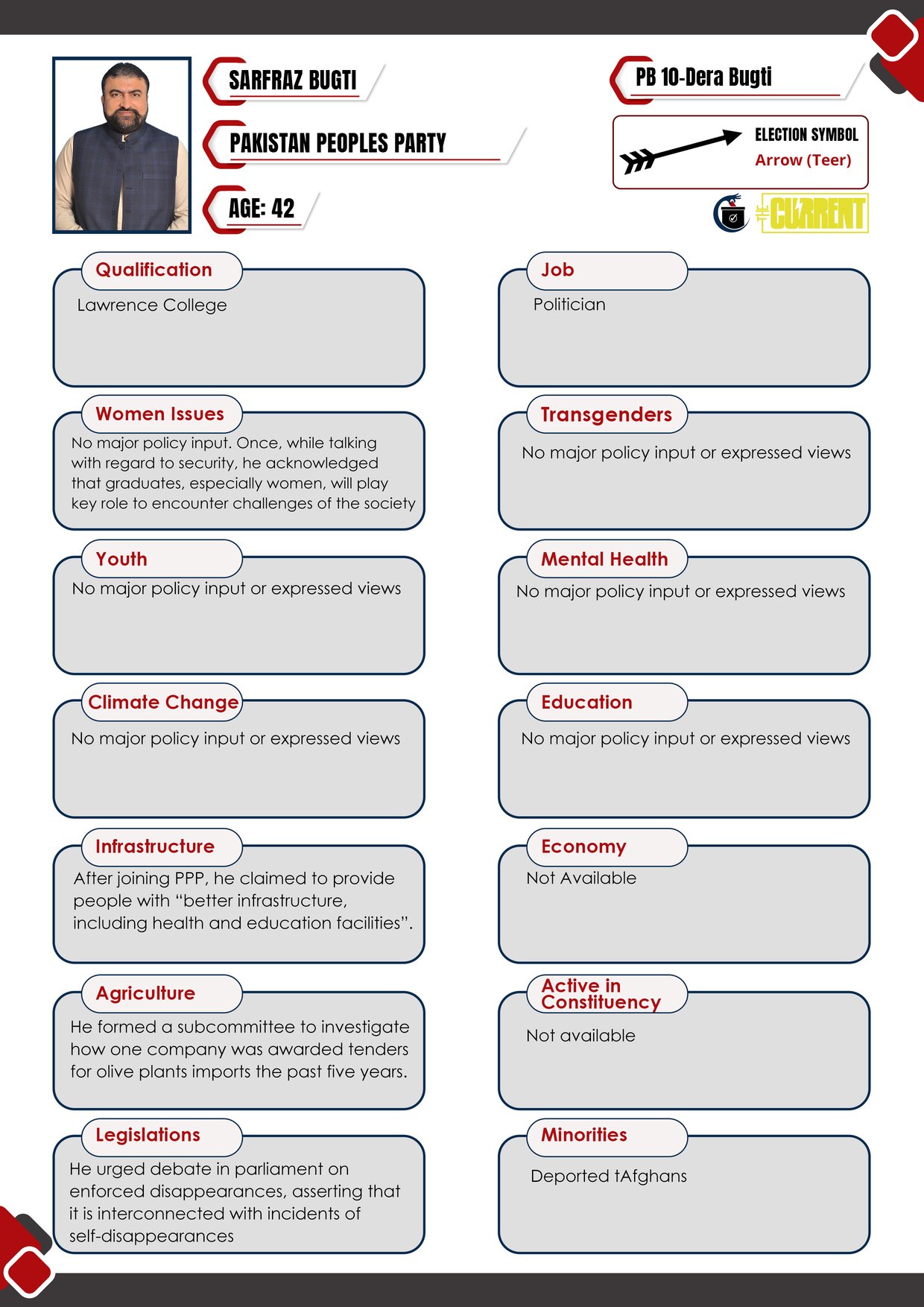
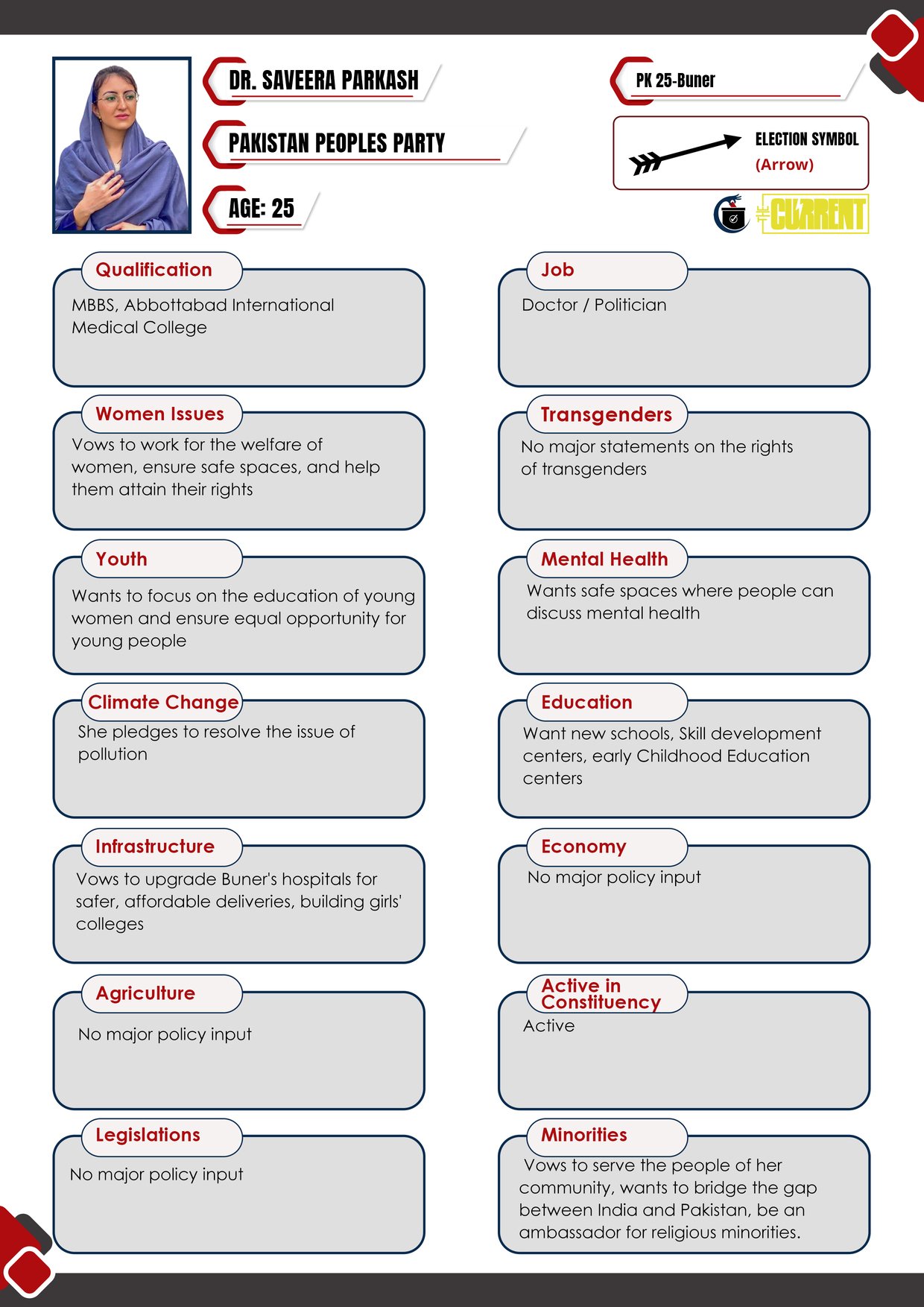
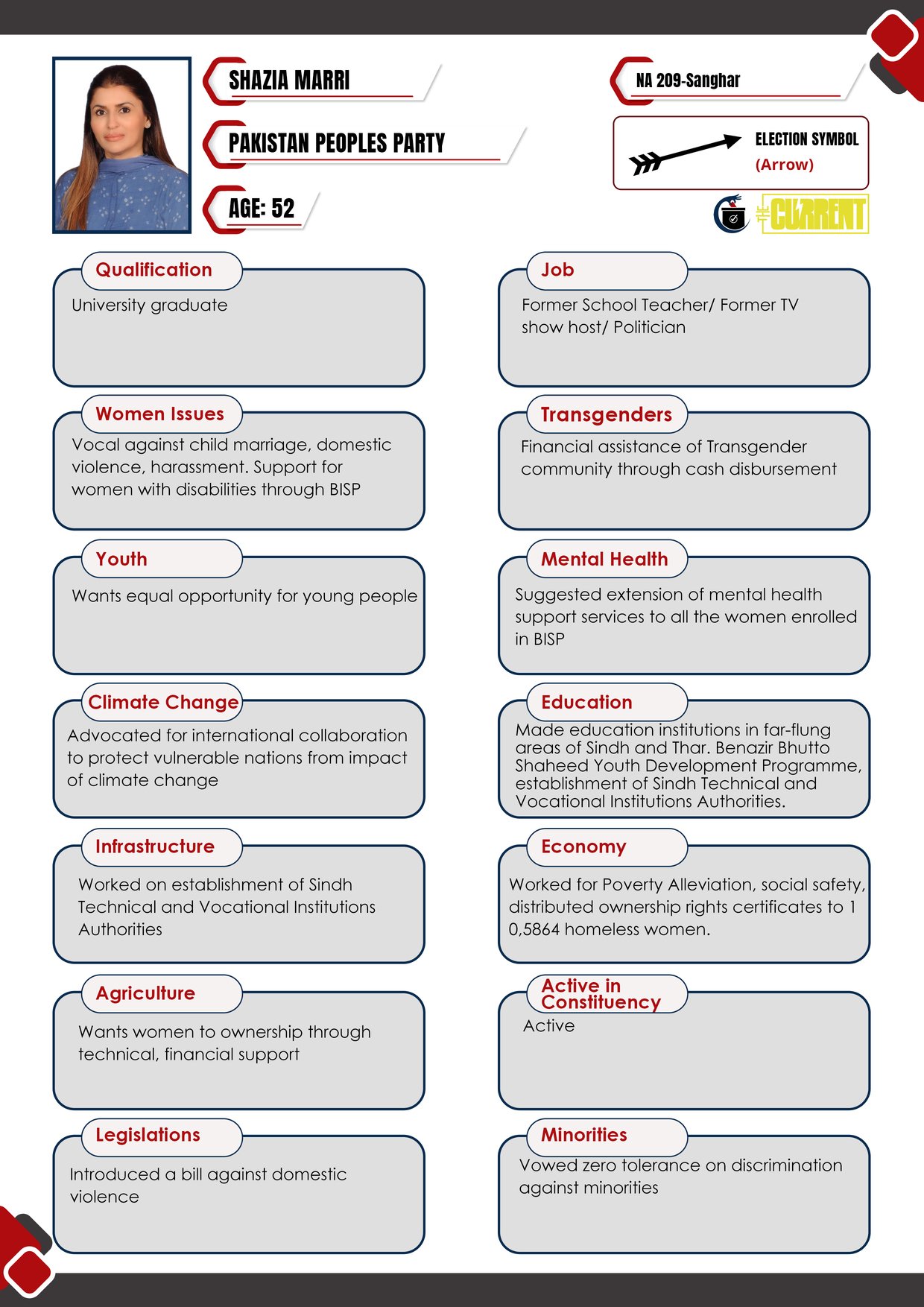
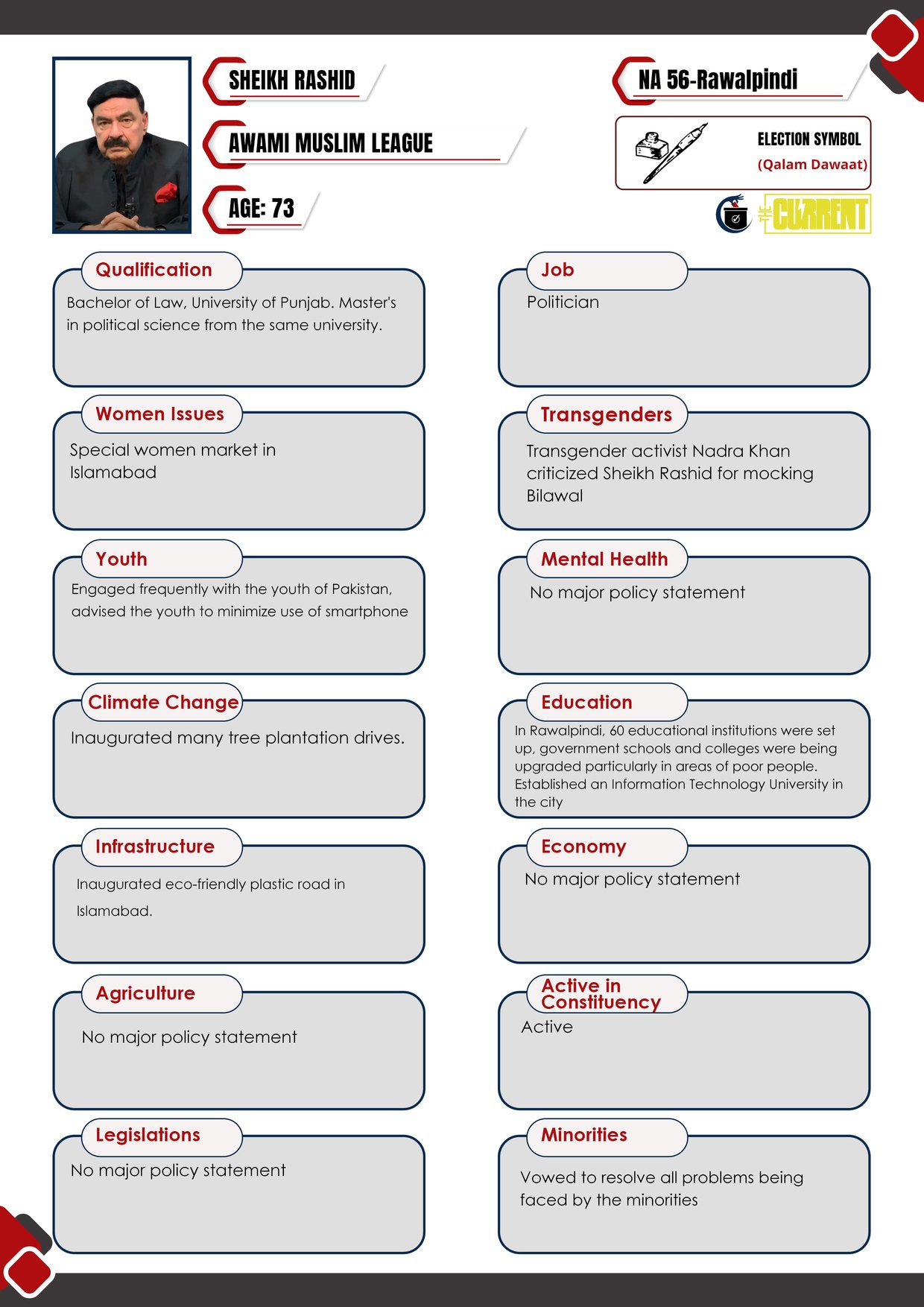
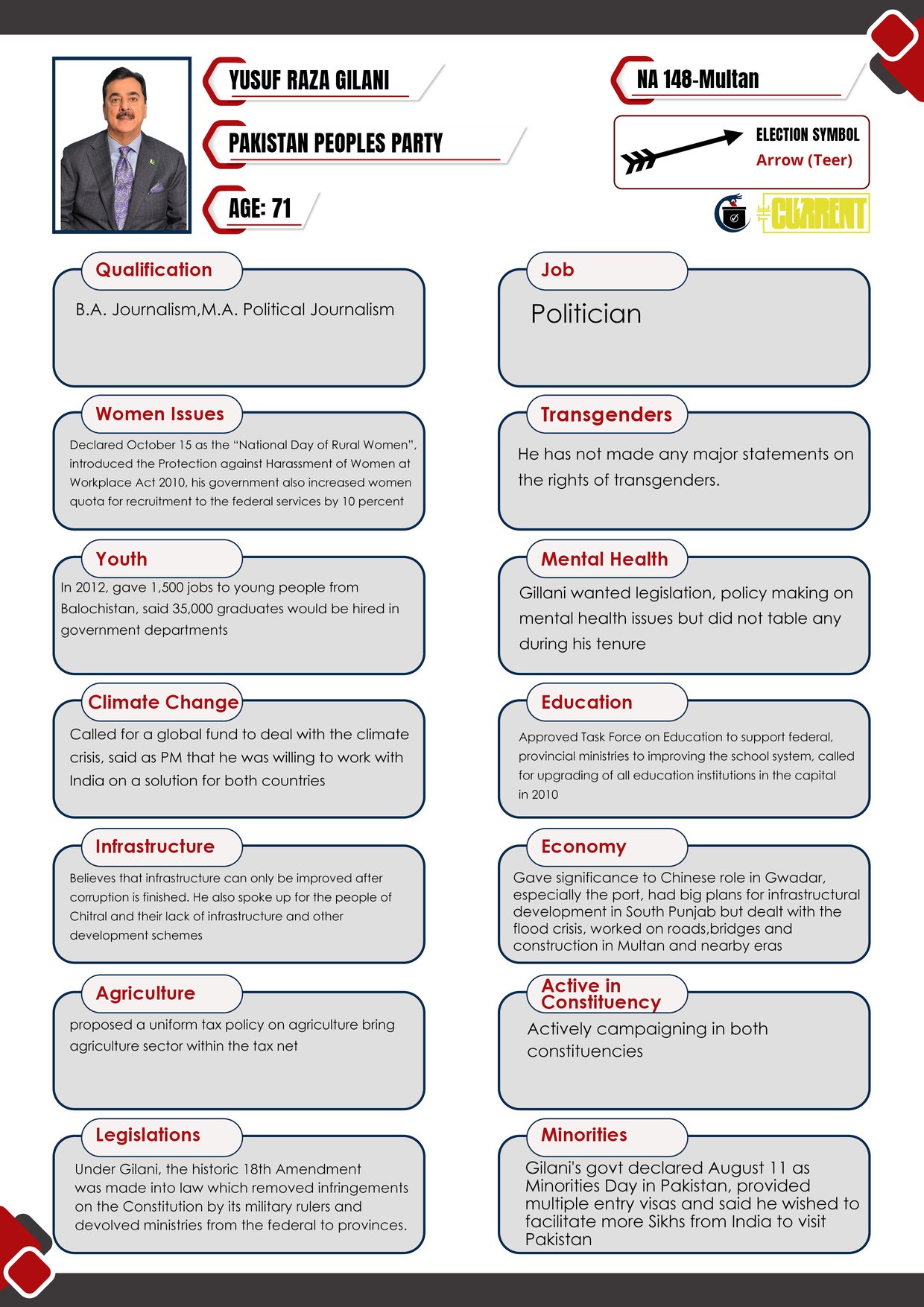
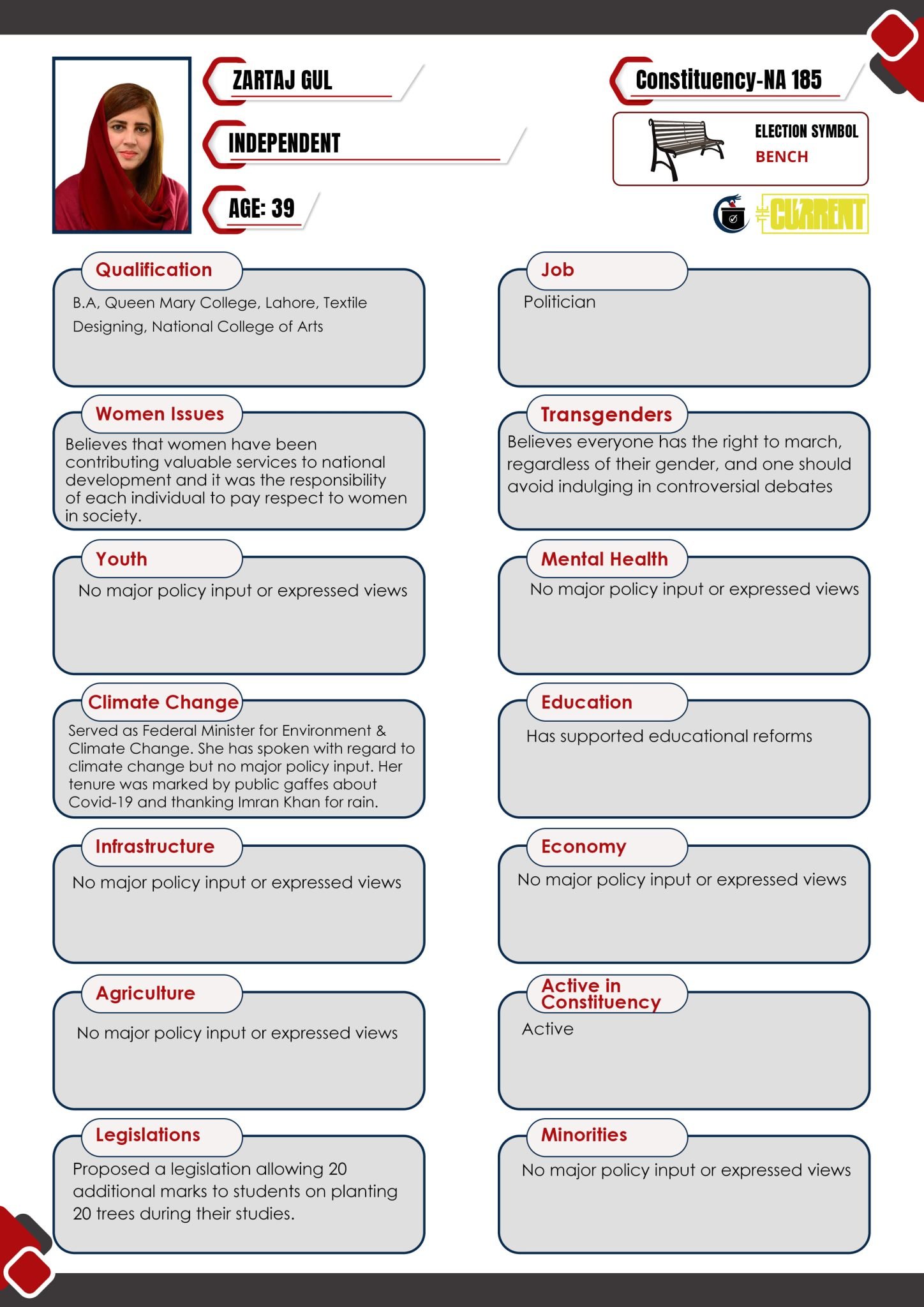
It’s been a long journey filled with tears, sweat, and countless sleepless nights (quite literally) as we meticulously researched your candidate.
Do you know what your candidate thinks about women’s rights, transgender rights, climate change, and minority issues? We looked through official government and party websites, news articles, news videos to find information on what your candidate thinks about issues that matter to you. We only had the manpower to do 50 candidates and hope it helps you make the decision on who to vote for in your city. The handbook is added, page by page, below but if you rather download it, here is the link:
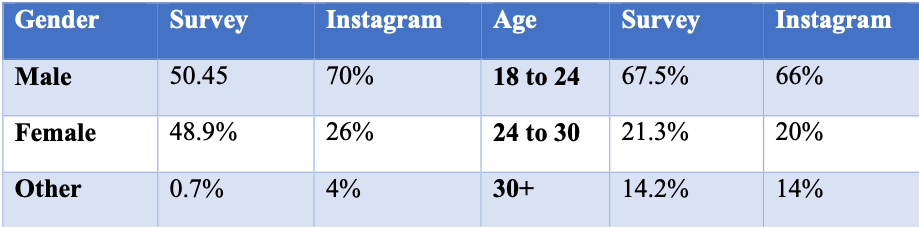
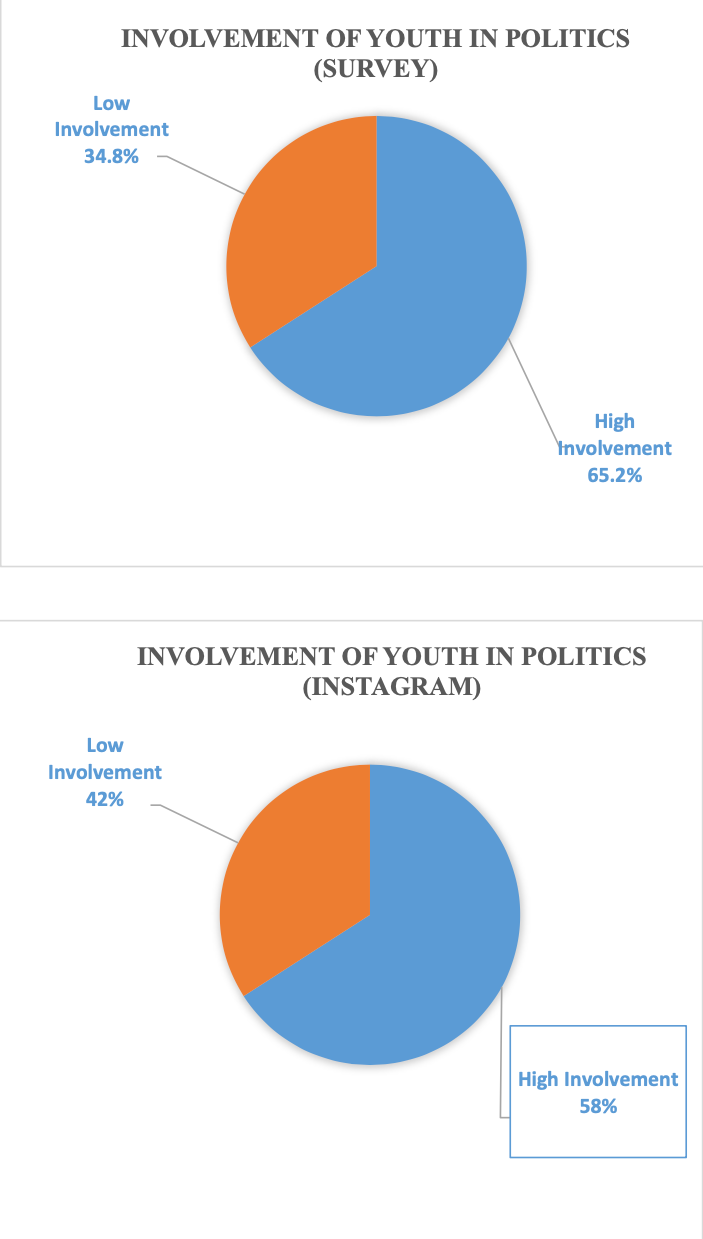
Pakistan’s political landscape is undergoing a significant transformation as the country prepares for critical elections. The young, energetic youth, a demographic powerhouse, holds significant potential to shape the country’s political future, making their thoughts, worries, and aspirations crucial.
Youth Voter Turnout 2018:
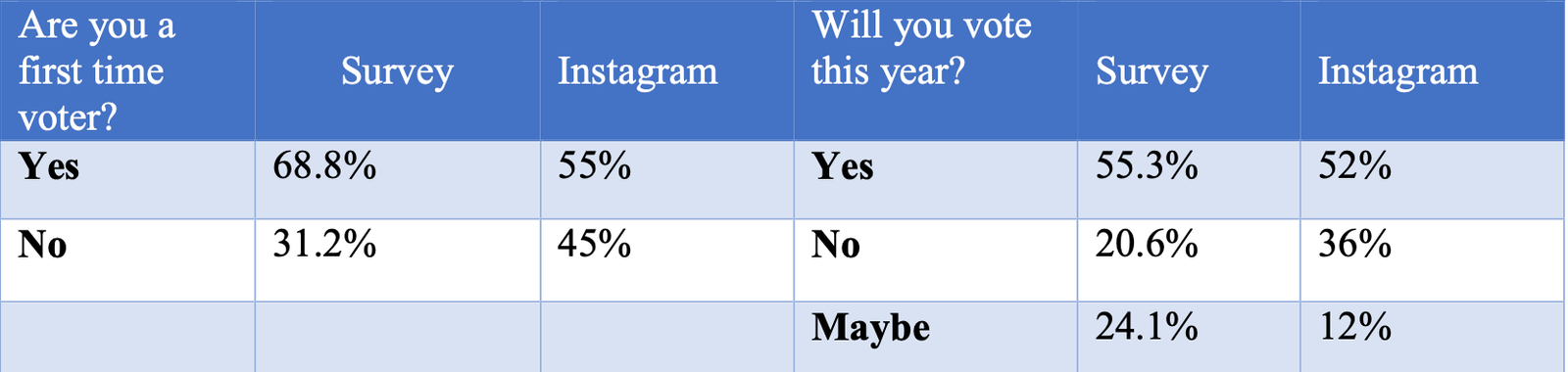
According to empirical Analysis of Elections in Pakistan done by Gallup Pakistan, average Youth voter turnout estimates are a mere 31.5% compared to 40% for women voter turnout and 53% for average national voter turnout during the last two elections in 2013 and 2018.
Youth Driven Digital Democracy:
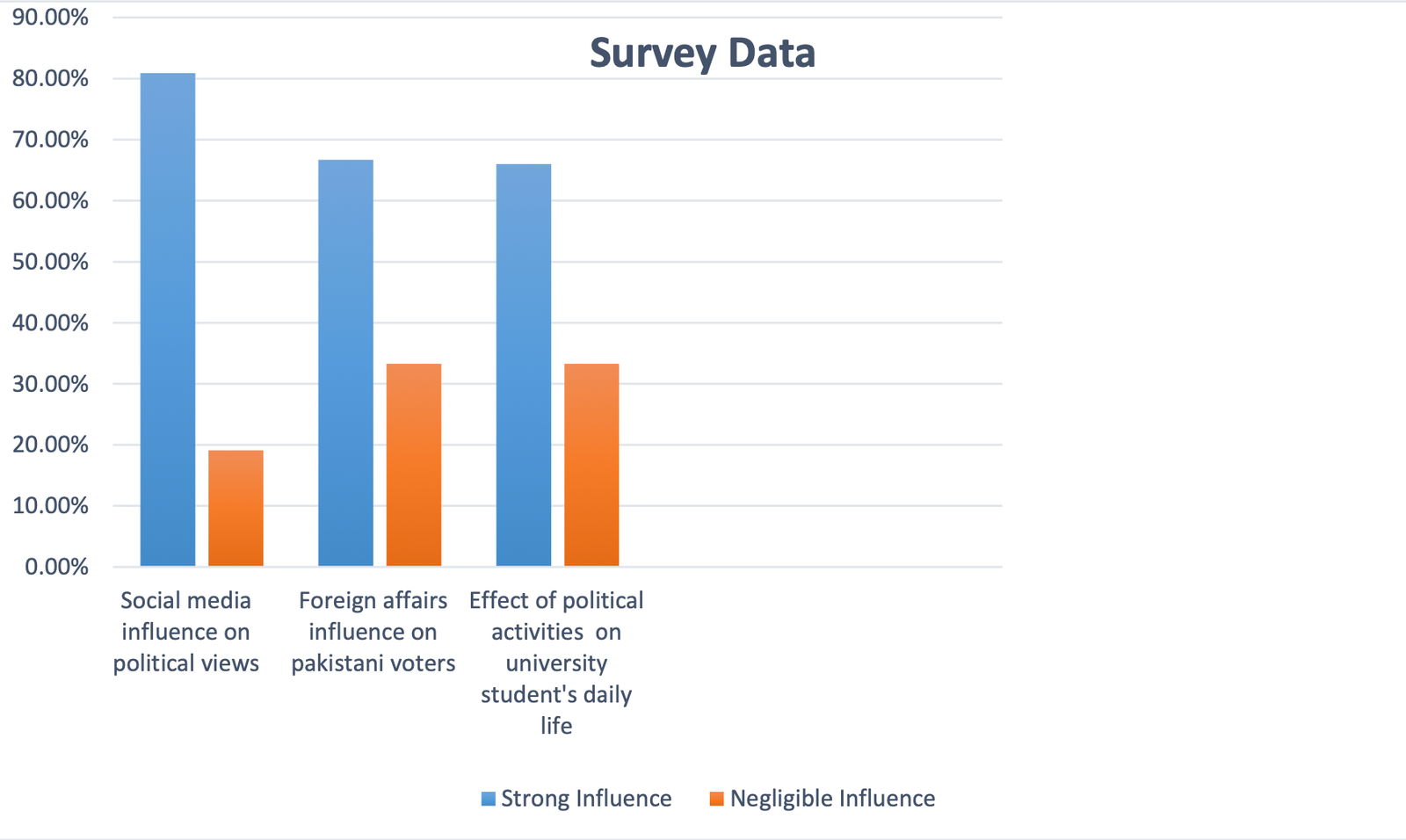
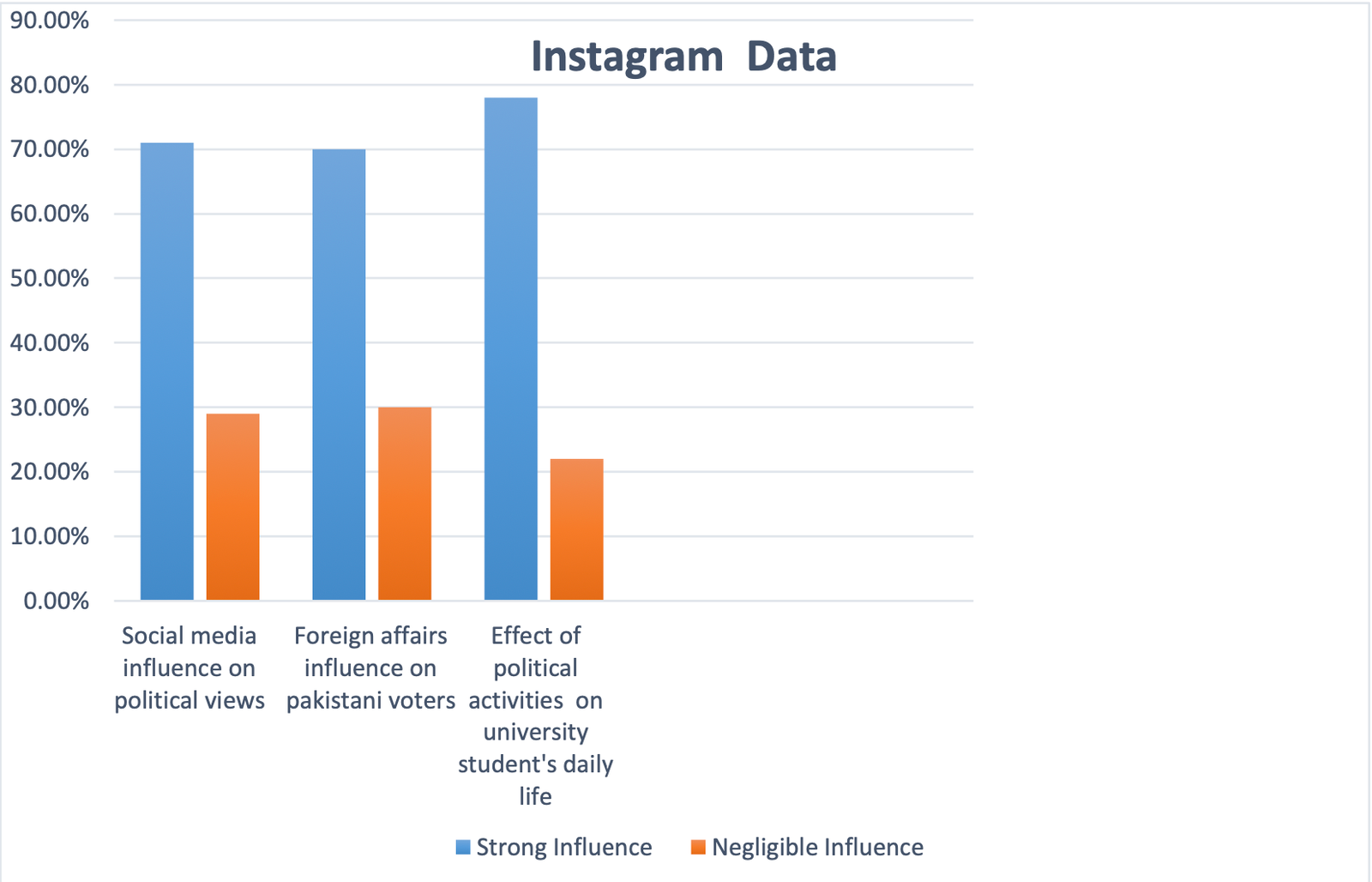
To help the voices of the future, we also need to explore the influence of social media on political opinions and decisions driven by the youth. In the diverse society we are living in, social media is the strongest tool at the disposal of Pakistani political parties which can have a profound effect on youth’s minds and political parties and vice versa. Social media platforms enable young people to participate in conversations, express their opinions, and contribute to an active online political dialogue. Hashtags and trending topics frequently serve as vehicles for political speech, emphasizing certain concerns and establishing a virtual arena for political discourse.
Critical issues for upcoming 2024 election:
The 2024 elections survey by The Current Forum in Pakistan raised important concerns: 51.8% prioritized economic stability, 32.6% emphasized governance and accountability, 8.5%% focused on social services such as education and healthcare, 3.5% were conscious of climate change, and 3.5% were concerned about national security. Instagram polls echoed similar sentiments: 45% prioritized governance and accountability, 42% emphasized economic stability, 11% supported education and healthcare, and 2% were concerned about climate change. These findings highlight the different electorate objectives, emphasizing the necessity for policymakers to develop comprehensive policies that meet several issues
Request for political candidates for immediate impact on universities and student bodies:
The Current Forum’s 2024 elections survey found a wide range of student demands: 40.4% emphasized active engagement in decision-making for inclusive governance, 32.6% requested immediate financial assistance, and 24.8% increased funding for education. Notably, 2.1% prioritized increased campus security. According to Instagram surveys, 43% priorities student assistance, 34% advocate for student involvement in decision-making, 19% demand increased education financing, and 4% emphasize enhanced campus security.
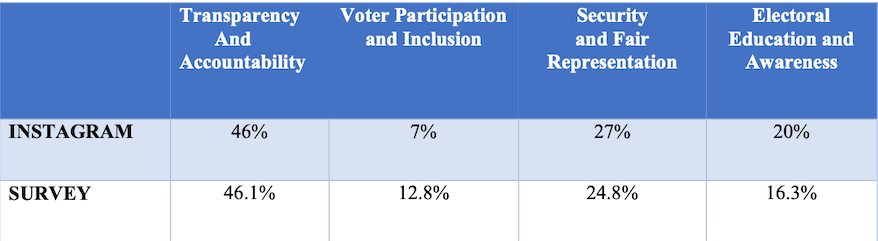
Concerns about the electoral process in Pakistan that need attention and improvement:
Initiatives or strategies that could encourage greater political awareness and participation among the youth in Pakistan:
The study indicates a variety of opinions on improving political engagement among Pakistani young. Notably, 29.8% prefer youth-focused political participation events, while 30.5% support greater young representation. 18.4% favor expanding civic education programs, while 21.3% support easily available information platforms.
According to Instagram polls, 25% prefer greater civic education, while 24% support youth-focused engagement activities. A majority (35%) advocate for expanded youth representation, while 16% support accessible information platforms.
Immediate Priorities for Universities and Students: Requests toPolitical Candidates in Pakistan’s 2024 Elections
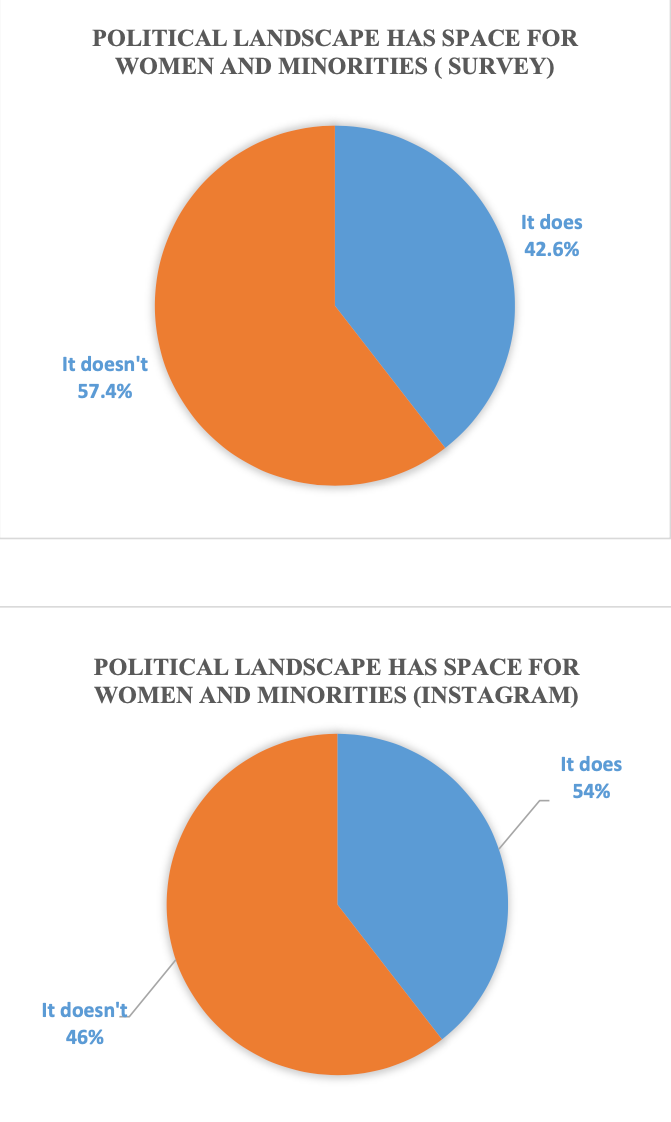
The survey responses highlight a range of concerns and requests from students in Pakistan for political candidates to address in the 2024 elections. Key issues include the restoration of student unions, regulation of private institution fees, compulsory on-campus jobs, and student policies that positively impact the student body. The lack of governance in certain regions, particularly in Balochistan, is also a concern. Students advocate for changes in grading systems, tackling harassment issues, ensure affordable fees, and creating job opportunities post-graduation. They also advocate for free education, scholarships, and support for those unable to afford fees. The survey participants urged candidates to address the specific needs and concerns voiced by the student community, fostering a more responsive and accountable approach to policymaking.
Uff, so exciting, aapka first vote! If you’re confused about how to do it, don’t worry, we’re here to help. Here’s a step-by-step guide for what you need to do on Feb 8 to cast a vote.
Step-I: See if you are eligible
You need to be
A citizen of Pakistan
18 years of age
Have an original CNIC
Are not declared of unsound mind by a competent court
A resident of your area.
Step 2:: Find your Polling station
To find out your constituency and polling station, text your CNIC number (without spaces or dashes) to 8300 — the only official code for the ECP.
You will receive an automated response with the name of the electoral area, block code, and serial number.
Step 3: Time to vote
Polling starts at 8 am on Thursday, Feb 8, and will typically end by 5 pm. Anyone who enters the polling station after the cut-off time will not be allowed to cast their vote so make sure you get there on time. Get it done as early as possible and enjoy the rest of the holiday.
Step 4: Dress comfortably and carry only CNIC to the polling station
On Feb 8, make sure to carry your original CNIC. Photocopies, duplicates, or any other document will not be accepted.
Another important thing to remember is that you will not be allowed to take your cell phone inside the polling station so best to leave it at home.
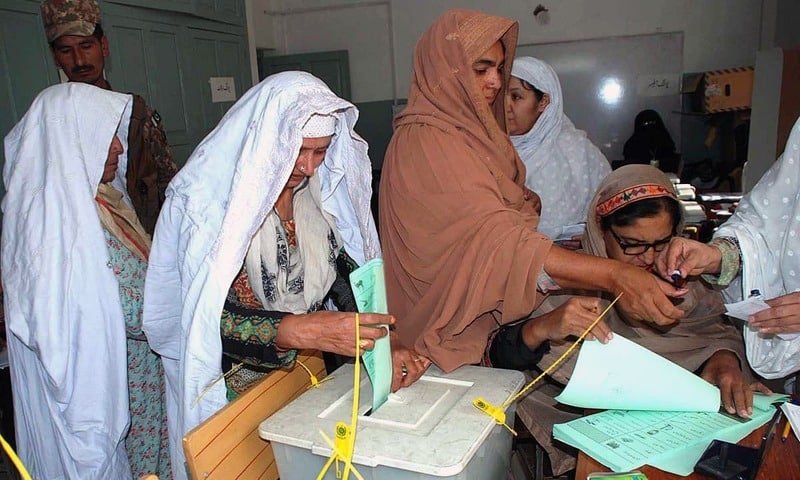
Step 5: Male-female segregation in a polling station
As you enter the polling station — men and women will enter separately — you will be checked by a security officer.
Step 6: Inside the polling station
Once inside, look for a list that has voter names (your name) and designated polling booths on it. Go to the polling booth listed next to your name.
You will meet the polling officer, who will ask to see your original CNIC.
The polling officer will mark your thumb with ink to obtain your thumb impression on the electoral rolls as proof that you have exercised your right to vote.
Then the assistant presiding officer will hand you two ballot papers: one for the national and one for provincial assemblies. You will stamp your thumb impression on the counterfoil.
Make sure that the assistant presiding officer has signed on the back of each ballot paper as well as on the counterfoil. If this isn’t done, a polling agent can call your votes into question and have them cancelled during the counting process. Therefore, make sure your ballots are valid before you stamp them.
Please remember that the green ballot paper is for the National Assembly, while the white ballot paper is for the Provincial Assembly.
Head to the polling booth. It is usually placed behind a screen for privacy purposes. You will not be issued a replacement ballot paper, so before you head to the polling booth, make up your mind about who you are voting for. Once the paper has been stamped, you cannot change your decision.
Precaution: Do not attach any kind of object to the ballot paper. It will be rejected. Revealing your identity on the ballot paper will also result in the ballot papers being rejected.
Let the ink dry, and fold the ballot paper according to how you are instructed. The green paper goes into the box with the green lid, and the white paper goes into the box with the white lid.
Step 7: Go home and chill
As you step out of the polling station, get some snacks, head back home chill for the rest of the day, and be happy – you voted for the Pakistan you wanted. Now you have the right to complain!
A review report of a government organization has revealed that in the general elections to be held on February 8, Pakistan Muslim League-Nawaz (PML-N) will emerge as the largest party, followed by the Pakistan Peoples Party (PPP). The third in line is Pakistan Tehreek-e-Insaf (PTI) while other parties will follow.
Geo’s Umar Cheema reported an official who spoke to The News on the condition of anonymity and said that the government body came up with the analysis based on information gathered through interviews with police sources, revenue department, labor unions and professionals in various sectors.
He explained that the review has been carried out at the police station and union council level. The survey has been done scientifically to remove the possibility of wrong estimates, although the popularity rate of PML-N has been lower in the surveys conducted so far. An optimistic estimate has been made as the party has recorded an increase in popularity since the return of Nawaz Sharif, but no one has so far given an estimate of how many seats the party can win.
International media has also presented Nawaz Sharif as the future prime minister, but whether he will be able to get a simple majority or not is not clear. According to this official assessment, the PML-N will bag between 115 and 132 seats in the National Assembly.
The inclusion of reserved seats for women and minorities would mean that the party would have a chance to form a government alone with a simple majority. It can get close seats, which means PML-N can get a complete majority in the provincial assembly.
PML-N can make a clean sweep in Punjab except for a few districts, says the survey.
According to the estimate, PML-N will form a government with a possible two-thirds majority in Punjab, PML-N will succeed in forming coalition governments in Khyber Pakhtunkhwa and Balochistan, while the PPP has the possibility of forming a government only in Sindh.
The review report says that PPP can get 35 to 40 seats at the center while the independent candidates of PTI can get between 23 to 29 seats. MQM may get 12 to 14 seats, JUI six to eight seats, Q-League and Satwat Pakistan Party are expected to get two to three seats in the National Assembly.
The Election Commission of Pakistan (ECP) has rejected the application of independent candidate Salman Akram Raja to declare his party, Pakistan Tehreek-e-Insaf (PTI) on Form 33, reports Geo.
ECP passed a reserved decision on Salman Akram Raja’s request to declare his party on Form 33.
Election Commission Deputy Director Law Saima Janjua announced the verdict.
The Commission has said in its decision that Salman Akram Raja has been given the symbol of an independent candidate, but the party he belongs to cannot be given one.
At least 28 people have been killed and 40 injured in two separate blasts in Balochistan on Wednesday afternoon, just a few short hours before polling starts on election day.
The first attack claimed at least 15 people’s lives while over 30 were injured after an explosion took place outside an independent candidate’s office in Balochistan’s Pishin. The second blast took place outside a Jamiat Ulema-e-Islam Fazl (JUI-F) office in the Killa Saifullah district. The Pishin blast happened outside the political office of independent candidate Asfand Yar Khan Kakar in the Khanozai area.
Injured people have been shifted to the Tehsil Hospital Khanozai, while the bodies have also been transferred, the hospital’s MS Dr Habib told Geo News.
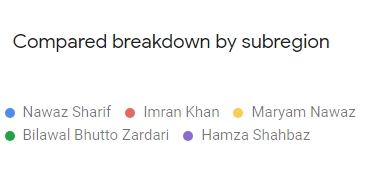
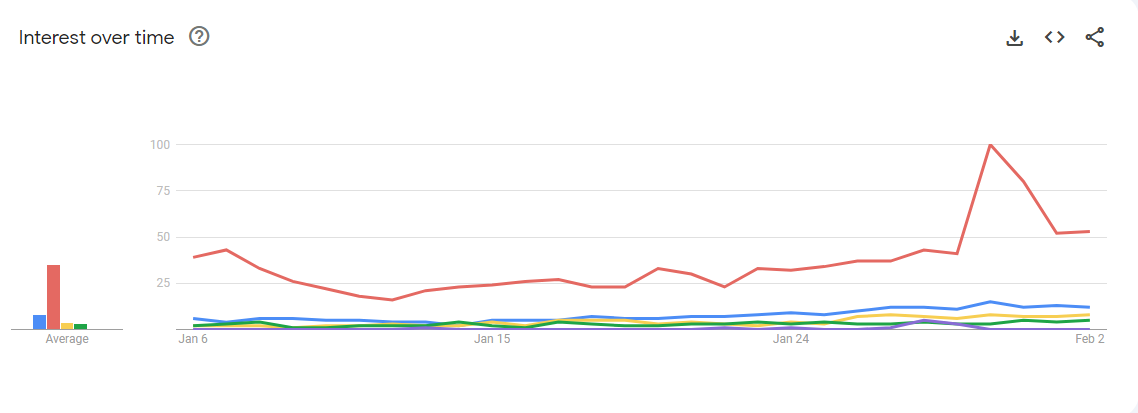
Google Trends offer an insight into the popularity and curiosity political leaders enjoy among the masses. As the elections are drawing near, we took a peak into the data Google Trends have recorded over the last 30 days.
The highest and ever-increasing line graph is Imran Khan’s. The highest peak was shown on January 30 with Khan hitting the record 100 score whereas his contemporaries, Nawaz stood on 15, Maryam Nawaz at eight, Bilawal-Bhutto Zardari at three, and Hamza Shehbaz being the lowest: less than one.
However, it is important to note that Imran’s progressively increasing arc starts dropping successively in the days after Jan 30.
On the other hand, except for Hamza Shehbaz, the other three is slowly on an upward trend.
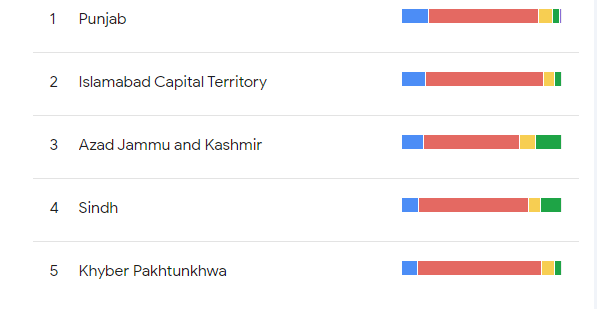
Breakdown of regions
PTI founder and jailed leader Imran Khan is most popular all over Pakistan according to Google Trends.
Punjab
In Punjab, the most popular choices for Chief Ministership, Hamza Shehbaz, and Maryam Nawaz contrary to popular perception, are not being searched so much. After Khan winning with more than 69 percent of searches, Nawaz Sharif is at 17 percent while Maryam is at nine percent. It appears that people in Punjab are comparatively more interested in Bilawal than Hamza who has 1 percent searches from all over the province.
However, it is important to note that out of all the provinces, Punjab has shown more interest in PML-N leader Nawaz Sharif. Sindh has shown the most interest after Punjab, which is 11 percent, 10 percent in Khyber Pakhtunkhwa, nine percent in Balochistan, and seven percent in former FATA.
Sindh
After Imran Khan (69 percent) former Foreign Minister and Chairman of Pakistan People’s Party, Bilawal Bhutto Zardari is unsurprisingly most popular in Sindh with 13 percent of Google searches. Second in line is Punjab and third is Balochistan. After him is Nawaz (11 percent) followed by Maryam (7 percent).
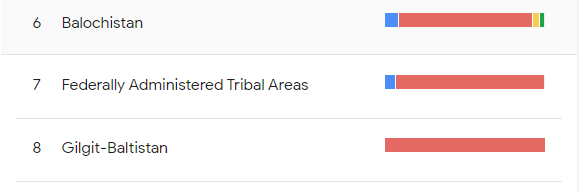
Balochistan
Imran Khan leading the slot here with 84 percent followed by Nawaz (9 percent), Maryam (4 percent), and Biawal Bhutto (3 percent). Hamza does not invoke public curiosity even the slightest.
Gilgit Baltistan
Imran Khan has a 100 percent popularity rate in Gilgit Baltistan, where it seems no other party leader stands a chance, implying that there were minor searches of them in GB.
Former FATA
Interestingly, in the former federally administered tribal areas, only Imran Khan and Nawaz Sharif were searched for, Khan at 93 per cent of searches and Nawaz at seven percent.
Though Google search and Google trends are not the ultimate parameter of a party leader’s popularity, they certainly are proof of what netizens are most interested in and the social media footing of a politician.
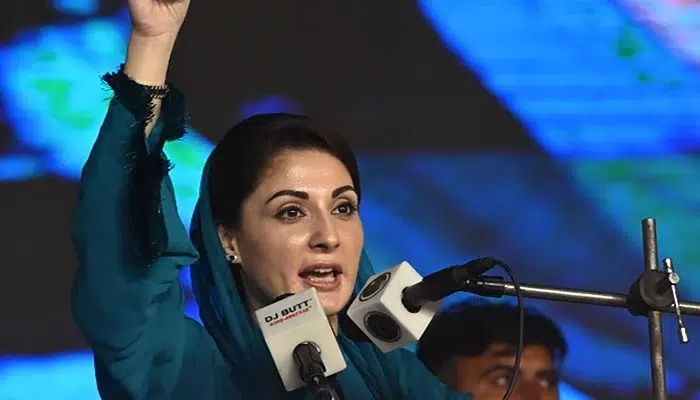
Pakistan Muslim League-Nawaz (PML-N) chief organizer Maryam Nawaz has urged Pakistan Tehreek-e-Insaf (PTI) supporters to stop indulging in what she described as politics of hate. “Today I want to say that I am ready to forget all the oppression against us,” Maryam said. “I promise today and invite everyone to put an end to all this once and for all,” she said at a rally in Kasur. “I want a Pakistan where the government concentrates on serving people instead of avenging the past,” she said.