India’s External Affairs Minister Subrahmanyam Jaishankar said on August 30 that the era of “uninterrupted dialogue” with Pakistan is over while Pakistan extended an invitation to its neighbouring country for the upcoming Shanghai Cooperation Organisation (SCO) summit in October.
Jaishankar also stated that New Delhi will respond to developments from Pakistan, whether positive or negative.
“So far as Jammu and Kashmir is concerned, Article 370 is done. The issue [now] is what kind of relationship we can contemplate with Pakistan,” he stated at a private event in India.
Continuing to crib about slights real and imagined, Jaishankar warned Pakistan, saying, “Actions have consequences,” referring to alleged support for militant organisations.
Pakistan downgraded its ties with India in 2019 after it altered the special status of the Indian Illegally Occupied Jammu and Kashmir (IIOJK) in August 2019 and has since linked the normalisation of ties between the two countries to reversing the egregious change.
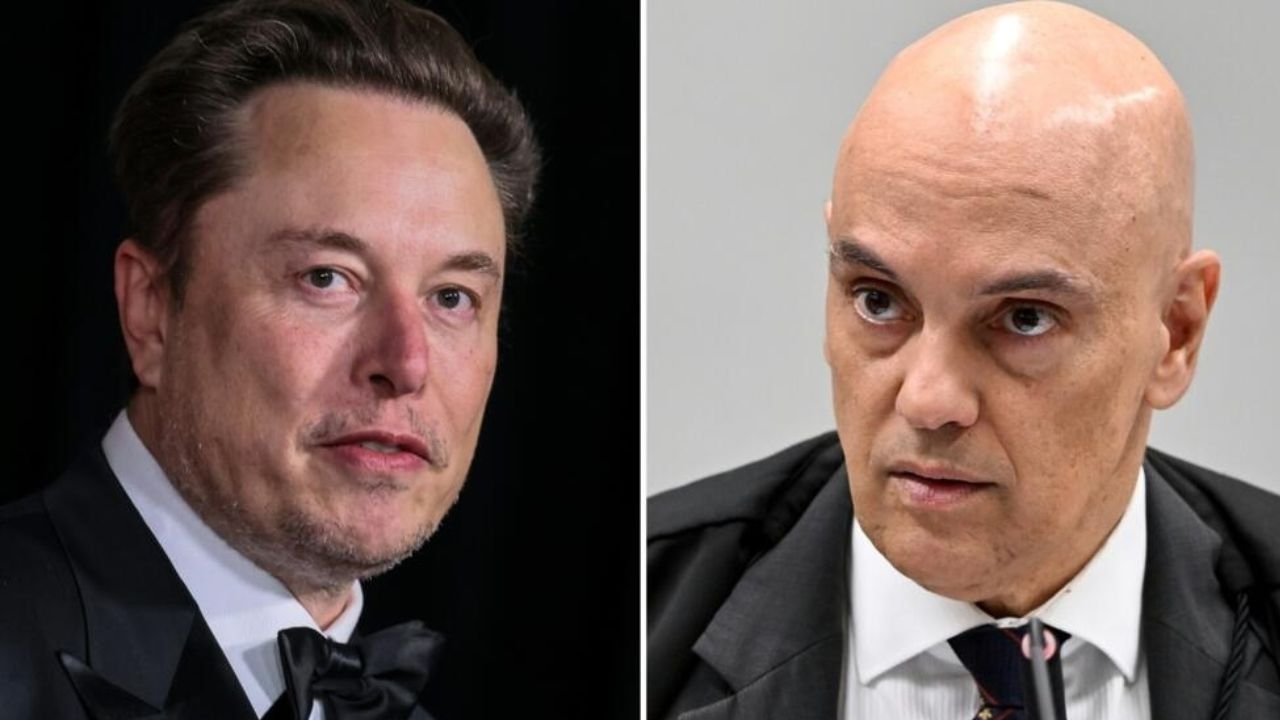
A block on Elon Musk’s X social network in Brazil started to take effect early Saturday after a Supreme Court judge ordered its suspension, according to AFP.
Brazilian Supreme Court judge Alexandre de Moraes on Friday ordered the platform’s suspension following a months-long standoff with the tech billionaire over disinformation in South America’s largest nation.
Moraes handed down the ruling after Musk failed to comply with an order to name a new legal representative for the company.
Early Saturday access to X, formerly known as Twitter, was no longer possible for some users in the South American country. They were presented with a message asking them to reload the browser if they were unable to log in successfully.
Musk, who also owns Tesla and SpaceX, reacted with fury to the judge’s order, branding Moraes an “evil dictator cosplaying as a judge” and accusing him of “trying to destroy democracy in Brazil.”
“Free speech is the bedrock of democracy, and an unelected pseudo-judge in Brazil is destroying it for political purposes,” the billionaire, who has become increasingly aligned with right-wing politics, wrote on X.
The two have been locked in an ongoing, high-profile feud for months as Moraes leads a battle against disinformation in Brazil.
Elon Musk has been locked in a months-long feud with the judge, Alexandre de Moraes, who is leading a battle against disinformation in South America’s largest nation.
Musk has previously declared himself a “free speech absolutist,” but since he took over the platform formerly known as Twitter in 2022 he has been accused of turning it into a megaphone for right-wing conspiracy theories.
He is a vocal supporter of former US president Donald Trump’s bid to regain the White House.
Moraes ordered the “immediate, complete and comprehensive suspension of the operation of” X in the country, telling the national communications agency to take “all necessary measures” to implement the order within 24 hours.
He threatened a fine of 50,000 reais ($8,900) to anyone who used “technological subterfuges”, such as a VPN, to circumvent the block.
The judge also demanded that Google, Apple, and internet providers “introduce technological obstacles capable of preventing the use of the X application” and access to the website, though he later rescinded that order.
The social media platform has more than 22 million users in Brazil.
Musk shut X’s business operations in Brazil earlier this month, claiming Moraes had threatened the company’s previous legal representative with arrest to force compliance with “censorship orders.”
On Wednesday, Moraes told Musk he had 24 hours to find a new representative, or he would face suspension.
Shortly after the deadline passed, X said in a statement that it expected Moraes to shut it down “simply because we would not comply with his illegal orders to censor his political opponents.”
– ‘Who does Musk think he is?’-
The standoff with Musk began when Moraes ordered the suspension of several X accounts belonging to supporters of Brazil’s former far-right president Jair Bolsonaro, who tried to discredit the voting system in the 2022 election, which he lost.
Brazilian authorities are investigating whether Bolsonaro plotted a coup attempt to prevent current President Luiz Inacio Lula da Silva from assuming office in January 2023.
Online users blocked by Moraes include figures such as far-right ex-congressman Daniel Silveira, who was sentenced to nine years in prison in 2022 on charges of leading a movement to overthrow the Supreme Court.
In April, Moraes ordered an investigation of Musk, accusing him of reactivating some of the banned accounts.
On Thursday, Musk’s satellite internet operator Starlink said it had received an order from Moraes that froze its accounts and prevented it from conducting financial transactions in Brazil.
Starlink alleged that the order “is based on an unfounded determination that Starlink should be responsible for the fines levied — unconstitutionally — against X.”
The company said on X that it intended “to address the matter legally.”
Musk is also the subject of a separate judicial investigation into an alleged scheme where public money was used to orchestrate disinformation campaigns in favor of Bolsonaro and those close to him.
“Any citizen from anywhere in the world who has investments in Brazil is subject to the Brazilian Constitution and laws,” Lula told a local radio station on Friday.
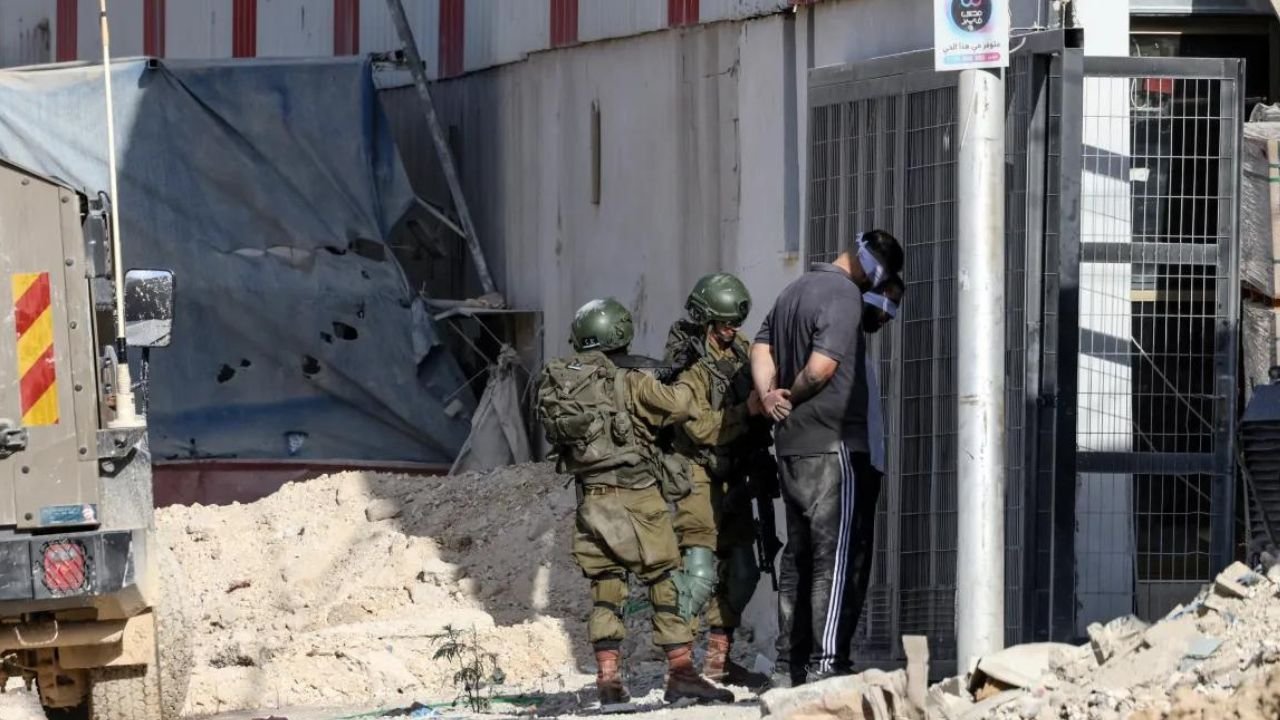
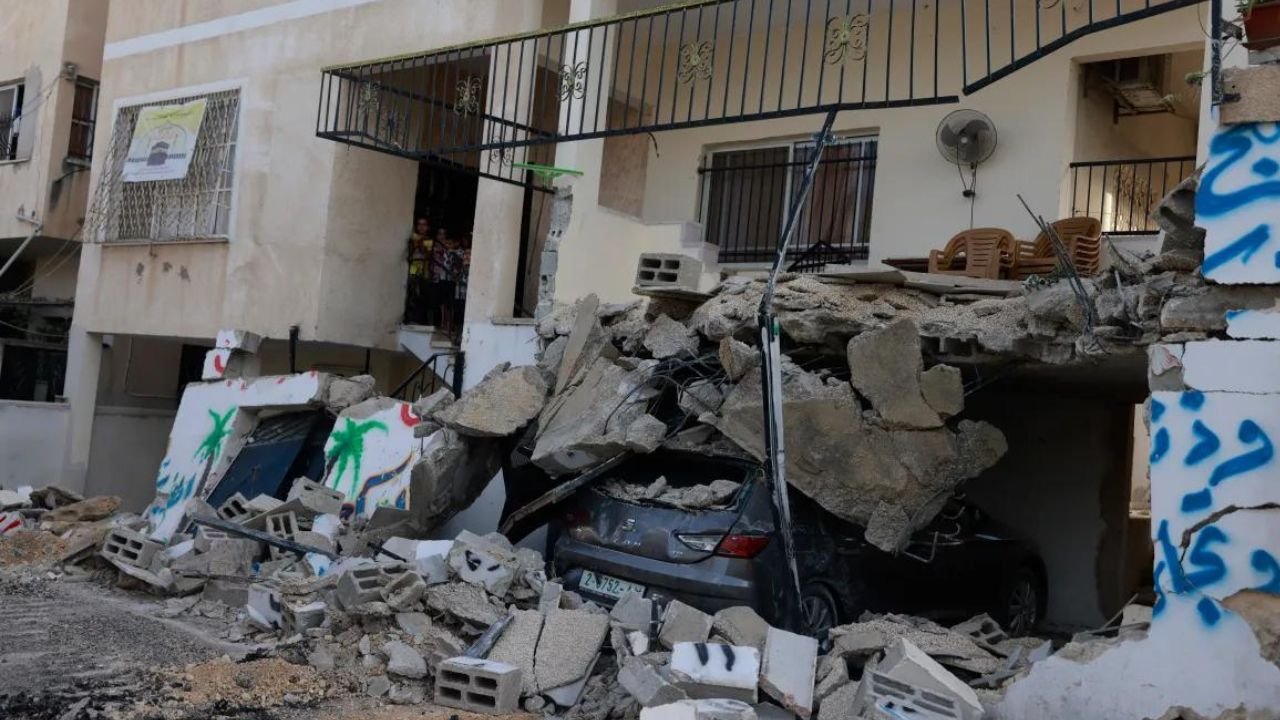
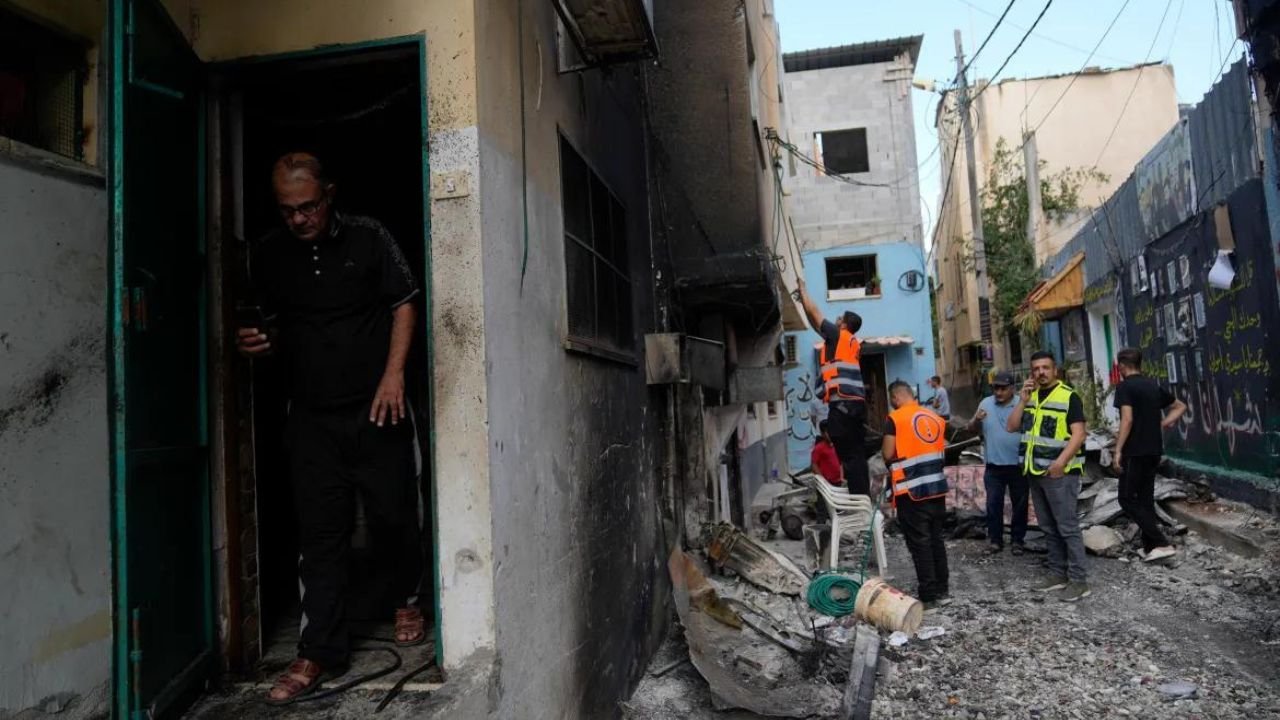
Israel launched a large-scale operation Wednesday in the occupied West Bank, where the army said it killed Palestinian fighters, as the nearly 11-month-old Gaza genocide showed no signs of abating.
The military said its forces killed nine fighters. At the same time, the Palestinian Red Crescent reported ten deaths in the West Bank, where violence has surged since October 7.
The ongoing genocide has killed more than 40,000 people in Gaza, according to Gaza’s health ministry, and caused widespread destruction and displacement.
Early Wednesday, Israel launched coordinated raids across four northern West Bank cities — Jenin, Nablus, Tubas and Tulkarem — where the military has focused much of its recent operations against armed groups.
Columns of armoured vehicles entered two refugee camps, in Tulkarem and Tubas, as well as Jenin.
By midday, they were blocking entrances to the towns and camps, AFP photographers said, with soldiers firing at the camps from which gunfire and explosions were heard.
The Red Crescent said Israeli forces killed ten people and wounded 22 others in the raids.
The Israeli military said it killed three Palestinians in an air strike on Friday, the third day of a major operation in the occupied West Bank, claiming they were fighters of Hamas.
Witnesses told AFP the strike hit a car in the town of Zababdeh, southeast of the northern city of Jenin. An AFP journalist saw human remains being removed from the vehicle by paramedics.
The medical organisation’s West Bank chief, Younes al-Khatib, said ambulances came under Israel fire, and “one of our staffers was hit”.
Palestinian president Mahmud Abbas cut short a visit to Saudi Arabia and headed home to “follow up on the latest developments in light of the Israeli aggression”, Palestinian official media said.
Jordan’s King Abdullah II told visiting US lawmakers a Gaza truce was needed “to stop the cycle of violence in the region”, according to a royal statement.
Violence meanwhile raged in the Gaza Strip, where the civil defence agency reported at least 12 dead in Israeli strikes, and in Lebanon, where the Israeli military said it killed a “significant” Palestinian militant.
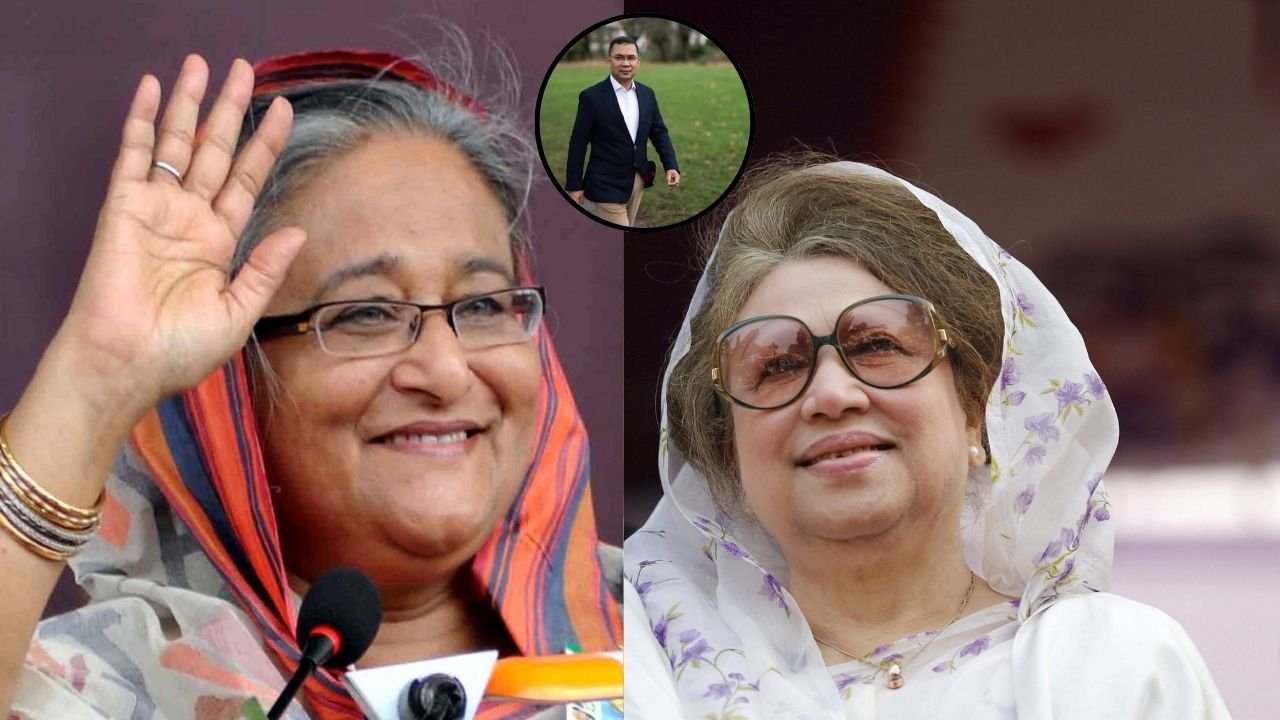
Two women dominated Bangladeshi politics for decades. One was chased into exile. The other is newly free from custody and too sick to rule, but her heir looks set to take power.
Autocratic ex-premier Sheikh Hasina, 76, fled the country by helicopter for neighbouring India this month as huge crowds demanding an end to her rule marched towards her palace.
Hours after the student-led uprising sparked the sudden collapse of her government, her lifelong rival and two-time prime minister Khaleda Zia, 79, was released from house arrest for the first time in years.
Members of Zia’s Bangladesh Nationalist Party (BNP) endured crackdowns and mass arrests under Hasina, who pointed to her opposition’s cosy relations with Islamists as justification.
A caretaker government has run the country since Hasina’s ouster — but it has to hold new elections eventually, and now that the BNP has emerged from the underground, its members are confident of their prospects.
“People who supported us from behind for a very long time, they are now coming to the front,” Mollik Wasi Tami, a leader of the party’s student wing, told AFP.
Interim leader and Nobel laureate Muhammad Yunus, 84, has said he has no plans to continue in politics after his current role is finished.
The students who led Hasina’s overthrow have no fondness for Zia either, and it remains unclear whether they would support a future BNP government or seek to form their own party.
But whatever they decide, analysts say that when polls are held, the BNP is the force with the cross-country network, the political experience and the drive to win.
“In the next election, whenever it takes place, the BNP has more appeal,” Bangladeshi politics expert and Illinois State University professor Ali Riaz told AFP.
Zia herself is too ill to assume the prime ministership a third time.
She has suffered from numerous chronic health complaints since she was jailed in 2018 after a graft conviction widely seen as politically motivated, whatever the charge’s true merits.
Zia has only appeared in public once since her release, in a pre-recorded video statement to a BNP rally in Dhaka from a hospital bed, during which she appeared sick and frail.
“We need love and peace to rebuild our country,” she told thousands of party faithful at the rally, held two days after Hasina left Bangladesh.
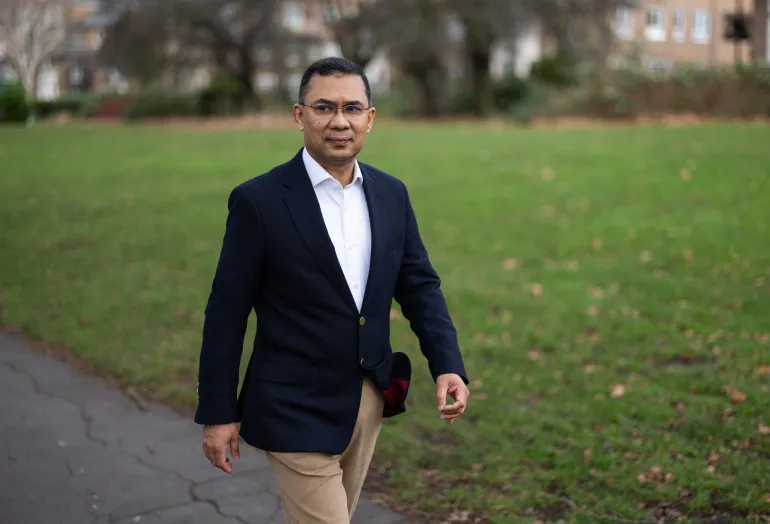
Her supporters are planning to take her abroad for urgent medical care, clearing the way for her eldest son and heir apparent Tarique Rahman to take the reins.
‘He will come back’
Tarique has led the BNP since his mother’s conviction while in exile in London, where he fled to avoid his own set of graft charges — which his party is now working to quash.
“When the legal problems are solved, he will come back,” Mirza Fakhrul Islam Alamgir, the BNP’s secretary-general, told AFP.
Tarique’s visage already appears alongside that of his mother on the party’s banners and campaign materials, including at the rally held two days after Hasina’s toppling.
The fact that rally happened at all was a remarkable departure from Hasina’s rule.
The BNP’s senior leaders and thousands of activists were jailed late last year ahead of January elections that — absent any genuine political opposition — returned Hasina to power.
Dynasties forged in blood
The decades-old contest between Zia and Hasina is a dynastic battle that predates the political career of both women.
Hasina’s father Sheikh Mujibur Rahman and Zia’s husband Ziaur Rahman both led the country in the early years after its 1971 liberation war against Pakistan. Both were assassinated.
Both women joined forces in protests that ousted a military dictator in 1990 and then contested elections against each other the following year.
They have alternated in power ever since, with their parties serving as vehicles for their fierce rivalry.
Zia’s first administration in 1991 was hailed for liberalising Bangladesh’s economy, sparking decades of growth.
But her second term from 2001 saw several graft scandals — some implicating Tarique — and Islamist attacks, including one that almost killed Hasina.
‘Politics based on religion’
Zia was also accused of steering Muslim-majority Bangladesh, and her nominally big tent BNP, away from their secular roots by allying with the Islamist party Jamaat-e-Islami.
The partnership gave Hasina cover to persecute both parties by claiming she was fighting extremism — an excuse bolstered by several terror attacks during her time in office.
Retired Dhaka University professor Abul Kashem Fazlul Haq told AFP that any collaboration between both forces risked antagonising the avowedly secular students who toppled Hasina.
“They are aware that they will be hurt if they do politics based on religion,” he said.
But Alamgir, the BNP’s secretary-general, said the party was open to renewing the alliance if it boosted their chances of forming the next government.
“BNP will definitely look for victory,” he said. “If Jamaat helps, then definitely.”
A video of a Chinese woman locking a crying toddler in the toilet of an aeroplane has gone viral, sparking backlash.
The incident took place on the plane of a Chinese airline where a mother’s handling of a crying child sparked a debate online on how to manage children’s tantrums.
Gou Tingting posted a video of herself carrying a crying baby girl inside the toilet. The other woman in the video can be heard telling the child that she can leave the cubicle only if she ceases crying.
In her post, she said she was trying to help other passengers by locking the crying child.
While netizens accused her of lacking empathy and bullying the child, others defended her actions because of the child’s incessant crying.
The airline later said that the girl’s grandmother had given the two women permission to “educate her”.
Tingting also defended her actions as she posted that she does not prefer to be a bystander but wants to take action. “I just wanted to calm the child down and let everyone rest,” she said, further explaining that some passengers were forced to move to the back of the plane as the child continued crying. Meanwhile, some had to stuff tissues in their ears to block out the persistent crying of the girl, as per Tingting.
As per Chinese media, the toddler is one year old.
Indonesian authorities arrested a man trying to sell elephant tusks and the horns of critically endangered rhinos via social media.
The illegal wildlife trade remains rampant in Indonesia, where law enforcement is lax, but the arrested man could face up to 15 years in prison if convicted, the environmental ministry said in a statement late Wednesday.
South Sumatra police began an investigation after seeing posts on Facebook earlier this year offering parts of protected wildlife for sale.
A 60-year-old man, identified only by the initials “ZA”, was arrested last week during a transaction while trying to sell a rhino horn and a pipe made of an elephant tusk in Palembang, South Sumatra.
Police found seven more rhino horns and at least four elephant tusks at his house.
“It seems like he’s very experienced in wildlife trading,” the environmental ministry said.
In June police arrested a gang of poachers suspected of killing 26 critically endangered Javan rhinos in Ujung Kulon National Park since 2018.
They once numbered in the thousands across Southeast Asia, but have been hard hit by rampant poaching and human encroachment on their habitat, and the environment ministry says there are only around 80 of the beasts left in the wild.
Sumatran rhinos have also been declared critically endangered by the International Union for Conservation of Nature or IUCN with fewer than 50 remaining.
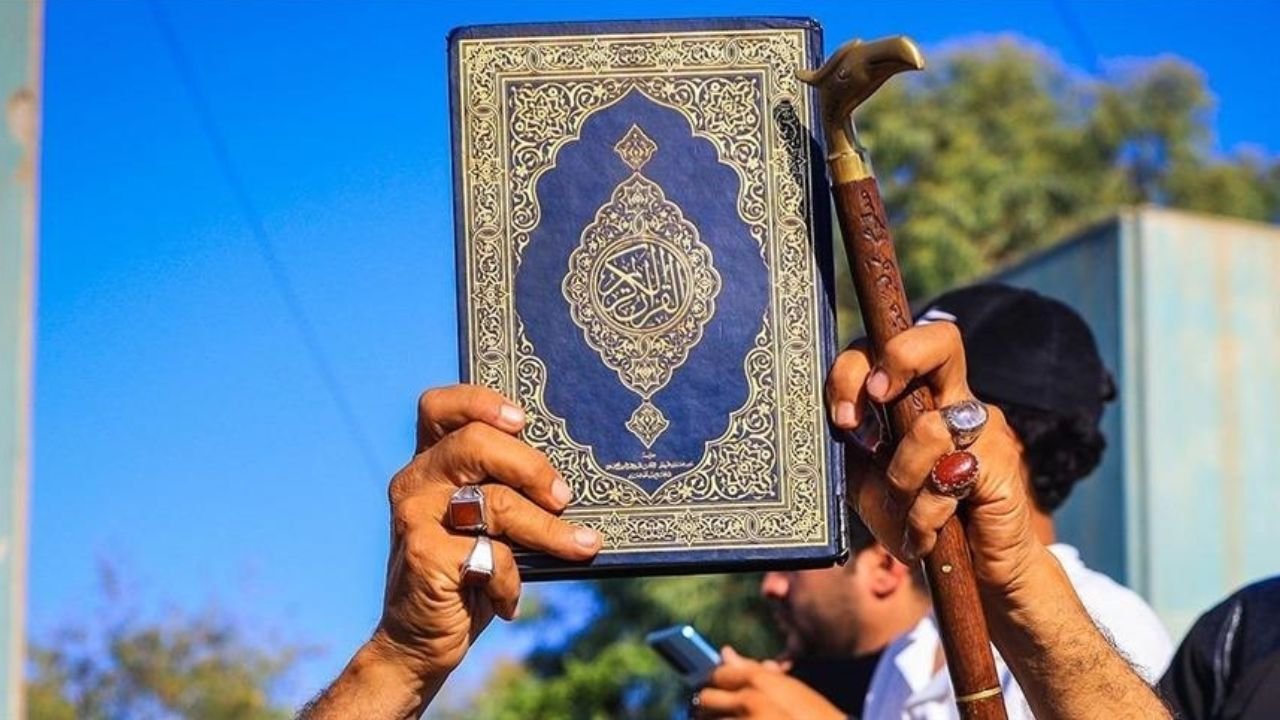
Swedish prosecutors on Wednesday charged two men with inciting ethnic hatred over several protests involving the burning of Qurans in 2023, which sparked widespread outrage in Muslim countries.
Salwan Momika, a Christian Iraqi who burned the Quran at a slew of protests, and co-protester Salwan Najem were charged with “agitation against an ethnic group” on four occasions in the summer of 2023.
“Both men are prosecuted for having on these four occasions made statements and treated the Quran in a manner intended to express contempt for Muslims because of their faith,” senior prosecutor Anna Hankkio said in a statement.
According to the charge sheet, the duo desecrated the Quran, including burning it, while making derogatory remarks about Muslims — in one case, outside a Stockholm mosque.
“In my opinion, the men’s statements and actions fall under the provisions on agitation against an ethnic or national group, and it is important that this matter is tried in court,” the prosecutor added.
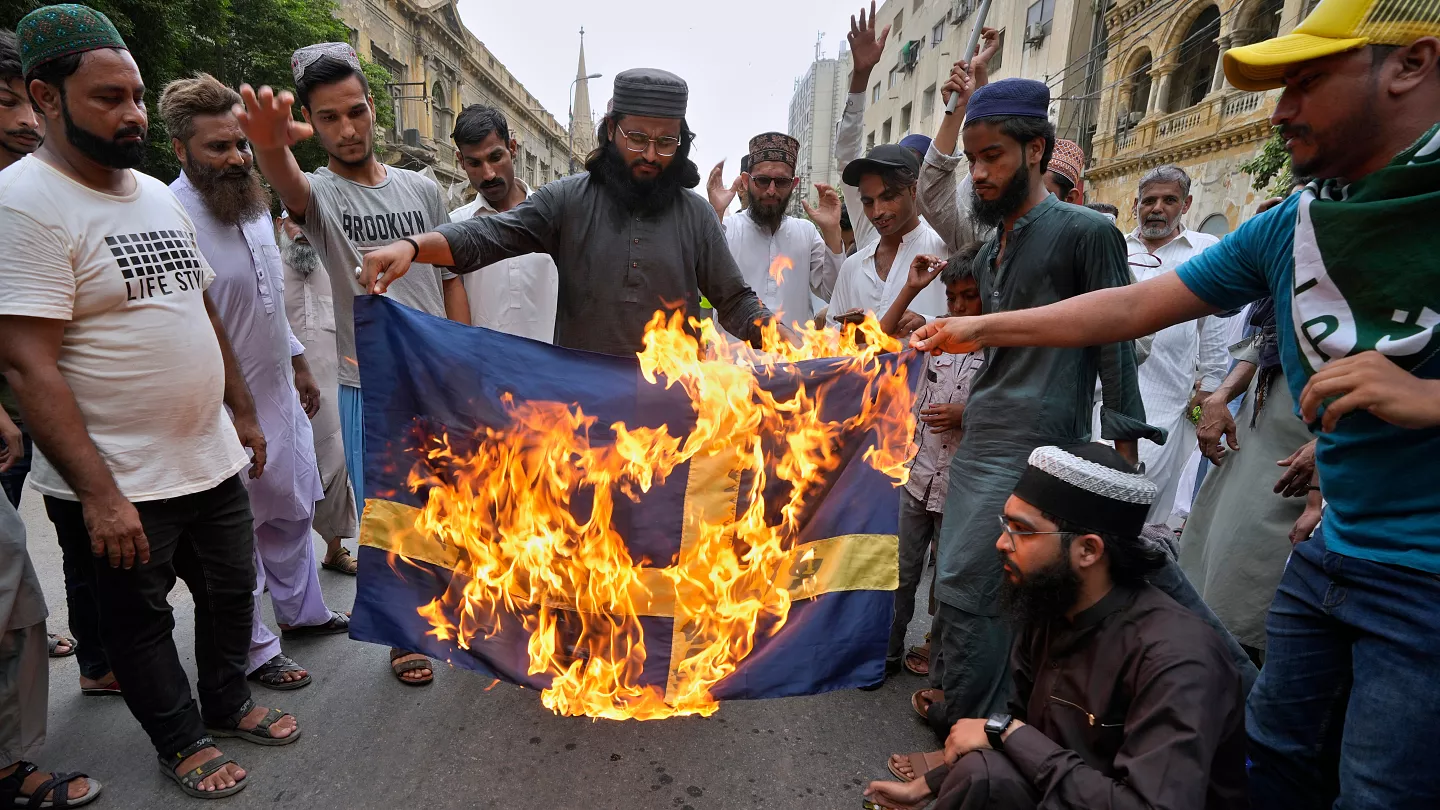
Relations between Sweden and several Middle Eastern countries were strained by the pair’s protests.
Iraqi protesters stormed the Swedish embassy in Baghdad twice in July 2023, starting fires within the compound on the second occasion.
In August last year, Sweden’s intelligence service Sapo raised its threat level to four on a scale of five after the Koran burnings had made the country a “prioritised target”.
The Swedish government condemned the desecrations while noting the country’s constitutionally protected freedom of speech and assembly laws.
Earlier this month, prosecutors charged Swedish-Danish right-wing activist Rasmus Paludan with the same crime over a 2022 protest in the southern city of Malmo, which also included burning the Koran.
In October 2023, a Swedish court convicted a man of inciting ethnic hatred with a 2020 Quran burning, the first time the country’s court system had tried the charge for desecrating Islam’s holy book.
Prosecutors have previously said that under Swedish law, the burning of a Quran can be seen as a critique of the book and the religion and thus be protected under free speech.
However, depending on the context and statements made at the time, it can also be considered “agitation against an ethnic group.”
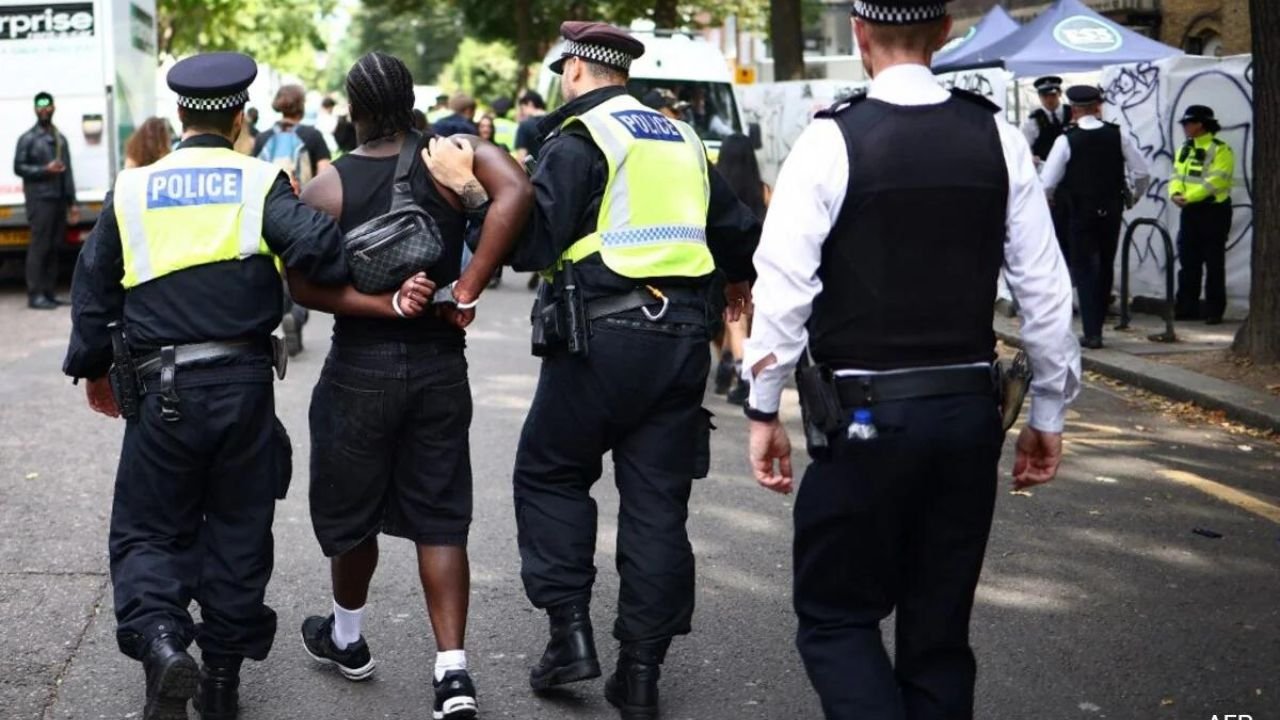
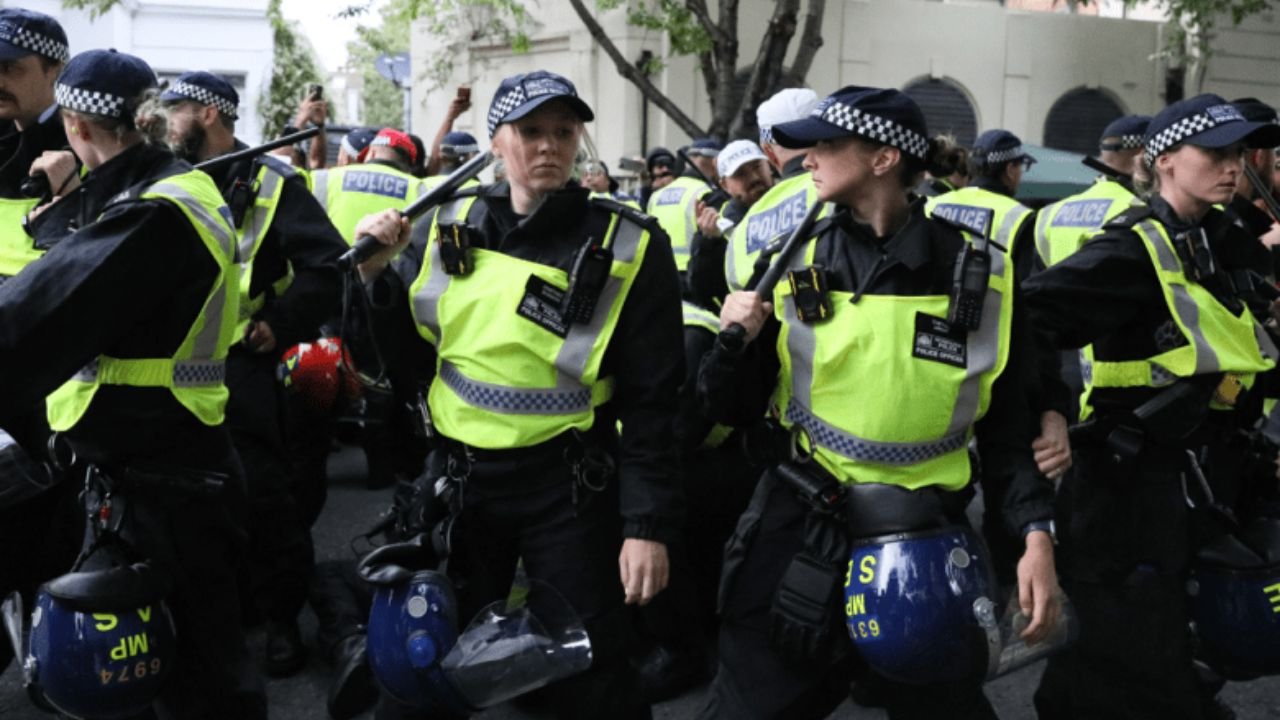
Eight people were stabbed, and police arrested hundreds during last weekend’s Notting Hill Carnival, one of the world’s largest street festivals held annually in west London.
Updating on their policing operation late Monday, the capital’s Metropolitan Police said five people were stabbed on the final day of the world-renowned three-day celebration of British Afro-Caribbean identity.
That followed three knifings on Sunday, with three of the victims of the violence over the long weekend left in a life-threatening condition, the force said.
On Monday, officers made at least 230 arrests, including 49 for possession of an offensive weapon, in addition to scores of arrests the previous day.
Three firearms were seized, and 35 officers were also injured during the event, which attracts around a million people annually over the August bank holiday weekend.
The policing numbers were similar to last year, with ten stabbings and around 300 arrests
Hundreds of thousands of revellers packed the streets of west London for the carnival, filling the Notting Hill neighbourhood and surrounding districts with colour, costumes, dancing and music.
Around 7,000 officers were on duty for the event, which has repeatedly been marred by violence, in particular knife crime, but is enjoyed by the vast majority incident-free.
However, the Met’s deputy assistant commissioner, Ade Adelekan, said he was “tired of saying the same words every year” after a woman attending the carnival with her child was among those stabbed.
“We only very narrowly avoided a fatality,” he added, urging carnival-goers to report any crimes they witness.
The celebration of British Afro-Caribbean culture traces its roots back to the 1950s when the first surge in arrivals from former British colonies post-World War II occurred.
Feathered dancers, steel bands and earth-shaking sound systems feature in the vibrant yearly event.
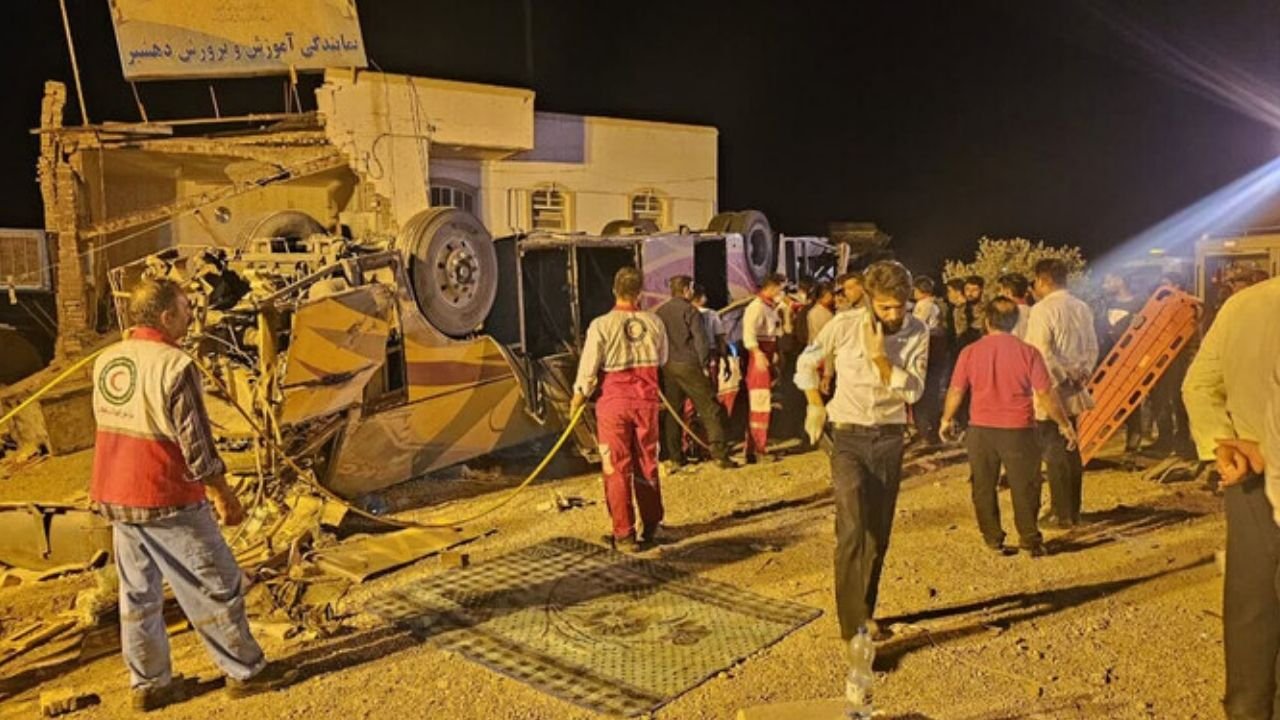
At least three people have been killed and 48 others wounded when a bus carrying Pakistani pilgrims crashed into a truck in southern Iran, state media reported on Monday.
The Pakistani pilgrims were headed through Iran to Iraq to attend the Arbaeen commemoration, which marks the 40th day of mourning for Imam Husain, the grandson of the Holy Prophet Muhammad (PBUH).
Iran’s official news agency IRNA said a bus collided with a truck late on Sunday on the main road between Neyriz city in Fars province and Sirjan in Kerman province, leaving “48 wounded and three dead”.
It did not specify how many people were on board the bus.
Colonel Abdol Hashem Dehghani, a Fars traffic police official quoted by IRNA, said the accident was caused by “a technical failure” in the brakes and the driver’s “inability to control the vehicle”.
Meanwhile, Iran’s Mehr News Urdu quoted Neyriz Governor Yaqub Khosrawani as saying that four Pakistani pilgrims lost their lives while 30 others were injured in the incident.
This was the second road accident in less than a week involving Pakistani pilgrims after a crash in Iran’s Yazd city killed 28 people on the way to Iraq for Arbaeen.
Bodies of the 28 pilgrims were brought to Pakistan via a special flight on Friday night.
Iran has a poor road safety record, with over 20,000 deaths in accidents in the year up to March 2024, according to figures from the Iranian judiciary’s Legal Medicine Organisation cited by local media.
The occasion of Arbaeen last year drew a total of 22 million pilgrims, according to official figures.
IRNA said that by August 19 this year, some 25,000 Pakistani pilgrims had entered Iran to reach the Iraqi shrine city of Karbala, where Imam Husain and his brother Abbas are buried.
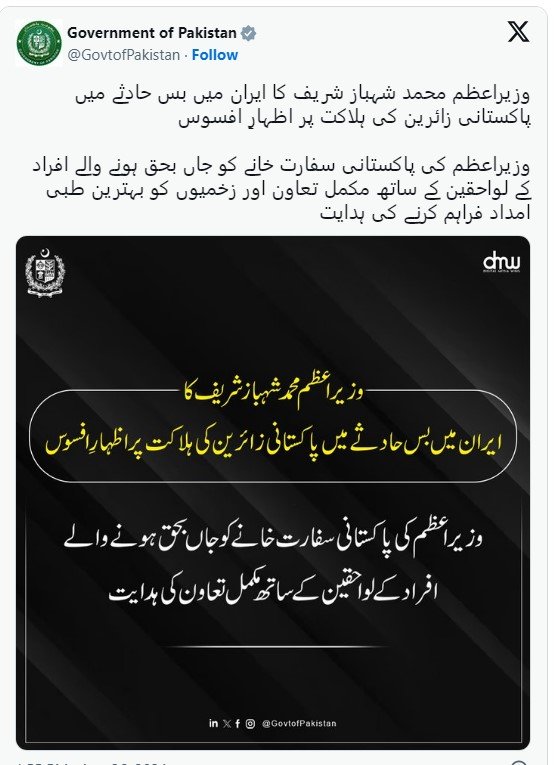
Condemnation from Pakistan
“The prime minister has instructed the Pakistani embassy to fully cooperate with the families of the deceased and provide the best medical assistance to the injured,” the post shared by the Government of Pakistan’s official post read.
It’s standard for employers or senior executives to make phone calls or emails to employees after office hours to get work done. In such cases, it can be costly for employees to ignore their boss, and they may lose their jobs.
However, the Australian government has taken a revolutionary step for employees. It has introduced legislation that gives employees the legal right not to answer their employer’s calls or emails after office hours. The new law, dubbed the ‘Right to Disconnect’, was passed in February and will be effective nationwide starting today (August 26).
According to this law, employees are not bound to obey the orders of their officers or employers and answer their calls and messages after working hours. They have the right to disconnect their calls or not respond to emails, but no disciplinary action will be taken against them.
The law has been implemented in view of employers’ intrusion into people’s professional and personal lives, especially in the wake of the coronavirus pandemic, with increasing reliance on methods such as digital communication and work from home.
Australian Prime Minister Anthony Albanese, addressing a news conference, said, “If a worker is not paid 24 hours a day, he cannot be punished for being online 24 hours a day or available for office work.”
According to a report by the Australia Institute think tank, the average worker in Australia worked 5.4 hours of unpaid overtime a week last year, while workers aged 18 to 19 worked 7.4 hours.
Proponents of the law argue that employees are often physically out of the office but mentally in the office, as they constantly answer phone calls, emails, and texts while at home or with family. Sometimes, bosses’ or senior officials’ behaviour can cause severe stress among employees. Such calls disrupt their peace of mind, which can also lead to various diseases.
The right to disconnect from employers was first introduced in France in 2017 to protect workers from punishment for not answering calls after working hours. Later, more than 20 countries, including Spain, France, Ireland, and the Canadian province of Ontario, introduced similar policies.