Category: FOREIGN

Foreign Blogs is a network of global affairs blogs and a supplement to the Foreign Policy Association’s Great Decisions program.

  • Protesters storm Bangladesh PM’s palace after she flees

    Protesters storm Bangladesh PM’s palace after she flees

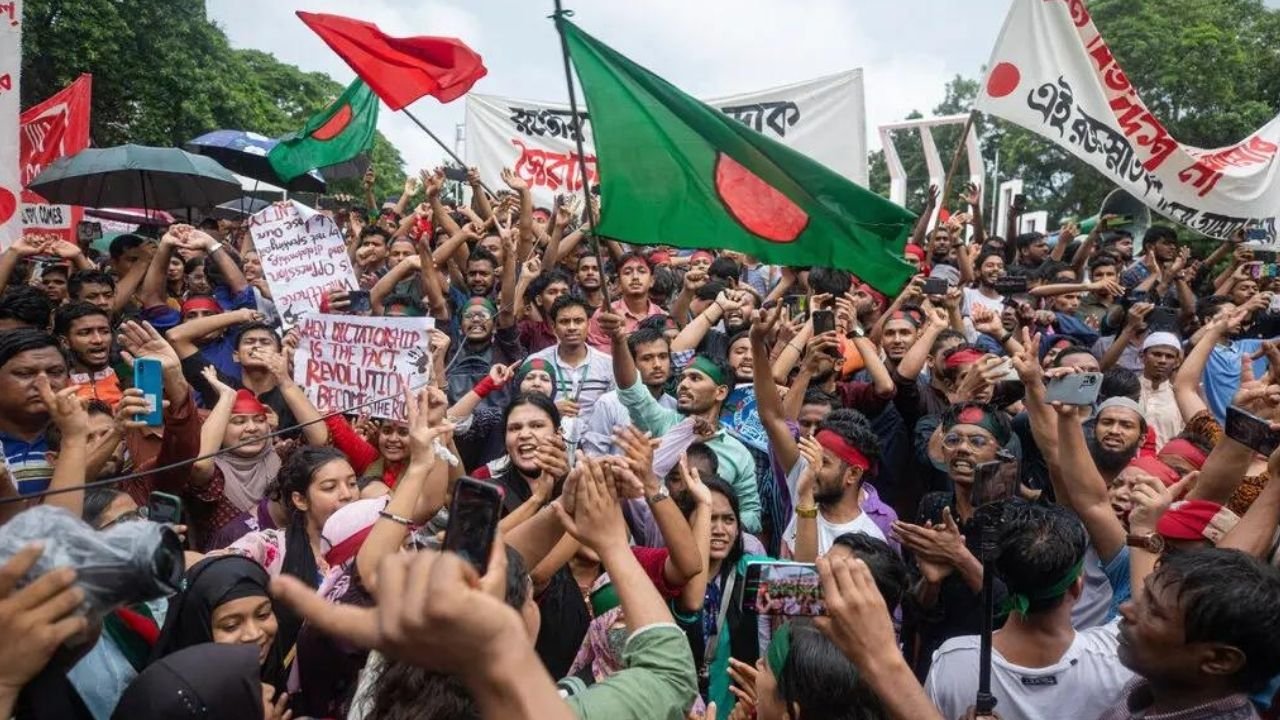
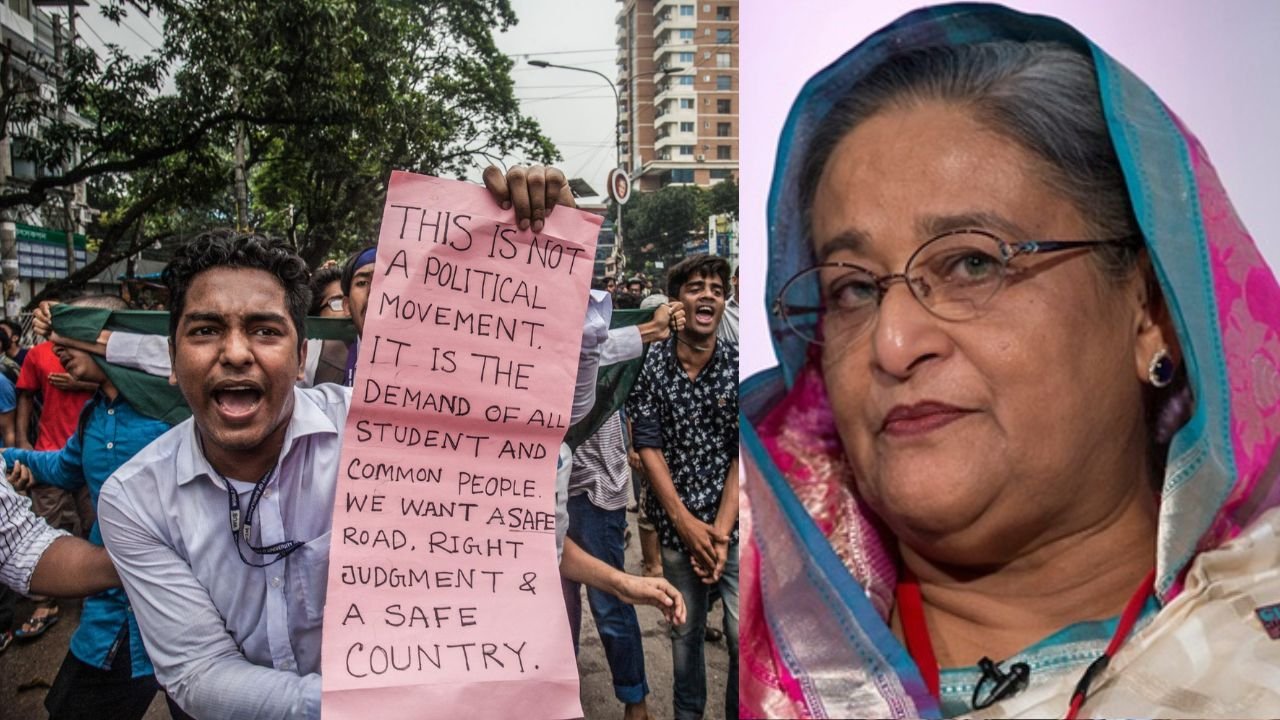
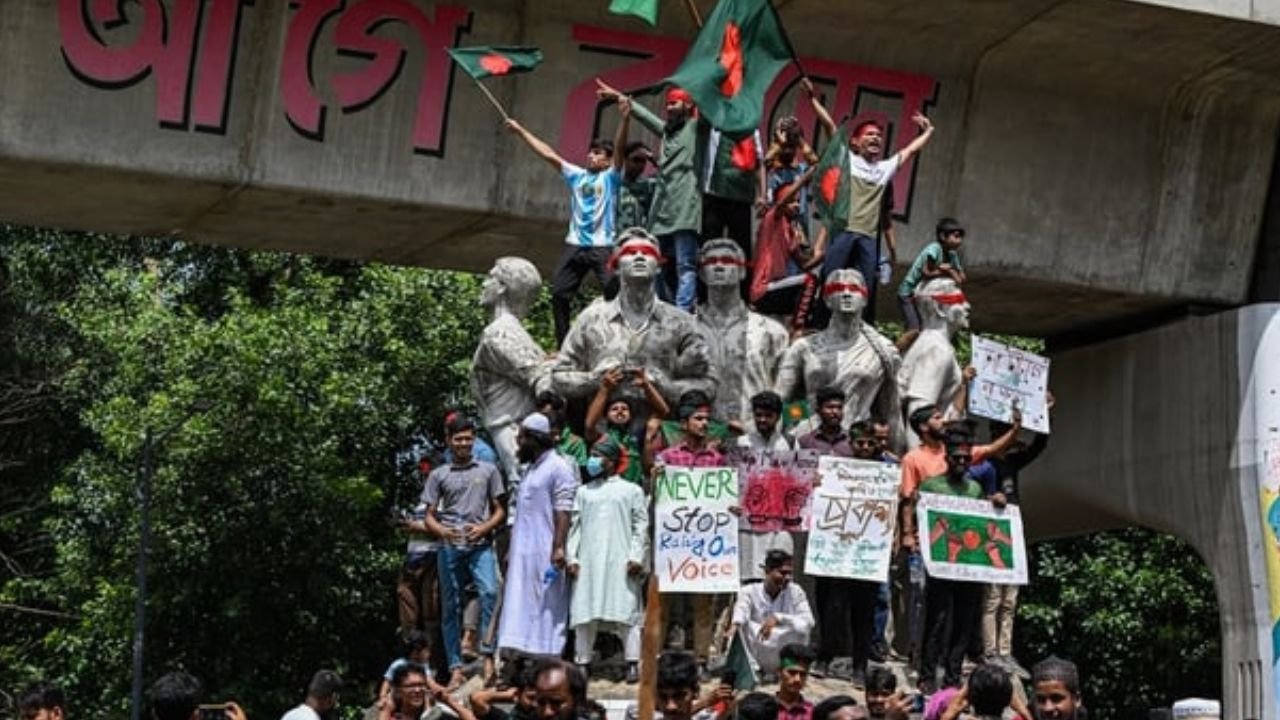
    Cheering protesters stormed Bangladeshi Prime Minister Sheikh Hasina’s palace on Monday after she fled, the culmination of more than a month of deadly anti-government protests.

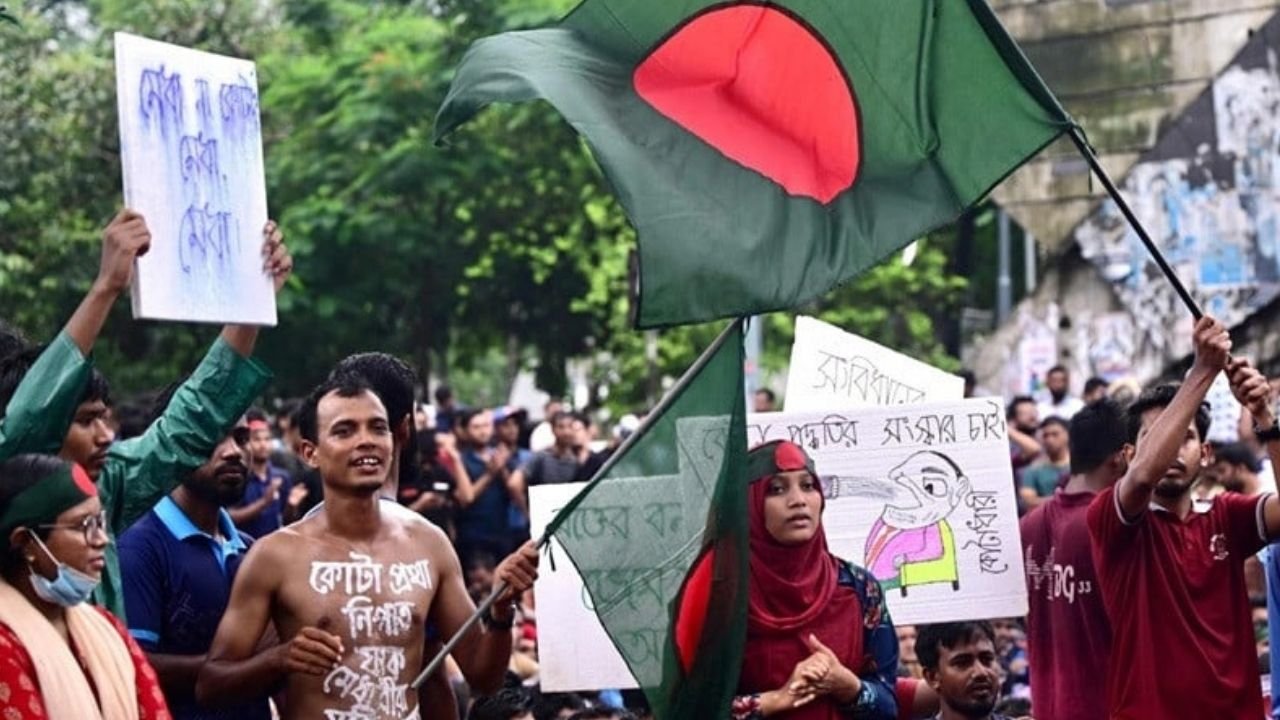
    Jubilant looking crowds waved flags, some dancing on top of a tank in the streets of Dhaka on Monday morning, before hundreds broke through the gates of Hasina’s official residence.

    Bangladesh’s Channel 24 broadcast images of crowds running into the compound, waving to the camera as they celebrated.

    A source close to Hasina, 76, had earlier told AFP she had left her palace for a “safer place”.

    Bangladesh’s army chief Waker-Uz-Zaman would address the nation on Monday afternoon, a military spokesman told AFP without giving further details.

    Before the protesters had stormed the compound, Hasina’s son urged the country’s security forces to block any takeover from her 15-year rule.

    “Your duty is to keep our people safe and our country safe and to uphold the constitution,” her son, US-based Sajeeb Wazed Joy, said in a post on Facebook.

    “It means don’t allow any unelected government to come in power for one minute, it is your duty.”

    Security forces had supported Hasina’s government throughout the unrest, which began last month against civil service job quotas and then escalated into wider calls for her to stand down.

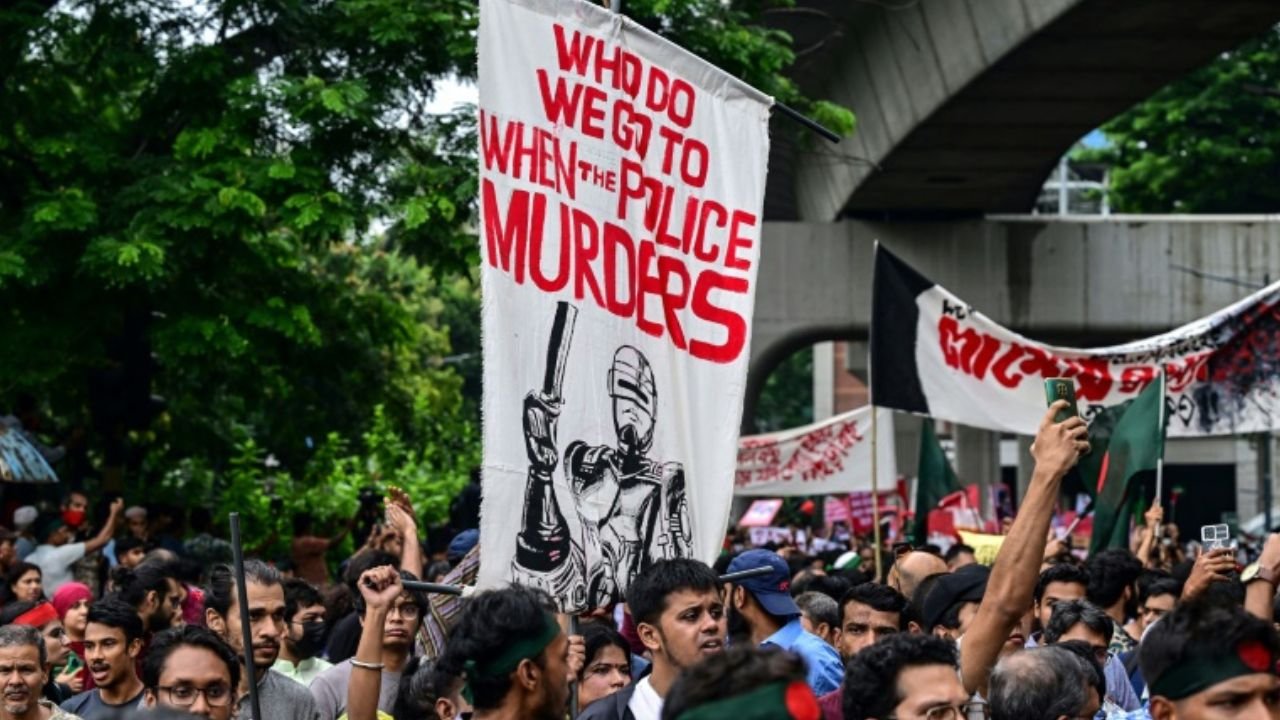
    But the protesters defied curfews and deadly force.

    At least 94 people were killed on Sunday, including 14 police officers, in the deadliest day of the unrest.

    Protesters and government supporters countrywide battled each other with sticks and knives, and security forces opened fire.

    The day’s violence took the total number of people killed since protests began in early July to at least 300, according to an AFP tally based on police, government officials and doctors at hospitals.

    Waker told officers on Saturday that the military “always stood by the people”, according to an official statement.

    The military declared an emergency in January 2007 after widespread political unrest and installed a military-backed caretaker government for two years.

    ‘Final protest’

    Hasina has ruled Bangladesh since 2009 and won her fourth consecutive election in January after a vote without genuine opposition.

    Her government is accused by rights groups of misusing state institutions to entrench its hold on power and stamp out dissent, including through the extrajudicial killing of opposition activists.

    Demonstrations began over the reintroduction of a quota scheme that reserved more than half of all government jobs for certain groups.

    The protests escalated despite the scheme having been scaled back by Bangladesh’s top court.

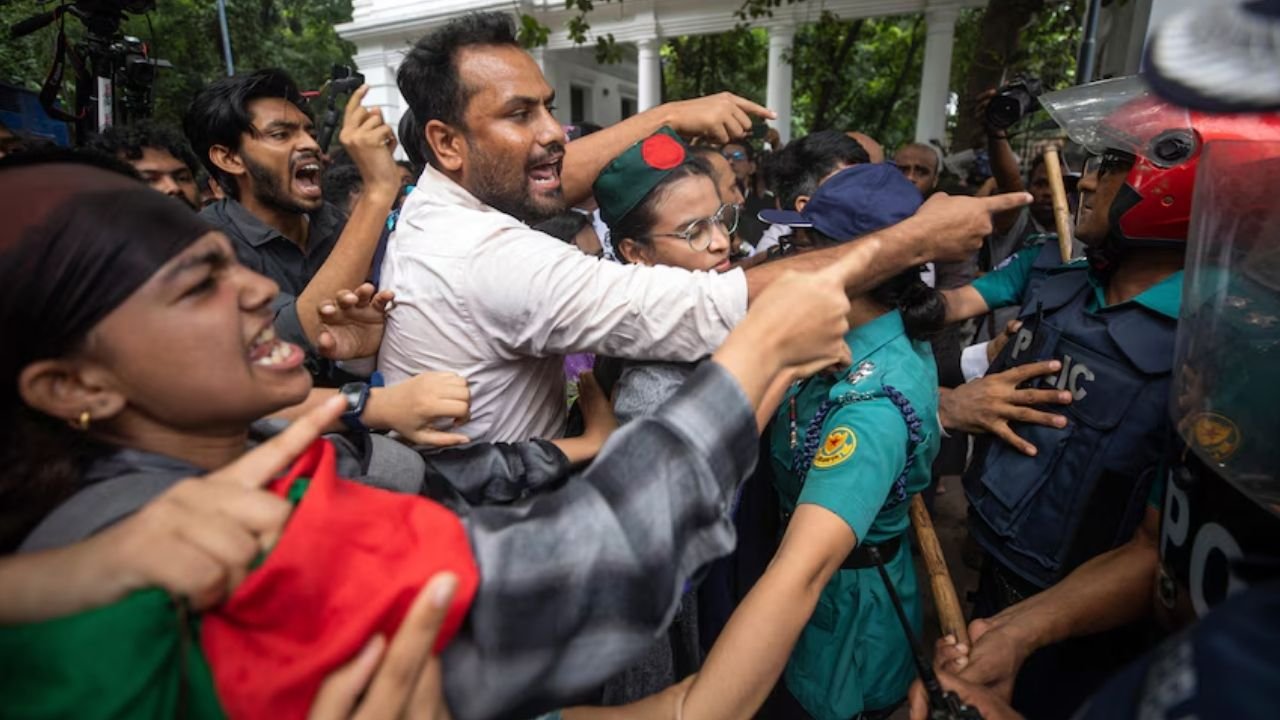
    Soldiers and police with armoured vehicles in Dhaka had barricaded routes to Hasina’s office with barbed wire on Monday morning, but vast crowds flooded the streets, tearing down barriers.

    The Business Standard newspaper estimated as many as 400,000 protesters were on the streets but it was impossible to verify the figure.

    “The time has come for the final protest,” said Asif Mahmud, one of the key leaders in the nationwide civil disobedience campaign.

    In several cases, soldiers and police did not intervene to stem Sunday’s protests, unlike during the past month of rallies that repeatedly ended in deadly crackdowns.

    “Let’s be clear: The walls are closing in on Hasina: She’s rapidly losing support and legitimacy,” Michael Kugelman, director of the South Asia Institute at the Washington-based Wilson Center, told AFP.

    “The protests have taken on immense momentum, fuelled by raw anger but also by the confidence that comes with knowing that so much of the nation is behind them,” he said.

    In a hugely symbolic rebuke of Hasina, a respected former army chief demanded the government “immediately” withdraw troops and allow protests.

    “Those who are responsible for pushing people of this country to a state of such an extreme misery will have to be brought to justice,” ex-army chief General Ikbal Karim Bhuiyan told reporters Sunday.

    The anti-government movement had attracted people from across society in the South Asian nation of about 170 million people, including film stars, musicians and singers.
  • Sheikh Hasina leaves Bangladesh, martial law likely

    Sheikh Hasina leaves Bangladesh, martial law likely

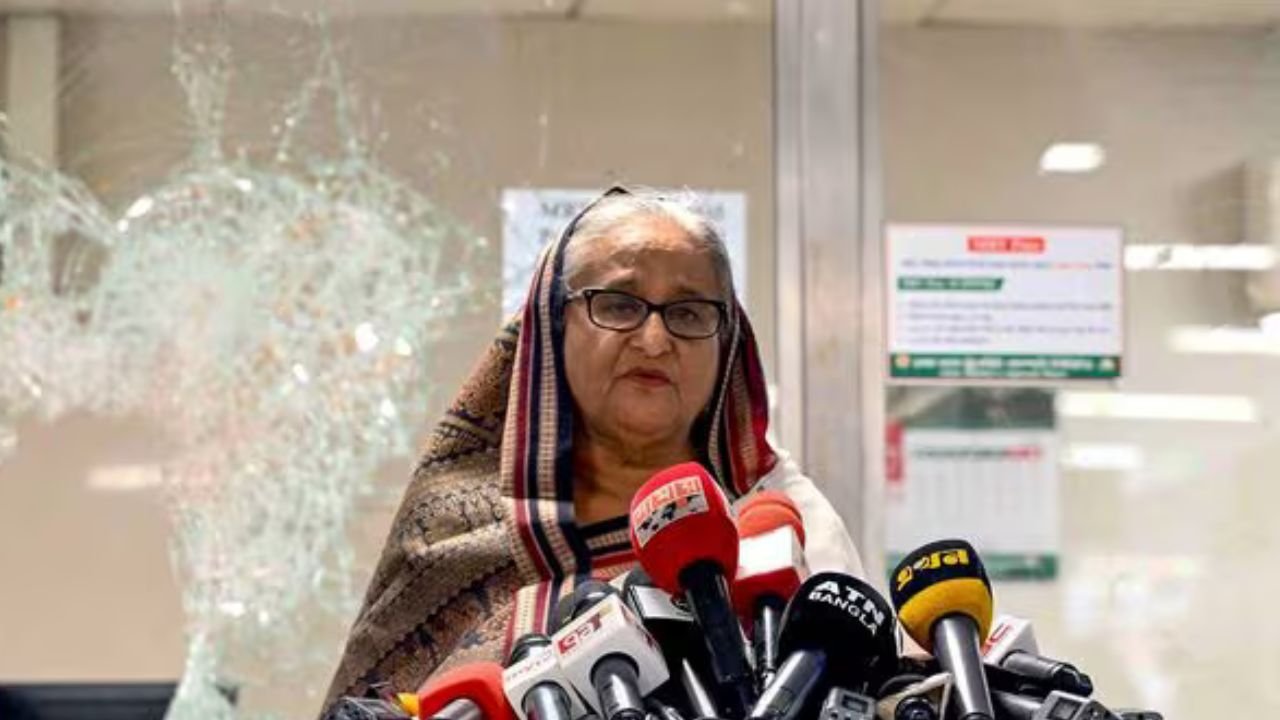
    Bangladeshi Prime Minister Sheikh Hasina fled her palace on Monday, a source told AFP, as masses of protesters demanding her resignation roamed the streets of Dhaka. The army chief was set to address the nation.

    Jubilant-looking crowds waved flags, peacefully celebrating, including some dancing on top of a tank, as a source close to the embattled leader said she had left her palace in the capital for a “safer place”.

    Hasina’s son urged the country’s security forces to block any takeover from her rule, while a senior advisor told AFP that her resignation was a “possibility” after being questioned about it.

    “She wanted to record a speech, but she could not get an opportunity to do that,” the source close to Hasina told AFP.

    Bangladesh’s army chief, Waker-Uz-Zaman, will address the nation on Monday afternoon, a military spokesman told AFP without giving further details.

    Waker told officers on Saturday that the military “always stood by the people”, according to an official statement.

    The military declared an emergency in January 2007 afer widespread political unrest and installed a military-backed caretaker government for two years.

    ‘Uphold the constitution’

    Rallies that began last month against civil service job quotas have escalated into some of the worst unrest of Hasina’s 15-year rule and shifed into wider calls for the 76-year-old to leave.

    “Your duty is to keep our people safe and our country safe and to uphold the constitution,” her son, US-based Sajeeb Wazed Joy, said in a post on Facebook.

    “It means don’t allow any unelected government to come in power for one minute, it is your duty.”

    But protesters on Monday defied security forces enforcing a curfew, marching on the capital’s streets afer the deadliest day of unrest since demonstrations erupted last month.

    Internet access was tightly restricted on Monday, ofices were closed and more than 3,500 factories servicing Bangladesh’s economically vital garment industry were shut.

    Soldiers and police with armoured vehicles in Dhaka had barricaded routes to Hasina’s office with barbed wire, AFP reporters said, but vast crowds flooded the streets, tearing down barriers.

    The Business Standard newspaper estimated as many as 400,000 protesters were on the streets but it was impossible to verify the figure.
    “The time has come for the final protest,” said Asif Mahmud, one of the key leaders in the nationwide civil disobedience campaign.

    ‘Shocking violence’

    At least 94 people were killed on Sunday, including 14 police officers.

    Protesters and government supporters countrywide battled each other with sticks and knives, and security forces opened fire.

    The day’s violence took the total number of people killed since protests began in early July to at least 300, according to an AFP tally based on police, government oficials and doctors at hospitals.

    “The shocking violence in Bangladesh must stop,” United Nations rights chief Volker Turk said in a statement.

    “This is an unprecedented popular uprising by all measures,” said Ali Riaz, an Illinois State University politics professor and expert on Bangladesh.
    “Also, the ferocity of the state actors and regime loyalists is unmatched in history.”

    Protesters in Dhaka on Sunday were seen climbing a statue of Hasina’s father, Sheikh Mujibur Rahman, the country’s independence leader, and smashing it with hammers, according to videos on social media verified by AFP.

    ‘Walls are closing in’

    In several cases, soldiers and police did not intervene to stem Sunday’s protests, unlike during the past month of rallies that repeatedly ended in deadly crackdowns.

    “Let’s be clear: The walls are closing in on Hasina. She’s rapidly losing support and legitimacy,” Michael Kugelman, director of the South Asia Institute at the Washington-based Wilson Center, told AFP.

    “The protests have taken on immense momentum, fuelled by raw anger but also by the confidence that comes with knowing that so much of the nation is behind them,” he said.

    In a hugely symbolic rebuke of Hasina, a respected former army chief demanded the government “immediately” withdraw troops and allow protests.

    “Those who are responsible for pushing people of this country to a state of such extreme misery will have to be brought to justice,” ex-army chief General Ikbal Karim Bhuiyan told reporters Sunday.

    The anti-government movement has attracted people from across society in the South Asian nation of about 170 million people, including film stars, musicians and singers.

    Hasina has ruled Bangladesh since 2009 and won her fourth consecutive election in January afer a vote without genuine opposition.

    Her government is accused by rights groups of misusing state institutions to entrench its hold on power and stamp out dissent, including through the extrajudicial killing of opposition activists.

    Demonstrations began over the reintroduction of a quota scheme that reserved more than half of all government jobs for specific groups.

    The protests have escalated despite the scheme having been scaled back by Bangladesh’s top court.

  • Pakistani-Canadian man set on fire in Canada

    Pakistani-Canadian man set on fire in Canada

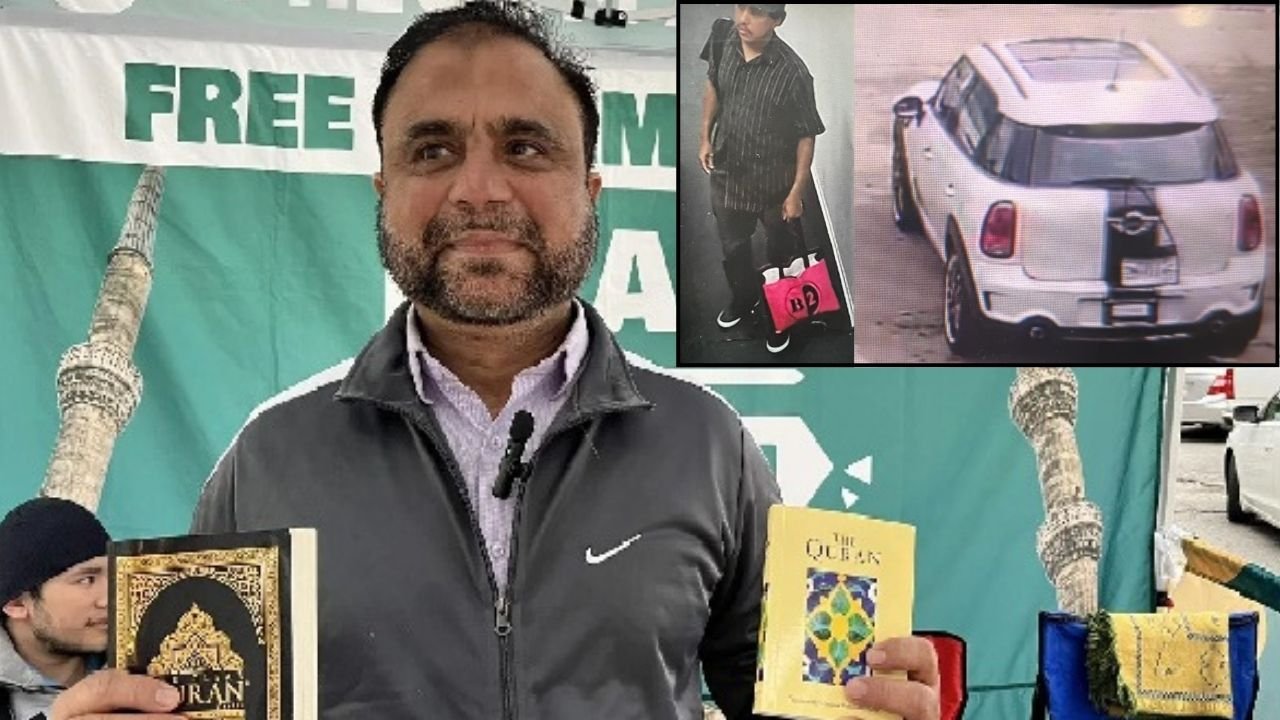
    A Canadian man of Pakistani origin was set on fire at his store in Surrey, British Columbia, on Friday.

    Rahat Rao is now fighting for his life in an intensive care unit.

    Known to be an active member of the local Canadian-Pakistani community, he was the owner of a currency exchange business in the Surrey Central area.

    An initial investigation conducted by the Royal Canadian Mounted Police (RCMP) says that Rao was attacked by a man who first threw a fire accelerant on him and then escaped after setting him ablaze.

    Canadian news outlet Global News talked to an eyewitness who said that she was inside the currency exchange store when a man engulfed in flames came running from the back of the business, screaming. A relative of the shop owner told her the man was set alight in a robbery attempt, she said.

    Local police have also released the photograph of the alleged attacker, presumed to be 25-year-old, and the white Mini Cooper he drives.

    Dawn reports that media speculations were growing about a possible connection with the killing of Sikh activist Hardeep Singh Nijjar, who was slain in the same town last year.

    Previously, the RCMP had intelligence and concerns about Rao’s safety and had told him to install more cameras.

  • 91 killed as Dhaka turns into battleground

    91 killed as Dhaka turns into battleground

    Hundreds of thousands of Bangladeshi protesters demanding Prime Minister Sheikh Hasina resign, clashed with government supporters on Sunday, with dozens killed in one of the deadliest days since demonstrations began.

    Rallies that began last month against civil service job quotas have escalated into some of the worst unrest of Hasina’s 15-year rule and shifted into wider calls for the 76-year-old to step down.

    At least 91 people were killed on Sunday alone, including 14 police officers, with the rival sides battling with sticks and knives and security forces firing rifles, taking the total killed since protests began in July to at least 261.

    Police said protesters att­a­cked their officers, inclu­ding storming a station in the town of Enayetpur.

    “The terrorists attacked the police station and killed 11 policemen,” said Bijoy Basak, a deputy inspector general.

    AFP journalists repo­rted hearing sustained crackles of gunfire after dark on Sunday, with protesters defying a nationwide curfew.

    Mobile internet was tightly restricted.

    ‘Final protest’

    In several cases, soldiers and police did not intervene to stem the protests, unlike the past month of rallies that repeatedly ended in deadly crackdowns.

    Demonstrators in the capital Dhaka, surrounded by a tightly packed and cheering crowd, waved a Bangladeshi flag on top of an armoured car as soldiers watched.

    Asif Mahmud, one of the main leaders in the civil disobedience campaign, called on supporters to march on Dhaka on Monday. “Prepare bamboo sticks and liberate Bangladesh,” he wrote on Facebook on Sunday. “The time has come for the final protest,” he said.

    Brought to justice

    Vast crowds of protesters packed into Dhaka’s central Shahbagh Square on Sunday, with street battles in multiple sites.

    “There were clashes between students and the ruling party men,” police inspector Al Helal said, adding two young men were killed in Dhaka’s Munshiganj district.

    “One of the dead was hacked in his head and another had gunshot injuries.”

    Another policeman, who asked not to be identified, said “the whole city has turned into a battleground”.

    Two people were killed in the city of Kishioreganj, where protesters torched a ruling party office, police said.

    Some former military officers have joined the student movement and ex-army chief Gen Ikbal Karim Bhuiyan turned his Facebook profile picture red in a show of support.

    “We call on the incumbent government to withdraw the armed forces from the street immediately,” Bhuiyan told reporters on Sunday alongside other ex-officers, condemning “egregious killings, torture, disappearances and mass arrests”.

    “Those who are responsible for pushing people of this country to a state of such an extreme misery will have to be brought to justice,” he said.

    No longer about job quotas

    Current army chief Waker-uz-Zaman told officers at the military headquarters in Dhaka on Saturday the “Bangladesh Army is the symbol of trust of the people”.

    “It always stood by the people and will do so for the sake of people and in any need of the state,” he said, according to a statement, which did not say explicitly whether the army backed the protests.

    The demonstrations attracted people from all strata of Bangladeshi society. Rap songs calling for people’s support have spread widely on social media.

    “It is no longer about job quotas,” said Sakhawat, a young female protester who gave only one name, and called Hasina a “killer”.

    A group of 47 manufacturers in the economically vital garment sector said they stood in “solidarity” with the protesters.

    Obaidul Quader, general secretary of the ruling Awami League, has called on party activists to gather “in every district” nationwide to show their support for the government.

    The unrest began in July over the reintroduction of the quota scheme, which reserved more than half of all government jobs for certain groups. It has since been scaled back by the country’s top court.

  • ‘I want to inspire’: Algeria’s woman boxer fighting prejudices

    ‘I want to inspire’: Algeria’s woman boxer fighting prejudices

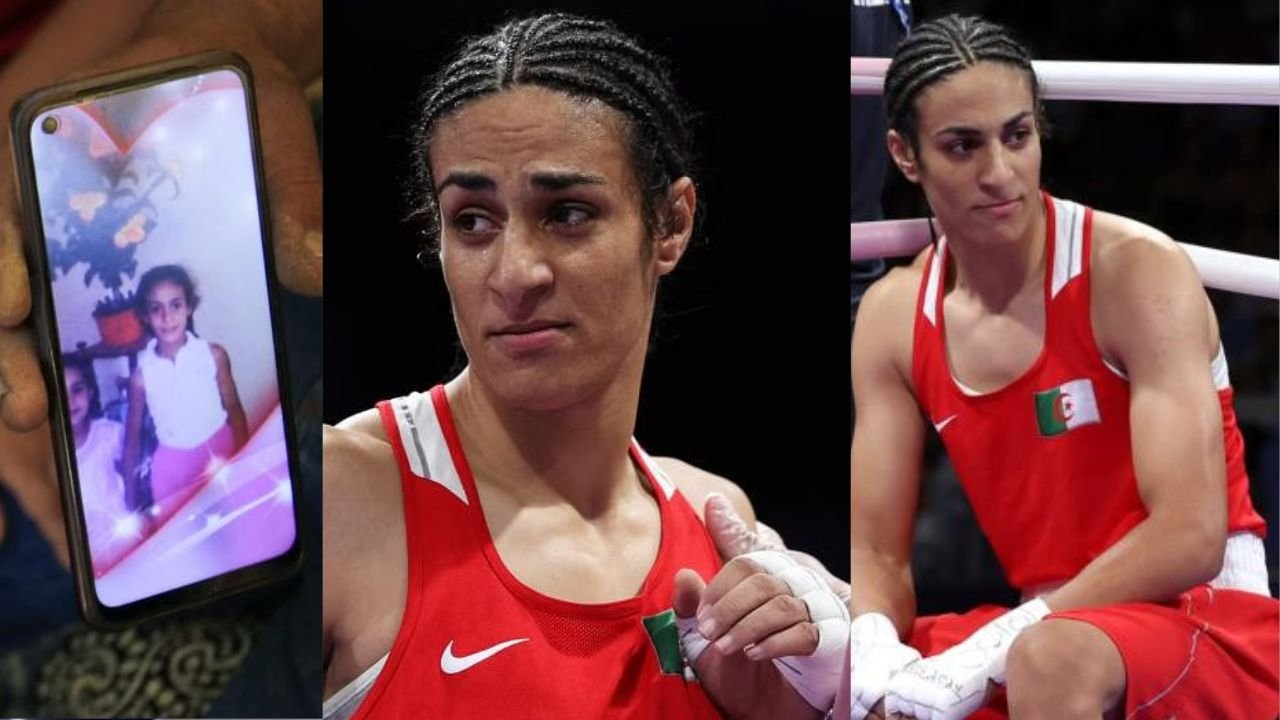
    Born in a poor village some 300 kilometres from Algiers, boxer Imane Khelif had to overcome obstacles in a conservative country where women are considered unfit for the sport.

    With braided hair and a powerful 1.79 metre (5 foot 9 inch) physique, the 25-year-old is the object of a Paris Olympic Games gender controversy.

    With smiles and a soft voice, Imane told her story on television channel Canal Algerie one month before the start of the games.

    “Our village was around 10 kilometres from the centre (of Tiaret, 280 kilometres southwest of Algiers). I moved from the village to the city. From the city to the capital. From the capital to abroad,” she said.

    From a family of limited means, she spoke of the difficulty of her life in “a village of conservative people” in Tiaret’s semi-desert surroundings.

    “I came from a conservative family. Boxing is not a widely-practised sport by women, especially in Algeria. It was difficult.”

    Already a strong athlete, she played football with the boys in her village of Biban Mesbah — but beating boys in matches brought on fights where she fought back with punches.

    These fights lead her to boxing.

    In an interview with UNICEF, she said she used to sell scrap metal and her mother sold homemade couscous to pay for bus tickets to Tiaret.

    Imane’s father at first did not approve of her decision to pursue boxing, but he eventually became one of her biggest fans.

    The 49-year-old unemployed welder told AFP that his daughter is “an example of the Algerian woman, a heroine of Algeria”.

    He hailed “her strong will to work and to train”, in an interview with AFP on Friday.

    In 2022, Imane told the Algerian news agency APS that she had considered giving up boxing “because my family did not accept the idea, and because of how society looked at me, considering that I was doing something wrong.”

    But “all these barriers made me even stronger and were an extra motivation to achieve my dreams.”

    She also expressed her determination in an interview on the UNICEF website, where she said her “dream is to win a gold medal”.

    “If I win, mothers and fathers will be able to see how far their children can go,” she said. “I want to inspire girls and children in Algeria.”

    Imane’s international career took off with her participation in the lightweight category in the 2020 summer Olympic Games in Tokyo — postponed to 2021 — where she won fifth place after losing in the quarter finals to Ireland’s Kellie Harlington.

    “Everything changed for the better, especially as my country’s flag flew and its hymn played in many countries throughout the world”, she explained.

    In 2023, she made it to the semi-finals of the women’s amateur boxing world championships in New Delhi, India.

    However, she was disqualified following unspecified gender eligibility testing by the International Boxing Association, which is not recognised by the International Olympic Committee (IOC).

    After her match against Italian opponent Angela Carini this week in the Paris Games — whom she beat in less than a minute — Imane was targeted by online harassment and racism, where far-right publications insinuated that she was “a man fighting women”.

    Her father has dismissed aspersions about her gender, saying she is “a strong and courageous girl.”

    And the IOC has supported her participation, amid the furore over Khelif and another woman boxer also disqualified from last year’s world championships.

    “All of the competitors respect the eligibility rules for the competitions,” said Mark Adams, IOC spokesman, adding that it had “established that these are women.”

    Imane’s coach, Mohamed Chaoua, said the “controversies give her the strength to move forward”.

  • Bangladesh students call for nationwide civil disobedience; seek Hasina’s resignation

    Bangladesh students call for nationwide civil disobedience; seek Hasina’s resignation

    Student leaders rallied Bangladeshis on Saturday for a nationwide civil disobedience campaign as Prime Minister Sheikh Hasina’s government weathered a worsening backlash over a deadly police crackdown on protesters.

    Rallies against civil service job quotas sparked days of mayhem last month that killed more than 200 people in some of the worst unrest of Hasina’s 15-year tenure.

    Troop deployments briefly restored order, but crowds hit the streets in huge numbers after Friday prayers in the Muslim-majority nation, heeding a call by student leaders to press the government for more concessions.

    Students Against Discrimination, the group responsible for organising the initial protests, urged their compatriots to launch an all-out non-cooperation movement from Sunday.

    “This includes non-payment of taxes and utility bills, strikes by government workers and a halt to overseas remittance payments through banks,” the group’s Asif Mahmud told AFP.

    Mahmud’s fellow student leaders also said another round of nationwide rallies would be staged on Saturday.

    “Please don’t stay at home. Join your nearest protest march,” Mahmud wrote on Facebook.

    Students are demanding a public apology from Hasina for last month’s violence and the dismissal of several of her ministers.

    Read more: 195 killed, 4000 arrested amid police crackdown in Bangladesh

    They have also insisted that the government reopens schools and universities around the country, all of which were shuttered at the height of the unrest.

    Crowds on the street have gone further, chanting demands for Hasina to leave office.

    Hasina, 76, has ruled Bangladesh since 2009 and won her fourth consecutive election in January after a vote without genuine opposition.

    Her government is accused by rights groups of misusing state institutions to entrench its hold on power and stamp out dissent, including the extrajudicial killing of opposition activists.

    Demonstrations began in early July over the reintroduction of a quota scheme — since scaled back by Bangladesh’s top court — that reserved more than half of all government jobs for certain groups.

    With around 18 million young Bangladeshis out of work, according to government figures, the move upset graduates facing an acute employment crisis.

    The protests had remained largely peaceful until attacks on demonstrators by police and pro-government student groups.

    Hasina’s government eventually imposed a nationwide curfew, deployed troops and shut down the nation’s mobile internet network for 11 days to restore order.

    Foreign governments condemned the clampdown, with European Union foreign policy chief Josep Borrell this week calling for an international probe into the “excessive and lethal force against protesters”.

    Home Minister Asaduzzaman Khan told reporters last weekend that security forces had operated with restraint but were “forced to open fire” to defend government buildings.

    At least 32 children were among those killed last month, the UN said Friday.

  • Turkey blocks access to Instagram

    Turkey blocks access to Instagram

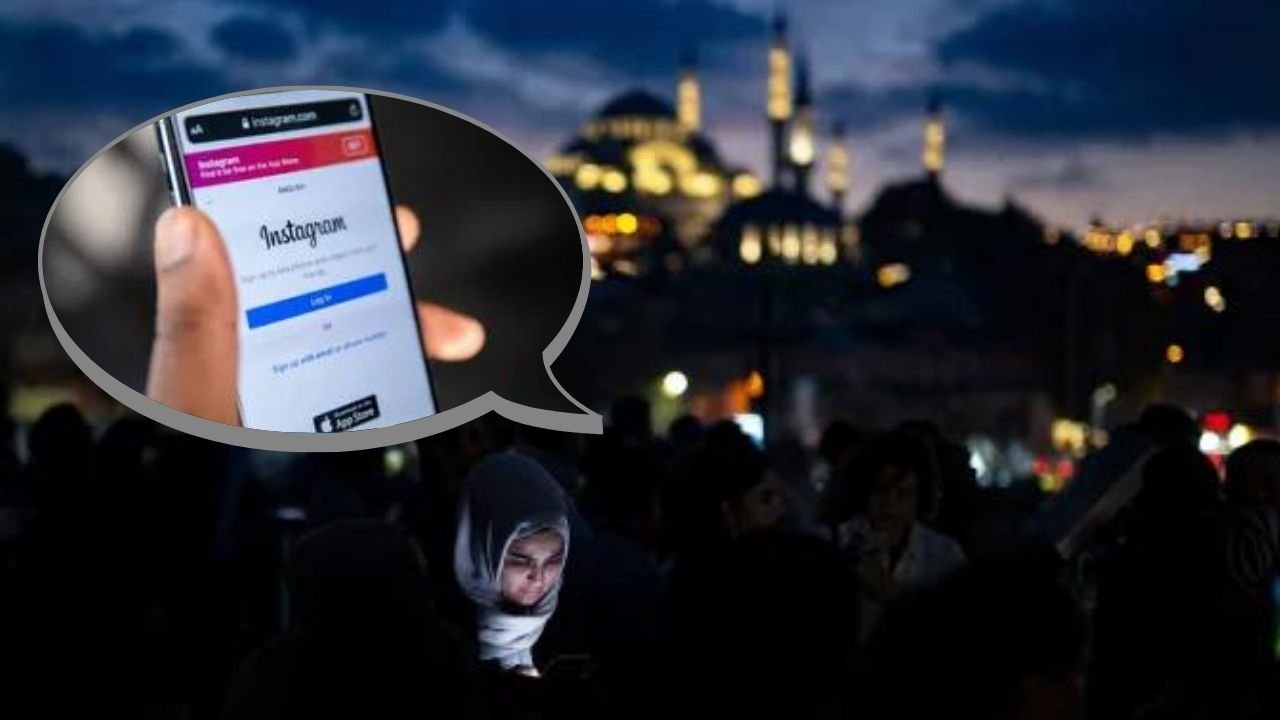
    Many users living in Turkey complained on the X platform that they could not refresh their Instagram feed, an issue verified by AFP journalists.

    On Friday, the BTK communications authority announced on its website that the Meta-owned platform had been blocked.

    It did not give a reason, but a BTK official told Turkish media that it was because of “criminal content” on Instagram that the latter had been asked to withdraw.

    The president’s communications director, Fahrettin Altun, had on Wednesday accused Instagram of censure, saying it was “preventing people from publishing messages of condolence for the martyr Haniyeh”.

    Ismail Haniyeh, the political chief of the Palestinian Islamist group Hamas and a close ally of Turkish President Recep Tayyip Erdogan, was killed in Tehran on Wednesday in an attack blamed on Israel.

    Erdogan decreed a national day of mourning in memory of Haniyeh, who played a key role in talks aimed at ending nearly ten months of war in Gaza.

    “This is a very clear and obvious attempt at censure,” Altun said on X.

    An anonymous BTK source denied the move was due to Instagram blocking posts about Haniyeh, telling website Medyascope that it was over “insults to Ataturk”, the founding father of modern Turkey, and “crimes” including “drug games (and) paedophilia”.

    He said the platform would be blocked permanently if it didn’t resolve the problem.

    According to Turkish media, 50 million of the country’s 85 million people have an Instagram account.

    Digital law expert Yaman Akdeniz said the decision had likely been taken by the president’s office or a government ministry.

    He said BTK needed to get the decision approved by a judge, and it was unlikely that a judge would approve it.

    “The censure imposed on Instagram is arbitrary and can be neither explained nor justified,” he said on X.

    The decision to freeze the platform at 03:00 am on Friday sparked derision on other social media networks such as X.

    “Instagram is blocked in Turkey. Life is over,” wrote user “CringeOfMaster” alongside a picture of a grieving man.

    “BTK’s job isn’t to cut off the internet but to get it working faster,” said IT professor Cem Say, noting that Turkey ranked “111th in the world for internet speed”.

    This is not the first time that Turkish authorities have temporarily blocked access to social media sites, notably following attacks.

    Wikipedia was blocked between April 2017 and January 2020 over two articles that alleged a link between the presidency and extremism.

    Although Erdogan’s government is regularly accused of muzzling freedom of expression, the move to stop Wikipedia caused shock because of the huge amount of online information that became inaccessible.

    In April, Facebook owner Meta suspended its Threads social network in Turkey following a decision by authorities there to prevent it from sharing information with Instagram.

  • Hezbollah says fired ‘dozens’ of rockets at north Israel

    Hezbollah says fired ‘dozens’ of rockets at north Israel

    Hezbollah said it launched rockets at northern Israel Thursday “in response” to a deadly Israeli strike in south Lebanon — the group’s first attack after Israel killed a top commander earlier this week.

    Thegroup said in a statement that it “launched dozens of Katyusha rockets… in response to the Israeli enemy’s attack on… (the southern village of Shama) that killed a number of civilians.”

    The Israeli military said that shortly after the rocket fire, the air force “struck the Hezbollah launcher from which the projectiles were launched.”

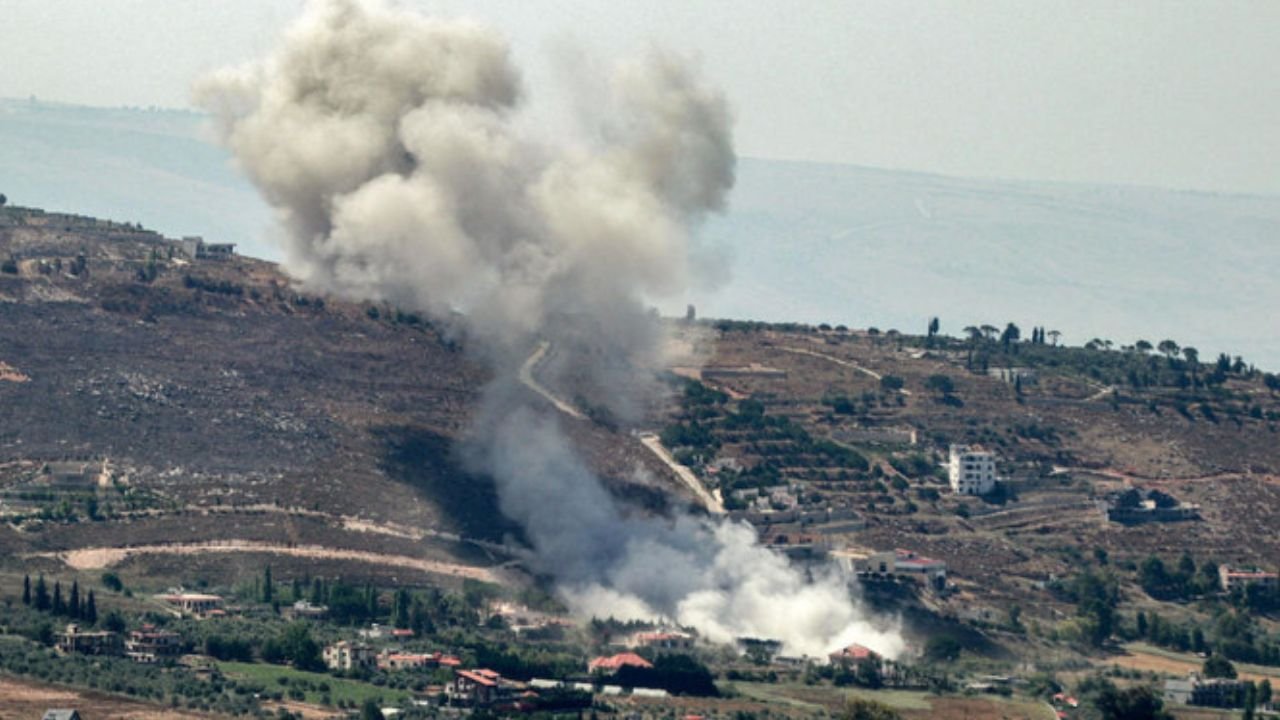
    Earlier Thursday, the Lebanese health ministry said four Syrians were killed in an Israeli strike on the south, where Hezbollah and Israel have exchanged near-daily fire since the Gaza war began in October.

    “The health ministry announces… four Syrian nationals were martyred” in an “Israeli strike” on the southern village of Shama, it said in a statement.

    The ministry said the toll might rise once DNA tests had been carried out.

    The strike also wounded five Lebanese nationals, it added.

    Emergency services told AFP that the dead were farmer workers and part of the same family.

    Plumes of smoke billowed from the site of the strike, which heavily damaged two nearby buildings and burnt a vehicle to a crisp, a photographer contributing to AFP reported.

    The attack was Hezbollah’s first since an Israeli air strike killed its top commander Fuad Shukr on Tuesday evening, with leader Hassan Nasrallah saying operations would resume on Friday morning.

    Nasrallah warned his group was bound to respond to the killing of Shukr.

    His death was followed hours later Wednesday, by the killing of Hezbollah ally Hamas’s chief Ismail Haniyeh in a strike in Tehran, which Iran and Hamas have blamed on Israel. Israel has declined to comment on his killing.

    The genocide in Gaza since October has killed at least 542 people on the Lebanese side, most of them fighters but also including 114 civilians, according to an AFP tally.

    At least 22 soldiers and 25 civilians have been killed on the Israeli side, including in the annexed Golan Heights, according to army figures.

  • Extreme heat claims 175,000 lives a year in Europe, says WHO

    Extreme heat claims 175,000 lives a year in Europe, says WHO

    COPENHAGEN: Extreme heat kills over 175,000 people a year in Europe, where temperatures are rising quicker than the rest of the globe, the World Health Organisation’s (WHO) European branch said on Thursday.

    Of the some 489,000 heat-related deaths recorded each year by the WHO between 2000 and 2019, the European region accounts for 36 per cent or, on average, 176,040 deaths, the WHO said.

    The health body noted that temperatures in the region are “rising at around twice the global average rate.” The WHO’s European region comprises 53 countries, including several in Central Asia.

    “People are paying the ultimate price,” Hans Kluge, the WHO’s regional director for Europe, said in a statement. According to the WHO, there has been a 30pc increase in heat-related mortality in the region over the past two decades.

    “Temperature extremes exacerbate chronic conditions, including cardiovascular, respiratory, and cerebrovascular diseases, mental health, and diabetes-related conditions,” Kluge said. The regional director added that extreme heat can particularly be a problem for elderly people and an “additional burden” for pregnant women.

    The WHO noted that “heat stress” — when the human body can no longer maintain its temperature — “is the leading cause of climate-related death” in the region. According to the WHO, the number of heat-related deaths is set to “soar” in the coming years as a result of global warming.

    “The three warmest years on record” for the region “have all occurred since 2020, and the ten warmest years have been since 2007,” Kluge said. On July 25, UN Secretary-General Antonio Guterres warned that humanity was suffering from an “extreme heat epidemic,” and called for action to limit the impacts of heat waves intensified by climate change.

    Scorching China

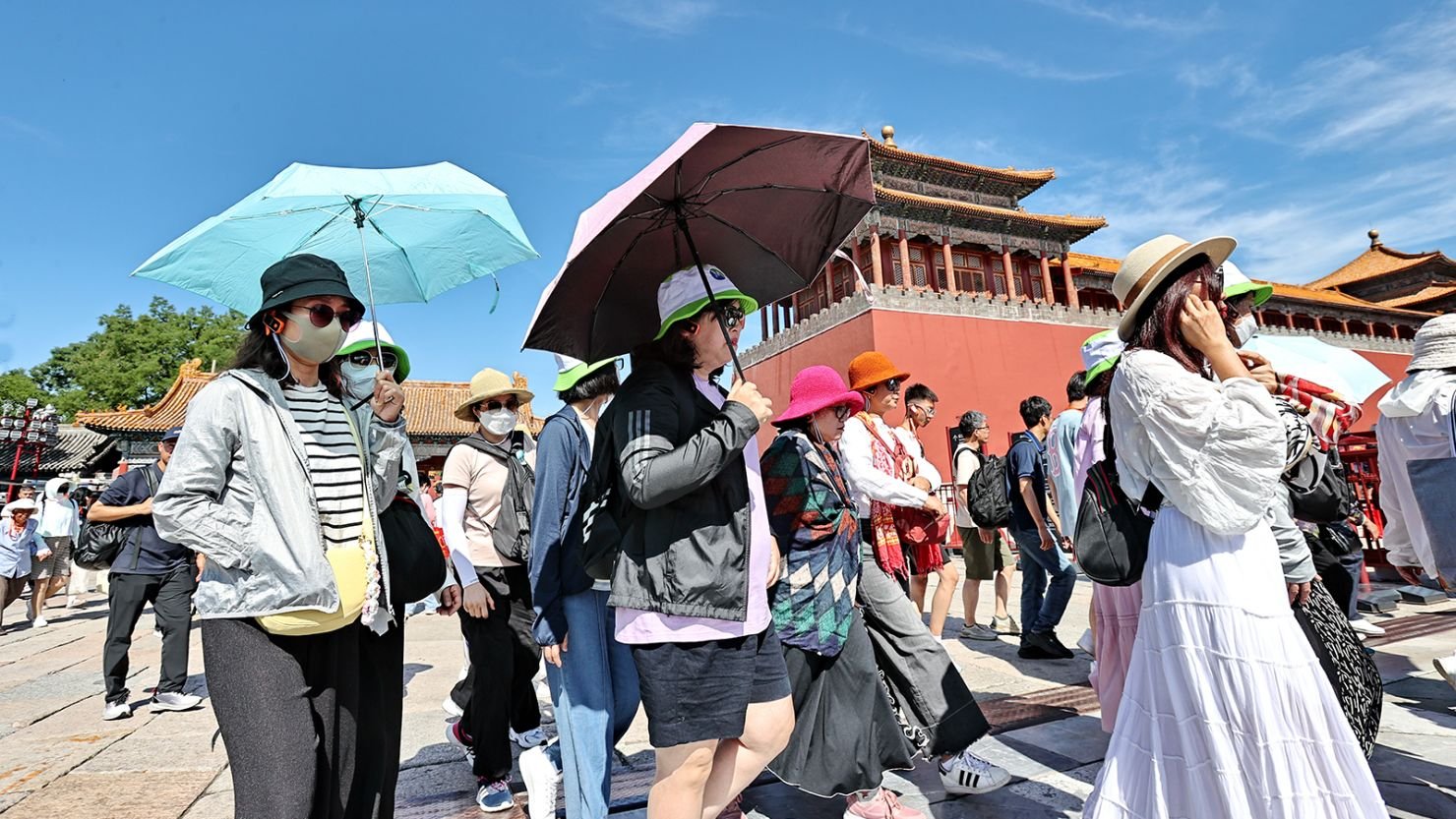
    Chinese weather authorities said on Thursday, July was the country’s hottest month since records began six decades ago, as extreme temperatures persist across the globe. China is the world’s biggest emitter of the greenhouse gases that scientists say are driving climate change and making extreme weather more frequent and intense.

    Heatwaves this summer have scorched parts of northern China, while torrential rains have triggered floods and landslides in central and southern areas. Last month was “the hottest July since complete observations began in 1961, and the hottest single month in the history of observation”, the national weather office said on Thursday.

    The weather office said the average air temperature in China in July was 23.21°C, exceeding the previous record of 23.17°C in 2017. The mean temperature in every province was also “higher than the average for previous years,” with the southwestern provinces of Guizhou and Yunnan logging their highest averages.

    It forecast that the mercury would continue to climb in eastern regions this week, including Shanghai, where a red alert for extreme heat was in place.

    “Next week will be more of the same. It’s like being on an iron plate,” wrote one user of the Weibo social media platform in response to the megacity’s heat warning.

  • Calls for revenge at Iran funeral for Hamas chief Haniyeh

    Calls for revenge at Iran funeral for Hamas chief Haniyeh

    Iran held funeral processions on Thursday amidst calls for revenge after the killing of Hamas political chief Ismail Haniyeh in a strike in Tehran blamed on Israel.

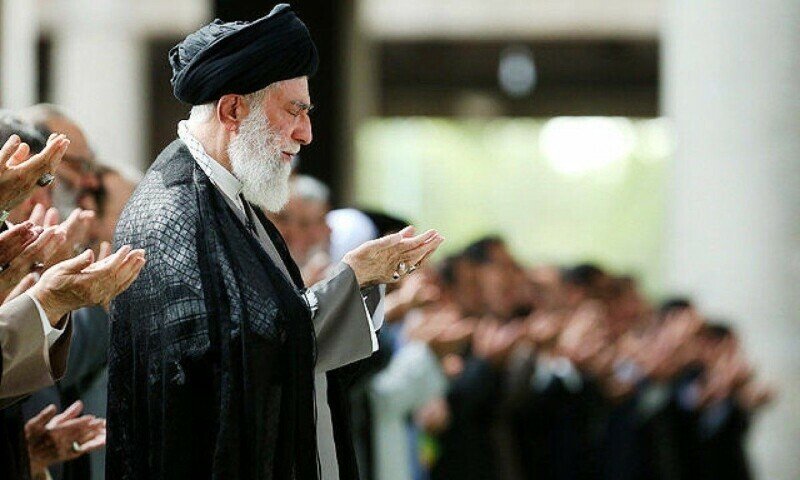
    The Islamic Republic’s supreme leader Ayatollah Ali Khamenei led prayers for Haniyeh ahead of his burial in Qatar, having earlier threatened a “harsh punishment” for his killing.

    The Supreme Leader of Iran Ayatollah Ali Khameini leads the funeral prayers for Hamas political chief Ismail Haniyeh in Tehran on August 1. — IRNA

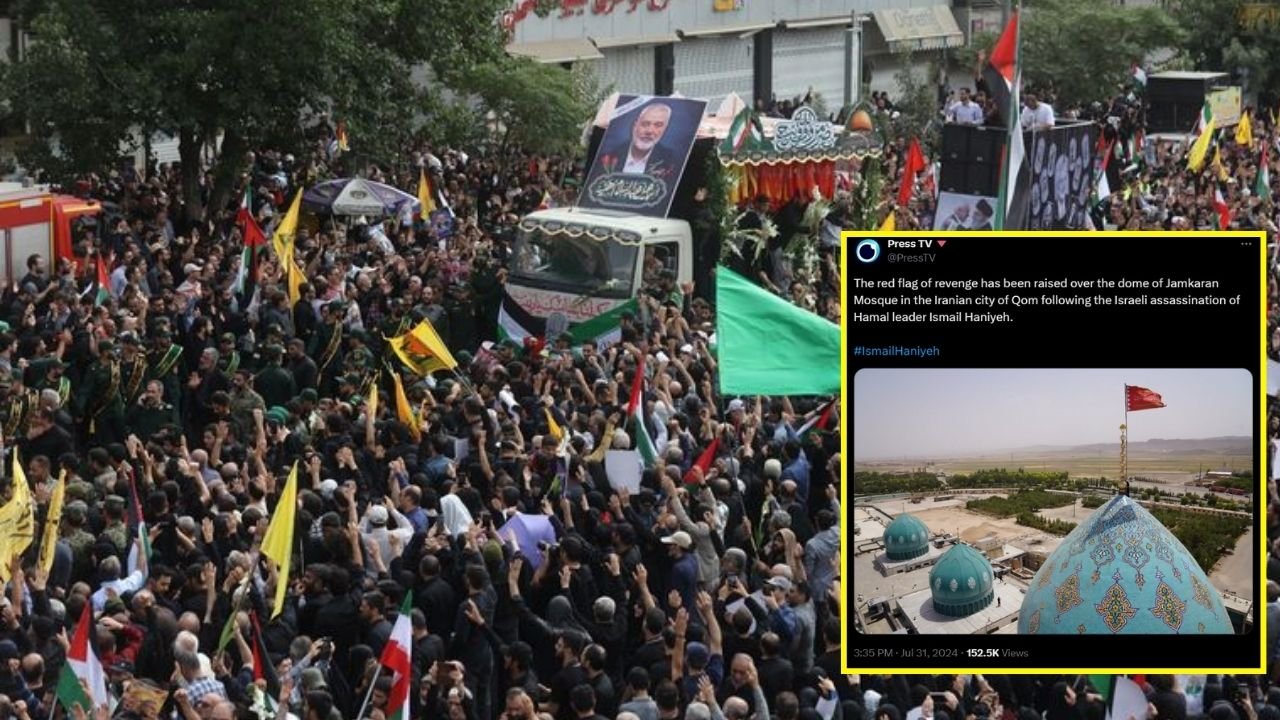
    In Tehran’s city centre, thousands of mourning crowds carrying posters of Haniyeh and Palestinian flags gathered for the ceremony at Tehran University before a procession, according to an AFP correspondent.

    Haniyeh’s death was announced the day before by Iran’s Revolutionary Guards, who said he and his bodyguard were killed in a strike on their accommodation in the Iranian capital at 2:00am on Wednesday.

    It came just hours after Israel targeted and killed top Hezbollah commander Fuad Shukr in a retaliatory strike on the Lebanese capital Beirut, sending fears of a wider regional conflict soaring in the fallout from the Israel-Hamas conflict in Gaza.

    Israel has declined to comment on the Tehran strike.

    Iran’s state TV showed the coffins of Haniyeh and his bodyguards covered in Palestinian flags during the ceremony attended by senior Iranian officials. President Masoud Pezeshkian and Islamic Revolutionary Guard Corps chief, General Hossein Salami, were present.

    Haniyeh had been visiting Tehran for Pezeshkian’s inauguration ceremony on Tuesday.

    Senior Hamas figure Khalil al-Hayya, the movement’s foreign relations chief, vowed during the funeral ceremony that “Ismail Haniyeh’s slogan, ‘We will not recognise Israel,’ will remain an immortal slogan” and “we will pursue Israel until it is uprooted from the land of Palestine.”

    Iran’s conservative parliamentary speaker Mohammad Bagher Ghalibaf said Iran “will certainly carry out the supreme leader’s order (to avenge Haniyeh.)” “It is our duty to respond at the right time and in the right place,” he said in a speech with crowds chanting “Death to Israel, Death to America!”

    ‘Our duty’

    The caskets, with a black-and-white pattern resembling a Palestinian keffiyeh scarf, were borne on a flower-bedecked truck through leafy streets where cooling water mists sprayed the flag-waving crowds.

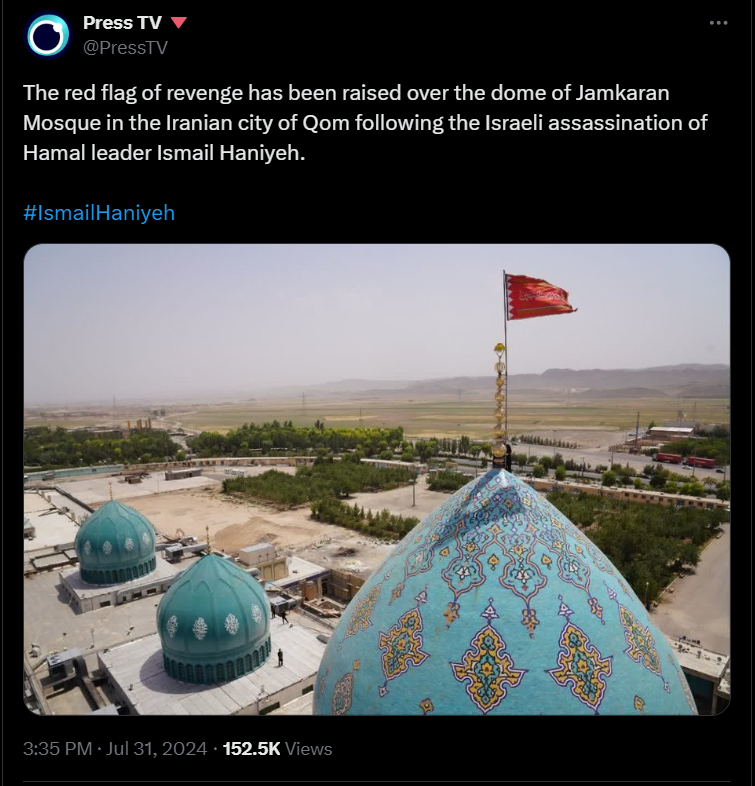
    Khamenei, who has the final say in Iran’s political affairs, said after Haniyeh’s death that it was “our duty to seek revenge for his blood as he was martyred in the territory of the Islamic Republic of Iran”.

    The Islamic Republic has not yet officially published any information on the exact location of the strike.

    Pezeshkian said on Wednesday that “the Zionists (Israel) will soon see the consequences of their cowardly and terrorist act”.

    The international community, however, called for de-escalation and a focus on securing a ceasefire in Gaza — which Haniyeh had, according to a Hamas official previously, accused Israel of obstructing.

    UN Secretary-General Antonio Guterres said the strikes in Tehran and Beirut represented a “dangerous escalation”. All efforts, he said, should be “leading to a ceasefire” in Gaza and the release of hostages taken during Hamas’s October 7 attack on southern Israel which began nearly 10 months of fighting.

    The prime minister of key ceasefire broker Qatar said Haniyeh’s killing had thrown the whole mediation process into doubt. “How can mediation succeed when one party assassinates the negotiator on the other side?” Sheikh Mohammed bin Abdulrahman Al-Thani said in a post on the social media site X.

    US Secretary of State Antony Blinken on Thursday called on “all parties” in the Middle East to “stop escalatory actions.” Earlier he said a ceasefire in Gaza was still the “imperative”, though White House National Security Council spokesman John Kirby said the twin killings of Haniyeh and Shukr “don’t help” regional tensions.

    Tensions inflamed

    While Iran has blamed the attack on its arch-foe, Israel has declined to comment on Haniyeh’s death. It did, however, claim the killing of Shukr, whom it blamed for a weekend rocket strike that killed 12 youths in the Israeli-annexed Golan Heights.

    The killings come with regional tensions already inflamed by fighting in Gaza, a conflict that has drawn in Iran-backed militant groups in Syria, Lebanon, Iraq, and Yemen.

    One of those groups, Yemen’s Houthi rebels, “declared three days of mourning” for Haniyeh, with political leader Mahdi al-Mashat expressing “condolences to the Palestinian people and Hamas” over his killing, according to the group’s Saba news agency.

    The United Nations Security Council also convened an emergency meeting Wednesday at Iran’s request to discuss the strike.

    Hamas has for months been indirectly negotiating a truce and hostage-prisoner exchange deal with Israel, in talks facilitated by Egypt, Qatar, and the United States, but with Haniyeh killed, the situation is back to square one.

    Analysts told AFP that Haniyeh was a moderating influence within the Islamist group, and that while he would be replaced, the dynamics within Hamas could change.

    Israeli Prime Minister Benjamin Netanyahu has vowed to destroy Hamas in retaliation for the October 7 attack that ignited conflict in Gaza.

    That attack resulted in the deaths of 1,197 people, mostly civilians, according to an AFP tally based on official Israeli figures. Hamas also seized 251 hostages, 111 of whom are still held captive in Gaza, including 39 the military says are dead.

    Concern grew among Israelis over the fate of those still held in Gaza. Haniyeh’s killing “was a mistake as it threatens the possibility of having a hostage deal,” said Anat Noy, a resident of the coastal city of Haifa.

    Israel’s retaliatory campaign against Hamas has killed at least 39,445 people in Gaza, according to the territory’s health ministry.