Category: FOREIGN

Foreign Blogs is a network of global affairs blogs and a supplement to the Foreign Policy Association’s Great Decisions program.

  • First-time airplane traveler causes trouble for passengers

    First-time airplane traveler causes trouble for passengers

    Air China flight CA2754 was on the runway preparing for departure when a female passenger accidentally opened the plane’s emergency door.

    The incident occurred on July 4 at Chiyang Province airport, as reported by local media.

    The Chinese newspaper South China Morning Post stated that the woman, looking for a restroom, mistakenly opened the emergency door at the rear of the plane.

    As a result of her mistake, chaos ensued among the passengers, leading to the cancellation of the flight while passengers disembarked from the plane.

  • 20 year sentence for Saudi teacher over social media posts

    20 year sentence for Saudi teacher over social media posts

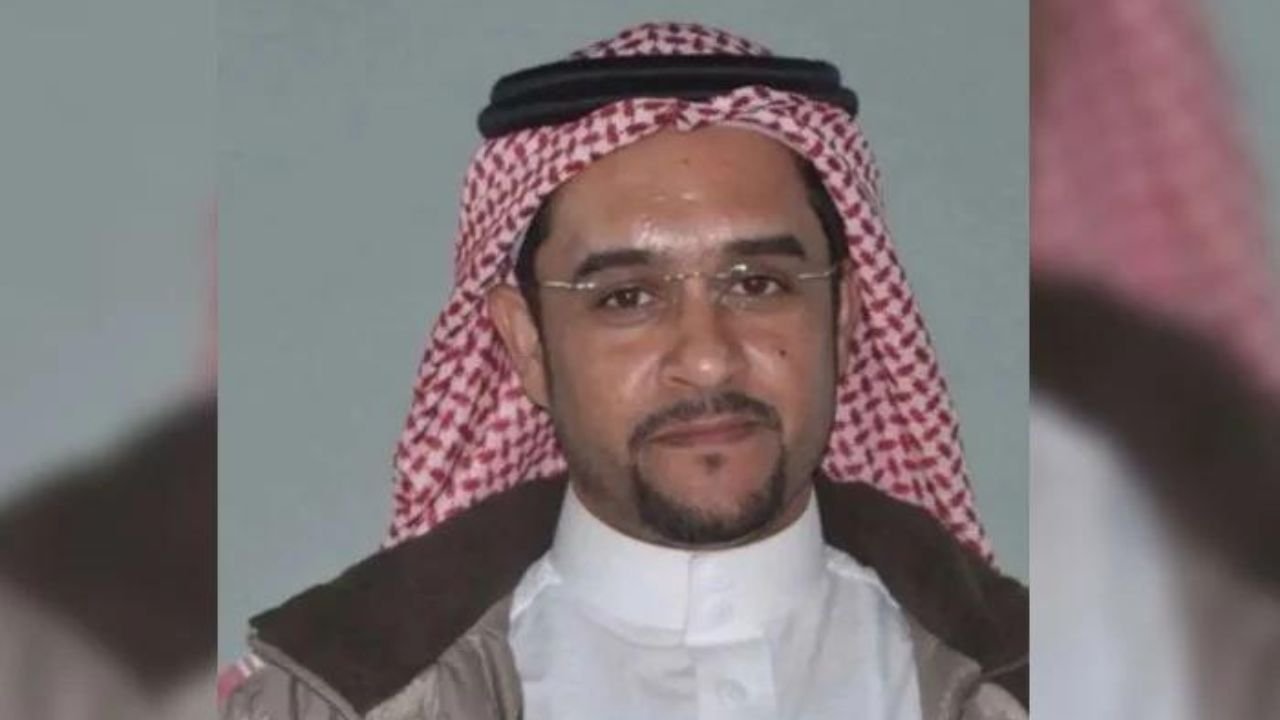
    Saudi Arabia has sentenced a teacher to 20 years in prison over critical social media posts, Human Rights Watch and the convicted man’s brother said Tuesday.

    Asaad al-Ghamdi, 47, was arrested in November 2022, in a nighttime raid on his home in the Saudi city of Jeddah, according to HRW.

    He was convicted on May 29 by Saudi Arabia’s Specialised Criminal Court, which was established in 2008 to try suspects accused of terrorism, the New York-based rights group said.

    He was sentenced “to 20 years in prison on charges related to his peaceful social media activity”, HRW added, calling it “yet another escalation in the country’s ever-worsening crackdown on freedom of expression”.

    Court documents reviewed by HRW showed that Ghamdi was charged with “challenging the religion and justice of the King and the Crown Prince” and “publishing false and malicious news and rumors”.

    According to HRW, the posts used as evidence against him criticised projects related to the Vision 2030 reform agenda.

    One post mourned Abdallah al-Hamed, a leading Saudi human rights figure who died in prison following his conviction on charges relating to his activism.

    Ghamdi faces the same charges as his brother Mohammad, a government critic who denounced alleged corruption and human rights abuses on social media.

    Mohammad was sentenced to death last year based on his social media activity.

    Their third brother, Saeed, an Islamic scholar and government critic living in exile in the United Kingdom, condemned the latest move by Saudi authorities.

    “The accusations are arbitrary and unjust because they are all based on tweets,” Saeed told AFP, commenting on the verdict against Asaad.

    “Maybe I am the target,” he added.

    Over the past two years, the Saudi judiciary has convicted and handed down lengthy prison terms to dozens of individuals for their social media posts, according to rights groups.

    They include Nourah al-Qahtani, who was sentenced to 45 years in prison in 2022, largely over social media posts criticising the government

    Salma al-Shehab, a member of the Sunni-ruled kingdom’s Shiite minority, was sentenced to 34 years behind bars in 2022 for aiding dissidents seeking to “disrupt public order” in the kingdom by relaying their tweets.

    Manahel al-Otaibi, a 29-year-old blogger and fitness instructor, was arrested in November 2022 for challenging Saudi male guardianship laws and requirements for women to wear the customary body-shrouding abaya robe.

    The Specialised Criminal Court sentenced her to 11 years in prison on January 9, but the sentence was only made public later in a Saudi submission to United Nations special rapporteurs enquiring about the case.

  • Singapore’s hell theme park dead serious about afterlife

    Singapore’s hell theme park dead serious about afterlife

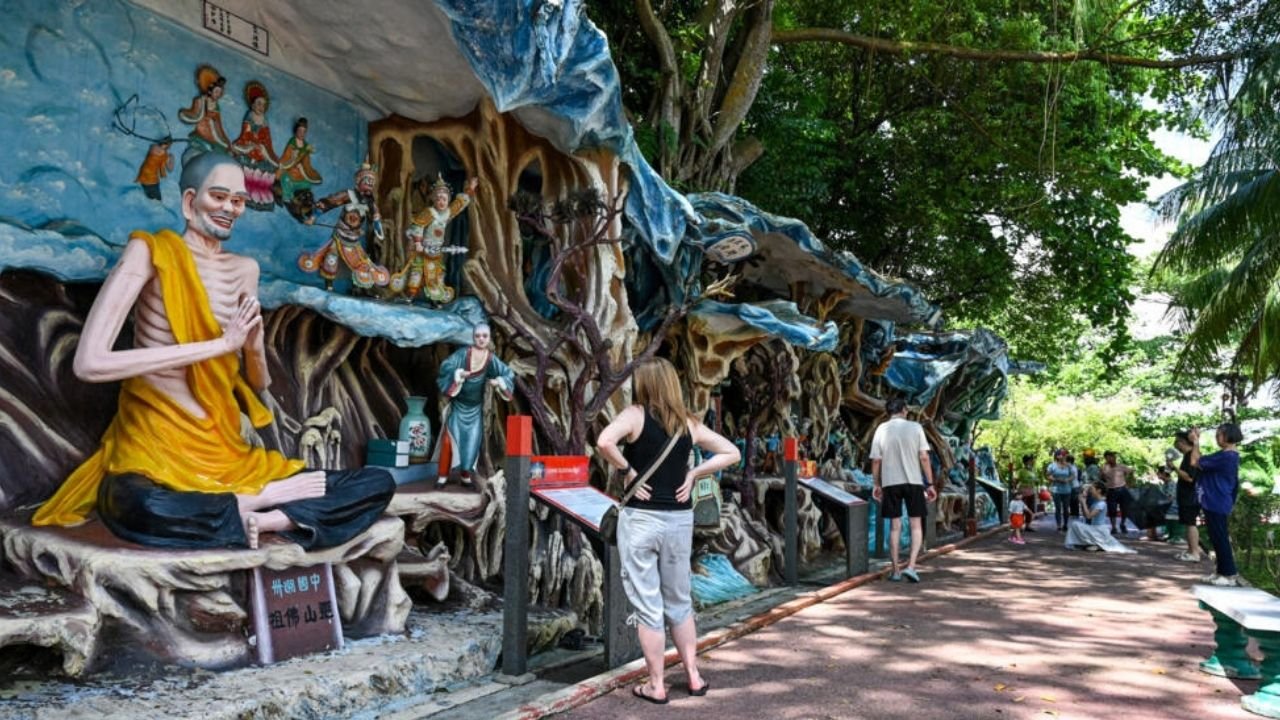
    Gory grottos with demons impaling sinners on stakes and people drowning in a pool of blood are not part of your average theme park experience.

    But at Hell’s Museum in Singapore, the main attraction at the Haw Par Villa Park, visitors are welcomed to a kitschy, air-conditioned hell on Earth.

    Inside the sprawling park complex, which features over 1,000 statues and dioramas showcasing Asian culture, faiths, and philosophy, Hell’s Museum exhibits various religious views on the afterlife.

    Visitors are encouraged to learn about the 10 Courts of Hell through intense depictions of punishments for earthly sins.

    At court number two, for instance, corruption gets you frozen in ice, while rapists at court Seven are thrown in boiling oil.

    The 10 Courts of Hell are “the result of the mixing of four different religions and philosophies: Buddhism, Taoism, Hinduism, Confucianism”, said Eisen Teo, the chief curator of Hell’s Museum in the multicultural city-state.

    “The sculptures and dioramas are a visual dissection of many classics, stories and moral values that many Singaporeans have and are familiar with,” Teo said.

    Visitor Gin Goldberg told AFP she wasn’t so surprised to learn that many religions had differing opinions on the afterlife.

    “One person’s heaven would be another person’s hell,” the American said.

    Party in hell

    The odd park stands apart from gleaming Singapore’s mainstream tourist attractions such as the luxury shops of Marina Bay Sands or the towering “supertrees” of Gardens by the Bay.

    Haw Par Villa was built in 1937 by entrepreneur Aw Boon Haw, known for co-developing Asia’s much-loved Tiger Balm pain relief rub.

    While fondly remembered by older generations, the park has had trouble attracting the Gen Z crowd and younger millenials, according to Journeys, the firm that manages the park.

    To broaden appeal, it has held several rave parties and other private events — but not too near to religious exhibits.

    “After they came here (for the parties) they fell in love with the quirky, eccentric park, with these cool sculptures. Fell in love with them and they keep doing repeat visits,” said Savita Kashyap, Journeys’ executive director.

    While Haw Par Villa isn’t just about the afterlife, and raves — it also displays scenes from Chinese folklore such as “Romance of the Three Kingdoms” — its hellish attraction remains the top draw.

    But not for all.

    While leaving, one Filipina visitor told AFP that she won’t be returning anytime soon.

    “It’s very scary,” she said.

  • Samsung workers begin three-day general strike over pay

    Samsung workers begin three-day general strike over pay

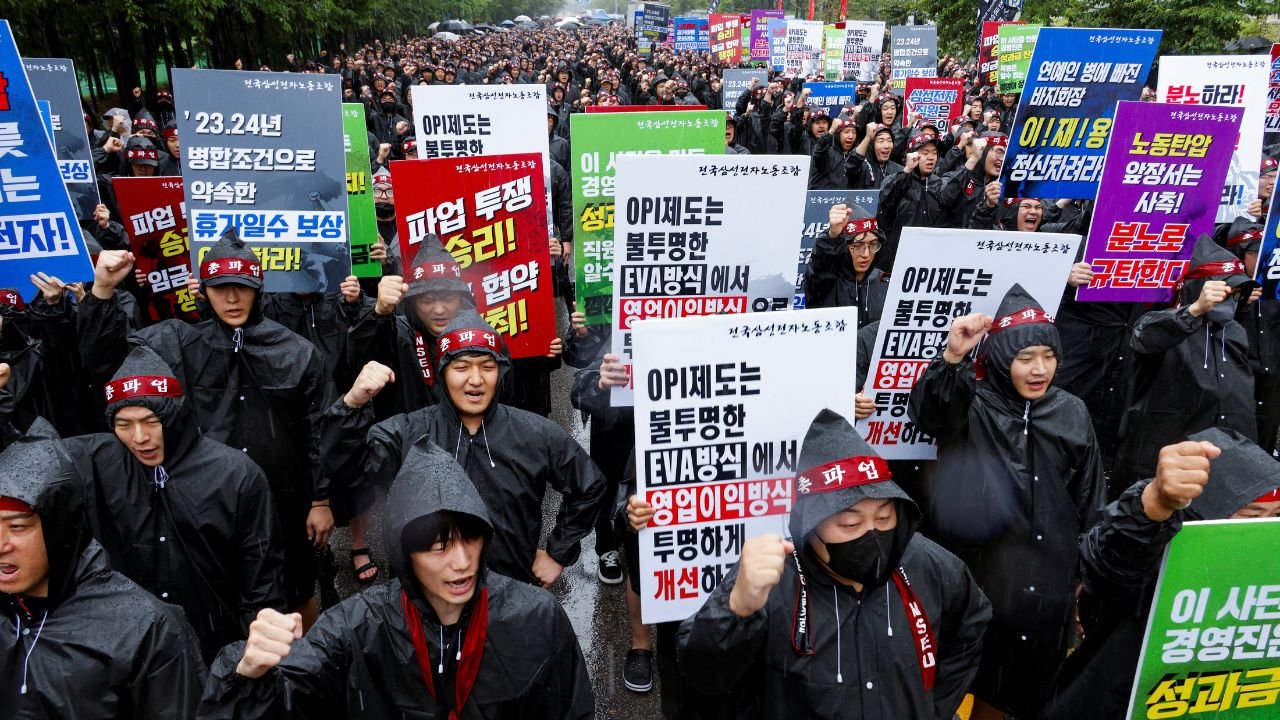
    Workers at South Korean tech giant Samsung began a three-day general strike over pay and benefits on Monday, the head of a union representing tens of thousands of employees told AFP, warning the action could impact memory chip production.

    Samsung Electronics is the world’s largest memory chip maker and accounts for a significant chunk of global output of the high-end chips.

    Wearing rain jackets and ribbons saying “fight with solidarity”, thousands of workers gathered outside the company’s foundry and semiconductor factory in Hwaseong, Gyeonggi, an hour south of Seoul.

    Samsung management has been locked in negotiations with the union since January, with the two sides failing to narrow differences on benefits and a rejected 5.1 percent pay raise offer from the firm.

    “The strike has started from today,” Son Woo-mok, head of the National Samsung Electronics Union, told AFP.

    “Today’s general strike is just the beginning,” he added.

    “Recalling why we are here, please do not come to work until July 10th and do not receive any business calls,” he told the crowd of workers.

    The union said about 5,200 people from factory facility, manufacturing and development had joined the protest.

    “Do they still not think this will affect their production line?” said Lee Hyun-kuk, vice president of the union.

    The union, which has more than 30,000 members, or more than a fifth of the company’s total workforce, announced the three-day general strike last week, saying it was a last resort after talks broke down.

    The move follows a one-day walkout in June, the first such collective action at the company, which went decades without unionisation.

    “We are now at critical crossroads,” the union said in an appeal sent out to members last week, urging them to support the strike.

    “This strike is the last card we can use,” it said, saying that workers at the company needed to “act as one”.

    “I’m really excited,” one union member and protester told AFP. “We’re making history.”

    Workers rejected the offer of a 5.1 percent pay hike in March, with the union having previously outlined demands including improvements to annual leave and transparent performance-based bonuses.

    Samsung declined a request for comment.

    “While the ongoing strike is only scheduled for three days, the participating members include those working in chip assembly lines,” business professor Kim Dae-jong at Sejong University told AFP.

    “Given that the union could carry out additional strikes in case the gridlock continues, it could pose a great risk to Samsung management amid its race for dominance in the competitive chips market.”

    Samsung Electronics avoided its employees unionising for almost 50 years — sometimes adopting ferocious tactics, according to critics — while rising to become the world’s largest smartphone and semiconductor manufacturer.

    Company founder Lee Byung-chul, who died in 1987, was adamantly opposed to unions, saying he would never allow them “until I have dirt over my eyes”.

    The first labour union at Samsung Electronics was formed in the late 2010s.

    The firm is the flagship subsidiary of South Korean giant Samsung Group, by far the largest of the family-controlled conglomerates that dominate business in Asia’s fourth-largest economy.

    It recently predicted a 15-fold increase in its on-year second quarter operating profits, thanks to growing demand for generative AI.

    Semiconductors are the lifeblood of the global economy, used in everything from kitchen appliances and mobile phones to cars and weapons.

    And demand for the advanced chips that power artificial intelligence systems has skyrocketed thanks to the success of ChatGPT and other generative AI products.

    Semiconductors are South Korea’s leading export and hit $11.7 billion in March, their highest level in almost two years, accounting for a fifth of South Korea’s total exports, according to figures released by the trade ministry.

  • Iran reformist Pezeshkian wins presidential election

    Iran reformist Pezeshkian wins presidential election

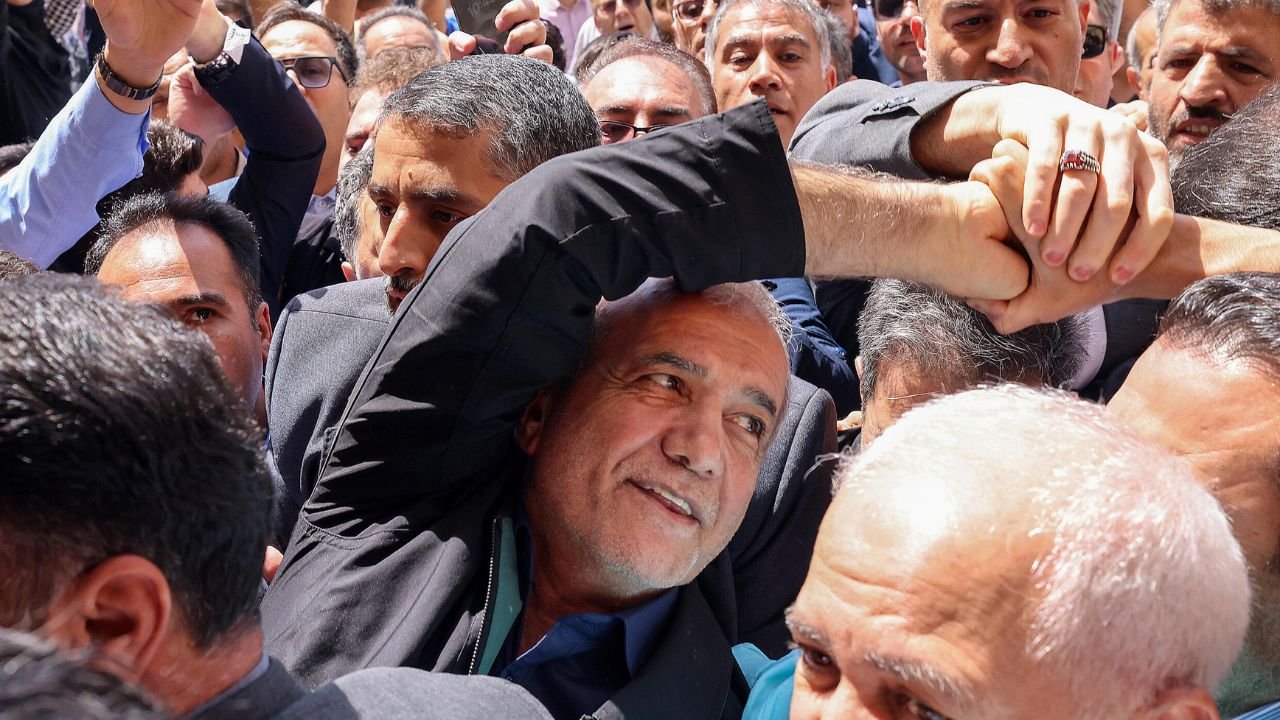
    Tehran (AFP) – Masoud Pezeshkian, Iran’s only reformist candidate in the latest presidential election, has risen from relative obscurity to become the ninth president of the Islamic republic.

    Pezeshkian, 69, won around 53.6 percent of the vote in a runoff election against the ultraconservative Saeed Jalili.

    In the first round of Iran’s snap elections on June 28, Pezeshkian led the polls against three other conservative figures, stunning supporters and rivals alike.

    Pezeshkian’s victory has raised the hopes of Iran’s reformists after years of dominance by the conservative and ultraconservative camps.

    He will replace late ultraconservative president Ebrahim Raisi who died in a May helicopter crash.

    “The difficult path ahead will not be smooth except with your companionship, empathy, and trust. I extend my hand to you,” Pezeshkian said in a post on X, after on Tuesday saying he would “extend the hand of friendship to everyone” if he won.

    In the lead-up to the elections, Iran’s main reformist coalition threw its weight behind Pezeshkian, with former presidents Mohammad Khatami and the moderate Hassan Rouhani declaring support for his bid.

    Pezeshkian takes over the presidency amid heightened regional tensions over the Gaza war, a dispute with the West over Iran’s nuclear programme and domestic discontent over the state of Iran’s sanctions-hit economy.

    ‘Out of isolation’

    The outspoken heart surgeon had publicly criticised the Raisi government over its handling of the death in custody of Iranian Kurd Mahsa Amini, who had been arrested for allegedly violating the Islamic republic’s strict dress code for women.

    In a post on Twitter, now known as X, at the time, he called on the authorities to “set up an investigation team” to look into the circumstances behind her death.

    In recent campaigning, he has maintained his stance, criticising the enforcement of mandatory hijab laws which require women to cover their head and neck in public since shortly after the 1979 Islamic revolution.

    “We oppose any violent and inhumane behaviour towards anyone, notably our sisters and daughters, and we will not allow these actions to happen,” he said.

    He also vowed to ease internet restrictions and to involve ethnic minorities in his government.

    Pezeshkian was born in 1954 to an Iranian father of Turkic origin and a Kurdish mother in the city of Mahabad in the northwestern province of West Azerbaijan.

    He has represented Tabriz in Iran’s parliament since 2008, served as health minister in Khatami’s government, and supervised sending medical teams to the war front during the Iran-Iraq conflict between 1980 and 1988.

    In 1993, Pezeshkian lost his wife and one of his children in a car accident. He never remarried and raised his remaining three children — two sons and a daughter — alone.

    Campaigning on behalf of Pezeshkian was Mohammad Javad Zarif, Iran’s combative former foreign minister who helped secure the landmark 2015 nuclear deal with world powers, which fell through three years later.

    Pezeshkian has called for reviving the accord — which sought to curb Tehran’s nuclear activity in return for sanctions relief — to get Iran “out of isolation”.

    “If we manage to lift the sanctions, people will have an easier life while the continuation of sanctions means making people’s lives miserable,” he said during a televised interview.

    Pezeshkian will be tasked with applying state policy outlined by the supreme leader Ayatollah Ali Khamenei, who wields ultimate authority in the country.

  • “Change begins now,” Labour’s Keir Starmer on winning UK elections

    “Change begins now,” Labour’s Keir Starmer on winning UK elections

    Keir Starmer from Britain’s Labour has pledged to change UK as the next Prime Minister after his party won big in parliamentary elections on Friday, putting an end to 14 years of Conservative rule in the country.

    “The Labour Party has won this general election, and I have called Sir Keir Starmer to congratulate him on his victory,” a sombre-looking Rishi Sunak said in his speech after the results came out.

    Rishi called the results “sobering” as he took responsibility for the defeat.

    “Change begins now,” Starmer said in a victory speech.

    “We said we would end the chaos, and we will, we said we would turn the page, and we have. Today, we start the next chapter, begin the work of change, the mission of national renewal and start to rebuild our country.”

    At a triumphant party rally in central London, Starmer, 61, cautioned that change would not come overnight, even as Labour snatched a great number of Tory seats around the country, including from nine Cabinet members, and former prime minister Liz Truss. Truss lost in her rural constituency by a slim margin of 630 votes.

    How did the elections go?

    Labour raced past the 326 seats needed to secure an overall majority in the 650-seat parliament.

    An exit poll for UK broadcasters published after polls closed on Thursday put Labour on course for a return to power for the first time since 2010, with 410 seats and a 170-seat majority.

    The Tories will get only 131 seats in the House of Commons—a record low—with the right-wing vote apparently spliced by Nigel Farage’s anti-immigration Reform UK party.

    Esteemed journalist in an article for his platform Zeteo wrote, “Goodbye to the party that helped unleash shameful levels of racism and hate against both migrants and minorities, with not just Brexit but “Go Home” vans and the Rwanda plan; bigoted rhetoric about “swarms” of migrants and citizens of nowhere.”

    What will happen to the government?

    Sunak will tender his resignation to head of state King Charles III, with the monarch then asking Starmer, as the leader of the largest party in parliament, to form a government.

    To-do list for next government

    Starmer took over the party post-Brexit in 2020 and had aimed to bring it to the centre again.

    Starmer is facing a daunting to-do list, with economic growth anaemic, public services overstretched and underfunded due to swinging cuts, and households squeezed financially.

    When it comes to Gaza, he is on the same page as Rishi Sunak, emphasising support for Israel’s right to defend itself while maintaining the recognition of a two-state solution. However, Starmer has said he would review arms sales to Israel but has also not made a pledge to suspend any.

    Additionally, Starmer has shown its determination to scrap the UK’s Controversial Rwanda Bill for asylum seekers that was introduced to deport illegal asylum seekers to Rwanda.

  • Woman found dead swallowed by python in Indonesia

    Woman found dead swallowed by python in Indonesia

    A woman was found dead inside the belly of a snake after it swallowed her whole in central Indonesia, police said Wednesday, the second python killing in the province in a month.

    Siriati, 36, had gone missing after she left her house Tuesday morning to buy medicine for her sick child, police said, prompting relatives to launch a search.

    Her husband Adiansa, 30, found her slippers and pants on the ground about 500 metres (yards) from their house in Siteba village, South Sulawesi province.

    “Shortly after that, he spotted a snake, about 10 metres from the path. The snake was still alive,” local police chief Idul, who like many Indonesians has one name, told AFP.

    Village secretary Iyang told AFP that Adiansa became suspicious after he noticed the python’s “very large” belly. He called the villagers to help cut open its stomach, where they found her body.

    Such incidents are considered extremely rare, but several people have been swallowed by pythons in recent years.

    A woman was found dead last month inside the belly of a reticulated python in another district of South Sulawesi.

    Last year residents in the province killed an eight-metre python, which was found strangling and eating one of the farmers in a village.

    A 54-year-old woman was found dead in 2018 inside a seven-metre python in Southeast Sulawesi’s Muna town.

    And the year before, a farmer in West Sulawesi went missing before being found being swallowed by a four-metre python at a palm oil plantation.

  • The Indian women campaigning to criminalise marital rape

    The Indian women campaigning to criminalise marital rape

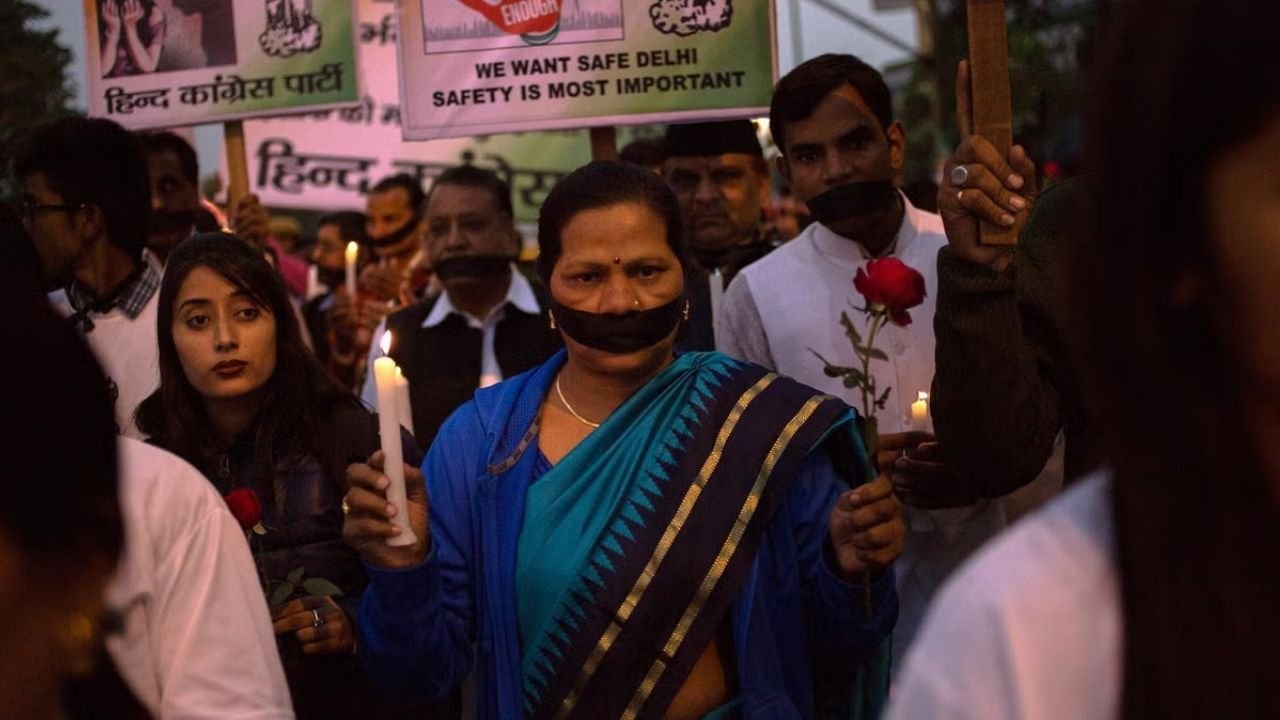
    New Delhi (AFP) – Raped by her husband on her wedding night aged 17, Divya described her repeated suffering — an all-too-common account in India, permitted by a terrifying colonial-era legal loophole.

    “I told him I have never had sex, and asked him if we can take it slowly and try to understand it,” 19-year-old Divya said.

    “He said: ‘No, the first night is very important for us men’.”

    He then slapped her hard, ripped her clothes off and forced himself on her.

    What followed her arranged wedding in 2022 was 19 months of sexual and physical abuse.

    “If I was hurt, it was invisible to him,” said Divya, whose name has been changed to protect her identity.

    “He used to have sex with me ruthlessly”.

    Six percent of married women aged 18-49 report spousal sexual violence, according to the government’s latest National Family Health Survey.

    In the world’s most populous country, that implies more than 10 million women have been sexual victims of their husbands.

    Nearly 18 percent of married women feel they cannot say no if their husbands want sex, according to the health survey.

    And 11 percent of women thought a husband was justified in beating his wife if she refused, it found.

    ‘Victorian mentality’

    Under India’s inherited British-era penal code, an exception clause stated that “sexual acts by a man with his own wife, the wife not being under fifteen years of age, is not rape”.

    India introduced a new penal code on Monday but the exception clause remains — although it does raise the minimum age that a man can rape his wife to 18.

    Lawyer Karuna Nundy is challenging that.

    Nundy, who has a case for the All India Democratic Women’s Association (AIDWA) rights group at the Supreme Court, condemned the clause as “colonialism from a Victorian mentality”.

    She holds a “fervent hope” for change, mentioning some of the more than 50 nations who have outlawed it.

    Chief Justice D. Y. Chandrachud called it an “important issue” this year.

    But the decade-long case has made painfully slow progress.

    In May 2022, a two-judge bench in the Delhi High Court issued a split verdict.

    One judge, C. Hari Shankar, said that while “one may disapprove” of a husband forcibly having sex with his wife, that “cannot be equated with the act of ravishing by a stranger”.

    The other judge, Rajiv Shakdher, disagreed.

    Shakdher said it “would be tragic if a married woman’s call for justice is not heard even after 162 years”, referring to the British-era statute.

    Monika Tiwary from Shakti Shalini, a rights group which supports sexual violence survivors, said marriage should not shield a crime.

    “How can marriage change the definition of rape?” she said.

    “Getting married does not take away the rights over your body.”

    Arranged marriages

    “Most of the survivors do not really have this understanding that it is not okay, and it is marital rape,” Tiwary added.

    “The moment we label it and attach a law to it, people start recognising it, awareness increases”, Tiway added.

    Divya’s marriage was arranged, like many in India.

    But her family did not pay the usual hefty cash dowry to the husband — something he used against her.

    “He would taunt me by saying ‘It’s not like your parents gave any dowry, I can at least do this’,” Divya said.

    “At times he would put a knife on my throat and dare me to say no. (He would say) ‘You are my wife, I have full rights on you’.”

    Swati Sharma, a 24-year-old mother of two, said she married a man for love.

    The first time her husband assaulted her was after their first daughter was born.

    “I used to think: ‘Okay, we are married, so we can do this’,” she said.

    Death threats

    When he was angry, he would take it out on her. If she refused sex, he accused her of having an affair.

    The tipping point came when he stripped her naked in front of their children, waiting until they slept.

    “Then he proceeded to have sex with me,” she said. “He didn’t leave me till he had his way.”

    She packed her bags, took her children and left.

    But despite the abuse, some women return to violent husbands fearing for their children, and under intense social pressure.

    Sharma also returned to her husband, after he went to counselling and persuaded her to come back.

    While Divya escaped, she still lives in fear.

    Her husband messaged her mother threatening that he “will not let her live”.

    But she says she is “proud” that she left.

    “There are many girls who still endure this, happening to them day and night,” she said.

    “Such men should be punished.”

  • Turkey arrests 67 after mob attacks Syrian properties

    Turkey arrests 67 after mob attacks Syrian properties

    Turkish police were holding 67 people Monday after a mob went on the rampage in a central Anatolian city after a Syrian man was accused of harassing a child.

    A group of men targeted Syrian businesses and properties in Kayseri on Sunday evening, with videos on social media showing a grocery store being set on fire.

    President Recep Tayyip Erdogan condemned the latest bout of violence against Turkey’s large community of Syrian refugees.

    “No matter who they are, setting streets and people’s houses on fire is unacceptable,” he said, warning that hate speech should not be used for political gains.

    Interior Minister Ali Yerlikaya said the Syrian national, identified only by his initials as I.A., was caught by Turkish citizens and delivered to the police.

    Yerlikaya said on X that the Syrian man was suspected of harassing a Syrian girl, who was his relative.

    He said Turks who gathered in the area acted “illegally” and in a manner “that does not suit our human values”, damaging houses, shops and cars belonging to Syrians.

    Sixty-seven people were detained after the attacks, he said.

    “Turkey is a state of law and order. Our security forces continue their fight against all crimes and criminals today, as they did yesterday.”

    In one of the videos a Turkish man was heard shouting: “We don’t want any more Syrians! We don’t want any more foreigners.”

    Local authorities called for calm and revealed the victim was a five-year-old Syrian national.

    Turkey, which hosts some 3.2 million Syrian refugees, has been shaken several times by bouts of xenophobic violence in recent years, often triggered by rumours spreading on social media and instant messaging applications.

    In August 2021, groups of men targeted businesses and homes occupied by Syrians in the capital Ankara, after a brawl which cost the life of a 18-year-old man.

    The fate of Syrian refugees is also a burning issue in Turkish politics, with Erdogan’s opponents in last year’s election promising to send them back to Syria.

  • Turkiye airport workers refuse to refuel Israeli airplane

    Turkiye airport workers refuse to refuel Israeli airplane

    Israel’s national carrier, El Al, said Sunday that its Warsaw to Tel Aviv flight was not allowed to refuel at Antalya airport after making an emergency landing to evacuate a passenger for medical reasons.

    Turkish workers at Antalya airport refused to refuel flight LY5102 before it could take off for Israel, El Al said in a statement.

    “Local workers refused to refuel the company’s plane even though it was a medical case,” it said, adding that the passenger was evacuated.

    The plane then took off to Rhodes in Greece, where “it will refuel before taking off to Israel”, the airline said.

    Relations between Turkey and Israel have deteriorated since October 7, with all direct flights between the two countries cancelled since.

    Turkish diplomatic sources confirmed the plane was allowed to make an emergency landing to evacuate a sick passenger.

    “Fuel was to be provided to the plane due to humanitarian considerations, but as the relevant procedure was about to be completed, the captain decided to leave of his own accord,” a Turkish diplomatic source said.

    Israeli newspaper The Times of Israel said the plane was on the tarmac at Antalya for several hours before it took off for Rhodes.

    Turkish President Recep Tayyip Erdogan has been a vocal critic of Israel’s blistering military operations in Gaza and has often expressed support for Hamas as defenders of their homeland.

    Israel’s retaliatory military offensive has killed at least 37,877 people in Gaza, also mostly civilians, according to the health ministry in Gaza.