Category: FOREIGN

Foreign Blogs is a network of global affairs blogs and a supplement to the Foreign Policy Association’s Great Decisions program.

  • India’s Modi pleads for ‘consensus’ as parliament opens after elections

    India’s Modi pleads for ‘consensus’ as parliament opens after elections

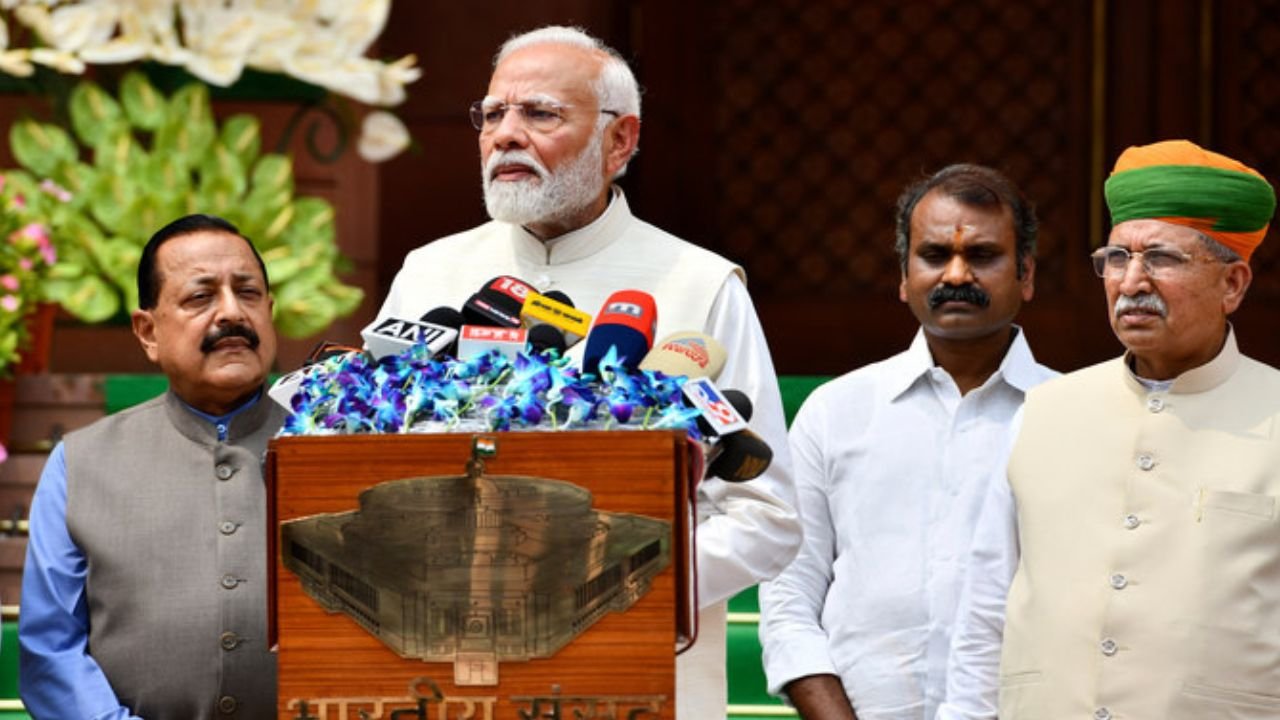
    Indian Prime Minister Narendra Modi appealed to an emboldened opposition for “consensus” Monday, as parliament opened following an election setback that forced him into a coalition government for the first time in a decade.

    Expected in the first session, which will run until July 3, is a preview of Modi’s plans for his third term and the likely formal appointment of Rahul Gandhi as leader of the opposition — a post vacant since 2014.

    Modi’s first two terms in office followed landslide wins for his right-wing Bharatiya Janata Party (BJP), allowing his government to drive laws through parliament with only cursory debate.

    But now analysts expect the 73-year-old Modi to moderate his Hindu-nationalist agenda to assuage his coalition partners, focusing more on infrastructure, social welfare and economic reforms.

    “To run the country, a consensus is of utmost importance”, Modi said in a speech shortly before entering parliament, calling on the opposition to play a constructive role.

    “People expect their representatives to debate and discuss issues which are important to the country […] they don’t expect disturbances or hindrances in the parliamentary proceedings,” he said. “People want substance, not slogans.”

    Modi led lawmakers in taking the oath — as his cheering supporters thumped their desks in support, and opposition members waved the constitution in protest. He said he was “proud to serve” India.

    Minister of Parliamentary Affairs Kiren Rijiju on Monday called for a “peaceful and productive” session, but Indian media said they expected lively debate with a far stronger opposition.

    “All set to spar”, one headline in The Hindustan Times read Monday. “Resurgent opposition set to push government”, The Indian Express front page added.

    Rahul Gandhi, 54, defied analyst expectations to help his Congress party nearly double its parliamentary numbers, its best result since Modi was swept to power a decade ago.

    Gandhi is the scion of a dynasty that dominated Indian politics for decades and is the son, grandson and great-grandson of former prime ministers, beginning with independence leader Jawaharlal Nehru.

    Parliamentary regulations require the opposition leader to come from a party that commands at least 10 per cent of the lawmakers in the 543-seat lower house.

    The post has been vacant for 10 years because two dismal election results for Congress — once India’s dominant party — left it short of that threshold.

    Lawmakers elected behind bars

    The parliamentary session will start with newly elected lawmakers taking their oaths over the first two days. Many will be watching if two lawmakers elected from behind bars, bitter opponents of Modi, will be allowed to join.

    One is Sikh separatist Amritpal Singh, a firebrand preacher arrested last year after a month-long police manhunt in Punjab state. The second is Sheikh Abdul Rashid, a former state legislator in India-occupied Kashmir.

    It is unclear if either will be granted bail to attend the ceremony in person.

    Modi’s decade as premier has seen him cultivate an image as an aggressive champion of the country’s majority Hindu faith, worrying minorities including the country’s 200-million-plus Muslim community.

    But his BJP won only 240 seats in this year’s poll, 32 short of a majority in the lower house — its worst showing in a decade.

    It has left the BJP reliant on a motley assortment of minor parties to govern. Modi has kept key posts unchanged in this government and the cabinet remains dominated by the BJP.

    That includes BJP loyalists Rajnath Singh, Amit Shah, Nitin Gadkari, Nirmala Sitharaman and S. Jaishankar — the defence, interior, transport, finance and foreign ministers, respectively — staying on in their jobs.

    But out of his 71-member government, 11 posts went to coalition allies who extracted them in exchange for their support — including five in the top 30 cabinet posts.

    Many will also be eying the election of the speaker, a powerful post overseeing the running of the lower house, with lawmakers slated to vote on Wednesday.

    Coalition allies covet the post, but others suggest Modi will put forward a candidate from his BJP.
  • Gunmen attack Churches, Synagogues in Russia

    Gunmen attack Churches, Synagogues in Russia

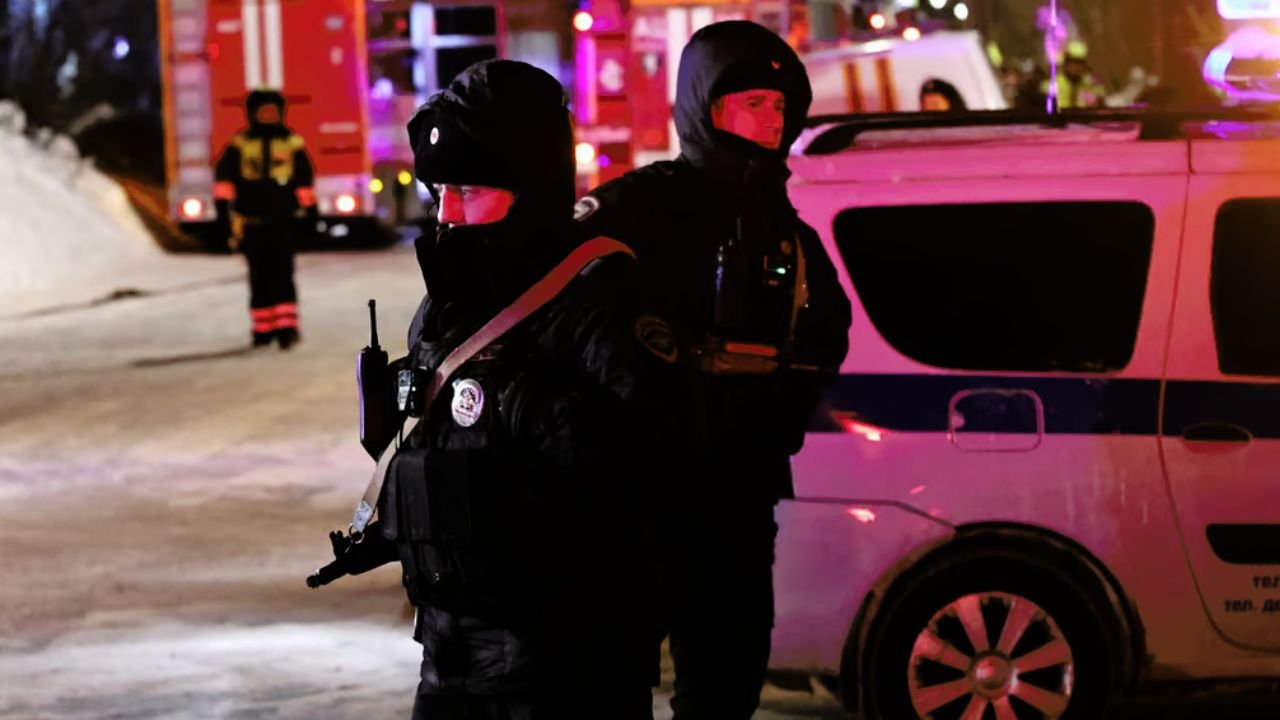
    Gunmen attacked churches and synagogues in Russia’s North Caucasus region of Dagestan on Sunday, killing at least eight police and national guard officers and a priest, officials said.

    The unidentified gunmen launched simultaneous attacks in Dagestan’s largest city of Makhachkala and in the coastal city of Derbent.

    Russia’s Investigative Committee said it had opened criminal probes over “acts of terror” in Dagestan, a largely Muslim region of Russia neighbouring Chechnya.

    The leader of Dagestan, Sergei Melikov, wrote on Telegram: “This evening in Derbent and Makhachkala unknown (attackers) made attempts to destabilise the situation in society.”

    “We know who is behind these terrorist attacks and what objective they are pursuing,” he added later, without specifying but referring to the war in Ukraine.

    “We must understand that war comes to our homes too. We felt it, but today we face it,” he said.

    Melikov said the “active phase” of operations in Derbent and Makhachkala had ended and that “six bandits have been liquidated”.

    The authorities will try to find “all the members of these sleeper cells who prepared (the attacks) and who were prepared, including abroad”, he added.

    Russian officials said police had killed four gunmen in Makhachkala and two in Derbent.

    Patriarch Kirill, head of the Russian Orthodox Church and a fervent supporter of the Kremlin, said the “enemy” was seeking to destroy “inter-religious peace” in Russia, without naming who was responsible.

    The attacks targeted “two Orthodox churches, a synagogue and a police checkpoint”, the National Anti-terrorism Committee said in a statement to RIA Novosti news agency.

    “As a result of the terrorist attacks, according to preliminary information, a priest from the Russian Orthodox Church and police officers were killed.”

    The Russian Orthodox Church said archpriest Nikolai Kotelnikov was “brutally killed” in Derbent.

    In all, six officers were killed and 12 wounded in the attacks, the spokeswoman for Dagestan’s interior ministry, Gayana Gariyeva, told RIA Novosti.

    The ministry later added that a local police chief had died from his wounds.

    Russia’s National Guard meanwhile said one of its officers had been killed in Derbent and several others wounded.

    The Dagestan interior ministry said a total of 16 people, including 13 police officers, were wounded in the attacks.

    In a separate incident, the ministry said gunmen had also shot at a police car in the village of Sergokal, 65 kilometres (40 miles) from Makhachkala, wounding one officer.

    Synagogues on fire

    Sunday is a religious holiday, Pentecost Sunday, in the Russian Orthodox Church.

    Dagestan’s interior ministry said 19 people took shelter inside a church in Makhachkala and were later led out to safety.

    Gunmen also attacked synagogues in both cities.

    “The synagogue in Derbent is on fire,” the chairman of the public council of Russia’s Federation of Jewish Communities, Boruch Gorin, wrote on Telegram.

    “The synagogue in Makhachkala has also been set on fire and burnt down,” he said.

    The rabbi of Makhachkala, Rami Davidov, later told RIA Novosti that no one was killed or injured there.

    The Russian Jewish Congress said on its website the Derbent synagogue was attacked about 40 minutes before evening prayers.

    Gunmen fired at police and security guards and threw in Molotov cocktails, it said, adding that the attack in Makhachkala was similar.

    State news agency TASS cited a law enforcement source as saying the “gunmen who carried out attacks in Makhachkala and Derbent are supporters of an international terrorist organisation”, without naming it.

    Russia’s FSB security service in April said it had arrested four people in Dagestan on suspicion of plotting the deadly attack on Moscow’s Crocus City Hall concert venue in March, which was claimed by the Islamic State group.

    Militants from Dagestan are known to have travelled to join IS in Syria, and in 2015, the group declared it had established a “franchise” in the North Caucasus.

    Dagestan lies east of Chechnya, where Russian authorities battled separatists in two brutal wars, first in 1994-1996 and then in 1999-2000.

    Since the defeat of Chechen insurgents, Russian authorities have been locked in a simmering conflict with Islamist militants from across the North Caucasus that has killed scores of civilians and police.

  • Anger after fireworks trigger Greek forest fire

    Anger after fireworks trigger Greek forest fire

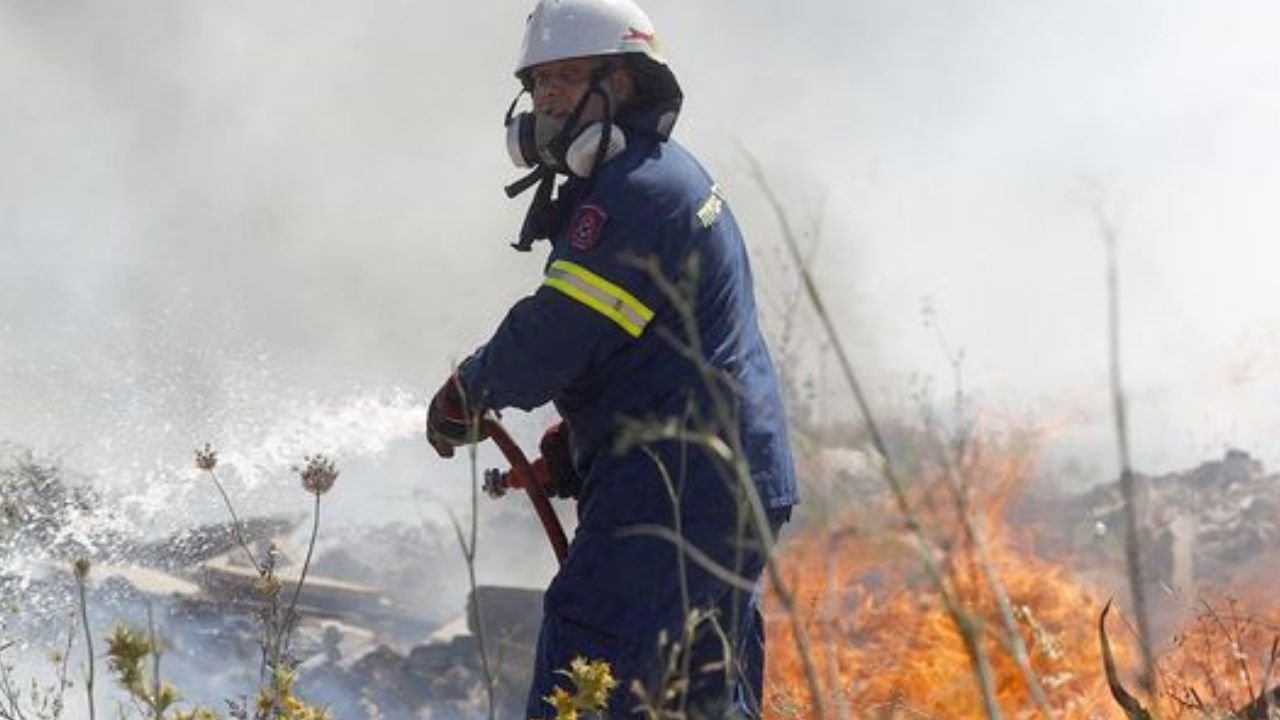
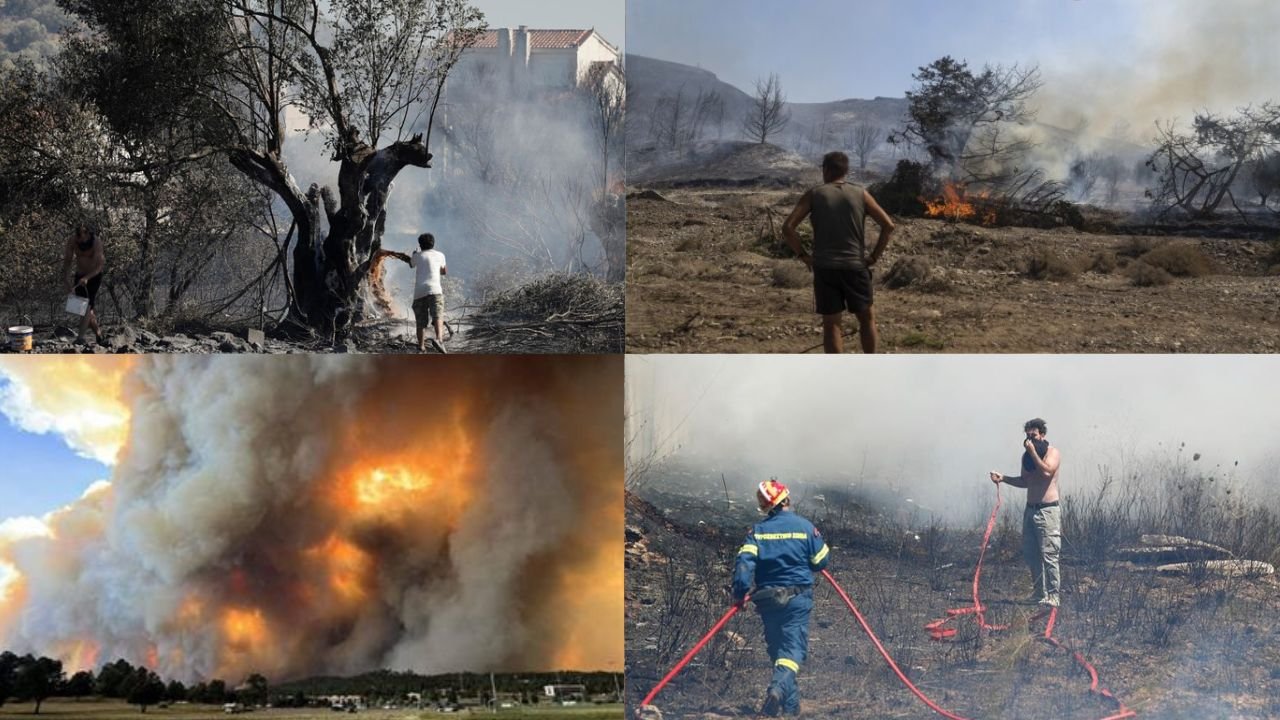
    Firefighters said Saturday that fireworks launched from a yacht started a forest fire on the Greek tourist island of Hydra, near Athens, sparking widespread anger.

    The fire, which started on Friday evening, has been brought under control, authorities said.

    The blaze was “caused by a fireworks launched from a boat and burned the only pine forest on the island in a place that is difficult to access and has no road,” said the island’s seasonal firefighting team on Facebook.

    The island’s mayor, Giorgos Koukoudakis, told public television channel ERT that he was “outraged that certain people are starting fires in such an irresponsible manner.”

    The news also sparked fury on social media.

    Greece has recently toughened penalties for arson, with perpetrators now facing up to 20 years in prison and a fine of up to 200,000 euros.

    The country has been bracing for a particularly difficult summer as authorities warned that strong winds and high temperatures mean there was a “very high risk” of forest fires.

    The Mediterranean country recorded its first heatwave of the year last week, with temperatures passing more than 44 degrees Celsius (111 degrees Fahrenheit) in some locations.

    Greek firefighters on Friday battled wildfires fanned by three days of fierce winds that left at least one person dead.

    Last year, a fierce two-week heatwave was followed by devastating wildfires in which 20 people died.

    Scientists warn that human-caused fossil fuel emissions are worsening the length and intensity of heat waves worldwide.

    Rising temperatures are leading to extended wildfire seasons and increasing the area burnt by the blazes, according to the United Nations Intergovernmental Panel on Climate Change.

  • UAE to allow abortion in cases of rape, incest

    UAE to allow abortion in cases of rape, incest

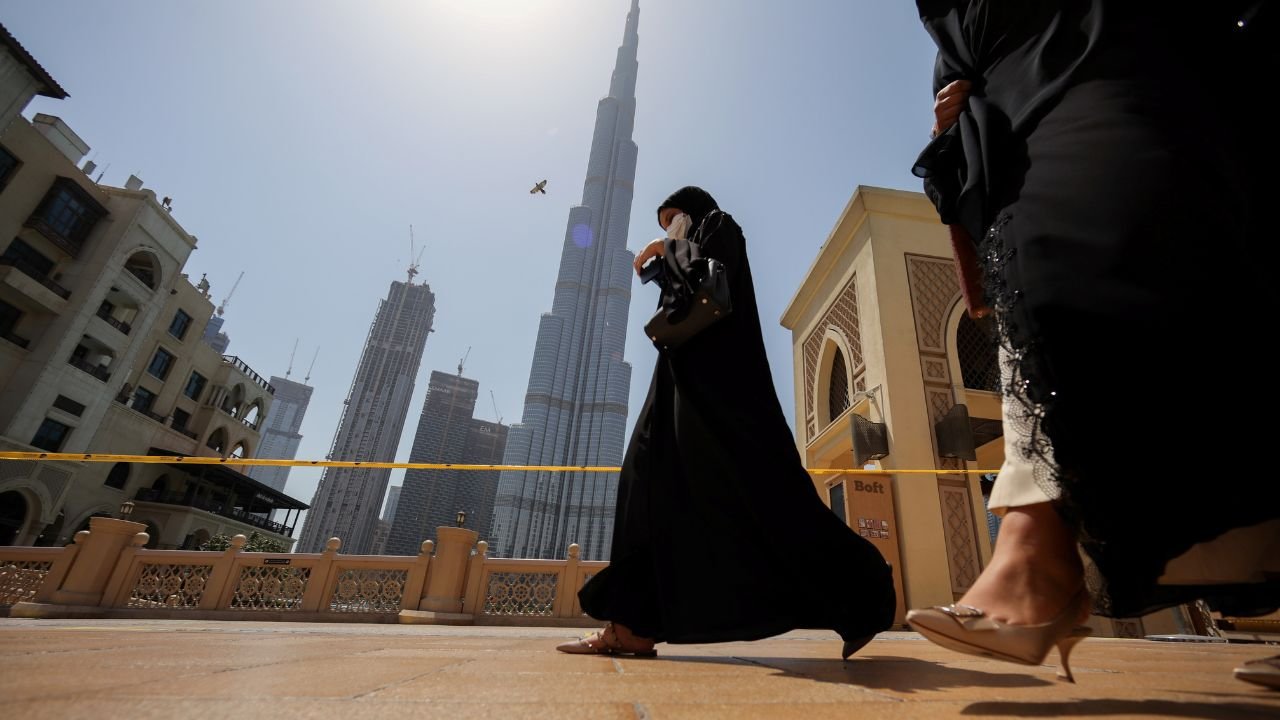
    The United Arab Emirates (UAE) will now legally permit abortion in cases of rape and incest for the first time.

    Under a cabinet resolution, abortions will be permissible in cases where pregnancy stems from rape or incest, contingent upon the incident being reported and validated by public prosecution, and if the fetus is under 120 days old.

    The new resolution states that abortion will be allowed “if the pregnancy is the result of intercourse with a female against her will, without her consent, or without adequate volition” or “if the person who caused the pregnancy is an ancestor of the woman or one of her mahram [ineligible for marriage] relatives”.

    The aims of the new legislation is to safeguard women’s health and well-being, legally tackling the handling of the aftermath of these incidents and allowing abortions to be conducted without endangering the woman’s life.

    Under current UAE law, abortions are only allowed when there is a risk to the mother’s life or serious abnormalities in the fetus.

    The new changes to the UAE’s abortion laws includes permitting emergency abortions without requiring spousal consent.

  • Israeli military spokesman admits Hamas can’t be destroyed, enraging Netanyahu

    Israeli military spokesman admits Hamas can’t be destroyed, enraging Netanyahu

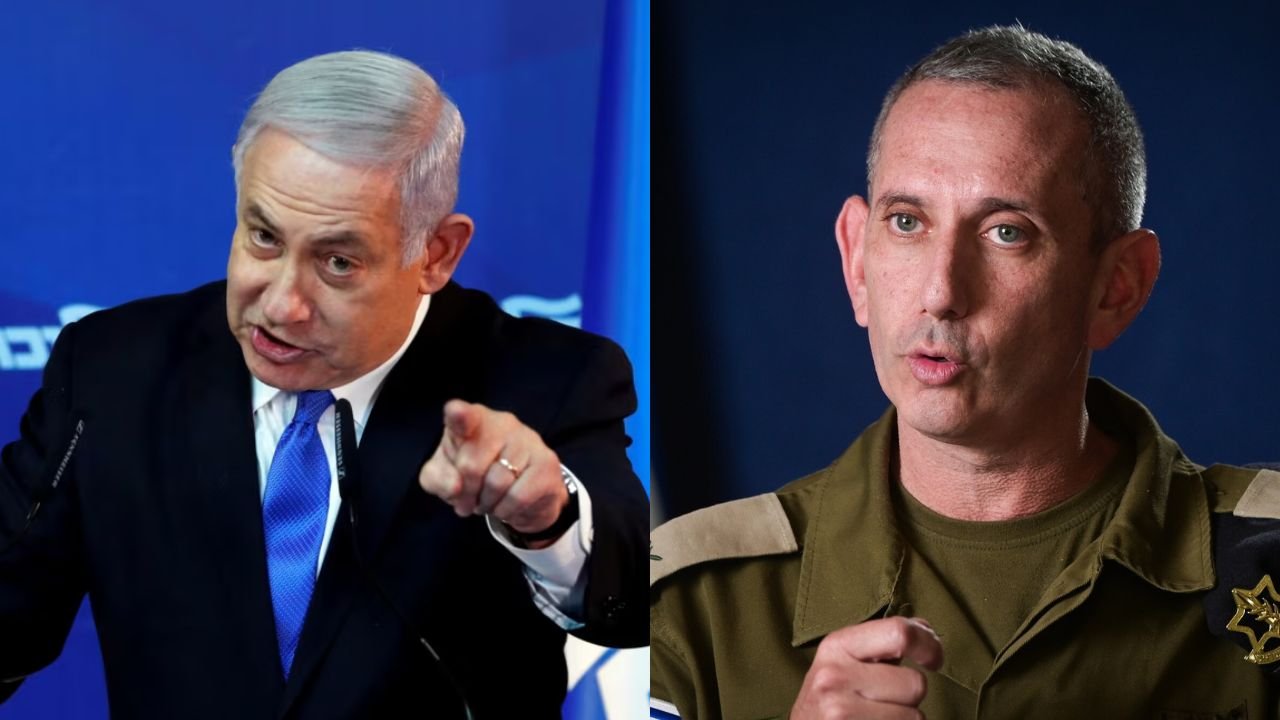
    Israeli military spokesman Rear Admiral Daniel Hagari has acknowledged that the Palestinian resistance organization Hamas is an ideology that cannot be defeated. The statement has exposed the rift between the country’s political and military leadership, as Israeli Prime Minister Benjamin Netanyahu has consistently claimed that only the destruction of Hamas can bring an end to the war on Gaza.

    In an interview with CBS News, the spokesman of the Israeli army, Rear Admiral Daniel Hagari, said that anyone who thinks that we will eliminate Hamas is mistaken. “Hamas is an idea, Hamas is a party. It’s rooted in the hearts of the people – whoever thinks we can eliminate Hamas is wrong,” Hagari was seen saying.

    The statement of Rear Admiral Daniel Hagari is being taken as proof of a conflict between the Israeli army and the government, an example of which is the replacement of the Israeli war cabinet with a reduced kitchen cabinet.

    However, Netanyahu’s office strongly denied the statement of the spokesman of the Israeli army and reiterated his determination to eliminate Hamas completely.

    Al Jazeera’s Hamdah Salhut reported that Netanyahu’s office was “fuming” at Hagari’s remarks.

    “This just gives you an idea of what Benjamin Netanyahu’s policies are in this war, and the army on the ground saying it is actually not realistic,” she stressed.

    On the other hand, the Israeli military said that the statement of Admiral Daniel Hagari is being taken out of context, and he has clearly declared the elimination of Hamas as the ideology of the Israeli army, which we are determined to achieve.

    Hagari’s comments, the statement said, “referred to the destruction of Hamas as an ideology and an idea, and this was said by him very clearly and explicitly,” the military statement added. “Any other claim is taking things out of context.”

    Israeli Prime Minister Benjamin Netanyahu has repeatedly said that it is impossible to end the war without eliminating Hamas, but even though the Zionist forces have martyred nearly 40,000 Palestinians in the ongoing genocide since October 7, they have failed to eliminate Hamas.

  • Modi leads yoga day event in Indian-occupied Kashmir

    Modi leads yoga day event in Indian-occupied Kashmir

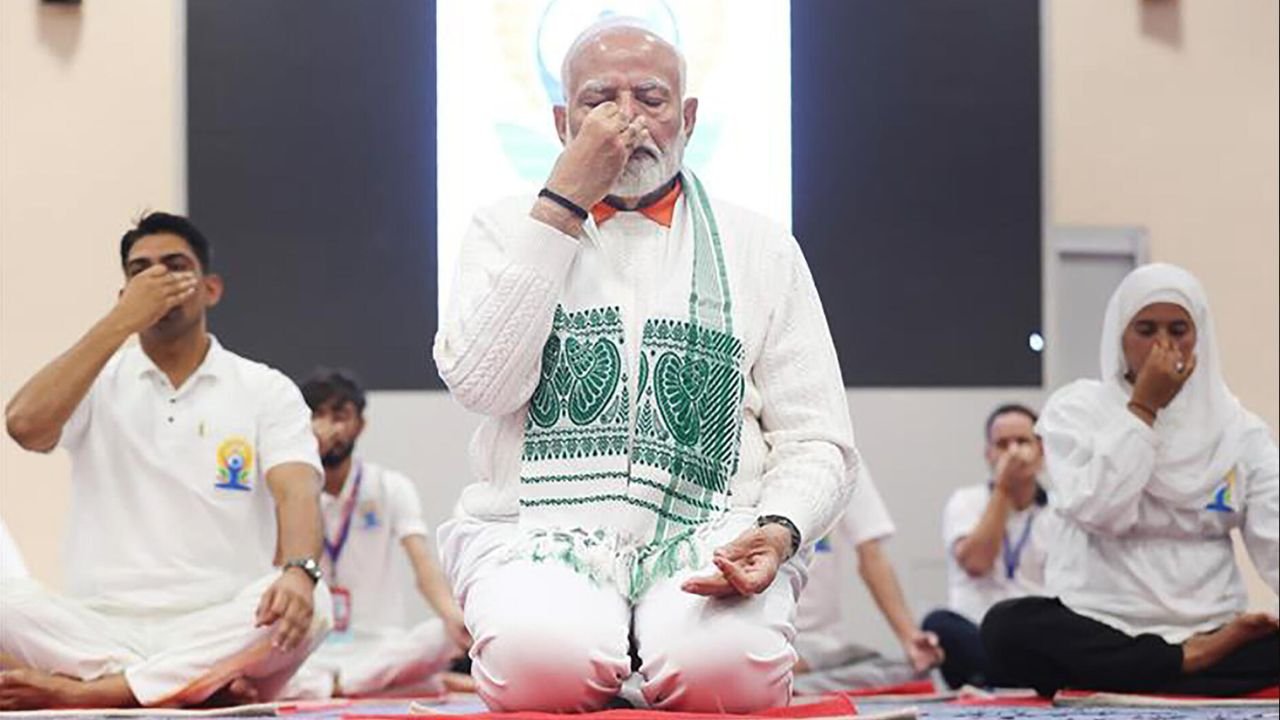
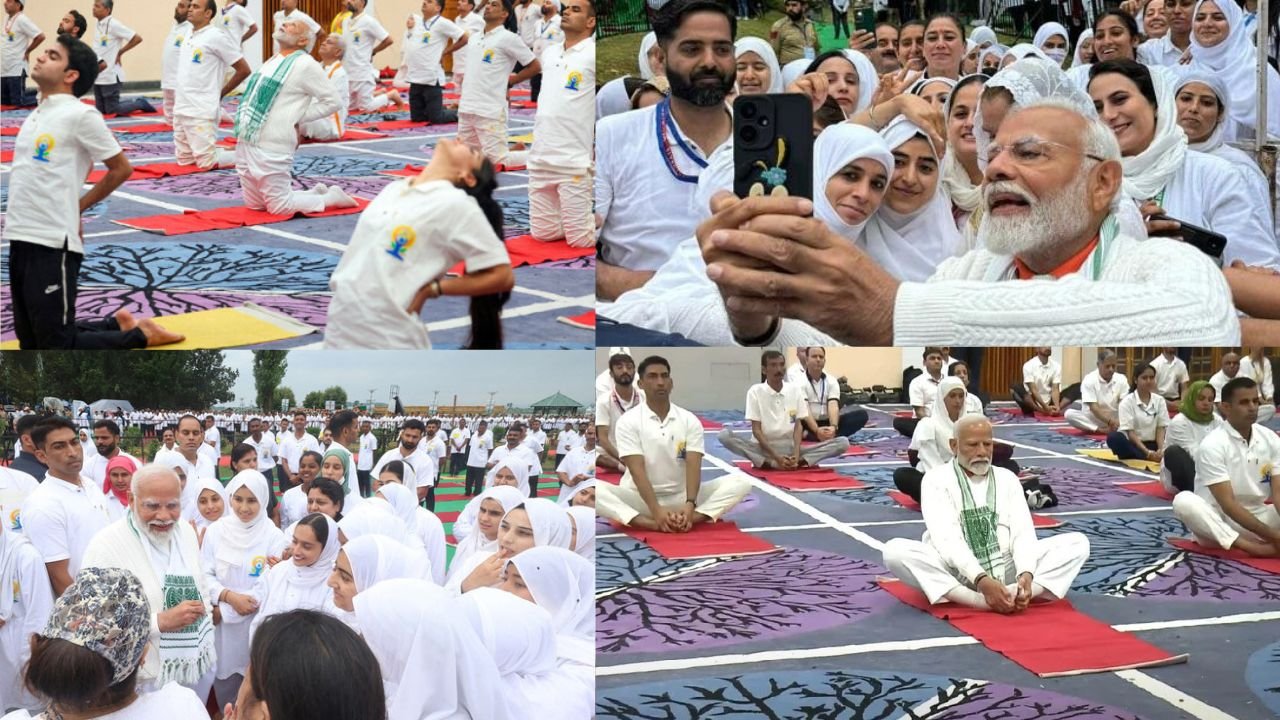
    Stretching, arching his back and kneeling on a mat, India’s Hindu nationalist Prime Minister Narendra Modi led hundreds of people performing yoga in India-held Kashmir on Friday.

    The exercises in Srinagar marked the 10th International Yoga Day, Modi’s own brainchild.

    But while yoga is not itself a religious practice, it has its origins in Hindu philosophy — the god Shiva is said to have been the first yogi — and many Kashmiris are indifferent to the discipline.

    Thousands of government employees, schoolteachers and students from all over the region were brought in for the event, although rain forced Modi’s performance indoors.

    Afterwards, he urged hundreds of people including many police and armed forces personnel on the shores of Dal Lake to make yoga “a part of their daily lives”.

    “Yoga fosters strength, good health and wellness,” he said.

    But one Srinagar resident saw the event as a cultural intrusion.

    “This yoga is being imposed on our children to culturally change the next generations and control their minds,” they told AFP, declining to be identified for fear of reprisal.

    “It’s an imposition on us.”

    Modi’s visit comes after a series of attacks, including one where nine people were killed and 33 injured when a bus carrying Hindu pilgrims plunged into a deep gorge after a suspected attack.

    June 21 was declared International Yoga Day a decade ago and Modi has since led events at emblematic locations across India, and last year at the UN headquarters in New York.

  • India has slightly more nuclear arms than Pakistan, SIPRI study reveals

    India has slightly more nuclear arms than Pakistan, SIPRI study reveals

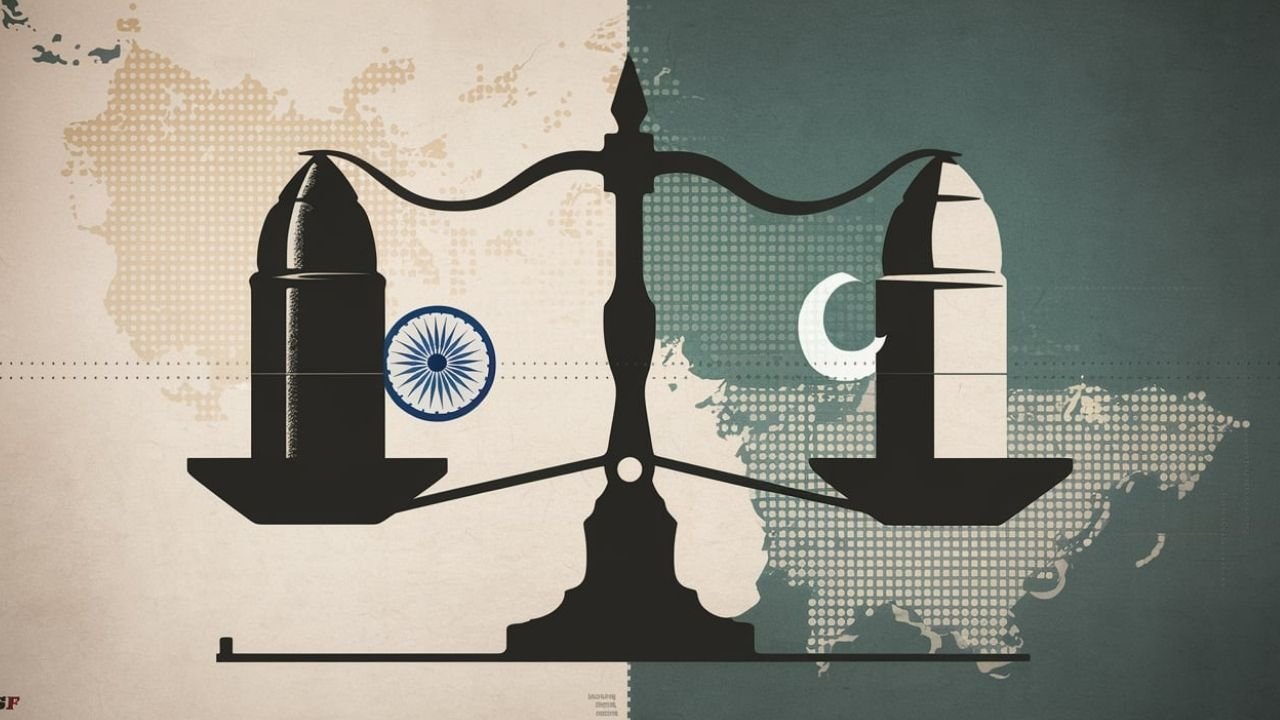
    A Stockholm Inter­national Peace Research Institute (SIPRI) reveals that India possesses more nuclear weapons than its arch-rival Pakistan.

    Since the nuclear tests in 1998 that officially declared both countries nuclear-armed nations, it has been reported for the first time that India has surpassed Pakistan in the number of nuclear warheads, though by a slim margin of two warheads.

    Traditionally, Western assessments, including those from SIPRI and the International Panel on Fissile Materials (IPFM), have shown Pakistan maintaining a slight lead over India in terms of nuclear arsenal size, generally by a margin of five to ten weapons. However, a recent report based on assessments for 2023 shows a marginal lead for India, reports Baqir Sajjad Syed from Dawn.

    Pakistani warheads


    As of January 2024, Pakistan, according to SIPRI estimates, maintained its nuclear arsenal at around 170 warheads, consistent with its previous year’s estimates. These warheads are distributed across Pakistan’s emerging nuclear triad, which includes aircraft, ground-launched ballistic and cruise missiles, and sea-launched cruise missiles.

    Indian warheads

    Indian nuclear arsenal as of January 2024, according to SIPRI, comprises approximately 172 nuclear weapons, showing a minor increase from the previous year.

    These weapons are part of India’s developing nuclear triad, which includes aircraft, land-based missiles, and nuclear-powered ballistic missile submarines (SSBNs).

    The International Campaign to Abolish Nuclear Weapons (ICAN) report estimated that India spent $2.7bn on nuclear programme in 2023, which equalled an expenditure of $5,057 per minute.

    Global Estimates of Nuclear Warheads

    The report revealed that all nine nuclear-armed countries, the US, Russia, the UK, France, China, India, Pakistan, North Korea and Israel, are modernising their arsenals and deploying new nuclear-capable weapon systems.

    Globally, the total number of nuclear warheads is estimated at 12,121, with 9,585 of these in military stockpiles ready for potential use. About 2,100 warheads are maintained in a state of high operational alert on ballistic missiles, primarily by Russia and the US, with China recently joining this high-alert grouping.

    Questions over transparency of report

    SIPRI’s assessment is primarily based on satellite imagery of uranium enrichment facilities and plutonium production plants. The specifics of the methodologies and metrics used by SIPRI and IPFM remain largely undisclosed, posing questions about the precision and transparency of these estimates.

  • French boys charged with rape of 12-year-old girl

    French boys charged with rape of 12-year-old girl

    French authorities said they have charged two teenagers with the gang rape of a 12-year-old Jewish girl in a Paris suburb in an attack suspected to have been motivated by anti-Semitism.

    The violence has sent shockwaves through the Jewish community and added to tensions in the run-up to a snap election that could bring the far-right National Rally to power for the first time.

    The girl told police she was approached by three boys aged between 12 and 13 while she was in a park near her home with a friend and dragged into a shed on Saturday evening in the northwestern suburb of Courbevoie.

    The suspects beat her and “forced her to have anal and vaginal penetration, fellatio, while uttering death threats and anti-Semitic remarks,” a police source told AFP.

    Her friend managed to identify two of the attackers.

    The three boys were arrested on Monday.

    On Tuesday evening, two of them both aged 13 were charged with gang rape, anti-Semitic insults and violence and issuing death threats. The pair were taken into custody.

    The third boy, 12, was also charged with anti-Semitic insults and violence and issuing death threats, but not with rape. He was allowed return home after being charged.

  • Islamophobic residents protest allotment of flat to Muslim woman in India

    Islamophobic residents protest allotment of flat to Muslim woman in India

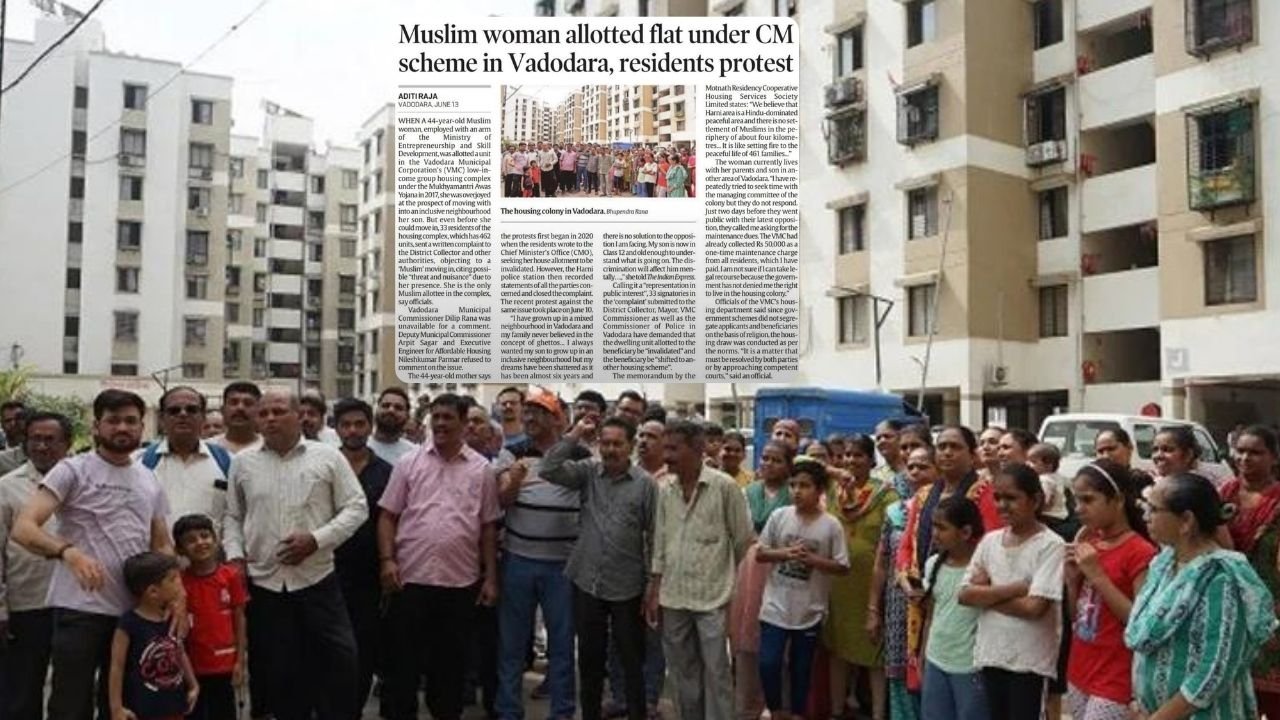
    Residents of a housing scheme built under the Gujarat government’s housing project have launched protests against the allotment of a flat to a Muslim woman in India, claiming that the locality is meant ‘only for Hindus’.

    The protestors told local media that if the allotment was not revoked, they would intensify their agitation and hold protests in other cities, including the capital, New Delhi.

    “Though I was given the house way back in 2018, there is no solution in sight. I currently live at another place with my son,” said the woman.

    The extremist Hindu protestors believe that houses cannot be allotted to members of minority communities because it is a locality of Hindu inhabitants and falls under the Disturbed Areas Act that puts a ban on the sale of property by members of one religious community to those from another community without the prior approval of the District Collector.

    “The protest by the residents have once again exposed the near-complete housing segregation in Gujarat where in a majority of places, Muslims don’t get any house for lease or for purchase,” highlighted the report by The Hindu.

  • Princess Catherine looks stunning in first public appearance since cancer diagnosis

    Princess Catherine looks stunning in first public appearance since cancer diagnosis

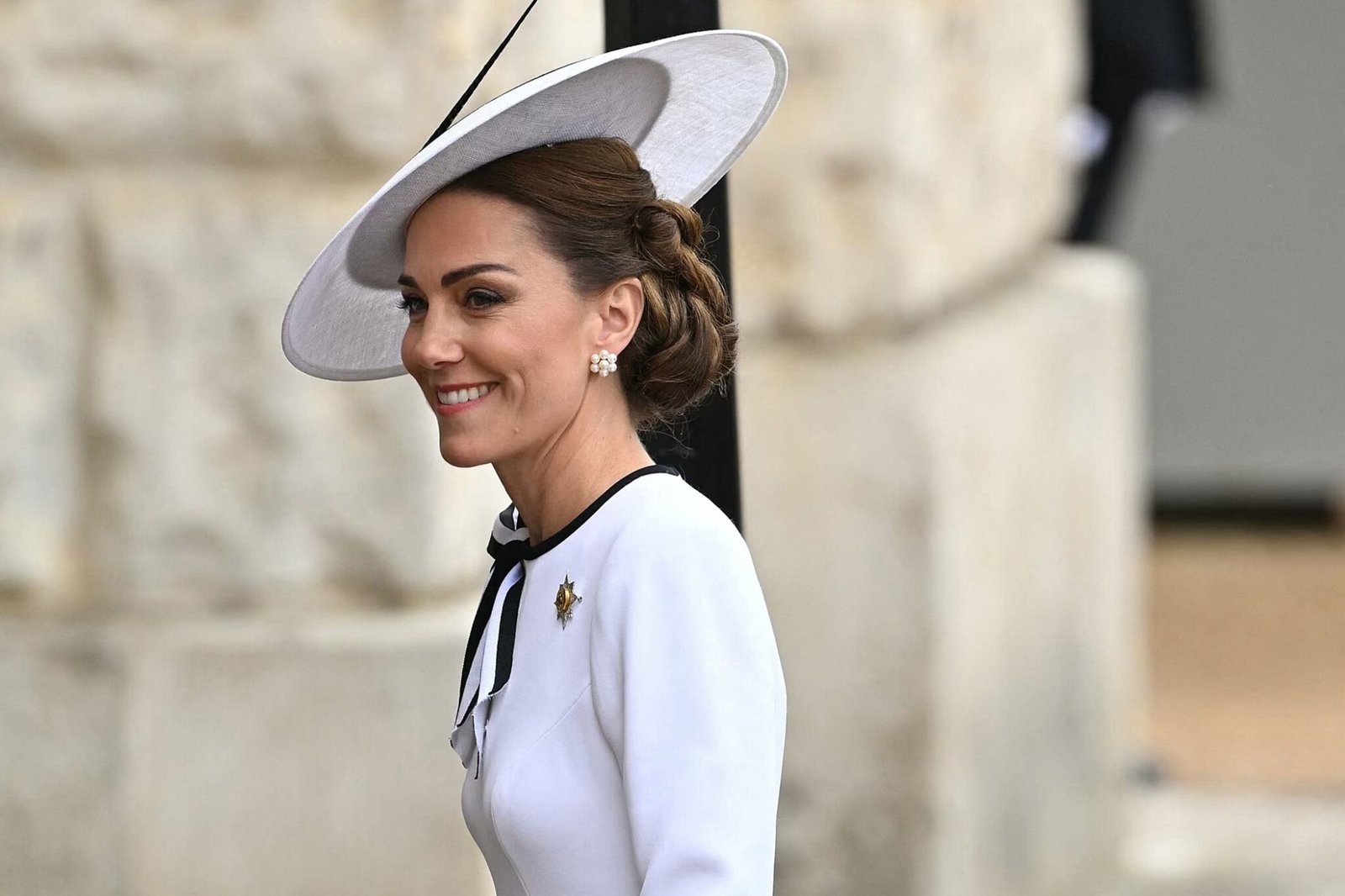
    Catherine, Princess of Wales, on Saturday made a tentative return to public life for the first time since being diagnosed with cancer, attending a military parade in central London to mark Britain’s King Charles III’s official birthday.

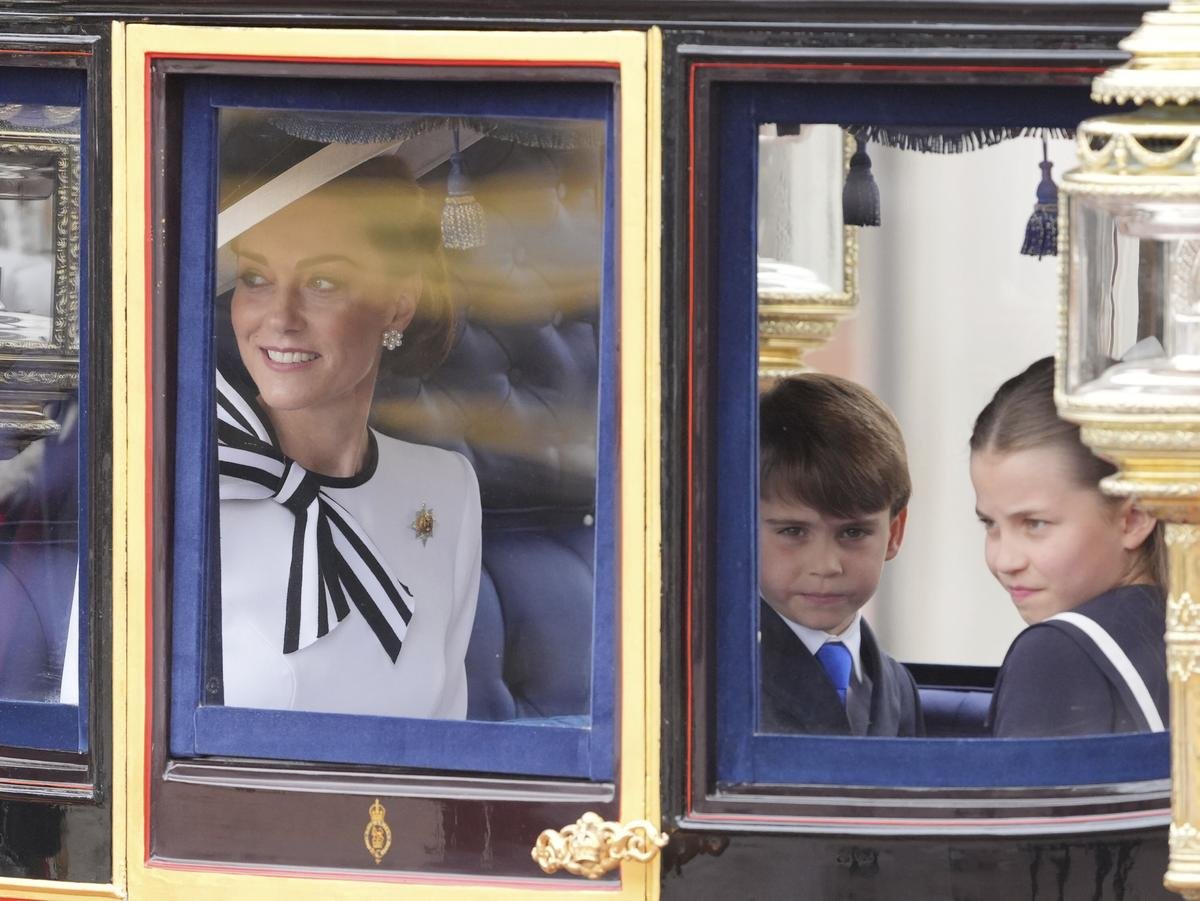
    Kate, as she is widely known, rode in a carriage alongside her three children at the outset of the annual celebration before disembarking to watch proceedings from a viewing point.

    It comes nearly three months after the future queen revealed she was receiving chemotherapy treatment. The 42-year-old princess had not been seen at a public engagement since a Christmas Day service last year.

    In a Friday evening statement Kate said she was “making good progress” with her treatment, which is set to last for several more months, but was “not out of the woods yet”.

    “I’m looking forward to attending the King’s Birthday Parade this weekend with my family and hope to join a few public engagements over the summer,” the princess said.

    Kate’s announcement that she had cancer came just weeks after it was disclosed that her father-in-law, King Charles III, had also been diagnosed with the condition.

    Neither has revealed what type of cancer they have.

    British head of state Charles, 75, was given the green light to resume public duties in April, after doctors said they were “very encouraged” by his progress.

    His first engagement was meeting staff and patients at a London cancer treatment centre.

    Earlier this month, he attended commemoration events in northern France for the 80th anniversary of D-Day.

    However, unlike previous years when he inspected troops on horseback at Trooping the Colour, Charles participated this year from a carriage, in full military regalia alongside Queen Camilla.

    His elder son and heir William, 41, rode on horseback, also in military uniform.

    Kate, wearing a white dress and hat, had been seen arriving by car at Buckingham Palace with William and their children ahead of the parade, which formally began at 11:00 am (1000 GMT).

    Spectators on The Mall leading to Buckingham Palace to witness the yearly ceremonial event welcomed Kate’s tentative return to public appearances.

    “I was so pleased to hear the news last night,” Angela Perry, a teacher in her 50s from Reading in central England, told AFP.

    “She’s our future queen. She’s so important,” she added, calling Kate’s reemergence “reassuring”.

    Royal officials will be keen to manage expectations about Kate’s gradual return to the public eye, and have maintained that her appearances will depend on her treatment and recovery.

    Kate explained in her statement that she had “good days and bad days” and was “taking each day as it comes”.

    After travelling with Prince George, aged 10, Princess Charlotte, nine, and six-year-old Prince Louis in a state carriage to watch the parade from a building, the family were set to return to Buckingham Palace for a balcony appearance.

    Trooping the Colour marks the British sovereign’s official birthday and is a minutely choreographed military tradition dating back more than two centuries.

    It starts at Buckingham Palace and moves down The Mall to Horse Guards Parade, where Charles will receive a royal salute before inspecting soldiers.

    Charles was actually born in November but the second birthday tradition dates back to King George II in 1748, who wanted to have a celebration in better weather as his own birthday was in October.

    The ceremony has its origins in the preparations for war, where all regimental flags — or colours — were shown to the soldiers so that they would recognise them in the confusion of battle.

    This year’s event will include three of five military horses that bolted through the streets of central London in April after being spooked by the noise of building construction.

    London’s Metropolitan Police said it would mount a “significant” security operation and had been liaising with anti-monarchy group Republic, which kicked off protests at the event.

    The force said it had banned “amplified sound” in and around the parade route on public safety grounds and to avoid disruption to the mounted regiments taking part.

    Republic’s activists, who huddled on a section of The Mall alongside royalists, held aloft placards bearing slogans including “not my king” and “down with the crown”.