Category: FOREIGN

Foreign Blogs is a network of global affairs blogs and a supplement to the Foreign Policy Association’s Great Decisions program.

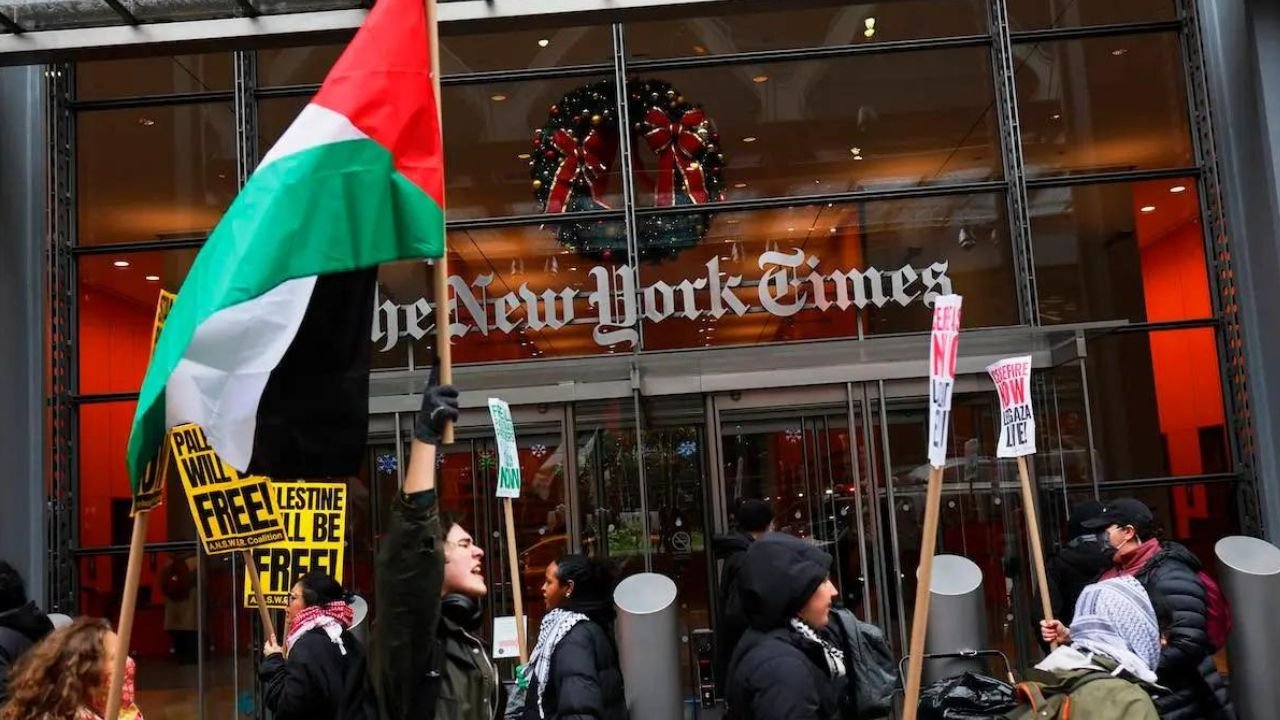
  • Pulitzer Prize awarded to The New York Times raises questions about journalism standards

    Pulitzer Prize awarded to The New York Times raises questions about journalism standards

    Winners of the Pulitzer Prizes, arguably the biggest prize in journalism, for 2023 were announced on Monday.

    While these awards have been conferred since decades now, people have now questioned the credibility of the standard by which winners are selected.

    Among the award receipts is The New York Times.

    It won for its “wide-ranging and revelatory coverage of Hamas’s lethal attack in southern Israel on Oct. 7,” as well as reporting on “the Israeli military’s sweeping, deadly response.”

    Critics of the award are saying that the past seven months has revealed the biased coverage of the platform, including the factually incorrect report claiming that Hamas members had raped Israelis on October 7 — an account which was later debunked.

    Reuters meanwhile won the award for breaking news photography for its “raw and urgent” coverage of the October 7 attack and Israeli response, while a special citation recognized “journalists and media workers covering the war in Gaza.”

    “This war has also claimed the lives of poets and writers,” the committee said. “As the Pulitzer Prizes honor categories of journalism, arts and letters, we mark the loss of invaluable records of the human experience.”

    Ironically, the award ceremony took place at Columbia University, amidst the backlash that resulted after the Uni called in police to clear out pro-Palestinian protesters. The police largely blocked media from the scene and allegedly threatened student journalists covering the events with arrest.

  • World sweltered as April smashed global heat records

    World sweltered as April smashed global heat records

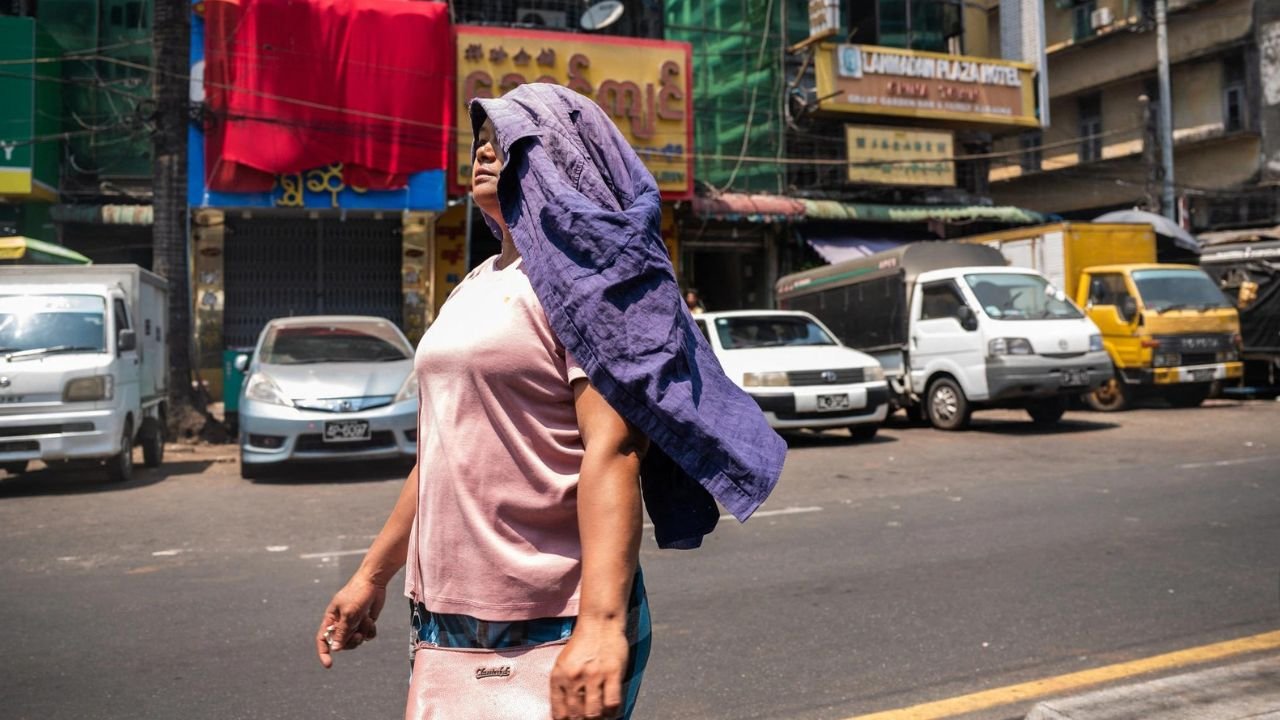
    April marked another “remarkable” month of record-breaking global air and sea surface temperature averages, according to a new report by the EU’s climate monitor published on Wednesday.

    The abnormally warm conditions came despite the continued weakening of the El Nino weather phenomenon that contributes to increased heat, said the EU’s Copernicus Climate Change Service, pointing to human-caused climate change for exacerbating the extremes.

    Record heat

    Since June last year, every month has been the warmest such period on record, according to Copernicus.

    April 2024 was no exception, clocking in at 1.58 degrees Celsius above the 1850-1900 pre-industrial average.

    “While unusual, a similar streak of monthly global temperature records happened previously in 2015/16,” Copernicus said.

    The average temperature over the last 12 months was also recorded at 1.6C above pre-industrial levels, surpassing the 1.5C target set by the 2015 Paris Agreement to limit global warming.

    The anomaly does not mean the Paris target has been missed, which is calculated over a period of decades.

    But it does signal “how remarkable the global temperature conditions we are currently experience are”, Copernicus climatologist Julien Nicolas told AFP.

    Last month was the second warmest April ever recorded in Europe, as was March and the entire winter period.

    Diverging extremes

    Swathes of Asia from India to Vietnam have been struck by scorching heat waves in recent weeks, while southern Brazil has suffered deadly flooding.

    “Each additional degree of global warming is accompanied by extreme weather events, which are both more intense and more likely,” Nicolas said.

    Diverging extremes in the form of floods and droughts peppered the planet in April.

    Much of Europe saw a wetter April than usual, although southern Spain, Italy and the western Balkans were drier than average, Copernicus reported.

    Heavy rain resulted in flooding over parts of North America, Central Asia and the Persian Gulf.

    While eastern Australia was hit with heavy rains, the bulk of the country experienced drier than normal conditions, as did northern Mexico and around the Caspian Sea.

    Warmer oceans

    The natural El Nino pattern, which warms the Pacific Ocean and leads to a rise in global temperatures, peaked earlier this year and was headed towards “neutral condition” in April, Copernicus said.

    Still, the average sea surface temperatures broke records in April for the 13th consecutive month.

    Warming oceans threaten marine life, contribute to more humidity in the atmosphere and puts at risk its crucial role in absorbing planet-heating greenhouse gas emissions.

    Climate forecasts suggest the second half of the year could even see a transition to La Nina, which lowers global temperatures, Nicolas said, “but conditions are still rather uncertain”.

    The end of El Nino does not mean an end to high temperatures.

    More records

    “The extra energy trapped into the ocean and the atmosphere by increasing concentrations of greenhouse gases will keep pushing the global temperature towards new records,” Copernicus director Carlo Buontempo said in a statement.

    The UN already in March warned that there was a “high probability” that 2024 would see record temperatures, while 2023 capped off a decade of record heat, pushing the planet “to the brink”.

    It was “still a little early” to predict whether new records would continue to be broken, Nicolas said, given that 2023 was exceptional.
  • Iraqi court suspends Kurdistan election preparations

    Iraqi court suspends Kurdistan election preparations

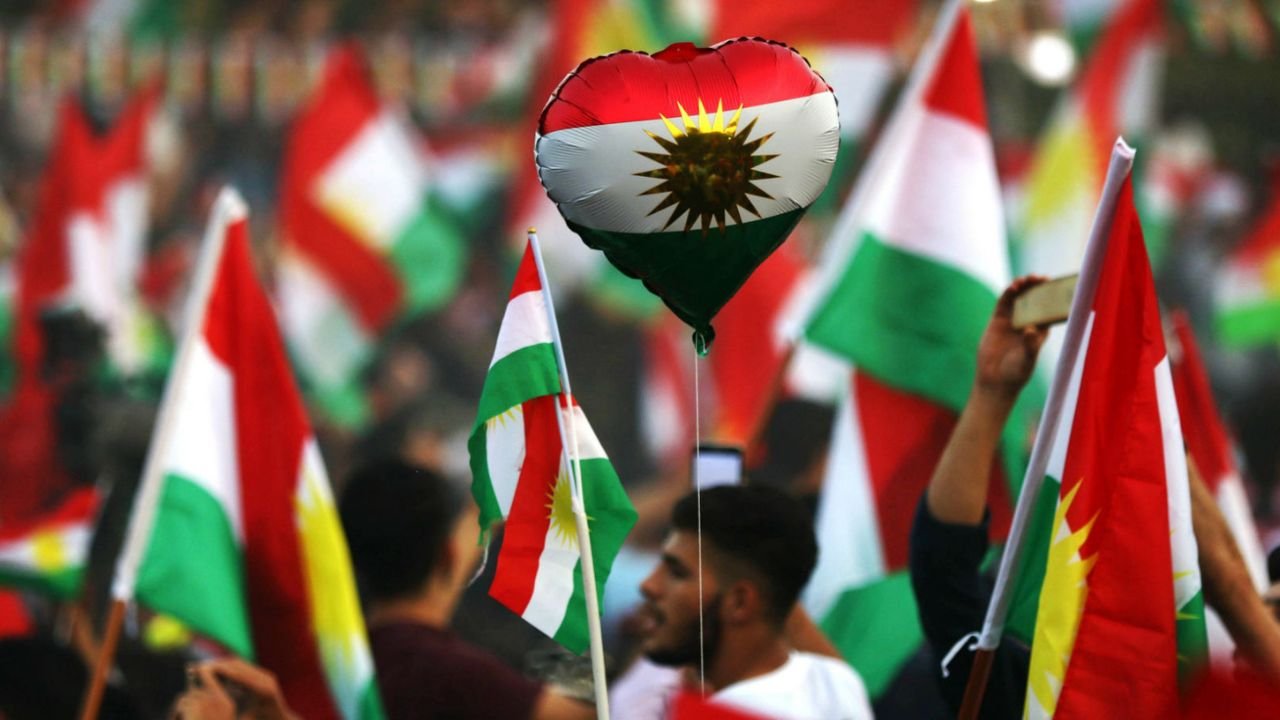
    Iraq’s highest court on Tuesday temporarily suspended preparations for June 10 parliamentary elections in the autonomous northern Kurdistan region, a source of tension between the two main Kurdish parties.

    The Federal Supreme Court suspended procedures related to “the registration of lists of candidates”, while it decides on another case linked to legislative elections in Kurdistan, a statement on the court’s website said.

    Kurdistan’s prime minister, Masrour Barzani, had filed an appeal to the supreme court arguing the “unconstitutionality” of the division of electoral constituencies planned for the vote.

    While awaiting a verdict, Barzani requested “a halt and suspension of the procedures of the electoral commission”.

    “The proceedings are suspended from today until the verdict,” an electoral commission source told AFP, speaking on condition of anonymity.

    The suspension comes amid a long-running conflict between the region’s two historic parties, the Kurdistan Democratic Party (KDP) and the Patriotic Union of Kurdistan (PUK).

    The court issued a ruling in February to reduce the number of seats in the Kurdish parliament from 111 to 100, effectively eliminating a quota reserved for Turkmen, Armenian and Christian minorities.

    In response, Barzani’s KDP said it would boycott legislative polls and did not register candidates.

    Since then the KDP pushed for postponement of the June 10 elections, which had initially been scheduled for October 2022, but were pushed back several times.

    The PUK has opposed any delay in holding the elections.

    Tuesday’s verdict comes as Kurdistan’s president, Nechirvan Barzani, is visiting Iranian leaders in Tehran, after meeting senior politicians in Baghdad.

    The KDP is the largest party in the outgoing parliament, with 45 seats against 21 for the PUK.

    The Kurdistan region has been autonomous since 1991, and presents itself as an oasis of stability favourable to foreign investment in Iraq.

    However, activists and opposition figures denounce what they say is corruption, repression of dissident voices and arbitrary arrests in the region.

  • Pro-Palestinian student protests spread in Switzerland

    Pro-Palestinian student protests spread in Switzerland

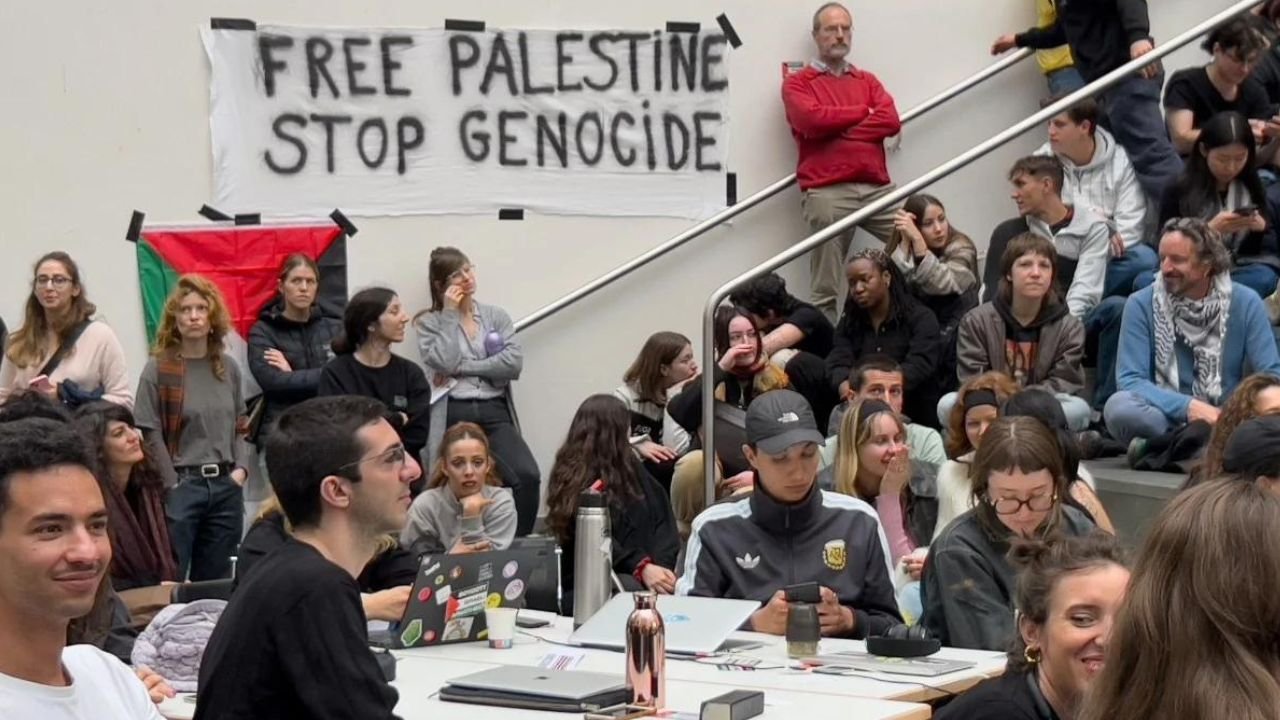
    Pro-Palestinian protests on Tuesday spread to three universities across Switzerland — inspired by similar student demonstrations that began in the United States.

    For weeks, students around the world have been calling for their universities to cut ties with Israeli institutions over the war in Gaza.

    Students at the University of Lausanne (UNIL) were the first to mobilise in Switzerland, with several hundred occupying a hall Thursday evening to demand an end to partnerships with Israeli universities.

    UNIL responded in a statement that it “considers that there is no reason to cease these relations”. Protesters and the rector will meet later Tuesday.

    On Tuesday, the movement spread to the prestigious EPFL university in Lausanne, where a group of students occupied the university’s hall, an AFP photographer observed.

    The students are demanding “an academic boycott” of Israeli institutions and “an end to censorship at EPFL”, and called on other universities to join in.

    Tens of students protested in the entrance hall of the ETH Zurich shortly before midday on Tuesday, shouting “Free Palestine” and rolling a poster onto the floor that said “no Tech for Genocide” before being removed by police, according to news agency Keystone-ATS.

    In Geneva, the Palestine Student Coordination – University of Geneva (CEP-UnigGe) took over a hall at the university with sofas, chairs and tables around midday, the Swiss agency reported.

    Numerous Palestinian flags and banners were hung on all floors of the building. An assembly is scheduled for Tuesday.

    In a letter to the university’s rector, the group called for “an immediate end to links between the University of Geneva and Israeli universities” and called on the rectorate to encourage the admission of Palestinian students.

    Students across Europe have launched pro-Palestinian protests on campuses in Ireland, France, The Netherlands, Belgium and Germany.

  • Al Jazeera to pursue legal action ‘until the end’ over Israel ban

    Al Jazeera to pursue legal action ‘until the end’ over Israel ban

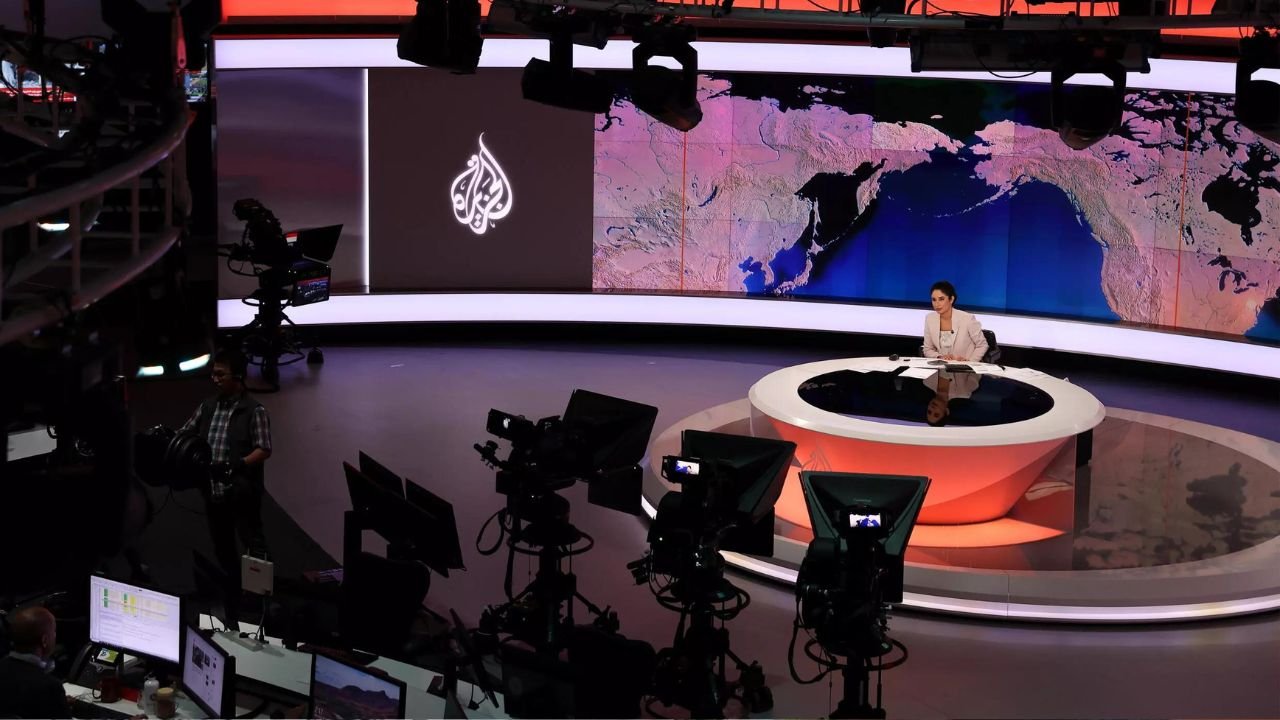
    Doha (AFP) – Al Jazeera will look to pursue all possible legal action “until the end” to challenge Israel’s ban on its operations there, the TV network’s news director told AFP in an interview.

    The Qatar-based station was taken off air in Israel after Prime Minister Benjamin Netanyahu’s government voted on Sunday to shut it down over its coverage of the Gaza war.

    Speaking on Monday, Al Jazeera English news director Salah Nagm said the network would “follow every legal path”, adding: “If there is a possibility of challenging that decision we are going to pursue it until the end.”

    Under a cabinet decision which Netanyahu said was “unanimous”, Al Jazeera’s Jerusalem offices were shuttered, its equipment confiscated and its team’s accreditations pulled.

    “The equipment which was confiscated, the loss that we suffered from stopping our broadcast, all of that is subject matter for legal action,” Nagm said.

    The Israeli government on Sunday said the order was initially valid for 45 days, with the possibility of an extension.

    Hours later, screens in Israel carrying Al Jazeera’s Arabic and English channels went blank, apart from a message in Hebrew saying they had “been suspended in Israel”.

    ‘An action from the 60s’

    The shutdown does not apply to the Israeli-occupied West Bank or Gaza Strip, from which Al Jazeera still broadcasts live on Israel’s war with Hamas.

    Al Jazeera immediately condemned Israel’s decision as “criminal”, saying on social media site X that it “violates the human right to access information”.

    But Najm downplayed the ban’s impact on Al Jazeera’s coverage of the war and on the public’s ability to access its content, even with its website now blocked in Israel.

    “It’s an action from the 60s rather than the 21st century to take such a decision of shutting down,” he said, explaining the channel could rely on other sources for information without “people on the ground”.

    “I know people that have VPN can see us online anytime,” the news director said referring to virtual private networks that establish protected internet connections and can allow users to access the internet as if they were in a different country.

    The decision came after Israel’s parliament last month voted to pass a new national security law granting senior ministers powers to ban broadcasts by foreign channels over threats to security.

    In his statement on Sunday, Netanyahu charged that “Al Jazeera correspondents have harmed the security of Israel and incited against IDF (Israeli military) soldiers”.

    ‘Arbitrary decision’

    But Nagm questioned which Al Jazeera broadcasts the Israeli government considered a security threat, calling the ban an “arbitrary decision”.

    Since the start of the Gaza war, Al Jazeera’s office in the Palestinian territory has been bombed and two of its correspondents killed.

    “Al Jazeera has lost a few people, their families have suffered so that’s really different from other conflicts in this sense,” Nagm said.

    Al Jazeera’s Gaza bureau chief Wael al-Dahdouh was wounded in an Israeli strike in December that killed the network’s cameraman.

    Dahdouh’s wife, two of their children and a grandson were killed in October in a bombardment of central Gaza’s Nuseirat refugee camp.

    And Dahdouh’s eldest son, an Al Jazeera staff journalist, was killed alongside another journalist in Rafah in January when an Israeli strike targeted the car they were travelling in.

    At least 97 journalists and media workers have been killed since the war began, among them Palestinians, Israelis and Lebanese, according to the Committee to Protect Journalists.

    “That’s not something that we can just report politely,” Nagm said.

    “We have to be wary and careful and alert the people of the nature of the war that’s going on and how deadly it is for the people and also for us as a profession.”

  • Putin takes oath for record fifth presidential term

    Putin takes oath for record fifth presidential term

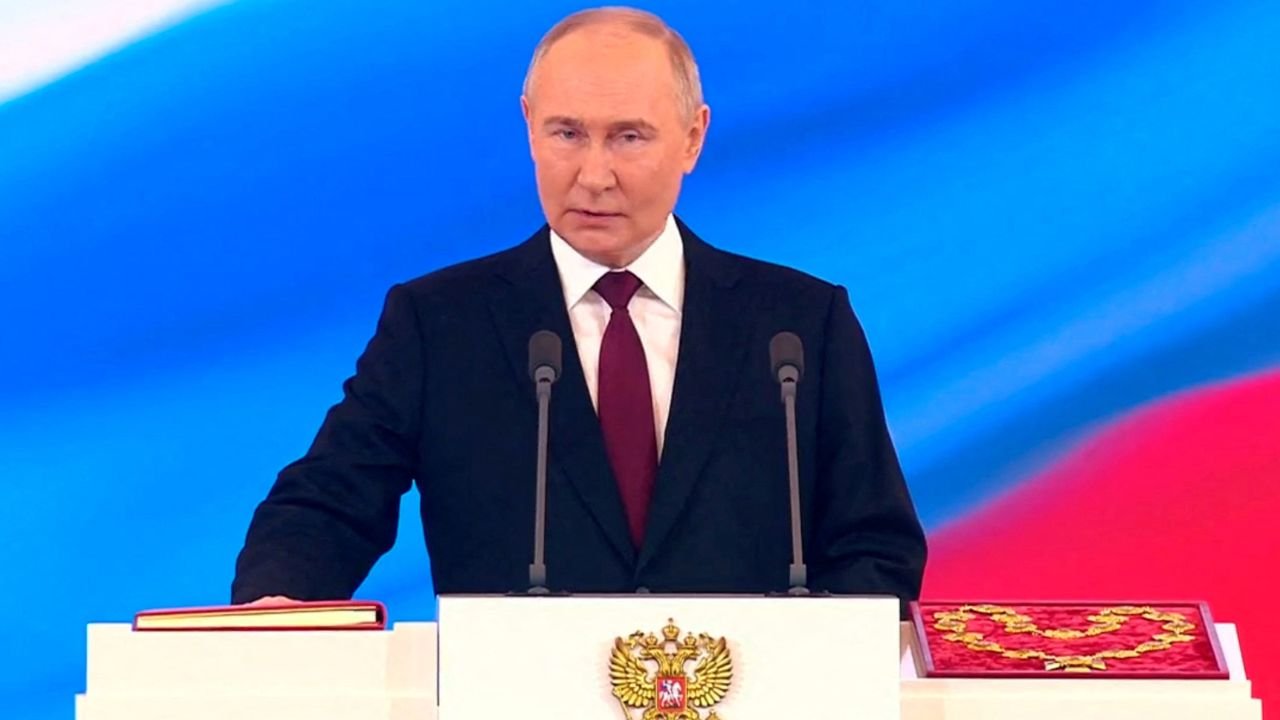
    Russian President Vladimir Putin was Tuesday sworn into office at a lavish Kremlin ceremony for a record-breaking fifth term with more power than ever before.

    The 71-year-old has ruled Russia since the turn of the century, securing a fresh six-year mandate in March after winning presidential elections devoid of all opposition.

    ‘Together we will win’: Putin tells Russians at inauguration

    Vladimir Putin said Tuesday that Russia would pass through the current “difficult” period stronger and emerge victorious, as he took power for a record fifth presidential term.

    “We will pass through this difficult period with dignity and become even stronger,” Putin said at his inauguration ceremony, adding: “We are a united and great nation, and together we will overcome all obstacles, realise everything we have planned, and together, we will win.”

  • Indian politician Prajwal Revanna accused of assaulting 400 women, escapes to Germany

    Indian politician Prajwal Revanna accused of assaulting 400 women, escapes to Germany

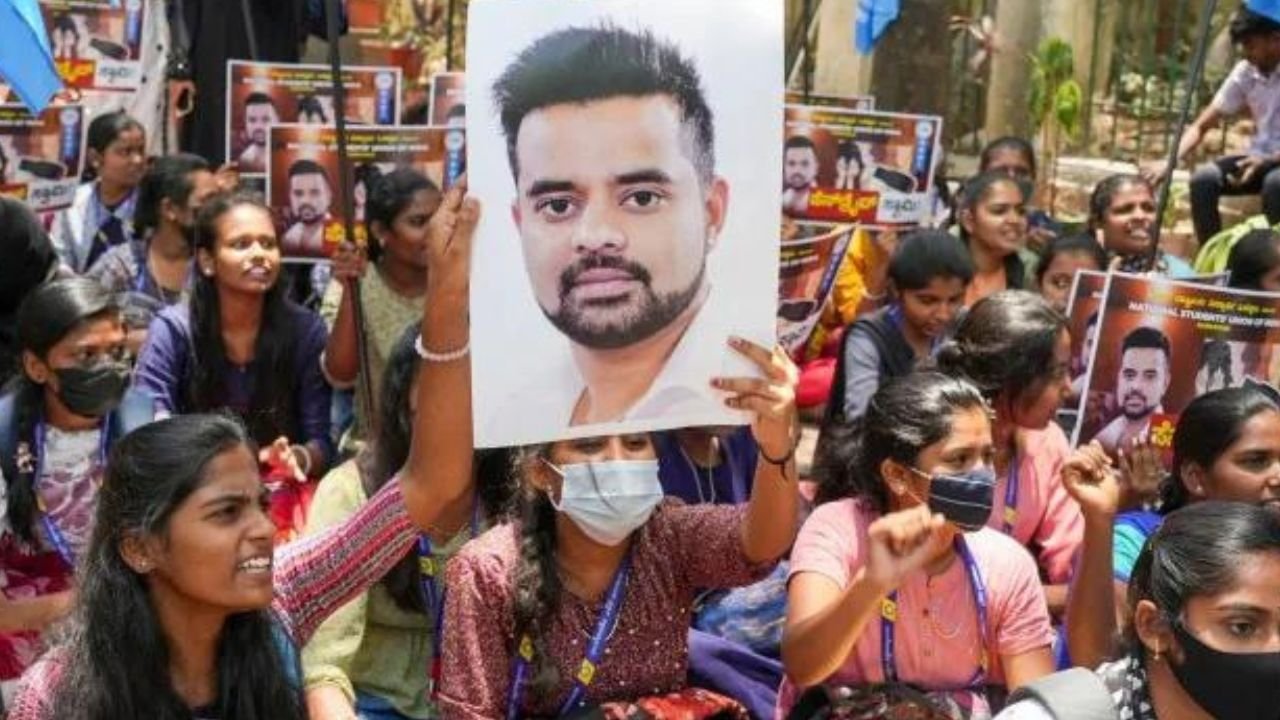
    An Indian politician, who sexually assaulted 400 women and made videos of them, has escaped to Germany. He’s accused of exploiting and making videos of women over many years.

    Parjwal Revana is a member of Indian Prime Minister Narendra Modi’s coalition party and the grandson of former Indian Prime Minister HD Devarajegowda, according to Indian media.

    According to media reports, Parjwal allegedly filmed 2,800 videos, of 400 women being raped, 2,000 USB sticks of rape videos were found in parks, buses and trains across the state of Karnataka and the rape videos were leaked by the former driver of Prajwal Revanna. These videos were used by the member of the parliament to blackmail women and gain sexual favours from them.

    While Prajwal has escaped, his father has been arrested on the charge of sexual violence against a maid. The girl who worked at Parjwal’s house complained to the police about the rape and she also accused Prajwal’s father of sexual assault.

    A former Bangalore councilor has also accused Prajwal of raping her several times.

    Indian politician and Congress leader Rahul Gandhi said that this is not a sex scandal but a serious case of mass rape.

    Modi has campaigned for Prajwal in the elections but in his statement has said, “It is a law and order issue. If such an incident took place in Bengal, then the Bengal government of would be responsible. If it happened in Gujarat, then the Gujarat government is responsible…if it happened in Karnataka, then the Karnataka government is responsible to take action.”

  • Iran sentences man to death for posts during 2022 protests

    Iran sentences man to death for posts during 2022 protests

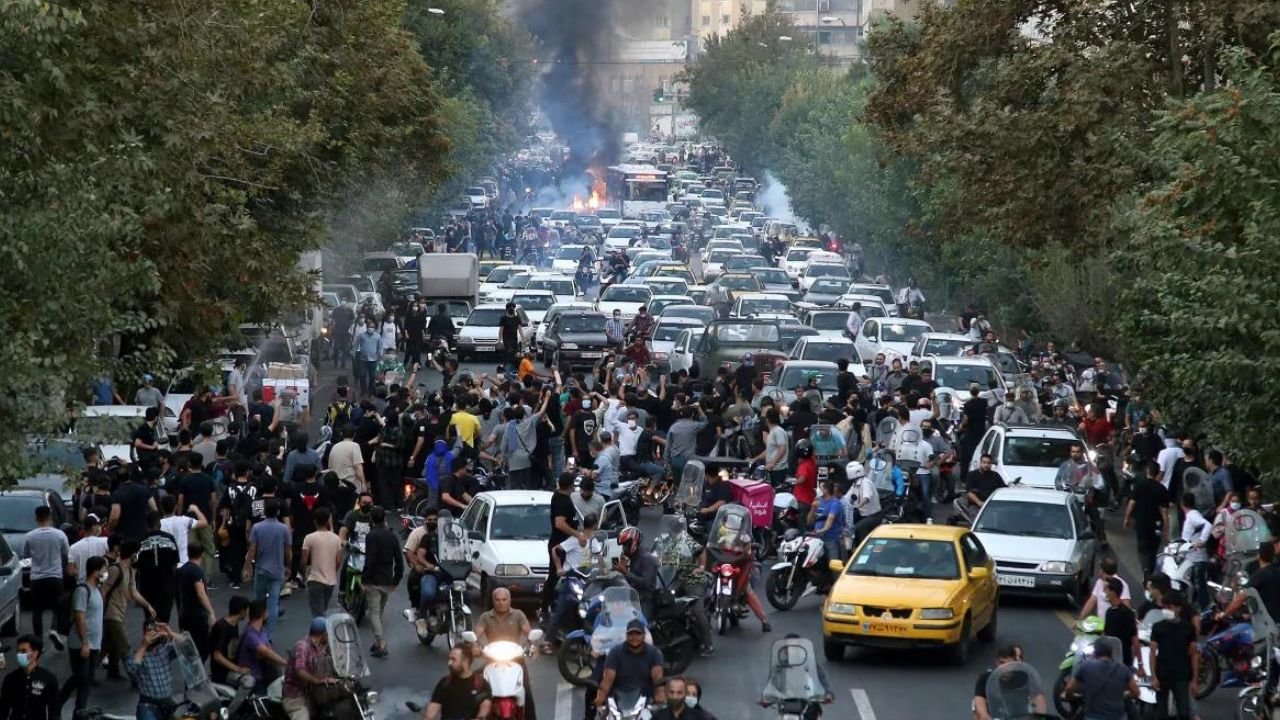
    An Iranian court has sentenced a man to death over content he posted online during 2022 protests over the death in custody of an Iranian-Kurdish woman, the judiciary said Tuesday.

    Iran was gripped by months-long protests over the death of Mahsa Amini, 22, after she was arrested for an alleged breach of the strict dress code for women.

    The judiciary’s Mizan Online website said Mahmoud Mehrabi was found guilty of posting content that included guidance on how “to use homemade weapons and called for the destruction of public property”.

    He was convicted of “inciting people to commit killings and insulting religious sanctities”, it added.

    Lawyer Babak Farsani said Mehrabi was found guilty of the capital offence of “corruption on earth”. He can appeal against the sentence before the Supreme Court.

    The months-long protests sparked by Amini’s death saw hundreds of people killed in street clashes, including dozens of security personnel.

    Thousands were arrested as authorities moved to quell what they branded foreign-instigated “riots”.

    Last month, an Iranian court sentenced popular rapper Toomaj Salehi to death for supporting the demonstrations.

    Nine men have been executed in protest-related cases involving killings and other violence against security forces.

    Amnesty International says Iran executed 853 people in 2023, the highest total since 2015.

  • India election chiefs warn political parties against AI deepfakes

    India election chiefs warn political parties against AI deepfakes

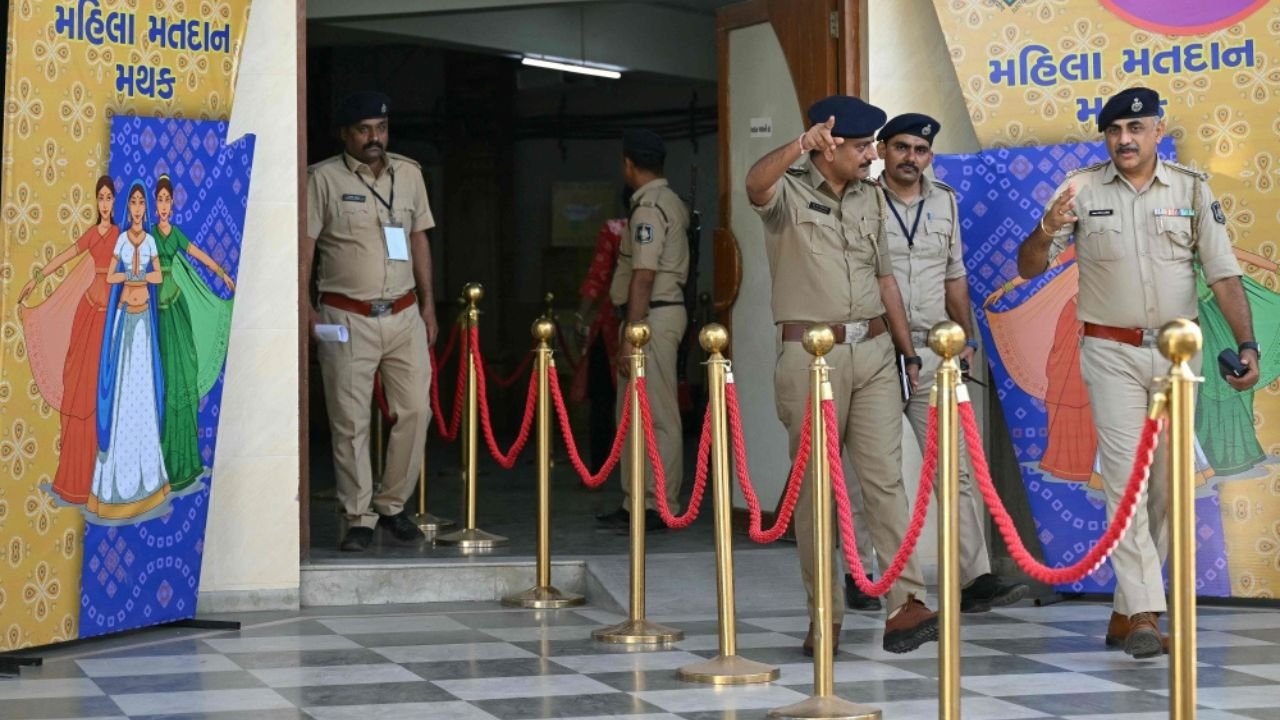
    India’s election authorities on Monday warned political parties against using artificial intelligence to create deepfake videos and spread misinformation during the country’s ongoing general election.

    Millions of voters will head to polling stations on Tuesday in the third of seven voting phases in the world’s most populous country.

    A rash of deepfake and doctored videos and misinformation have circulated on social media in recent weeks.

    The Election Commission of India (ECI) warned against “misuse of AI-based tools to create deepfakes that distort information or propagate misinformation”.

    Political parties “have been specifically directed to refrain from publishing and circulating deep fake audios/videos, disseminate any misinformation or information which is patently false, untrue or misleading in nature”, the ECI said in a statement.

    It did not mention any organisation by name, but said parties would be ordered to remove any fake content within three hours of being notified of such.

    The warning came days after the arrest of the social media chief of the country’s main opposition party over accusations he doctored a video that was widely shared.

    The Congress party’s Arun Reddy was detained on Friday in connection with edited footage that falsely shows India’s powerful interior minister Amit Shah vowing in a campaign speech to end affirmative action policies for millions of poor and low-caste Indians.

    Shah’s original campaign speech shows him promising to end affirmative action measures for Muslims established in the southern state of Telangana.

    Prime Minister Narendra Modi, his ruling Bharatiya Janata Party and the opposition Congress party have accused each other of spreading misinformation and outright falsehoods since voting began last month.

    In recent weeks, both Modi and Shah have stepped up campaign rhetoric over India’s principal religious divide between majority Hindus and the 200 million-strong Muslim minority in an effort to rally voters.

    At a recent campaign rally Modi referred to Muslims as “infiltrators” and “those who have more children”, prompting condemnation and an official complaint to election authorities by Congress.

    The prime minister has not been sanctioned for his remarks despite election rules prohibiting campaigning on “communal feelings” such as religion, prompting frustration from the opposition camp.

    In its statement Monday the Commission also asked political parties to refrain from “posting derogatory content towards women”, using children in their campaigns, or depicting harm to animals.

  • Israeli military strikes Rafah while continuing talks with mediators

    Israeli military strikes Rafah while continuing talks with mediators

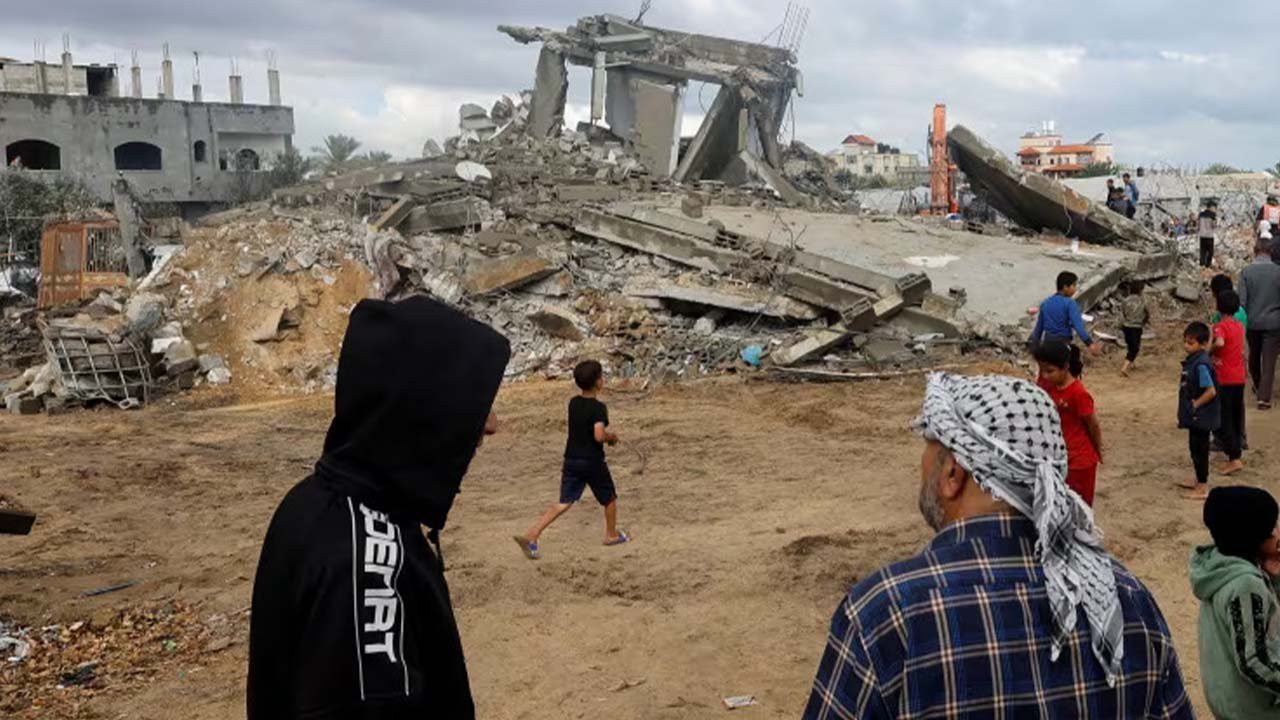
    The Israeli military said that it is conducting targeted strikes against positions held by the Islamist group Hamas in the eastern part of Rafah, a southern city in Gaza.

    The operation is part of ongoing efforts to pressure Hamas into releasing Israeli hostages and achieving other strategic goals, reports Ari Rabinovitch.

    Israeli Prime Minister Benjamin Netanyahu stated that his war cabinet has approved the continuation of the operation in Rafah. The aim is to increase pressure on Hamas to ensure the release of Israeli hostages while pursuing other military objectives.

    “The war cabinet unanimously decided that Israel continue the operation in Rafah to exert military pressure on Hamas in order to advance the release of our hostages and the other goals of the war,” Netanyahu’s office said in a statement.

    The statement also indicated that despite the ongoing strikes, Israel would engage with mediators in an attempt to reach an agreement with Hamas, noting that the current Hamas proposal does not meet Israel’s necessary demands.

    “In parallel, even though the Hamas proposal is far from Israel’s necessary demands, Israel will send a working delegation to the mediators in order to exhaust the possibility of reaching an agreement under conditions acceptable to Israel,” the statement read.

    Meanwhile, the White House announced that it is reviewing Hamas’s response to a ceasefire and hostage release deal and is urging Israel to avoid launching a large-scale offensive in Rafah.

    White House spokesperson John Kirby noted that U.S. President Joe Biden spoke with Netanyahu for about 30 minutes regarding the ongoing operation in Rafah and the hostage situation before Hamas’s response was received.

    Kirby described the discussion as constructive, stating, “It wasn’t a pressure call; it wasn’t about twisting his arm towards a certain set of parameters.”

    However, he also said that the United States does “not support ground operations in Rafah” unless Israel can demonstrate a clear plan to protect hundreds of thousands of Palestinian civilians living in the area.

    CIA Director William Burns is also in the region, discussing the Hamas response with Israeli officials.

    Kirby highlighted the urgency of the situation, stating, “We are at a critical stage right now,” and reiterated that the U.S. is urging restraint to avoid further civilian casualties.