Category: FOREIGN

Foreign Blogs is a network of global affairs blogs and a supplement to the Foreign Policy Association’s Great Decisions program.

  • Nelson Mandela’s grandson banned from entering Britain for Gaza protests

    Nelson Mandela’s grandson banned from entering Britain for Gaza protests

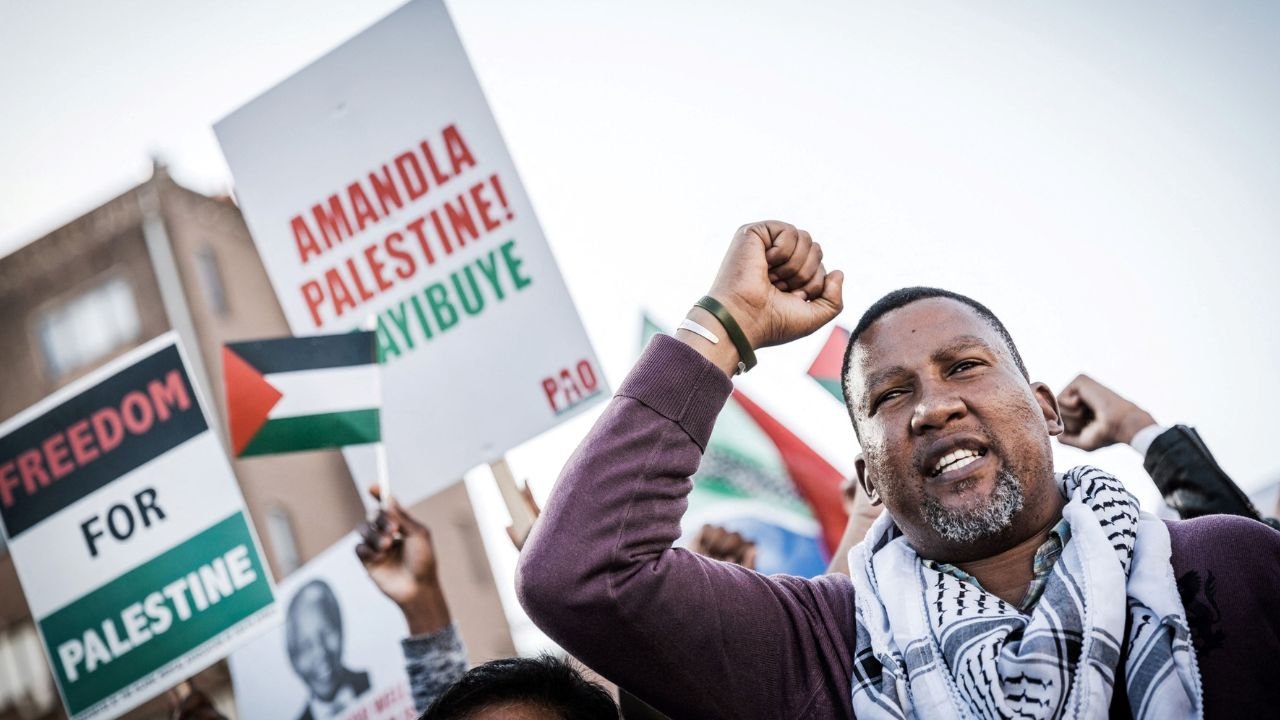
    South African revolutionary leader Nelson Mandela’s grandson Zwelivelile Mandla Mandela, who is vocal about the Palestinian cause, was not given a UK visa in time for his flight, sparking suspicions that his entry was banned before he could deliver a series of talks he was invited for.

    Yvonne Ridley for Middle East Monitor reports that “the government has cited spurious grounds for the visa ban.” She blamed it on the pro-Israel lobby’s funding influencing more than half of Prime Minister Keir Starmer’s cabinet.

    Mandla has always freely travelled around the world using the diplomatic passport issued to him as an elected member of the South African government. He was scheduled to visit the UK for a nine-part series of talks during Black History Month. British Foreign Office officials questioned the validity of his diplomatic visa and hence denied him entry to the country.

    Mandla’s Dublin tour is expected to take place as expected.

    “It seems that there are those who are intent on preventing me from being physically with you [in Britain],” he said while adding that “the struggle against apartheid and against colonisation cannot be stopped or silenced.”

    Sheffield Palestine Coalition against Israeli Apartheid condemned the decision by the foreign office, stating that Mandela’s grandson has been “prevented from travelling to the UK”.

  • India mourns death of billionaire Ratan Tata

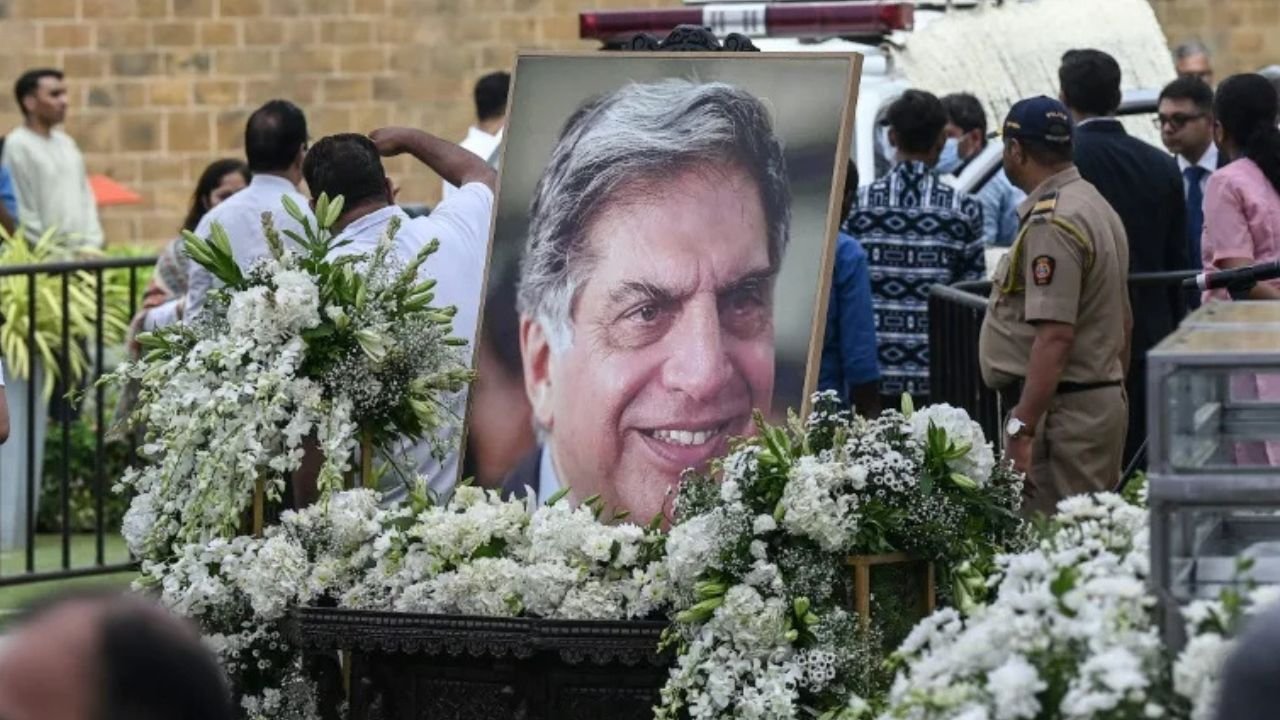
    India mourns death of billionaire Ratan Tata

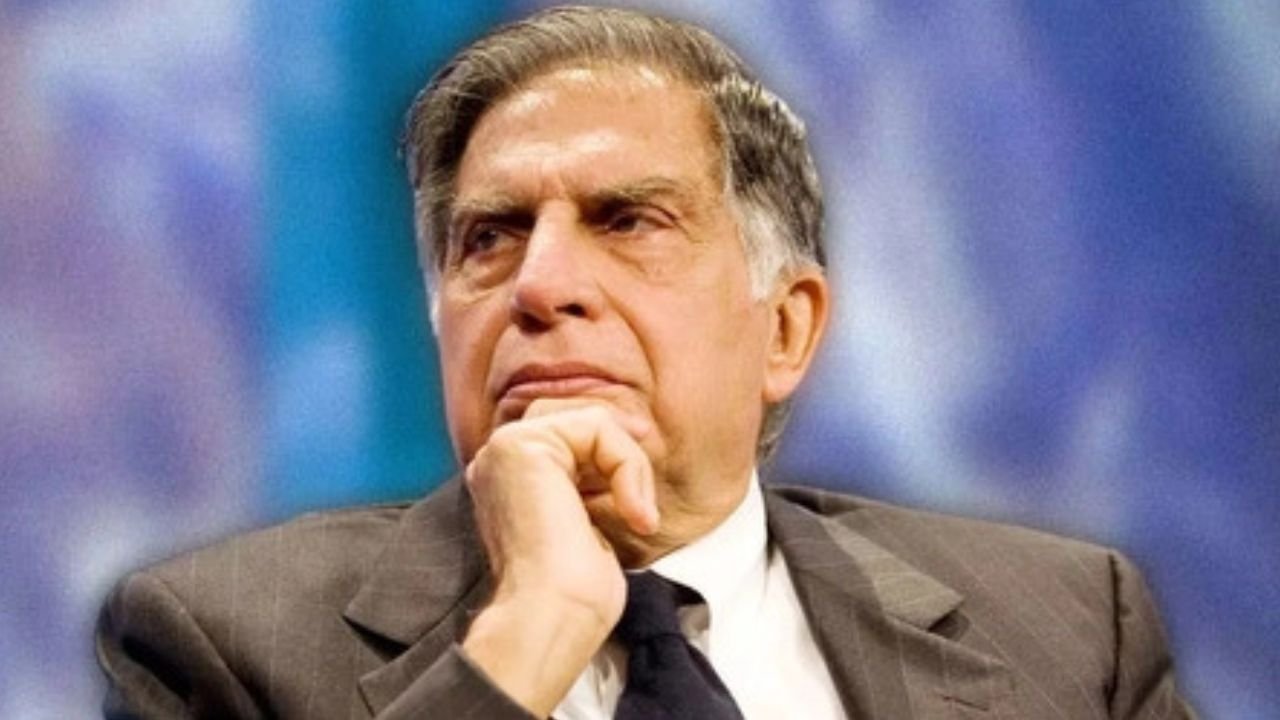
    Crowds of mourners gathered in India’s financial capital, Mumbai, on Thursday for the funeral of industrialist Ratan Tata, hailed as a “titan” who led one of the country’s biggest conglomerates.

    Tata, who died at the age of 86 on Wednesday, transformed the Tata Group into a sprawling international enterprise with a portfolio ranging from software to sports cars.

    His coffin, draped in an Indian flag, was flanked by a guard of honour, with a marching band of trumpets and drums accompanying the procession.

    Mumbai has declared a day of mourning, with the funeral rites to take place on Thursday afternoon.

    “A titan of Indian industry”, The Hindu newspaper called him on its front page. “India loses its crown jewel”, the Hindustan Times wrote.

    Tributes also poured in from fellow industrialists, with Asia’s richest man, Mukesh Ambani, saying it was a “big loss, not just to the Tata group, but to every Indian”.

    Who was Ratan Tata?

    Tata was born in Mumbai in 1937 into a family of Parsis — a proud but dwindling community which played an outsized role in the city’s business affairs under British rule.

    He had intended to chart his own course in life as an architect after graduating from Cornell University in New York.

    But an appeal from his grandmother saw him return to India in 1962 and join the sprawling family business, beginning work as a factory floor labourer and sleeping in a hostel for trainees.

    He took over the family empire in 1991, riding the wave of the radical free-market reforms India had just unleashed that year.

    Tata’s 21 years at its helm saw the salt-to-steel conglomerate expand its global footprint.

    His 2008 decision to purchase Britain’s loss-making Jaguar and Land Rover carmakers for $2.3 billion burnished his reputation when Tata Group was able to restructure both brands and return them to profit the following year.

    The Tata Group said his philanthropy work “touched the lives of millions.”

    “From education to healthcare, his initiatives have left a deep-rooted mark that will benefit generations to come,” the company added.

    Indian Prime Minister Narendra Modi called Tata “a visionary business leader, a compassionate soul and an extraordinary human being.”

    Modi praised Tata for providing “stable leadership to one of India’s oldest and most prestigious business houses”.

    People from all walks of life appreciate him for his service towards the country.

    In one of his last social media post he addressed the concerns regarding health that was posted two days ago.

  • Turkish Airlines pilot dies mid-flight, forcing emergency landing

    Turkish Airlines pilot dies mid-flight, forcing emergency landing

    A Turkish Airlines pilot died after collapsing mid-flight, forcing the Turkish national carrier to make an emergency landing in New York, the airline said on Wednesday.

    The plane had taken off from the western US coastal city of Seattle on Tuesday evening, airline spokesman Yahya Ustun wrote on X, formerly Twitter.

    “The pilot of our Airbus 350… flight TK204 from Seattle to Istanbul collapsed during the flight,” he wrote.

    “After an unsuccessful attempt to give first aid, the flight crew of another pilot and a co-pilot decided to make an emergency landing, but he died before landing.”

    The 59-year-old pilot, who had worked for Turkish Airlines since 2007, had passed a medical examination in March, which gave no indication of any health problems, Ustun wrote.

  • Emirates bans pagers, walkie-talkies onboard after Lebanon blasts

    Emirates bans pagers, walkie-talkies onboard after Lebanon blasts

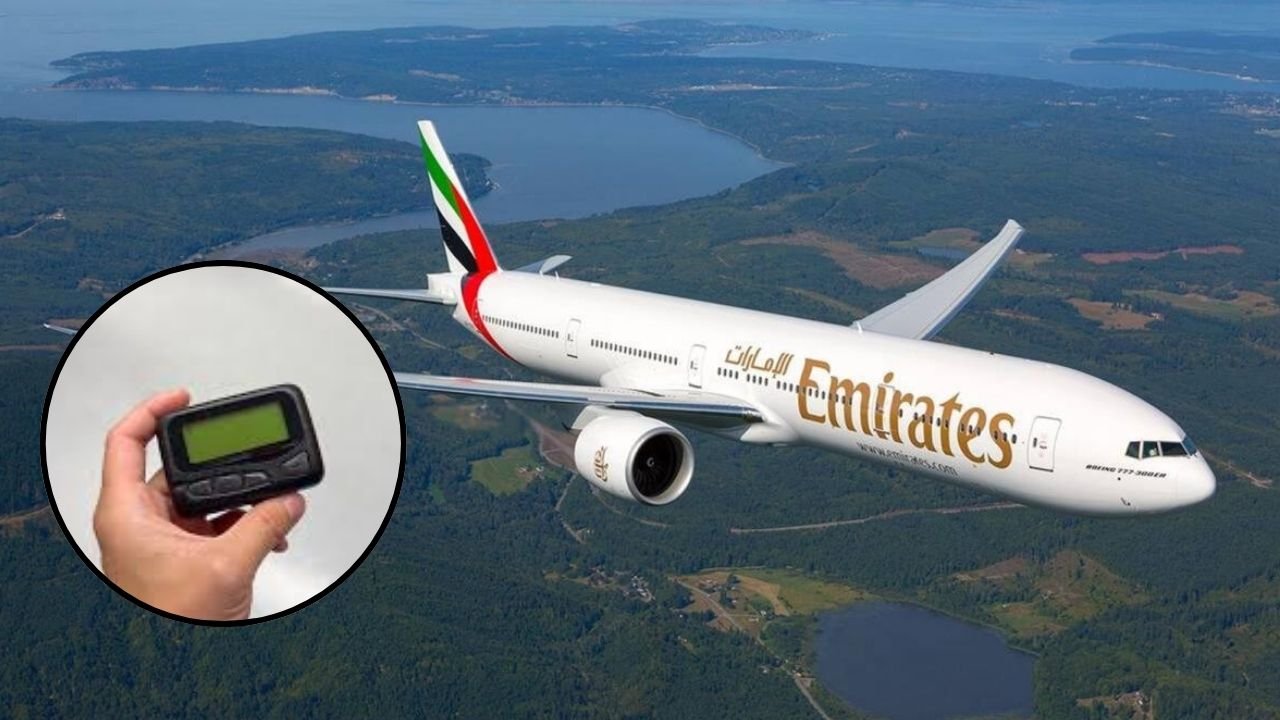
    Dubai-based airline Emirates has banned pagers and walkie-talkies onboard its planes following sabotage attacks in Lebanon and extended flight cancellations for Middle East destinations due to regional escalation.

    “All Passengers travelling on flights to, from or via Dubai are prohibited from transporting pagers and walkie-talkies in checked or cabin baggage,” the carrier said, weeks after a wave of exploding communication devices used by the Iran-backed Hezbollah group, which blamed Israel for the attacks.

    In a statement posted on its website on Friday, Emirates said that “such items found in passengers’ hand luggage or checked baggage will be confiscated by Dubai Police.”

    The blasts last month killed at least 37 people and wounded nearly 3,000 across Lebanon.

    Emirates, the Middle East’s biggest airline, also announced that its Iraq and Iran routes will remain suspended until Tuesday.

    The cancellations were first announced in the wake of a major Iranian attack on Israel this week that saw missiles flying over Iraq and Iran.

    Emirates said its flights to Jordan, which were also suspended, would resume on Sunday.

    Flights to and from Lebanon will remain suspended until October 15, Emirates said, as Israel steps up attacks on the country, including parts of the capital near its only airport.

    Several other carriers have also put some services to and from Beirut and other Middle East airports on hold.

  • Israel issues first Gaza evacuation warning in weeks

    Israel issues first Gaza evacuation warning in weeks

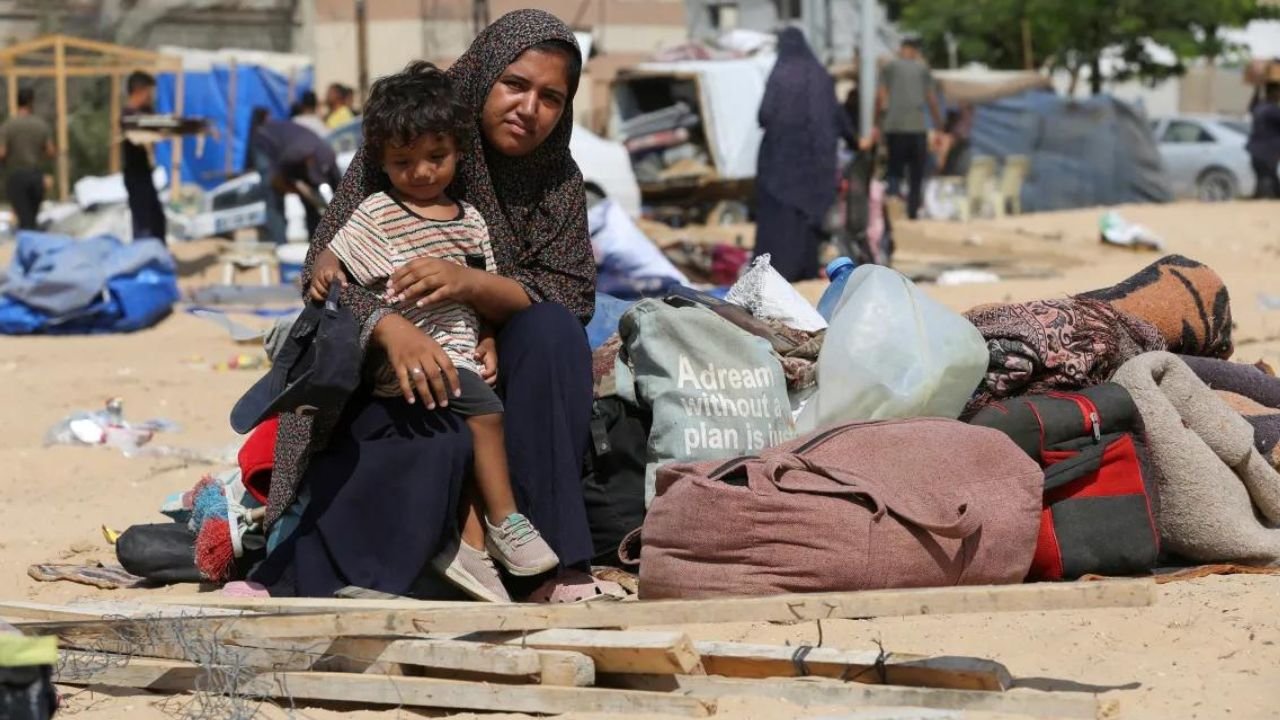
    The Israeli army warned residents to evacuate part of central Gaza on Saturday, saying the military was preparing to use “great force” against Hamas fighters in the area.

    The evacuation call is the first in weeks for Gaza as the Israeli military has largely shifted its focus to fighting Hezbollah in Lebanon.

    “Hamas and the terrorist organisations continue their terrorist activities within your area and, as a result, the IDF (military) will act with great force against these elements,” the evacuation order posted by the Israeli army said, with an attached map listing the blocks to be evacuated.

    Palestinians living in areas near the Netzarim Corridor in central Gaza have been warned to evacuate under the latest order posted on X.

    Israel has destroyed large swathes of Gaza since Hamas’s October 7 attack last year, with Prime Minister Benjamin Netanyahu repeatedly pledging to secure total victory over the militants.

    A year later, the confirmed death toll from the Hamas attack — including hostages killed in captivity — has reached 1,205 on the Israeli side, according to an AFP tally based on Israeli official figures.

    Hamas abducted 251 hostages during the attack, 97 of whom are still held in Gaza, including 33 the Israeli military has said are dead.

    In Gaza, nearly all of its 2.4 million residents have been displaced at least once.

    At least 41,825 people have been killed, most of them women or children, according to the territory’s health ministry. The United Nations has acknowledged the figures as reliable.

    The Israeli military has often returned to areas where it has previously conducted operations.

  • Palestinian activist wins prize for peaceful resistance

    Palestinian activist wins prize for peaceful resistance

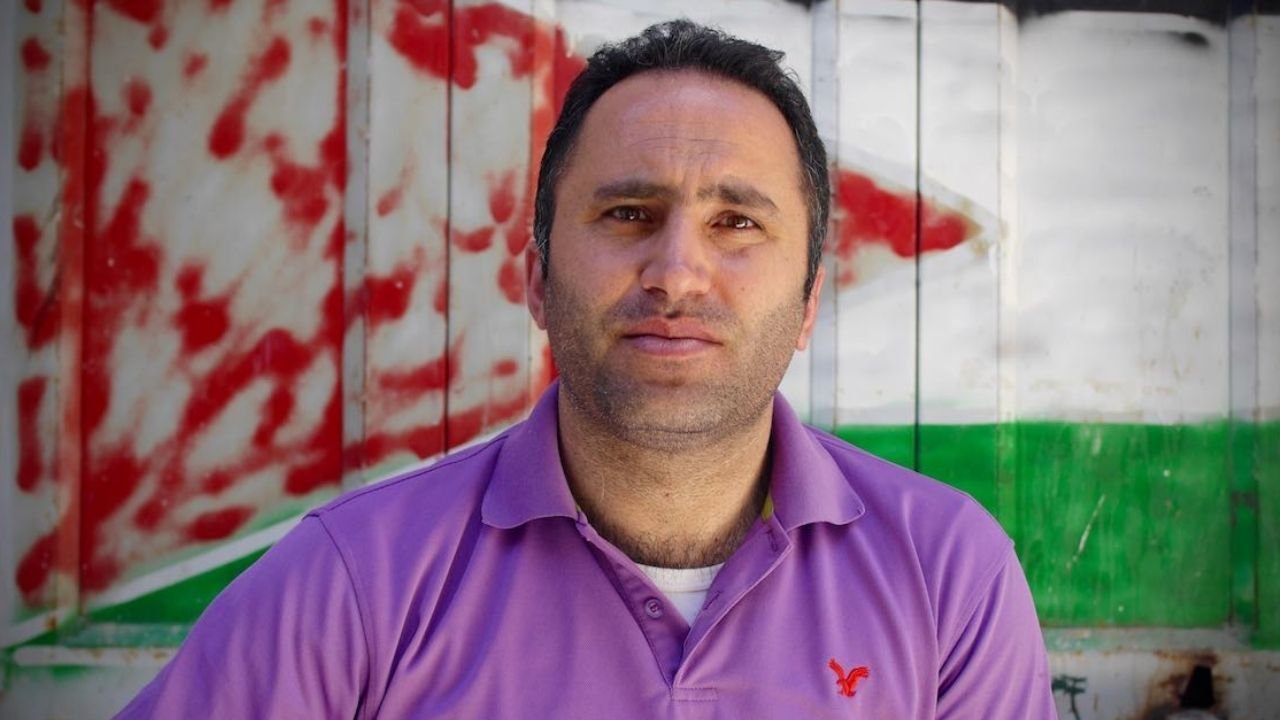
    Palestinian activist Issa Amro on Thursday accepted the Right Livelihood prize — considered by some an alternative Nobel — for his “nonviolent resistance to Israel’s illegal occupation” in the West Bank, the jury said.

    Amro was born in the city of Hebron, a flashpoint West Bank city where roughly 1,000 Jewish settlers live under heavy Israeli military protection amid some 200,000 Palestinians.

    He has dedicated his life to fighting against Israel’s occupation of the West Bank.

    The 44-year-old founded the Youth Against Settlements group, which campaigns against the proliferation of Jewish settlements in the territory — communities widely regarded as illegal under international law.

    The rights campaigner has been repeatedly detained and tortured by both the Palestinian Authority and by Israel, the foundation said.

    “It’s a miracle that I still exist,” said Amro.

    When Palestine Polytechnic University, where he was studying, closed in 2003 during the Second Intifada, Amro successfully led a six-month civil disobedience campaign.

    “I managed to reopen the university with other students,” Amro said in a statement.

    “I graduated as an engineer and as an activist — it became part of my character,” he added.

    – ‘Non-violent methods’ –

    The Sweden-based Right Livelihood Foundation also honoured Joan Carling, a Filipina champion of indigenous rights and Anabela Lemos, a climate activist from Mozambique.

    It also gave the nod to research agency Forensic Architecture for its work in uncovering human rights violations around the world.

    The foundation said the four prize winners had “each made a profound impact on their communities and the global stage”.

    “Their unwavering commitment to speaking out against forces of oppression and exploitation, while strictly adhering to non-violent methods, resonates far beyond their communities,” Right Livelihood said in a statement.

    Carling from the Philippines was recognised for having defended the rights of indigenous communities for three decades, particularly in their fight against mining projects.

    The foundation celebrated Lemos, who heads the NGO Justica Ambiental (JA!), for her role in opposing liquefied natural gas extraction projects in northern Mozambique.

    Forensic Architecture, a London-based research laboratory known for 3D modelling conflict zones, won the distinction for “pioneering digital forensic methods” to ensure accountability of human rights violations around the world.

    By teaming up with Ukraine’s Center for Spatial Technologies to reconstruct Mariupol’s Drama Theatre before it was destroyed in 2022, the firm highlighted Russia’s “strategies of terror” and “attempts to obscure evidence of their own crimes”, the foundation said.

    Swedish-German philatelist Jakob von Uexkull sold part of his stamp collection to found the Right Livelihood award in 1980, after the foundation behind the Nobel Prizes refused to create new distinctions honouring efforts in the fields of environment and international development.

  • ‘Bugging device found in bathroom after Netanyahu meeting,’ reveals Boris Johnson

    ‘Bugging device found in bathroom after Netanyahu meeting,’ reveals Boris Johnson

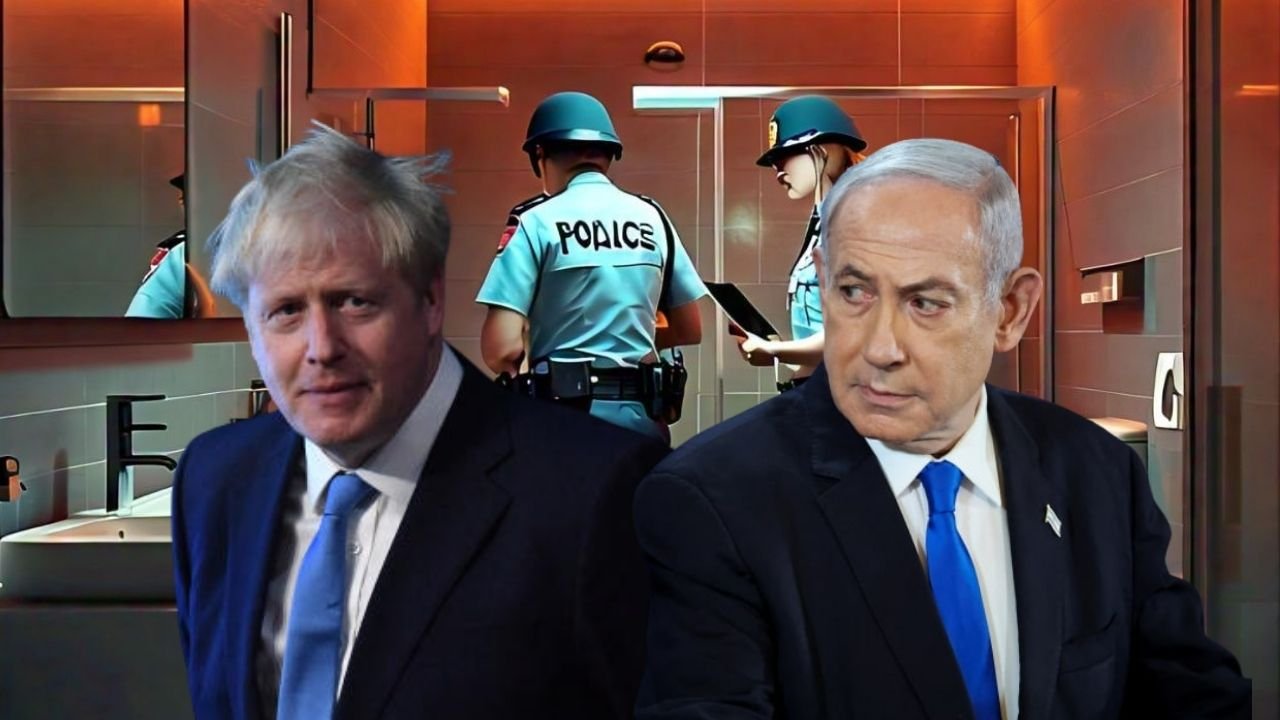
    Former Prime Minister (PM) of Britain Boris Johnson has disclosed that after meeting with Israel Prime Minister Benjamin Netanyahu, a bugging device was found in his bathroom of the foreign office.

    Boris Johnson wrote in his memoir, “Unleashed”, that in 2017, when he was Britain’s Foreign Secretary, Israel’s PM went to the bathroom after meeting with him; when he came out, the security discovered the listening device which Netanyahu had used during their meeting, The Telegraph reported.

    Johnson further wrote, “Thither Bibi repaired for a while, and it may or may not be a coincidence, but I am told that later when they were doing a regular sweep for bugs, they found a listening device in the thunderbox.”

    The former Tory MP said Mr Netanyahu had excused himself during talks at his old office to use the washroom, described as “a secret annex… a bit like the gents in a posh London club.”

    It should be mentioned here that in 2019 the United States (US) accused Israel of placing cellphone surveillance devices near the White House and other key locations in Washington, DC.

  • Death toll from Tel Aviv attack rises to seven

    Death toll from Tel Aviv attack rises to seven

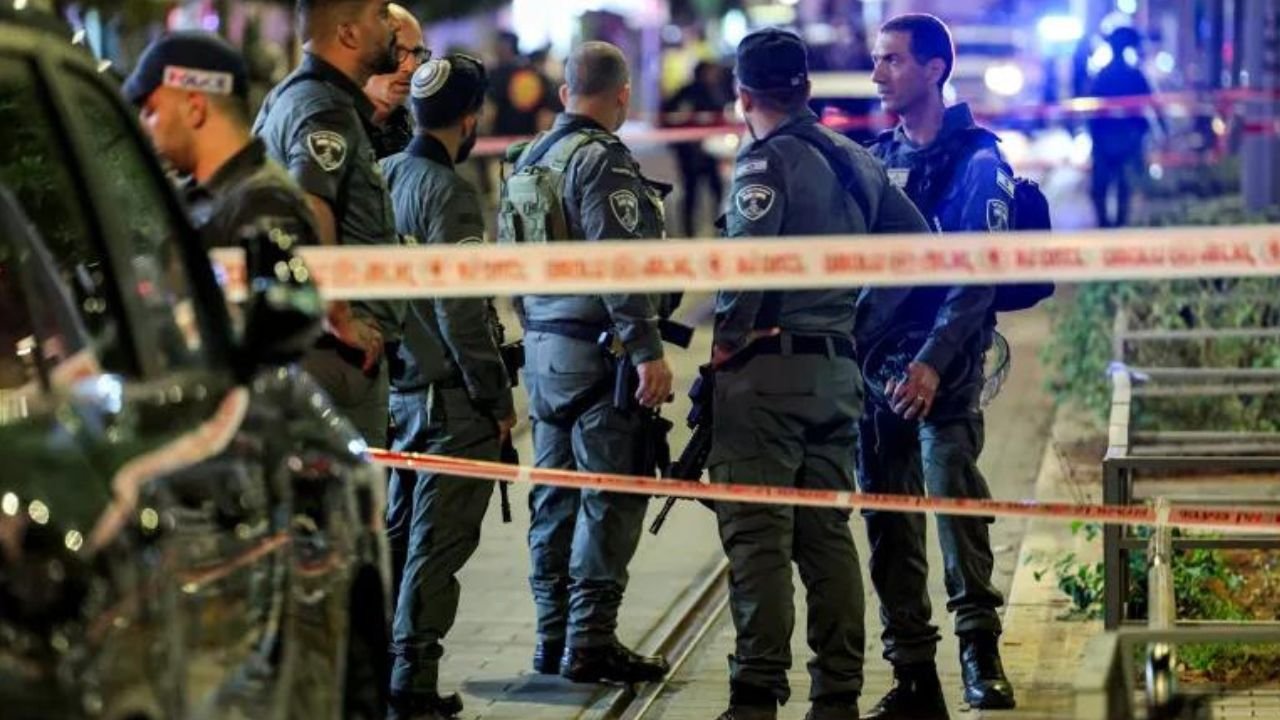
    A man wounded in a shooting and stabbing attack in the Israeli city of Tel Aviv has died, the medical centre where he was being treated said Wednesday, bringing the number of fatalities up to seven.

    “The injured person came to us in a critical condition, suffering from multi-system damage, and after doctors fought for his life, they had to pronounce him dead a short while ago,” a statement from Ichilov Medical Centre in Tel Aviv said.

    On Tuesday, Israeli police said six people were killed and 17 others wounded in the attack, which took place near Tel Aviv’s light rail station in Jaffa.

    The attack came as Iran fired a barrage of missiles at Israel, sending hundreds of thousands of Israelis into shelters.

    Police on Wednesday published the two attackers’ names and said they were residents of the Palestinian city of Hebron in the Israeli-occupied West Bank.

    The attackers “began their killing spree when they entered the carriage of the light train that stopped at the station and fired at the passengers,” police said in a statement on Wednesday.

    The two were armed with an M16 weapon, cartridges and a knife and continued on foot until police “neutralised” them, it added.

    One of the attackers was shot dead, and the other was seriously wounded, it said.

    Overnight, the Israeli security agency and the army arrested several suspects in Hebron and Jerusalem believed to have aided the two attackers.

    Israeli media identified three of the seven victims as Israeli citizens: Shahar Goldman, 30, Inbar Segev Vigder, 33, and Revital Bornstein, 24. A fourth was reportedly a Georgian citizen.

    Palestinian militants have carried out several attacks on Israelis since October 7, when the Islamist group Hamas attacked southern Israel, sparking war in the Gaza Strip.

    Palestinian attacks have since killed at least 26 Israelis, including members of the security forces, Israeli officials say.

    Violence in the West Bank has also surged.

    According to the Palestinian health ministry, Israeli troops and settlers have killed at least 682 people in raids or attacks in the West Bank since October 7.

    Israel has occupied the West Bank since 1967, and its forces regularly make incursions into Palestinian communities, which often result in heavy clashes between troops and militants.

  • US, Israel warn of response to Iranian missile attack

    US, Israel warn of response to Iranian missile attack

    The United States said it was discussing a joint response after Iran fired a barrage of missiles at Israel, warning Tehran of “severe consequences”.

    Israel vowed it would make Iran “pay” after the attack late Tuesday, with most of the missiles intercepted, and pledged to immediately strike “the Middle East powerfully”.

    Tehran, in turn, threatened to strike infrastructure across Israel if its territory was attacked.

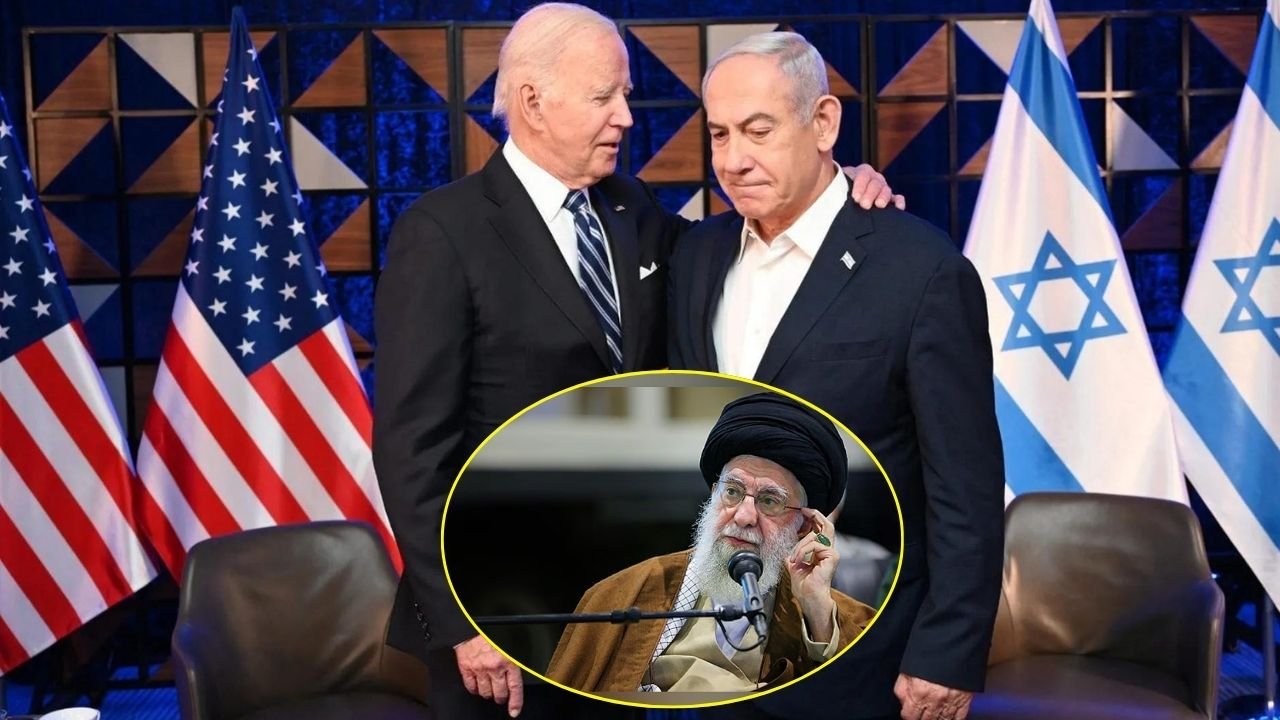
    President Joe Biden said the United States was “fully supportive” of Israel after the missile attack, adding that he would discuss a response with Israeli Prime Minister Benjamin Netanyahu.

    Asked by reporters what the response towards Iran would be, Biden replied: “That’s in active discussion right now.”

    Missiles shot down

    Sirens sounded across Israel after Iran unleashed the missiles, most of which were intercepted by Israeli air defences or by allied air forces.

    Iranian state media reported 200 missiles were fired at Israel, including hypersonic weapons for the first time, which the Revolutionary Guards said had targeted “three military bases” around Tel Aviv and others elsewhere.

    Iran’s Foreign Minister Abbas Araghchi posted on social media platform X that Tehran’s “action is concluded unless the Israeli regime decides to invite further retaliation”.

    The Revolutionary Guards earlier said the attack was in response to Israel’s killing of Hezbollah leader Hassan Nasrallah last week, as well as the death of Hamas leader Ismail Haniyeh in a Tehran bombing widely blamed on Israel.

    Israeli medics reported two people lightly injured by shrapnel. In the occupied West Bank, a Palestinian was killed in Jericho “when pieces of a rocket fell from the sky and hit him”, the city’s governor, Hussein Hamayel, told AFP.

    It was Iran’s second direct attack on Israel after a missile and drone attack in April in response to a deadly Israeli air strike on the Iranian consulate in Damascus.

    ‘Severe consequences’

    US Defense Secretary Lloyd Austin slammed an “outrageous act of aggression” by Iran, while Biden’s National Security Advisor Jake Sullivan told reporters there would be “severe consequences”.

    Netanyahu said, “Iran made a big mistake tonight and will pay for it.”

    Iran reacted by threatening to fire “with bigger intensity” if its territory is attacked, with Major General Mohammad Bagheri warning Tehran would target “all infrastructure” in Israel.

    Following the missile barrage, Israeli military spokesman Rear Admiral Daniel Hagari vowed the air force “will continue to strike (tonight) in the Middle East powerfully”.

    The military subsequently announced it was bombarding Hezbollah targets in Beirut, with a Lebanese security source telling AFP that Israel had hit the city’s southern suburbs at least five times overnight.

    UN chief Antonio Guterres led international calls to stem the “broadening conflict in the Middle East”, saying in a statement: “This must stop. We absolutely need a ceasefire.”

    While Iran-backed groups across the region had already been drawn into the Gaza genocide, sparked after October 7, Tehran had largely refrained from direct attacks on its regional enemy.

    Iranian President Masoud Pezeshkian said his country had exercised its “legitimate rights” and dealt “a decisive response… to the Zionist regime’s aggression”.

    Israel, Iraq and Jordan — which lie between Iran and Israel — closed their airspace, as did Lebanon before reopening.

    US boosts forces

    The escalation came after the Israeli military said early Tuesday that troops had started “targeted ground raids” in south Lebanon, across Israel’s northern border.

    The move came despite growing calls for de-escalation after a week of air strikes that killed hundreds in Lebanon.

    Lebanon’s health ministry said later that the latest Israeli strikes had killed a further 55 people on Tuesday.

    Lebanon’s disaster management agency said 1,873 people had been killed since Israel and Hezbollah began trading cross-border fire after the Gaza genocide started a year ago.

    Iran has said Nasrallah’s killing would bring about Israel’s “destruction”, though its foreign ministry said Monday that Tehran would not deploy any troops to confront Israel.

    The Pentagon said Washington was boosting its forces in the Middle East by a “few thousand” troops.

    Deadly strikes on Gaza

    In Lebanon, the UN peacekeeping mission said the Israeli offensive did not amount to a “ground incursion”, and Hezbollah denied that any troops had crossed the border.

    There was no way to immediately verify the claims, which came as Israel struck south Beirut, Damascus and Gaza.

    Israel says it seeks to dismantle Hezbollah’s military capabilities and restore security to northern Israel, where tens of thousands have been displaced by nearly a year of cross-border fire.

    Hezbollah, which suffered heavy losses in a spate of attacks last month, said it targeted Israeli military bases on Tuesday.

    In Gaza, the civil defence agency said Israeli bombings killed 19 people on Tuesday.

    The Israeli military said troops opened fire Tuesday on “dozens” of Palestinians in central Gaza they saw as an “immediate threat”. At least some were hit, it added.

    While the death toll in Israel stands at 1205, more than 41,638 people in Gaza have been killed so far since last year.

    ‘Lost my home’

    Hezbollah began low-intensity strikes on Israeli troops a day after October 7, which triggered Israel’s devastating assault on Gaza.

    The escalating violence in Lebanon has killed more than 1,000 people since September 17, Health Minister Firass Abiad said.

    Lebanese Prime Minister Najib Mikati said there could be as many as one million people displaced from their homes in the country, with authorities registering almost 240,000 crossings into Syria since September 23.

    In central Beirut, Youssef Amir, displaced from southern Lebanon, said: “I have lost my home and relatives in this war, but all of that is a sacrifice for Lebanon, for Hezbollah”.

    Beirut resident Elie Jabour, 27, told AFP that despite opposing Hezbollah “politically… I support them defending the border”.
  • ‘Latest donut shop news from Pakistan,’ Reporter asks US Spokesman about CJ donut controversy

    ‘Latest donut shop news from Pakistan,’ Reporter asks US Spokesman about CJ donut controversy

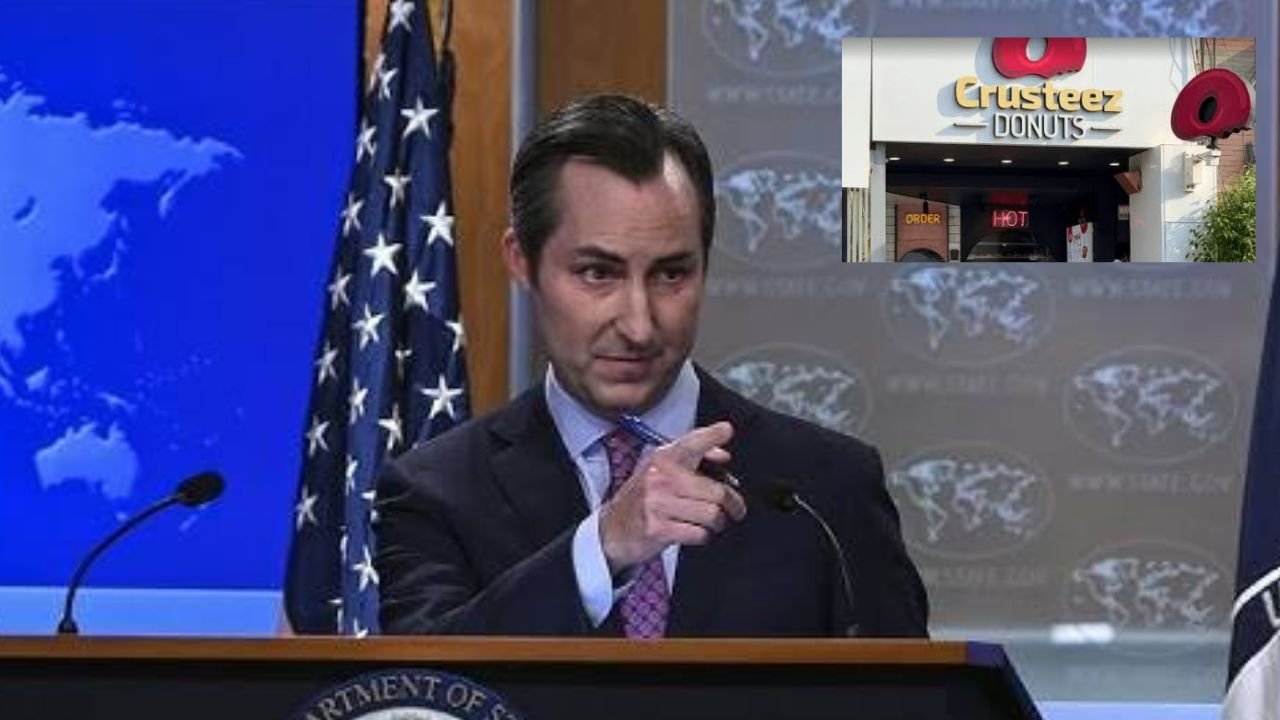
    Many reporters from Pakistani media outlets have, time and again, veered off the subject with their partisan questions to US State Department Spokesperson Matthew Miller concerning the country.

    This time around, a reporter asked about the latest viral video of Chief Justice Qazi Faez Isa’s visit to Crusteez Donuts. In the video, one of the employees curses at Isa and is later hailed across social media—primarily by pro-PTI supporters. The employee filmed the encounter almost a month ago, when the Mubarak Sani verdict, which concerns minority rights, was given out by the Chief Justice.

    “In Pakistan, this donut shop has become very popular by the name of Crusteez because its employee had called the Chief Justice of the supreme court of Pakistan that – shame on you. My question is – do you hear these things? I mean, spokesperson, you’ve seen globally – do you see countries where Chief Justices are called shame on you?” he asked.

    Visibly taken aback by the frivolous question, Miller responded sarcastically, “I am not fully tracking donut shop – the latest donut shop news from Pakistan, I will admit.”

    After a short, awkward exchange to laugh off the unnecessary question, the reporter continued: “After the three pillars of the states are gone in Pakistan, that’s why I was asking about it.

    But KP, the province which I belong to and have the newspaper since 40 years, its chief minister in a statement yesterday said to the federal government of Shehbaz Sharif, after their protest was interrupted and stuff, that if next time you shoot us with one bullet, we’re going to shoot you with 10 bullets. Does these kind of statements worry the U.S. at all about the situation in Pakistan?”

    To which Miller replied, “So I wasn’t aware of that statement until you brought it to my attention. I’d want to see it in its full context before I commented.”

    The reporter attempted to contribute further to the conversation, but Miller cut him off, saying, “Let me – let me go ahead because I’m – we’re running out of time. Let me go to your colleague.”