Category: FOREIGN

Foreign Blogs is a network of global affairs blogs and a supplement to the Foreign Policy Association’s Great Decisions program.

  • Istanbul police clash with May Day protesters

    Istanbul police clash with May Day protesters

    Turkish police on Wednesday fired tear gas and rubber bullets and detained dozens of protesters after authorities banned May 1 rallies at Istanbul’s historic Taksim Square.

    More than 40,000 police were deployed across Istanbul, blocking even small sidestreets with metal barriers in an attempt to prevent protesters gathering.

    Police clashed with demonstrators near city hall in the Sarachane district, firing tear gas and rubber bullets to stop protesters breaching barricades, AFP reporters said.

    According to media reports, at least 150 people had been detained by midday, but authorities did not confirm the figure. AFP reporters saw many people being arrested.

    Some were detained trying to enter Taksim Square.

    Tall metal barriers were put up around the square, where authorities have banned rallies since 2013, when it was the focus of demonstrations against President Recep Tayyip Erdogan’s government.

    Taksim was a rallying ground for May Day celebrations until 1977, when at least 34 people were killed during demonstrations. Authorities opened it up again in 2010, but it was shut again after the 2013 protests.

    In the Besiktas district, police detained at least 30 left-wing protesters who were shouting “Taksim cannot be banned”, an AFP journalist.

    One protester was dragged along the ground by police and his group detained.

    Another 30 people were detained in the Sisli district.

    The MLSA rights group said several journalists were pushed to the ground during the troubles.

    – ‘Taksim belongs to workers’ –

    Main roads across Istanbul were closed to traffic while public transport including ferries and subway trains were halted because of the security clampdown. Landmarks such as the Topkapi palace were cordoned off.

    Interior Minister Ali Yerlikaya said Taksim would be out of bounds for rallies to stop “terrorist organisations” using it for “propaganda”.

    Turkey’s main opposition Republican People’s Party (CHP) and unions had pressed the government to open the square for labour rallies but Erdogan warned on Tuesday against any provocation.

    CHP leader Ozgur Ozel, accompanied by Istanbul’s mayor Ekrem Imamoglu and labour unions, gathered at the Sarachane neighbourhood.

    “We will keep on fighting until Taksim is free,” Ozel said. “Taksim belongs to the workers.”

    Addressing the police, Ozel declared: “These workers are not your enemies Our only desire is for the day to be celebrated as a festival. We do not want conflict.”

    In 2023, Turkey’s top constitutional court ruled that the closure of Taksim Square for protests was a violation of rights.

  • Brown University reaches deal with student protesters

    Brown University reaches deal with student protesters

    Brown University on Tuesday reached an agreement with students protesting the genocide in Gaza that would see them remove their encampment from school grounds in exchange for the institution considering divesting from Israel.

    The move represents a first major concession from an elite American university amid student protests that have taken over campuses across the country, divided public opinion and led to hundreds of arrests.

    In a statement, Brown President Christina Paxson said students had agreed to end their protests and clear their camp by 5:00 pm local time Tuesday and “refrain from further actions that would violate Brown’s conduct code through the end of the academic year.”

    In turn, “five students will be invited to meet with five members of the Corporation of Brown University in May to present their arguments to divest Brown’s endowment from ‘companies enabling and profiting from the genocide in Gaza’.”

    The board will vote on the proposal in October.

    Student protesters jumped for joy upon hearing the news of the deal and chanted “with love not fear, divestment is getting near” before beginning to remove their tents.

    “We are ending (the encampment) knowing that we made a huge victory for divestment at Brown, for this international movement and a victory for the people of Palestine,” said Brown student Leo Corzo-Clark.

    The university, located in Providence, Rhode Island, “has come to the table to listen to our demands and to listen to its students and to consider divesting from war, divesting from death, divesting from occupation,” said Sam Theoharis, another student protester.

    In her statement, Paxson said “the devastation and loss of life in the Middle East has prompted many to call for meaningful change, while also raising real issues about how best to accomplish this.”

    But she added: “I have been concerned about the escalation in inflammatory rhetoric that we have seen recently, and the increase in tensions at campuses across the country.”

  • Imam Masjid killed by unknown men in India

    Imam Masjid killed by unknown men in India

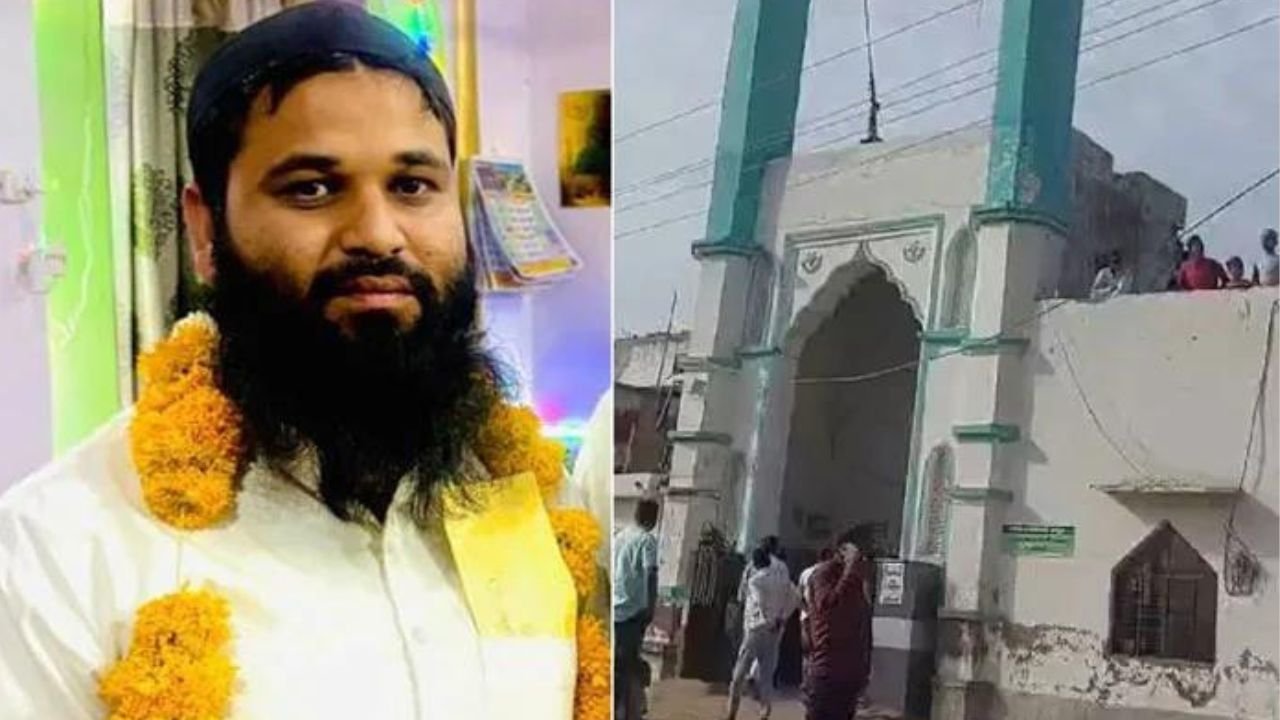
    Unknown persons entered a mosque and allegedly tortured and killed the imam in Ajmer, India.

    The 30-year-old imam of the mosque, Mohammad Mahir, was allegedly tortured and killed by three masked men, according to Indian media.

    Police say that the killing took place on Saturday morning when the Imam was present in the mosque along with a few students. The suspects allegedly entered the mosque and assaulted the imam with sticks and then fled, as per the local police.

    The imam succumbed to his injuries in the hospital. The reasons for the murder have not yet been revealed. However, suspects are being identified with the help of the CCTV camera footage of the area.

    A case has been registered under Section 302 of the incident. “This is a case of senseless violence, and we are utilising all available technical and investigative resources to identify the perpetrators,” said Ajmer SP Devendra Kumar Bishnoi.

  • Scotland’s first minister Yousaf quits after a year

    Scotland’s first minister Yousaf quits after a year

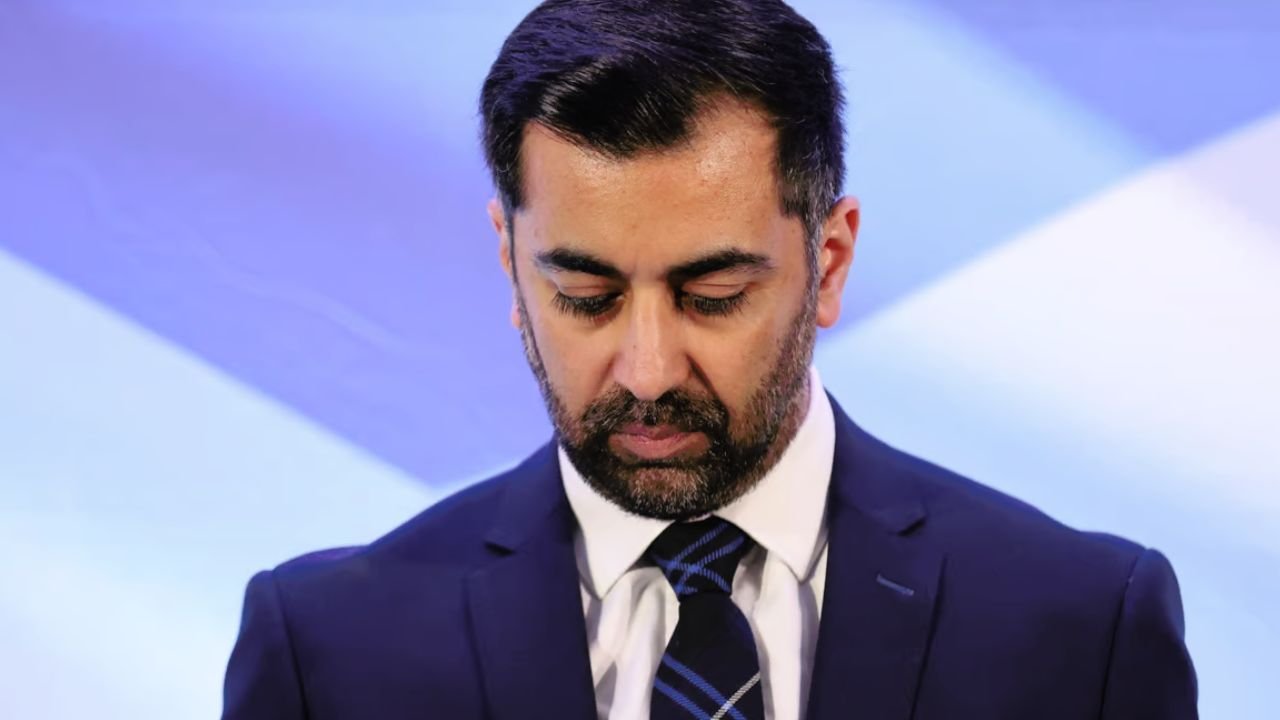
    Edinburgh, United Kingdom – Humza Yousaf announced his resignation as Scotland’s first minister on Monday, before he was due to face two confidence votes this week sparked by his ditching of junior coalition partners in a row over climate policy.

    The 39-year-old quit following a turbulent year as head of the devolved administration, during which support for his pro-independence Scottish National Party (SNP) has fallen.

    Yousaf had been facing growing calls to resign since unceremoniously ending the SNP’s power-sharing deal with the Scottish Greens in the Scottish parliament last week.

    His government had earlier abandoned ambitious targets for the transition to net-zero carbon emissions, angering the Greens.

    The opposition Scottish Conservatives then lodged a vote of no-confidence in Yousaf, which was due to be held as early as Wednesday and which the first minister was at risk of losing.

    Scottish Labour also lodged another no-confidence vote in his government.

    The Tories, Labour, Liberal Democrats and Greens had all said they would vote against him in the personal vote, forcing him to seek the backing of the sole lawmaker from the pro-independence Alba party.

    Alba’s Ash Regan is a former SNP colleague of Yousaf who ran against him in the March 2023 leadership election to succeed Nicola Sturgeon as first minister.

    Yousaf — the first Muslim leader of a major UK political party — said in a statement that he thought winning was “absolutely possible”.

    But he added that he was “not willing to trade in my values or principles or do deals with whomever simply for retaining power”.

    He added: “I have concluded that repairing our relationships across the political divide can only be done with someone else at the helm.”

    Divisions

    Yousaf’s pro-independence SNP has 63 members in the 129-seat parliament — two short of a majority. The presiding officer has a casting vote.

    Yousaf initially said he had no intention of quitting and intended to win the confidence votes.

    But following his announcement, parliament now has 28 days to choose a new first minister.

    He only became Scotland’s leader 13 months ago, after Sturgeon sensationally announced she was quitting, citing tiredness after eight years in charge.

    Yousaf defeated Kate Forbes and Regan in a bruising contest that highlighted divisions in the party between those on the left wing and others closer to the right.

    His leadership was quickly plunged into turmoil when Sturgeon was arrested with her husband, Peter Murrell, over claims of mismanagement of SNP finances.

    Murrell was charged in the case earlier this month. Sturgeon has not been charged.

    Controversies

    Sturgeon had been the figurehead of the Scottish independence movement.

    She oversaw a surge in support for the SNP, particularly after Brexit — in which Scotland opposed leaving the European Union — and during the Covid pandemic.

    But the SNP, which has run the Scottish government since 2007, has suffered a drop in popularity under Yousaf.

    He also came under pressure over controversial new laws which made it an offence to stir up hatred against a number of groups, including transgender people.

    The law has been heavily criticised, including most prominently by “Harry Potter” author J.K. Rowling, who lives in Edinburgh.

    Relations between the SNP and the Greens were also strained by the recent pause in prescribing puberty blockers in Scotland.

    Some within the SNP wanted Yousaf to end the coalition with the Greens because they felt the deal was pulling the party further leftwards.

    The SNP’s slump has also come in the context of a resurgent Labour party, which is tipped to win a UK general election due later this year.

    Scotland voted against independence in a referendum in 2014, with 55 percent of electors choosing “No”.

    The SNP has argued that the UK’s vote to leave the EU in 2016 had put separatism back on the table, because Scotland overwhelmingly voted to remain part of the bloc.

    But the party, in power in Edinburgh for 17 years, has struggled to build momentum for another vote, and the independence movement is at arguably its lowest ebb in recent memory.

    The Scottish Parliament, re-established in 1999, has limited powers to set policy in areas such as health, education, transport and the environment.

    The UK government in London retains powers for countrywide issues such as defence and foreign policy.

    pdh/phz/rlp

    © Agence France-Presse

  • Palestinian prisoner in Israel wins top fiction prize

    Palestinian prisoner in Israel wins top fiction prize

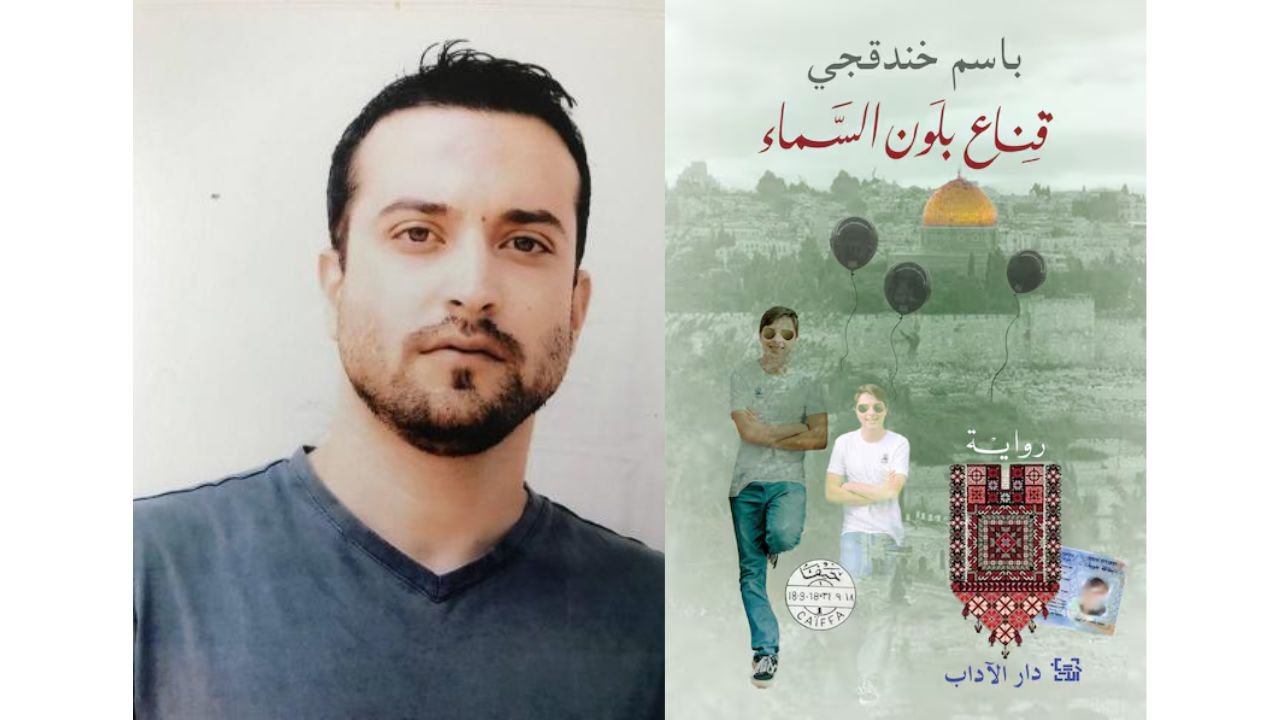
    Palestinian writer Basim Khandaqji, jailed 20 years ago in Israel, won a prestigious prize for Arabic fiction on Sunday for his novel “A Mask, the Colour of the Sky”.

    The award of the 2024 International Prize for Arabic Fiction was announced at a ceremony in Abu Dhabi.

    The prize was accepted on Khandaqji’s behalf by Rana Idriss, owner of Dar al-Adab, the book’s Lebanon-based publisher.

    Khandaqji was born in the Israeli-occupied West Bank city of Nablus in 1983, and wrote short stories until his arrest in 2004 at the age of 21.

    He was convicted and jailed on charges relating to a bombing in Tel Aviv, and completed his university education from inside jail via the internet.

    The mask in the novel’s title refers to the blue identity card that Nur, an archaeologist living in a refugee camp in Ramallah, finds in the pocket of an old coat belonging to an Israeli.

    Khandaqji’s book was chosen from 133 works submitted to the competition.

    Nabil Suleiman, who chaired the jury, said the novel “dissects a complex, bitter reality of family fragmentation, displacement, genocide, and racism”.

    Since being jailed Khandaqji has written poetry collections including “Rituals of the First Time” and “The Breath of a Nocturnal Poem”.

    He has also written three earlier novels.

    bur-srk/srm

    © Agence France-Presse

  • Spanish PM’s supporters turn out and beg him to stay

    Spanish PM’s supporters turn out and beg him to stay

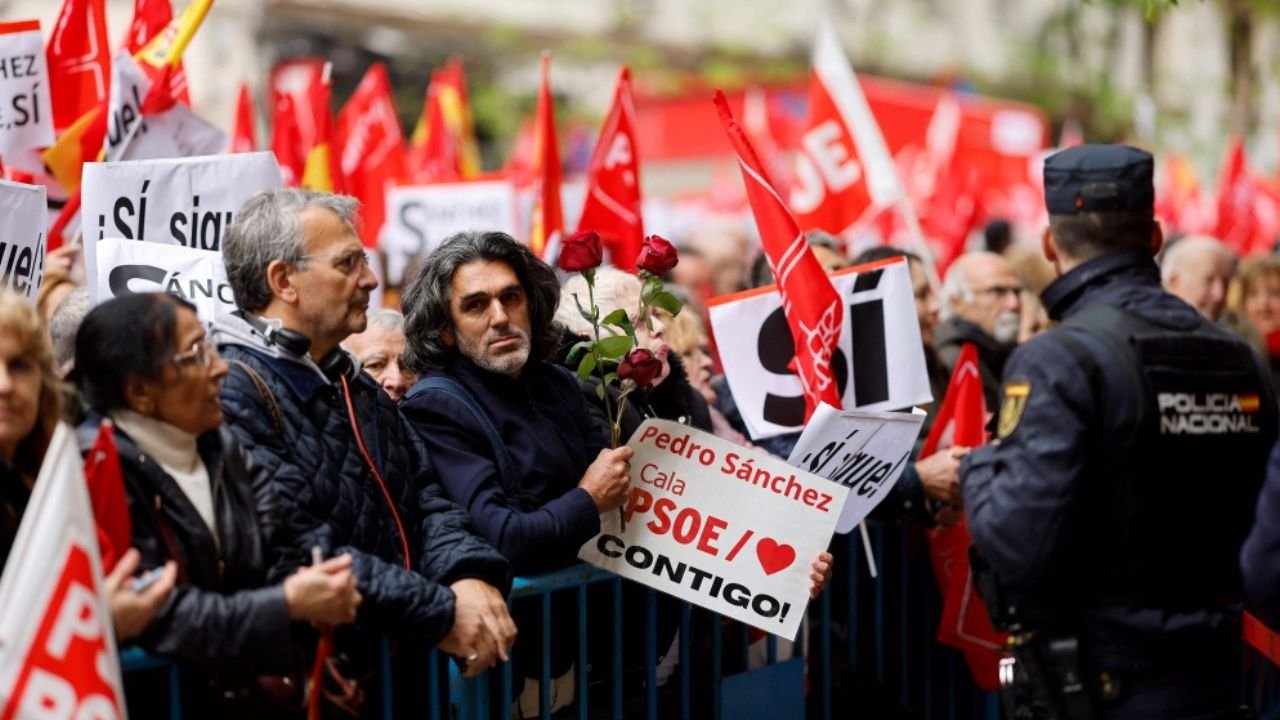
    Madrid, Spain – Thousands of supporters of Spanish Prime Minister Pedro Sanchez rallied at the headquarters of his Socialist party imploring him not to step down over a graft investigation against his wife.

    The 52-year-old, who has been in office since 2018, stunned Spain on Wednesday when he put his resignation on the line after a Madrid court opened a preliminary investigation into suspected influence peddling and corruption against his spouse Begona Gomez.

    Sanchez said he would suspend all public duties until he announces his decision on Monday. The normally hyperactive premier has since remained out of sight and silent.

    According to Madrid city authorities, the crowd rallying on Saturday to beg Sanchez to stay on numbered around 12,500.

    Supporters held up placards saying “Spain needs you”, “Pedro don’t abandon us’, and shouted slogans such as “Pedro leader”.

    “I hope that Sanchez will say on Monday that he will stay,” said Sara Dominguez, a consultant in her 30’s, adding that his government had “taken good steps for women, the LGBT community and minorities”.

    Jose María Diez, a 44-year-old government official who came from Valladolid in northern Spain to express his support, said there was a real possibility that the far-right could take power if Sanchez quit.

    “This will mean a step backwards for our rights and liberties,” he warned.

    Inside the party headquarters, there were similar passionate appeals.

    ‘Pedro stay’

    “Pedro stay. We are together and together we can … take the country forward, Spain can’t step back,” said Budget Minister Maria Jesus Montero, the government number two.

    “Today all democrats, all progressives, are summoned to Madrid against a pack whose only aim is to overthrow a democratic and legitimate government,” said Felix Bolanos, Minister of the Presidency, Justice and Parliamentary Relations.

    At one point, Socialist leaders took to the streets to thank those gathered. “They won’t succeed,” government spokeswoman Pilar Alegria told the crowd.

    The court opened the investigation into Sanchez’s wife in response to a complaint from anti-corruption pressure group Manos Limpias (Clean Hands), whose leader is linked to the far right.

    The group, which has presented a litany of unsuccessful lawsuits against politicians in the past, said on Wednesday its complaint was based on media reports and could not vouch for their veracity.

    While the court did not give details of the case, online news site El Confidencial said it focused on links Gomez had to Spanish tourism group Globalia when carrier Air Europa was in talks with the government to secure a huge bailout.

    The airline sought the bailout after it was badly hit by plunging paseenger numbers during the Covid-19 crisis.

    At the time, Gomez was running IE Africa Centre, a foundation linked to Madrid’s Instituto de Empresa (IE) business school, which had signed a sponsorship agreement with Globalia in 2020.

    Spain’s public prosecutors office on Thursday requested the dismissal of the investigation, which Sanchez said was part of a campaign of “harassment” against him and his wife waged by “media heavily influenced by the right and far right”.

    If Sanchez decides to remain in office, he could choose to file a confidence motion in parliament to show that he and his minority government are still supported by a majority of lawmakers.

    If he resigns, an early election could be called from July — a year after the last one — with or without Sanchez at the helm of the Socialist party.

    The right-wing opposition has accused the prime minister of being irresponsible for putting the country on hold while he mulls his decision.

    “It’s very clear to us that this is all a tactic… We know Pedro Sanchez and things with him always turn out like a soap opera,” Cuca Gamarra, the number two of the main opposition conservative Popular Party, said on Friday.

    “He is making us all wait and the country is at a standstill,” she added.

    du/ach/gv

    © Agence France-Presse

  • Iraqi female TikTok star shot dead: officials

    Iraqi female TikTok star shot dead: officials

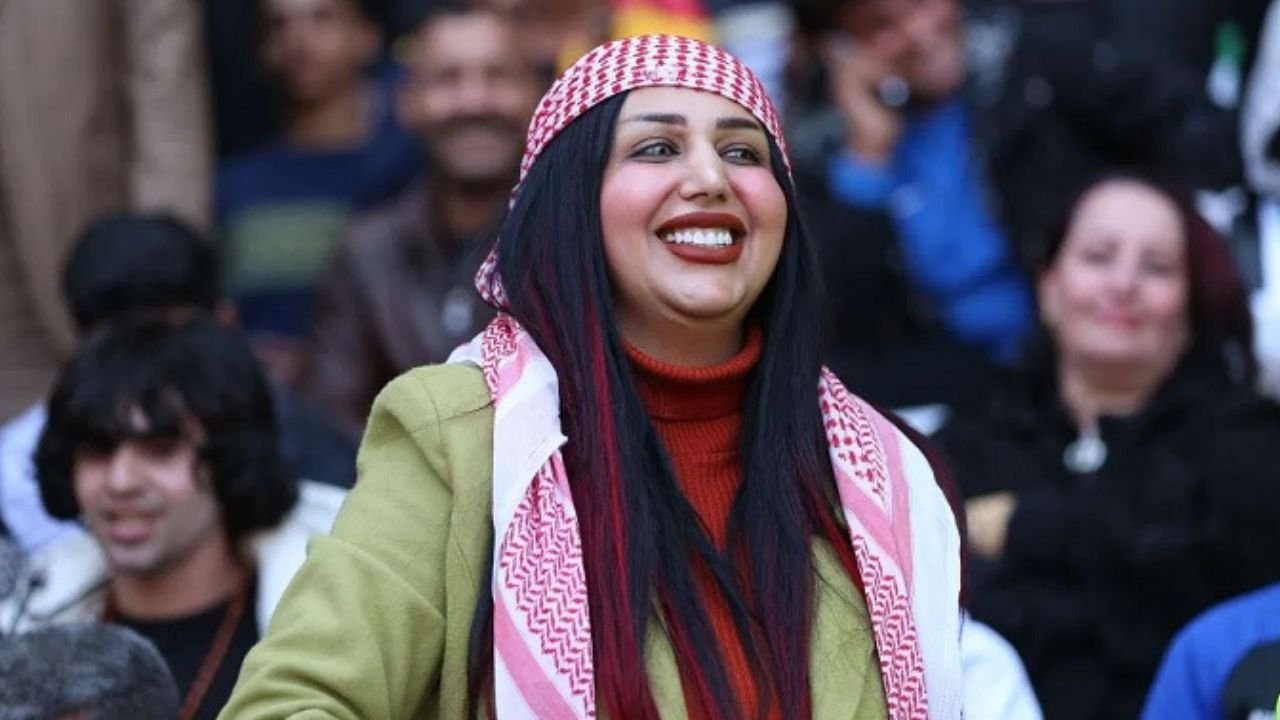
    A gunman on a motorbike shot dead a well-known Iraqi social media influencer known as Om Fahad outside her Baghad home on Friday, Iraqi security officials told AFP.

    An unidentified attacker shot Om Fahad in her car in the Zayouna district, a security official said, requesting anonymity because he was not cleared to speak to the media.

    Another security source said the attacker appeared to have pretended to be making a food delivery.

    Om Fahad had become known for light-hearted TikTok videos of herself dancing to Iraqi music wearing tight-fitting clothes.

    In February 2023, a court sentenced her to six months in jail for sharing “videos containing indecent speech that undermines modesty and public morality”.

    The Iraqi government launched a campaign last year to clean up social media content that it said breached Iraqi “morals and traditions”.

    An interior ministry committee was established to scour TikTok, YouTube, and other platforms for clips it deemed offensive.

    Several influencers have since been arrested, according to authorities.

    Despite years of war and sectarian conflict after the 2003 US invasion to overthrew Saddam Hussein, Iraq has returned to a semblance of normality.

    But civil liberties — for women, sexual minorities and other groups — remain constrained in the conservative society.

    In 2018, model and influencer Tara Fares was shot dead by gunmen in Baghdad.

  • Baby girl born after pregnant mother martyred died

    Baby girl born after pregnant mother martyred died

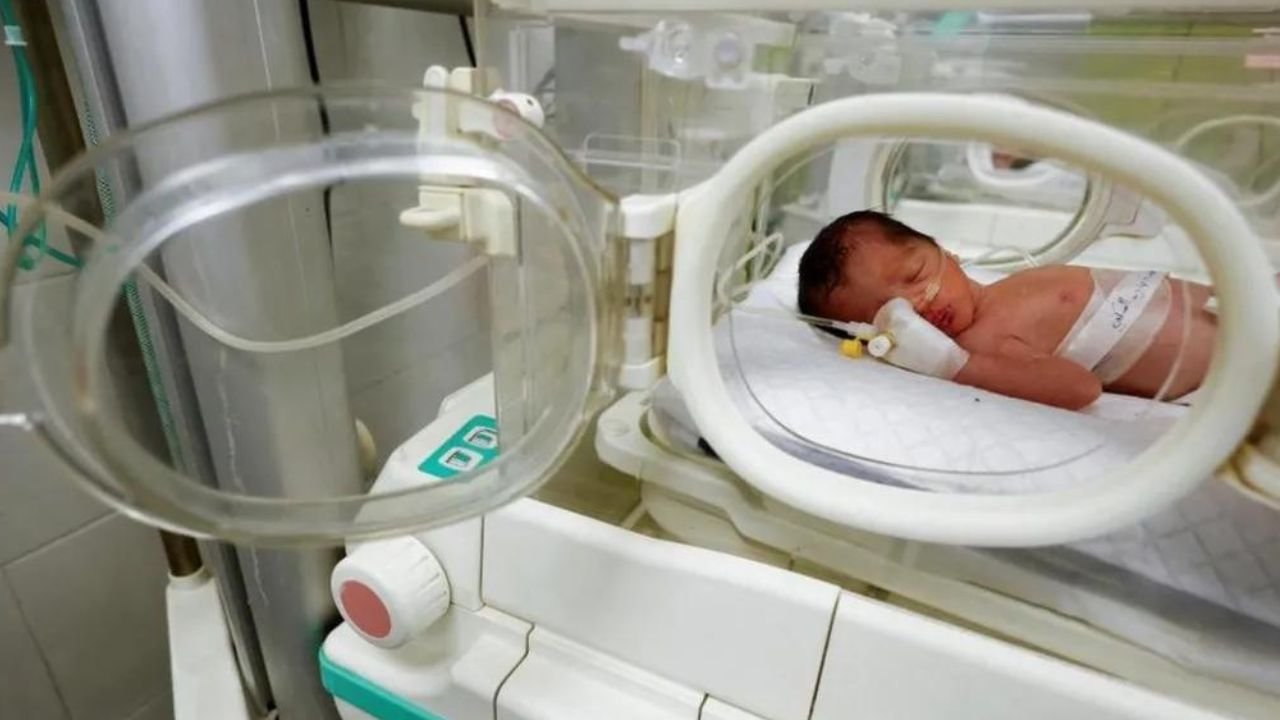
    The daughter of a pregnant woman who was martyred in the Israeli attack at Rafah in the occupied Palestinian territory of Gaza, has also died.

    Last week, a pregnant woman, Sabrin Al-Sakini, her husband and three-year-old daughter were martyred as a result of the Israeli attack in the Rafah area of Gaza. The doctors saved the daughter of Sabrin Al-Sakini by performing an emergency operation and the new-born girl was named ‘Shaheed Sabreen’s daughter’.

    The doctors who took care of the baby girl said that the weight of the baby girl at the time of birth was 1.4 kg and that her condition was improving. However, according to the British Broadcasting Corporation, the newborn girl died yesterday and was buried next to her mother.

    More than 34,000 people have been martyred as a result of the ongoing Israeli aggression in Gaza since October 7, 2023, including more than 14,000 children and more than 9,000 women.

  • Xi tells Blinken US, China should be ‘partners, not rivals’

    Xi tells Blinken US, China should be ‘partners, not rivals’

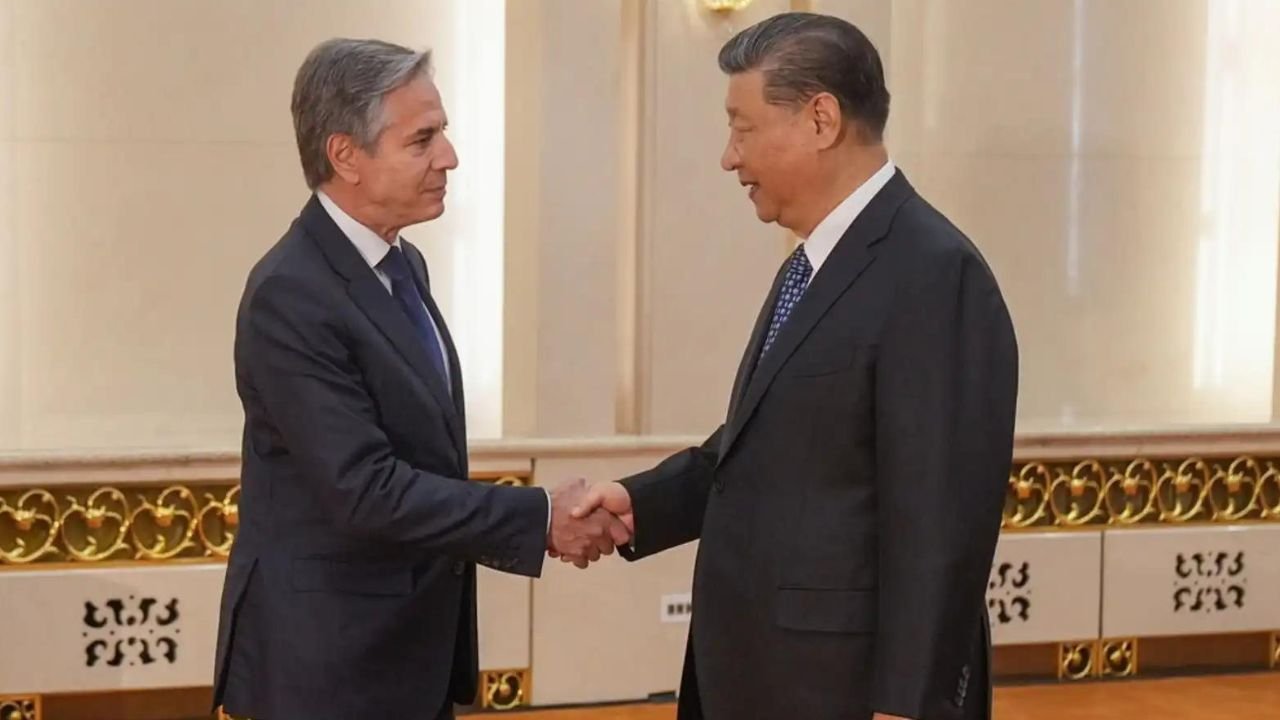
    Chinese President Xi Jinping on Friday told top US diplomat Antony Blinken that the world’s two biggest economies should be “partners, not rivals”, but that there were a “number of issues” to be resolved in their relations.

    Meeting Blinken in Beijing’s Great Hall of the People, Xi said the two countries had “made some positive progress” since he met with US President Joe Biden last year, according to state broadcaster CCTV.

    “There are still a number of issues that need to be resolved, and there is still room for further efforts,” Xi said.

    “I proposed three major principles: mutual respect, peaceful coexistence, and win-win cooperation,” the Chinese leader added.

    “The earth is big enough to hold the common development and… prosperity of China and the United States,” he continued.

    “China would be pleased to see a confident and open, prosperous and developing United States,” Xi said.

    “We hope the US can also take a positive view of China’s development,” he added.

    “When this fundamental problem is solved… relations can truly stabilise, get better, and move forward.”

  • Indian election resumes as heatwave hits voters

    Indian election resumes as heatwave hits voters

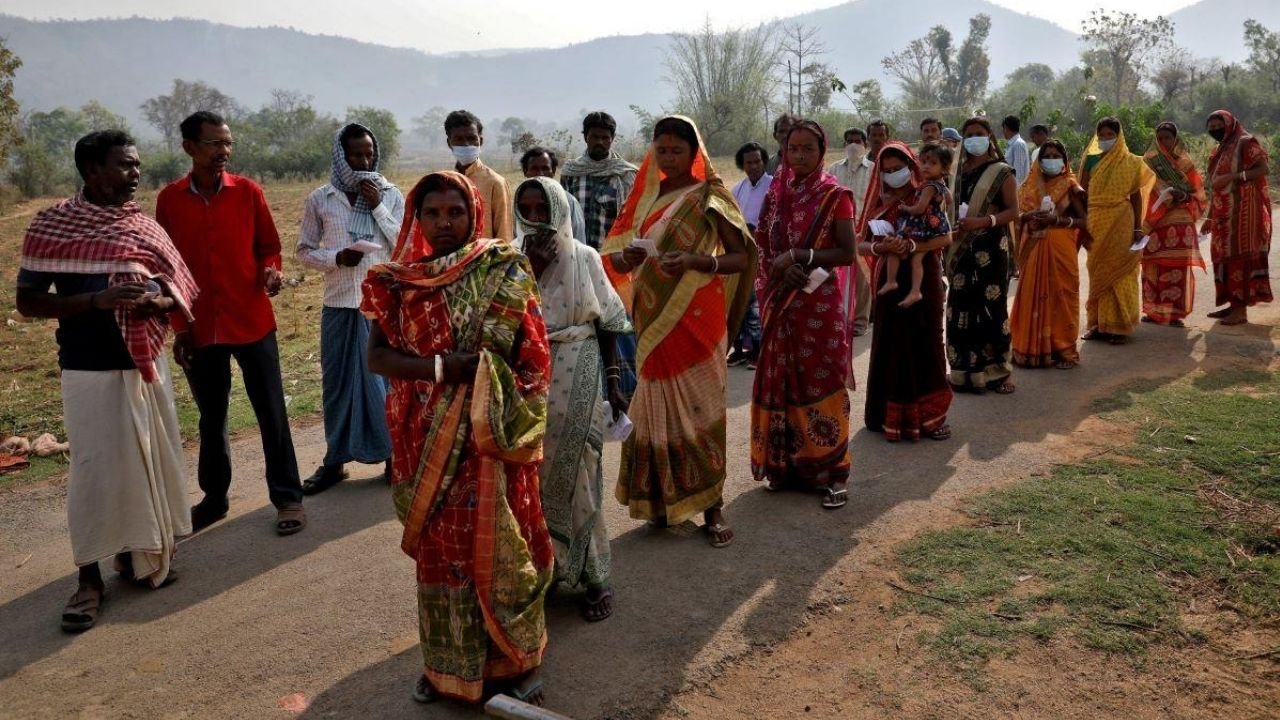
    India’s six-week election juggernaut resumed Friday with millions of people lining up outside polling stations in parts of the country hit by a scorching heatwave.

    Prime Minister Narendra Modi is widely expected to win a third term in the election, which concludes in early June.

    But turnout in the first round of voting last week dropped nearly four points to 66 percent from the last election in 2019, with speculation in Indian media outlets that higher-than-average temperatures were to blame.

    Modi took to social media shortly before polls re-opened to urge those voting to turn out in “record numbers” despite the heat.

    “A high voter turnout strengthens our democracy,” he wrote on social media platform X. “Your vote is your voice!”

    The second round of the poll — conducted in phases to ease the immense logistical burden of staging an election in the world’s most populous country — includes districts that have this week seen temperatures above 40 degrees Celsius (104 degrees Fahrenheit).

    AFP – MOHAMMED

    India’s weather bureau said Thursday that severe heatwave conditions would continue in several states through the weekend.

    That includes parts of the eastern state of Bihar, where five districts are voting Friday and where temperatures more than 5.1 degrees Celsius above the seasonal average were recorded this week.

    Karnataka state in the south and parts of Uttar Pradesh, India’s most populous state and heartland of the Hindu faith, are also scheduled to vote while facing heatwave conditions.

    Earlier this week, India’s election commission said it had formed a task force to review the impact of heatwaves and humidity before each round of voting.

    The Hindu newspaper suggested the decision could have been taken out of concerns that the intense heat “might have resulted in a dip in voter turnout”.

    In a Monday statement, the commission said it had “no major concern” about the impact of hot temperatures on Friday’s vote.

    AFP – SHARMA

    But it added that it had been closely monitoring weather reports and would ensure “the comfort and well-being of voters along with polling personnel”.

    A wave of exceptionally hot weather has blasted South and Southeast Asia, prompting thousands of schools across the Philippines and Bangladesh to suspend in-person classes.

    The heat disrupted campaigning in India on Wednesday when roads minister Nitin Gadkari fainted at a rally for Modi in Maharashtra state.

    Footage of the speech showed Gadkari falling unconscious and being carried off the stage by handlers. He later blamed the incident on discomfort “due to the heat”.

    Years of scientific research have found climate change is causing heatwaves to become longer, more frequent and more intense.

    AFP – SHARMA

    Friday will also see voting in the constituency of India’s most prominent opposition leader — Rahul Gandhi of the once-dominate Congress party.

    The 53-year-old is fighting to retain his seat in the southern state of Kerala, a stronghold for opponents of Modi’s Hindu-nationalist Bharatiya Janata Party (BJP).

    “It is the duty of every citizen to become a soldier of the constitution, step out of their homes today and vote to protect democracy,” he wrote on X.

    Gandhi is the son, grandson and great-grandson of former prime ministers, but his Congress party has suffered two landslide defeats against Modi in the last two general elections.

    Gandhi has been hamstrung by several criminal cases lodged against him by BJP members, including a conviction for criminal libel that saw him briefly disqualified from parliament last year.

    The opposition alliance has accused Modi’s government of using law enforcement agencies to selectively target its leaders and undermine its campaign.

    More than 968 million people are eligible to take part in India’s election, with the final round of voting on June 1 and results expected three days later.