Category: FOREIGN

Foreign Blogs is a network of global affairs blogs and a supplement to the Foreign Policy Association’s Great Decisions program.

  • UN Rights Council considers call for halt to arms sales to Israel

    UN Rights Council considers call for halt to arms sales to Israel

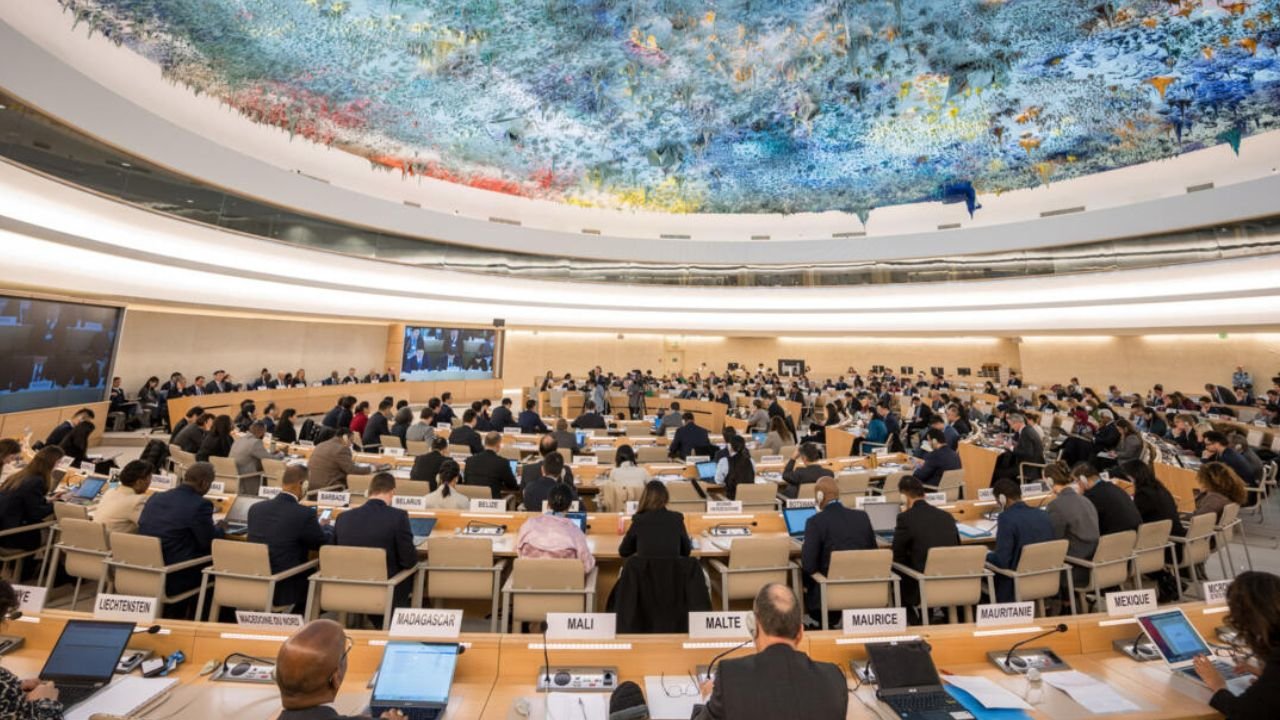
    The UN Human Rights Council was on Friday debating whether to demand a halt in arms sales to Israel, whose genocide in Gaza has killed more than 33,000 people.

    If the text is adopted, it would mark the first time that the United Nations’ top rights body has taken a position on the bloodiest-ever genocide to beset the besieged Palestinian territory.

    The draft text calls on countries to “cease the sale, transfer and diversion of arms, munitions and other military equipment to Israel”.

    This, it said, is needed among other things “to prevent further violations of international humanitarian law and violations and abuses of human rights”.

    It stresses that the International Court of Justice ruled in January “that there is a plausible risk of genocide” in Gaza.

    Friday’s draft resolution, which was brought forward by Pakistan on behalf of all Organisation of Islamic Cooperation (OIC) member states except Albania, calls for “an immediate ceasefire” and “for immediate emergency humanitarian access and assistance”.

    It comes after the UN Security Council in New York last week also finally passed a resolution calling for a ceasefire — thanks to an abstention from Washington, Israel’s closest ally and largest arms supplier.

    However, the ceasefire demand has had no impact on the ground.

    Palestinian militants also took more than 250 hostages on October 7, and 130 remain in Gaza, including 34 who the army says are dead.

    Israel’s retaliatory campaign has killed at least 33,037 people, mostly women and children, according to the health ministry in Gaza.

    The rights council draft resolution does not name Hamas but it does condemn the firing of rockets at Israeli civilian areas and demands “the immediate release of all remaining hostages”.

    The strongly worded text repeatedly names Israel, stressing it is “the occupying Power”.

    It demands that Israel end its occupation of all Palestinian territories and “immediately lift its blockade on the Gaza Strip and all other forms of collective punishment”.

    The text, which was revised late on Thursday removing several references to genocide, continues to express “grave concern at statements by Israeli officials amounting to incitement to genocide”.

    And it urges countries to “prevent the continued forcible transfer of Palestinians within and from Gaza”.

    It warns in particular “against any large-scale military operations in the city of Rafah” in the south of the densely populated Gaza Strip, where well over one million civilians are sheltering, warning of “devastating humanitarian consequences”.

    The draft resolution also condemns “the use of starvation of civilians as a method of warfare in Gaza”, where the UN has warned that famine is looming.

    And it slammed “the unlawful denial of humanitarian access, wilful impediment to relief supplies and deprivation of objects indispensable to the survival of civilians, including food, water, electricity, fuel and telecommunications, by Israel”.

    The text also condemns Israel’s “use of explosive weapons with wide area effects by Israel in populated areas in Gaza”.

    Friday’s draft resolution deplores the fact that Israel has persistently refused to cooperate with numerous investigations ordered by the UN rights council.

    And it insists on the “imperative of credible, timely and comprehensive accountability for all violations of international law” in Gaza.

    It calls on the Commission of Inquiry on the rights situation in the occupied Palestinian territories — the highest-level UN investigation launched prior to October 7 — to probe all “direct and indirect transfer or sale of arms, munitions, parts, components and dual use items to Israel, the occupying Power”.

    The team, it said, should identify the weapons used since October 7 and “analyse the legal consequences of these transfers”.

    The investigators should present their findings to the council at its 59th session, which will be held in mid-2025, it said.
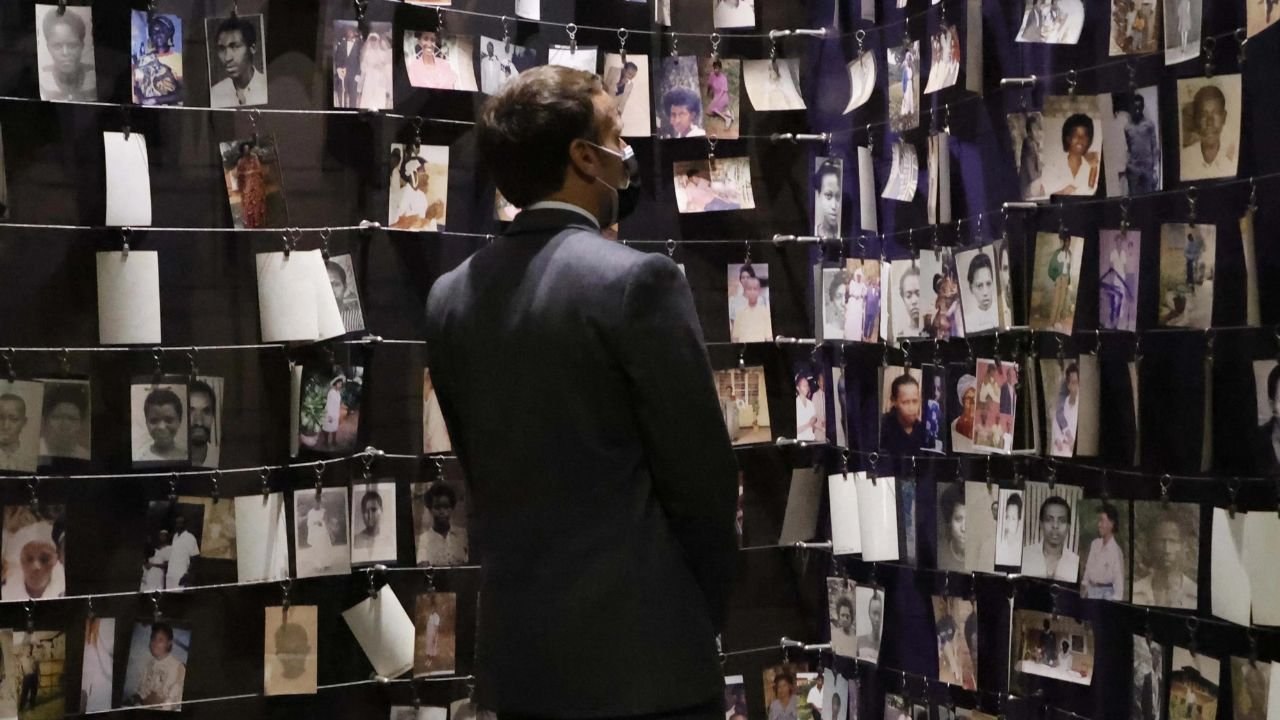

  • Macron believes France, allies ‘could have stopped’ 1994 Rwanda genocide

    Macron believes France, allies ‘could have stopped’ 1994 Rwanda genocide

    President Emmanuel Macron believes France and its Western and African allies “could have stopped” Rwanda’s 1994 genocide but did not have the will to halt the slaughter of an estimated 800,000 people, mostly ethnic Tutsis, the presidency said on Thursday.

    In a video message to be published on Sunday to mark the 30th anniversary of the genocide, Macron will emphasise that “when the phase of total extermination against the Tutsis began, the international community had the means to know and act”, a French presidential official said, asking not to be named.

    The president believes that at the time, the international community already had historical experience of witnessing genocide with the Holocaust in World War II and the mass killings of Armenians in Ottoman Turkey during World War I.

    Macron will say that “France, which could have stopped the genocide with its Western and African allies, did not have the will” to do so, the official added.

    The president will not be heading to Kigali to attend commemorations of the genocide this Sunday alongside Rwandan President Paul Kagame, and France will instead be represented by Foreign Minister Stephane Sejourne.

    Macron, during a visit to Rwanda in 2021, recognised France’s “responsibilities” in the genocide and said only the survivors could grant “the gift of forgiveness”.

    But he stopped short of an apology and Kagame, who led the Tutsi rebellion that ended the genocide, has long insisted on the need for a stronger statement.

    A historical commission set up by Macron and led by historian Vincent Duclert also concluded in 2021 that there had been a “failure” on the part of France under former leader Francois Mitterrand, while adding that there was no evidence Paris was complicit in the killings.

    Marcel Kabanda, president of the Ibuka France genocide survivor association, welcomed Macron’s new message reported on Thursday.

    “It goes even further than the Duclert report or his message in Kigali” in 2021, he said.

    “I’m overjoyed he is giving France this positive image of a country that recognises its faults and grows through recognising its history,” he said.

    In his video message, Macron is to “reiterate the importance of the duty of remembrance, but also of developing and disseminating reference knowledge, in particular through the education of younger generations in France,” the presidency said.

  • McDonald’s to acquire franchised stores in Israel

    McDonald’s to acquire franchised stores in Israel

    McDonald’s Corporation said Thursday it will acquire Alonyal, which owns 225 McDonald’s restaurants in Israel which have been hit by calls for a boycott over Israeli genocide in Gaza.

    Terms of the transaction were not disclosed. McDonald’s said in a statement the deal was subject to conditions which it did not identify.

    Alonyal has operated McDonald’s restaurants in Israel for more than 30 years, today owning 225 franchised properties with more than 5,000 employees, who will be retained after the sale.

    In presenting its 2023 earnings report in February, McDonald’s said the war in Gaza that began in October with the Hamas attacks on Israel was weighing on its results.

    McDonald’s was targeted with boycott calls after the franchised restaurants in Israel offered thousands of free meals to Israeli soldiers.

    “We recognize that families in their communities in the region continue to be tragically impacted by the war and our thoughts are with them at this time,” Chief Executive Chris Kempczinski said in an analyst call.

    He said the impact of the boycott was “meaningful,” without elaborating.

    McDonald’s fourth quarter sales disappointed analysts. In franchised restaurants outside the United States, comparable sales fell 0.7 percent.

    “Obviously the place that we’re seeing the most pronounced impact is in the Middle East. We are seeing some impact in other Muslim countries like Malaysia, Indonesia,” said Kempczinski.

    This also happened in countries with large Muslim populations such as France, especially for restaurants in heavily Muslim neighborhoods, he said.

    McDonald’s shares were down nearly 2 percent in after-market trading Thursday.

  • Taliban government in Kabul urges Islamabad to show restraint over Afghan migrants

    Taliban government in Kabul urges Islamabad to show restraint over Afghan migrants

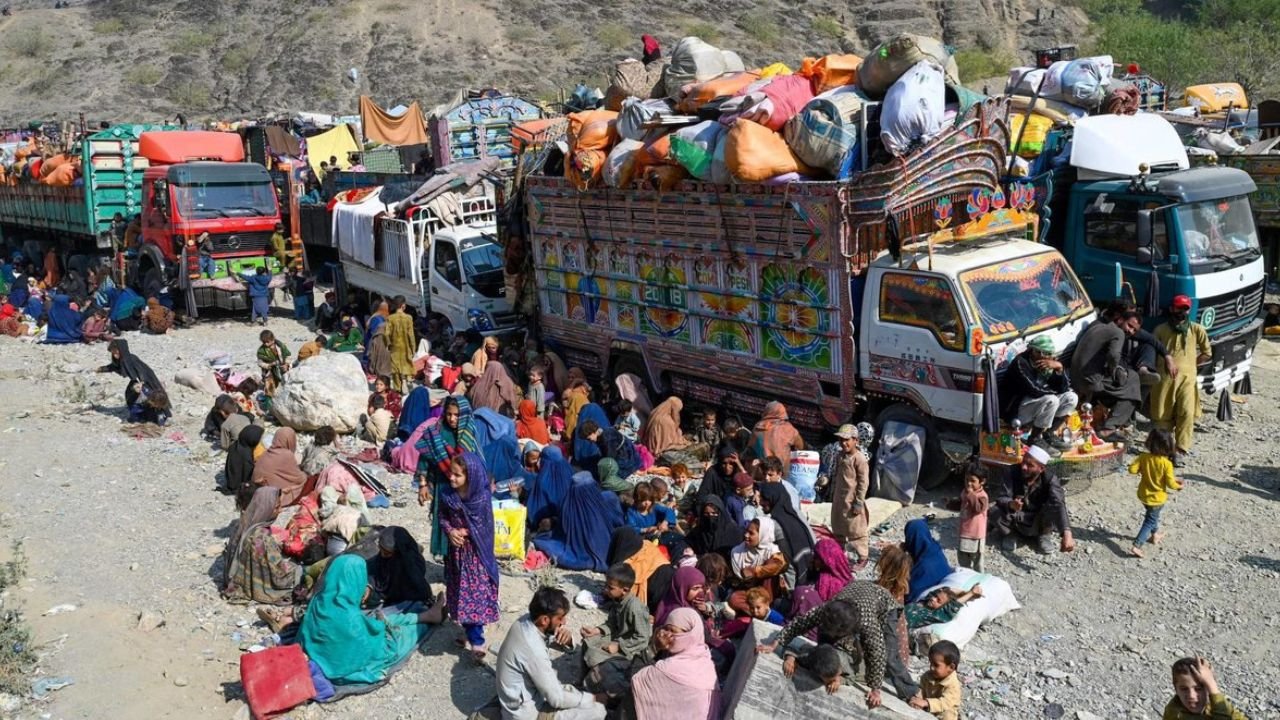
    Taliban authorities urged Pakistan on Thursday not to make a unilateral decision on repatriating Afghan migrants, saying they shouldn’t be “harassed,” after reports Islamabad would renew an eviction campaign.

    More than half a million Afghans fled Pakistan last year after the former government ordered undocumented migrants to leave or face arrest as Islamabad-Kabul relations soured over security.

    Islamabad initially set a November 2023 deadline but official sources, who asked not to be identified, told AFP in March that Pakistan is gathering data on Afghan migrants – including those residing legally in the country – ahead of a renewed push slated to start after the Islamic holy month of Ramadan.

    A final decision has not been made on a repatriation push, according to Pakistan officials, but the Afghan deputy minister for refugees urged restraint in a meeting with a top Pakistani diplomat in Kabul.

    “The issue of refugees is bilateral and decisions regarding them should be made through an understanding between both countries,” said Abdul Rahman Rashed, according to a ministry statement on social media platform X on Thursday.

    “They shouldn’t be harassed until a joint mechanism is reached.”

    Taliban authorities have urged Afghans to return home since taking power in 2021 but they also have condemned Pakistan’s actions, saying nationals are being punished for tensions between Islamabad and Kabul, and have called for people to be given more time to leave.

    Millions of Afghans have poured into Pakistan over the decades, fleeing successive conflicts and political upheaval.

  • Online hate sows Muslim fears as India votes

    Online hate sows Muslim fears as India votes

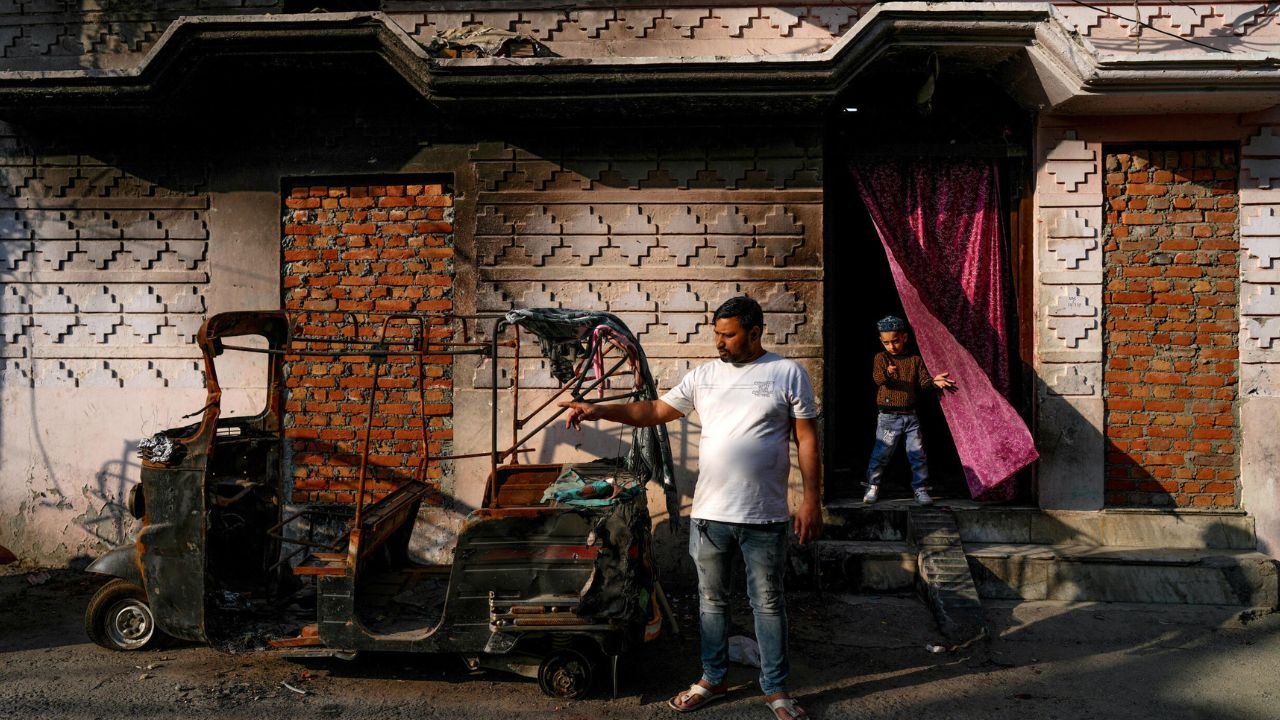
    Haldwani (India) (AFP) – After his brother was murdered in anti-Muslim riots, Pervez Qureshi watched the videos he believes incited the killers, part of a wave of hatred being fomented on social media ahead of India’s elections.

    India has a long and grim history of sectarian clashes between the Hindu majority and its biggest minority faith, but analysts warn increasingly available modern technology is being used to deliberately exploit divisions.

    “Videos and messages were shared on Facebook and WhatsApp which contained inflammatory language and incitement to violence,” Qureshi told AFP, recalling the attack on his brother Faheem in February in the northern city of Haldwani in Uttarakhand state.

    “It poisoned the atmosphere.”

    Nearly 550 million more Indians have access to the internet than when Prime Minister Narendra Modi came to power a decade ago, according to figures from the Internet and Mobile Association of India.

    Modi’s Hindu-nationalist Bharatiya Janata Party (BJP) is widely expected to win a third term in elections that begin on April 19.

    Part of his popularity can be attributed to his party’s masterful online campaign team, staffed by thousands of volunteers who champion his good deeds and achievements.

    Modi’s use of social media “awakens nationalism and patriotism among the youth in every corner of the country”, said Manish Saini, a youth leader of a BJP “IT Cell” in Uttarakhand state, who works online to reach voters.

    ‘Atmosphere of hatred’

    Critics however accuse the BJP’s sophisticated social media apparatus of also fanning the flames of division.

    Haldwani community leader Islam Hussain said tensions were already high before February’s violence, after months of incendiary social media posts calling Muslims “outsiders”.

    “It was said that due to the increasing population of Muslims, the social demography of Uttarakhand is changing”, Hussein said.

    “Right-wing social media cells have a big role in creating an atmosphere of hatred against Muslims.”

    Clashes erupted after the authorities said a mosque had been built illegally, and a Muslim group gathered to prevent its demolition.

    Some hurled stones at police officers, who beat them back with batons and tear gas.

    Hindu residents gathered to cheer on the police clampdown, chanting religious slogans and throwing rocks at the crowd.

    Footage of the riots spread swiftly on social media.

    Egged on by online calls to mobilise, Hindu mobs rampaged through the streets.

    “It’s time to teach them a lesson,” read the caption to one of dozens of inflammatory posts, many of which remain online.

    “The time has come to beat Muslims.”

    Qureshi said his brother Faheem, 32, was killed by Hindu neighbours after they first torched his car.

    ‘Triggers an incident’

    But Saini, coordinator for the BJP’s youth wing, said the online team he leads does not encourage violence — and is under strict instruction not to “write anything against anyone’s religion”.

    He said his colleagues had mobilised quickly on the day riots broke out to provide information, not to stir up trouble.

    “When we got the news, we immediately started preparing graphics, videos and text messages to reach people with the correct and accurate information related to the incident,” he said.

    He said the initial violence was clashes between police and a Muslim group — and blamed Modi’s opponents for instigating riots to tarnish the government’s image.

    Critics disagree.

    Raqib Hameed Naik, from research group Hindutva Watch, said that the BJP’s IT Cell had generated anger towards minorities, by promoting the government’s Hindu-nationalist agenda.

    Naik, who documents hate speech against religious minorities, said the social media messages spreading during the Haldwani violence followed a pattern seen in previous riots.

    “First, hate speech against Muslims by a Hindu activist or politician creates an atmosphere… then the hate speech triggers an incident,” Naik said.

    Afterwards, online Hindu-nationalist campaigners “hold Muslims responsible” for the violence, he added.

  • Israeli President apologises for deaths of Gaza aid workers

    Israeli President apologises for deaths of Gaza aid workers

    Israeli President Isaac Herzog apologised Tuesday for the air strike that killed seven aid workers in Gaza.

    Herzog said he spoke to Jose Andres, the US-based celebrity chef who heads the aid group World Central Kitchen, to express his “deep sorrow and sincere apologies over the tragic loss of life”.

    Prime Minister Benjamin Netanyahu had earlier stopped short of apologising for the deaths, which he described as a “tragic case” that would be investigated “right to the end”.

    “It happens in war… we will do everything so that this thing does not happen again,” he added.

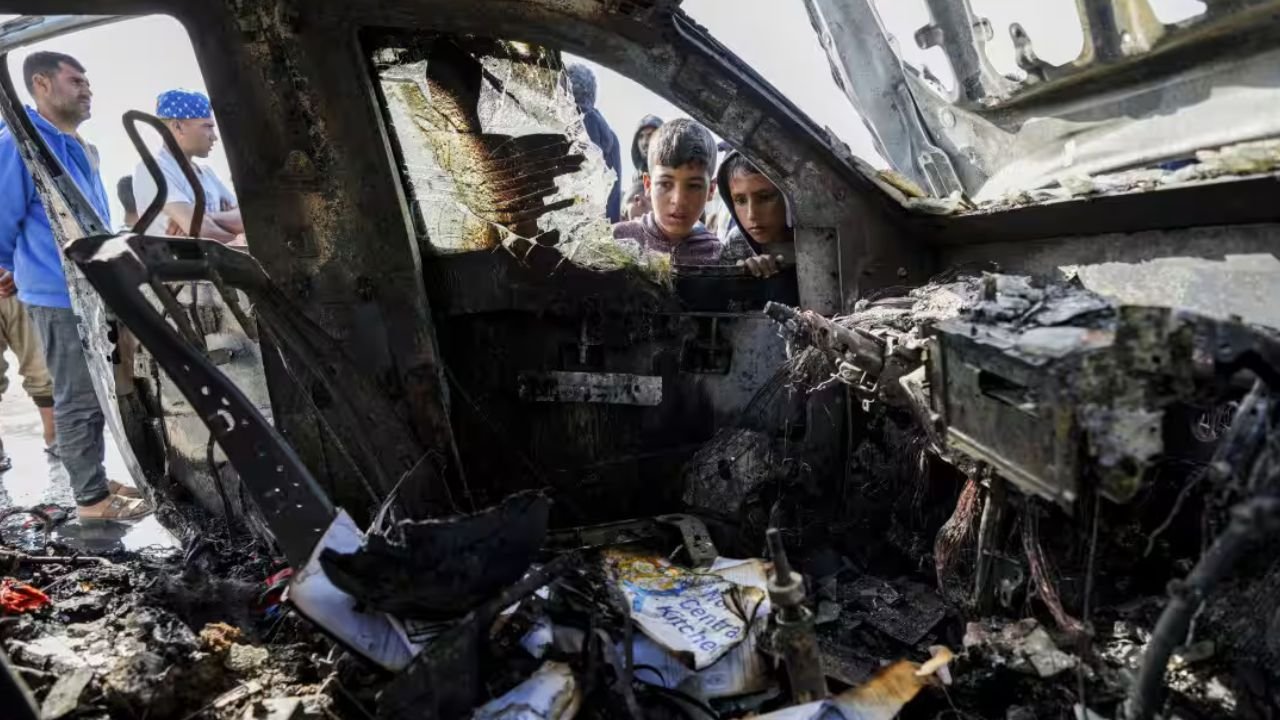
    AFPTV footage showed the roof of a white vehicle emblazoned with the group’s logo punctured with a blackened hole, alongside the mangled wreckage of other vehicles.

    World Central Kitchen had earlier said a “targeted attack” by Israeli forces on Monday had killed its staff, which included Australian, British, Palestinian, Polish and US-Canadian citizens.

    The charity, which has been delivering food aid to Gaza’s starving population, said its convoy was clearly marked and it had coordinated with the Israeli military to avoid any danger.

    Since October 7 attack, Gaza has been under a near-complete siege, with the United Nations accusing Israel of preventing deliveries of humanitarian assistance to the 2.4 million Palestinians in the devastated territory.

    UN agencies have repeatedly warned that northern Gaza is on the verge of famine, calling the situation a man-made crisis.

    But Herzog said Israel was committed to “delivering and upgrading humanitarian aid to the people of Gaza”.

    The Israeli military also said Tuesday they were looking at ways to coordinate safe aid deliveries.

    The bloodiest-ever Gaza war erupted with the October 7 attack, which resulted in about 1,160 deaths in Israel, mostly civilians, according to an AFP tally of Israeli official figures.

    Israeli genocide in Gaza since October 7, 2023, has killed at least 32,916 people, mostly women and children, according to the health ministry in Hamas-run Gaza.

  • Fire breaks out at nightclub in Istanbul, more than two dozen injured

    Fire breaks out at nightclub in Istanbul, more than two dozen injured

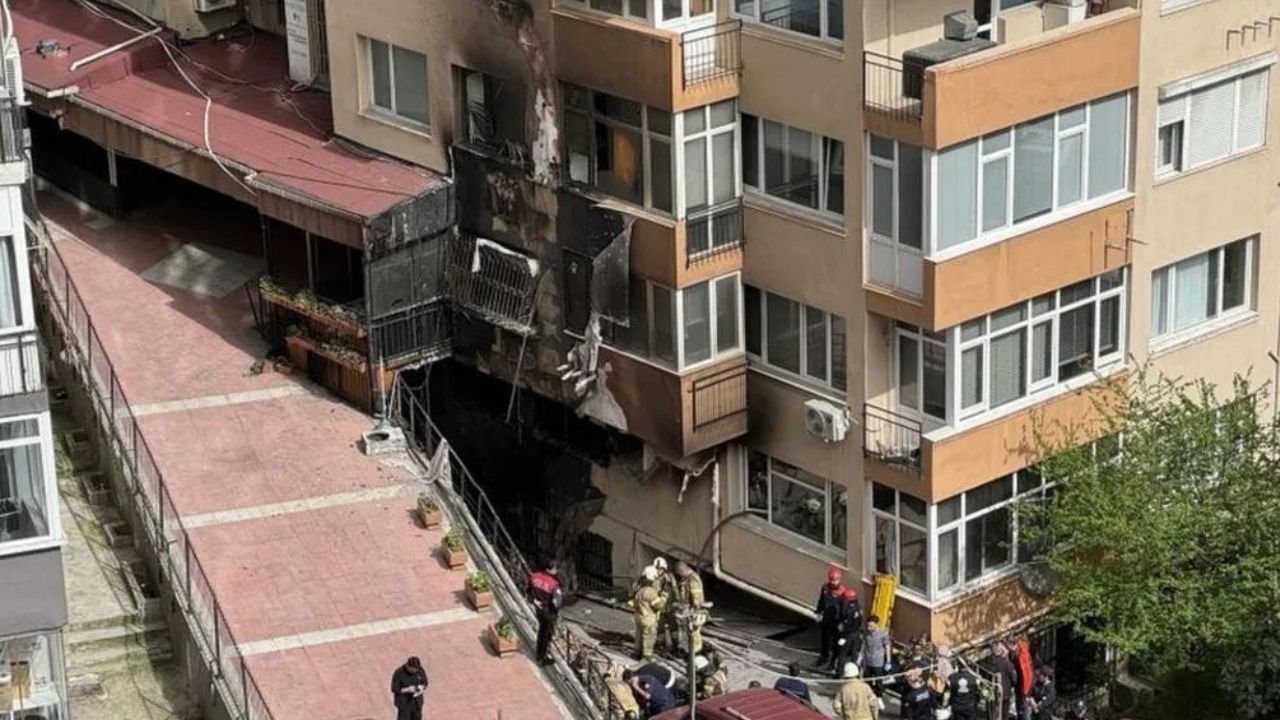
    At least 29 people have been killed in a fire in a nightclub in Turkey, reports the BBC.

    The club was in the basement of a high-rise building in Istanbul. It was closed and undergoing renovations during the day.

    Speaking to the media, Istanbul governor Davut Gül said the cause of the fire was not yet clear. Gül also said that the victims of the fire were employees, but it is not clear whether they were contractors or employees of the nightclub.

    The investigation is underway. Several people have been arrested in connection with the fire as investigations continue. They include the nightclub manager and the manager of the renovations.

    The Mayor of İstanbul, Ekrem Imamoglu, offered his condolences on social media.

    “May God have mercy on our citizens who lost their lives, and I wish a speedy recovery to our injured,” he said in a post on X, formerly Twitter.

    Turkey’s President, Recep Tayyip Erdogan, is aware of the tragedy following a phone call with interior minister Ali Yerlikaya.

  • In a first, two First Ladies at presidential palace in a Senegal

    In a first, two First Ladies at presidential palace in a Senegal

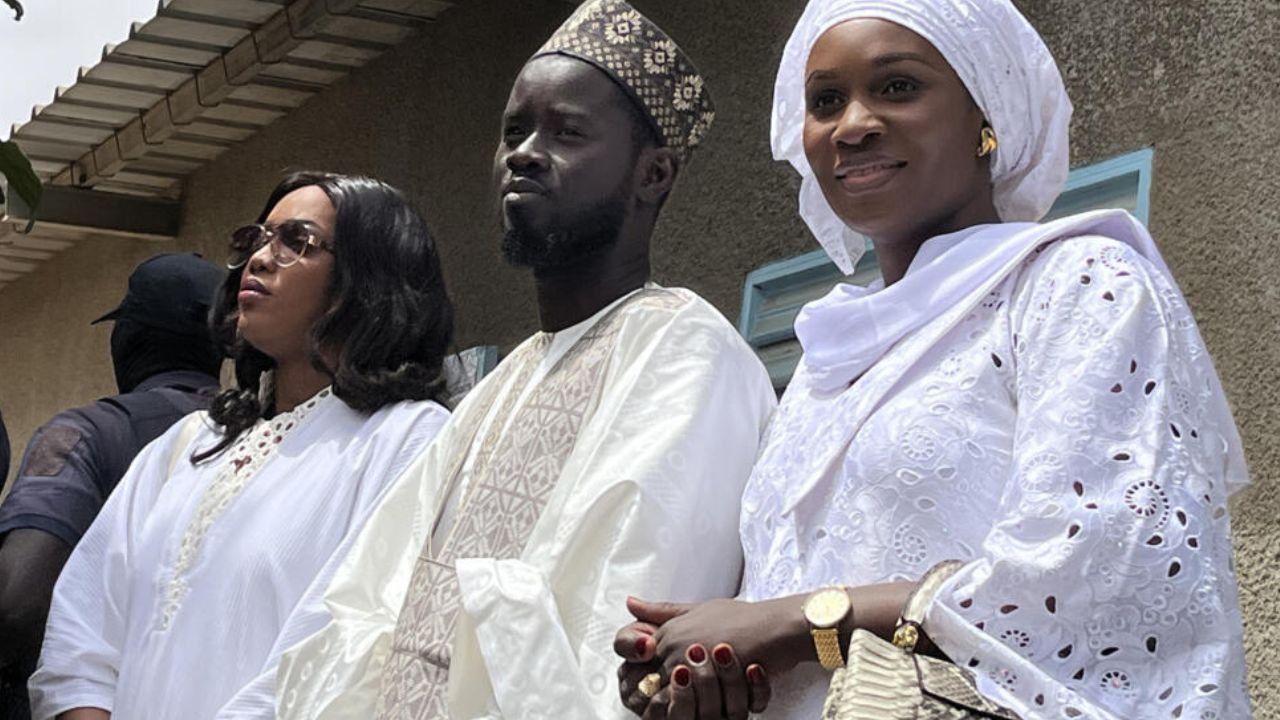
    In the closing moments of the electoral campaign, Senegal’s president-elect Bassirou Diomaye Faye stepped onto the stage holding the hands of both his wives Marie and Absa.

    It was an unprecedented sight in the national politics of the West African country and a clear choice by the first-round winner who promises radical change.

    Polygamy is a traditional and religious practice firmly anchored in the culture of Senegal where the overwhelming majority is Muslim.

    Marie Khone, who until now had never been in the spotlight, comes from the same village as 44-year-old Faye. They married 15 years ago and have four children.

    He married his second wife Absa just over a year ago.

    “It’s the ultimate recognition of the tradition of polygamy at the top of the state, with a situation that will reflect Senegalese reality,” sociologist Djiby Diakhate said.

    Many men praise the practice while women tend to remain “mistrustful”, he added.

    Polygamy has long stirred controversy and the public appearance by BDF, as he is known, with his two wives at his side cheered on by thousands of his supporters has made it a top talking point in the media, online and at home, sparking diverse reaction.

    “Being a second wife suits me better than being a first,” well-known singer Mia Guisse said proudly in a video that recently went viral.

    Reputed sociologist Fatou Sow Sarr said on X, formerly Twitter, that “polygamy, monogamy, polyandry are matrimonial models determined by the history of every nation”.

    “These models are now in competition with homosexual marriage,” he added, in a country where homosexuality is punishable by between one and five years in jail.

    “I really think that the West has no legitimacy to judge our cultures,” Sarr added in a follow-up message on X.

    Nevertheless, many Senegalese women say they find polygamy hypocritical and unfair, while the UN Human Rights Committee said in a 2022 report that it amounted to discrimination against women and should be ended.

    – ‘Totally new’ situation –

    In her 1979 novel “So Long a Letter”, Senegalese author Mariama Ba was fiercely critical of polygamy, depicting the pain and loneliness of a woman after her husband took a second, younger wife.

    Many popular TV series in recent years, like “Mistress of a Married Man” or “Polygamy”, have explored the ups and downs of family life in polygamous households.

    Former culture minister and history professor Penda Mbow said the matrimonial situation at the presidential palace now is “totally new”.

    “Until now, there was only one First Lady. This means the entire protocol must be reviewed,” he added.

    Polygamy is widespread in Senegal particularly in rural areas and is considered a way of widening one’s family.

    Islam permits men to take up to four wives providing they have the financial means. In such a case, it calls for equal, alternating time spent with the wives, of between two and three days.

    – ‘Strong signal’ –

    Many marriages are not registered in Senegal, making it difficult to say exactly how many are polygamous.

    But according to a 2013 report by the national statistics and demographics agency, 32.5 percent of married Senegalese people were in a polygamous union.

    The average age of the women at the time of their marriage was 40.4 years old and 52.9 for men, the report said.

    Diakhate, the sociologist, said Faye had sent a “strong signal so that other men also accept their polgygamy and so that they demonstrate transparency like him”.

    He said there was “undoubtedly a will” to end hidden polygamy- known in the Wolof language as Takou Souf — which he added would be “a good thing for the economy of the country and for the matrimonial situation”.

    In response to detractors, the incoming president, who won 54.28 percent in the March 24 vote, shows nothing but pride in his family situation.

    “I have beautiful children because I have wonderful wives. They are very beautiful. I give thanks to God they are always fully behind me,” he said during the presidential race.

  • Israel pulls out of Al-Shifa hospital after killing civilians, destroying buildings

    Israel pulls out of Al-Shifa hospital after killing civilians, destroying buildings

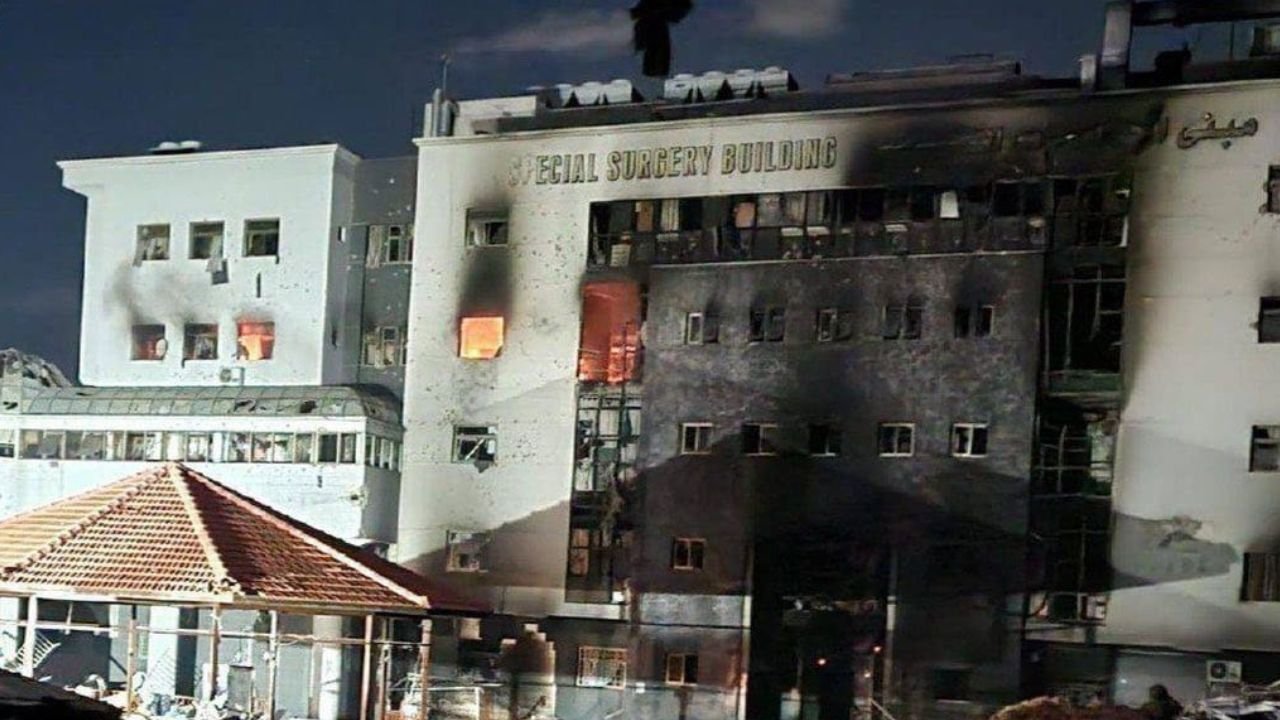
    Israeli forces on Monday pulled out of Gaza’s largest hospital complex after an intensive two-week military operation, leaving behind charred buildings and bodies strewn at the sprawling complex.

    Israel said it had battled Palestinian militants hiding inside Gaza City’s Al-Shifa Hospital, killed at least 200 fighters and recovered large stockpiles of weapons, explosives and cash.

    The health ministry in Gaza said that, after heavy Israeli air strikes and tank fire, “the scale of the destruction inside the complex and the buildings around it is very large”.

    “Dozens of bodies, some of them decomposed, have been recovered from in and around the Al-Shifa medical complex,” the ministry said, adding that the hospital was now “completely out of service”.

    A doctor told AFP more than 20 bodies had been recovered, some crushed by withdrawing vehicles.

    Israeli attacks have also flared around other Gaza hospitals almost six months since October 7 attacks which have destroyed swathes of the besieged coastal territory.

    The Hamas government press office said the army had blown up more than 20 houses within 24 hours in the main southern city of Khan Yunis, where battles have raged around the Nasser and Al-Amal hospitals.

    Israel destroys hospital

    Over the past two weeks, the Israeli army carried out what it labelled “precise operational activity” at the Al-Shifa complex, before declaring on Monday that the forces had withdrawn.

    The scene left behind was one of devastation, with windows blown out, concrete walls blackened and volunteers carrying away shrouded corpses across the sandy wasteland.

    Dozens of air strikes and shelling had hit the area around the complex in the morning, in heavy fire which the Hamas government media office said served to provide cover for the withdrawing troops and tanks.

    The army has in recent days released footage of its fighters moving through the hospital’s corridors, and pictures of large numbers of assault rifles, grenades and other weapons it said were recovered from the maternity ward.

    The military has said 200 Hamas fighters were killed in fighting in and around Al-Shifa.

    Hamas has denied operating from Al-Shifa and other health facilities.

    An Israeli strike also hit “a tent camp” inside central Gaza’s Al-Aqsa hospital compound, killing four people, said World Health Organization chief Tedros Adhanom Ghebreyesus on social media platform X.

  • Bangladesh opens mosque for transgender hijra community

    Bangladesh opens mosque for transgender hijra community

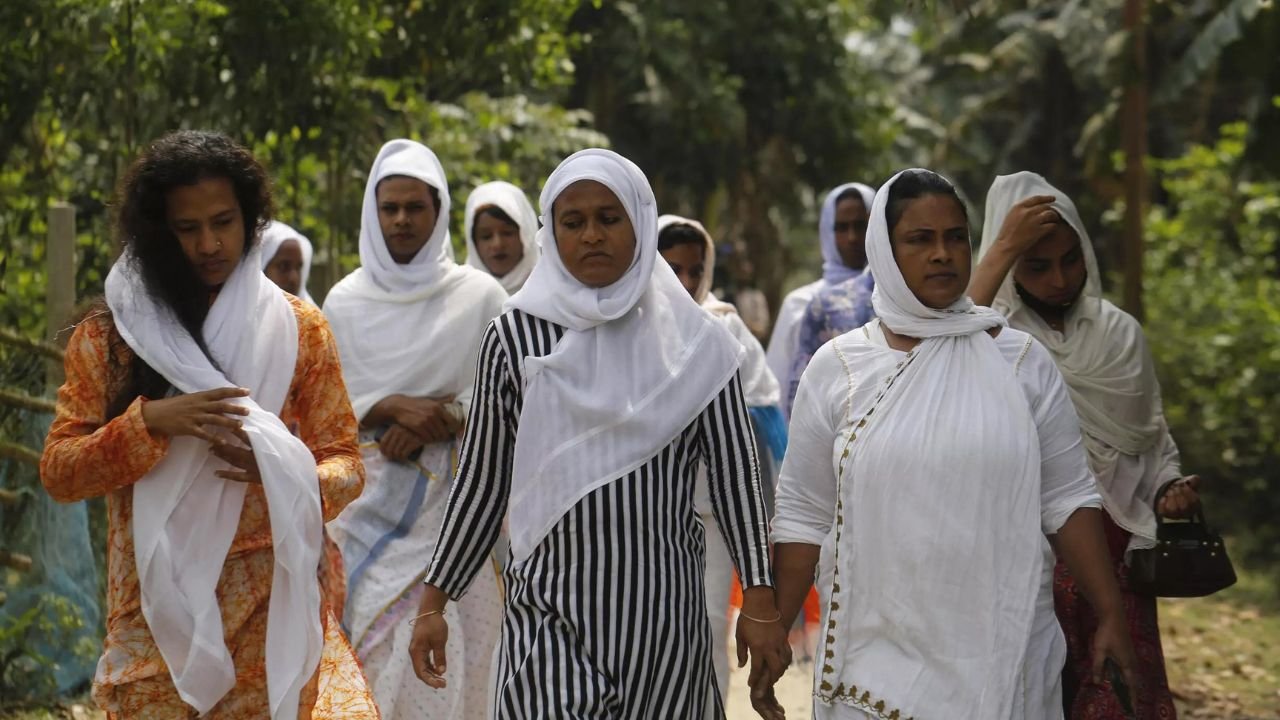
    Mymensingh (Bangladesh) (AFP) – Kicked out of other prayer services, members of Bangladesh’s transgender hijra community have been welcomed at a new mosque in the Muslim-majority nation with the promise of worship without discrimination.

    The humble structure — a single-room shed with walls and a roof clad in tin — is a new community hub for the minority, who have enjoyed greater legal and political recognition in recent years but still suffer from entrenched prejudice.

    “From now on, no one can deny a hijra from praying in our mosque,” community leader Joyita Tonu said in a speech to the packed congregation.

    “No one can mock us,” added the visibly emotional 28-year-old, a white scarf covering her hair.

    The mosque near Mymensingh, north of the capital Dhaka on the banks of the Brahmaputra river, was built on land donated by the government after the city’s hijra community were expelled from an established congregation.

    “I never dreamt I could pray at a mosque again in my lifetime,” said Sonia, 42, who as a child loved to recite the Koran and studied at an Islamic seminary.

    But when she came out as hijra, as transgender women in South Asia are commonly known, she was blocked from praying in a mosque.

    “People would tell us: ‘Why are you hijra people here at the mosques? You should pray at home. Don’t come to the mosques,’” Sonia, who uses only one name, told AFP.

    “It was shameful for us, so we didn’t go,” she added. “Now, this is our mosque. Now, no one can say no.”

    ‘Like any other people’

    Hijra have been the beneficiaries of growing legal recognition in Bangladesh, which since 2013 has officially allowed members of the community to identify as a third gender.

    Several have entered Bangladeshi politics, with one transgender woman elected mayor of a rural town in 2021.

    But hijra still struggle for basic recognition and acceptance, lacking property and marriage rights.

    They are also often discriminated against in employment and are much more likely to be victims of violent crime and poverty than the average Bangladeshi.

    Hardline Islamist groups have also lashed out at the recognition of transgender Bangladeshis in school textbooks, leading rallies to demand the government abandon its push to include them in the curriculum.

    Mufti Abdur Rahman Azad, founder of a hijra charity, told AFP that the new mosque was the first of its kind in the country.

    A similar endeavour planned in another city was stopped last month after a protest by locals, he added.

    Dozens of local hijra women donated time and money to build the Dakshin Char Kalibari Masjid for the Third Gender, which opened this month.

    It also has a graveyard, after a local Muslim cemetery last year refused to bury a young hijra woman inside its grounds.

    The mosque’s imam, Abdul Motaleb, 65, said that the persecution of the hijra community was against the teachings of his faith.

    “They are like any other people created by Allah”, the cleric told AFP.

    ‘No one can be denied’

    “We all are human beings. Maybe some are men, some are women, but all are human. Allah revealed the Holy Koran for all, so everyone has the right to pray, no one can be denied.”

    Motaleb said that other Bangladeshis could learn from the faith and strength of the hijra.

    “Since I have been here at this mosque, I have been impressed by their character and deeds,” he said.

    The new mosque is already tackling prejudice. Local resident Tofazzal Hossain, 53, has offered Friday prayers there for a second week in a row.

    He said living and praying with the hijra community has changed his “misconceptions” about them.

    “When they started to live with us, many people said many things,” he told AFP.

    “But we’ve realised what people say isn’t right. They live righteously like other Muslims”.

    Tonu hopes to expand the simple mosque to be big enough to cater for more people.

    “God willing, we will do it very soon,” she told AFP.

    “Hundreds of people can offer prayers together.”