Category: FOREIGN

Foreign Blogs is a network of global affairs blogs and a supplement to the Foreign Policy Association’s Great Decisions program.

  • UN Security Council vote on Gaza faces threat of US veto

    UN Security Council vote on Gaza faces threat of US veto

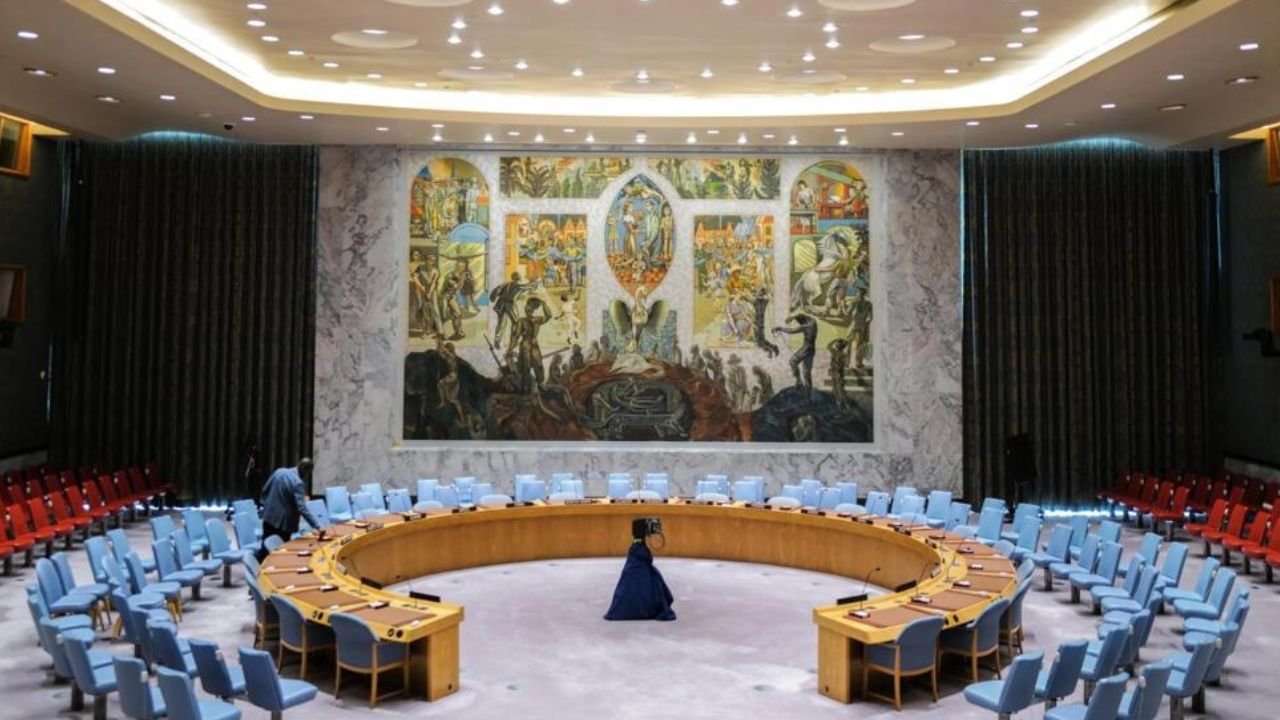
    United Nations (United States) (AFP) – The UN Security Council will vote on a new draft resolution Tuesday calling for an immediate ceasefire in Gaza, despite threat of a third US veto on such a text.

    The document, prepared by Algeria, “demands an immediate humanitarian ceasefire that must be respected by all parties.”

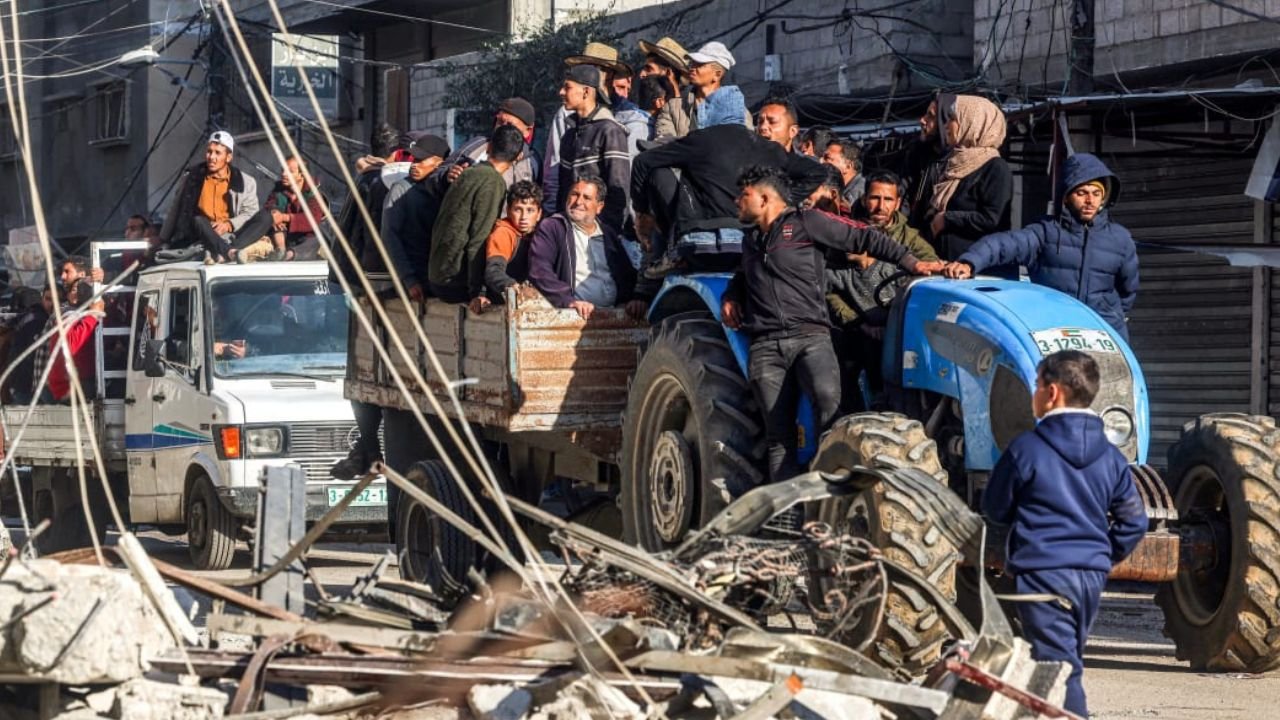
    The vote comes as Israel prepares to move into the southern Gaza Strip city of Rafah, where some 1.4 million people have fled, as part of its mission to destroy “Hamas”.

    However it is facing increased pressure to hold off, including from its closest ally the United States.

    The draft resolution opposes the “forced displacement of the Palestinian civilian population.”

    It additionally demands the release of all Hamas hostages.

    Similarly to other previous drafts spurned by the United States and Israel, the new text does not condemn Hamas’s October 7 assault.

    That attack left about 1,160 people dead in southern Israel, mostly civilians, according to an AFP tally of official Israeli figures.

    Israel’s retaliatory campaign has killed more than 29,000 people in Gaza, mostly women and children, according to the latest count by the health ministry.

    The United States warned over the weekend that Algeria’s text was not acceptable, threatening to veto it.

    “We don’t believe that this Council product will help the situation on the ground,” US deputy ambassador to the UN Robert Wood said Monday.

    “If this resolution does come to a vote, it will not go forward.”

    According to Wood, the passage of such a ceasefire resolution would endanger ongoing delicate diplomatic negotiations which could see the release of hostages from Gaza.

    The United States instead began circulating an alternate draft, seen by AFP Monday.

    While that text does include the word “ceasefire” — which the United States has previously avoided, vetoing two drafts in October and December which used the term — it does not call for the end of hostilities to happen immediately.

    ‘Moral obligation’

    Echoing recent comments by President Joe Biden, the US draft supports a “temporary ceasefire in Gaza as soon as practicable, based on the formula of all hostages being released.”

    It also mentions concern for Rafah, stating that “a major ground offensive should not proceed under current circumstances.”

    There is no “deadline” for a vote on the American draft, a senior US official said Monday, adding there would be no “rush.”

    But even if there is no hurry, the US text “as it is… cannot pass,” one diplomatic source said, citing several issues around the phrasing of “ceasefire” and the risk that any text introduced to the 15-member body by the United States might face a veto from Russia.

    In any case, the mere fact the United States has introduced a counter-resolution is likely to “make Israel nervous,” Richard Gowan, an analyst at the International Crisis Group, told AFP.

    “The US is finally using the Security Council as a platform to signal the limits of its patience with the Israeli campaign,” Gowan said.

    Despite the specter of a US veto, Palestinian Ambassador to the UN Riyad Mansour had insisted on a vote days ago, saying that the Arab Group had been “more than generous to give our colleagues additional time.”

    According to Gowan, “We are now grinding towards a US veto that nobody really wants, but nobody can avoid,” noting that the vote will fall within a few days of the second anniversary of Russia’s invasion of Ukraine.

    “I am sure that Russia will use the opportunity (of a US veto) to accuse the US of having double standards when it comes to dealing with civilian suffering in Ukraine and the Middle East,” Gowan said.

    Russian UN Ambassador Vasily Nebenzya said it is “sad that we cannot come (up) with a ceasefire… and that only one delegation is preventing that.”

    Chinese representative Jun Zhang said the Security Council has a “moral obligation” to take action “to stop the killings,” pointing out that the United States may veto such a move but meanwhile they are “always calling for protection of human rights.”

  • Navalny’s widow says ‘Putin killed my husband’

    Navalny’s widow says ‘Putin killed my husband’

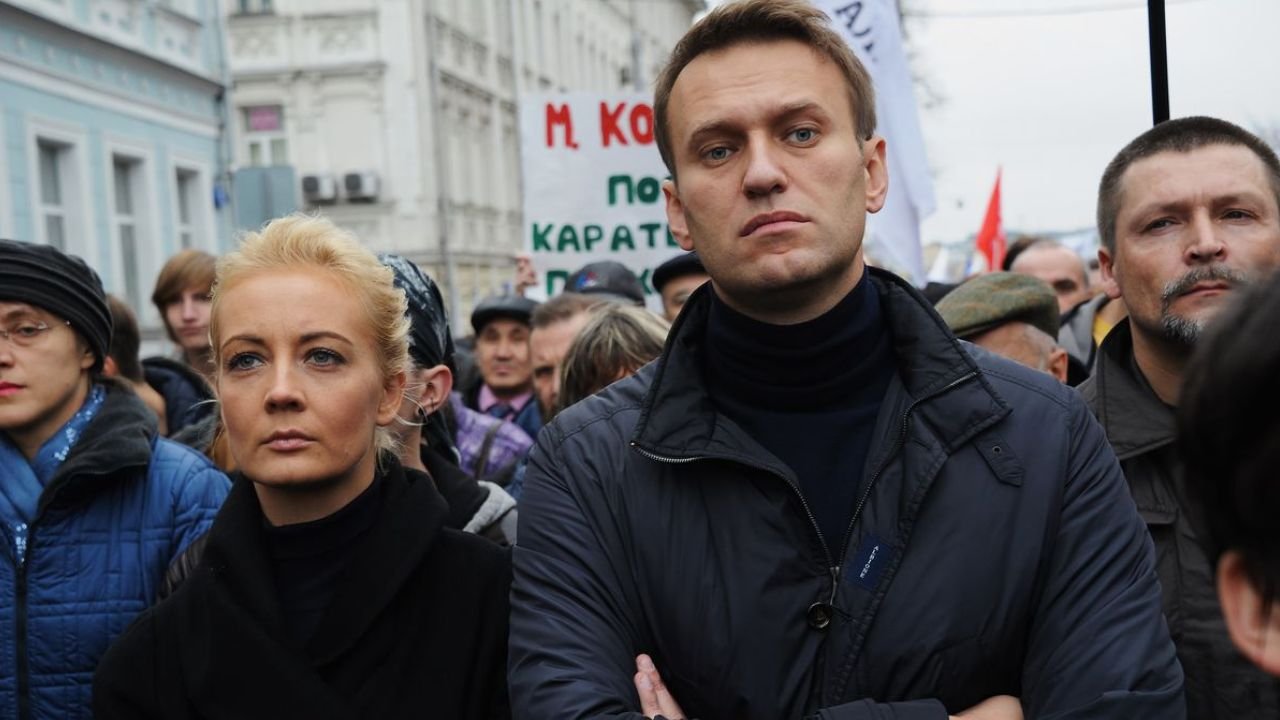
    Warsaw, Poland – Alexei Navalny’s widow said Monday that Russian President Vladimir Putin killed her husband, as she vowed to carry on his work, three days after he died in an Arctic prison.

    Holding back tears in a video address published Monday, Yulia Navalnaya said: “Three days ago, Vladimir Putin killed my husband, Alexei Navalny.”

    Prison authorities said Navalny died after losing consciousness following a walk in his prison colony in Kharp, 2,000 miles (1,200 kilometres) northeast of Moscow inside the Arctic circle.

    “Alexei died in a prison colony after three years of torment and torture,” Navalnaya said Monday.

    Navalnaya, who was by her husband’s side for more than a decade in his fight against Putin, vowed to continue his work.

    “The most important thing we can do for Alexei and for ourselves is to keep fighting, more desperately and more fiercely than before,” she said.

    “We need to seize every opportunity to fight against war, against corruption, against injustice, to fight for fair elections and the freedom of speech, to fight to take back our country.”

    She also vowed to uncover the people who she said had killed her husband.

    “We know exactly why Putin killed Alexei three days ago… We will definitely find out exactly who carried out this crime and how it was carried out. We will name names and show faces,” she said.

    The Kremlin said earlier on Monday that an investigation into Navalny’s death was ongoing and slammed Western governments that have said Putin carries responsibility for his death.

    Russian authorities have so far refused to hand over Navalny’s body to his mother and lawyer, enraging his supports who have said it was a move by the “killers” to “cover their tracks.”

    bur/yad

    © Agence France-Presse

  • Russia developing ‘space-based nuclear weapon’

    Russia developing ‘space-based nuclear weapon’

    Russia is reportedly building a nuclear space weapon that can disband the world’s commercial and government satellites, raising alarm bells across the world and especially in USA.

    American spy agencies are divided on whether Moscow would go so far, but the concern is urgent enough that Secretary of State Antony J. Blinken has asked China and India to try to talk Russia down, reports The New York Times.

    A new “national security threat” debate has taken over the United States Congress, indicating that Russia is reportedly building a nuclear space weapon that has the potential to disband a large portion of the world’s commercial and government satellites by producing a massive energy wave.

    This would disable all communication lines affecting cell phones, paying bills, as well as the internet.

    While not much is known about the weapon at this point, the system is described as a potential “space-based nuclear weapon” in several sources.

    However, it’s unclear if this refers to a nuclear bomb or a nuclear-powered gadget.

    White House National Security Communications Advisor John Kirby said the US is closely monitoring this Russian activity.

    President Joe Biden asserted: “There is no nuclear threat to the people of America or anywhere else in the world with what Russia is doing.”

    According to the New York Post, Russian spokesman Dmitry Peskov dodged the claims and responded by suggesting that the propaganda was a ruse to whip up support in Congress to take action.

    He said: “It is obvious that the White House is trying, by hook or by crook, to encourage Congress to vote on a bill to allocate money; this is obvious.”

  • Israel sets Ramadan deadline for Rafah assault

    Israel sets Ramadan deadline for Rafah assault

    Israel will launch its long-threatened offensive against Rafah next month if the remaining hostages held in Gaza are not freed by the start of Ramadan, Israeli war cabinet member Benny Gantz said.

    “The world must know, and Hamas leaders must know — if by Ramadan our hostages are not home, the fighting will continue everywhere, including the Rafah area,” Gantz, a retired military chief of staff, told a conference of American Jewish leaders in Jerusalem on Sunday.

    Ramadan, the holy month, is expected to begin on March 10.

    The Israeli government has not previously specified a deadline for its planned assault on the city where the majority of the 1.7 million displaced Palestinians have sought refuge.

    Fearing the potential for mass casualties, foreign governments and aid organisations have repeatedly urged Israel to spare Rafah, the last major Gazan city not invaded by ground troops during the four-month-old war.

    Despite the mounting international pressure, including a direct appeal from US President Joe Biden, Israeli Prime Minister Benjamin Netanyahu insists the war cannot be completed without pressing into Rafah.

    Speaking at the same Jerusalem conference on Sunday, Netanyahu renewed his vow “to finish the job to get total victory” over “Hamas”, with or without a hostage deal.

    Gantz added that an offensive would be carried out in a coordinated manner and in conversation with Americans and Egyptians to facilitate an evacuation and “minimise the civilian casualties as much as possible”.

    But where civilians can safely relocate to on the besieged Gaza Strip remains unclear.

    The comments come after weeks of ceasefire talks have failed to produce a deal, with key mediator Qatar acknowledging over the weekend that the prospects are dimming.

    Washington, Israel’s key ally and military backer, has been pushing for a six-week truce in exchange for the release of the 130 hostages still estimated by Israel to be held in Gaza, including around 30 presumed dead.

    Israel has said it believes many of those hostages, as well as the Hamas leadership, are holed up in Rafah.

    The militants took about 250 people hostage during the October 7 attacks that triggered the war and resulted in the deaths of about 1,160 people in Israel, according to an AFP tally of Israeli figures.

    Israel’s retaliatory campaign has killed at least 28,858 people, mostly women and children, according to the health ministry.

  • Trump fined $355 mn, banned from NY business in fraud trial

    Trump fined $355 mn, banned from NY business in fraud trial

    A New York judge ordered Donald Trump to pay $355 million over fraud allegations and banned him from running companies in the state for three years Friday in a major blow to his business empire and financial standing.

    Trump — almost certain to be the Republican presidential nominee this November — was found liable for unlawfully inflating his wealth and manipulating the value of properties to obtain favorable bank loans or insurance terms.

    Trump lashed out on social media calling the ruling a “Total SHAM,” the judge in the case “crooked” and the prosecutor who brought it “totally corrupt.” His legal team said he would “of course” appeal.

    As the case was civil, not criminal, there was no threat of imprisonment. But Trump said ahead of the ruling that a ban on conducting business in New York state would be akin to a “corporate death penalty.”

    Trump, facing 91 criminal counts in other cases, has seized on his legal woes to fire up supporters and denounce his likely opponent, President Joe Biden, claiming that court cases are “just a way of hurting me in the election.”

    However, Judge Arthur Engoron said the financially shattering penalties are justified by Trump’s behavior.

    “Their complete lack of contrition and remorse borders on pathological,” Engoron said of Trump and his two sons, who were also defendants, in his scathing ruling.

    “They are accused only of inflating asset values to make more money… Donald Trump is not Bernard Madoff. Yet, defendants are incapable of admitting the error of their ways,” he added, referring to the perpetrator of a massive Ponzi scheme.

    Trump’s sons Eric and Donald Trump Jr. were also found liable in the case and ordered to pay more than $4 million each, prompting Don Jr. to claim on social media that “political beliefs” had determined the outcome.

    Engoron also extended the mandate of retired judge Barbara Jones as an independent monitor of Trump’s business affairs, as well as ordering the appointment of an independent director of compliance to the Trump Organization, with candidates to be nominated by Jones.

    “Conditions that Judge Engoron imposed, such as having Judge Jones monitor the Trump companies, may be onerous. I do expect an appeal,” said Richmond University law professor Carl Tobias.

    It was as a property developer and businessman in New York that Trump built his public profile which he used as a springboard into the entertainment industry and ultimately the presidency.

    The judge’s order was a victory for New York state Attorney General Letitia James. She had sought $370 million from Trump to remedy the advantage he is alleged to have wrongfully obtained, as well as having him barred from conducting business in the state.

  • Modi’s government accused of freezing Congress funds ahead of elections

    Modi’s government accused of freezing Congress funds ahead of elections

    India’s main opposition Congress party said on Friday that its bank accounts had been frozen by the tax department just weeks before the expected announcement of national elections.

    Critics and rights groups have accused India’s Prime Minister Narendra Modi’s government of using law enforcement agencies to selectively target its political foes.

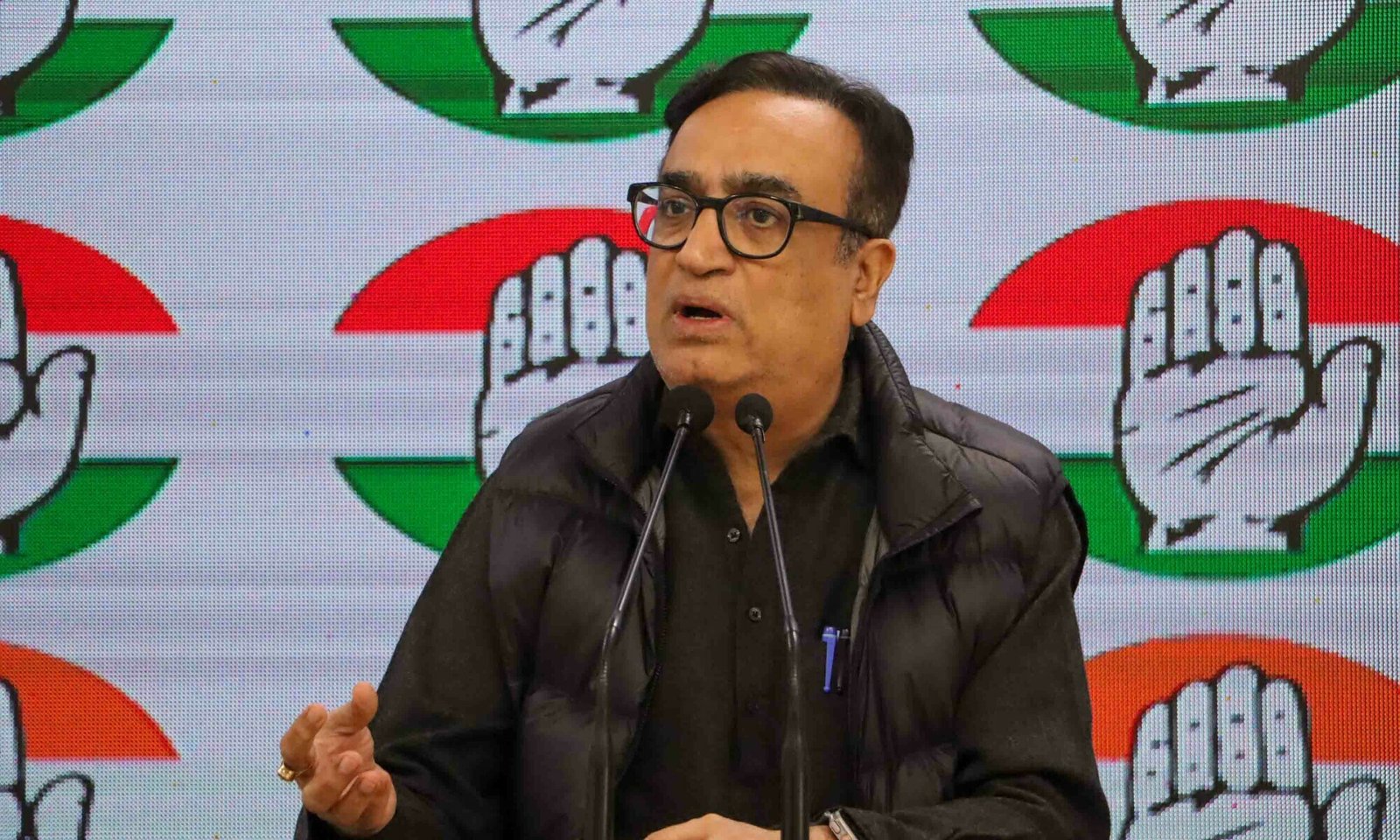
    Congress spokesman Ajay Maken said the action against his party was aimed at sidelining it ahead of the polls.

    “When the principal opposition party’s accounts have been frozen just two weeks before the announcement of the national elections, do you think democracy is alive in our country?” he asked reporters.

    “Don’t you think it is going towards one party system?” he added.

    Four of Congress’s accounts had been frozen after an investigation of the party’s 2018-19 income tax returns, Maken said.

    He added that the tax department had issued a payment demand for 2.1 billion rupees ($25.3 million) in relation to its probe.

    Maken conceded that the party had filed its returns late by up to 45 days but insisted it had done nothing to warrant such a penalty.

    “Today is a sad day for Indian democracy,” he said, adding that the party was appealing the decision in court and would stage public protests.

    India’s Congress party spokesman Ajay Maken addresses a press conference at All India Congress Committee (AICC) headquarters in New Delhi on February 16. — AFP

    Friday’s announcement follows numerous legal sanctions and active investigations against leading opponents of Modi’s ruling Bharatiya Janata Party (BJP).

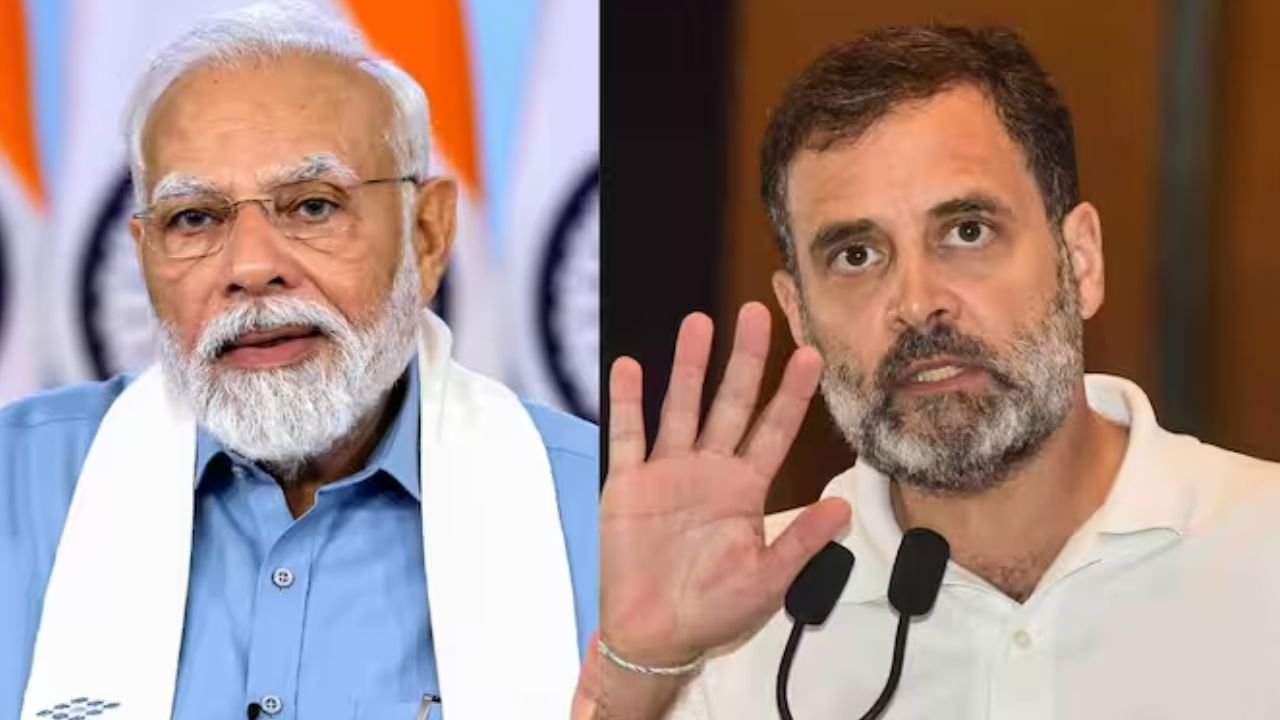
    Congress party leader Rahul Gandhi, scion of the dynasty that dominated Indian politics for decades, was convicted of criminal libel last year after a complaint by a member of Modi’s party.

    His two-year prison sentence saw him disqualified from parliament for a time until the verdict was suspended by a higher court, but raised concerns over democratic norms in the world’s most populous country.

    ‘Face the consequences’

    Congress is a member of an opposition party alliance hoping to challenge Modi at this year’s polls, and other leading figures in the bloc have also found themselves under investigation.

    Arvind Kejriwal, leader of the Aam Aadmi Party and chief minister of the capital region Delhi, has repeatedly been summoned by investigators probing alleged corruption in the allocation of liquor licences.

    Earlier this month police arrested Hemant Soren, until then the chief minister of eastern Jharkhand state and another leading figure in the opposition alliance, for allegedly facilitating an illegal land sale.

    India’s main financial investigation agency, the Enforcement Directorate, has ongoing probes against at least four other chief ministers or their families, all of whom belong to the BJP’s political opponents.

    Other investigations have been dropped against erstwhile BJP rivals who later switched their allegiance to the ruling party.

    Virendra Sachdeva, president of the BJP’s Delhi branch, said on Friday that Congress had only itself to blame for the freezing of its accounts.

    “It is unfortunate that a big party like Congress is not following government rules,” he told the Press Trust of India news agency.

    “If it is not following the rules, then it has to face the consequences. “

  • ‘Enough is enough’, Australia wants WikiLeaks founder back home now

    ‘Enough is enough’, Australia wants WikiLeaks founder back home now

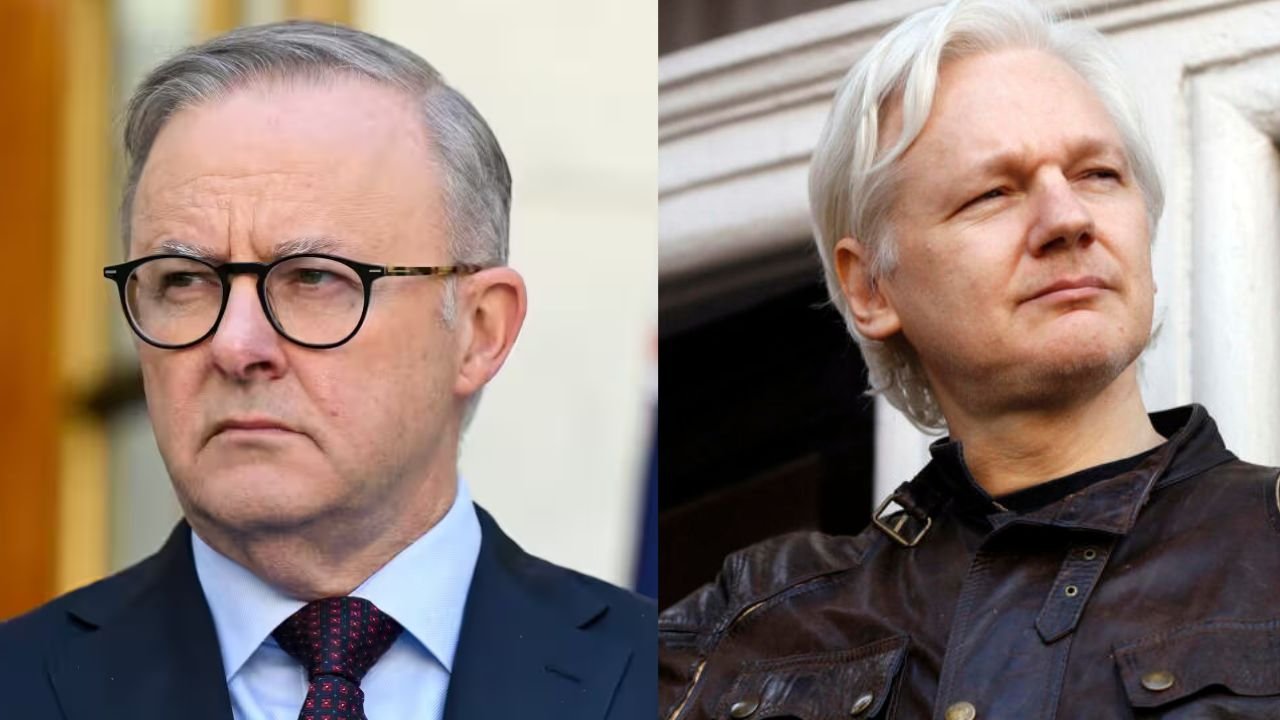
    Australia’s Prime Minister Anthony Albanese on Thursday denounced the years-long US and British legal pursuit of WikiLeaks founder Julian Assange, saying “enough is enough”.

    The country’s parliament passed a motion Wednesday with the prime minister’s support, calling for an end to 52-year-old Assange’s prosecution so that he can return to his family in Australia.

    Assange, an Australian citizen, will go to London’s High Court next week, seeking leave to appeal against his extradition to the United States for trial on espionage charges.

    “People will have a range of views about Mr Assange’s conduct,” Albanese told parliament. “But regardless of where people stand, this thing cannot just go on and on and on indefinitely.”

    Australians from many sides of politics have a common view, he said, that “enough is enough”.

    Albanese said he had raised Assange’s case “at the highest levels” in Britain and the United States.

    The Australian government had a duty to lobby for its citizens, the prime minister said.

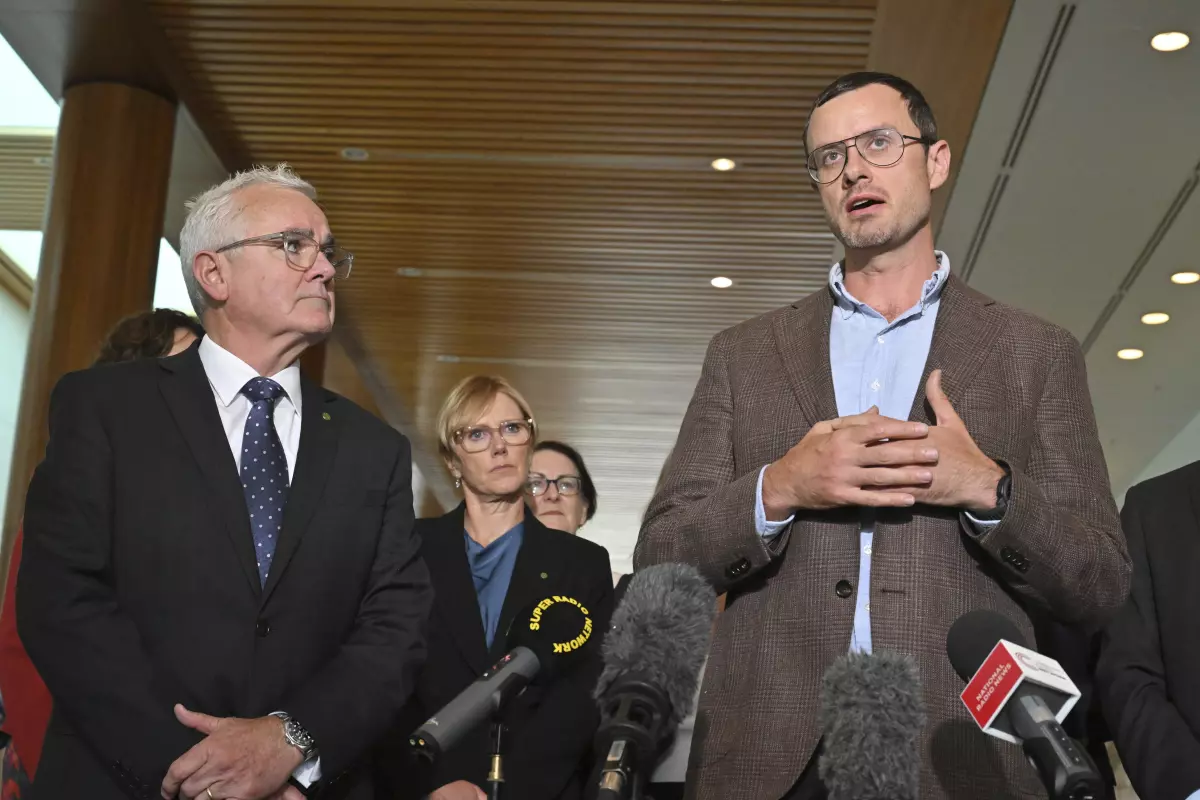
    Independent member of parliament Andrew Wilkie, left, and Julian Assange’s brother Gabriel Shipton, right, speak to the media at Parliament House in Canberra, Thursday, Feb. 15, 2024. Australia’s House of Representatives has passed a motion calling on the United States and the UK to end the prosecution of WikiLeaks founder Julian Assange and for him to be allowed to return to his home country. (Mick Tsikas/AAP Image via AP)
     (Mick Tsikas / Associated Press)

    He cited the case of Chinese-born Australian journalist Cheng Lei, released in October last year after more than three years’ detention in China on espionage charges.

    Albanese also referred to diplomatic “successes” for Australians held in Vietnam and Myanmar.

    Australian economist Sean Turnell was released from a Myanmar jail in November 2022 after being held for 650 days on allegations of spying and gun-running.

    A Vietnamese dissident with Australian citizenship, Chau Van Kham, was freed from jail in Vietnam in July 2023 following his conviction on terrorism charges.

    Australia should not interfere in the legal processes of other countries, Albanese said.

    “But it is appropriate for us to put our very strong view that those countries need to take into account the need for this to be concluded.”

    Assange has been held in the high-security Belmarsh Prison in southeast London since April 2019.

    He was arrested after holing up for seven years in Ecuador’s London embassy to avoid extradition to Sweden, where he faced accusations of sexual assault, later dropped.

    US authorities want to put the Australian on trial for divulging US military secrets about the wars in Iraq and Afghanistan.

    Assange’s legal team will be seeking permission to appeal his extradition to the United States at a hearing listed in London’s High Court for February 20 and 21.

    He is accused of publishing some 700,000 confidential documents related to US military and diplomatic activities, starting in 2010.

  • Elections in Indonesia: Ex-general likely to win

    Elections in Indonesia: Ex-general likely to win

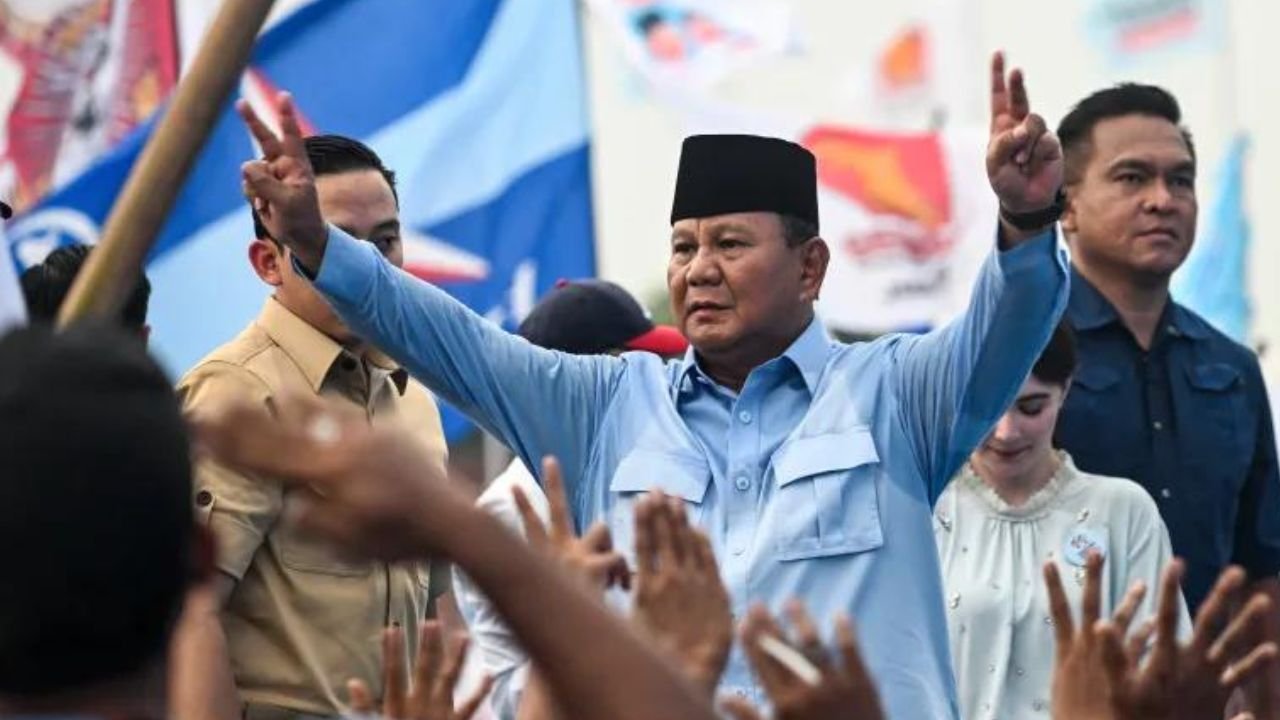
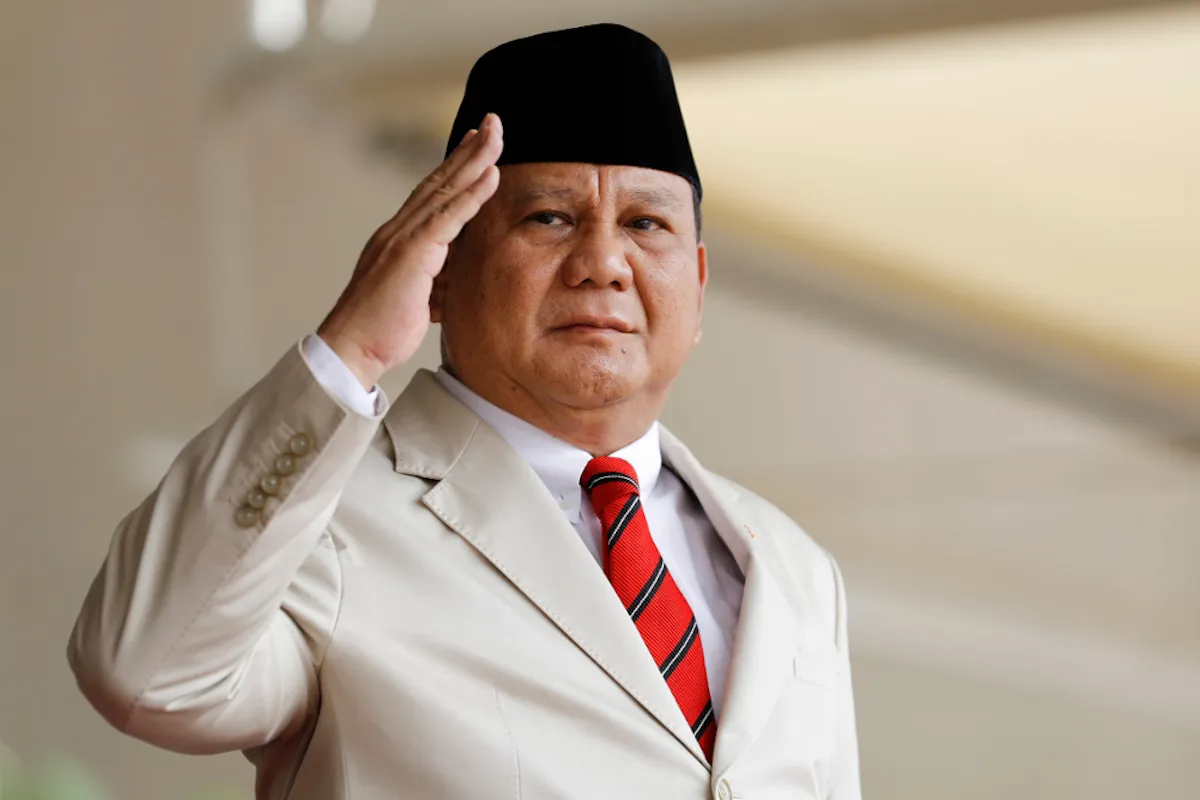
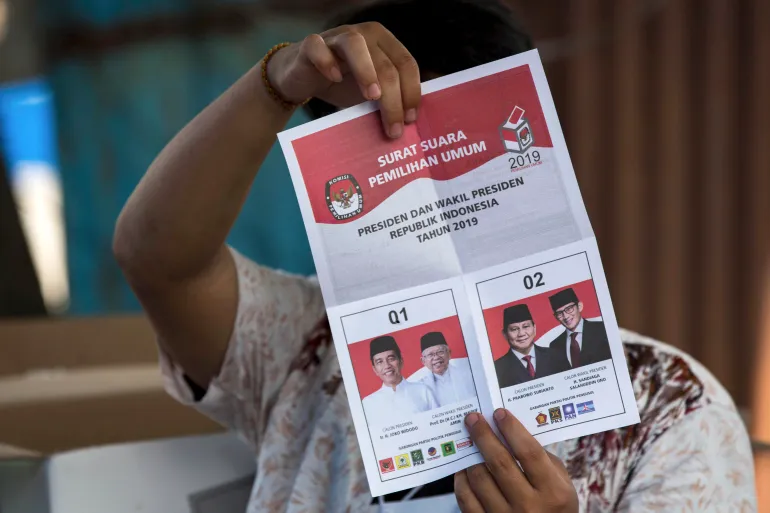
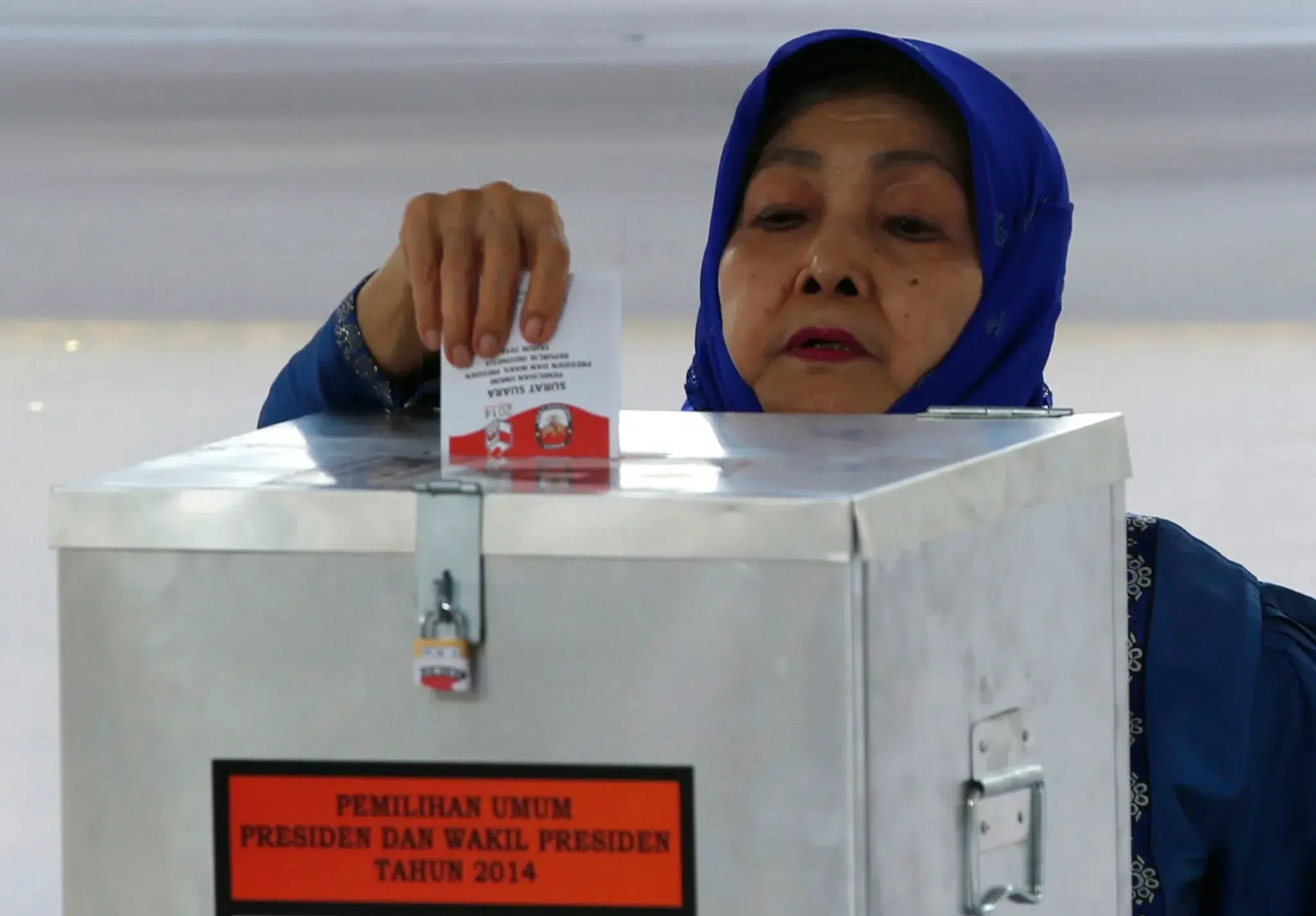
    Indonesians began voting for a new president Wednesday with Defence Minister Prabowo Subianto the frontrunner to lead Southeast Asia’s biggest economy despite concerns over his human rights record.

    Polls project Subianto, a military chief during the Suharto dictatorship a generation ago, to secure a majority and replace popular outgoing president Joko Widodo, who observers claim indirectly supported his campaign.

    The 72-year-old is the clear favourite after a campaign mixing populist rhetoric with pledges to continue the policies of Widodo, who has presided over steady economic growth but reached the constitutional two-term limit.

    “The hope is to win,” Subianto told reporters before voting in Bogor on Wednesday.

    “Come to the voting station… cast your votes according to your conscience.”

    Nearly 205 million people are eligible to vote for Subianto or his rivals, former Jakarta governor Anies Baswedan and former Central Java governor Ganjar Pranowo, in just the fifth presidential election since the end of Suharto’s dictatorship in 1998.

    Polling stations opened at 7:00 am (2200 GMT) in the easternmost region of Papua and were due to close at 01:00 pm (0600 GMT) at the other end of the country in jungle-clad Sumatra.

    A logistical feat involving more than 800,000 polling stations and 20,000 seats up for grabs saw planes, helicopters, speedboats and even cows used to cart ballots around the sprawling archipelago of nearly 280 million people.

    In Papua’s Timika city, officials inspected makeshift polling stations built from logs, metal sheets and palm leaves as voters arrived to eye candidate lists.

    In the capital Jakarta, a thunderstorm deluged 34 polling stations, according to the city’s disaster mitigation agency.

    Workers wearing shirts that read “not voting is not an option” relocated some stations where ballot boxes had been wrapped in plastic, while others used pumps to drain floodwater.

    Official results are not expected until March, but so-called quick counts from government-approved pollsters — shown to be reliable in the past — are expected to indicate the winner later Wednesday.

    ‘Decisive leader’

    Consultant Debbie Sianturi was one of those determined to vote.

    “I want to have a leader that will continue the democracy,” the 57-year-old said.

    Another said Subianto’s experience made him a popular candidate.

    “He has a military background, so I think he will be a decisive leader,” said Afhary Firnanda, a 28-year-old office worker in Jakarta.

    Election commissioner Idham Kholik told AFP all voters should be allowed to cast their ballots if large queues remained when polls closed.

    Subianto needs to claim more than 50 percent of the overall vote and at least a fifth of ballots cast in over half the country’s 38 provinces to secure the presidency.

    If he falls short, a second-round vote will be held in June.

    Baswedan, seen as the favourite to challenge Subianto in that event, told supporters to help ensure a fair vote in the graft-riddled country where voters dip their fingers in halal ink to prevent double voting.

    “Come back to the voting station, monitor the vote count,” he told reporters.

    Pranowo, who entered election day last in polls after once being the front-runner, said he hoped for a clean election.

    “Today is the best time for all to return to the good path of democracy,” he told reporters.

    Commitment to democracy

    Another key factor in Subianto’s popularity is having Widodo’s eldest son, 36-year-old Gibran Rakabuming Raka, as his vice presidential running mate, a move that has raised eyebrows.

    In October, Indonesia’s then-chief justice, who is Widodo’s brother-in-law, changed the rules that had barred candidates below the age of 40 from running for high office.

    Widodo enjoys near-record approval ratings after two terms of solid economic growth and relatively stable politics in the nation’s young democracy.

    However, some legal experts and rights groups have accused Widodo of improperly using government funds to support Subianto.

    Subianto and his aides have rejected accusations of impropriety.

    Subianto was dismissed from the military in 1998 over accusations he ordered the abduction of democracy activists at the end of Suharto’s rule, but he denied the accusations and was never charged.

    He has since rehabilitated his image, thanks in part to a savvy social media campaign targeting Indonesia’s youth that portrayed him as a “cuddly grandpa”.

    But rights groups have expressed alarm that he could roll back hard-won democratic freedoms, pointing to the alleged disappearances.

    “We’ve been always worried about his commitment towards democracy,” said Yoes Kenawas, a researcher at Jakarta-based Atma Jaya Catholic University.

    “If he wins, those questions will always linger.”

  • Biden calls Netanyahu as*hole but does not change stance on Gaza: US media

    Biden calls Netanyahu as*hole but does not change stance on Gaza: US media

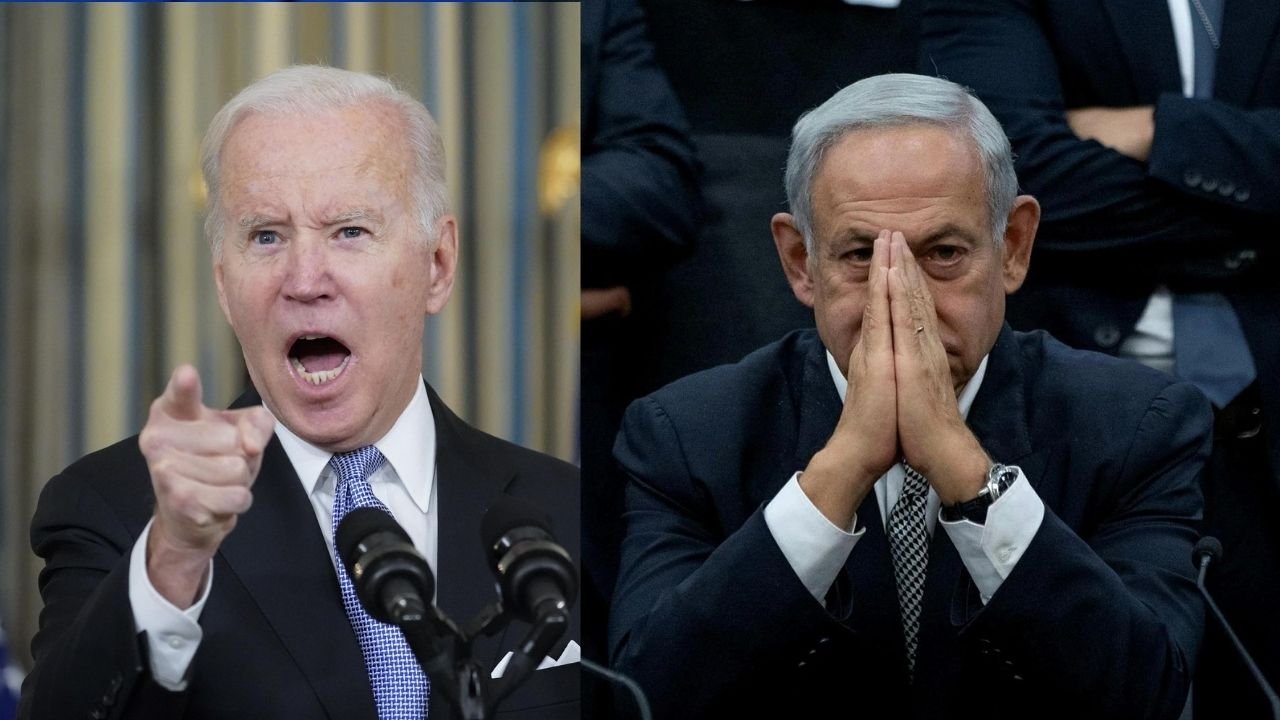
    According to a NBC News report, US President Joe Biden has been expressing his frustration with Israeli Prime Minister Benjamin Netanyahu in private conversations. Citing five sources familiar with the matter, NBC News revealed that Biden is seeking to persuade Israel to change its military tactics in Gaza, but Netanyahu is perceived as “an obstacle” in this process.

    The sources stated that Biden has used strong language to convey his frustration, reportedly describing Netanyahu actions as “giving him hell” and expressing a sentiment that “this has to stop.”

    There have been instances where Biden has reportedly referred to Netanyahu with derogatory terms, including “bad fking guy” and “ahole,” according to sources cited by POLITICO and NBC News.

    When questioned about Biden’s remarks, a spokesperson for the National Security Council said, “The president has been clear where he disagrees with Prime Minister Netanyahu, but this is a decades-long relationship that is respectful in public and in private.”

    Despite the outward display of mutual respect, Biden’s private frustrations highlight a stark contrast to the public perception of the relationship between the two leaders.

    Behind closed doors, Biden’s comments suggest a growing impatience with Netanyahu’s handling of Israel’s assault on Gaza, with the president reportedly viewing him as a significant obstacle to achieving desired outcomes.

    A source told NBC about Biden’s view on the Gaza campaign: “He just feels like this is enough. It has to stop.”

    More than 28,000 people are reported to have died since the war broke out on October 7. Israel is planning a ground assault on Rafah city in the south of Gaza – where more than one million displaced Palestinians are. Despite the US’s public opposition to the operation, Netanyahu is said to be pressing ahead with it.

    The reported tensions come amidst ongoing efforts to address the situation in Gaza and calls for a ceasefire. Biden’s private sentiments underscore the complexities and challenges faced in navigating the relationship between the United States and Israel, particularly concerning matters of regional security and diplomacy.

  • Azerbaijan’s president contesting for fifth term in re-election

    Azerbaijan’s president contesting for fifth term in re-election

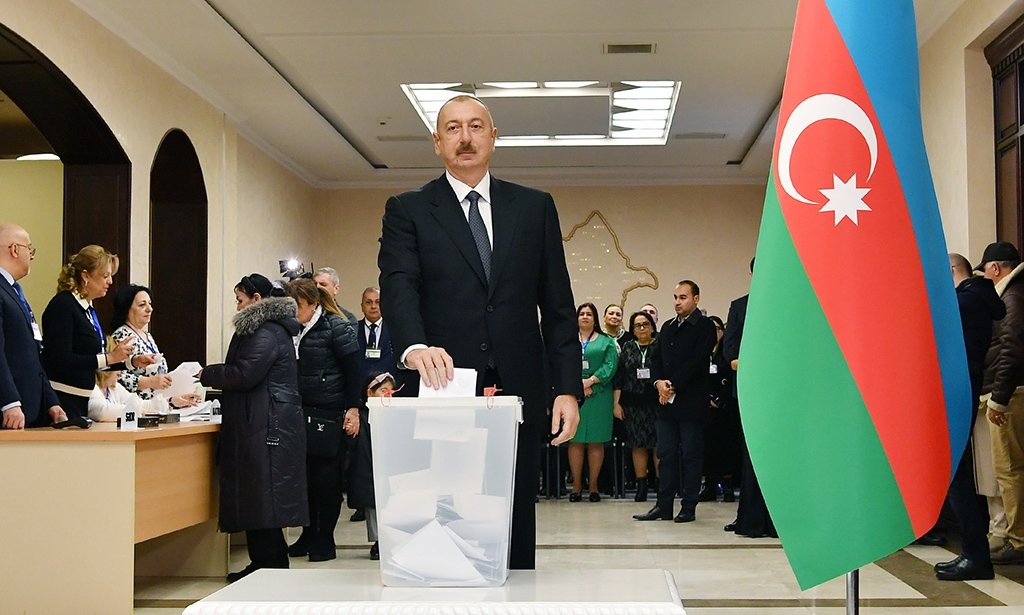
    Azerbaijanis were voting in snap presidential elections on Wednesday, with a fifth term for Ilham Aliyev seen as a foregone conclusion after Baku’s historic victory over Armenian separatists.

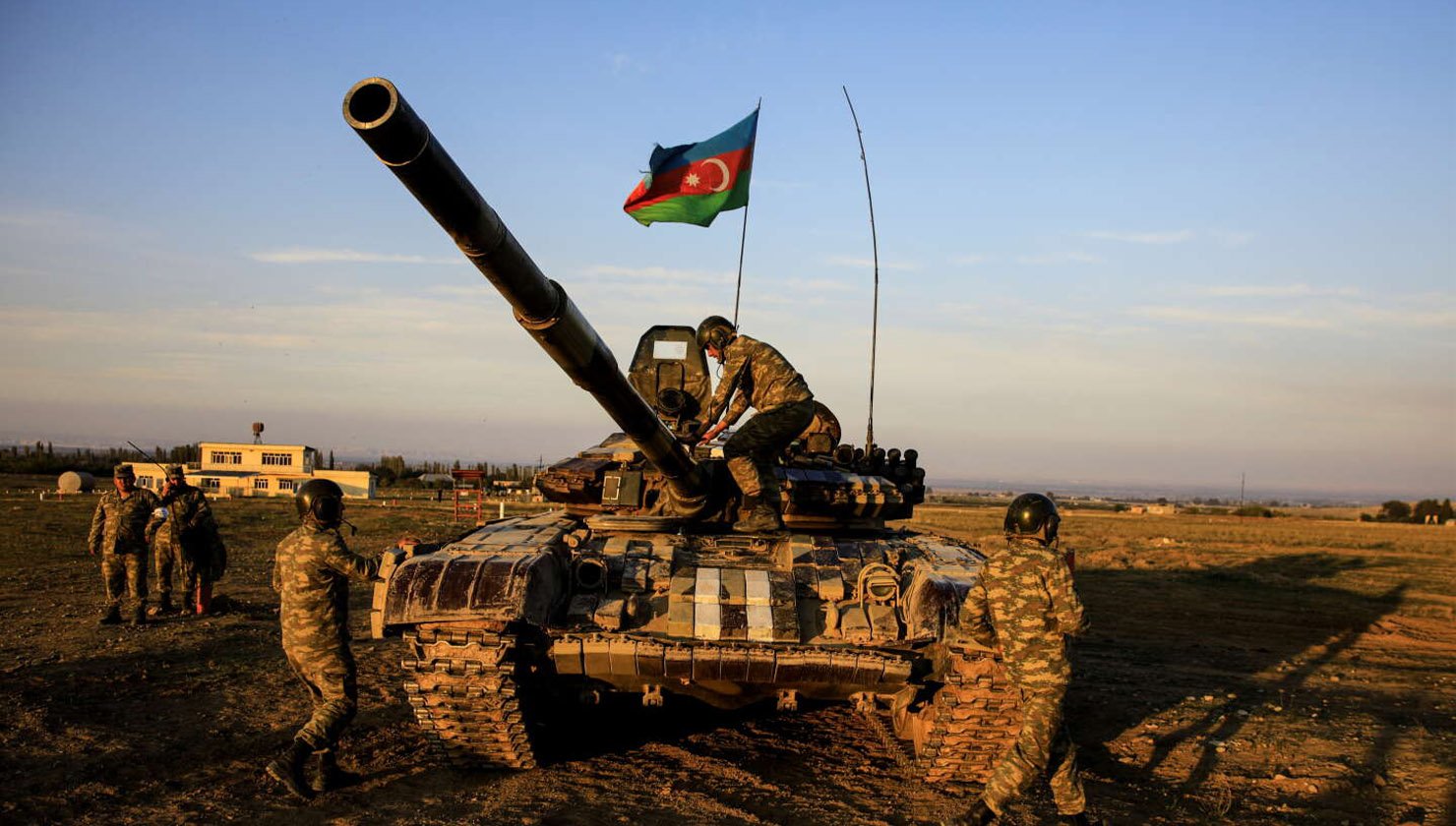
    A crackdown on independent media and the absence of any real opposition have boosted the certainty of an easy win for Aliyev, whose troops recaptured the Nagorno-Karabakh enclave in September.

    The oil-rich nation’s main opposition parties are boycotting the vote, which one opposition leader, Ali Kerimli of the National Front party, called an “imitation of democracy.”

    “There are no conditions in the country for the conduct of free and fair elections,” he said.

    The six other candidates who are running are little-known and have been busy praising Aliyev as a great statesman and a victorious commander-in-chief since he announced the elections in December, a year ahead of schedule.

    The country’s Central Election Commission said turnout stood at 38.6 percent by noon, four hours after polls opened.

    In a symbolic gesture, the president and first lady Mehriban Aliyeva went to Karabakh to cast their ballots in the region’s main city of Khankendi.

    For the first time in Azerbaijan’s post-Soviet history, 26 polling stations opened in Karabakh, which has been largely deserted after its entire ethnic-Armenian population — more than 100,000 people — fled to Armenia after Baku’s takeover.

    At a polling station in central Baku, pensioner Shalalya Abbasova, 68, said she cast her ballot for Aliyev because he “did what seemed impossible — accomplished our dream, liberated the occupied territories.”

    ‘Escalating crackdown’

    But another Baku resident, 32-year-old IT specialist Ismet Bagirov, said he decided not to vote as “there is nobody to vote for, there are no alternative candidates”.

    “I know many will vote for Aliyev today because he liberated Karabakh. I thank him for this, but there are fundamental issues in the country that remain unresolved.”

    Last month, Aliyev called the Karabakh victory “an epochal event unparallelled in Azerbaijan’s history”.

    “The elections will mark the beginning of a new era” for the country, he said, adding that the country would hold presidential elections on all its territory for the first time.

    “The outcome of Wednesday’s elections in Azerbaijan is known beforehand, Aliyev is set to win,” said independent analyst Ghia Nodia of the Caucasus Center for Strategic and International Studies.

    “There is no suspense whatsoever in these elections without a slightest sign of competitiveness.”

    Supporters have praised Aliyev for turning a country once thought of as a Soviet backwater into a flourishing energy supplier to Europe.

    But critics say he has crushed opposition groups and suffocated independent media.

    “All fundamental rights are being violated in the country, opposition parties can’t function normally, freedom of assembly is restricted, media are under government pressure, and political dissent is being suppressed,” said Kerimli of the National Front.

    In recent months, Azerbaijani authorities have intensified pressure on independent media outlets, arresting several critical journalists who have exposed graft at high levels.

    “The escalating crackdown by Azerbaijani authorities ahead of the elections is not just an attack on individual rights, it’s a widespread, coordinated assault on civil society and the rule of law,” Amnesty International said on Tuesday.

    Dynastic rule

    Aliyev, 62, was first elected president in 2003 after the death of his father Heydar Aliyev, a former KGB officer who had ruled Azerbaijan since 1993.

    He was re-elected in 2008, 2013 and in 2018, with 86 percent of the votes.

    All the elections were denounced by opposition parties as rigged.

    In 2009, Aliyev amended the country’s constitution so he could run for an unlimited number of presidential terms, a move criticised by rights advocates who say he could become president for life.

    In 2016, Azerbaijan adopted controversial constitutional amendments that extended the president’s term in office to seven years from five.

    Cementing the decades-long dynastic grip on power, the president has appointed his wife Mehriban Aliyeva as first vice president.

    Around six million voters are registered for the election monitored by observers from the Organisation for Security and Cooperation in Europe (OSCE).