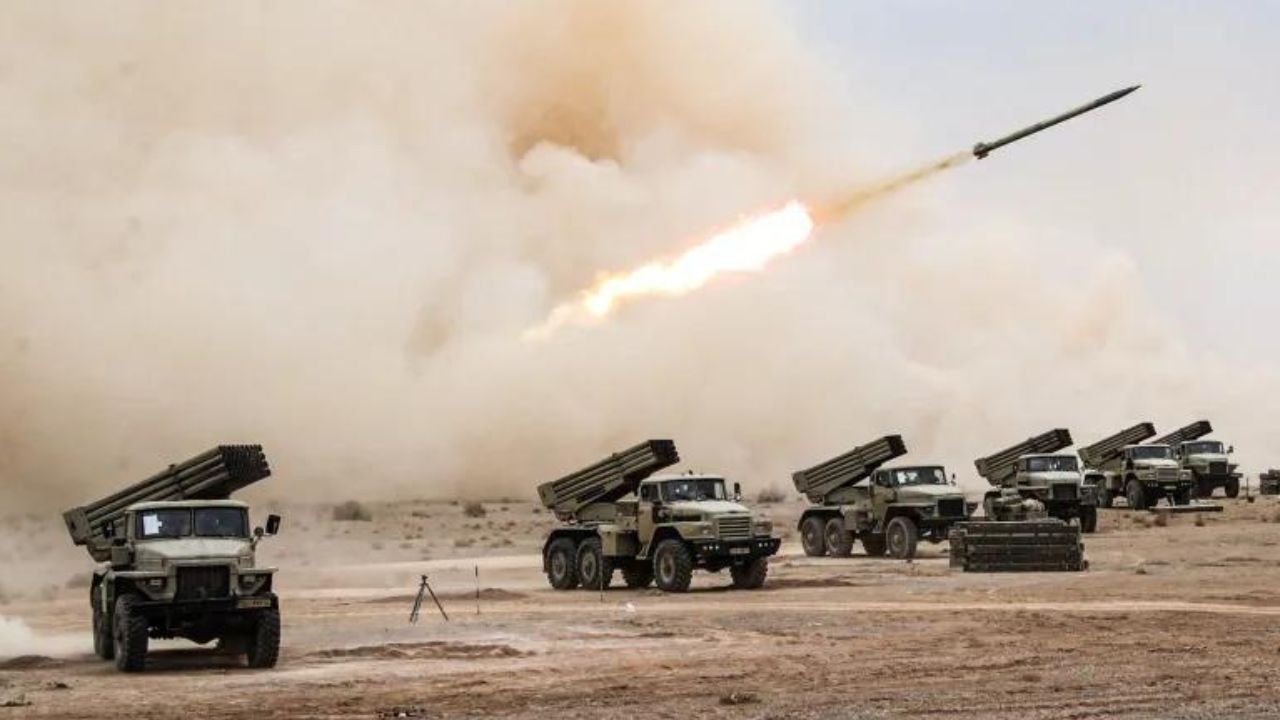
Pakistan confirmed on Wednesday that Iran carried out an air strike on its territory that killed two children and injured three girls after Tehran launched attacks in Iraq and Syria against what it called “anti-Iranian terrorist groups”.
As of yet, Pakistan has expelled Iranian ambassador from Pakistan, and has suspended all high level visits in response.
Pakistan expels Iranian ambassador and recalls its own from Tehran plus suspends all high level visits to and from Iran. This was the only way to respond to Iranian aggression. Iran must know it cannot cross the red line with Pakistan. By not responding to Iran’s violation in…
Iran offered no immediate official comment but its state-run Nour News agency said the attack destroyed the Pakistan headquarters of the jihadist group Jaish al-Adl (Army of Justice).
However, Iran’s semi-official Tasnim news agency that, “Two key strongholds of the Jaysh al-Dhulm (Jaish al-Adl) terrorist group in Pakistan” were “specifically targeted and successfully demolished by a combination of missile and drone attacks”, cites Dawn.
Tasnim reported that the “focal point of this operation was the region known as Kouh-Sabz (green mountain)” in Balochistan.
Local authorities said they had also received information about such an attack but had no further details at the time of going to print. Reports from the area suggested that a missile hit a mosque, partially damaging it and injuring some people.
In its statement, the foreign office described the incident as an “illegal act”.
: PR NO. 1️⃣5️⃣/2️⃣0️⃣2️⃣4️⃣
Pakistan’s Strong Condemnation of the Unprovoked Violation of its Air Space
Formed in 2012, Jaish al-Adl is blacklisted by Iran as a terrorist group and has carried out several attacks on Iranian soil in recent years.
The strike came after Iran launched missile attacks on “spy headquarters” and “terrorist” targets in Syria, and in Iraq’s autonomous Kurdistan region.
The Iranian strikes add to multiple crises across the Middle East, with Israel waging a war against Hamas in Gaza and pro-Palestinian Huthi rebels in Yemen attacking commercial vessels in the Red Sea.
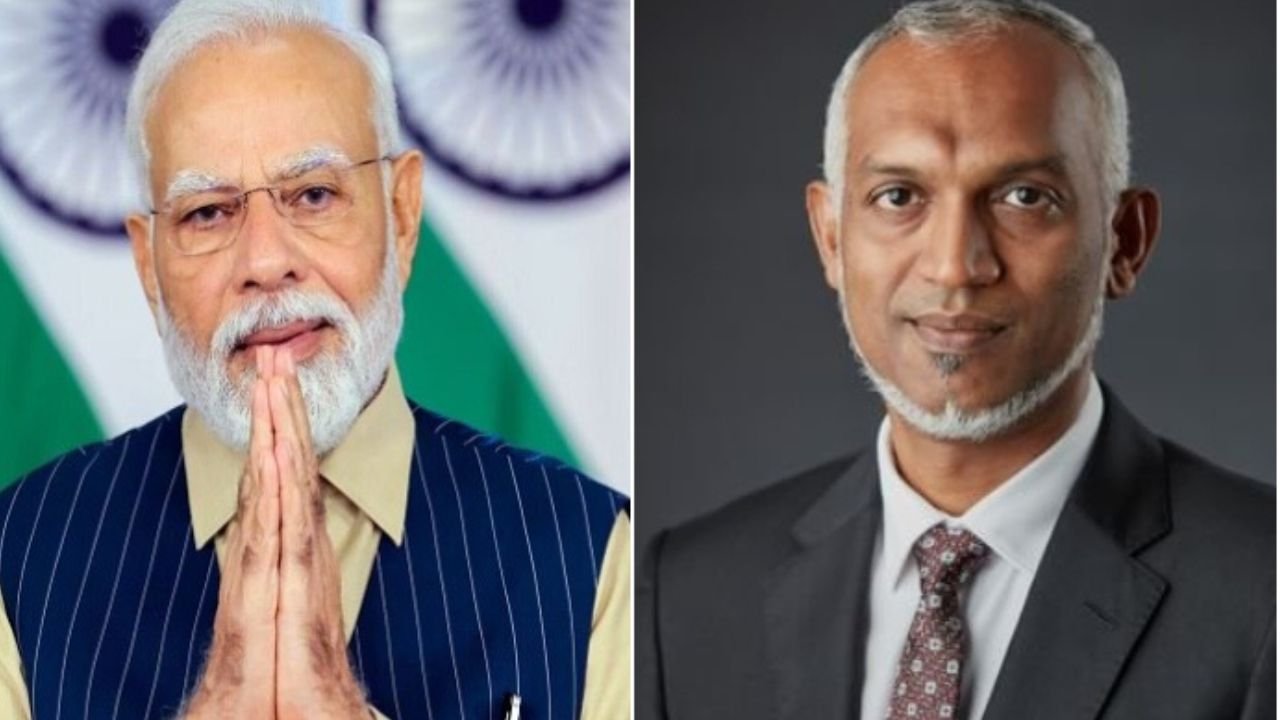
Amidst the ongoing tension between India and Maldives, Mohammad Muizzu, the President of the latter country, has given an ultimatum to India to withdraw its troops from his country by March 15.
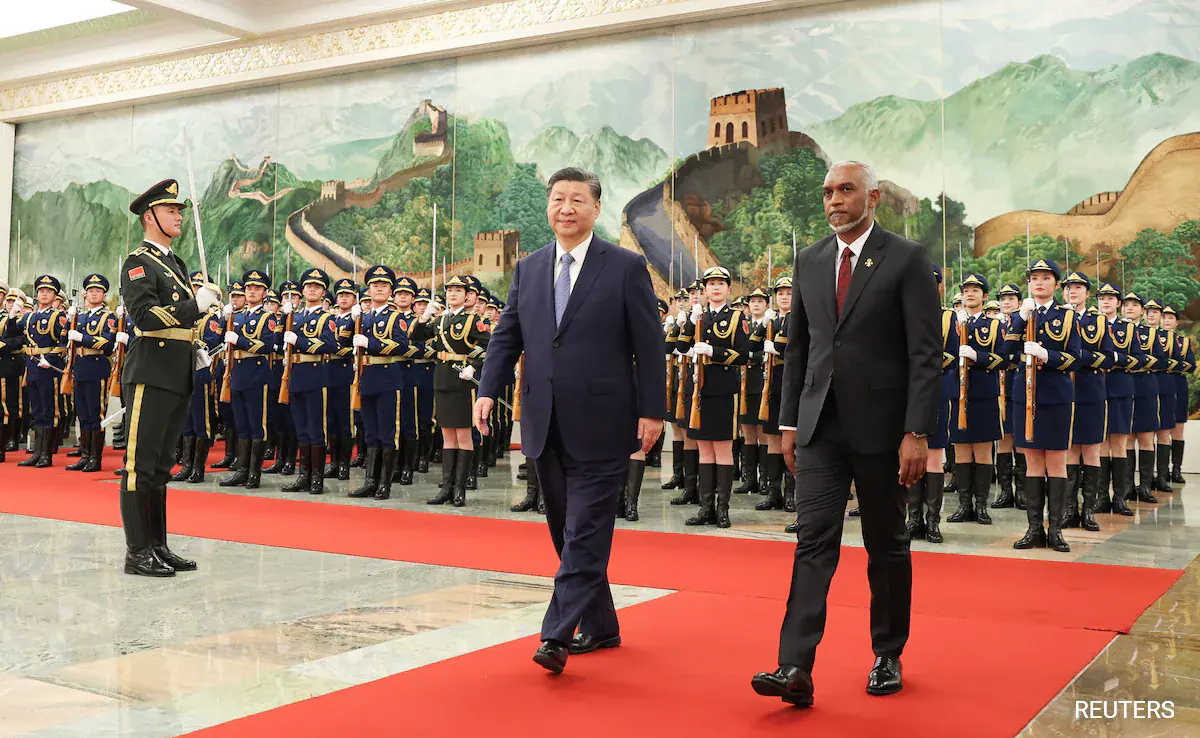
Muizzu, who recently returned from a visit to China, formally asked India to end its army presence in his territory, Abdallah Nazim Ibrahim, the public policy secretary to the president’s office, said at a press briefing.
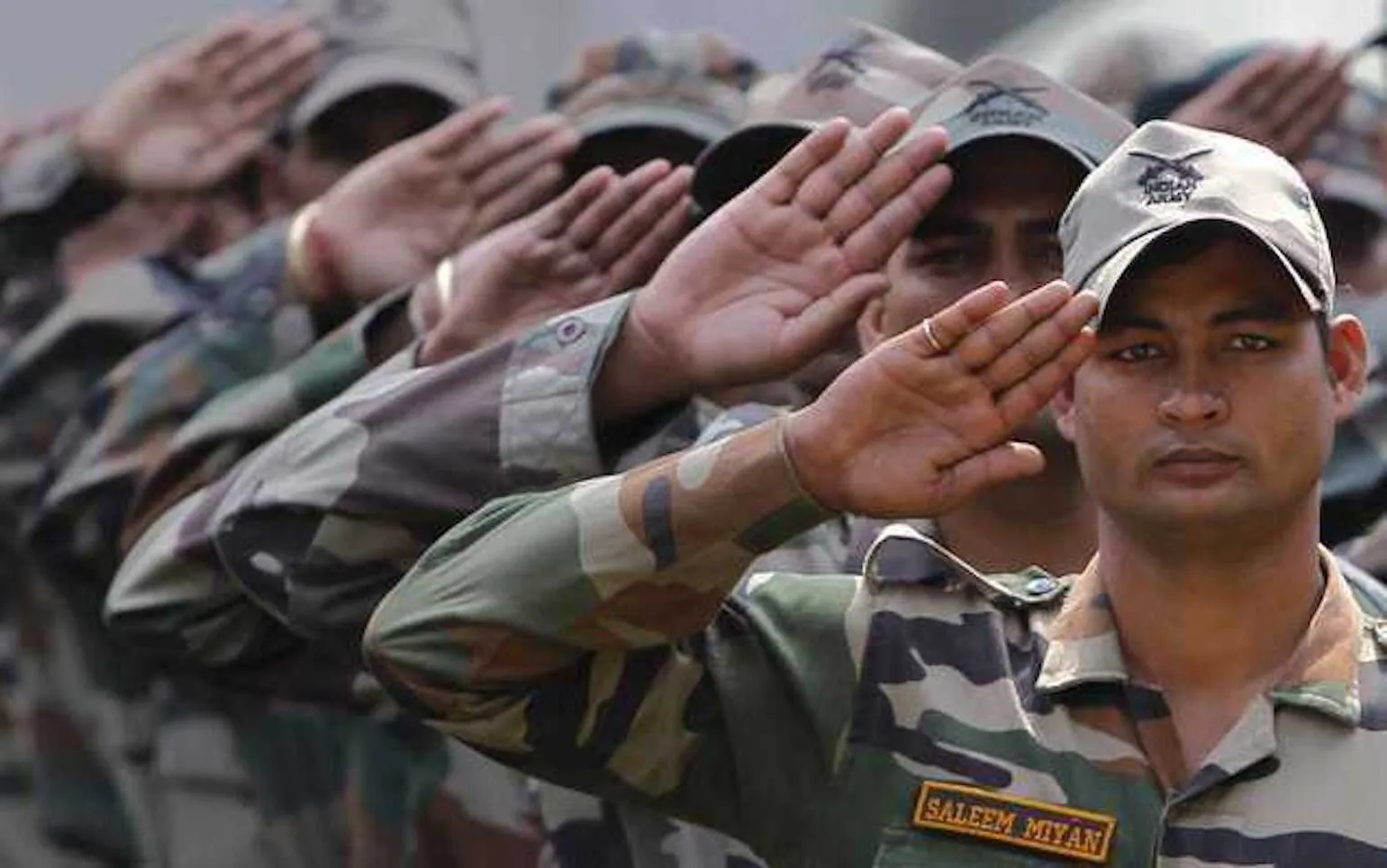
According to the latest government figures, there are 88 Indian military personnel in the Maldives. “Indian Military personnel cannot stay in the Maldives. This is the policy of the President and that of his administration,” he said.
The Indian Ministry of External Affairs has not yet responded to the news.
Relations between India and Maldives have been strained since the formation of the government of the new President in the island nation.
Three months ago, Mueez raised the slogan “India out” in the election and demanded their withdrawal from Maldives.
In a departure from tradition, Muizzu chose Turkey and China instead of India for his first visit, stating that his government reiterated its commitment to withdraw the Indian army from the strategically important region of the country.
Indian troops were deployed at the request of the then government to protect against the threat of insurgency and the Sri Lankan Tamil Tigers. The Indian troops have been stationed in the Maldives since 1988, for non-combat duties including flying, training, and surveillance.
While foreign policy experts conclude that this change of policy is because of his tilt towards China, the President has declared, “We aren’t in anyone’s backyard. We are an independent and sovereign state”. Without naming any country, he said, “We may be small, but that doesn’t give you the license to bully us.”
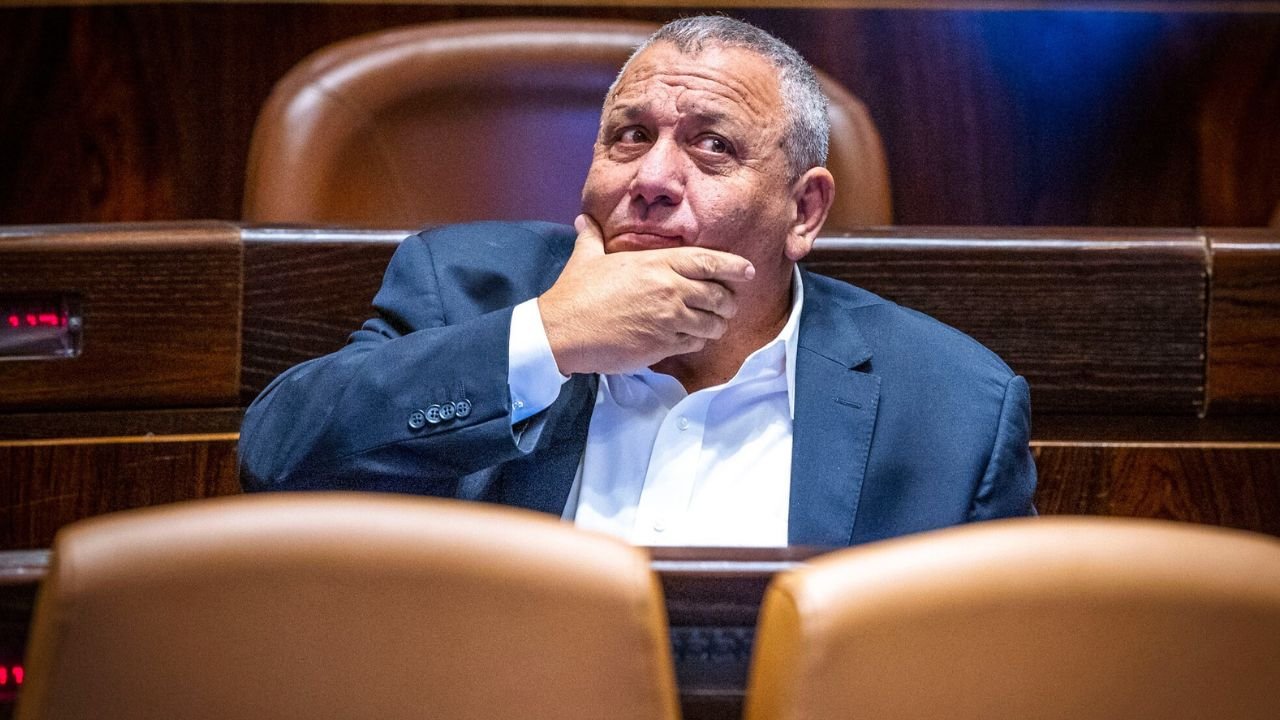
A member of the Israeli war cabinet, Gadi Eisenkot, has told Prime Minister Benjamin Netanyahu in a meeting to “stop lying” to himself.
The Times of Israel has reported that while addressing the cabinet, Eisenkot stated, “We have to stop lying to ourselves, to show courage, and to lead to a large deal which will bring home the hostages. Your time is running out, and each day that passes endangers their lives.”
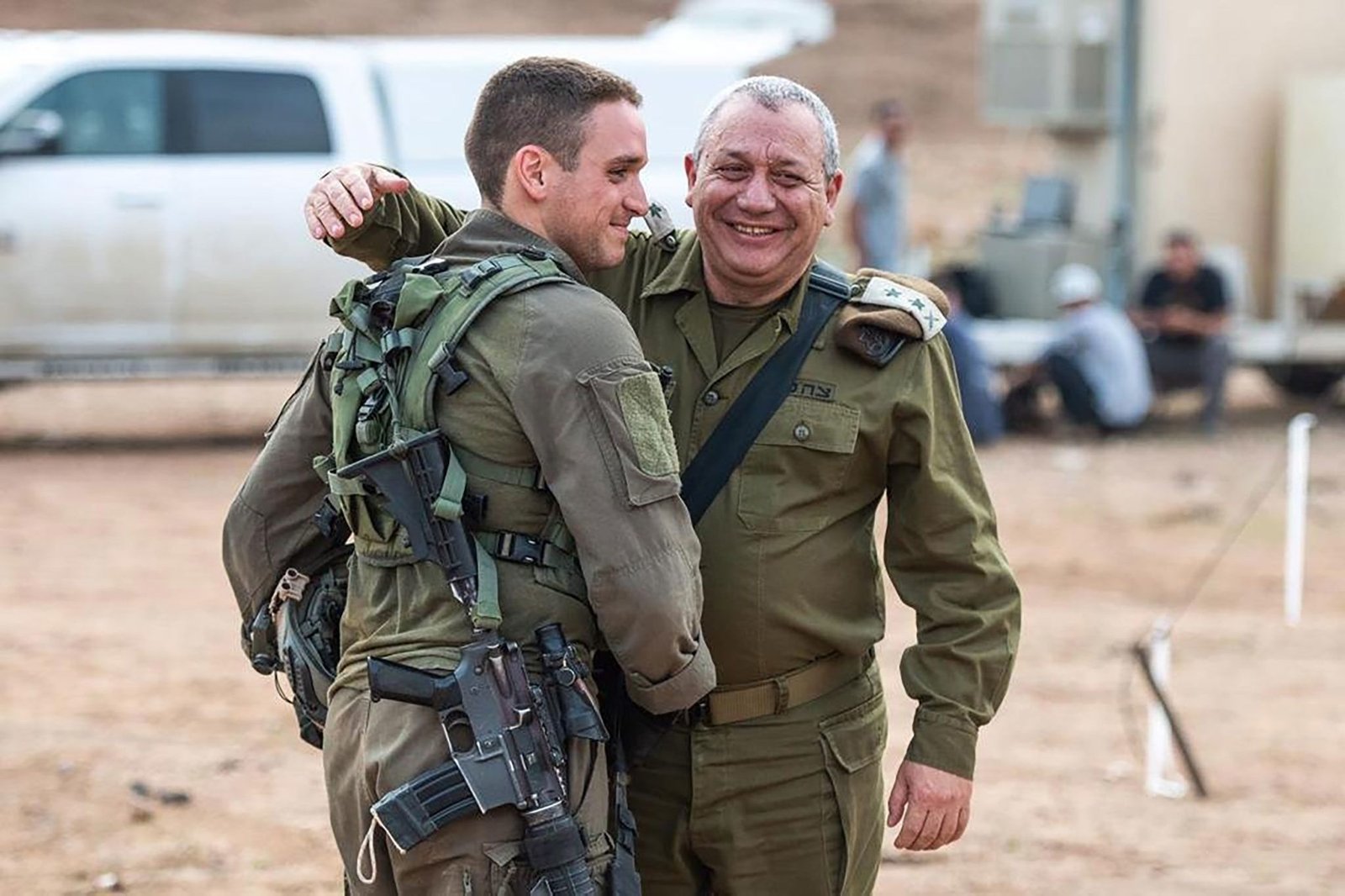
The minister’s son and nephew were both killed fighting in Gaza, leading him to believe that Israel’s leaders are lying to themselves.
Gadi Eisenkot with his deceased son.
However, Netanyahu and Defense Minister Yoav Gallant dismissed the criticism, reiterating their belief that only added military pressure will lead to such a deal.
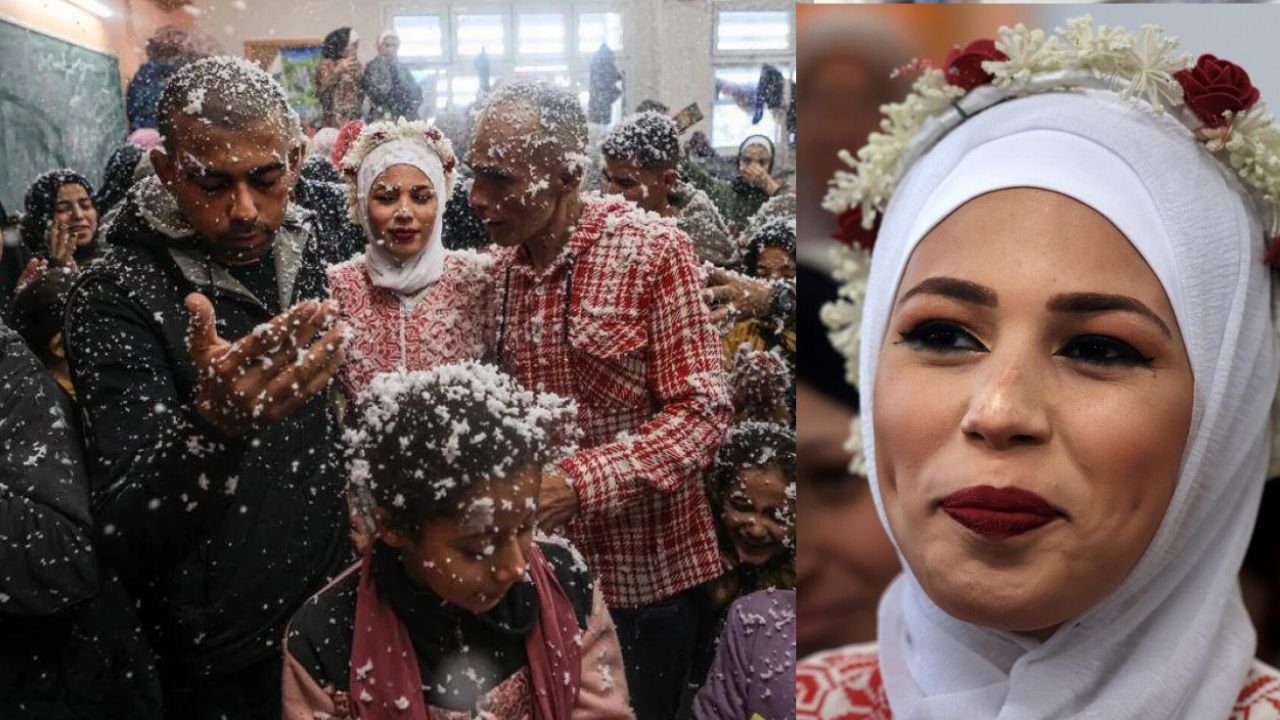
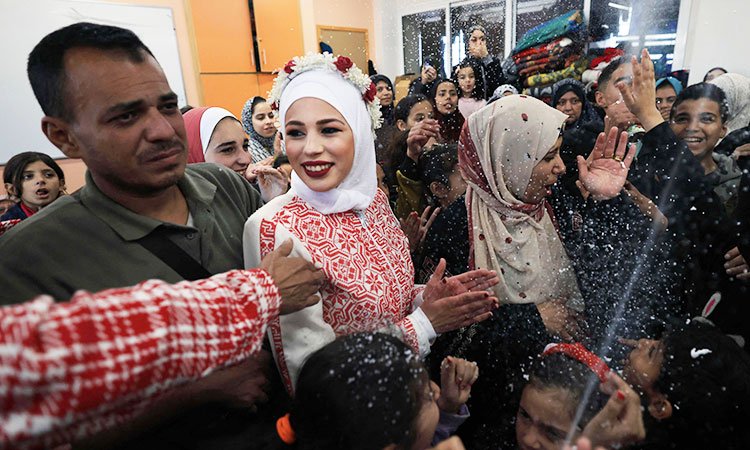
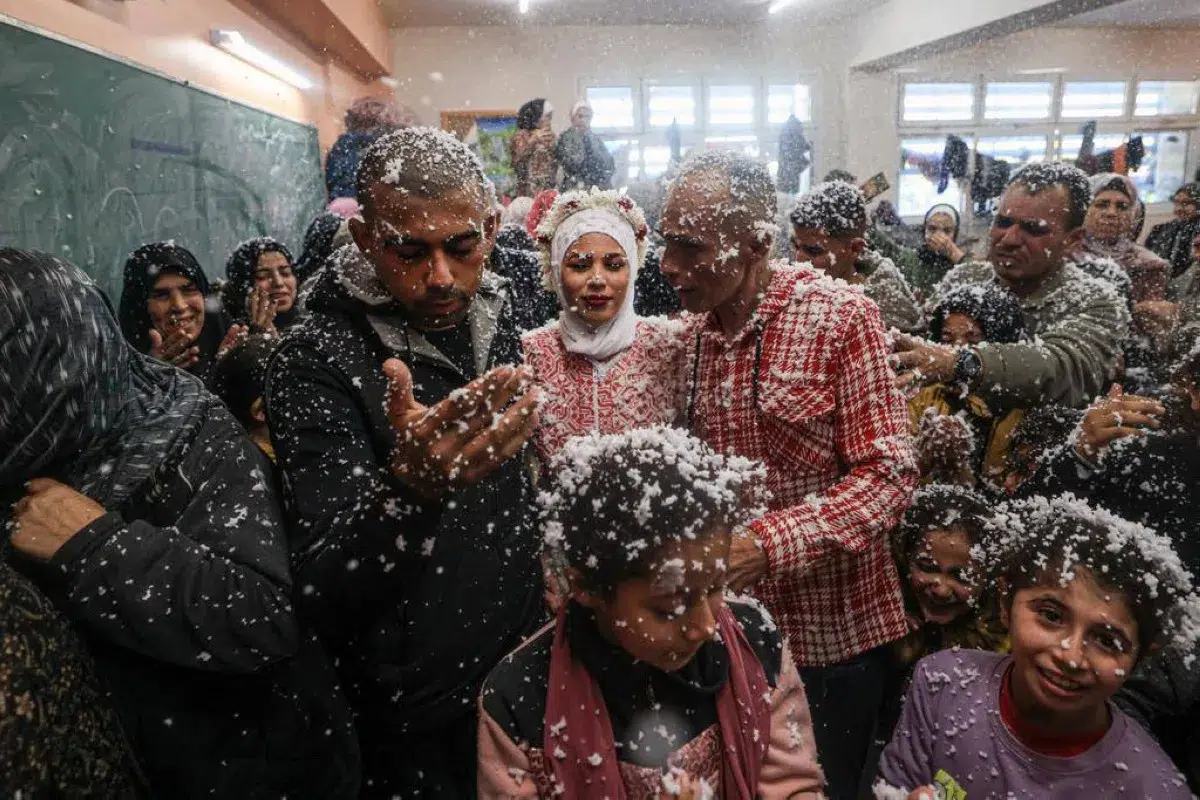
Surrounded by family and friends, clapping and cheering, Gaza woman Afnan Jibril beams a brilliant smile on her wedding day, determined to celebrate even as war rages.
“We are a people that love life, despite death, murders and destruction,” said her father, Mohamed Jibril.
Relatives were gathered on Friday for the wartime wedding in a tiny room at an abandoned school building in the besieged Gaza Strip’s southern city of Rafah, near the frontier with Egypt.
The city has suffered daily Israeli bombardment, and the families of both bride and groom are among hundreds of thousands of Palestinians who have fled the fighting further north.
“The usual preparations for marriage are not possible, and traditional ceremonies are not feasible,” said the bride’s father. “However, clothes are available, although they are scarce and expensive.”
Afnan, 17, donning a crown of flowers and pristine white dress with stark red embroidery, and her partner Mustafa Shamlakh, 26, want to make the most of their rare chance to celebrate.
They dance and laugh as guests spray white mousse around the room.
But eventually they have to face reality.
Israel’s relentless military campaign, triggered by attacks by Palestinian militants, has killed at least 23,843 people, mostly women and children, in Gaza, according to the health ministry in the Hamas-run territory.
The war began when Hamas militants launched an unprecedented attack on October 7, which resulted in about 1,140 deaths in Israel, mostly civilians, according to an AFP tally based on official figures.
The newlyweds make up part of another grim tally — those displaced by the violence, which UN estimates put at 1.9 million Palestinians out of a total population in Gaza of 2.4 million.
“The house where the groom was supposed to live was destroyed,” Ayman Shamlakh, the groom’s uncle, told AFP.
As the war went on, both families felt there was nothing to be gained from waiting and they agreed to the marriage.
After the school celebration, the couple head for a ceremony set to take place in a tent.
As they dive into a waiting black SUV, surrounded by a massive crowd of well-wishers, it almost looks like any other wedding day.
“We are all living through the same tragedy,” said Ayman Shamlakh. “However, we must continue to live, and life should go on.”
American and British forces have launched fresh raids on Yemen’s capital, Houthi rebel forces confirmed on Saturday, a day after the allies carried out dozens of strikes on the country.
The latest raids targeted Al-Dailami airbase in Sanaa, which has been under Houthi control since 2014, a statement released on their official media stated. “The American-British enemy is targeting the capital, Sanaa, with a number of raids,” Al-Masirah TV posted on X, formerly Twitter, citing its correspondent in Sanaa.”The American-British aggression targeted the Al-Dailami base in the capital, Sanaa,” it added.
Raids on Yemen follow weeks of Houthi attacks on Israel’s ships in the commercial Red Sea in protest against the war on Gaza.
The strike on a Houthi radar site comes a day after scores of attacks across the country heightened fears that Israel’s aggression on Gaza could engulf the whole Arab region.
The Houthis warned that US and British interests were “legitimate targets” after the initial strikes. Britain, the United States and eight allies said strikes carried out on Friday had aimed to “de-escalate tensions”, but the Houthis vowed to continue their attacks. Hussein al-Ezzi, the rebels’ deputy foreign minister, said the United States and Britain would “have to prepare to pay a heavy price”.
The rebels have controlled much of Yemen since a civil war erupted in 2014 and are part of the “axis of resistance” against Israel and its allies.
Violence involving these groups in Yemen, Lebanon, Iraq, and Syria has surged since the war in Gaza began in early October.
BREAKING: Massive United States fleet of warships seen off the coast of Yemen.
The mainstream media does not want you to SHARE this!
UN chief Antonio Guterres called on all sides “not to escalate” in the interest of regional peace and stability, his spokesman Stephane Dujarric said.
The UN Security Council held an emergency meeting on Friday, days after adopting a resolution demanding the Houthis immediately stop their attacks.
At the meeting, US Ambassador Linda Thomas-Greenfield warned that no ship was safe from the threat posed by Houthis to shipping in the Red Sea.
Russian ambassador Vassili Nebenzia denounced the “blatant armed aggression” against the entire population of the country.
Red Sea attacks and the politics of the Middle East
The Houthis have intensified attacks on what they deem Israeli-linked shipping in the Red Sea- through which 12 percent of global maritime trade normally passes- since October 7.
The United States and Britain launched strikes on Friday that targeted nearly 30 locations using more than 150 ammunitions, US General Douglas Sims said, updating earlier figures, and President Joe Biden said he did not believe there were civilian casualties.
Biden called the strikes a successful “defensive action” after the “unprecedented” Red Sea attacks and said he would act again if the Houthis continued their “outrageous behaviour”.
British Prime Minister Rishi Sunak said the Houthis’ breach of international law warranted the “strong signal”, with his government publishing its legal position justifying the strikes as lawful and “proportionate”.
Nasser Kanani, spokesman for Iran’s foreign ministry, said the Western strikes would fuel “insecurity and instability in the region” while “diverting” attention from Gaza.
The Houthis fired “at least one” anti-ship ballistic missile in retaliation on Friday that caused no damage, according to Sims.
The United States said it did not seek conflict with Iran, with National Security Council spokesman John Kirby telling MSNBC there was “no reason” for an escalation.
Middle Eastern leaders voiced concern at the violence, with Turkish President Recep Tayyip Erdogan describing the strikes on Yemen as disproportionate and saying: “It is as if they aspire to turn the Red Sea into a bloodbath.”
Saudi Arabia said it “is following with great concern the military operations” and called for “self-restraint and avoiding escalation”. The kingdom is trying to extricate itself from a nine-year war with the Huthis, though fighting has largely been on hold since a truce in early 2022.
Palestinian freedom fighting group Hamas said it would hold Britain and the United States “responsible for the repercussions on regional security”.
‘Death to America’
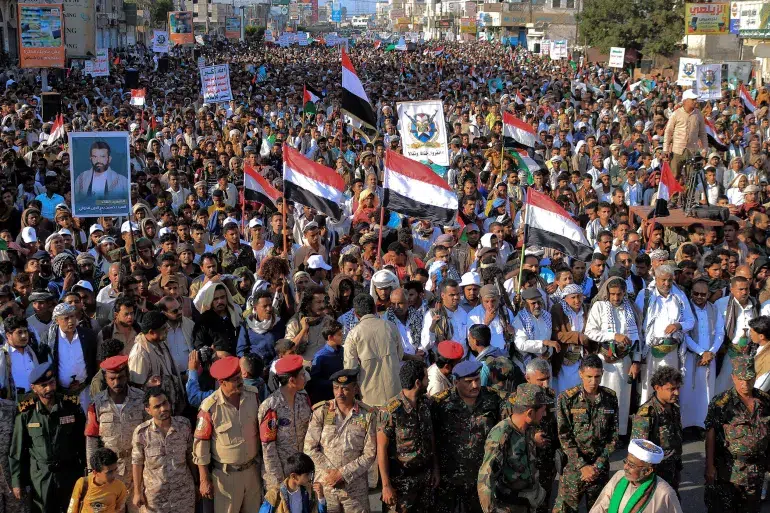
Hundreds of thousands of people, some carrying Kalashnikov assault rifles, gathered in Yemen’s capital Sanaa on Friday to protest, many waving Yemeni and Palestinian flags and holding portraits of Huthi leader Abdulmalik al-Huthi, an AFP journalist reported.
5 million people protested in Yemen today. Does The United States and Israel know what they got themselves into? This is terrifying, pic.twitter.com/MBRw9f8X5r
In Tehran, hundreds rallied against the United States, Britain, and Israel, burning the three countries’ flags outside the UK embassy while voicing support for Gazans and Yemenis, an AFP correspondent reported.
In Gaza, Palestinians lauded Houthi support and condemned Britain and the United States. “No one is standing with us but Yemen,” said Fouad al-Ghalaini, one of hundreds of thousands of Palestinians left homeless by Israel’s bombardment of Gaza City
Social media is a big source of arguments, being the quickest source to share information worldwide. A single picture, especially if posted by someone important, can cause chaos between countries.
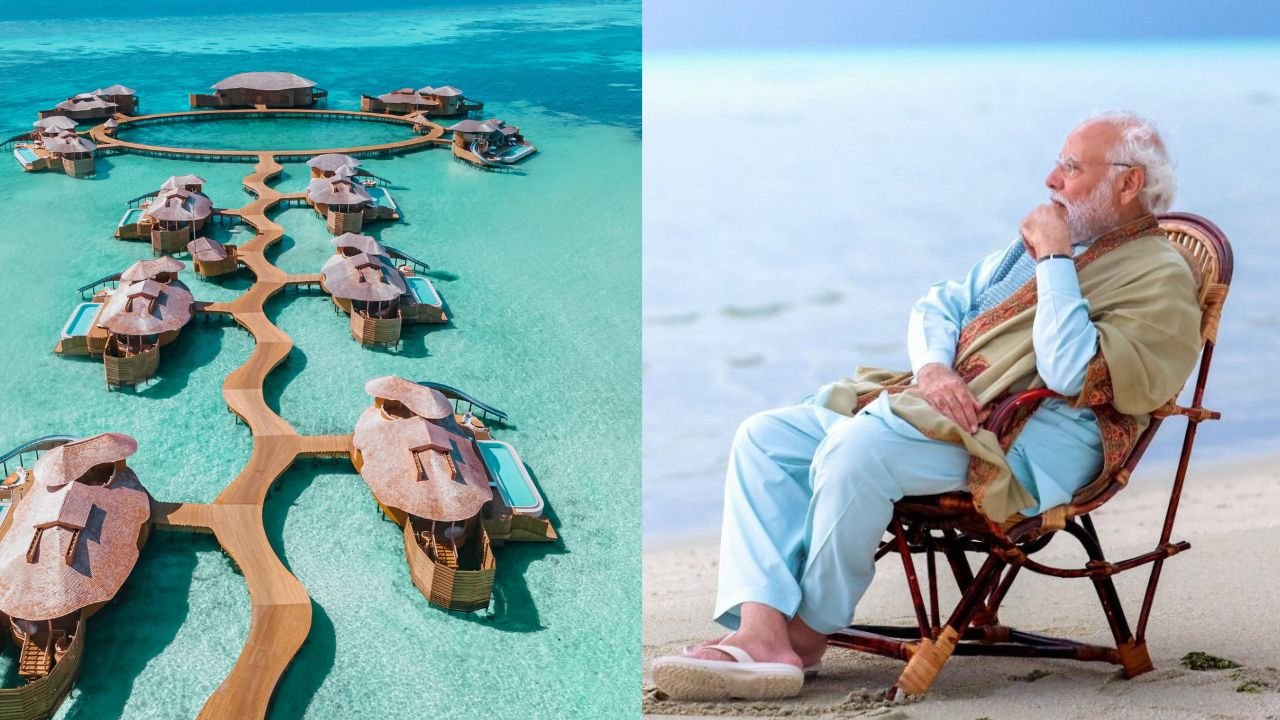
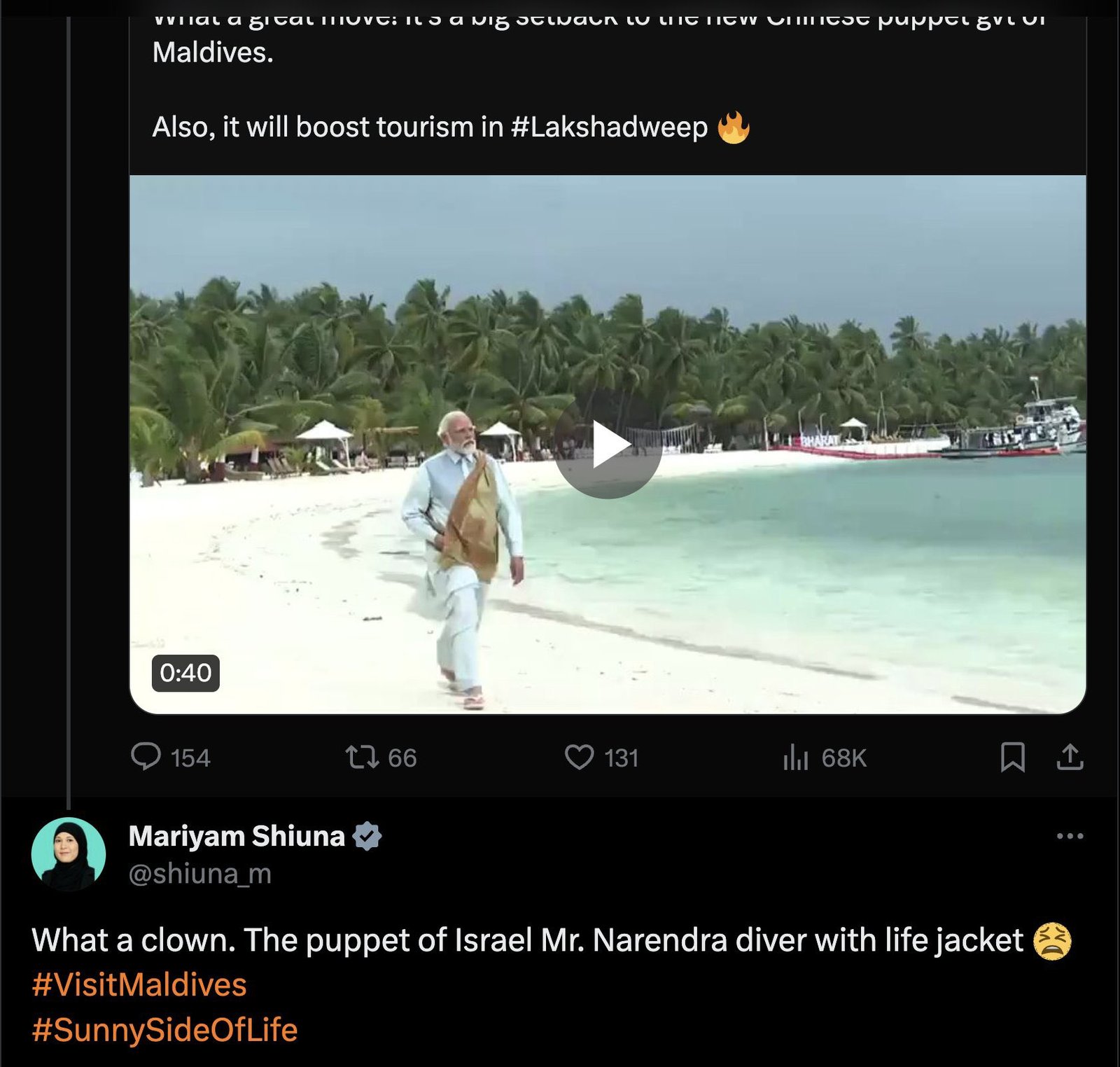
Prime Minister of India, Narendra Modi, posted about his recent trip to Lakshadweep on X (former Twitter).
“In addition to the scenic beauty, Lakshadweep’s tranquility is also mesmerising. It gave me an opportunity to reflect on how to work even harder for the welfare of 140 crore Indians,” the caption read.
In addition to the scenic beauty, Lakshadweep’s tranquility is also mesmerising. It gave me an opportunity to reflect on how to work even harder for the welfare of 140 crore Indians. pic.twitter.com/VeQi6gmjIM
Social media erupted with calls for boycott of Maldives tours after Maldivian politician Zahid Rameez made objectionable remarks regarding Modi’s visit to Lakshadweep.
The incident led to the trending of the hashtag #BoycottMaldives on X in India.
The controversy unfolded when Rameez, a member of the Progressive Party, responded to a claim suggesting that PM Modi’s visit was a setback for the Maldives and would boost tourism in Lakshadweep.
Rameez mocked Indians, stating that competing with the Maldives for tourism was “delusional.” He questioned how India could match the level of service and cleanliness offered by the island nation, adding that the permanent smell in Indian rooms would be a significant drawback.
Rameez’s remarks ignited a heated exchange on the microblogging site, with many users sharply criticizing him.
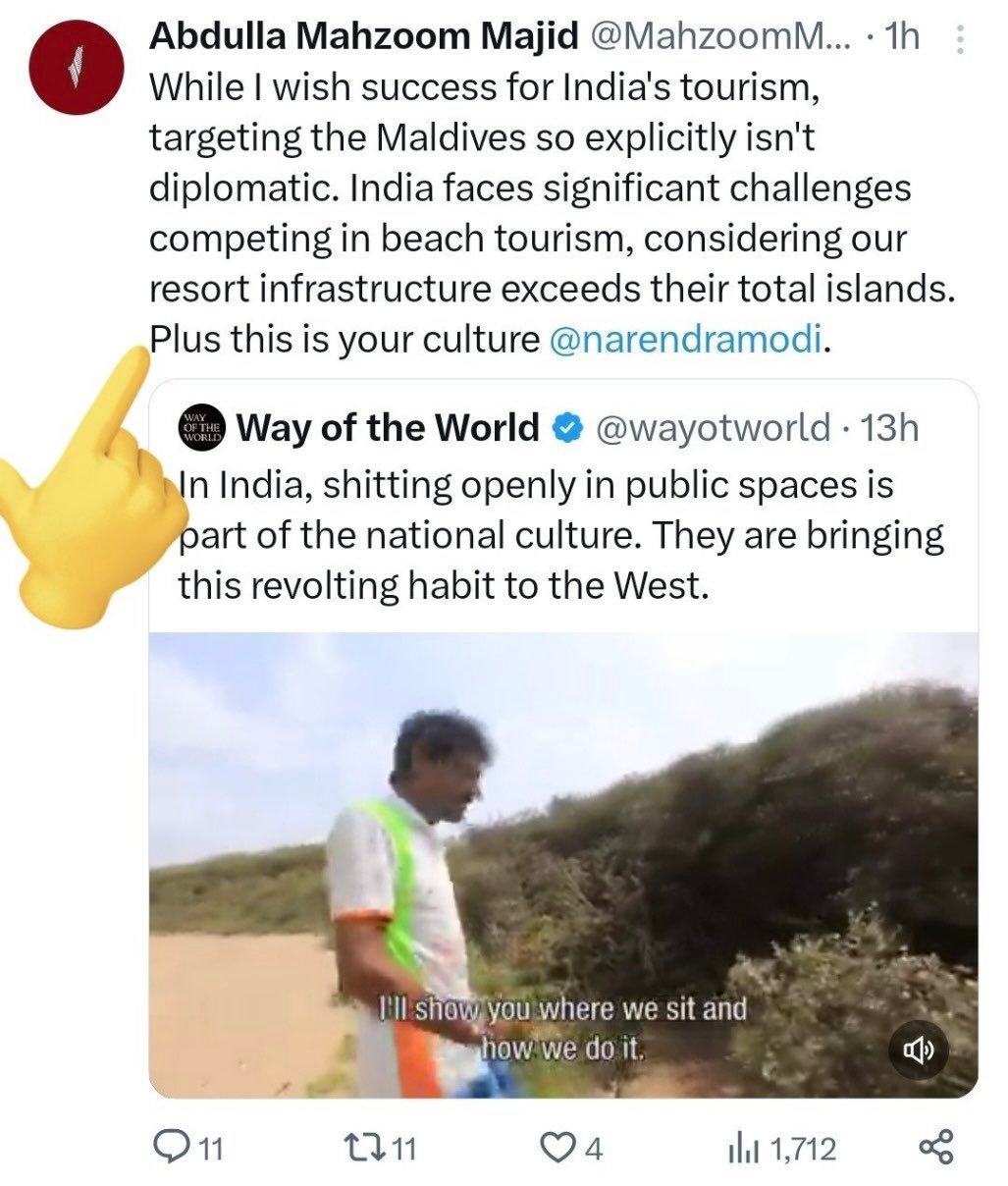
Deputy Minister of the Ministry of Youth Empowerment Maldives, Abdulla Mahzoom Majid, also criticised Modi and said, “While I wish success for India’s tourism, targeting the Maldives so explicitly isn’t diplomatic. India faces significant challenges competing in beach tourism, considering our resort infrastructure exceeds their total islands. Plus this is your culture @narendramodi.”
Subsequently, the hashtag #BoycottMaldives gained traction on social media, with influencers joining the call for a boycott.
Adding fuel to the fire, Maldivian minister Mariyam Shiuna also made derogatory comments against Prime Minister Narendra Modi in a now-deleted post, further fueling the outrage.
Former President Nasheed urged the Maldivian government to distance itself from the offensive comments made by Shiuna and provide clear assurance to India that they do not reflect official government policy.
“What appalling language by Maldives Government official @shiuna_m towards the leader of a key ally, that is instrumental for Maldives’ security and prosperity. @MMuizzu gov must distance itself from these comments and give clear assurance to India they do not reflect gov policy.”
What appalling language by Maldives Government official @shiuna_m towards the leader of a key ally, that is instrumental for Maldives’ security and prosperity. @MMuizzu gov must distance itself from these comments and give clear assurance to India they do not reflect gov policy.
In response to the growing calls for a boycott, several Indian celebrities, including Akshay Kumar and Sachin Tendulkar, took to social media.
Came across comments from prominent public figures from Maldives passing hateful and racist comments on Indians. Surprised that they are doing this to a country that sends them the maximum number of tourists. We are good to our neighbors but why should we tolerate such… pic.twitter.com/DXRqkQFguN
250+ days since we rang in my 50th birthday in Sindhudurg!
The coastal town offered everything we wanted, and more. Gorgeous locations combined with wonderful hospitality left us with a treasure trove of memories.
They promoted the hashtag ‘#ExploreIndianIslands,’ encouraging fellow citizens to support domestic tourism.
Former Indian cricketer Akash Chopra urged Indians to choose wisely in light of the political tensions, emphasizing the importance of national dignity.
‘India Out’ was a part of the manifesto. Maldives voted for it. Now, it’s up to us, Indians, to choose wisely. I know that my family will. Jai Hind
It is so cool to see our Hon PM Narendrabhai Modi at the beautiful clean n stunning beaches of Lakshadweep, and the best part is that yeh hamare India mein hain.
Minister of Foreign Affairs of Maldives, Moosa Zameer, said, “The recent remarks against foreign leaders and our close neighbours are unacceptable and do not reflect the official position of the Government of #Maldives. We remain committed to fostering a positive and constructive dialogue with all our partners, especially our neighbours, based on mutual respect and understanding.”
The recent remarks against foreign leaders and our close neighbours are unacceptable and do not reflect the official position of the Government of #Maldives.
We remain committed to fostering a positive and constructive dialogue with all our partners, especially our neighbours,…
As the controversy continues to unfold, diplomatic relations between India and the Maldives face a test, with the tourism industry caught in the crossfire of political tensions.
Four people have been killed and 40 hospitalised after consuming tainted alcohol in southern Tunisia, an official said.
An inquiry has been opened and the person who supplied the alcohol has been arrested, Fethi Baccouche, a spokesman for the Medenine court, told AFP.
An analysis of the alcohol is underway to determine what was behind the mass poisoning.
Of the 40 surviving victims, most left hospital but some were transferred to the capital Tunis for treatment, Baccouche said, without providing exact numbers.
Poisonings from incorrectly produced or adulterated alcohol are common in Tunisia and often fatal.
In 2021, Tunisian health authorities announced five deaths and the hospitalisation of 25 more in Kasserine in the country’s west after they drank contaminated alcohol.
And in May 2020, 39 people were poisoned, including six who died, after drinking methanol near the city of Kairouan.
The consumption of home-made alcohol is common in some working-class neighbourhoods of Tunis and remote regions of the country where poverty rates are high.
The alcohol, which is illegal, is often much cheaper than that sold in shops.
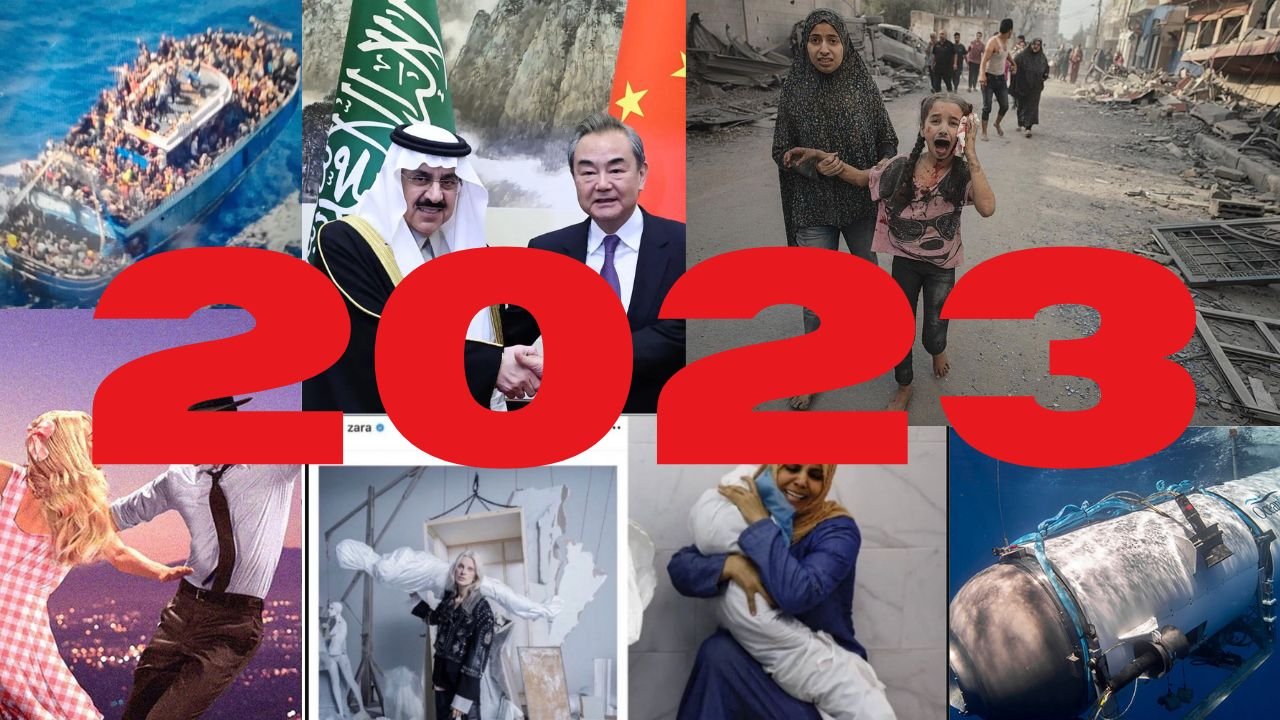
Diplomats like Maliha Lodhi had predicted that 2023 was going to be a “world of uncertainty” and that proved somewhat true. The world witnessed a hotchpotch of events where at one end a positive step was taken to restore peace in the Middle East when China brokered a deal between Iran and Saudi Arabia but Israel’s war on Gaza made everything fall apart.
Apart from the man-made conflicts, nature also lashed out with climate change emerging as a dark reality the world can no longer ignore.
Earthquake in Syria and Turkey
Early in the year, a ferocious earthquake in Syria and Turkey cost more than 67, 000 lives, a staggering number. It hit southern and central parts of Turkey and northern and western parts of Syria on the morning of February 6. Thousands of buildings were destroyed with the severe magnitude 7.7 quake and aftershocks that struck Antakya within hours. It is estimated to be the most severe earthquake in Turkey since 1939.
Iran and Saudi Arabia’s friendship mediated by China
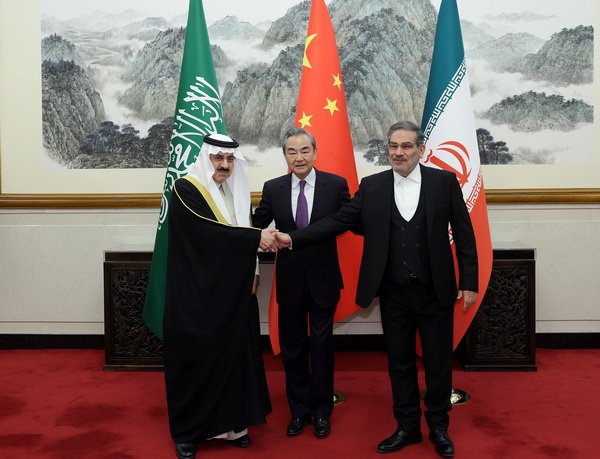
In an unexpected turn of events, China mediated a deal between arch-enemies Saudi Arabia and Iran in March, earlier this year, surprising the world. The thawing of relations was termed a major blow to the overpowering role of the USA in the region and was dubbed a “wave of reconciliation”.
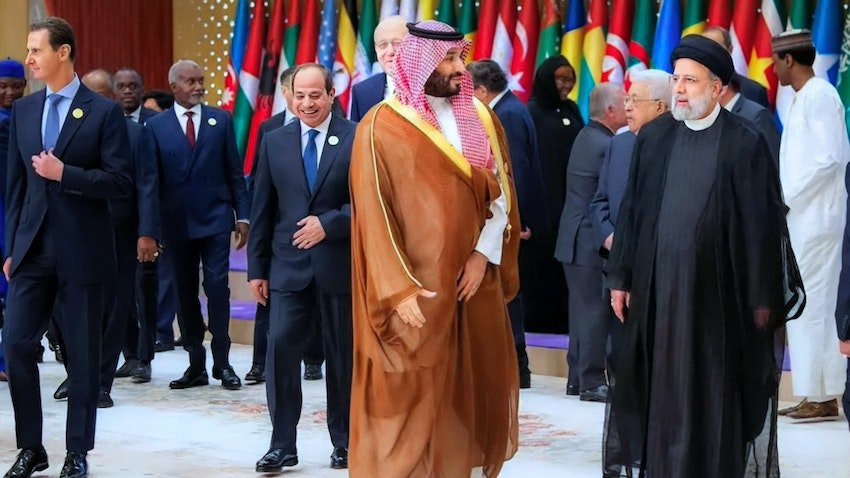
Saudi Crown Prince and Prime Minister Mohammed bin Salman met with Iranian President Ebrahim Raisi for the first time post the deal on the sidelines of the joint Arab-Islamic summit in Riyadh on December 9, 2023, a moment for the history books.
Titan submarine
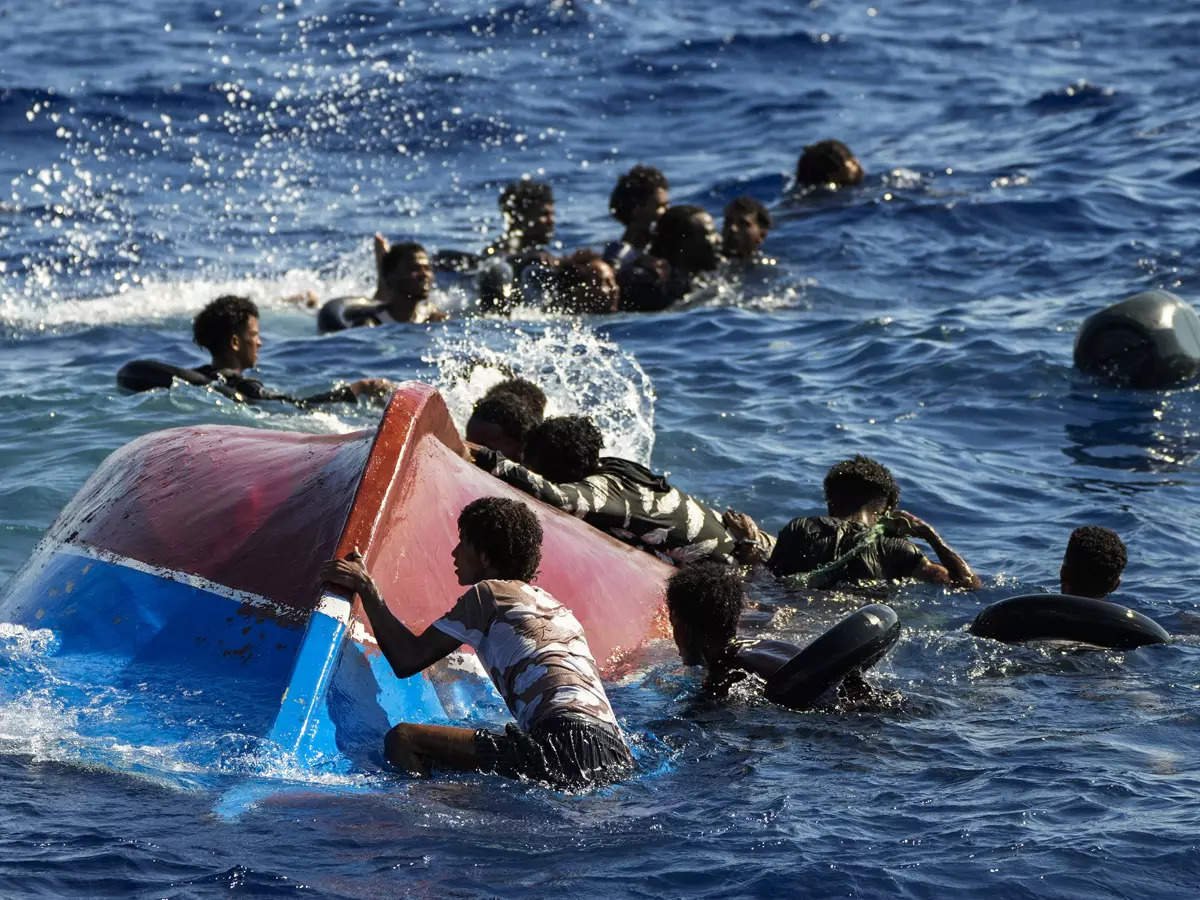
The tragedy of the Titan submarine came at a point when the world was witnessing the humongous tragedy of the immigrant boat disaster in Greece. In the first one, five men of rich backgrounds lost their lives in an adventurous pursuit while in the latter, 80 people died, and more than 500 went missing in the sea as the over-crowded ship sank.
The glaring irony sent shockwaves all around the world where a group paid billions of dollars for their death in the name of seeing an archive deep in the sea and the other died by getting suffocated by being cramped in the basement of a ship. The illegal immigrants were denied entry in Greece and due to overloading, it sank. The incident also pointed towards the core racism in the world because the victims were largely brown Asians and Africans while the white population was saved by the authorities.
Barbenheimer The Barbenheimer phenomenon marked the revival of cinema post-covid that engulfed the world in a frenzy.
Two big-budget movies were coming out on the same day. One was Christopher Nolan’s directorial Oppenheimer, based on the life of the American scientist, the head of the Manhattan Project, and the creator of the Atomic Bomb, J. Robert Oppenheimer. Even though it was about a scientist and the makers were expecting it to attract a niche audience, the movie did great business. The other was the Greta Gerwig directorial Barbie, a live-action, musical based on the life of the famous fictional doll. The audiences had high expectations of how it will be presented and they were not disappointed as the movie went on to break records. The release of the two movies activated the meme brigade to the point that a new pop-culture reference came to life in the form of Barbenheimmer.
Israel’s War on Gaza
The war that shook the world was the siege of Gaza by Israel. On October 7 Hamas invaded Israel and took at least 236 hostages. Israel retaliated in what is being called a disproportionate response. The genocide of the poor Gazans has not ended till now with the death toll nearing 21,000 after 80 days of war whereas the Israeli deaths remained at 1200. A short-term truce provided a little break for the return of hostages but Israeli Prime Minister Benjamin Netanyahu has pledged to not stop. Massive protests across the world saw the tide of public opinion turn towards Palestine.
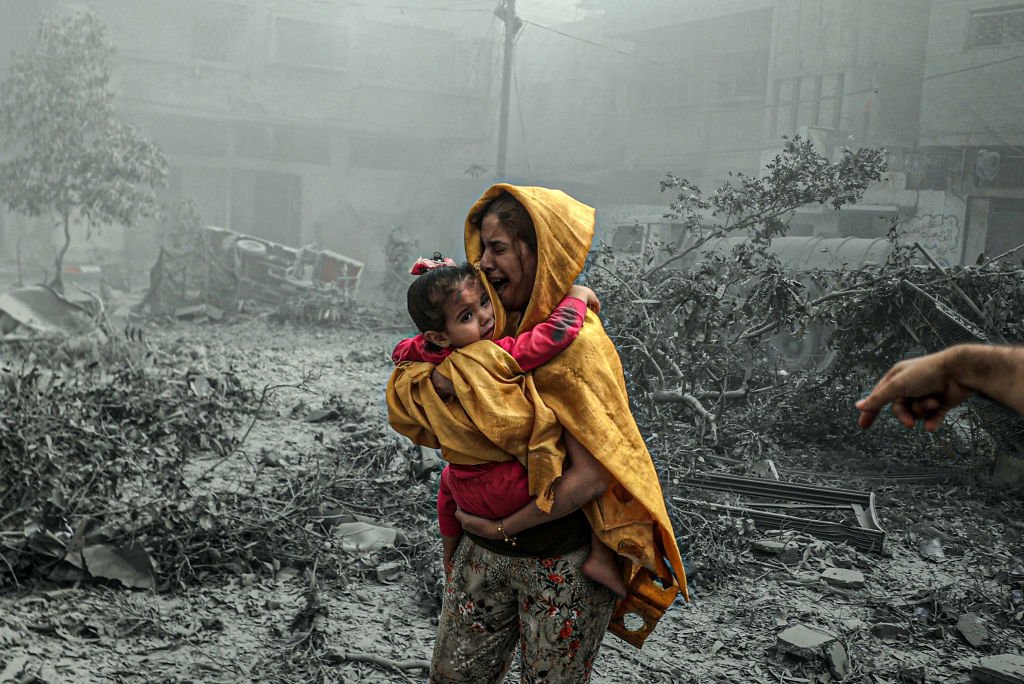
GAZA CITY, GAZA – OCTOBER 23: A woman holding a girl reacts after Israeli airstrikes hit Ridwan neighborhood of Gaza City, Gaza on October 23, 2023. (Photo by Ali Jadallah/Anadolu via Getty Images)
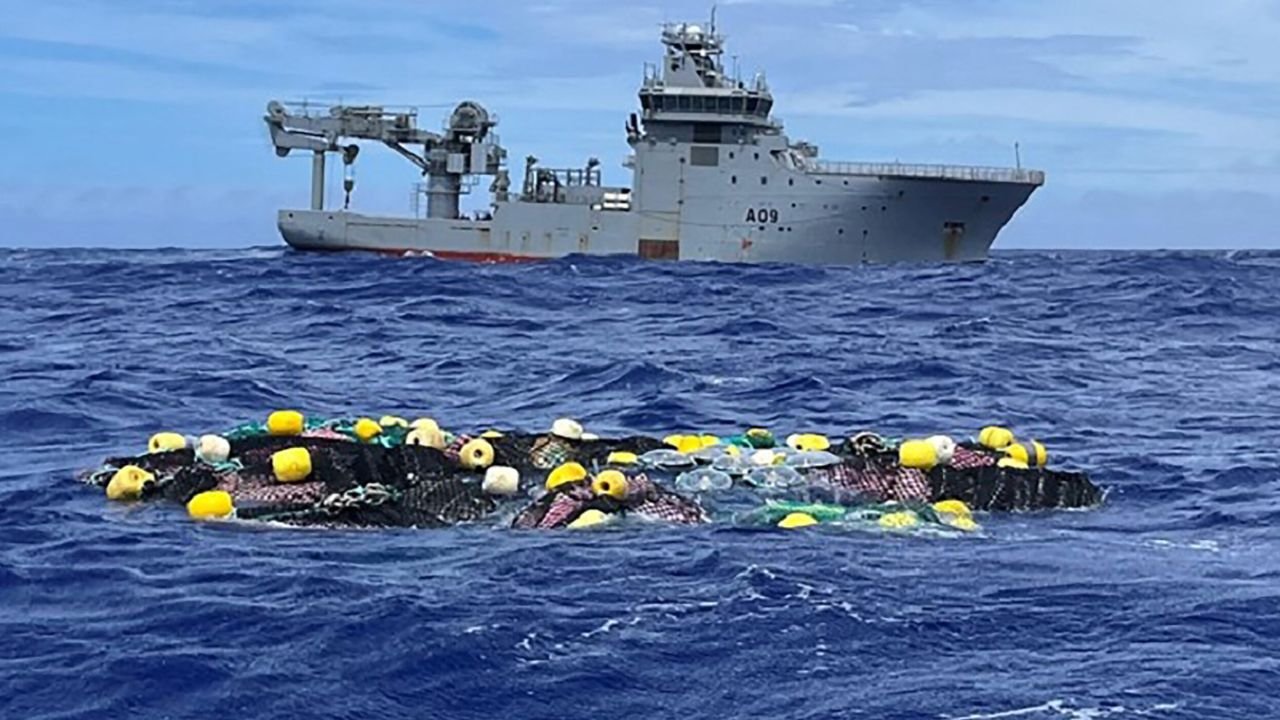
Australian police said Wednesday they were scouring beaches after mysterious packages believed to contain more than 120 kilograms (260 pounds) of cocaine washed up over the Christmas period.
A first batch of 39 barnacle-encrusted, one-kilogram bricks of suspected cocaine was discovered on Friday near Magenta Beach, north of Sydney, police said.
Since then, another 85 packages of the same size had been spotted along about 80 kilometres (50 miles) of the New South Wales coastline, state police said.
Police urged people to report any suspicious packages, Detective Chief Superintendent Jason Weinstein said in a statement.
“Detectives and specialist police are currently combing beaches and coastlines for any outstanding packages and working behind the scenes to make sure we find and hold accountable those responsible,” said Weinstein, who is director of the state’s crime command.
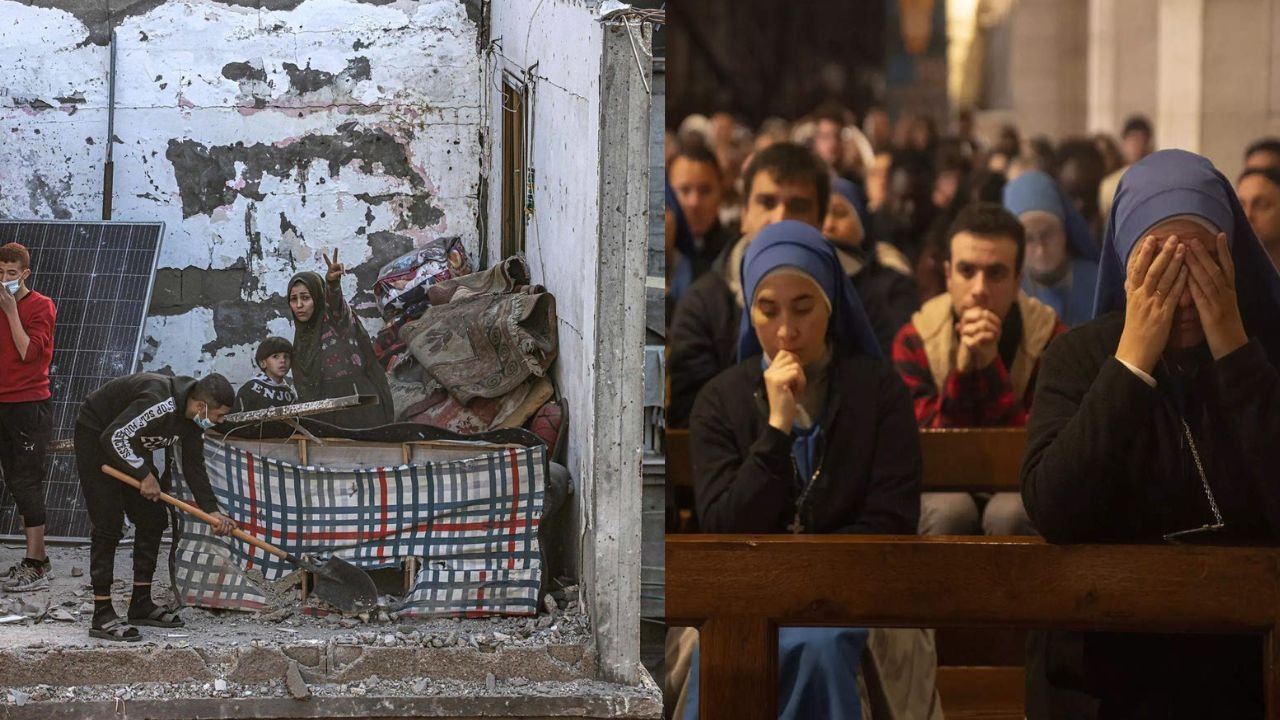
Palestinians said they felt “no joy” this Christmas as Israel bombed Gaza on Monday, with no end in sight to the war that Hamas says has claimed more than 20,000 lives.
Festivities were effectively scrapped in the occupied West Bank city of Bethlehem, revered as the birthplace of Jesus Christ, with few worshippers or tourists on the usually packed streets.
In the besieged Gaza Strip, the Hamas-run ministry of health said early Monday Israeli strikes had killed at least 18 people in the southern city of Khan Yunis, the centre of recent fighting.
At a hospital in the city, Fadi Sayegh — whose family has previously received permits to travel to Bethlehem for celebrations — said he would not be celebrating Christmas this year.
“There is no joy. No Christmas tree, no decorations, no family dinner, no celebrations,” he said while undergoing dialysis. “I pray for this war to be over soon.”
Sister Nabila Salah from the Catholic Holy Church in Gaza — where two Christian women were killed by an Israeli sniper earlier this month according to the Latin Patriarchate of Jerusalem — struck a sombre tone.
“All Christmas celebrations have been cancelled,” she told AFP. “How do we celebrate when we are… hearing the sound of tanks and bombardment instead of the ringing of bells?”
The war broke out when Hamas fighters attacked southern Israel on October 7 and killed about 1,140 people, mostly civilians, and seized 250 hostages, according to an AFP tally based on Israeli figures.
Israel has vowed to eliminate Hamas in response and its military campaign, which has included massive aerial bombardment. The campaign has killed 20,424 people, mostly women and children, according to Gaza’s health ministry.
Pope Francis kicked off global Christmas celebrations on Sunday with a call for peace.
“Our heart goes to Gaza, to all people in Gaza but a special attention to our Christian community in Gaza who is suffering,” the Catholic leader said.
Christmas eve strike
Just ahead of Christmas, the Hamas-run health ministry said at least 70 people were killed in an Israeli air strike on Sunday at the Al-Maghazi refugee camp in central Gaza.
Health ministry spokesman Ashraf al-Qudra said the “toll is likely to rise” as many families were thought to be in the area at the time of the strike.
In a separate incident, the ministry said 10 members of one family were killed in an Israeli strike on their house in the Jabalia camp in northern Gaza.
AFP was unable to independently verify either toll.
Vast areas of Gaza lie in ruins and its 2.4 million people have endured dire shortages of water, food, fuel and medicine due to an Israeli siege, alleviated only by the limited arrival of aid trucks.
Eighty percent of Gazans have been displaced, according to the UN, many fleeing south and now shielding against the winter cold in makeshift tents.
The head of the UN refugee agency, Filippo Grandi, called for an end to the suffering.
“A humanitarian ceasefire in Gaza is the only way forward,” he wrote on X, formerly Twitter. “War defies logic and humanity, and prepares a future of more hatred and less peace.”
World Health Organization chief Tedros Adhanom Ghebreyesus also renewed calls for a ceasefire, saying: “The decimation of the Gaza health system is a tragedy.”
‘No choice’
Israeli Prime Minister Benjamin Netanyahu said Sunday the war was exacting a “very heavy price”, as the death toll of soldiers killed in the conflict continued to mount.
“But we have no choice but to keep fighting,” he said, adding: “This will be a long war.”
The army said Monday two more soldiers had been killed, taking to 17 the number of troops killed since Friday and 156 since Israel’s ground assault began on October 27.
Israeli military spokesman Jonathan Conricus indicated that forces were close to gaining control in northern Gaza and that now “we focus our efforts against Hamas in southern Gaza”.
Two freed detainees and a medic said Sunday that Palestinians held by the Israeli army in the Gaza Strip had suffered torture, a charged denied by the military.
The two men were among hundreds detained by Israeli forces over alleged links with Hamas during Israel’s ground offensive.
About 20 men released from Israeli custody “have bruises and marks of blows on their bodies”, Marwan al-Hams, hospital director in the southern city of Rafah, told AFP.