Category: Global

NULL

  • Woman pilot commits suicide after being ‘harassed’ by boyfriend

    Woman pilot commits suicide after being ‘harassed’ by boyfriend

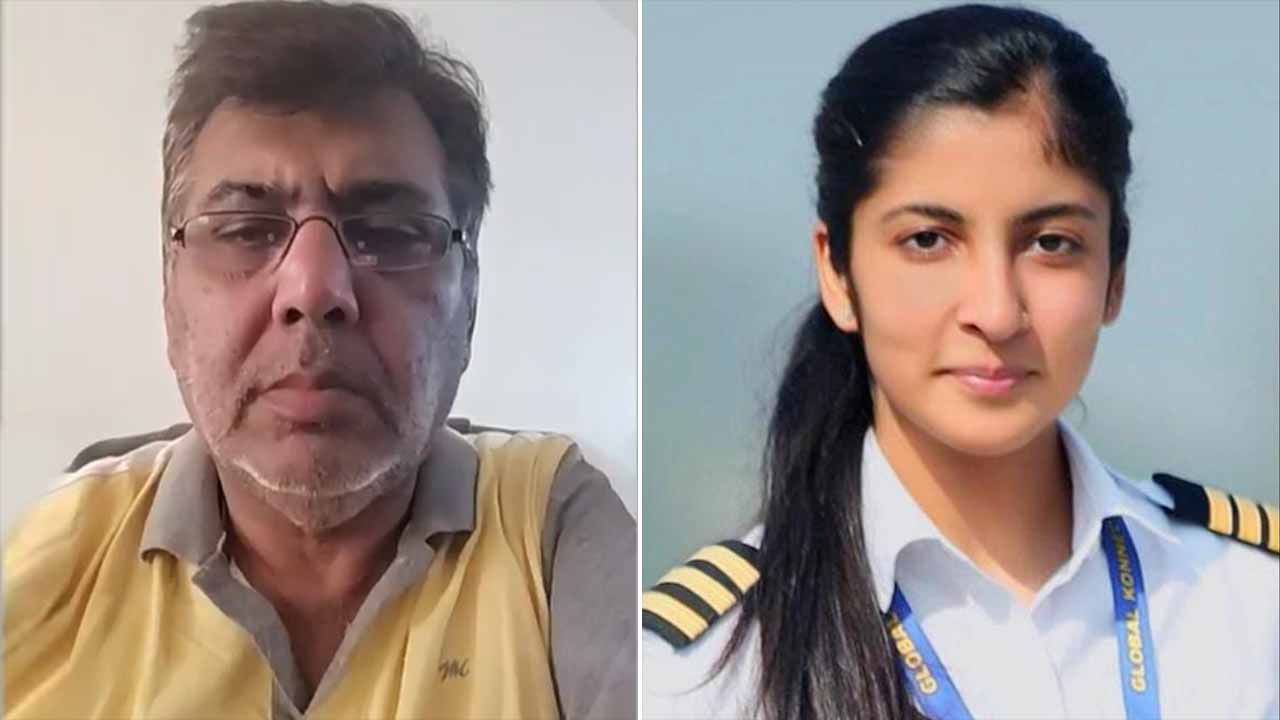
    A 25-year-old woman pilot in India has committed suicide by hanging over alleged harassment by her boyfriend, Indian media reported.


    The young pilot, namely Srishti Tuli, was a resident of Mumbai, reports said.


    Local police were informed about Srishti’s death by a local hospital at around 8 am on November 25. An initial investigation suggested that the pilot committed suicide by hanging herself on November 24 after returning home from duty.


    A postmortem report confirmed that she died of asphyxiation due to hanging, reports added.


    Srishti’s family has blamed her 27-year-old boyfriend for the death. Srishti, who hails from Gorakhpur in Uttar Pradesh, had gone to Delhi in 2019 to train for her Commercial Pilot License (CPL). After completing her training, Srishti got a job with Air India in 2023, for which she had to relocate to Mumbai.


    She and the accused first met in Delhi about two years ago.


    Her uncle, Vivek Kumar, told the police that Srishti and her boyfriend had been living in the same house for five to six days before the suicide.


    An initial investigation suggested that the accused had left Mumbai for Delhi at around 1 pm on November 25. However, the uncle claimed that an argument took place between the two at their home and later over the phone. 


    The police also found out that Srishti called the accused and threatened to commit suicide after which he returned to Srishti’s residence in Mumbai.


    However, when the accused returned home in the morning, Srishti did not open the door or answer his calls.


    The accused called a locksmith, with the help of whom the door was opened. A friend of the accused was also accompanying them. When all these people entered the house, they found out that Srishti had hanged herself.


    The accused took Srishti to a nearby hospital for first aid but doctors confirmed her death and informed the police.


    Srishti’s family reached Mumbai later in the day. In their statements to the police, they alleged that Srishti committed suicide due to alleged harassment and abuse by the accused. Her uncle also claimed that her niece was “disturbed by her boyfriend’s behaviour for some time”.


    “He often behaved rudely and hurled insults at her in public,” reports quoted the uncle as saying.


    The deceased’s family also alleges that the accused “encouraged” Srishti to commit suicide.


    According to Indian news outlets, the boyfriend has been arrested on charges of harassment, and further investigation is underway.


  • Crypto entrepreneur eats banana artwork he bought for $6.2m

    Crypto entrepreneur eats banana artwork he bought for $6.2m

    Chinese entrepreneur Justin Sun ate a banana artwork which he bought at an auction for $6.2 million.


    According to foreign media, Italian artist Maurizio Cattelan had taped a fresh banana to the wall of an art gallery, which was being called artwork.


    Justin Sun, a Chinese-born cryptocurrency founder, bought it for $6.2 million (About 2.5 billion Pakistani rupees).


    Justin described the Italian artist’s artwork as “iconic” on Friday at a luxury hotel in Hong Kong and ate the banana bought for billions of rupees in front of journalists and influencers.


    After eating the banana, Justin Sun said, “This is much better than other bananas, it’s really good.”


    Immediately after winning the auction last week, Mr Sun announced his plan to eat the fruit to make it part of the history of the artwork.


    He also said, “It is not just a work of art, it represents a cultural phenomenon that connects the worlds of art, memes and the cryptocurrency community.”


    Each participant at the event on Friday was given a banana and a roll of duct tape as souvenirs.

  • Nigeria’s pregnancy scam: Woman convinced to be pregnant and deliver baby after 15 months

    Nigeria’s pregnancy scam: Woman convinced to be pregnant and deliver baby after 15 months

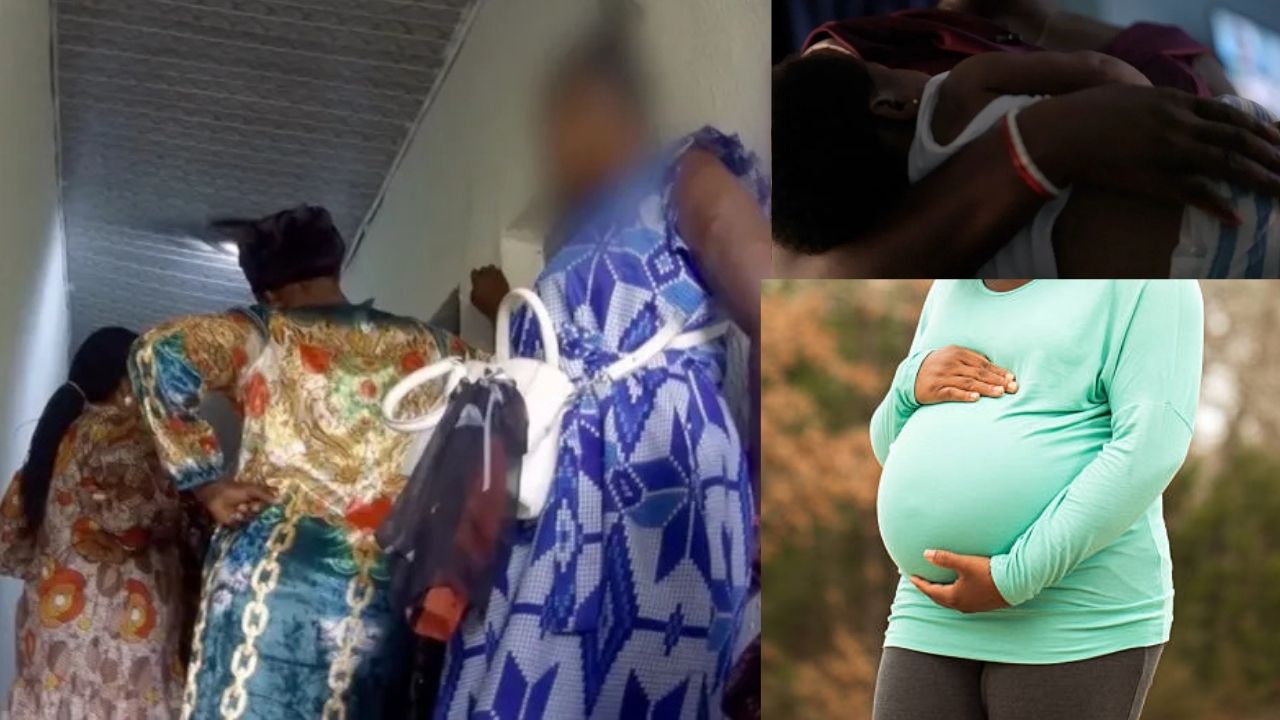
    A horrific fertility scam in Nigeria has been revealed by BBC Africa Eye through an investigation in the Anambra State of the West African country.


    In a video report, BBC Africa Eye’s journalists went undercover to record footage of a woman named Doctor Ruth running a dubious facility. 


    Investigators reveal that women struggling to conceive end up supporting an underground trade of newborn babies. “The woman is convinced that if she visits a cryptic nurse or doctor, she is going to get an injection, a tablet or a solution that she would drin,k and after she goes home, she sleeps with her husband and then she is going to get pregnant,” Chiagozie Nwonwu, a BBC disinformation reporter, explains. 


    The fertility scam involves a network of scammers and fraudulent clinics that exploit desperate couples and women, in particular, with promises of “a miracle pregnancy” involving a fertility treatment which subjects them to false pregnancies and baby trafficking.


    The investigator further revealed:  “Scammers convince women that they are pregnant and only they can deliver the baby. Incredibly, they claim the woman could be pregnant for years while they wait for a rare and expensive drug to bring on the birth.”


    Nwonwu further adds, “Your doctor will call you and say, come and give birth today.”


    The scammers often pose as medical professionals, luring women with promises of miraculous cures. One such-Dr Ruth costs the victims a whopping amount of money for initial “treatment” which is 200 dollars and gives injections for “sex selection” as well.


    These mysterious injections or concoctions lead to swollen bellies, mimicking the appearance of pregnancy and giving women the impression of being pregnant and carrying a child despite the lack of any genuine medical evidence.


    The women are warned against seeking any kind of medical attention. 


    The fraudsters tell women that traditional medical tests would not detect the pregnancy because the fetus is developing outside the womb. 


    Although these are biologically wrong facts, psychological manipulation and the victim’s own desperation keep them trapped in a cycle of deception.


    One woman named Chioma claimed to have “carried” a child for 15 months.


    When the time comes for the “delivery” of the child, women are told that they need to pay an additional fee for “special drugs” to induce labor. 


    Many women who go through the scam actually end up with a child, and they insist they have given birth. While some say that they are given injections and told to push, others say that they wake up with a c-section-like incision.


    Cryptic Pregnancy


    The fertility scam often leverages the concept of “cryptic pregnancy,” a rare medical condition which is used by fraudsters to further deceive women. 


    Ify Obinanabo, Anambra State Commissioner for Women’s Affairs, outrightly called it out by saying that “cryptic pregnancy cannot exist without child trafficking.”


    Journalist Yemi Adegoke, while talking to BBC News, revealed that the kind of Christianity practised in Nigeria has a lot of emphasis on miracles, which is why women get trapped in this scam easily.


    Where do the children come from?


    Yemi revealed that the children are trafficked, and there have been instances where young, vulnerable women are forced to sell their children.


    In February, a raid by Anambra State health authorities exposed the facility housing women against their will, some as young as 17, who were forced to surrender their newborns.


    Scammers exploit social media platforms like Facebook to spread misinformation about miraculous and cryptic pregnancies to target vulnerable women nationwide.

  • Chinese Pizza Hut introduces deep fried pizza with frog topping

    Chinese Pizza Hut introduces deep fried pizza with frog topping

    A Chinese Pizza Hut has come up with the most bizarre pizza topping that is making waves across the internet. It is serving customers deep-fried frogs on top of their pies.


    As per the menu, this is called a ‘Goblin Pizza’.


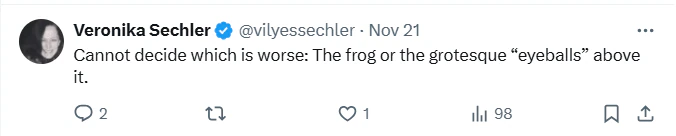
    An image of the Pizza Hut advertisement featuring a thick-crust pizza with a red sauce base under a bed of parsley with the bullfrog on top and two halves of hard-boiled egg with black olives appearing as the ‘eyes’ of the frog has gone viral on the internet. 


    A translation of the Chinese caption suggests that the pizza is available for a limited time with a “special bullfrog” being ‘used’ in it.


    However, it is unclear for how long Chinese Pizza Hut will be offering the pizza as the company does not specify on their website either.


    Global food trendwatcher and industry consultant David Henke posted a picture of the special pizza that’s supposedly being offered in the Cinese pizza outlet on his X (formerly Twitter) account. 


    Henke shared the poster and captioned it: “Per@Technomic Global Navigator, in proof that other countries/cultures prefer different types of proteins, Pizza Hut is offering a pizza topped with a frog for a limited time offer in China – and frog is trending.”


    A Korean news outlet, Maeil Business Newspaper, reported the protein-packed pizza has been launched in collaboration with Dungeons and Dragons and is named “Goblin Pizza” after one of the popular game’s characters.


    One user commented “Cannot decide which is worse: The frog or the grotesque ‘eyeballs’ above it.” 


    One of the users said, “Guess they really jumped on the idea of thinking outside the box.”


  • Hamas says ‘Ready’ for Gaza truce after Lebanon ceasefire

    Hamas says ‘Ready’ for Gaza truce after Lebanon ceasefire

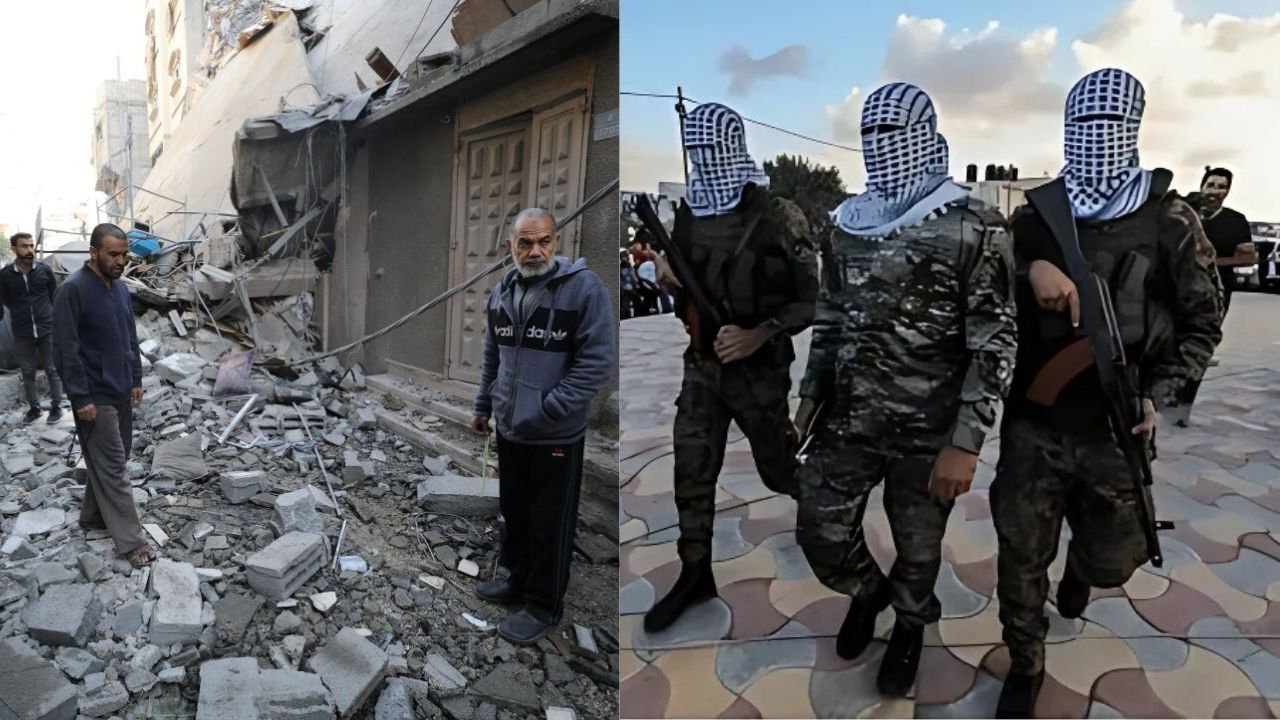
    Hamas is ready to reach a ceasefire in the Gaza Strip, a senior official in the Palestinian resistance group said Wednesday, hailing the ceasefire that took hold in Lebanon.


    “We have informed mediators in Egypt, Qatar and Turkey that Hamas is ready for a ceasefire agreement and a serious deal to exchange prisoners,” the official told AFP, however, accusing Israel of obstructing a deal.


    In a statement released later Wednesday, Hamas said, “the enemy’s acceptance of the agreement with Lebanon without achieving its preconditions marks a significant milestone in shattering (Israeli Prime Minister Benjamin) Netanyahu’s illusions of reshaping the Middle East through force”.


    The group also praised the “pivotal” role of its ally Hezbollah in Lebanon.


    In the occupied West Bank, the Palestinian Authority expressed hope that the ceasefire would bring stability to the region, especially in war-torn Gaza.


    “We hope that this step will contribute to stopping the violence and instability that the region is suffering from,” the Palestinian presidency said in a statement, highlighting the need to enforce a UN resolution for a ceasefire in the Gaza Strip.


    Violence in the West Bank-occupied by Israel since 1967-has surged since the Gaza war erupted after Hamas’s unprecedented October 7, 2023.


    Notably, the ceasefire between Israel and Hezbollah in Lebanon took effect today after more than a year of fighting that has killed thousands of people.


    US President Joe Biden announced the ceasefire agreement on Tuesday, as Israeli Prime Minister Benjamin Netanyahu said his ministers had agreed to a halt.

    The United States is Israel’s key ally and military backer, and Biden hailed the deal as “good news” and a “new start” for Lebanon. 
     

    Netanyahu thanked Biden for his involvement in brokering the deal and said it would allow Israel to focus on Hamas in Gaza and Iran.


    Under the terms of the Lebanon truce, Israel will maintain “full” freedom to act against Hezbollah if it poses any new threat, Netanyahu said.


    However, a truce in Lebanon, Netanyahu said, will permit Israel to redirect its focus on Gaza, “When Hezbollah is out of the picture, Hamas is left alone in the fight. Our pressure on it will intensify.”


  • COP29 President blames rich countries for ‘Imperfect’ deal

    COP29 President blames rich countries for ‘Imperfect’ deal

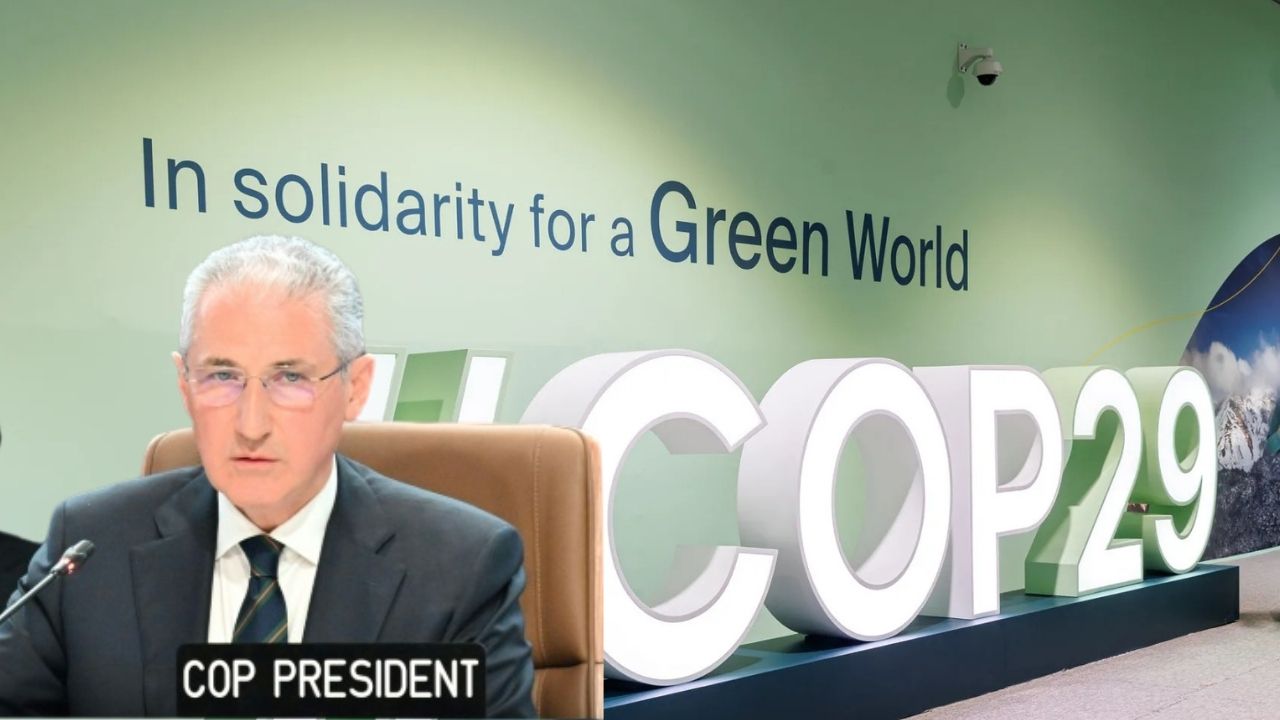
    The tough-fought finance deal at UN climate negotiations was “imperfect”, the Azerbaijan COP29 leadership has admitted, seeking to blame richer countries for an outcome slammed by poorer nations as insulting.


    The contentious deal agreed on Sunday saw wealthy polluters agree to a $300 billion a year pledge to help developing countries reduce emissions and prepare for the increasingly dangerous impacts of a warming world.


    COP29 president Mukhtar Babayev conceded that the deal was insufficient to meet escalating needs and suggested that China would have agreed to stump up more cash had others agreed to budge.


    Writing in Britain’s Guardian newspaper on Monday he said wealthy historical emitters had been “immovable” until very late in the negotiating process.


    “This deal may be imperfect. It does not keep everyone happy. But it is a major step forward from the $100 billion pledged in Paris back in 2015,” he said.


    “It is also the deal that almost didn’t happen.”


    Azerbaijan, an authoritarian oil and gas exporter, came under heavy criticism for its handling of COP29, notably France and Germany.


    Babayev banged the deal through in the early hours of Sunday after nearly two weeks of fractious negotiations that at one point appeared on the verge of collapse.


    As soon as the deal was approved, India, Bolivia, Nigeria and Malawi, speaking on behalf of the 45-strong Least Developed Countries group, took to the floor to denounce it.


    Finance was always going to be a thorny issue for the nearly 200 nations that gathered in a sports stadium in Baku to hammer out a new target by 2035.


    Wealthy countries failed to meet the previous goal on time, causing cratering trust in the UN climate process.


    COP29 did set out a wider target of $1.3 trillion per year by 2035 to help developing nations pay for the energy transition and brace themselves for worsening climate impacts.


    The deal envisages that $300 billion mobilised by wealthy nations will be combined with funds from the private sector and financial institutions like the World Bank to reach this larger sum.


    But Babayev said he agreed with developing nations that “the industrialised world’s contribution was too low and that the private sector contribution was too theoretical”.


    Contrasting China’s involvement in the negotiations with that of wealthy historical emitters like the European Union and United States, he said Beijing was “willing to offer more if others did so too (but the others didn’t)”.


    China, the world’s second-biggest economy and top emitter of greenhouse gases, is considered a developing country in the UN process and is therefore not obliged to pay up, although it does already provide climate funding on its own terms.


    The new text states that developed nations would be “taking the lead” but implies that others could join.


    Babayev said the deal was “not enough”, but would provide a foundation to build on in the lead up to next year’s climate talks in Brazil.

  • Ceasefire between Israel, Hezbollah starts now

    Ceasefire between Israel, Hezbollah starts now

    The ceasefire between Israel and Hezbollah in Lebanon took effect on Wednesday after more than a year of fighting that has killed thousands of people.


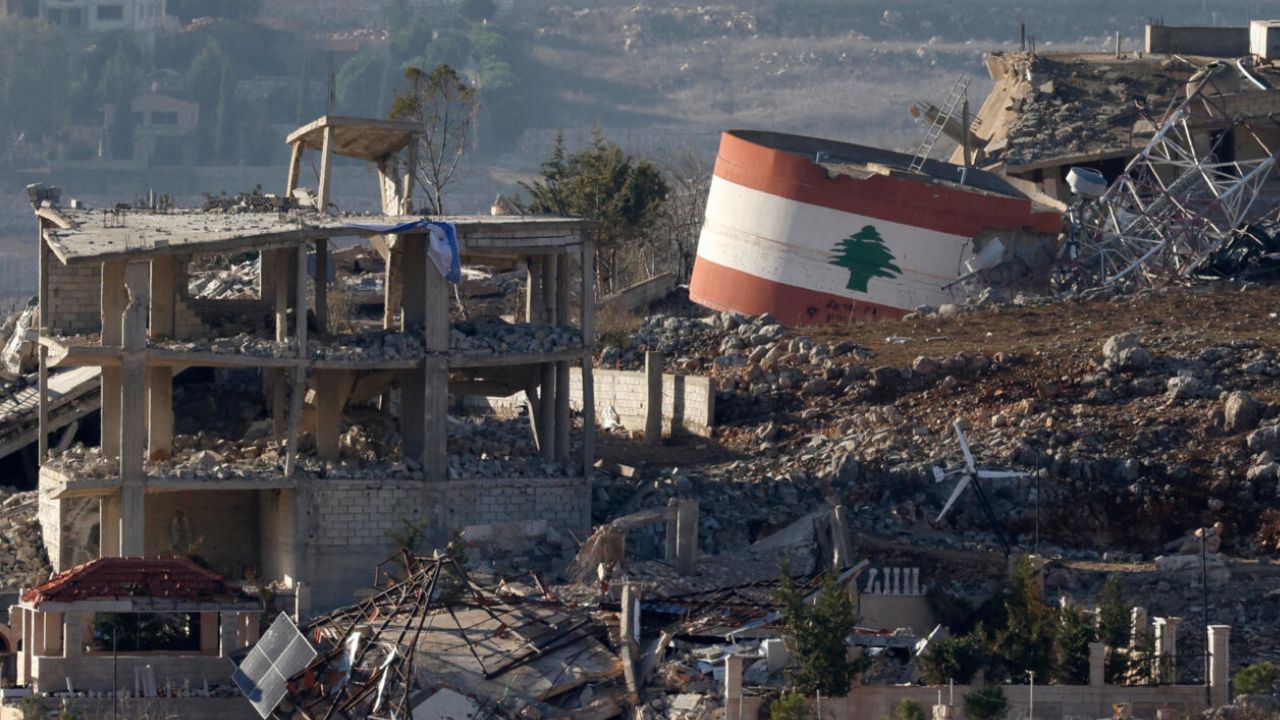
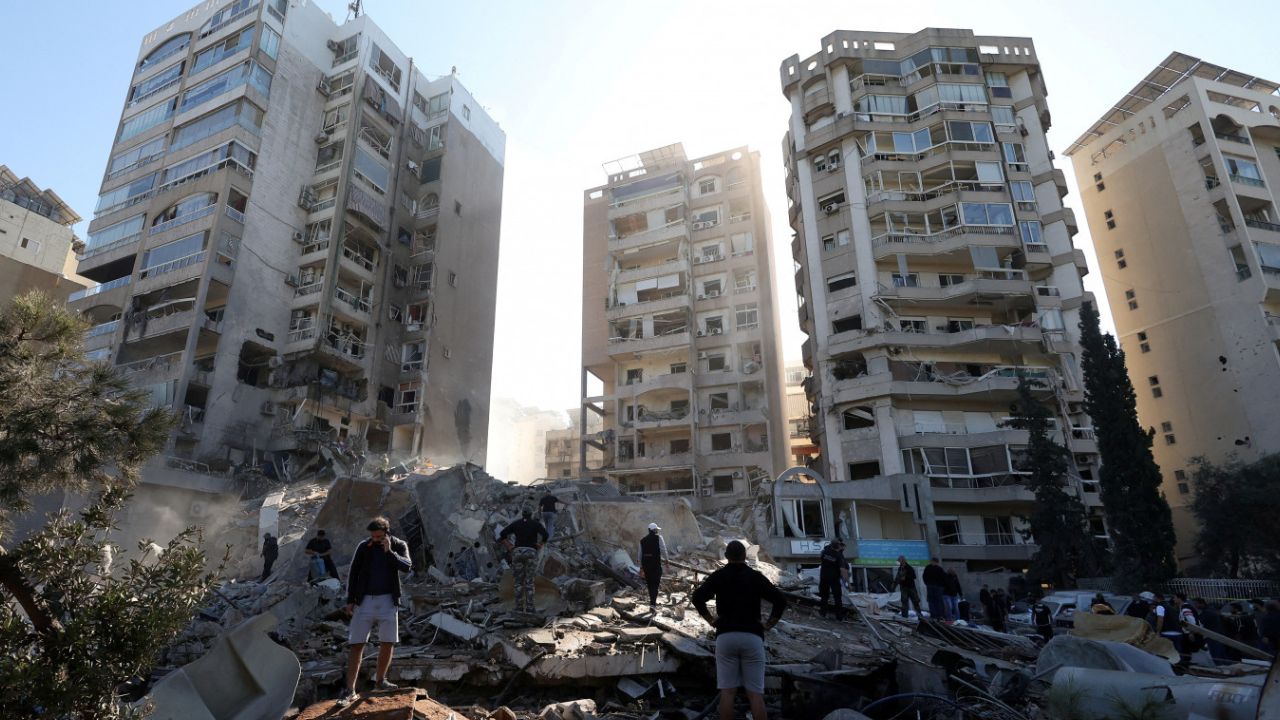
    The truce, which began at 4:00 am (0200 GMT), should bring to a halt a war that has forced tens of thousands of people in Israel and hundreds of thousands more in Lebanon to flee their homes. The war has seen areas of Lebanon pounded by air strikes and Israeli troops deployed across the border to battle Hezbollah militants.


    It began with Hezbollah launching cross-border strikes in support of its Palestinian ally Hamas following its October 7, 2023 attack on Israel.


    US President Joe Biden announced the ceasefire agreement on Tuesday, as Israeli Prime Minister Benjamin Netanyahu said his ministers had agreed to a halt.

    The United States is Israel’s key ally and military backer, and Biden hailed the deal as “good news” and a “new start” for Lebanon. 


    Netanyahu thanked Biden for his involvement in brokering the deal and said it would allow Israel to focus on Hamas in Gaza and Iran.


    Under the terms of the Lebanon truce, Israel will maintain “full” freedom to act against Hezbollah if it pose any new threat, Netanyahu said.


    Lebanon says at least 3,823 people have been killed in the country since exchanges of fire began in October 2023, most of them in the past several weeks when Israel escalated its campaign against Hezbollah.


    On the Israeli side, the hostilities with Hezbollah have killed at least 82 soldiers and 47 civilians, authorities say.

    The hours before the truce took effect were some of the most violent in the war.


    Israel conducted a spate of strikes on the heart of the Lebanese capital on Tuesday, while Hezbollah claimed attacks on northern Israel after the truce was announced. 


    Hezbollah did not participate in any direct talks for the truce, with Lebanese parliamentary speaker Nabih Berri mediating on its behalf. It has yet to formally comment on the truce.


     Focus on Iran and Gaza

    The war in Lebanon has left Hezbollah massively weakened but not crushed. It lost its longtime leader, Hassan Nasrallah, in a massive air strike in September, as well as a string of top commanders in other raids.


    A truce in Lebanon, Netanyahu said, will permit Israel to redirect its focus on Gaza, “When Hezbollah is out of the picture, Hamas is left alone in the fight. Our pressure on it will intensify,” Netanyahu said.


    The agreement will also enable “focusing on the Iranian threat” and give Israel’s military time to resupply, he added. 


    Iran is the main backer of both Hezbollah and Hamas, as well as other anti-Israeli groups.


    Iran itself has fired two barrages of missiles and drones at Israel since the outbreak of Israeli aggression in Gaza, most of which were intercepted by Israel or its allies. 


    ‘Blown away’

    In Lebanon, the war has forced nearly 900,000 people to flee their homes, the UN says.


    Biden said the ceasefire deal was designed to be a “permanent cessation of hostilities” between Israel and Hezbollah.


    Under the agreement, the Lebanese army would take control of the border area on their side and “what is left of Hezbollah and other terrorist organisations will not be allowed… to threaten the security of Israel again”, he said.


    Hezbollah was the only armed group that refused to surrender its weapons after the 1975-1990 Lebanese civil war ended.


    To date, the group has maintained a strong presence in parts of Lebanon and its arsenal is believed to be more powerful than that of the national army.


    Divided Lebanon has been in crisis for years and will struggle to return to a semblance of normalcy even after a truce.


    The United States and France would ensure the deal was fully implemented, Biden said.


    The announcements followed a flurry of strikes on central Beirut as well as on Hezbollah’s bastion in the southern suburbs.


    One strike hit the normally busy Hamra district, home to residential buildings, restaurants, offices, shops, the American University of Beirut and its associated hospital.


    Earlier, Lebanon’s state-run National News Agency reported that three strikes hit the central Nweiri neighbourhood and destroyed a “four-storey building housing displaced people”.


    “We were blown away and the walls fell on top of us,” said Rola Jaafar, who lives in the building opposite.


    Iran’s response


    Iran on Wednesday welcomed the end of Israel’s “aggression” in Lebanon, after a ceasefire deal came into force between Israel and Hezbollah.

    “Welcoming the news” of the end of Israel’s “aggression against Lebanon”, foreign ministry spokesman Esmaeil Baghaei said in a statement, stressing Iran’s “firm support for the Lebanese government, nation and resistance”.


    United Nations


    A top UN official welcomed the ceasefire agreement but warned that “considerable work lies ahead” to implement the deal.


    “Nothing less than the full and unwavering commitment of both parties is required,” UN Special Coordinator for Lebanon, Jeanine Hennis-Plasschaert, said in a statement.

  • One woman killed by partner, relative every 10 minutes worldwide: UN

    One woman killed by partner, relative every 10 minutes worldwide: UN

    One woman was killed by a partner or relative every 10 minutes worldwide in 2023, the United Nations warned Monday, stressing that femicides remained at “alarmingly high levels”.


    Almost 85,000 women and girls were murdered by people last year, according to a joint report by the United Nations Office on Drugs and Crime (UNODC) and the UN Women agency published Monday.


    About 60 percent-or more than 51,000 women and girls-died at the hands of their partner or relative, the report found.


    This equates to 140 women killed per day or one every 10 minutes by those closest to them.


    “The home remains the most dangerous place for women and girls in terms of the risk of lethal victimisation,” the report said.


    While men were four times more likely than women to fall victim to homicide — forming 80 percent of all murder victims last year — they more often than not died at the hands of a stranger.


    Africa had the most severe toll with 21,700 women killed by someone close to them in 2023.


    The lowest femicide rates were in Europe (2,300 murders in absolute numbers) and Asia.


    Despite efforts in some countries to prevent femicides, they remain “at alarmingly high levels” due to deep-rooted gender inequality and damaging stereotypes.


    “We must confront and dismantle the gender biases, power imbalances, and harmful norms that perpetuate violence against women,” UNODC Executive Director Ghada Waly said in a statement accompanying the report.


    Data from countries including France indicated that femicides are often the “culmination” of repeated episodes of violence and can be prevented by measures such as restraining orders.


    UN Women Executive Director Sima Bahous said robust legislation, greater government accountability, and increased funding for women’s rights organisations and institutional bodies are needed to stem violence against women.


    Furthermore, improved data collection from different antional sources — including media reports — and a “zero-tolerance culture” are essential in tackling femicides, she said.


    The report is based on available data from 107 countries or territories, and information the UNODC has collected from responses submitted by member states.


    Its release coincides with the International Day for the Elimination of Violence Against Women.

  • Australian dictionary picks ‘Enshittification’ as word of the year

    Australian dictionary picks ‘Enshittification’ as word of the year

    Australia’s quasi-official Macquarie Dictionary has picked “enshittification” as the word of 2024, tapping into a growing sense that once-great digital services are bad and getting worse.


    “ENSHITTIFICATION-Noun. Colloquial, the gradual deterioration of a service or product brought about by a reduction in the quality of service provided, especially of an online platform, and as a consequence of profit-seeking.”


    The word, coined by writer Cory Doctorow, refers to a process in which apps or digital platforms start off as incredibly useful, but gradually worsen as they seek to make a profit.


    Social media platforms like X and ride-sharing app Uber are frequently cited examples, which started off offering information or bargains but gradually gouged customers or cut back services.


    Doctorow explains enshittification as the reason why Facebook users’ feeds fill up with junk, Google search is loaded with ads and sponsored content, and why Amazon promotes cheap, badly made products no matter what a customer searches for.


    Enshittification beat out words like “brainrot”, “overtourism” and “rawdogging”.


    It was chosen as word of the year by the dictionary’s committee of experts, but was also voted “People’s Choice Winner”.


    It is “a very basic Anglo-Saxon term wrapped in affixes which elevate it to being almost formal; almost respectable,” the committee said.


    “This word captures what many of us feel is happening to the world and to so many aspects of our lives at the moment,” the committee said.

  • History teacher becomes president in Uruguay

    History teacher becomes president in Uruguay

    Uruguay’s next president is a former history teacher who swapped the classroom for local government and will now lead the nation of 3.4 million following his Sunday win at the polls.


    President-elect Yamandu Orsi of the Frente Amplio (Broad Front) alliance defeated Alvaro Delgado of the centre-right National Party in the second round of voting, returning the country to left-wing rule.

    The victory marks a resurgence for the Broad Front, which previously held power for 15 years before losing in 2020. Orsi’s campaign drew strength from the endorsement of José “Pepe” Mujica, a former guerrilla and ex-president famed for his austere lifestyle. Orsi, often regarded as Mujica’s political protégé, narrowly missed a first-round win in October, securing 43.9% of votes to Delgado’s 26.7%.


    Orsi won 1,196,798 votes compared to Delgado’s 1,101,296, the country’s Electoral Court said — 49.8 percent to 45.9 percent.


    Pepe’s heir apparent


    Orsi, 57, garnered nearly 44 percent of ballots cast in the first election round on October 27 and held a small lead in opinion polls ahead of Sunday’s tight vote.


    He is seen as the understudy of highly popular ex-president Jose “Pepe” Mujica, known as “the world’s poorest president” during his 2010-2015 rule because of his modest lifestyle.


    Orsi was born in a house in the countryside with no electricity.


    He grew up in the town of Canelones, of which he later became mayor.


    As a child, he helped out in his parents’ grocery store and was a folk dancer and a Catholic altar boy.


    In 1989, he joined the Movement of Popular Participation, founded by Mujica, which later became part of the Frente Amplio coalition.


    Orsi taught history in high school until 2005, when he entered local government.


    He handily won the Frente Amplio primary in June, defeating former Montevideo mayor Carolina Cosse, whom he then chose as his running mate.


    The twice-married educator and father of twins campaigned as a moderate with a down-to-earth approach.


    But his failure to set out a clear plan for government drew criticism. He also declined to take part in debates and gave few media interviews.


    Though the election will shift the balance of power in Uruguay, analysts did not foresee a massive change in the country’s economic direction, with Orsi having previously promised “change that will not be radical.”


    Both candidates pledged to fight crime linked to drug trafficking and to boost economic growth, which is recovering from the slowdown brought by the COVID-19 pandemic and a historic drought.


    Following the October legislative elections, Orsi will govern with a majority in the Senate, though the Frente Amplio is in the minority in the Chamber of Representatives.


    President’s right-hand man


    He defeated Delgado, who was just days into his new job as secretary of the presidency under longtime friend Luis Lacalle Pou, when the Covid-19 pandemic hit Uruguay in 2020.


    Being a government spokesman during the crisis allowed him to build his public profile.


    Born in Montevideo, Delgado was educated in Catholic schools before getting a veterinary degree.


    He entered politics after having run an agricultural business and working as a veterinary advisor.


    Prior to serving in the Lacalle Pou administration, he also worked as a labor inspector, a member of parliament representing Montevideo, and a senator.