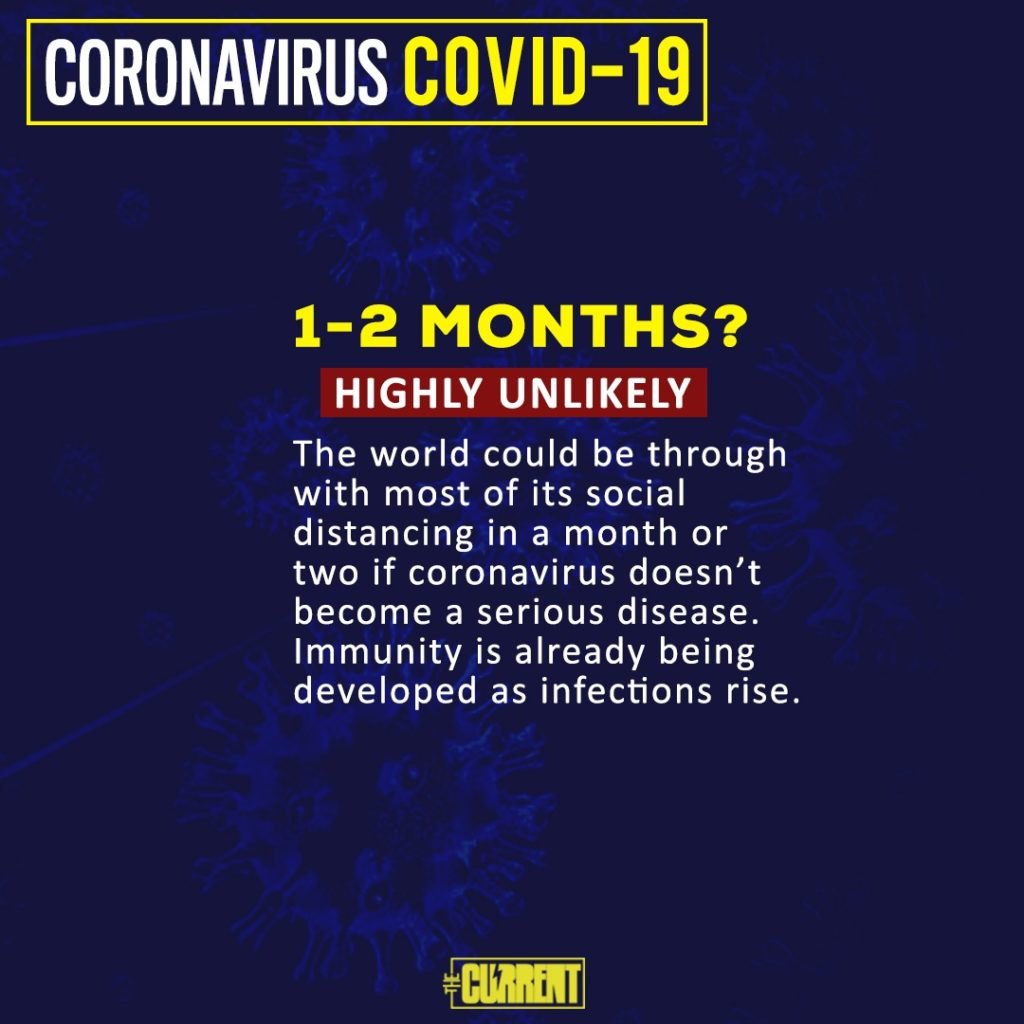
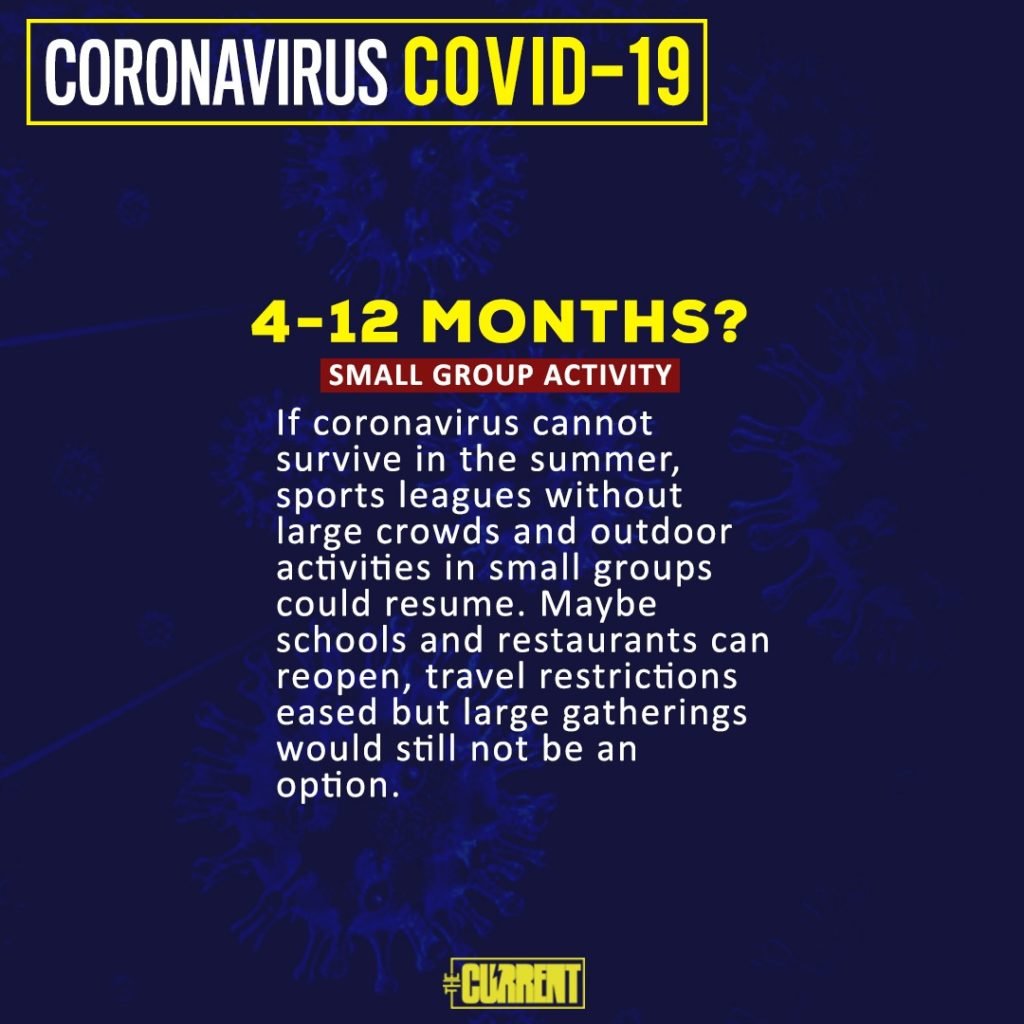
Experts in the United States, in an article published in The Atlantic, are putting a tentative timeline to how long the coronavirus pandemic will last. According to them, the following are the scenarios we might be facing in the coming months.



The Current a variety of health and wellness blog post ideas, divided into key categories such as nutrition, fitness, mental health, and more.
Experts in the United States, in an article published in The Atlantic, are putting a tentative timeline to how long the coronavirus pandemic will last. According to them, the following are the scenarios we might be facing in the coming months.
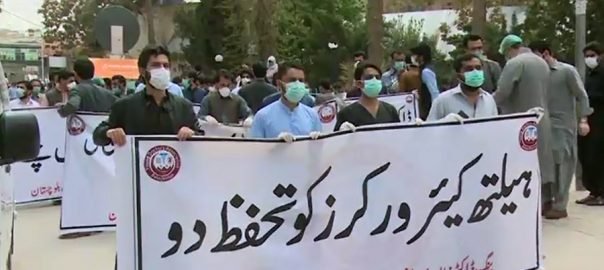
Young doctors in Quetta have announced boycotting all services, including the treatment of coronavirus patients, after their colleagues were assaulted and arrested by police for protesting against the lack of medical equipment being provided to them.
Young Doctors’ Association (YDA) President Dr Yasir Khan announced the boycott after police resorted to baton charging and arresting several doctors for staging a sit-in in the red zone near the Balochistan chief minister’s official residence.
The young doctors were protesting against the lack of safety kits for doctors and paramedical staff treating COVID-19 patients at Quetta’s Sheikh Zayed Hospital.
The action from police reportedly came following the failure of negotiations between the protesters and the government to end the sit-in.
Addressing a press conference after the police action, YDA office bearers announced a province-wide suspension of duties and demanded that the government released the arrested doctors immediately.
They had on Sunday announced to continue protesting against the lack of safety kits for medical staffers after at least 11 doctors had tested positive for the deadly pandemic in Balochistan.
At least 44 doctors on Saturday were suspended for allegedly refusing to perform duties at Pakistan-Iran border town of Taftan amid a health emergency in the wake of the COVID-19 outbreak.
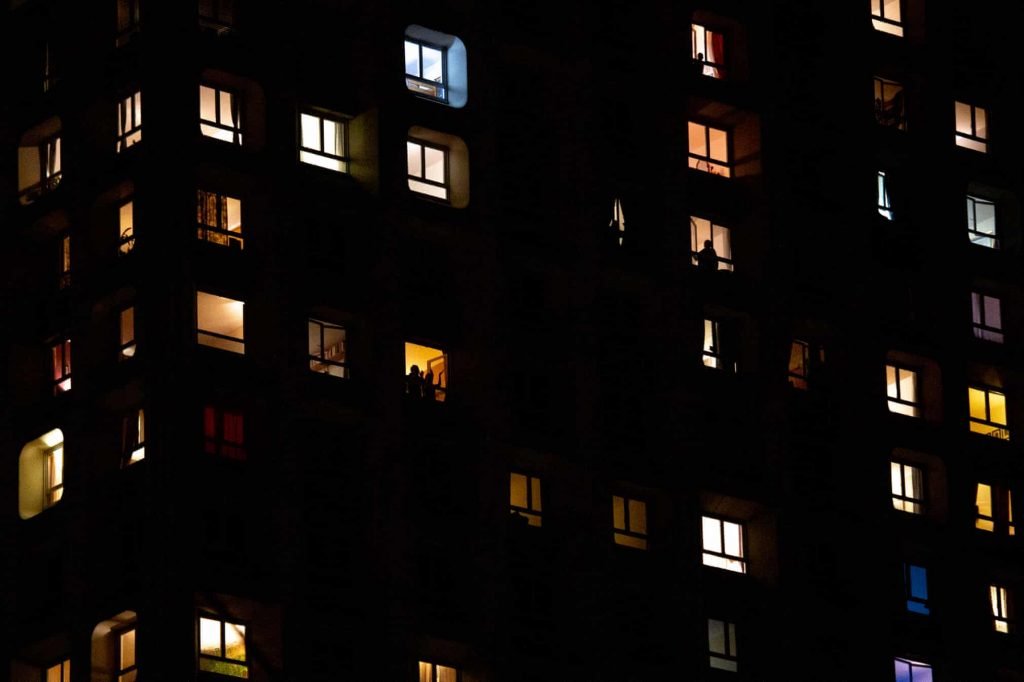
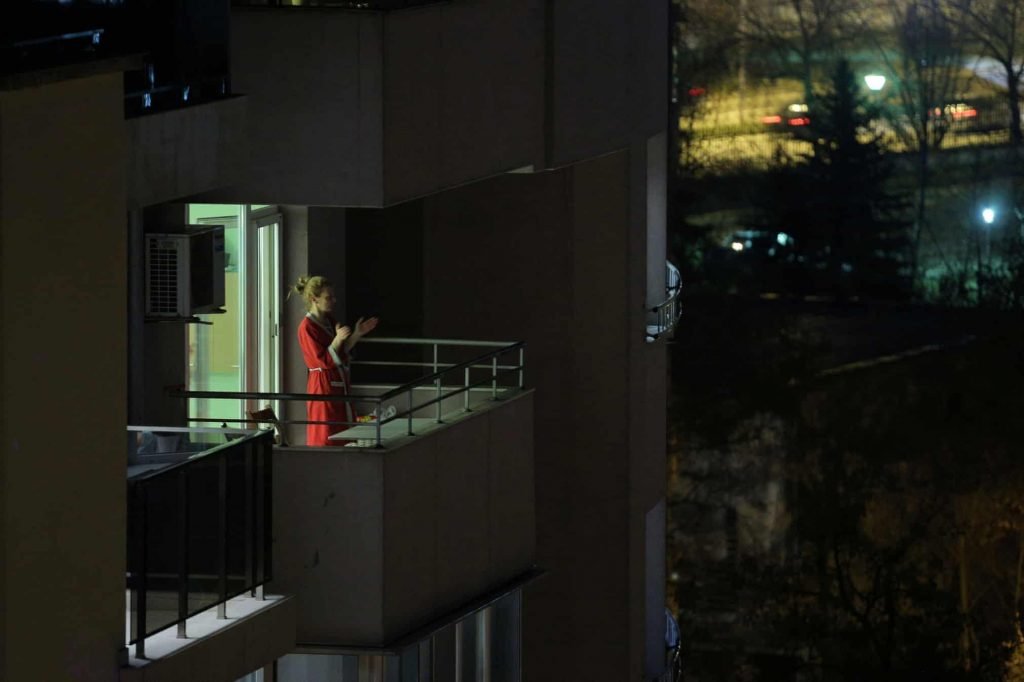
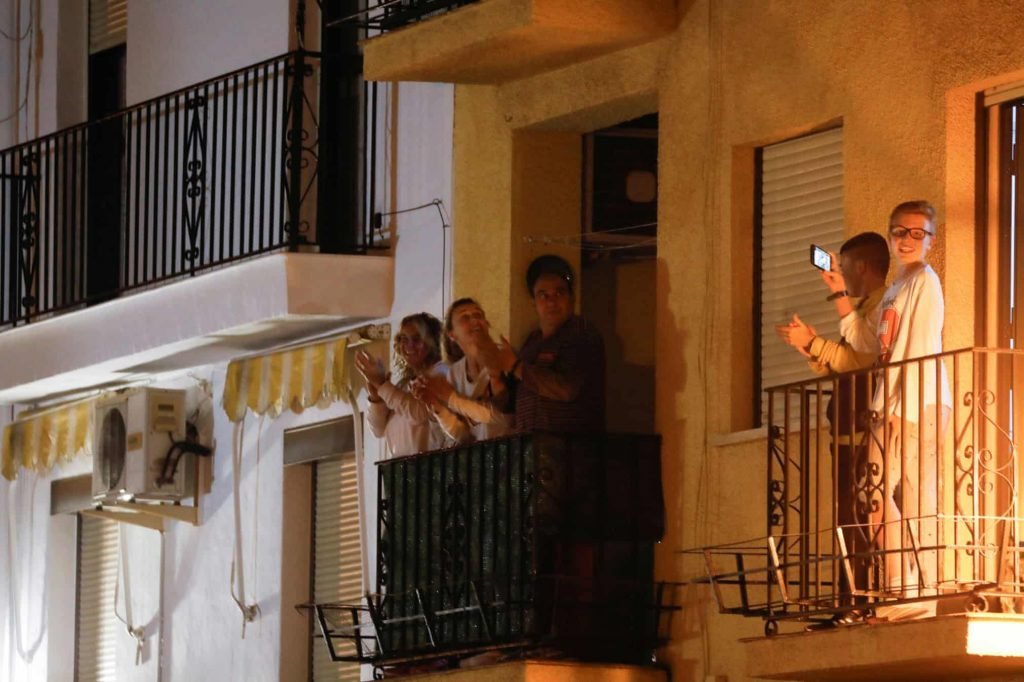
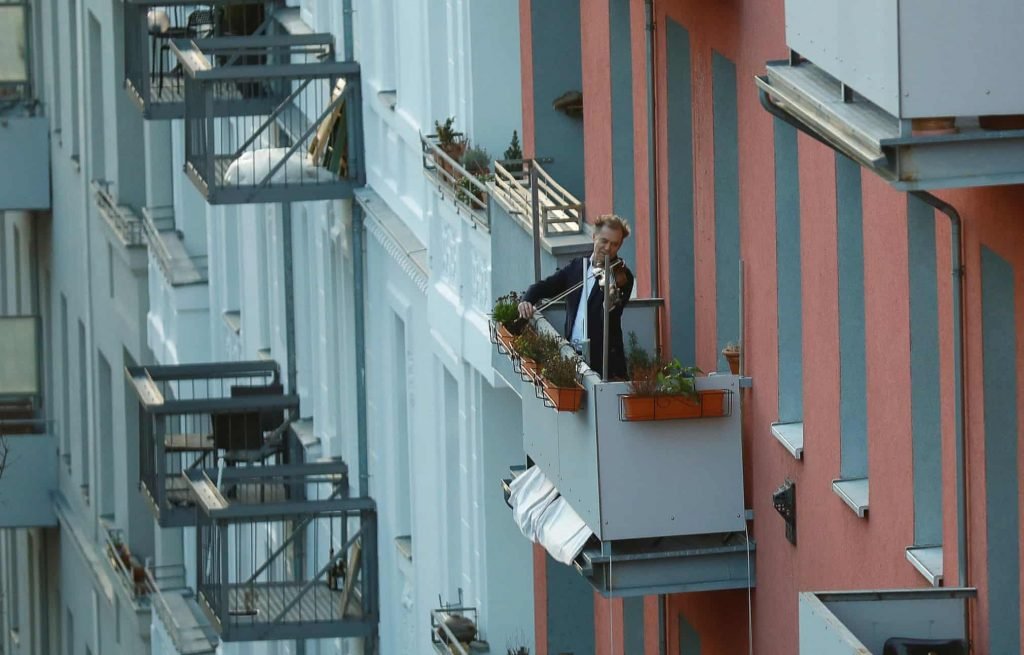
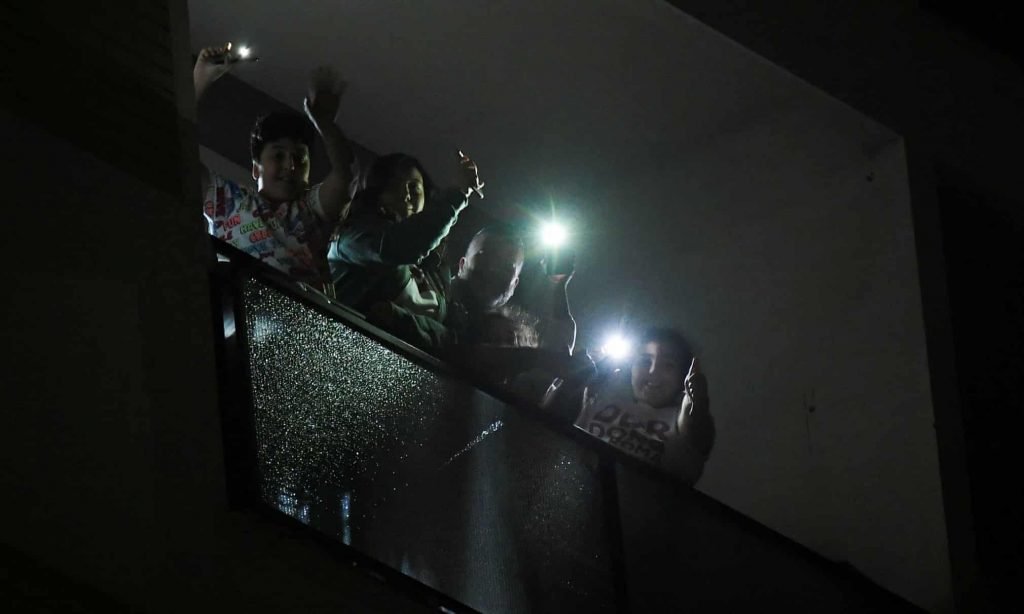
Chief Minister of Balochistan, Jam Kamal wants people to support their doctors and medical staff by coming out on their balconies, roofs, and windows, clapping their hands and flashing their mobile lights to appreciate the doctors working to help people during the coronavirus pandemic.
The CM is not wrong. Different countries have been using this technique to give moral support to their medical workers.
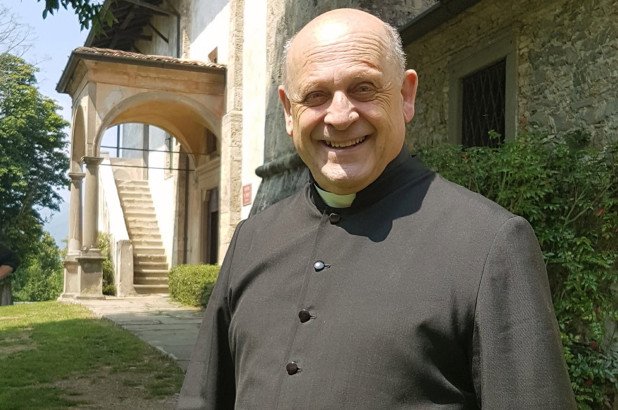
An Italian priest infected with coronavirus gave up a respirator his parishioners bought for him to a younger patient — and then died from the deadly bug, according to reports.
Reverend Giuseppe Berardelli, 72, refused to take the respirator while in a hospital after finding out the other patient — who was a complete stranger — also needed it, BBC reported.
The main priest in the town of Casnigo died last week in Lovere hospital, the broadcaster said, citing hospital officials.
He was one of at least 60 priests who died in Italy this month as the European nation was the epicenter of the deadly pandemic.
“He is a ‘Martyr of Charity,’” New York Jesuit priest James Martin said on Twitter, adding the biblical phrase, “Greater love has no person…”
Martin — an author who edits the Jesuit Journal America — said Berardelli was a “saint like St. Maximilian Kolbe, who in Auschwitz volunteered to take the place of a condemned man with a family, and was killed.”
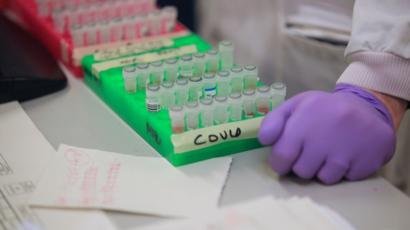
The Japanese media is reporting that a drug created in Japan to treat new strains of the flu has appeared to be effective in coronavirus patients in China.
Medical authorities have used the drug during a drug test in China reports The Guardian, and according to an official of China’s science and technology ministry, “it is clearly effective in treatment”.
The drug, known as favipiravir, developed as a subsidiary of Fujifilm, has produced encouraging results in clinical trials in Wuhan and Shenzhen. The trials included 340 patients.
READ MORE: All Coronavirus Updates
In Shenzhen, patients who were given the medicine, showed negative for the virus, four days after they had tested positive. This is in comparison to people who showed negative to the virus after 11 days of testing positive. X-rays also showed improvements in lung conditions in “about 91% of the patients who were treated” with the medication, “compared to 62% of those without the drug,” reported The Guardian.
Simultaneously, doctors in Japan were using the same drug in their studies on coronavirus patients with mild to moderate symptoms but their results suggested that it doesn’t work on people with more severe symptoms.
RELATED: The U.S. warns coronavirus “will last 18 months or longer”
The drug was first used in 2016 by the Japanese government as an emergency medication to counter the Ebola virus in Guinea. Since this drug was originally intended to treat the flu, it would need government approval for full use on coronavirus patients.
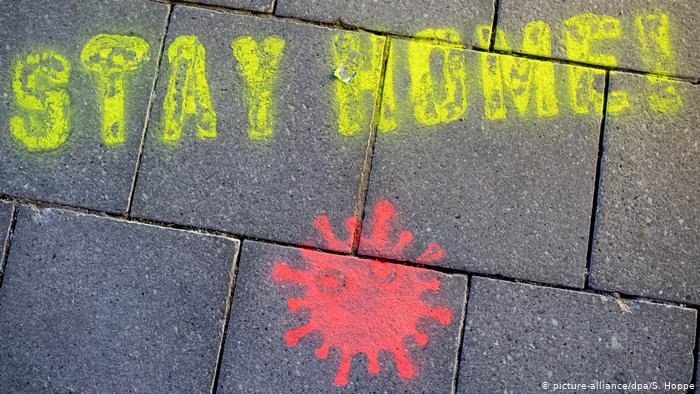
The United States government has released a 100-page plan that details the impact of coronavirus on the country, economy, and the health system.
According to The New York Times, the plan warns that the pandemic “will last 18 months or longer” and might have “multiple waves,” that will create a lot of shortage of resources around the world.
READ MORE: Coronavirus: Opp calls PM ‘petty’ for not mentioning Sindh CM in address
The importance of social distancing cannot be stressed enough by scientists and health experts. According to an article in Vox, “Scientists warn we may need to live with social distancing for a year or more”, with experts stating that, “this virus is going to be circulating, potentially for a year or two, so we need to be thinking on those time scales. There are no good options here”.
RELATED: DO YOU HAVE CORONAVIRUS?
The article also explains that people assume that a lockdown or social distancing for a few weeks might be the solution but, “the hard truth is that it may keep infecting people and causing outbreaks until there’s a vaccine or treatment to stop it”.
Pakistan has 237 confirmed cases with 172 in Sindh, 26 in Punjab, 16 in Balochistan, 16 in KP, five in Gilgit Baltistan and Azad Kashmir and two in Islamabad
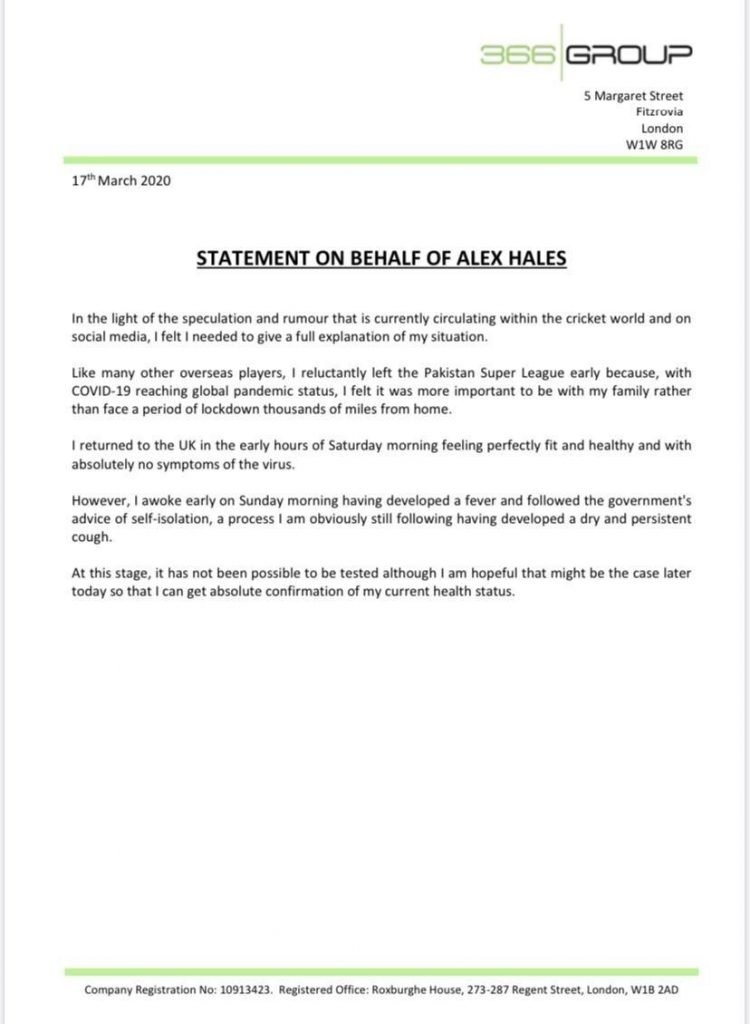
After reports that Karachi King’s player Alex Hales was being tested for coronavirus, the English player has issued a statement clarifying that he has not been tested yet for the virus but is expected to be tested soon. He says that he left Pakistan healthy but woke up with a fever and a cough and has been in self isolation since then.
READ MORE: CM Buzdar rubbishes reports of first COVID-19 death, says deceased tested negative
The statement comes after rumours that Alex Hales had tested positive for coronavirus, which he addressed on Twitter. After journalist Ajmal Jami tweeted a Gulf News story that Hales had tested positive for coronavirus, Hales replied to Jami’s tweet, which Jami later deleted.
After Hales’ tweet, Jami clarified his tweet on Gulf News’ story.
RELATED: ALL CORONAVIRUS UPDATES
Earlier, Ramiz Raja had confirmed that Hales was being tested for the virus but later clarified on twitter that Hales was in self quarantine.
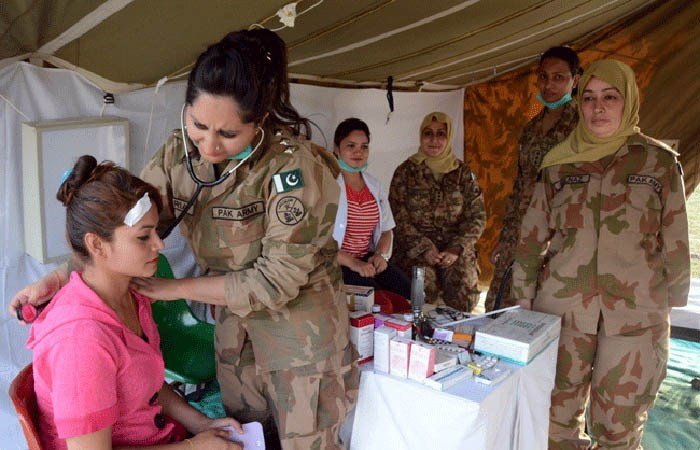
The Inter-Services Public Relations (ISPR) has released a statement saying that, “as part of the national effort and in line with the decisions of the National Security Committee taken on 13 March, all medical facilities of the Armed Forces are operationalised and geared up to meet any eventuality to deal with pandemic”.
READ MORE: Coronavirus: PM wants rich countries to waive off Pakistan, other poor countries’ loans
They also stated that coronavirus testing labs have been established at major military hospitals across the country and a central testing lab at the Armed Forces institute of Pathology. A coronavirus help desk has been established at each military hospital for fast track checking.
RELATED: CHECKLIST: Do you have Coronavirus?
“Armed Forces of Pakistan are fully involved in assisting the government and provincial administrations to tackle the situation since the outbreak and duly vigilant of the developing situation post COVID-19,” said the statement and that the Chief of Army Staff has directed all commanders to take “maximum necessary measures to assist civil administration for safety”.
READ MORE: ALL CORONAVIRUS UPDATES
Meanwhile, in an interview to a foreign media outlet, Prime Minister Imran Khan has predicted that the novel coronavirus would destroy the economy of developing countries.
“In case we get swamped by this virus, our health facilities will not be able to cope with it,” he added.
He also urged the United States (US) to lift sanctions over Iran as they were in a terrible state due to the pandemic and the sanctions had already impoverished Tehran.
Pakistan has a total of 193 confirmed cases with the highest number of cases in Sindh at 155 and the lowest in Punjab with two.
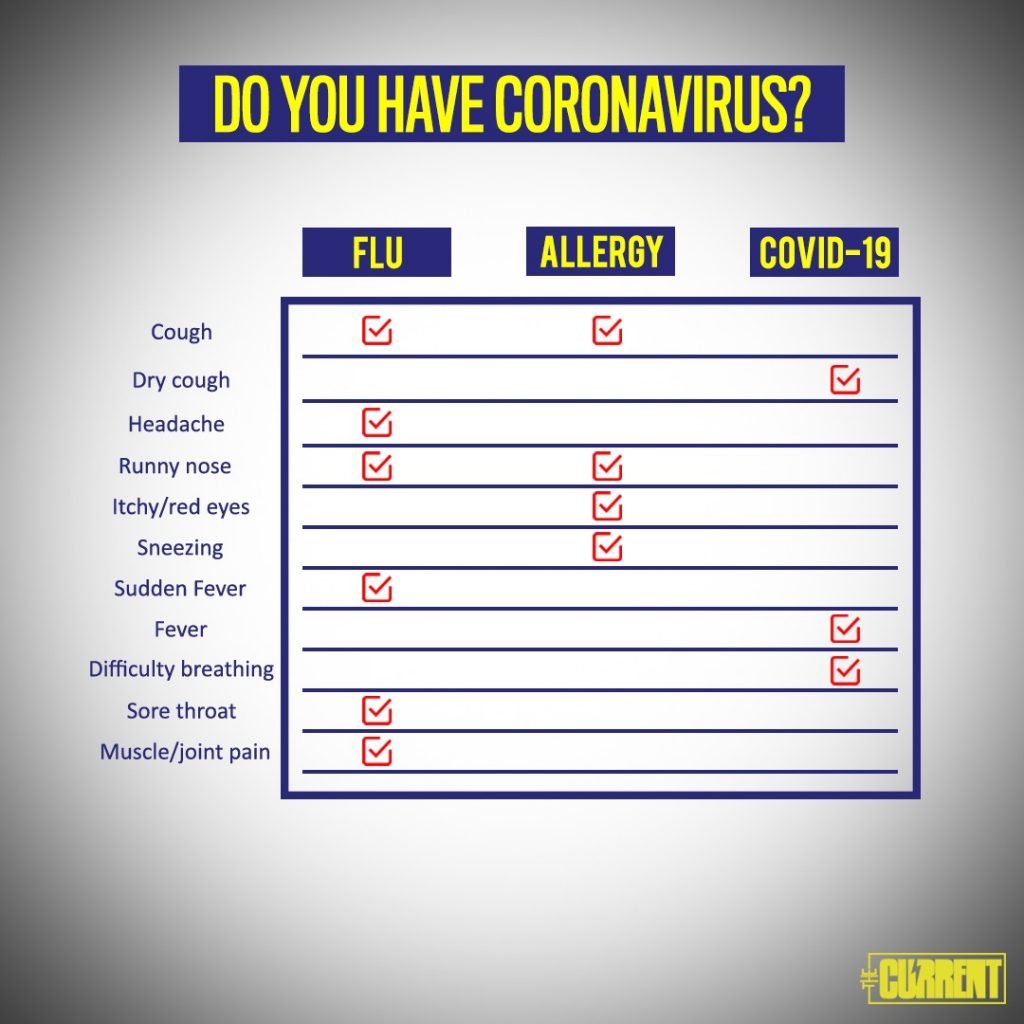
Feeling sick and panicking that it might be coronavirus? Here is the checklist that can show whether you have the virus or the common flu.
RELATED: ALL CORONAVIRUS UPDATES
RELATED: VIDEO: Coronavirus patient at Lahore’s Mayo Hospital passes away
There are 193 confirmed cases in Pakistan of coronavirus.
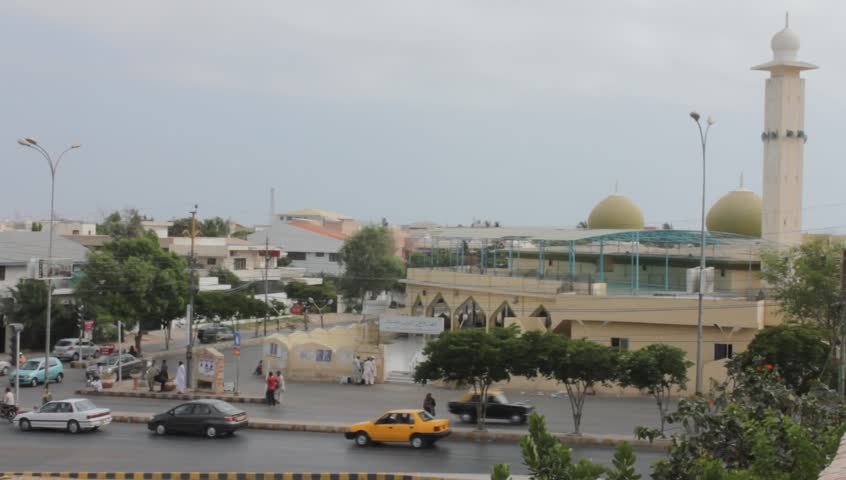
Karachi police arrest a man who was posing as a doctor and selling a ‘vaccine’ for the treatment of coronavirus in Defence.
“Defence police has arrested one fake doctor, Syed Didar Ali, who was malignantly and fraudulently selling fake vaccine for COVID-19 at West Point Clinic, DHA Phase 2 Extension,” said Clifton Superintendent of Police Imran Mirza.
READ MORE: Need authentic coronavirus updates? Follow these Twitter accounts
A first information report (FIR) was registered against the suspect under Sections 419 (cheating by impersonation) and 420 (cheating or dishonestly inducing delivery of property) of the Pakistan Penal Code (PPC).
RELATED: KP CONFIRMS ITS FIRST 15 CORONAVIRUS CASES
To date, there is no vaccine for coronavirus and has yet to be developed. As of now, countries are still scrambling to get enough test kits to confirm the virus in suspected cases.
There are 183 confirmed cases in Pakistan with 150 cases in Sindh, 15 in KP, 10 in Balochistan, one in Punjab, two in Islamabad and five in Gilgit Baltistan.