Category: Lifestyle

The lifestyle of millennials is underreported in our mainstream media. The Current’s lifestyle news covers social events and issues that are unique.

  • Fact check: Islamabad Police confirm elderly protester is safe, debunking suicide rumours

    Fact check: Islamabad Police confirm elderly protester is safe, debunking suicide rumours

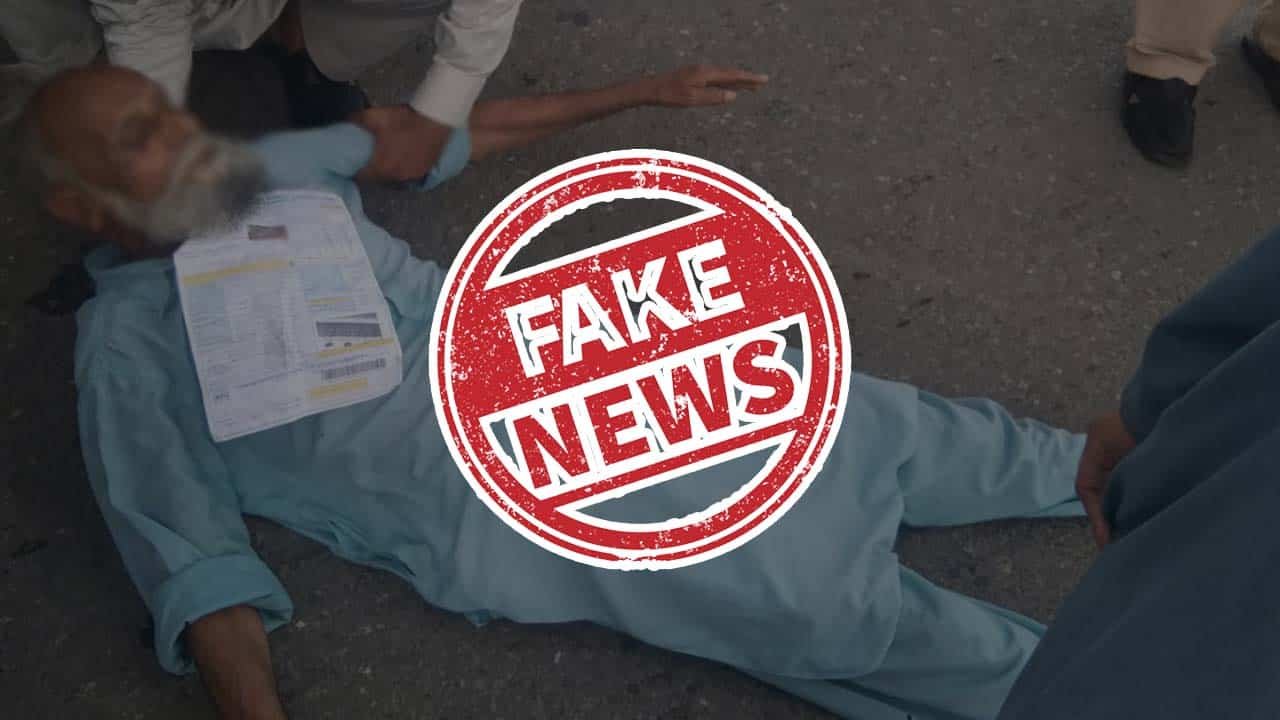
    In the midst of ongoing nationwide protests against escalating electricity bills, rumours of a tragic incident have emerged, capturing the attention of social media users and news outlets alike. A post that quickly gained traction depicted an elderly man, purportedly driven to despair by soaring electricity prices, who tragically took his own life by jumping off a bridge in Rawalpindi.

    The accompanying image showed the man lying on the road, an electricity bill resting on his chest. However, an investigation by the Islamabad Police has since confirmed that these claims are false.

    The viral post elicited an outpouring of sympathy and concern from prominent social media figures and digital news platforms, who shared the purported tragedy with deep sadness. However, as the post gained momentum, it also caught the attention of the Islamabad Police. Responding to the viral news, the authorities swiftly addressed the situation, clarifying that the incident as portrayed never occurred.

    In an official statement, the Islamabad Police stated, “The case of an elderly citizen jumping from a bridge has been circulating on social media. However, there is no truth to this news. While the elderly citizen did fall during the protest, he later safely returned home. Videos of this incident went viral among citizens on social media platforms. It’s important for citizens to refrain from disseminating such false information and instead report any suspicious activities by calling 15.”

    This incident serves as a reminder of the critical role that accurate information plays in shaping public perception and understanding of events. As protests continue to unfold across Pakistan, staying vigilant against the spread of unverified news is paramount to upholding the integrity of the ongoing discourse.

    Read more: Taxes in your electricity bill: What Pakistanis are paying and what for?

    It is crucial for both individuals and media outlets to exercise responsible reporting, ensuring that the facts are presented accurately and without distortion.
  • Medicine shortage in Lahore; which ones are being hoarded?

    According to Dawn.com, Lahore is experiencing a severe shortage of life-saving medicines with more than 120 drugs unavailable at the local pharmacies and medical stores. The shortage has resulted in stress among patients and attendants.

    These include medicines like Glucophage (for diabetics) that are prescribed at a large scale. In fact, an alternative to Glucophage for type 2 diabetes to control sugar levels, is also in short supply in local stores.

    Others include blood thinning medicines used by cardiac patients; Hepa-Merz used as a supportive therapy for liver diseases like jaundice, hepatitis (infection of the liver), hepatic cirrhosis (scarring/fibrosis of the liver).

    According to medical practitioners, medicines for diarrhea treatment are also in short supply even though the demand is high following rain spells. Severe stomach-related ailments can lead to complications and even death.

    Moreover, as per medical practitioners, widely-used drugs prescribed to children and adults for coughs are being sold in the black market and that pharmacy owners are hoarding commonly used medicines like Pyodine and Polyfax skin ointment etc to earn unjustified profits.

    Pharmaceutical companies are also struggling with drug manufacturing and supplying them against the approved rates due to the frequent dollar rate hike. This has also resulted in increased prices of raw material being imported from other countries.

    Additionally, medicines for Parkinson’s disease, epilepsy, and gynae-related complications are also short.

  • Pakistani doctor jailed in US for attempting to aid ISIS

    Pakistani doctor jailed in US for attempting to aid ISIS

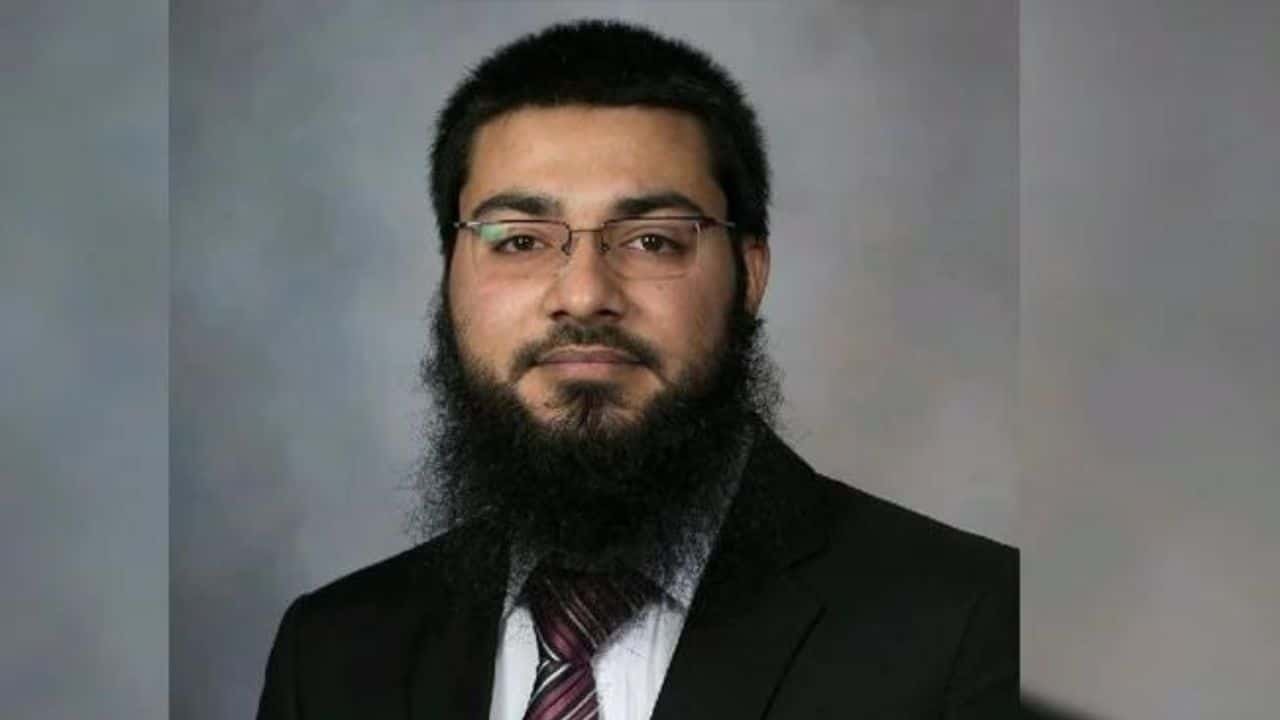
    Muhammad Masood, a 31-year-old licensed Pakistani doctor living in the United States on a work visa, has been sentenced to 18 years in jail for attempting to provide material support to terrorist organisation ISIS, according to court documents.

    “A Rochester man was sentenced today to 216 months in prison, equivalent to 18 years, followed by five years of supervised release for attempting to provide material support to a foreign terrorist organization,” a press release issued by the US Department of Justice stated.

    The court documents revealed that Masood was previously employed as a research coordinator at a medical clinic in Rochester, Minnesota, under an H-1B visa.

    As per the official statement, Masood’s activity from January 2020 to March 2020 depicted his attempts to become a part of the militant outfit and provide material support in carrying out terrorist acts in the US.

    “Between January 2020 and March 2020, Masood used an encrypted messaging application to facilitate his travel overseas to join a terrorist organization,” the statement added.

    It further stated that the Pakistani man made multiple statements about his desire to join ISIS and also pledged his allegiance to the designated terrorist organisation and its leader.

    “Masood also expressed his desire to conduct ‘lone wolf’ terrorist attacks in the United States.”

    On February 21, 2020, he bought a plane ticket from Chicago, Illinois, to Amman, Jordan, with plans to travel to Syria from there.
    However, his travel plans changed on March 16, 2020, as the borders were closed by Jordan under coronavirus travel restrictions.

    He then decided to fly from Minneapolis to Los Angeles, where he would meet a person who he believed would help him with travel via a cargo ship to deliver him to the territory claimed by ISIS.

    On March 19, 2020, Masood traveled from Rochester to Minneapolis-St. Paul International Airport (MSP) to board a flight bound for Los Angeles, California.

    However, he was eventually arrested by the Federal Bureau of Investigation’s Joint Terrorism Task Force (JTTF) upon arrival at the airport.

    Masood pleaded guilty last year on August 16 to attempting to provide material support to Daesh.
    Senior Judge Paul A. Magnuson sentenced him to 18 years in prison on Friday, after the completion of investigations by the FBI’s JTTF.

  • Bhindi, paaye or anda shami burger: Pakistanis decide which food they like best

    Konsa Pakistani khaana aap ko sab say ziada pasand hai? A Twitter user decided to test social media’s food tastes by asking them to rank a few popular dishes, getting them to rate the food out of ten. The dishes were palak chawal, shami anda burger, briyani, nihari, haleem, bhindi, kareley ka salan, gulab jamun, ladoo peethi, aloo ka paratha, paye and gajar ka halwa.

    And social media was quick to rank some of their favorites, revealing hilarious yet quesitonable taste buds.

    For starters, many users went with halwa puri and bhindi, while Nihari, shockingly, ranked among the least favorite dishes.

    Which did lead to some thinking that the Pakistani card needs to be restricted to only those with superior taste buds.

    “I am convinced y’all haven’t ever eaten proper Nihari because nothing else explains the low Nihari scores I’m seeing.”

    Maybe us Punjabis need a crash course in Pakistani food?

    While others were giving good ratings to aloo ka paratha but a five to kareley? Tell me you’re a burger without telling me you’re a burger.

    On the desert side, gulab jamun and gajar ka halwa are getting low scores and tbh some of y’all just haven’t touched grass outside. Yes, we will resort to public shaming when it comes to gulab jamun.

  • Over 500 personnel deployed by Rawalpindi police to provide security for IESCO and WAPDA employees amid protests

    Over 500 personnel deployed by Rawalpindi police to provide security for IESCO and WAPDA employees amid protests

    Large-scale protests erupted across Pakistan on Friday as traders’ associations and the general public voiced their frustration over skyrocketing electricity bills and heavy taxes. The demonstrations, which gained momentum in cities like Karachi and Islamabad, highlighted the widespread discontent with the financial burden faced by the population.

    In Karachi, a significant protest gathered steam with the backing of the Jamaat-e-Islami (JI) party. The focal point of the protest was a call for a reduction in the surging electricity prices and the additional taxes added to power bills.

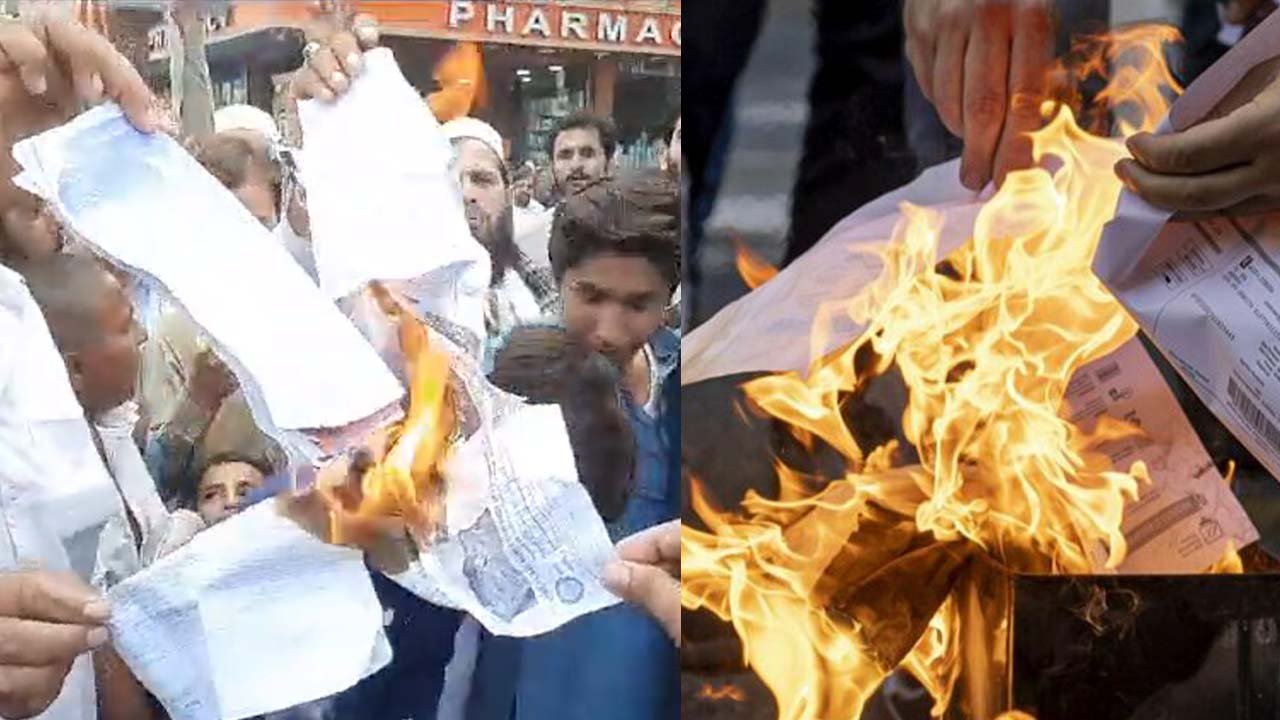
    Rawalpindi saw its own protest against added electricity charges, with citizens chanting slogans against the Islamabad Electric Supply Company. Protesters in various cities also directed their chants against the Water and Power Development Authority (WAPDA) while symbolically burning electricity bills.

    The backdrop of these protests is the recent approval by the federal cabinet to increase the national average tariff. This move led to an increase of up to Rs7.5 per unit in the national uniform electricity tariff starting July 1, 2023. This pushed the total cost of electricity, including extra charges and taxes, beyond Rs55 per unit for certain categories of consumers.

    520 police officers deployed to secure IESCO and WAPDA offices

    The growing protests have also raised concerns about the safety of power company employees, prompting calls for enhanced security measures. In Rawalpindi, over 500 police personnel have been deployed to address potential public unrest.

    Here is a letter from IESCO requesting the police to enhance security at electricity offices:

    Amidst the escalating situation, the IESCO (Islamabad Electric Supply Company) has taken steps to secure their offices and installations. The Superintendent Engineer of Rawalpindi sent a request to the Central Police Officer (CPO) of Rawalpindi for additional security. According to Express Tribune, this step was taken due to agitated consumer groups visiting IESCO offices and staging protests, putting the safety of IESCO employees at risk during work hours.

    Following the request, the Rawalpindi police have taken action by assigning over 500 personnel to enhance security at electricity offices. A police spokesperson has confirmed that 520 officers and personnel are now in charge of keeping IESCO and WAPDA employees safe.

    The authorities are closely monitoring the situation, and the police officials are on high alert to ensure everything runs smoothly.

  • Controversial coach Raja Ziaul Haq taken down from YouTube

    Controversial coach Raja Ziaul Haq taken down from YouTube

    Controversial Youtuber Raja Ziaul Haq’s channel has been taken down by YouTube on Wednesday, putting a temporary halt on the rise of the speaker well known for spewing sexist and transphobic comments.

    On various occasions, Haq criticised Aurat March and Commissioner Nazimabad Hazim Bangwar for what he thought was promoting LGBTQ values in Pakistan.

    On his Instagram account, which has around 448000 followers, Raja said his team are unaware of why his channel was shut down and were appealing to Youtube.

    “Our YouTube channel has been taken down or terminated. We have appealed it. We are checking what were the reasons that led to this. Inshallah, we are hopeful it will be restored, but obviously, there is some work to do on our part.”

    In an older clip of a discussion on Aurat March, Raja Ziaul Haq alleged that the movement was not interested in uplifting the rights of women or educating the masses, but were more interested in gaining sexual liberation and removing Islam’s influence from Pakistan.

    In a 2021 clip, Raja slammed the movement for going against Islam, citing the placcard ‘Mera Jism Meri Marzi’ as a reason.

    He had then claimed in 2022 that the movement did not lend their support for the Muslim girl in India who protested against the anti-burkha law implemented across schools.

    He also slammed leading transgender activists in Pakistan for setting up ‘Scrap Fest’, claiming that they were starting Muslim Pride. However, speaking to The Current, organiser Urvah Khan confirmed the event was not LGBTQ exclusive, but was supporting performances by minority communities in Pakistan.

    Haq also lashed out at the Green Entertainment show ‘College Gate’ on his Youtube channel, ranting that it was promoting feminist agendas. However, the creators addressed the controversies in a conversation with Arab News, stating that their show was not anti Pakistani culture, but was about a group of friends who tackle issues like peer pressure, and how friendships promote good values within each other.

  • Woman in India dies as husband attempts delivery at home

    Woman in India dies as husband attempts delivery at home

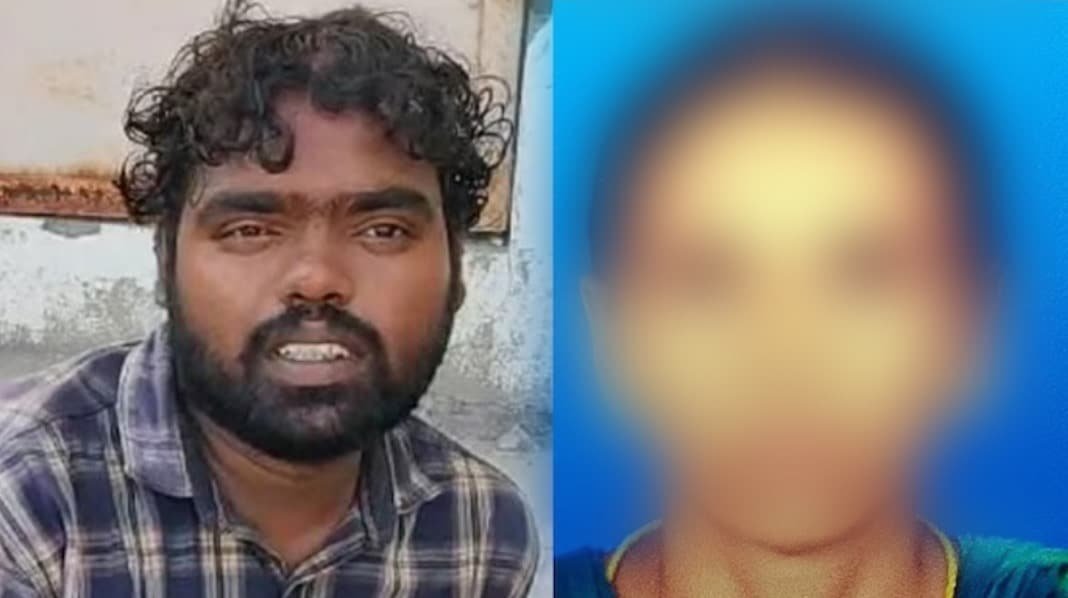
    A 27-year-old woman in Tamil Nadu’s Krishnagiri died while giving birth at home after her husband attempted to carry out the delivery himself using a technique he saw on YouTube.

    Nadu lost an excessive amount of blood as the husband failed to cut the umbilical cord properly, fainting from blood loss.

    Her husband took her to the Primary Health Center (PHC), however, she was declared dead. According to India Today, a medical officer at the hospital, Rathika, filed a complaint with the police. The police filed a case under Section 174 of the Code of Criminal Procedure (CrPC).

  • Average 12 children sexually abused daily, new report says

    Average 12 children sexually abused daily, new report says

    Sahil, a non-profit organization working for the rights of children in Pakistan, has published a new report, “Six Months Cruel Numbers 2023”, revealing cases of sexual violence reported in the first half of 2023.

    A total of 2,227 children have been subjected to sexual violence from January to June this year alone. This means that on an average, 12 kids have suffered sexual violence every day in these months.

    The source for Sahil’s data are media reports; the actual number of cases might be higher considering all cases are not documented.
    1,207 of the cases are of girls — more than half, 54 percent. While 1,020 of the cases are of boys. In the same period in 2022, the number of girls encountering abuse was the same as 2023, while cases involving boys have risen.

    Age bracket:

    The most vulnerable to abuse are in the age group of 6-15 years, in which more boys than girls were victimised. This age bracket makes up 47 percent of the total cases recorded — 593 boys and 457 girls.

    Types of cases:

    Cases of abduction are still the most prevalent with 44 per cent, 13 per cent cases of sodomy, 10 per cent of cases of rape and nine per cent of cases of missing children were reported.

    53 cases of pornography have also been reported that are being tracked by the Federal Investigation Agency on the dark web. As per the report, 72 per cent of victims were boys and 28 per cent of victims were girls

    Abusers:

    2,531 abusers have been involved in child abuse in the first six months of 2023. In most cases, they were acquainted or related to the victims or their families.

    The abusers were acquaintances in 912 cases, strangers in 498 cases, and both in 215 cases.

    Location:

    According to the report, between January and June, the crime was committed at the “abuser’s place because the abusers trap innocent children and take them to their places”.

    However, in most cases, the place of abuse remained unknown with 31 per cent committed in the streets, 11 per cent at victims’ place, four per cent in fields, and two percent at places of worship.

    45 per cent cases were reported from rural areas and 55 per cent from urban areas.

    As per provincial breakdown, the highest number of cases, 74 per cent, were reported from Punjab, followed by 14 per cent from Sindh, seven per cent from Islamabad, three per cent from Khyber Pakhtunkhwa and two per cent from Balochistan, Azad Jammu and Kashmir and Gilgit Baltistan.

    88 per cent of all the cases were registered with police while 25 cases were either not filed or police refused to register them.

    Violence against children:

    Sahil also reveal that a total number of 963 cases of accident and/or violence were allegedly reported against the children among who 760 died: 268 drowned, 148 murdered, 144 accidents and 61 children committed suicide.

    Highest number reported were from Sindh with 483 cases followed by Punjab in second place with 233 cases.

  • Kalpana K — the woman behind Chandrayaan-3

    Kalpana K — the woman behind Chandrayaan-3

    On Wednesday, August 23, India’s third lunar mission Chandrayaan-3, successfully landed on the south pole of the moon, the first landing of its kind.

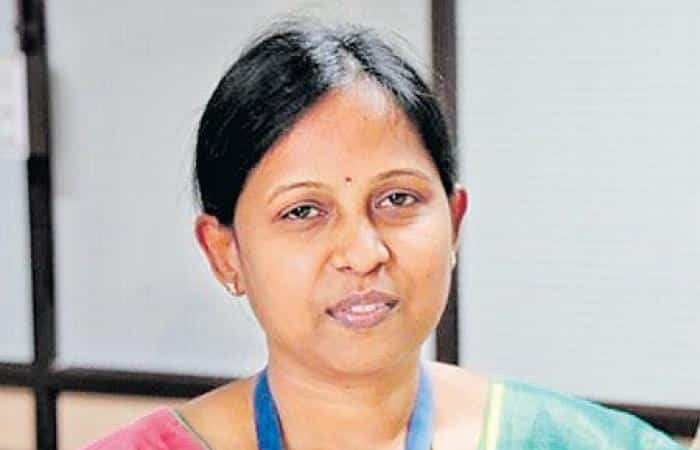
    Behind this feat is a team of five individuals who steered the mission towards success, among whom is Kalpana Kalahasti, the deputy project director, whose contribution is noteworthy.

    According to Gulte, Kalpana’s roots trace back to Thaduku in Puttur Mandal of Chittoor district. Her father, Muniratnam, worked as an officer in the High Court, and her mother, Indira, was also educated. Kalpana pursued her education in Chennai, studying B.Tech in Electronics and Communication at Madras University.

    She aspired to work at the Indian Space Research Organization (ISRO) since she was a child. After she completed her B.Tech in ECE, she was able to pursue her dream. She passed the intricate selection process and joined ISRO in 2000. She began her career as a radar engineer at the Space Center (SHAR).

    Five years later, she got transferred to the U R Rao Satellite Centre in Bangalore in 2005. The focus of her work then shifted towards satellite systems, and worked as an engineer in satellite building.

    She took up a major role as the deputy project director for the Chandrayaan 3 mission and she supervised the project through its minute details. She remained dedicated and ensured that the mission was not hindered despite the COVID-19 pandemic.

    After the successful landing Chandrayaan-3, Kalpana K addressed the Indian nation at the ISRO Telemetry Tracking and Command Network, expressing, “…this will remain the most memorable moment for all of us…from the day we started rebuilding our spacecraft after the Chandrayaan 2 experience, it has been breathe in-breathe out Chandrayaan 3 for the team.”

    She was also previously involved in the second lunar mission and the Mangalyaan mission.

    Other member of the team were ISRO chairman S Somanath, project director Veeramuthuvel, M Sankaran, director of U R Rao Satellite Centre where the satellite was constructed, and M Srikanth, the mission director.

  • Sister donates womb in UK’s first successful transplant

    Sister donates womb in UK’s first successful transplant

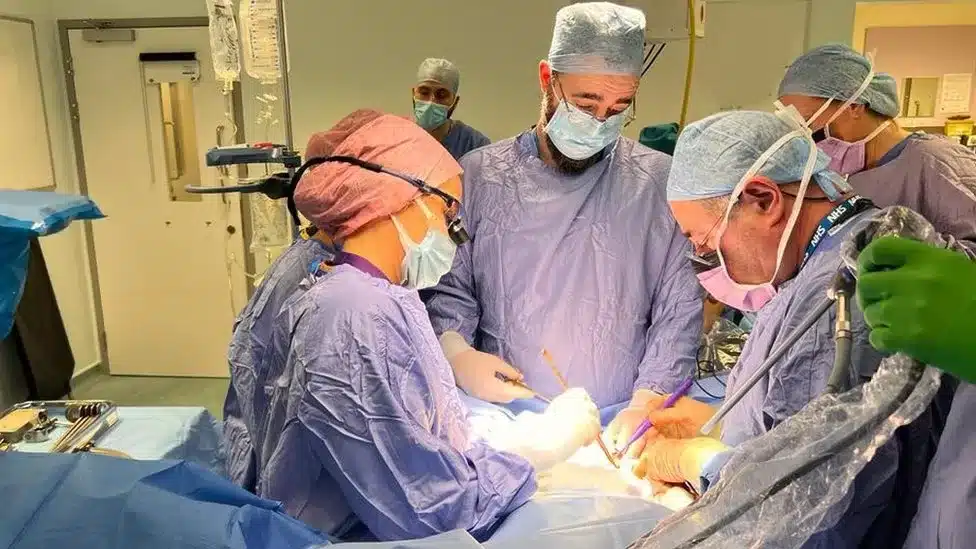
    Surgeons at Oxford have successfully carried out the first womb transplant in the UK.

    The womb was donated by a 40-year-old woman to her 34-year-old sister who was born without a uterus. The donor already had two children and considers her family to be complete. The sisters live in England and have requested to remain anonymous.

    The recipient was born with a rare condition known as Type 1 Mayer-Rokitansky-Küster-Hauser (MRKH) in which the uterus is “absent or underdeveloped, but has functioning ovaries”.

    The procedures were carried out by a team of 20 doctors which lasted around 17 hours in operating theatres at the Churchill hospital in February.

    It has been six months since the transplant and according to the doctors, both the women have “recovered well from surgery”. The recipient has embryos in storage that will be transferred.

    BBC reported that transplant surgeon Isabel Quiroga, who steered the team implanting the womb, said that the recipient was “absolutely over the moon, very happy, and is hoping that she can go on to have not one but two babies. Her womb is functioning perfectly and we are monitoring her progress very closely.”

    Prof Richard Smith, gynaecological surgeon, who led the organ retrieval team, has spent 25 years researching womb transplantation. He told the BBC it was a “massive success”.
    “The whole thing was emotional. I think we were all a bit tearful afterwards.”

    The donor is currently on immunosuppressive drugs in order to prevent tissue rejection however, the uterus will be removed after a maximum of two pregnancies due to long-term health risks.

    The first womb transplant surgery took place in Sweden in 2014 and the recipient successfully had a baby. She had received a womb from a friend in her 60s.
    Since then, 100 womb transplants have been carried out across the globe and around 50 babies have been born — mainly in the US and Sweden, but also in Turkey, India, Brazil, China, Czech Republic, Germany and France.

    According to British Journal of Obstetrics and Gynaecology, the surgeons in the UK were given permission to perform womb transplants in 2015, but “institutional delays” and Covid deferred it till now.