Category: Lifestyle

The lifestyle of millennials is underreported in our mainstream media. The Current’s lifestyle news covers social events and issues that are unique.

  • Interior Minister takes notice of threats to Hindu community

    Interior Minister takes notice of threats to Hindu community

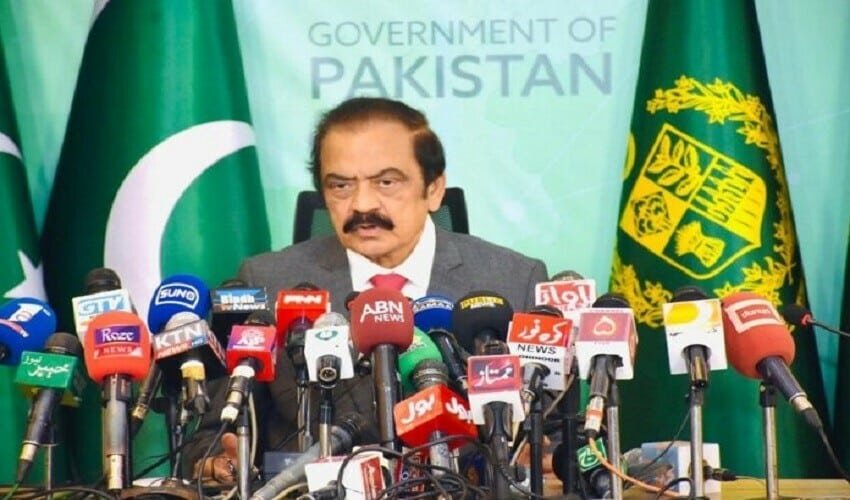
    Interior Minister Rana Sanaullah on Friday took notice of threats to the Hindu community, instructing ministry officials to contact officers of Sindh government.

    Member of the National Assembly (MNA), Kheal Das Kohistani, met Rana Sanaullah and informed him about the recent situation and events in Sindh. In the meeting, it was emphasised to improve protection of the Hindu community.

    The Interior Minister further said that the protection of all religious minorities, including the Hindu community, is the responsibility of the state.

    On the other hand, in the northern districts of Sindh, police have increased the security of Hindu temples. According to police officials, the security has increased after the threats of dacoits for the return of Seema Rind.

    It should be noted that in the beginning of this month, Seema Haider, a Pakistani citizen, reached India with her four children after befriending a Hindu Indian boy on the PUBG game. In interviews given to BBC, Seema has said that she will live in India and not return to Pakistan.

    The highly publicised story led to extremist threats against the Hindu community in Sindh.

  • Federal govt contemplating strict law to counter social media ‘propaganda’

    Federal govt contemplating strict law to counter social media ‘propaganda’

    The outgoing federal government is contemplating strict laws to counter social media disinformation and propaganda, geo.tv had reported.

    The government is mulling amending the 2016 Prevention of Electronic Crimes Act (PECA) so that “fake news targeting the reputation and image of a particular person or group of people, organisation, or other entity will be checked by all available means,” a source told Saleh Zafar.

    The authority of Pakistan Telecommunications Authority (PTA) and Federal Investigation Agency (FIA) will be increased to keep a check on social media, while an ‘e-safety’ law will be introduced to protect official portals.

    The report also claims that a new section will be added to PECA to ensure “stringent” action against culprits. Officials say that FIA is powerless even in instances of fake news.

  • Refugees, migrants return home after boat tragedy, file cases against traffickers

    Refugees, migrants return home after boat tragedy, file cases against traffickers

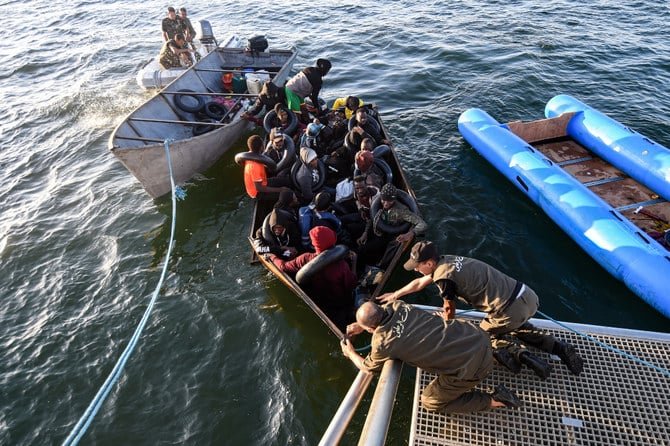
    After the migrant boat disaster that occurred off the coast of Greece earlier in June, claiming the lives of over 300 Pakistani immigrants, around 40-50 Pakistanis that were initially waiting in Libya to set sail for Italy are now returning home.

    According to reports by Dawn, these illegal immigrants had paid at least PKR 2.5 million each to different human traffickers and their agents, in order to reach Europe via sea travel. However, last month’s horrific tragedy has prompted many to return home to Pakistan. 

    Upon their return, complaints were lodged against the human traffickers in order to reclaim the astronomical amounts paid. According to the Station House officer of Gujrat Federal Investigation Agency (FIA) police station, Irtaza Ansar Warraich, 125 cases have been filed in the last four weeks in connection to the boat tragedy. Of these complainants, those recently returning from Libya are also included.

    Most of the returning immigrants are residents of Gujrat and Mandi Bahauddin, as reported by a local senior official of the FIA in a conversation with Dawn

    According to one of the last total 12 Pakistani nationals who survived the boat tragedy, Usman Siddique, there is allegedly 20,000 illegal immigrants who are at human trafficker safe houses in Libya, waiting for their turn to travel to Europe.

    Officer Warraich also told Dawn that, since the boat disaster, at least 35 suspects involved in illegal human trafficking have been arrested, including notorious trafficker Muhammad Saleem Suniara. 

    Suniara had nine cases registered against him in FIA’s Gujrat circle alone. He is also accused of sending money via hundi to his brother Asif Suniara, who is the main person accused in the migrant boat tragedy.

    According to Aaj News, Asif is allegedly hiding in Libya currently and still operating safe houses containing migrants waiting to be moved to Europe.

  • Chile animal shelter offers hope to wildlife affected by natural disasters

    Chile animal shelter offers hope to wildlife affected by natural disasters

    In response to the aftermath of natural disasters in Chile, an animal shelter called Refugio Animal Cascada, located near Santiago, is providing refuge and rehabilitation for wildlife impacted by the events.

    With a history spanning two decades, the shelter has recently seen an influx of new residents due to a series of wildfires, droughts, and heavy rains.

    Reuters has reported that Chile’s central regions experienced severe weather conditions, including heavy rainfall and floods, leading to evacuations and further distress for the wildlife. Earlier this year, devastating wildfires ravaged Chilean forests, displacing numerous woodland animals and leaving destruction in their wake.

    Activists responded by treating injuries, including burns, sustained by animals like the small nocturnal marsupials known as monitos del monte and pudus, the world’s smallest deer.

    The escalating global environmental crisis, characterized by the loss of biodiversity and native wildlife, prompted Chilean Environment Minister Maisa Rojas to express concern during her visit to inaugurate a new unit at the shelter.

    She emphasized the vulnerability of the country’s wildlife, stating that it is at risk.

    The shelter’s primary objective is to rehabilitate these animals and ultimately release them back into their natural habitats.

  • NDMA warns of potential high level of flooding in Sutlej

    NDMA warns of potential high level of flooding in Sutlej

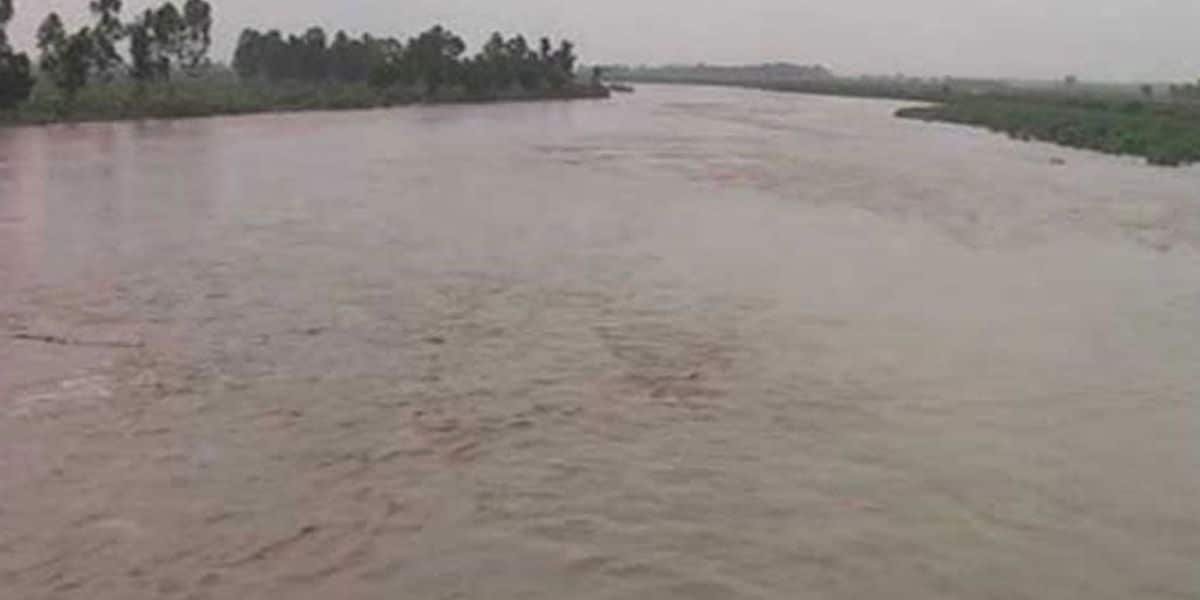
    The National Disaster Management Authority (NDMA) has issued a warning stating that the Ganda Singhwala area along the Sutlej River may experience a medium to high level of flooding within the next 24 to 48 hours, Dawn has reported.

    The NDMA advised the administration of flood-prone areas, particularly in the Trimmu area of the river Chenab and Jassar area of the river Ravi, to remain vigilant until July 20.

    In a weather advisory released on Wednesday, it is predicted that scattered thunderstorms and light to moderate rainfall may occur in Islamabad and Punjab, including the upper catchments of the major rivers in the Indus River System. These weather conditions could potentially lead to medium to high-level flooding in the Sutlej River at Ganda Singhwala.

    The period from July 14 to 16 is expected to bring scattered to widespread thunderstorms and heavy rainfall in isolated areas within the upper catchments of the major rivers in the Indus River System, added the report.

  • Father of two takes his life after a Rs13,000 loan turns into Rs700,000 after interest

    Father of two takes his life after a Rs13,000 loan turns into Rs700,000 after interest

    The unregulated rise of online micro-lending has given way to a disturbing pattern of intimidation and harassment towards borrowers, resulting in tragic outcomes. In one such case, a 42-year-old father named Muhammad Masood took his own life due to overwhelming pressure from online loan sharks.

    Masood, a resident of Rawalpindi, initially borrowed Rs13,000 through an online application to cover his children’s school fees and house rent after losing his job. However, the loan quickly accumulated interest, skyrocketing to Rs700,000 within weeks. Unable to repay the lenders, Masood faced threats and harassment, ultimately leading to his decision to hang himself.

    According to Geo, Masood’s wife revealed that her husband’s death was directly attributed to the debt he incurred through the online lending app. The loan, initially taken for Rs13,000, quickly ballooned to Rs100,000 with interest. In a final message, Masood expressed his anguish over the loan sharks making his life unbearable.

    Representatives from the loan companies blackmailed and threatened Masood, as per his wife’s account. They even threatened to leak his personal data. Following Masood’s suicide, his brother filed a complaint with the cybercrime wing of the Federal Investigation Agency, seeking justice for the family.

    Masood’s wife recounted how her husband experienced harassment within a week of obtaining the loan, with the amount rapidly increasing to Rs50,000. Representatives from the online companies resorted to blackmail and threats, exacerbating the family’s distress.

    The devastating case of Muhammad Masood highlights the urgent need for regulations in online micro-lending. Predatory lending practices continue to wreak havoc on vulnerable borrowers, necessitating immediate action to protect individuals and prevent further tragedies.

  • Another Indian official arrested for getting tricked by alleged Pakistani spy 

    Another Indian official arrested for getting tricked by alleged Pakistani spy 

    The Ghaziabad Police in India have arrested Naveen Pal, an official working for the Minister of Finance, for passing on classified information related to the ministry and the G20 meeting to a hacker allegedly disguised as a woman in Karachi, Pakistan.

    According to India Today, Pal met the woman online on social media and both began talking on Whatsapp.

    The police reported that Pal had several confidential financial documents in his phone, with the files saved under the name ‘secret’.

    The woman’s phone number was traced to Uttar Pradesh’s Bareilly, but the IP address was found to be from Karachi.

    This is the second recent incident of an Indian official being duped by a Pakistani hacker into sending confidential information. An Indian defence scientist Pradeep Kurulkar, had been exchanging texts and voice messages with a woman named Zara, sending her confidential defence information on phone.

  • Sindh announces bus service for Hindu pilgrimage 

    Sindh announces bus service for Hindu pilgrimage 

    Sindh Minority Affairs Department, under the direction of Pakistan People’s Party (PPP) chairman Bilawal Bhutto Zardari, has announced a bus service to facilitate Pakistani Hindus who cannot afford the travel expenses of the pilgrimage to Shri Hinglaj Mata.

    This was announced by Sindh Minister for Minority Affairs Giyan Chand Esrani at Swami Narayan Mandir while inaugurating the construction work of the development scheme for Guru Nanak Durbar in Karachi.

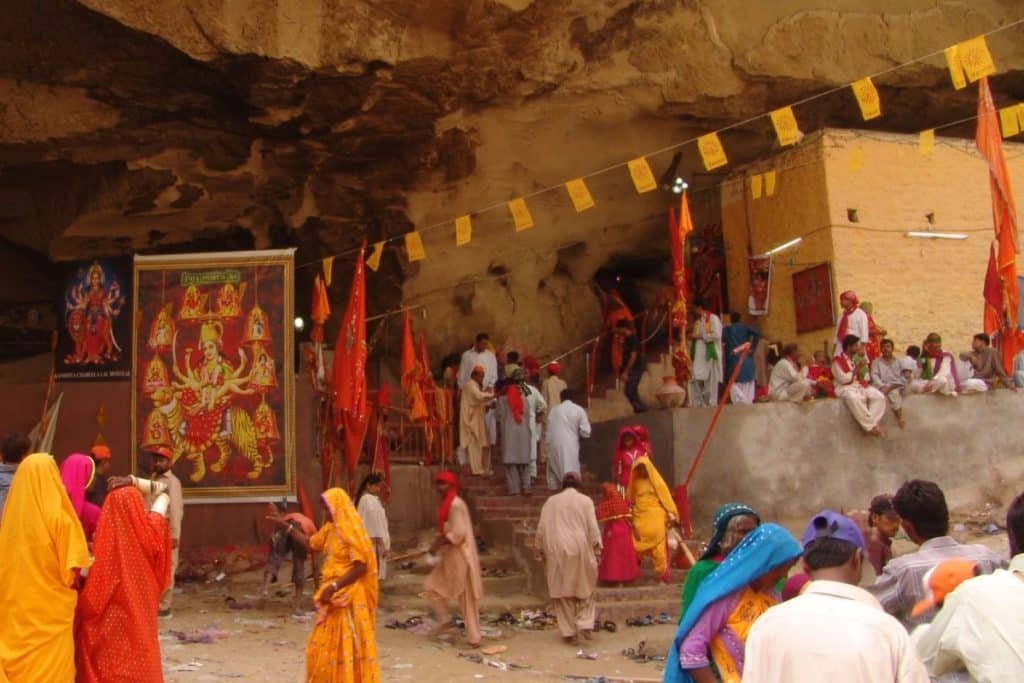
    Hinglaj Yatra is the pilgrimage to the cave temple of Hindu Devi – Shri Hinglaj Mata – on the Makran coast in the Lasbela district of Balochistan. More than 250,000 people take part in the Hinglaj Yathra every year. 

    Sindh Minority Affairs Department stated that the bus service will begin on July 15. Gyan Chand Esrani said that lunch will be provided to the pilgrims during the journey, while those pilgrims who want to stay there for a couple of days during the pilgrimage will be provided with resting facilities by the department.

    He said that the application for the pilgrimage would be sent to the Director of Minority Affairs through District Panchayat. He also announced the construction of a hostel for poor girl students at Swami Narayan Mandir.

    Hinglaj Mata is one of the three Shakti Peethas in Pakistan, the other two being Shivaharkaray and Sharada Peeth. Over the last three decades, the place has gained popularity and become a unifying point for Pakistan’s Hindu community.

    The temple Shri Hinglaj Mata is in a small natural cave, in a narrow gorge in the hilly area of Lyari Tehsil in Balochistan. It lies within the domain of the Hingol National Park, lying on the west bank of the Hingol River.

  • Iranian students harassed, given disciplinary hearings for refusing to wear hijab at university

    Iranian students harassed, given disciplinary hearings for refusing to wear hijab at university

    As women across Iran continue to protest against strict hijab laws, universities have taken stringent measures by suspending and initiating violent crackdowns against female students to suppress the uprisings, The Guardian has reported.

    More women have posted video recordings of themselves dancing or walking without the hijab, while several students spoke to the publication to reveal that at least 60 students have been banned from their university, called at disciplinary committee hearings and harassed on campus for not wearing the hijab.

    According to the Student Council of Iranian Universities, at least 40 female students have been conditionally suspended from their campuses for failing to follow the hijab rule. While The Human Rights Activists (THRA) in Iran reported that at least 64 students have been suspended and three expelled.

    Nine suspended activists told the publication that arrests of young women are on the rise, and they were warned of serious consequences if they did not adhere to the mandatory policy of wearing their hijab.

    “We’re being mass banned from the campus for refusing to wear a hijab, and in the past few days there has been a violent crackdown on us for peacefully sitting in protest,” said a student who was studying in a university in Tehran. She further revealed that security officials had violently thrown women out of classrooms.

    Another anonymous student from Mashhad spoke about her suspension for protesting on the 40th day of Mahsa Amini’s death:

    “I have been slapped with repeated temporary suspensions for protesting on the 40th day of Mahsa Amini’s death. Considering that I will be suspended again next semester, I will fall behind a whole year. I dream of studying abroad, but unfortunately, given the current situation, my future is dark.”

    Another student’s account revealed that sharing social media posts related to Mahsa Amini’s death could have severe consequences leading to being suspended and failing their courses, as violent crackdowns continue to rise in Iran.

    “Three days after I shared a post about death sentences, the university security team confiscated my phone after raiding our residence hall,” spoke a student from Tehran. “They also collected protest posters or anything related to the ongoing revolution and warned us of worse consequences.

    “I doubt the officers barging into our dormitories are from the university’s security team. I’ve never seen them before. The next day, I was temporarily suspended along with three of my friends.”

    Another student in Tehran revealed: “The university administration is acting like an extended arm of the Islamic Republic. I was preparing my applications for a master’s in the EU, but I fear I’ll neither receive a recommendation letter, nor will I receive the relevant grades necessary for my application. I’ve been warned by my university’s administration that I’ll get zero grades if I don’t apologise and retract my social media posts in support of the revolution.”

    Professors who support the protests have also been violently attacked or expelled from campuses.

    The protests in Iran began in September 2022 after the brutal death of 22 year old Mahsa Amini, who was severely beaten by Guidance Patrol officers for refusing to wear a hjijab. She later passed away in a hospital from her injuries. Since then, nation wide protests began through out Iran as the slogan ‘Zen, Zendagi, Azaadi’ was adapted as a protest against human rights violations committed by the Iranian government.
  • ‘Recharge Pakistan’ climate resilience project approved for funding

    ‘Recharge Pakistan’ climate resilience project approved for funding

    Pakistan’s Federal Minister for Climate Change, Sherry Rehman, tweeted her joy on Tuesday at the ‘Recharge Pakistan’ project receiving approval for funding. A joint collaboration by Global Climate Fund (GCF), WWF and the Government of Pakistan, the project aims to build climate resilience through multiple Ecosystem-Based Adaptation (EBA) interventions.

    The project is said to be implemented over the next seven years and will be receiving resources of $66 million from GCF, and $11.8 million from co-financing organisations. 

    The EBA interventions are comprised of three components: firstly, to store flood water in wetlands, floodplains, and depressions (also known as green infrastructure) at several priority sites. 

    Secondly, the project is designed to build community resilience amongst those Pakistani communities particularly vulnerable to climate change. 

    Lastly, and perhaps most importantly, the project aims to enable a paradigm shift towards ecosystem-based adaptation in Pakistan in order to scale up more projects with this approach.

    As Senator Rehman also said, the project is aimed to enable the Government of Pakistan, “including all lead provinces and stakeholders”, to implement and replicate nature-based solutions for climate change.

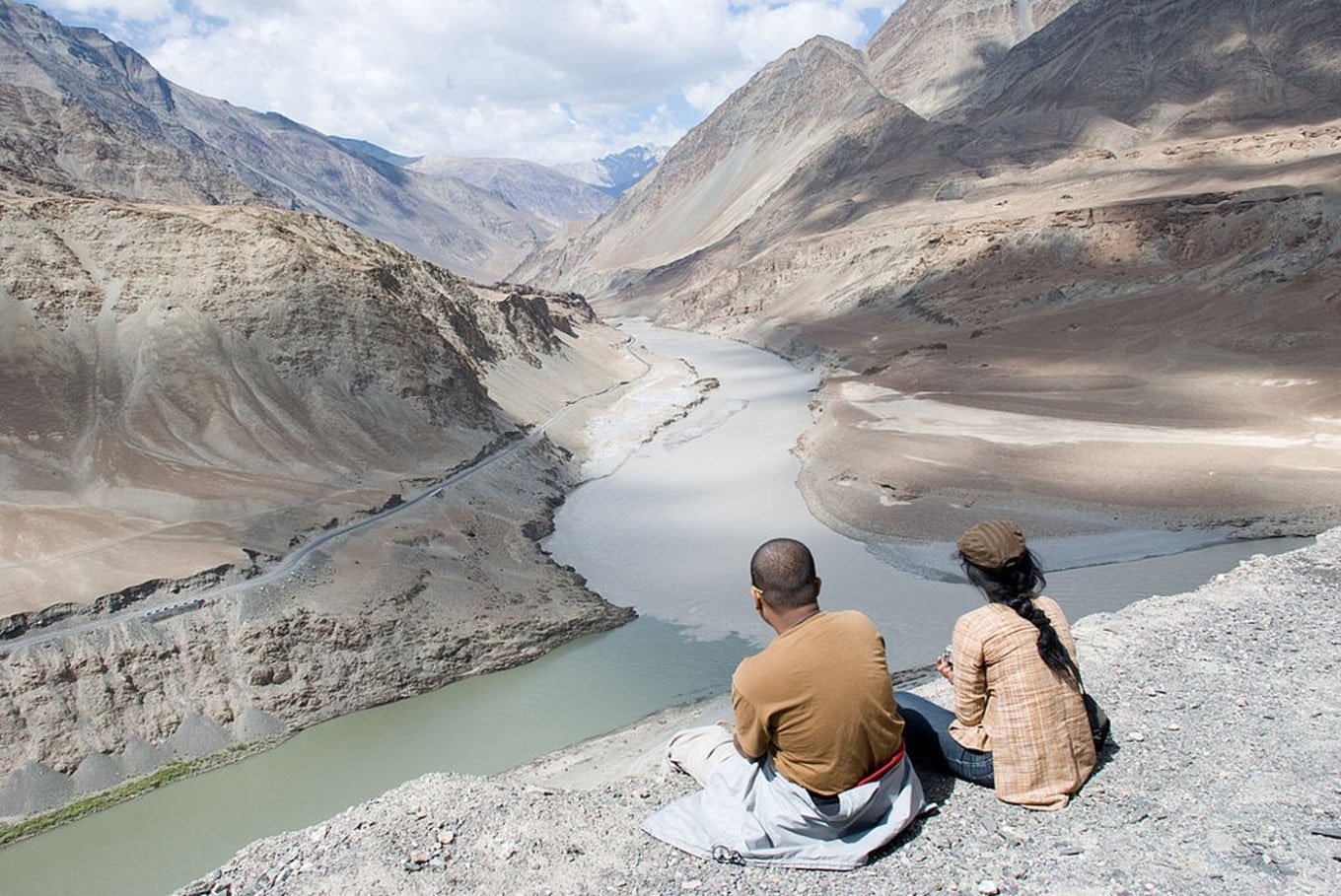
    The tentative goal is that by 2030, there would be a reduction of flood risk, with enhanced water recharge at six sites in the Indus Basin, building resilience amongst 10 million people and vulnerable ecosystems. 

    In order to ensure that the aforementioned EBA interventions are sustained and continue to function effectively, WWF states that the project will ensure that climate-adapted, community-based natural resource management is implemented locally. 

    Thus, Recharge Pakistan will hopefully contribute towards improving water and food security at a national level, and climate-adapted livelihoods locally, increasing resilience through the protection and restoration of ecosystems and building the climate resilience of vulnerable communities in the Indus Basin.

    As one of the countries most threatened by climate change, the approved funding for Recharge Pakistan is definitely a win. More nature-based solutions for climate change could help our country escape imminent disaster while preserving and rebuilding what’s left of our environment.