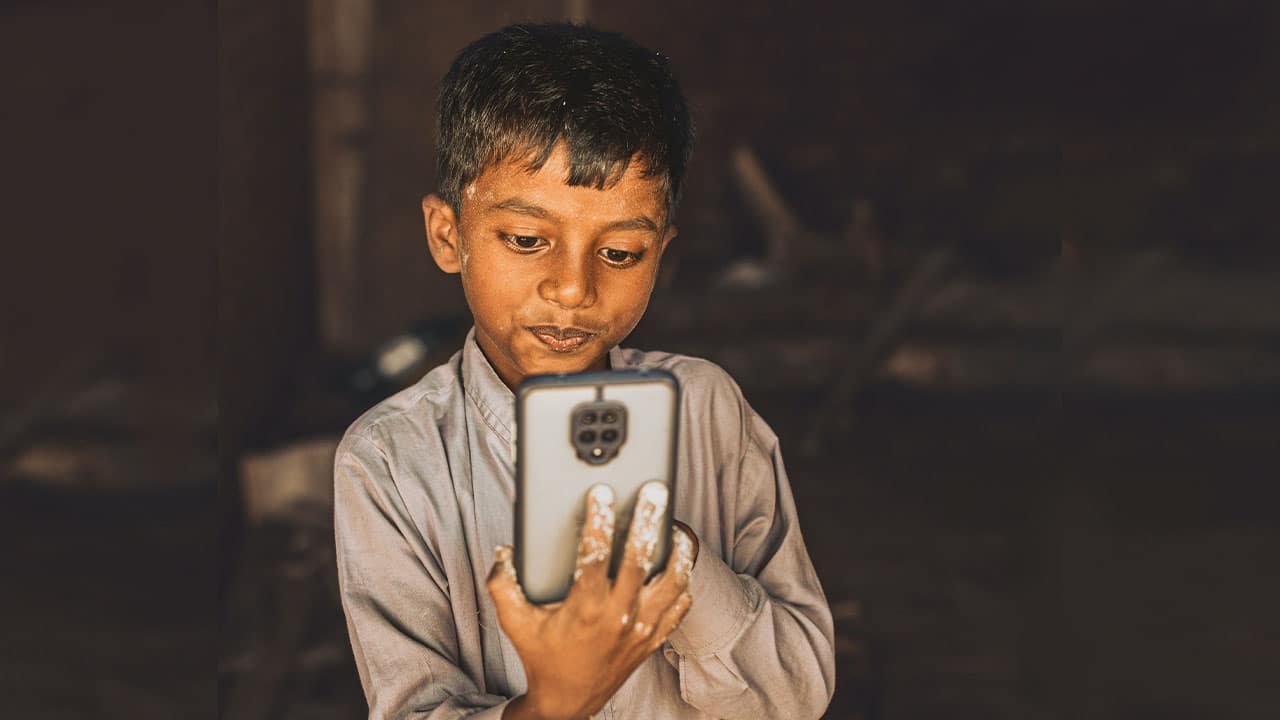
Rajesh Vishwas, a member of the Indian government, was suspended after he gave an order to empty a water reservoir in order to retrieve his phone, BBC reported on Saturday.
The food inspector was taking a photo when his phone, which was valued at roughly $1,200, fell into the Kherkatta Dam in Chhattisgarh. Millions of gallons of water had to be pumped out of the dam. The process of draining the dam took three days.
Vishwas has said in a video statement that after local divers failed to find it, he paid for a diesel pump to be brought in.
The process was halted after an official from the water resource department arrived following a complaint.
“He has been suspended until an inquiry. Water is an essential resource and it cannot be wasted like this,” Kanker district official Priyanka Shukla told an Indian newspaper.
However, Vishwas insisted that he had not abused his authority and that the water had been drained because it was “
Pakistan’s aerated beverage industry is grappling with a significant decline in volume, estimated at 35% to 40%, following the introduction of a 7% Federal Excise Duty (FED) in the February 2023 mini-budget. This latest tax increase has pushed the total FED on the industry to an unsustainable 20%, marking a staggering 50% surge from the previous rate of 13%. The repercussions are reverberating throughout the manufacturing chain, with an expected loss of thousands of jobs. If these regulatory challenges persist, businesses may be compelled to consider shutting down their operations, resulting in a further blow to government revenues, estimated at an annual loss of PKR 6-8 billion in FED collection.
The beverage industry in Pakistan is already burdened with one of the highest tax rates globally, with a 20% FED that surpasses the average levy imposed on the food and beverage sector. Despite these challenges, the aerated beverage industry has stepped up as a key investor, contributing an estimated $200 million to bolster the country’s foreign exchange reserves during a time of Forex shortage. However, the recent tax measures have hindered the government’s revenue collections from this industry, leaving a negative impact.
According to the Half-Year Report for 2022-2023 published by the State Bank Board of Directors, several sectors, including the beverage industry, have experienced negative growth. From the first half of the fiscal year 2022 to the same period in 2023, the beverage industry alone has contracted from 5% to a significant negative growth rate of -8.3%.
The adverse economic consequences resulting from these measures have garnered attention from trade bodies such as the Pakistan Business Council, American Business Council, and various Chambers of Commerce. These associations recently presented their recommendations to Senator Saleem Mandviwalla, Chairman and Convener of the Senate Committee on Finance and Revenue. In a consultative session held on May 23, 2023, Coca-Cola, representing the industry, voiced concerns regarding the discriminatory nature of the tax applied in February 2023. The tax does not consider per-capita sugar consumption, resulting in an unfair burden on the beverage industry, which only accounts for approximately 6% of the country’s sugar consumption.
The beverage sector, which operates transparently and in compliance with regulations, now urges the government to reassess its taxation policy. Specifically, the industry is calling for the immediate withdrawal of the 7% tax introduced in the mini-budget, as it was initially presented as a temporary, stop-gap measure. The industry maintains that a fair and broad-based tax regime would not only alleviate the burden on the beverage industry but also contribute to Pakistan’s economic stability and foster growth.
The appeals made by Coca-Cola and other beverage manufacturers underscore the urgent need for a comprehensive review of the taxation policy affecting the industry. Striking a balance between tax obligations and recognizing the substantial investments made by these companies is vital to creating a conducive business environment and ensuring the long-term sustainability of Pakistan’s beverage sector.
A couple in Georgia have been arrested for starving their ten-year-old son.
Tyler and Krista Schindley were taken into custody and are being held in jail after a judge denied them bail.
Their 10-year-old son was found searching for food in their neighbourhood, leading to his parents’ arrest.
They boy weighed just 36 pounds.
“We aren’t releasing any photos of this child for obvious reasons, but I will tell you, the photos are absolutely horrible, and anybody with a human heart who looks at them should be shaken to their core,” District Attorney Marie Broder said.
She added: “It is my true belief that had he not gotten out of the home, this case would be a very different one.”
According to an arrest affidavit, the couple purposefully denied the youngster food and allegedly kept him sequestered in his bedroom without access to lighting, toilet paper or human contact.
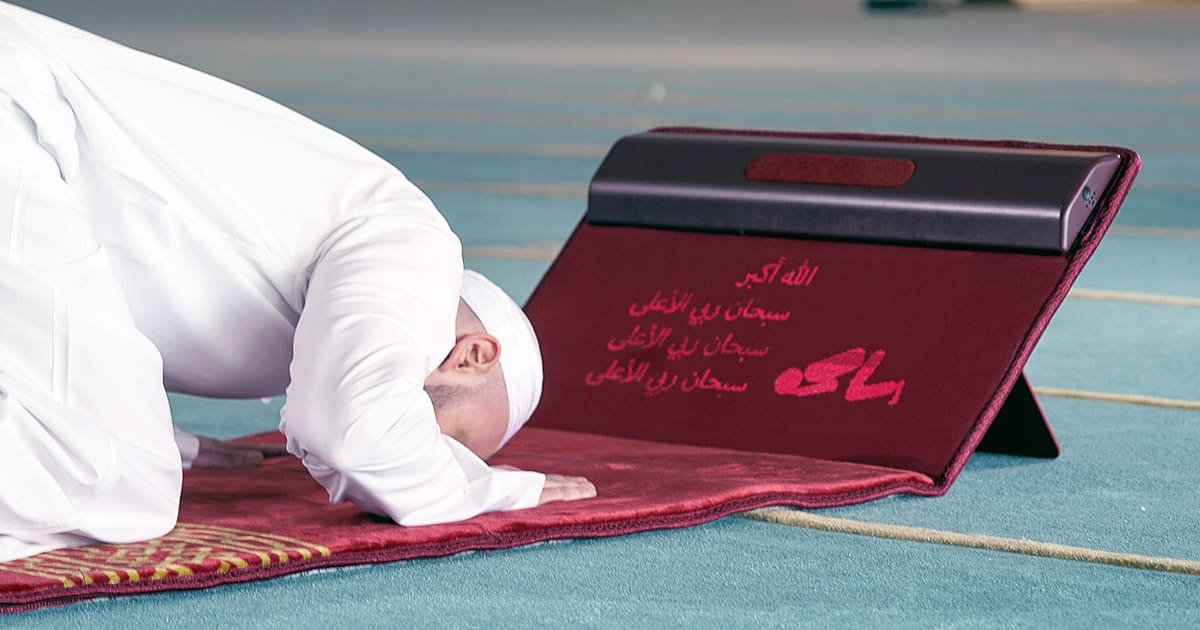
For developing a smart prayer mat, a Qatari innovator was awarded with the gold prize at the International Exhibition of Inventions in Geneva. Abdulrahman Saleh Khamis received recognition for his ground-breaking creation, intended to teach new Muslims and kids how to pray properly.
The smart rug was developed after intensive research, with Khamis using cutting-edge technology to develop the mat.
As per the product’s website, the smart prayer has the following features:
Guided Prayer Training
Sajdah guides you through daily and non-daily prayers in a step-by-step learning experience.
Quran Reading
Sajdah’s LED screen helps you read & memorize the Holy Quran while practicing your prayers.
Smart & Connected
Use the Sajdah app to control the pace of your prayer guides, including chapter transition speed, font size, and much more.
Multi-Lingual
Prayer guides and Quran verses displayed in Arabic, English, and Latin. Updates will include more languages.
Summers are already here and the recent devaluation of the national currency has made it nearly impossible for travelers to pursue journeys.
If you have a Pakistani passport, it’s not an easy task to get a visa of the country you love. But we have some suggestions to make your summer vacation memorable and budget-friendly.
Currently, there are a total of four countries that allow Pakistan visa on arrival. These countries are as follows:
Maldives
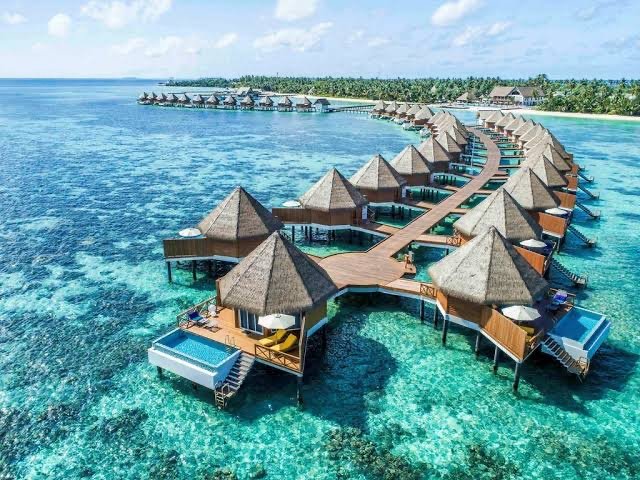
The Maldives is an island nation in the Indian Ocean, located southwest of Sri Lanka and India. It is known for its beautiful beaches, crystal-clear waters, and stunning coral reefs. The Maldives is a popular tourist destination, offering a variety of activities for visitors to enjoy, including swimming, sunbathing, diving, snorkeling, fishing, and sailing.
most famous tourist spot in maldives
Things to do in Maldives
Swimming and sunbathing:The Maldives has some of the most beautiful beaches in the world, making it the perfect place to relax and soak up the sun.
Diving and snorkeling:The Maldives is home to stunning coral reefs, making it a popular destination for divers and snorkelers.
Fishing:The Maldives is a great place to go fishing, with a variety of fish species to catch.
Sailing:The Maldives is a great place to go sailing, with calm waters and beautiful scenery.
Spa treatments:The Maldives is a great place to relax and pamper yourself, with many resorts offering a variety of spa treatments.
You do not need to apply for a visa before you travel to the Maldives on holiday. All tourists, of all nationalities, can receive a 30 day visa free of charge on arrival in the Maldives.
SamoaSamoa tourist visa is not required for citizens of Pakistan for a stay of up to 60 days. Samoa is a beautiful island nation located in the South Pacific Ocean. It is made up of two main islands, Upolu and Savai’i, and several smaller islands. Samoa is known for its stunning natural beauty, including pristine beaches, lush rainforests, and stunning waterfalls.
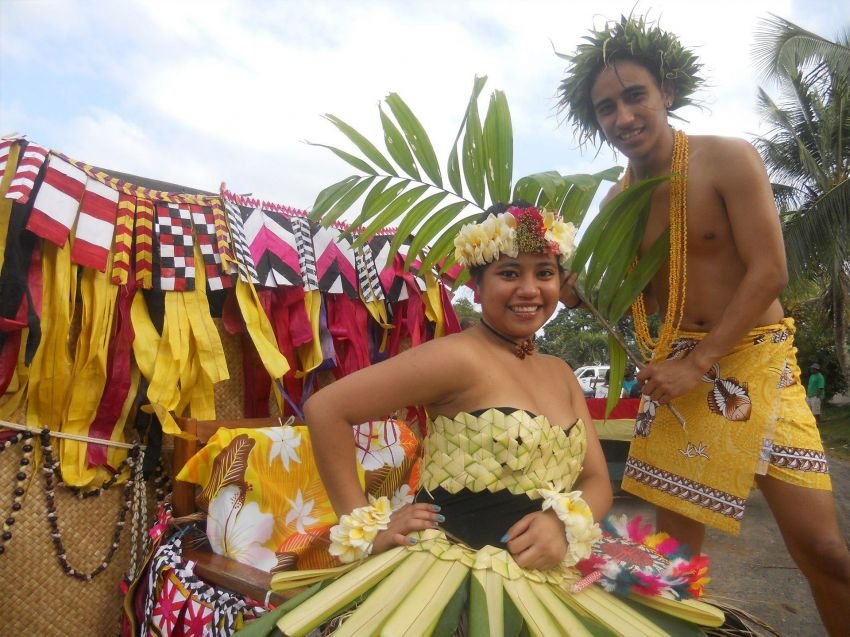
samoan traditional dance
As a tourist, there are many things to see and do in Samoa. Here are some of the top activities and attractions:
Beaches: Samoa is home to some of the most beautiful beaches in the world. From Lalomanu Beach to Aganoa Beach, there are plenty of stunning spots to soak up the sun and enjoy the crystal-clear waters.
Waterfalls: Samoa is also known for its incredible waterfalls. Some of the most popular include Togitogiga Falls and Fuipisia Falls.
Cultural Activities: Samoa is a rich and vibrant culture. Visitors can experience traditional dance performances, attend a Fiafia Night, or visit a village to learn more about Samoan customs and traditions.
Tuvalu
Tuvalu has made visa-free access or visa-on-arrival access for almost every country globally, including Pakistan. These visas are valid for 30 days and will cost travellers approximately 100 AUD. Enjoy the Beaches: Tuvalu is home to some of the most beautiful and pristine beaches in the world. Visitors can soak up the sun, swim in the crystal-clear waters and enjoy the stunning views.
Snorkeling and Diving: Tuvalu’s coral reefs are home to a diverse array of marine life, making it a great destination for snorkeling and diving. Visitors can explore the reefs and see colorful fish, sea turtles, and even sharks.
Visit Funafuti Atoll: This is the capital of Tuvalu and offers visitors a chance to see the local way of life. Visitors can explore the town and visit the local shops, enjoy the markets, and learn about the history and culture of Tuvalu.
Attend a Cultural Event: Tuvalu has a rich cultural heritage, and visitors can experience traditional dance performances, attend a Falekaupule Meeting, or participate in a local celebration or festival.
It is important to note that visa policies for each country can change quickly and without notice, so it is recommended that travelers check with their local embassy before departing. Additionally, visa on arrival may not be available for all types of travel such as business or education purposes, so travelers should also verify the purpose of their travel is eligible for visa on arrival.
In conclusion, while the list of countries offering Pakistan visa on arrival is relatively small, it does provide some relief for those who may have difficulty obtaining a traditional visa. As always, travelers should research their destination before embarking on any trip to ensure all necessary documents are secured to ensure a smooth and enjoyable travel experience.
A tragic accident took place at the Government Degree College in Khairpur, Sindh, when a student, Mehtab Ali, passed away during Grade XI intermediate board examinations due to load shedding in extreme heat.
According to The Nation, Ali fainted during his exam and was rushed to the hospital where he passed away despite attempts to revive him.
While students are giving their final examinations, the ongoing power outrage has exposed them to the heatwave, putting many at risk of suffering from heat strokes or nose bleeds. The Sindh Minister for Board and Education, Ismail Rahoo, has encouraged authorities to ensure that examination halls have uninterrupted power supply so that such fatal incidents can be avoided.
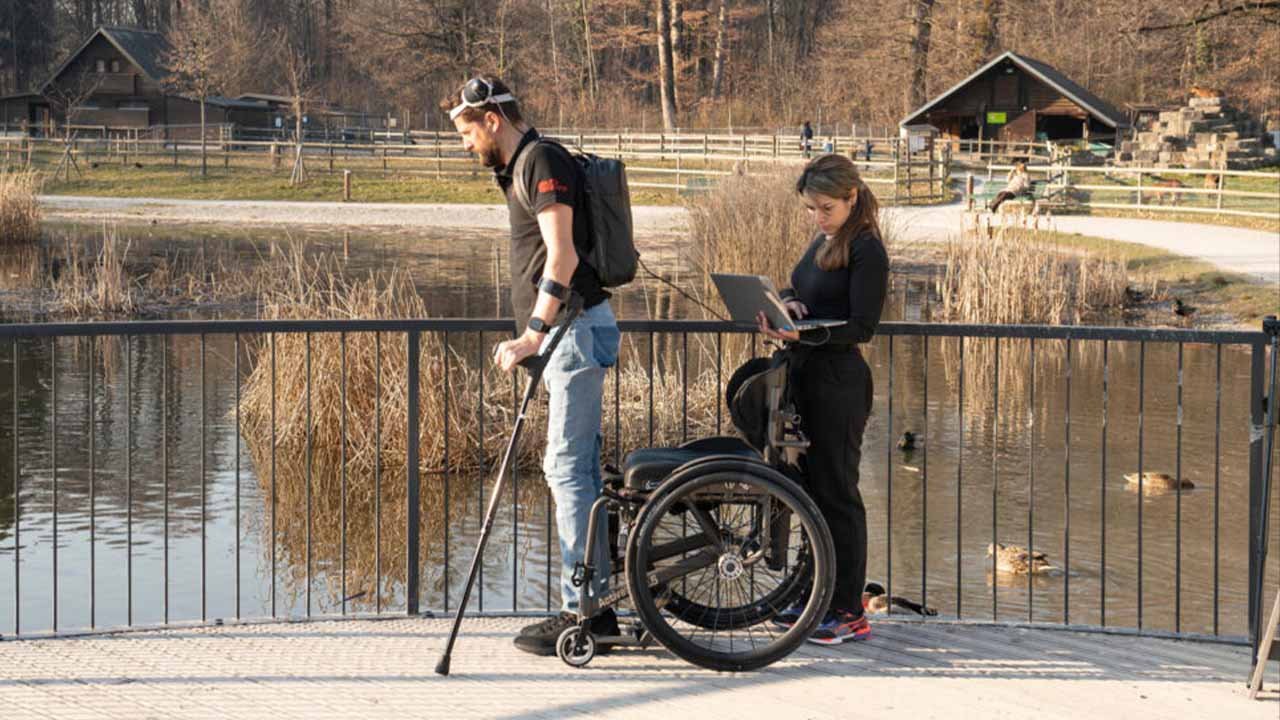
In a groundbreaking medical achievement, a paralysed man has regained the ability to walk through the power of his thoughts, thanks to electronic brain implants. Gert-Jan Oskam, a 40-year-old Dutch man who had been paralysed for 12 years due to a cycling accident, can now walk, stand, and climb stairs, all by simply thinking about it.
The experimental system involves electronic implants that wirelessly transmit Gert-Jan’s thoughts from his brain to his legs and feet through a second implant on his spine. Although the technology is still in the early stages of development, a leading UK spinal charity has hailed it as “very encouraging”.
Describing his experience, Gert-Jan expressed his joy, saying, “I feel like a toddler, learning to walk again.” He emphasised the pleasure of being able to stand up and share a beer with his friend, a simple pleasure that many take for granted.
The research, published in the journal Nature, was led by Swiss scientists. Professor Jocelyne Bloch, the neurosurgeon who performed the intricate surgery to insert the implants, explained that while the system is currently in the research phase, the ultimate goal is to make it available to paralysed patients.
Harvey Sihota, the CEO of UK charity Spinal Research, praised the development as a significant step forward for neurotechnology and its potential to restore function and independence to individuals with spinal cord injuries. He acknowledged that there is still progress to be made before the technology becomes widely accessible.
Gert-Jan underwent the operation in July 2021. During the procedure, Professor Bloch inserted two disc-shaped implants into Gert-Jan’s brain, above the regions responsible for movement. These implants wirelessly transmitted his brain signals to sensors attached to a helmet on his head. An algorithm developed by the Swiss team translated these signals into instructions to move his leg and foot muscles via a second implant on his spinal cord.
After a few weeks of training, Gert-Jan was able to walk with the assistance of a walker. Although his movements are slow, they are smooth, marking a significant breakthrough in the field. Professor Grégoire Courtine, who led the project, described the sight of Gert-Jan walking naturally as “so moving” and a paradigm shift in available treatments.
This technology builds upon previous work by Professor Courtine, where only a spinal implant was used to restore movement. Notably, other patients have also experienced successful treatment with spinal implants, allowing them to regain mobility. However, their movements were pre-programmed and somewhat robotic, requiring synchronisation with a computer.
Gert-Jan, who previously only had a spinal implant, now enjoys greater control over his movements. Instead of feeling controlled by the system, he feels in control himself. Although the systems cannot be used continuously and are still bulky and experimental, patients like Gert-Jan use them for short periods a few times a week as part of their recovery. Interestingly, the act of walking during these sessions has helped train their muscles and restore some movement even when the system is turned off, suggesting nerve regeneration.
The ultimate goal is to miniaturise the technology and make it suitable for everyday use. Professor Courtine’s company, Onward Medical, is actively working to improve and commercialise the technology. Looking to the future, Professor Courtine envisions applying the brain-spine interface shortly after an injury, highlighting the tremendous potential for recovery.
This remarkable achievement provides hope for individuals with spinal cord injuries and paves the way for advancements in neurotechnology that can significantly improve their quality of life.
Population Experts and Government officials gathered in Islamabad to discuss improving population health in Pakistan.
Islamabad, Pakistan – May 24, 2023 – Today marks the beginning of a two-day learning event by DAFPAK, a leading organization dedicated to improving population health outcomes in Pakistan, focused on ensuring a brighter future for Pakistan, titled “Pakistan’s Population: A Brighter Future For All.”
Delivering Accelerated Family Planning In Pakistan (DAFPAK) is a £90m Foreign, Commonwealth & Development Office (FCDO) programme that aims to improve family planning outcomes across Pakistan by improving access to family planning services for the most vulnerable and disseminating messages for the common good under a platform called KhairKhwah.
“The British High Commission has been investing in family planning since 2012. Our current support programme, DAFPAK is the largest donor-funded program on family planning which has served over 8 million women and girls in mostly marginalized areas”, said Andrew Dalgleish, Acting British High Commissioner to Pakistan while addressing the event in Islamabad.
Chief Guest, Federal Minister for Planning, Development & Special Initiatives, Professor Ahsan Iqbal Chaudhry, emphasized the urgency of addressing the population growth rate, stating, “Unless we control our population, we won’t be able to distribute resources in a manner where we can provide healthcare, education and bright futures to our people. Our future is linked to how fast we can control Pakistan’s population growth.”
Rapid population growth in Pakistan has created immense pressure on the country’s resources, and it has become difficult to provide essential services such as healthcare and education to all citizens. The event aims to address these issues and come up with strategies to improve population health.
Dr Sara Shahzad, Health Advisor, FCDO highlighted the need for increased investment in healthcare infrastructure, improved partnerships with the private sector, and a holistic multi-sectoral approach towards family planning.
Goodwill Ambassador for Population & Family Planning, Shehzad Roy, while addressing the event emphasised the significance of transforming mindsets alongside policy changes. “As a global ambassador of Family Planning, I would like to share that while inventing new policies is very important, what’s even more important is changing mindsets because only then we’ll be able to bring true change.” Over the course of two days, participants will share their insights on family planning, population growth, and its impact on the country. The event features keynote speeches, panel discussions, and interactive sessions.
The event is being organized by Palladium Pakistan under DAFPAK-PSSD in collaboration with UNFPA, PSI, MSS, DKT, and M&C Saatchi in partnership with The Ministry of National Health Services, Regulation and Coordination Islamabad, and provincial Health and Population Welfare Departments of Punjab, Sindh, and KP.
A total of seven individuals have been apprehended in the Faqirabad area of Peshawar for their involvement in renting out smartphones to children.
The suspects allegedly facilitated the children in playing online games, including PUBG, and accessing explicit videos at their establishments, according to the police.
The law enforcement authorities took action following the circulation of a viral video on social media that depicted children utilizing smartphones.
Subsequently, a raid was conducted at two shops in the vicinity, resulting in the confiscation of 45 phones. These shops were found to be renting out smartphones for Rs60 per hour.
Yesterday, three of the suspects were arrested, and an additional four were apprehended based on information provided by the initially detained individuals.
The police have sealed the shops to discourage similar operations and have initiated an investigation into the matter, alongside registering a case.
Buckingham Palace has once again rejected a request from Ethiopian officials to send back the body of Prince Alemayehu, who passed away at the age of 18 in the United Kingdom.
Born in Magdala in 1861, Alemayehu was only seven years old when the British arrived in Ethiopia in 1868 and laid seige to Tewodro’s mountain fortress which led to a fierce battle that ended with the death of the emperor, Tewodros II.
The British stole many valuable artefacts and heirlooms, along with the Empress Tiruwork Wube and her son, Prince Alemayehu. By the time the young prince arrived in the UK, he was an orphan after his mother died during the journey.
After his arrival, Queen Victoria took sympathy upon the boy, taking up financial responsibility for his expenses.
Alemaheyu was first sent to a public school, and then to a military college in Sandhurst where he was bullisd. A private tutor was hired to teach him at his home in Leeds, where he became ill and began refusing treatement, fearing he was poisoned.
The prince also reportedly longed to go back home, as correspondence had shown, but this idea was constantly shut down.
Alemayehu passed away at his home at the age of 18.
Queen Victoria had written about her sadness in her diary:
“Very grieved and shocked to hear by telegram, that good Alemayehu had passed away this morning. It is too sad! All alone, in a strange country, without a single person or relative, belonging to him,” she wrote.
“His was no happy life, full of difficulties of every kind, and was so sensitive, thinking that people stared at him on account of his colour… Everyone is very sorry.”
Demands for the return of the remains of Prince Alemaheyu date back to 2007, when the country’s then-president Girma Wolde-Gior sent a formal request to Queen Elizabeth II, but nothing came of it.
Recently, a spokesperson from the Buckingham Palace sent a statement to the BBC explaining their refusal to send the remains back to his home, stating that shifting his remains would disturb the other bodies buried at St George’s Chapel in Windsor Castle.
“It is very unlikely that it would be possible to exhume the remains without disturbing the resting place of a substantial number of others in the vicinity,” the palace responded.
They further mentioned in the statement that the Royal Palace has awlays accomodated those from Ethiopia who wished to visit the prince’s resting place, and were aware of the need to honor Prince Alemaheyu’s memory.
Speaking to the BBC, Faisal Minas, a descendant of the Royal Family in Ethiopia, said:
“We want his remains back as a family and as Ethiopians because that is not the country he was born in. It was not right for him to be buried in the UK.”