Category: Lifestyle

The lifestyle of millennials is underreported in our mainstream media. The Current’s lifestyle news covers social events and issues that are unique.

  • Gen-Z gives a thumbs down to thumbs up emoji, wants to ban 9 other ‘rude’ emojis

    Gen-Z gives a thumbs down to thumbs up emoji, wants to ban 9 other ‘rude’ emojis

    Many emojis, in the opinion of Generation Z, should be avoided at the office. Thumbs-up and love emoticons are for older people, according to a new global poll of 2,000 adults between the ages of 16 and 29.

    A Reddit member recently asked whether they should feel comfortable using the thumbs-up emoji as an adult or not. A discussion between Gen Z and Millennials was triggered by this.

    The thumbs-up emoji, according to a 24-year-old, might be passive-aggressive. However, according to millennials, it means accepting a demand. Another user remarked that they always use it in business interactions and questioned why it should be unpleasant.

    Another woman claimed that most of the group members chose to reply with a thumbs-up emoji in their official team WhatsApp discussion. To them, this seemed a little hostile.

    The following emojis indicate that you are rude:

    • Thumbs up
    • Red Heart ❤️
    • Blaring crying -face
    • Checkmark ✔
    • Poop
    • Ok
    • Monkey covering the eyes
    • Clapping hands  
    • Kiss symbol with lipstick
    • Frown face  ☹️

    Emojis, or “picture characters” in Japanese, first appeared in Japan in the late 1990s and then spread over the world in 2011. Emojis have become a significant part of our society in the twenty-first century and have permeated every aspect of existence.

    According to the New York Post, more than 5 billion emojis are sent daily on Facebook’s Messenger app alone by the 3.2 billion Internet users in the world.

  • Power transmission system ‘fully restored’ after major outage

    Power transmission system ‘fully restored’ after major outage

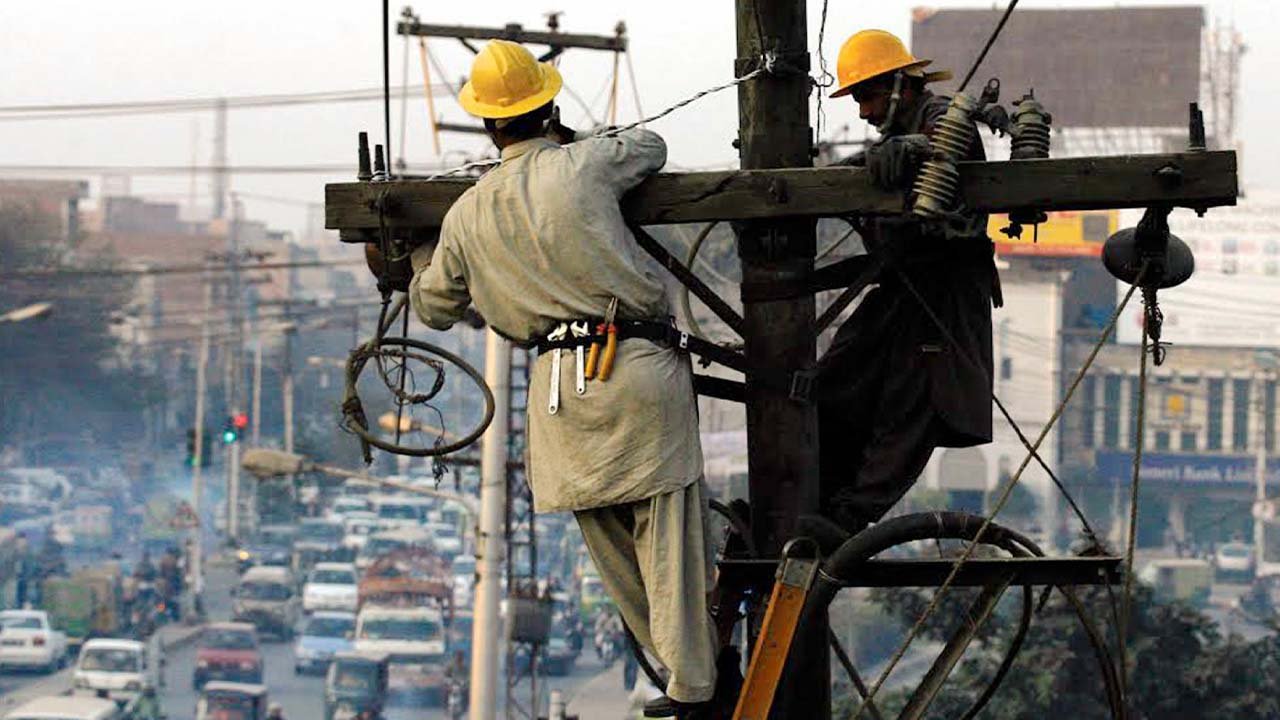
    Late on Thursday, the Ministry of Energy confirmed that all countrywide power had been “fully restored,” adding that the issue with two 500kV lines in Karachi’s south had been fixed.

    The ministry posted on its official Twitter account, “Electricity supply is being increased from alternative power plants, which will return to normal by Friday morning.”

    According to Dawn, Energy Minister Khurram Dastgir had expressed his optimism that normal electrical service would be fully restored by tonight.

    He reported power outages on Thursday morning in Karachi, Hyderabad, Sukkur, Quetta, Multan, and Faisalabad while speaking at a press conference.

    “Karachi and Quetta are priority regions now,” he said. “Nearly 8,000 MW of power went offline at around 9 AM however, the government has restored 4,700 MW,” he announced. “Restarting of power plants will consume time therefore complete resolution of the problem will take a few more hours.”

    He said that a thorough investigation had been ordered and a team had been formed for the purpose, citing the government’s worry regarding simultaneous faults in two power lines at the same time.

    “We will take action after receiving the inquiry report,” the minister said. “Due to our efforts, northern part of the country remained unaffected from the breakdown.”

    According to the Ministry of Energy, a “fault in the country’s southern transmission system” caused a significant power outage on Thursday that affected Sindh and Punjab.

    In addition to Karachi, Hyderabad, Thatta, Jamshoro, Sujawal, Badin, Mirpurkhas, Umarkot, Sanghar, Nawabshah, Matiari, Tharparkar, and Larkana, electricity was also cut off in other parts of Sindh.

    Additionally, there were power outages in a number of Punjabi cities, including Rajanpur and Rahim Yar Khan.

    “Due to an accidental fault in the country’s southern transmission system, several southern power plants are tripping in stages, which is disrupting the transmission of electricity in the southern part of the country,” said the Ministry of Energy in a tweet post.

    “The Ministry of Energy is diligently investigating the cause of the outage and the power system will be fully restored as soon as possible,” it added.

    According to reports, a technical issue has caused the Guddu Thermal Power Station in Kashmore to stop producing electricity. Technical issues at the power plant prevent the 600MW and 747MW units from running.

    The 500-KV system nationwide is not functioning, according to sources at National Transmission and Despatch Company (NTDC). They claimed that the causes are still being determined.

    The southern port city’s many neighbourhoods, including Malir, Sarjani Town, and Saddar, experienced power outages. Since 10:00 am, there has been no electricity in these neighbourhoods.

    Furthermore, there were power disruptions in places including Gulshan-e-Maymar, Federal B Area, Liaquatabad, and Super Highway.

    Baldia, Orangi Town, North Nazimabad, and North Karachi are all without electricity. In addition to this, some locations, notably the SITE Industrial Area, lack electricity.

    “There are reports of multiple outages from different parts of the city,” Imran Rana, Spokesperson, K-Electric, said in a tweet post.

    “We are investigating the issue and will keep this space posted,” he added.

    According to information provided by the Ministry of Energy, the KE’s spokesperson verified that the halt in energy supply was caused by a failure in the southern transmission system in an update released about 11:45am.

    He said that efforts to restore the supply had begun, and it would take about five hours to finish the process.

  • TikTok steals around 70% profit from online donations for Syrians: report

    TikTok steals around 70% profit from online donations for Syrians: report

    According to a BBC investigation, families in Syrian displacement camps that ask for donations on TikTok only receive less than 30% of the money given for them. However, according to TikTok, the company’s commission is smaller than the 70 per cent the refugees do not receive, the BBC was told.

    According to the BBC, streams were apparently making up to $1,000 each hour, which is a small portion of what the family in front of the camera makes.

    Many of these live streams have children who spend hours saying, “Please like, share, and please give a gift.”

    The BBC discovered that the “TikTok middlemen” who gave families the phones and equipment to go live were facilitating the trend in the camps in north-western Syria.

    The middlemen claimed to have relationships with TikTok-related organisations in China and the Middle East who provided the families with access to their TikTok accounts. These firms are a part of TikTok’s global recruitment campaign for live streamers, which aims to increase app usage.

    The BBC constructed a computer software to collect data from 30 TikTok accounts broadcasting live from Syrian refugee camps for five months. The software revealed that viewers were frequently giving each account digital gifts valued up to $1,000 per hour.
    However, families in the camps claimed they were only getting a small portion of these sums.

  • Pakistan can face Ebola outbreak warns NIH

    Pakistan can face Ebola outbreak warns NIH

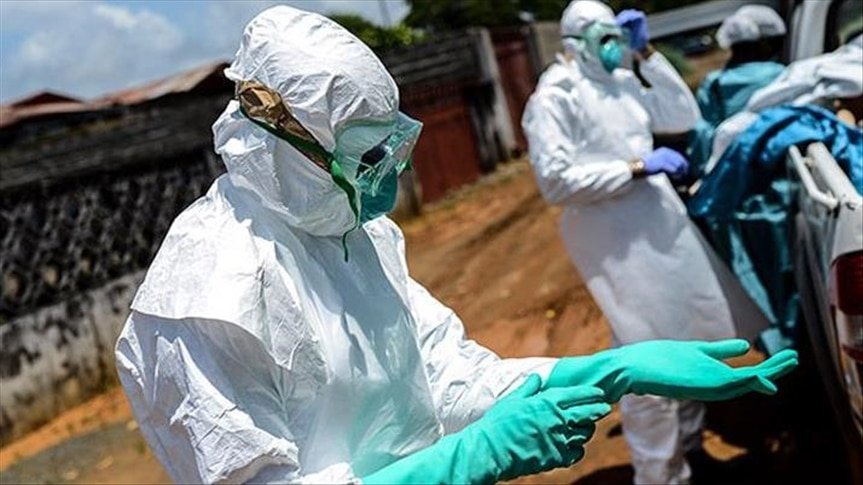
    The National Health Organization (NIH) has voiced concerns that the Ebola virus could travel from the African nation of Uganda to Pakistan.

    The NIH recently released a warning on a potential Ebola outbreak in Pakistan, advising institutions that might be affected to be on high alert.
    It stated that last month, Uganda reported 36 Ebola cases, resulting in 23 fatalities.

    The Central Health Establishment will keep an eye on travellers travelling from Uganda, and the NIH will be informed of any suspected Ebola cases arriving in Pakistan.

    The most recent outbreak of Ebola in humans has been triggered by the SUDV virus, said the advisory.

    The advice claims that regional and international authorities are concerned about the spread of Ebola.

    Ebola is a potentially deadly virus that can kill up to 90 per cent of affected patients. It’s symptoms include fever, diarrhea, body aches and eventually internal and external bleeding. The highly contagious virus was first reported in 1976 in Africa. It can be spread through contact with an affected person’s bodily fluids.

  • Major power outages hit Sindh and Punjab due to a fault in southern transmission system

    Major power outages hit Sindh and Punjab due to a fault in southern transmission system

    The Ministry of Energy said that a “fault in the country’s southern transmission system” caused a significant power outage on Thursday that affected Sindh and Punjab.

    In addition to Karachi, Hyderabad, Thatta, Jamshoro, Sujawal, Badin, Mirpurkhas, Umarkot, Sanghar, Nawabshah, Matiari, Tharparkar, and Larkana, electricity service has been interrupted throughout Sindh.

    Additionally, the power has been cut off in a number of Punjabi cities, including Rahim Yar Khan and Rajanpur, according to Geo.

    “Due to an accidental fault in the country’s southern transmission system, several southern power plants are tripping in stages, which is disrupting the transmission of electricity in the southern part of the country,” said the Ministry of Energy in a tweet post.

    “The Ministry of Energy is diligently investigating the cause of the outage and the power system will be fully restored as soon as possible,” it added.

    According to reports, a technical issue has caused the Guddu Thermal Power Station in Kashmore to stop producing electricity. Technical issues at the power plant prevent the 600MW and 747MW units from running.

    The 500-KV system nationwide is not functioning, according to sources at National Transmission and Despatch Company (NTDC). They claimed that the causes are still being determined.

    The southern port city’s many neighbourhoods, including Malir, Sarjani Town, and Saddar, experienced power outages. Since 10:00 am, there has been no electricity in these neighbourhoods.

    Meanwhile, there were power disruptions in places including Gulshan-e-Maymar, Federal B Area, Liaquatabad, and Superhighway.

    Baldia, Orangi Town, North Nazimabad, and North Karachi are all without electricity. In addition to this, several places, notably the SITE Industrial Area, lack electricity.

    K-Electric is looking into reports of many outages from various areas of the city, K-Electric spokesperson Imran Rana wrote in a tweet.

    There are currently efforts being made to restore power. K Electric claims that all residential areas have had electrical supply restored, adding that 1,600 of Karachi’s 1,900 feeders are now operational.

    Even though it has been more than eight hours since the breakdown started, the remaining 300 feeders have still not been powered up, leaving some areas without power.

  • Meghan and Prince Harry may split in two years, says Author Tom Bower

    Meghan and Prince Harry may split in two years, says Author Tom Bower

    Duchess of Sussex Meghan Markle may return to King Charles III to negotiate some sort of deal to break the marriage with Prince Harry in two years.

    In a video shared by Daily Mail, Royal expert and author Tom Bower told Page Six that as the couple’s money woes mount, the Duchess of Sussex may be tiring of Harry and seeking an exit plan within two years.

    Tom Bower, per Daily Star, told Page Six: “There are many now in London who say that [Meghan] is tiring of [Harry].”

    “They speculate that in two years she will say, ‘This is enough’ and should be able negotiate some sort of deal with [King] Charles to break the marriage,” said the Author of Revenge: Meghan, Harry And The War Between The Windsors.

    Meghan Markle and Prince Harry got married on May 19, 2018 and have two children Archie and Lilibet.

  • Mehdi Kazmi, wife will meet daughter for the first time in six months

    Mehdi Kazmi, wife will meet daughter for the first time in six months

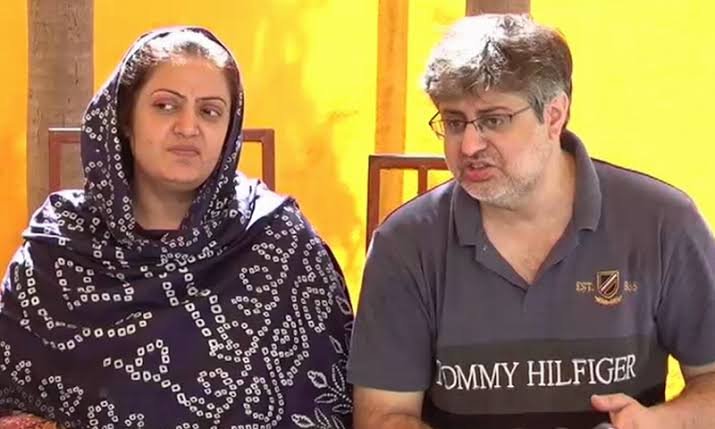
    Mehdi Kazmi and his wife will meet their daughter tomorrow (Thursday) at the Child Protection Centre on the orders of Sindh High Court (SHC).

    “Finally after six months on directions of Hon’ SHC Mehdi Kazmi & his wife will meet with their daughter tomorrow at the Child Protection Centre & Sec Health has been directed to appoint two Mental Health Experts to evaluate the child for any trauma and mental state,” lawyer Jibran Nasir wrote in a tweet.

    Their 15-year-old daughter was allegedly kidnapped from Karachi. She married Zaheer Ahmed in Lahore. The court had earlier sent the girl to a shelter home following her recovery from Punjab.

  • 24th man charged in sexual abuse case

    Detectives investigating allegations of historic child sexual abuse in Bradford have charged another man, bringing the total number to 24.

    The man named Omar Taj, 35, has been charged with the rape of a child. He appeared at Bradford Magistrates Court on Friday, 7 October.

    Twenty-three men have already appeared in court to face charges relating to the same victim. The alleged offences happened in the Bradford area between 2007 and 2011.

    The offences, including rape and child prostitution, are said to have taken place between 2007 and 2011 and involve one victim.

  • Pakistani speed cameras: How do they work?

    Pakistani speed cameras: How do they work?

    Rough driving and overspeeding are major causes of fatalities and serious accidents on the road. According to the Pakistan Bureau of Statistics (PBS), 12,894 vehicles were involved in roughly 9,701 traffic incidents between 2019 and 2020.

    About 12,317 individuals were injured in these accidents, while 5,436 people lost their lives.

    Speed cameras are frequently installed in locations known for having frequent accidents as a means of minimising speed-related injuries and fatalities.

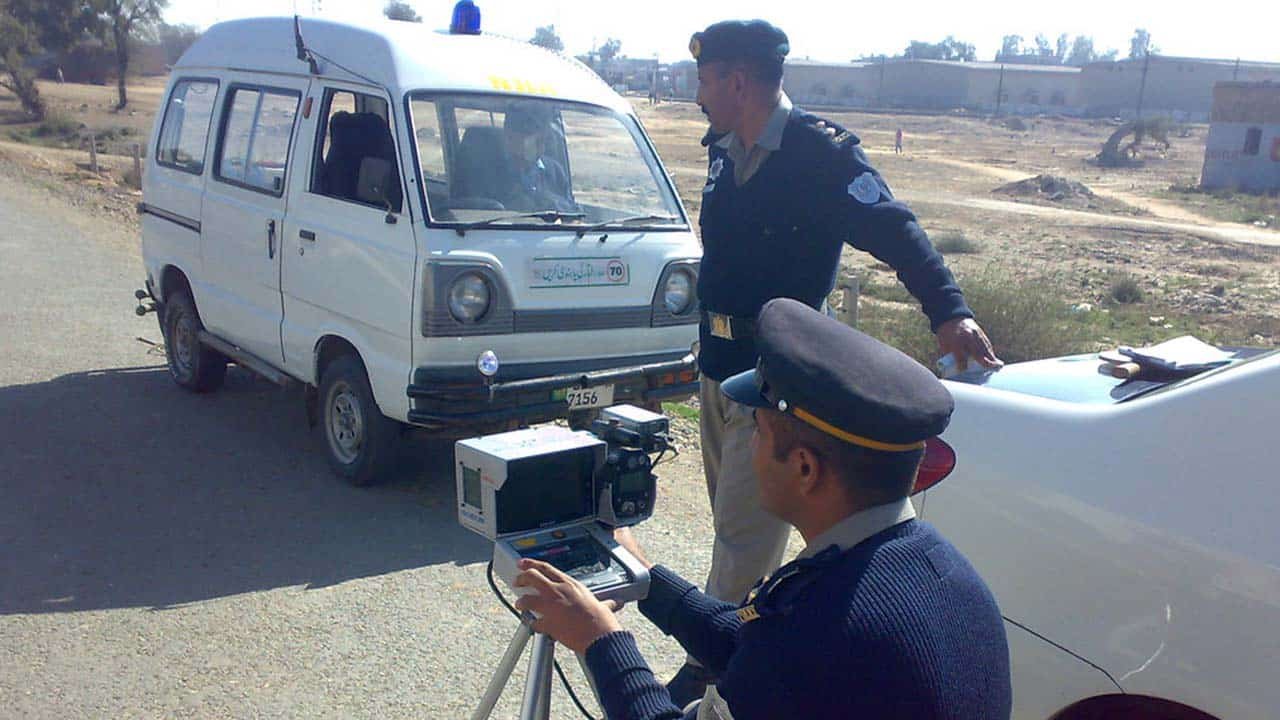
    Drivers can be caught in perfect detail up to one kilometre away using the speed camera technology of today.

    However, most of cameras employ road markings to calculate your speed and track the distance travelled over time. The average speed over a range of 75 metres to 20 kilometres can be determined by SPECS average speed cameras. They appear one after the other on highways spaced at least 200 metres apart.

    Long Rangers are high-tech cameras that can record images and videos of vehicles up to one kilometre distant.

    We all think that anyone exceeding the 120 km/h set speed limit for cars or light transport vehicles (LTV) on the highway will be issued an overspeeding challan. Motorway police won’t stop you if you are travelling at speeds of 120 to 130 km/h, or sometimes 131 km/h. However, if you are inside the range of a speed camera, you will be pulled over for overspeeding as soon as you reach 132 km/h.

    Motorway speed guns can measure speed from a distance of 95 to 100 feet. But don’t assume you can dodge them just because you caught a distant view of the speed gun. Your speed is already on record. This reality is mostly due to the fact that speed traps are frequently placed on highways near sharp curves, leaving you with little time to take evasive action.

    Near Teriyaki, Chakkri, and Salt Range are the three locations with the most speed cameras. The bulk of citations are given in the salt range for exceeding the 50 km/h speed limit.

  • Which famous Hollywood celeb just posted a Pakistani meme?

    Which famous Hollywood celeb just posted a Pakistani meme?

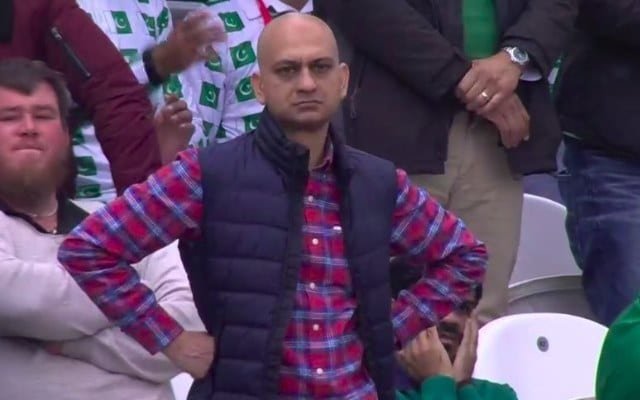
    Chrissy Teigen,  American model and television personality has shared this famous Pakistani meme on her Instagram story. She shared famous Pakistani disappointed meme along with the caption, “The spiders in my house watching me put spider decorations after killing their brother.”

    The disappointed Pakistani cricket fan Sarim Akhtar’s meme has also been featured in Hong Kong’s Museum of Memes.

    His ‘disappointed face’ after Asif Ali dropped David Warner’s catch in Pakistan vs Australia became a meme, and it was widely shared by social media users.