Category: Lifestyle

The lifestyle of millennials is underreported in our mainstream media. The Current’s lifestyle news covers social events and issues that are unique.

  • How many Afghans have left Pakistan till now?

    How many Afghans have left Pakistan till now?

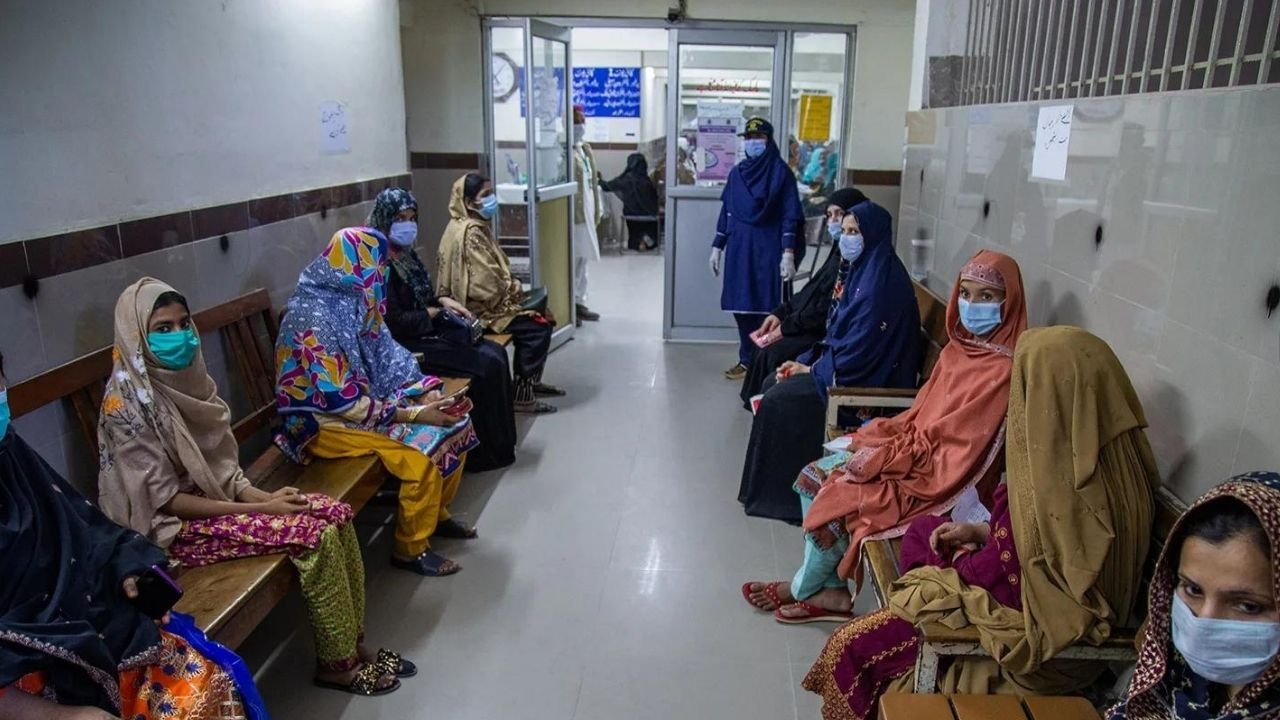
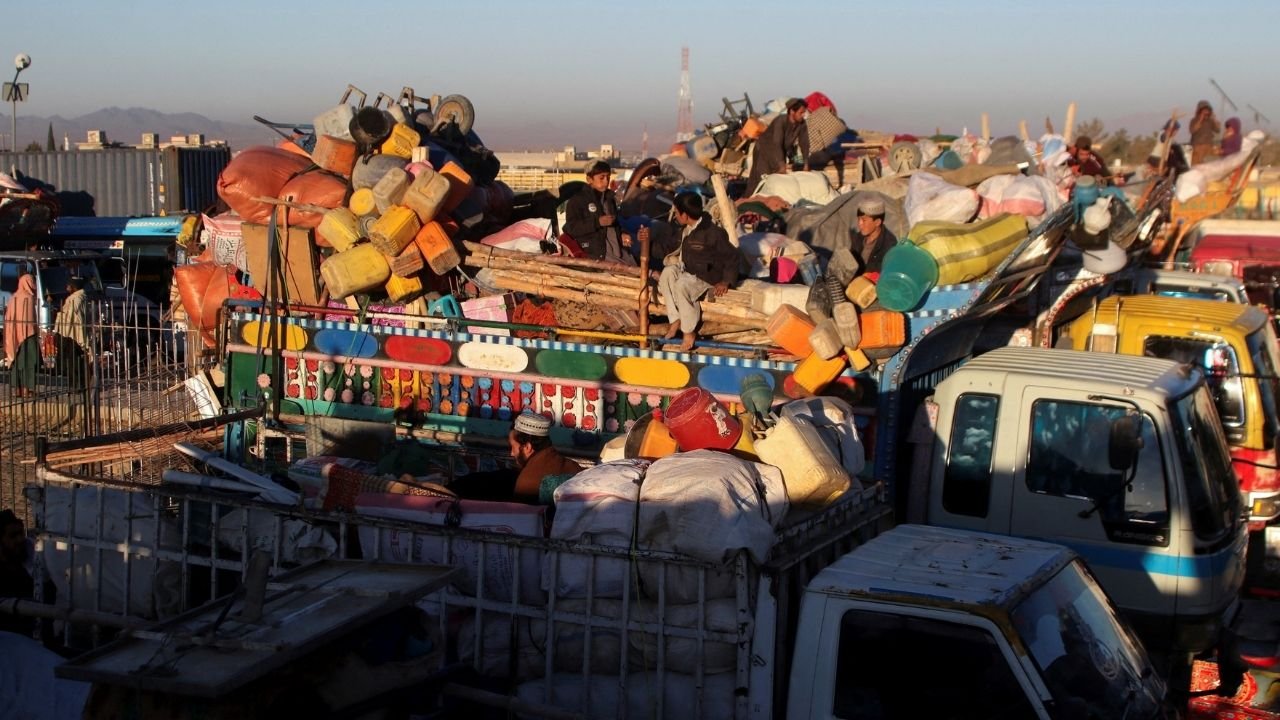
    The repatriation of illegal Afghans is under way. As of July 3, 2024, a total of 637,427 illegal Afghans have returned from Pakistan.

    Between June 1 and July 3 alone, 7,345 men, 4,732 women, and 4,369 children returned, with 432 families repatriated using 496 vehicles.

    Aaj News reports that a significant number of illegal Afghans chose to return to Afghanistan from Pakistan to avoid arrest even before the federal government’s announcement of expelling illegal foreigners.

  • Petrol pumps going on nationwide strike from July 5

    Petrol pumps going on nationwide strike from July 5

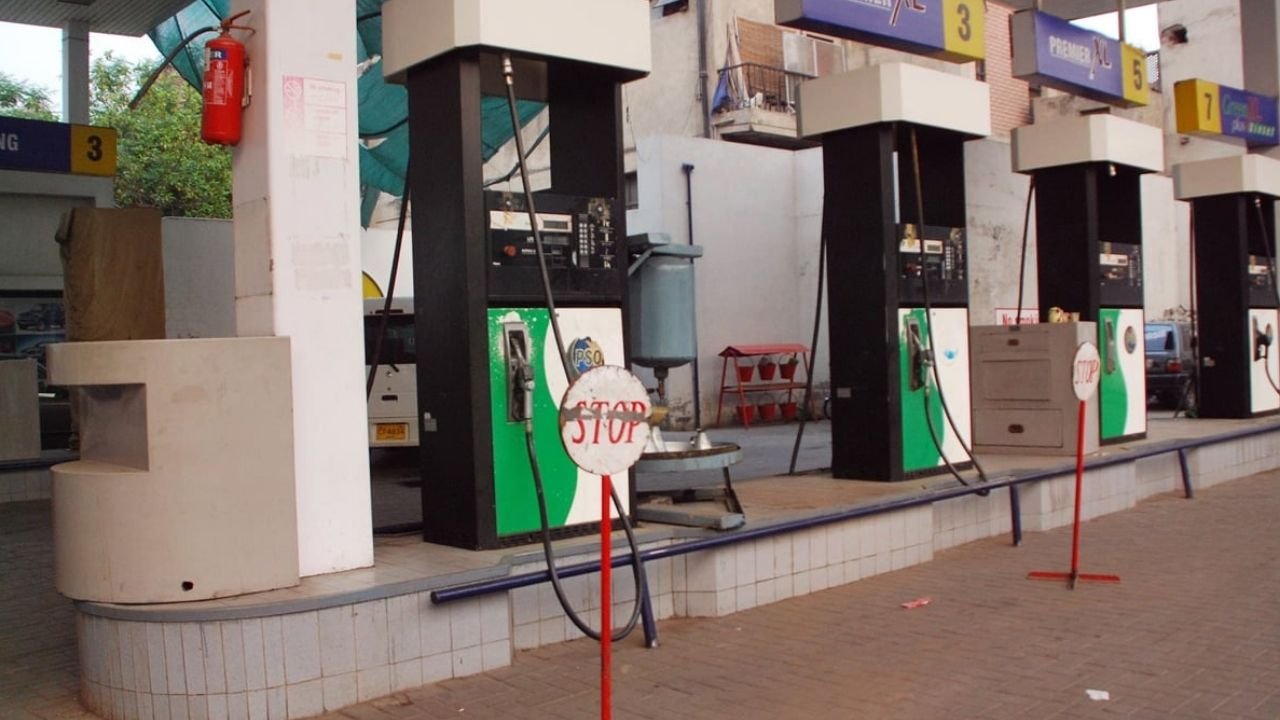
    The Pakistan Petroleum Dealers Association has decided to close petrol pumps across the country starting from 6 am on Friday, July 5.

    The strike was announced after negotiations between the Association and the government fell apart.

    A delegation from the Pakistan Petroleum Dealers Association held meetings with the Finance Minister, Chairman of FBR, and Chairman of OGRA.

    Abdul Sami Khan, President of the Petroleum Dealers Association, stated that the strike may last for more than one day, according to an Aaj News report.

    People have been advised to keep petrol tanks filled until July 4, as pumps across the country will begin to run dry tomorrow night.

    He also mentioned that negotiations will not resume until the government reverses its decision. Fourteen thousand dealers across the country will shut down their pumps starting July 5.

    On the other hand, the Pakistan Oil Tankers Association has declared that it will not be part of the strike.

    Shams Shahwani, Chairman of the Oil Tankers Association, stated that petrol and diesel supplies will continue uninterrupted throughout the country. He believes that given the current circumstances, stopping the supply is not an option, and he wants to prevent inconvenience to customers.

  • Candidate who failed matriculation in 1988 passes in 2024

    Candidate who failed matriculation in 1988 passes in 2024

    In a startling revelation, a candidate who reportedly failed matriculation exams back in 1988 managed to obtain a passing result in 2024, raising questions on the integrity of educational records and administrative oversight.

    The candidate, originally from Karachi, appeared in matriculation board’s records from 1988 to have failed the exam. However, documents show that the same individual was later issued a degree, indicating a successful completion.

    According to official records, degrees were issued to students who had previously failed under the signature of Secretary Matric, Naveed Gujjar.

    In response to inquiries, he stated that a fake certificate of matriculation was issued to the candidate and that he has nothing to do with it.

  • Girl 6, brother 2, raped and killed in Karachi

    Girl 6, brother 2, raped and killed in Karachi

    The bodies of a six-year-old girl and her two-year-old brother were recovered, along with their mother’s, from a drain near their home in Mauripur, Karachi.

    The children were subjected to sexual assault before being killed, an investigation into the matter has revealed.

    The bodies of the missing 25-year-old woman, her six-year-old daughter and two-year-old son were found in a drain close to their home in Sher Muhammad Village, Mauripur, on Saturday, June 29.

    The father of the children, the complainant, told the police that his wife and two children went out of the home to meet Mehran Bibi for ‘religious and spiritual treatment’ on June 28 but disappeared for more than 24 hours and were found dead inside a drain.

    Dawn’s Imtiaz Ali reported that Police Surgeon Summaiya Syed, after a post-mortem examination, ‘confirmed’ that both the minor girl and her brother were raped, adding that the girl was subjected to a ‘brutal’ sexual assault.

    She also asserted that they had not ruled out the possibility of the mother being raped till the receipt of chemical reports, etc.

    The police surgeon also ensured that it was not a natural death, but the exact cause of death had been reserved till receipt of reports.

    However, DIG South Syed Asad Raza told Dawn that the case had been registered even though it appeared that the woman’s husband was not ‘interested’ in pursuing the murder case of his wife and children seriously.

    He seemed ‘aware’ of something but was hiding it from the investigators. Thus, the police were interrogating him, his cousin and other relatives to get clues about the real culprits but so far, no one has been formally arrested.

  • Meta to end ban on word ‘Shaheed’

    Meta to end ban on word ‘Shaheed’

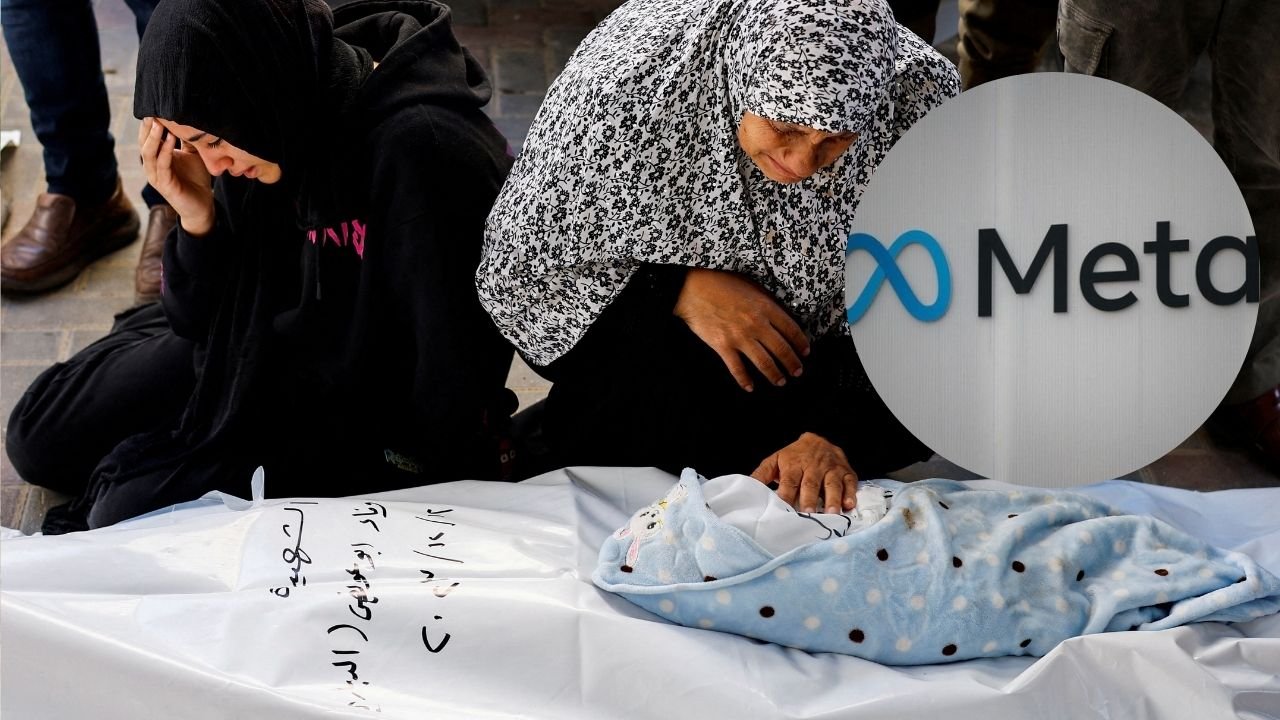
    Meta Platforms have announced that they will lift its blanket ban on the word shaheed after a year-long review by its oversight board. The social media giant found out that its approach was “overboard”.

    Meta, the parent company of Facebook and Instagram, has been criticised for years over its handling of content involving the Middle East. A 2021 study Meta itself commissioned said that its appr­oach had an “adverse human rights impact” on Palest­inians and other Arabic-speaking users of its services.

    Those criticisms have escalated since October 7.

    Meta funded the oversight board, but it works independently. It started its review last year because the word accounted for more content removals on the company’s platforms than any other single word or phrase.

  • Pakistan records 2.5 million deliberate abortions annually

    Pakistan records 2.5 million deliberate abortions annually

    The federal government has established targets to reduce population growth as part of its five-year plan. According to sources, the goal is to decrease the annual population growth rate to 1.1 percent by 2030.

    Sources within the Ministry of Planning indicate that the population growth rate was 2.55 percent according to the 2023 census. The new target aims to lower the total fertility rate to 2.2 percent by 2030.

    In the fiscal year 2024, the total fertility rate was reported at 3.32 percent, as stated by Ministry of Planning sources.

    Additionally, Ministry of Planning sources report that the adoption rate of modern contraceptive methods was 39.36 percent in fiscal year 2024. The target is to increase this rate to 60 percent by 2030.

    It’s reported that 2.5 million intentional abortions in Pakistan annually result from the lack of adoption of modern contraceptive methods.

    According to the 2023 census, Pakistan’s population reached 24,149,000. The Prime Minister approved the Ministry of Planning’s plan during the NEC meeting.

  • Slow art: the master illuminator of Tehran

    Slow art: the master illuminator of Tehran

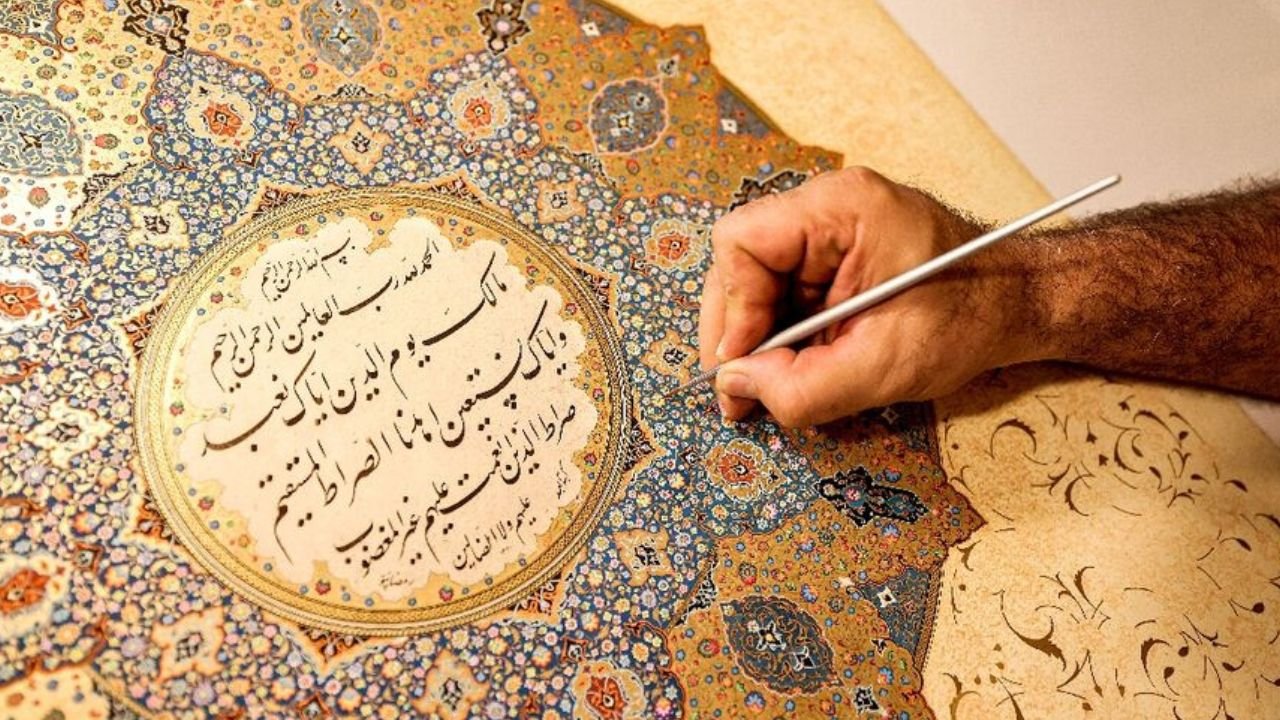
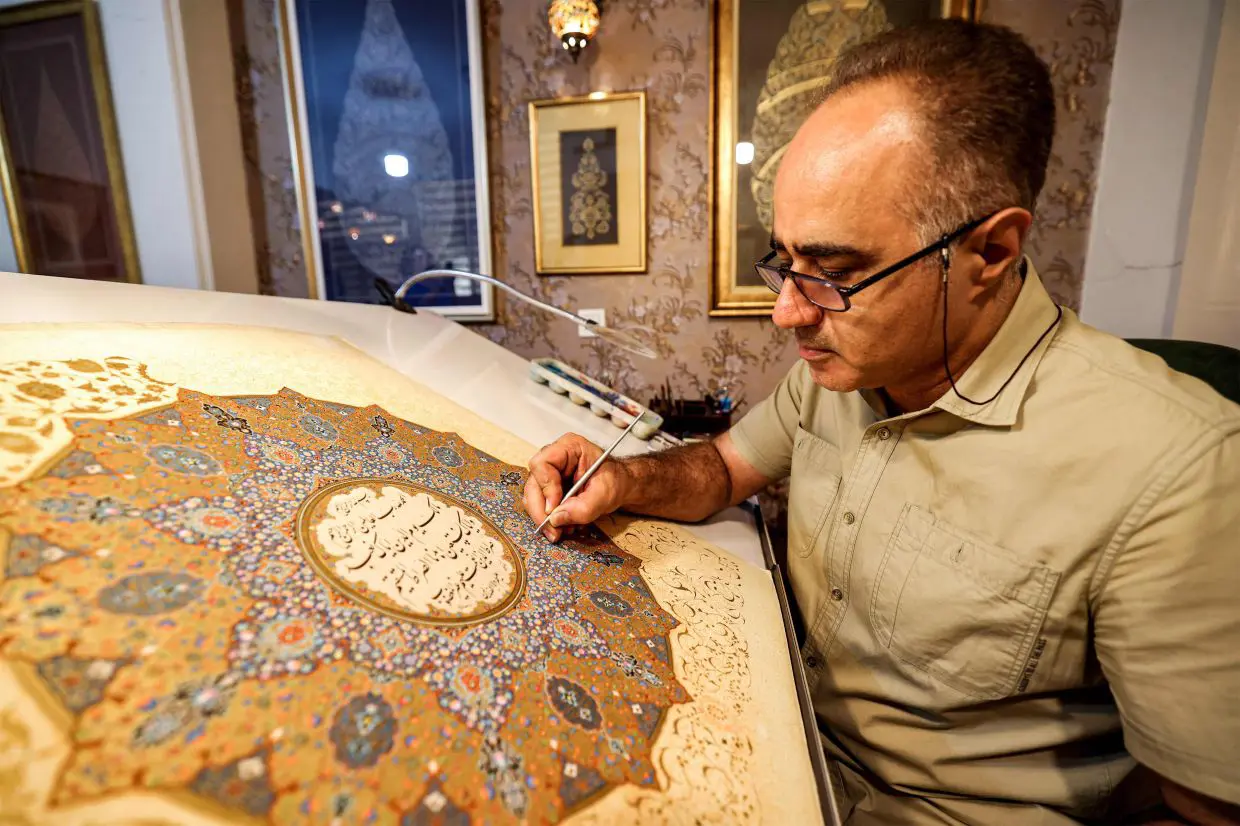
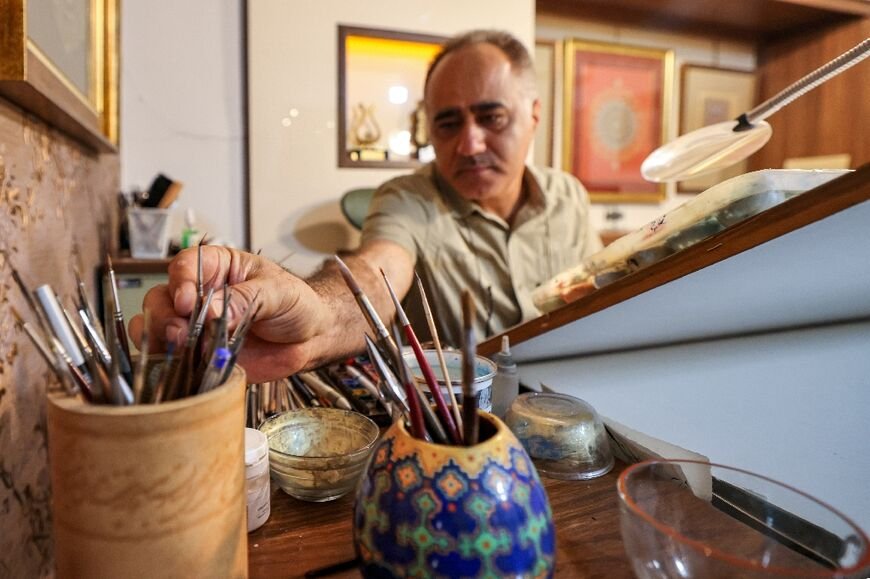
    Iranian artist Mohammad Hossein Aghamiri sometimes labours for six months on a single design, very carefully — he knows a single crooked line could ruin his entire artwork.

    In the age of AI-assisted graphic design on computer screens, the centuries-old tradition of Persian illumination offers an antidote to rushing the creative process.

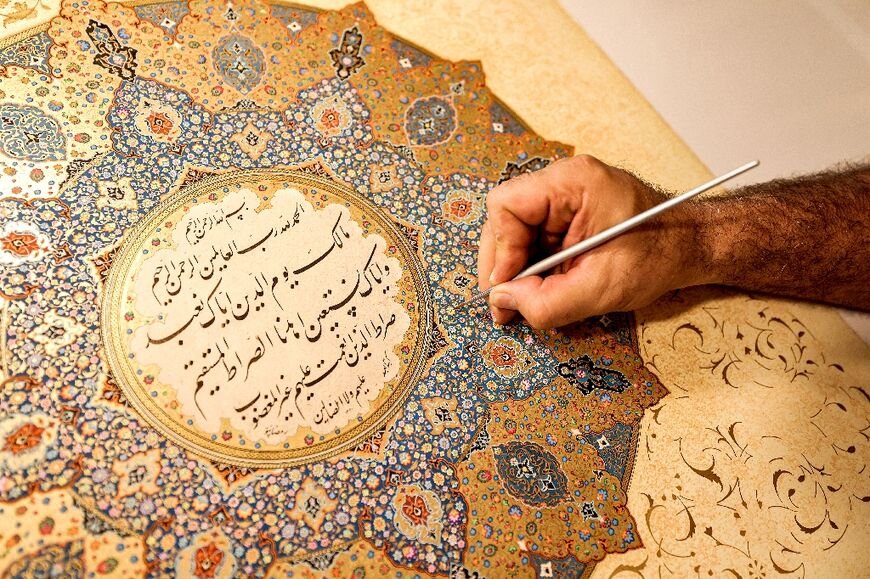
    Aghamiri’s fine brush moves natural pigments onto the paper with deliberate precision as he creates intricate floral patterns, religious motifs and elegantly flowing calligraphy.

    The exquisite artwork has for centuries embellished literary manuscripts, religious texts and royal edicts as well as many business contracts and marriage certificates.

    Aghamiri, 51, is one of Iran’s dozen or so remaining masters of the ancient illumination art of Tazhib, which was inscribed last year on UNESCO’s list of intangible heritage.

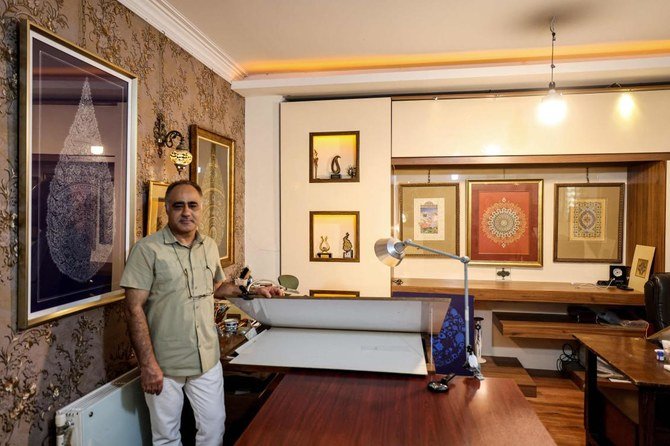
    “It is a very unique job that requires a lot of patience and precision,” Aghamiri, a veteran of the craft with over 30 years’ experience, told AFP in his downtown Tehran studio.

    “It’s not accessible to everyone.”

    Tazhib’s non-figurative and geometric flourishes have traditionally adorned the margins of holy books and epic poems.

    The artform dates back to the Sassanid era in pre-Islamic Iran but flourished after the seventh century advent of Islam, which banned human depictions.

    Aghamiri says it often takes him months to finish one design and that a single misplaced stroke that disrupts its symmetrical harmony can force him to start over.

    – Global workshops online –

    When AFP visited, he was working on a so-called shamsa design, a symbolic representation of the sun, about 50 centimetres across with intertwined abstract, geometric and floral patterns.

    He said he started the piece over four months ago and aimed to finish it within six weeks, using natural pigments such as lapis lazuli, saffron, gouache and pure gold, from China.

    “Gold has a very strong visual appeal,” said Aghamiri. “It’s expensive and it enhances the perceived value of the work.”

    Aghamiri hails from a family of artists and artisans with a rich history in Iranian craft traditions including calligraphy, miniature painting and carpet design.

    His work has been showcased in museums in Iran and in nearby Arab countries of the Gulf region where interest in Oriental and Islamic art continues to grow.

    “Eighty percent of my works are sold in the region, especially in the Emirates and Qatar” as well as in Turkey, he said.

    In recent years, Aghamiri garnered interest abroad and even began teaching the ancient art online to students from across the world, notably the United States.

    Soon, he also hopes to hold workshops in Britain for his craft, which he says is fundamentally different from European illumination art, which flourished in the Middle Ages.

    European designs, he said, are more figurative and can depict human faces, animals and landscapes, and often illustrate biblical scenes.

    UNESCO labelled the Persian art of illumination as part of the Intangible Cultural Heritage of Humanity in December 2023, at the request of Iran as well as Turkey, Azerbaijan and Uzbekistan.

    “Twenty years ago, I didn’t have much hope” for the future of Persian illumination, said Aghamiri. “But things have changed, and I see that this art is becoming more and more popular.”
  • Heavy taxes imposed on makeup and toiletries

    Heavy taxes imposed on makeup and toiletries

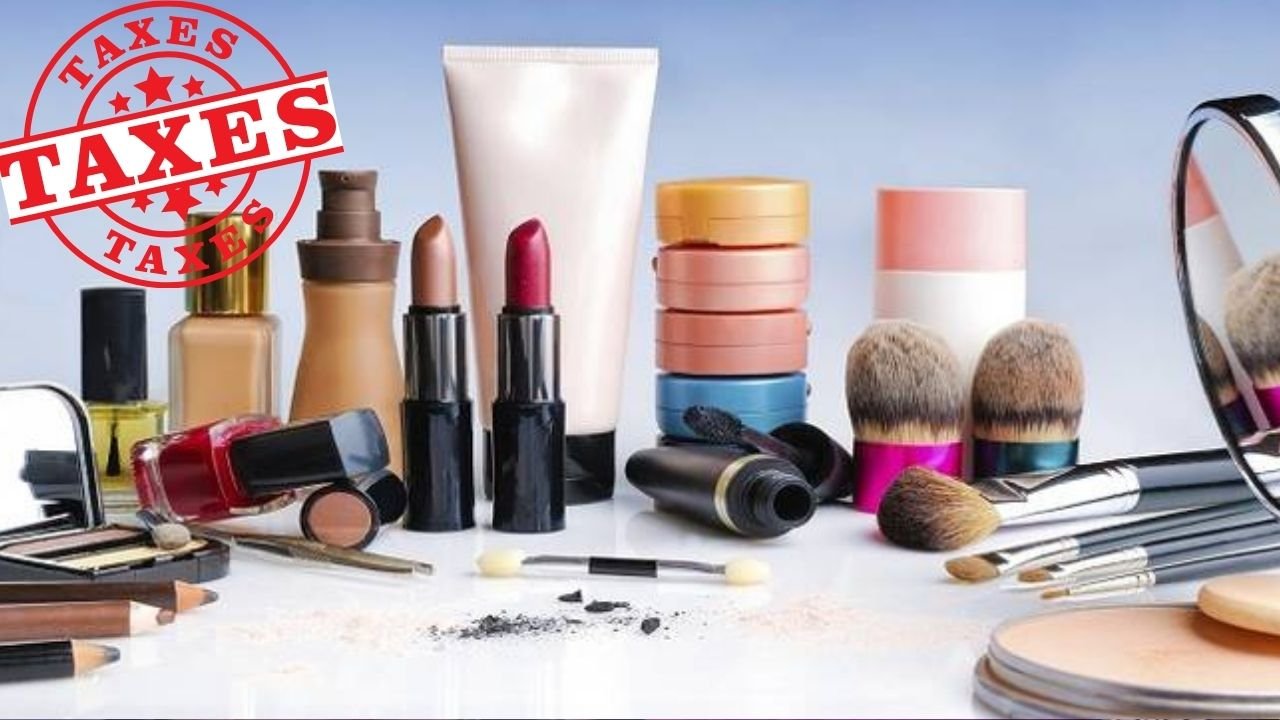
    Imported products used in make-up, skin and hair care have come under regulatory duty, after which these products have become more expensive by upto 55 percent, reports Geo.

    Budget for the year 2024-25 has imposed heavy taxes on imported milk, fruits, honey, apples, cherries, figs, mangoes making them 20 to 45 percent more expensive while the government increased regulatory duty from 5 to 55 percent on several other products.

    Apples and lychees 45 percent, imported cherries and frozen fish 35 percent, corn and natural honey 30 percent, imported milk, milk cream, dates, figs, pineapples, guavas and pomegranates are also subject to 25 percent regulatory duty. Curd, butter and fruits also became expensive after the implementation of 20 percent regulatory duty.

    50 percent regulatory duty has been imposed on imported shaving cream and soap, 45 percent on imported jewelry, 10 percent on imported overcoats, caps, jackets, trousers, skirts and shorts for men and women.

    Regulatory duties on waterproof leather shoes, wash basins, bathtubs and imported commodes have also been increased.

  • Was the ‘Khalil Ur Rehman Qamar viral clash’ set up by Samaa or the real thing?

    Was the ‘Khalil Ur Rehman Qamar viral clash’ set up by Samaa or the real thing?

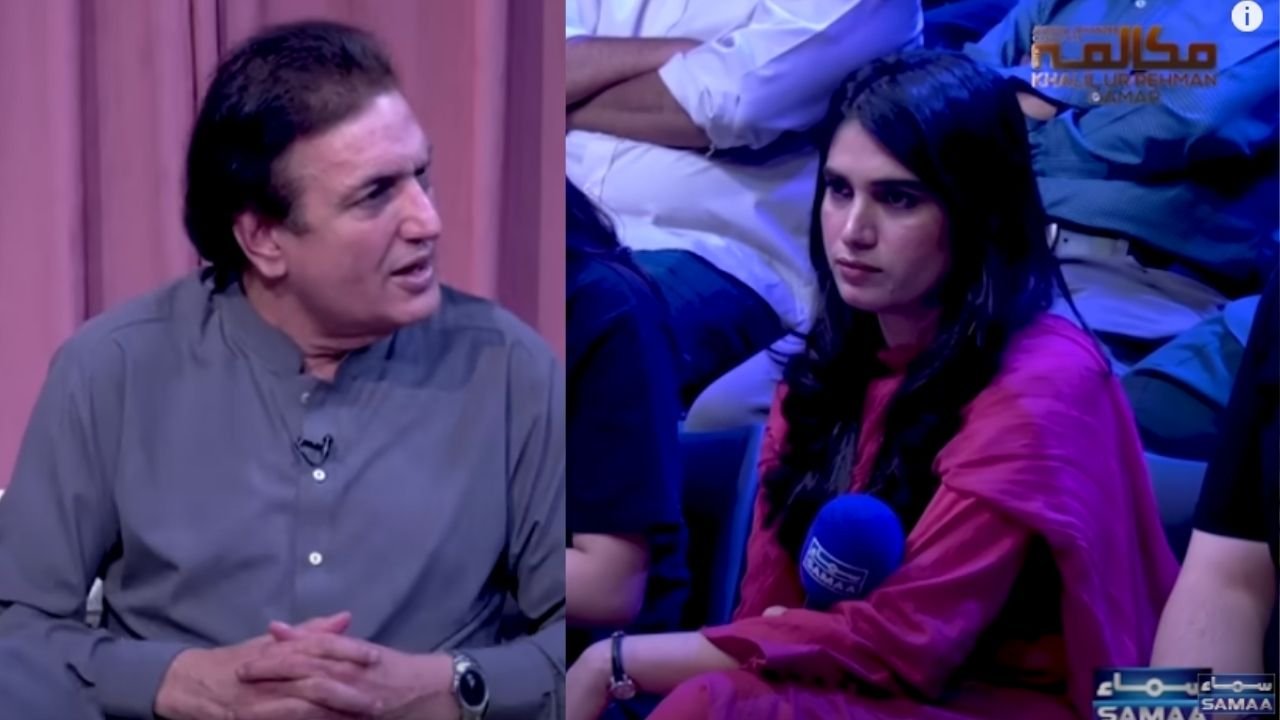
    Pakistani controversial screenwriter Khalil ul Rehman Qamar recently made headlines with his outburst at a woman in Samaa TV’s show Mukalma

    .
    The woman in the viral clip, Azba Abdullah, who was seen countering Sahil and Qamar, garnered praise from all over the social media. She posted a video of herself explaining that the debate was entirely impersonal and questions will be raised if anyone says something against women such as calling them ‘jahil’.

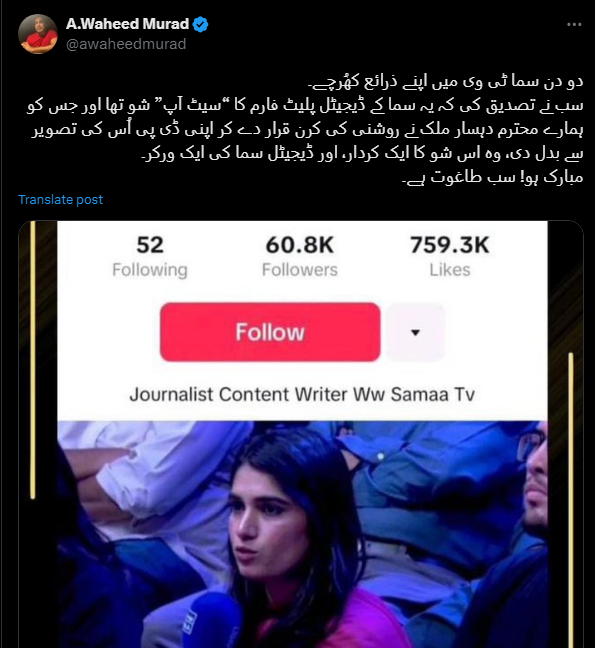
    The statement prompted people to speculate whether the show was staged. Journalist Abdul Waheed Murad tweeted on X (formerly Twitter), claiming that the show was a “setup” and the woman was a worker at Samaa.

    However, an inside source told The Current that the woman is indeed an employ of the channel but she sat down on the show as audience numbers were thin. The argument that transpired between the three of them was extemporaneous. The source claimed that nothing was staged.

    In the recent viral footage Sahil Adeem claimed that 95 percent of women in Pakistan are uneducated, causing an uproar among the audience.“If you have called girls ‘Jahil,’ you should apologize or show me where the Quran says to use this word for those who don’t know certain things,” Azba said angrily. In response, Sahil shared Arabic verses, which angered the girl. Her reaction to the use of Arabic upset Khalil ul Rehman Qamar, leading to a heated argument between him and the girl.

  • New tourist ‘glass train’ to soon run between Rawalpindi, Murree

    New tourist ‘glass train’ to soon run between Rawalpindi, Murree

    Punjab Chief Minister Maryam Nawaz Sharif has given the green light to a tourist ‘glass train’ project connecting Rawalpindi and Murree, aimed at boosting tourism in the region.

    The approval came during a meeting chaired by the Chief Minister in Murree.

    The government plans to enlist international consultants for the execution of the glass train project.

    The chief minister sanctioned several other development and beautification projects for Murree.

    A decision was also made to demolish high-rise hotels that block out the natural scenery along Mall Road Rawalpindi.

    The construction and extension of the old Rawalpindi-Murree-Kashmir Road was also approved.

    Moreover, the government has committed to removing hotels around GPO Chowk and restoring historical buildings.