Category: Lifestyle

The lifestyle of millennials is underreported in our mainstream media. The Current’s lifestyle news covers social events and issues that are unique.

  • TikToker Ayesha pardons all suspects in Minar-i-Pakistan assault case

    TikToker Ayesha pardons all suspects in Minar-i-Pakistan assault case

    TikToker Ayesha Akram, the victim in the 2021 Minar-i-Pakistan assault case, has pardoned all suspects charged with assaulting her.

    The victim appeared before the court on June 3 and submitted an affidavit in which she said she did not wish to pursue the case further as she had forgiven “all her suspects for the sake of Allah and his Holy Prophet (PBUH)”.

    The female TikTok added that she had “no objection” to the suspects’ acquittal and wanted to record the statement “of her own consent and without any fear or threat.”

    The official order was issued by Additional Sessions Judge Gul Abbas on June 25.

    Case history

    In August 2021, a video of a woman being sexually assaulted by a large group of men at Minar-e-Pakistan in Lahore on 14 August, Pakistan’s Independence Day, went viral on social media.

    Sections 354-A (assault or use of criminal force against a woman and stripping her of her clothes), 382 (theft after preparation made for causing death, hurt or restraint in order to commit the robbery), 147 (rioting) and 149 (unlawful assembly) of the Pakistan Penal Code (PPC) had been included in the FIR. The case was in the court since then and many accused had been acquitted in multiple hearings over the years.

  • Man sentenced to life for abduction, marital rape of minor wife

    Man sentenced to life for abduction, marital rape of minor wife

    A local court in Shangla has convicted a person for the abduction and ‘marital rape’ of his minor wife and sentenced him to life imprisonment, and imposed a fine of Rs300,000 on him.

    Dawn’s Umar Bacha, in his report, states that the judge convicted the accused on two counts and sentenced him under section 365-b (kidnapping) of the Pakistan Penal Code to life imprisonment with a fine of Rs100,000 and to 25 years imprisonment with a fine of Rs200,000 under section 376 (rape) of PPC.

    The court acquitted seven of the convict’s family members due to a lack of evidence. 

    The lawyer appearing for the convict said that the victim was his client’s legal wife, and hence, he committed no offence.

    However, the judge, in his judgement, observed that a close and critical reading of section 375 PPC, defining the offence of rape, made no exception to marriage.

    “If the allegation of rape in marriage is ignored, yet another question is the victim’s juvenility. The victim, being just above 16 years of age, is still covered in the definition of ‘child,’ being under 18 years of age,” the verdict read. 

    The victim’s mother in the FIR stated that her husband died around ten years ago, and around two years ago, she arranged the Nikkah of her daughter (the victim) with the accused, but Rukhsati was yet to take place.

    She had put a demand to the family of the accused to arrange separate accommodation for her daughter before formal marriage, but they declined. She alleged that on the night of the incident, the accused, along with his father and four other relatives, barged into their house and forcibly took away the victim while the complainant, her son and another daughter were beaten and tied.

    In the beginning, FIR was registered for abducting the girl, but eventually, when she was recovered by police, different provisions of PPC and Khyber Pakhtunkhwa Child Protection and Welfare Act, dealing with sexual assaults and sexual abuse, were also included in it.

    The girl, upon her recovery after four days, said in a statement that she was assaulted during captivity, and her medical examination also confirmed that she was subjected to sexual assault.

    The court eventually found the accused guilty of the offence of the abduction of the victim and having sex without her consent.

    Even though the lawyer Mian Safeer said it was the first-ever conviction in a case of ‘marital rape’ after amendments in 2021 but a man in Karachi was sentenced to three years in jail after he was found guilty of having non-consensual sex with his wife earlier in the year on January 20. 

    Read More: First ever conviction on Marital Rape opening new doors of discussion: A religious and legal context


  • Christian youth awarded death sentence for ‘sparking’ Jaranwala riots

    Christian youth awarded death sentence for ‘sparking’ Jaranwala riots

    Sahiwal’s Anti-terrorism Court (ATC) has awarded the death sentence to a Christian man who allegedly circulated a social media post that led to riots in Jaranwala last year, reports Dawn.

    Judge Ziaullah Khan sentenced the young man to 22 years in prison and imp­osed a fine of Rs1 million. The final judgment said he was awarded the death sentence and a fine of Rs500,000 under Section 295(C), ten years rigorous imprisonment under Sec­tion 295(A), seven years under the Prevention of Electronic Crimes Act, and five years and Rs500,000 fine under 7(1) (G)-ATA.

    The Punjab police claimed last year that around 135 miscreants had been booked for the attacks, but according to Advo­cate Akmal Bhatti, only 12 people are currently facing trials in the court.

    However, the convict was accused of sharing a social media post which allegedly contained blasphemous content.

    He was picked up by police on intelligence reports three days after the riots.

    Complainant Amir Farooq, who is now SHO at the Ghala Mandi police, told Dawn that while the man in question did not produce the blasphemous content, he did share it on TikTok, where it went viral.

    Background

    In March, Faisalabad ATC had acquitted two Christian brothers who were ‘framed’ for desecration after a police probe revealed that the two had been implicated in a blasphemy case over a personal enmity.

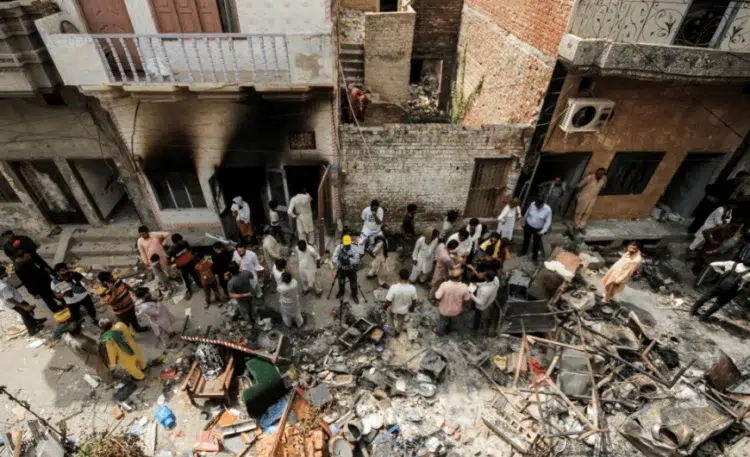
    Dozens of Christian homes and around 20 chu­rches were vandalised and ransacked by mobs in Jaran­wala following allegations that a copy of the Holy Quran had been desecrated.

  • BJP leader caught on camera threatening to slaughter ‘200,000 Muslims’

    BJP leader caught on camera threatening to slaughter ‘200,000 Muslims’

    Bhartiya Janata Party (BJP) member Karnell Singh was caught on camera threatening Muslims after an incident involving a cow’s head near a Hindu temple in New Delhi.

    In a viral video circulating online, Singh is seen issuing a chilling threat to “slaughter 200,000 Muslims” in the vicinity if the culprits are not arrested. He can be seen warning an officer that he (the officer) has 48 hours only to solve the issue, or else he “will hand a sword in the hands of Hindus”, and Muslims will not be spared.

    His comments have escalated tensions amidst communal sensitivities, drawing widespread condemnation from various quarters.

    The incident underscores ongoing communal tensions in India, where issues related to cows, considered sacred in Hinduism, often ignite debates and occasionally lead to violent riots.

  • K-Electric seeks increase in base electricity tariff by Rs.10

    K-Electric seeks increase in base electricity tariff by Rs.10

    K-Electric has requested National Electric Power Regulatory Authority (NEPRA) to increase the base electricity tariff in Karachi by Rs 10, taking it from Rs 33 to Rs 44.

    The request is part of K-Electric’s comprehensive investment plan, which includes establishing fourteen new grid stations and laying 550 kilometers of transmission lines in Karachi over the next seven years, reports Samaa.

    An online public hearing on K-Electric’s application was conducted by Nepra on Thursday in which it was laid out that a $2 billion investment strategy for improving the city’s electricity transmission, distribution, and supply system.

    During the hearing, K-Electric’s Director of Communication, Imran Rana assured NEPRA that the increase in the base tariff would not impact Karachi’s electricity consumers due to the uniform electricity rate policy implemented across the country.

    K-Electric emphasised that approving this tariff is crucial for maintaining a stable electricity supply and demand balance in the city.

  • Provinces intensify security protocols ahead of Muharram

    With Muharram approaching, security concerns loom large, exacerbated by recent terrorist activities across the country. Provincial governments have formulated plans to ensure peace.

    Punjab

    The Punjab Home Department has issued security guidelines that enforce Section 144 throughout the province. 502 locations have been identified as sensitive, with deployment of army and Rangers personnel at these sites.

    10,426 Muharram processions are scheduled across the province.

    The Punjab Interior Department has stipulated that processions and gatherings are permitted only along designated routes and locations.

    According to Punjab’s Interior Secretary, Noorul Amin Mengal, peace committees in each district are tasked with implementing all SOPs and monitoring assemblies and processions.

    Hate speech on social media is also strictly prohibited, and serious actions will be taken against violators; whereas unauthorized use of loudspeakers is also prohibited by law.

    Sindh

    The Sindh Home Department has also announced a province-wide curfew for the duration of Muharram.

    Starting from the first to the tenth of Muharram, a ban on motorcycle double riding has been imposed.

    Additionally, the display of weapons and the operation of drones are strictly prohibited.

  • UK PM ‘hurt’ after being called ‘f***ing Paki’

    UK PM ‘hurt’ after being called ‘f***ing Paki’

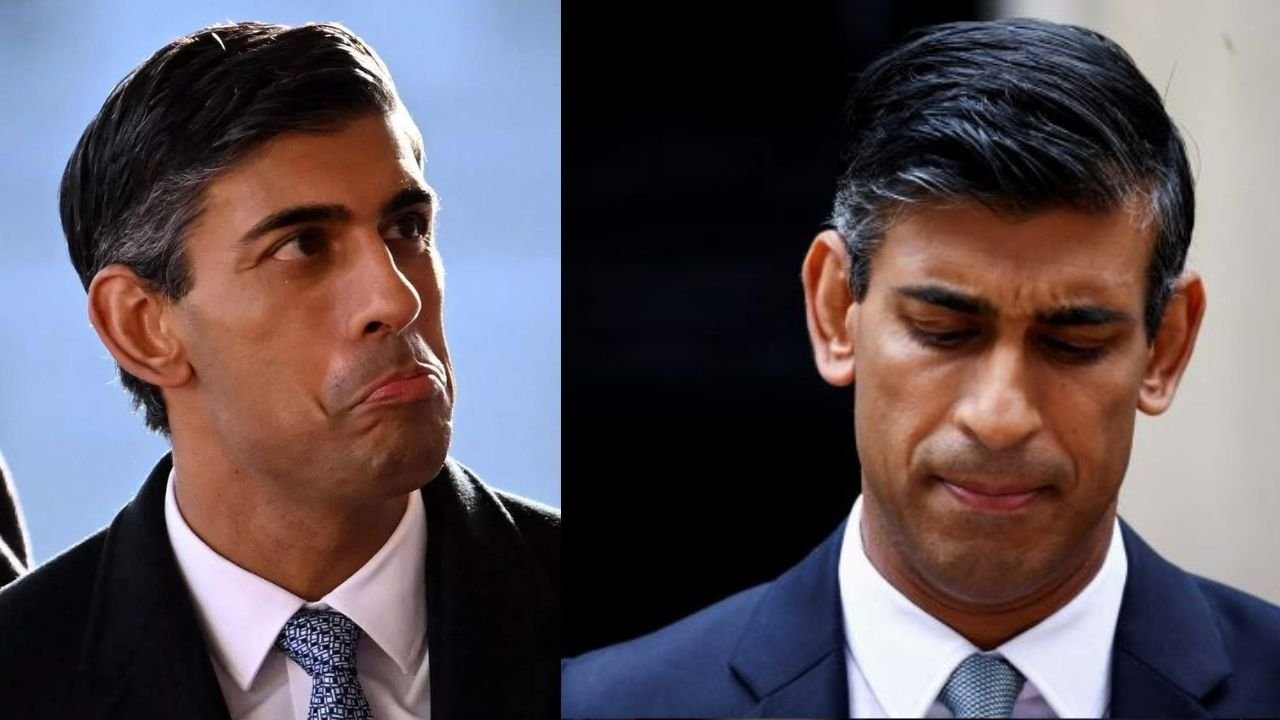
    United Kingdom Prime Minister Rishi Sunak said he was hurt and angry that a supporter of the right-wing Reform UK party passed a racial slur about him.

    Sunak, Britain’s first ethnic-minority prime minister, currently campaigning for the July 4 national election that his Conservative Party is tipped to lose after 14 years in power, was responding to the comments broadcast by a man identified as Andrew Parker, calling Sunak a “f***ing Paki” – a British racial slur for people of South Asian descent.

    “My two daughters have to see and hear Reform people who campaign for Nigel Farage calling me an effing Paki. It hurts and it makes me angry, and I think he has some questions to answer,” Sunak told reporters.

    “I don’t repeat those words lightly, I do so deliberately because this is too important not to call out clearly for what it is,” he added.

    Nigel Farage, the leader of right wing Reform party initially said he was dismayed by the language when the comments were first broadcast on Thursday. But on Friday he suggested, without providing evidence, that Parker was an actor involved in “a political setup” to undermine Reform during the election.
    Asked during a television debate when he would accept some responsibility, Farage said: “I am not going to apologise […] it is a setup, a deliberate attempt to smear us.”

  • Sindh Chief Minister is going to solarise govt institutions

    Sindh Chief Minister is going to solarise govt institutions

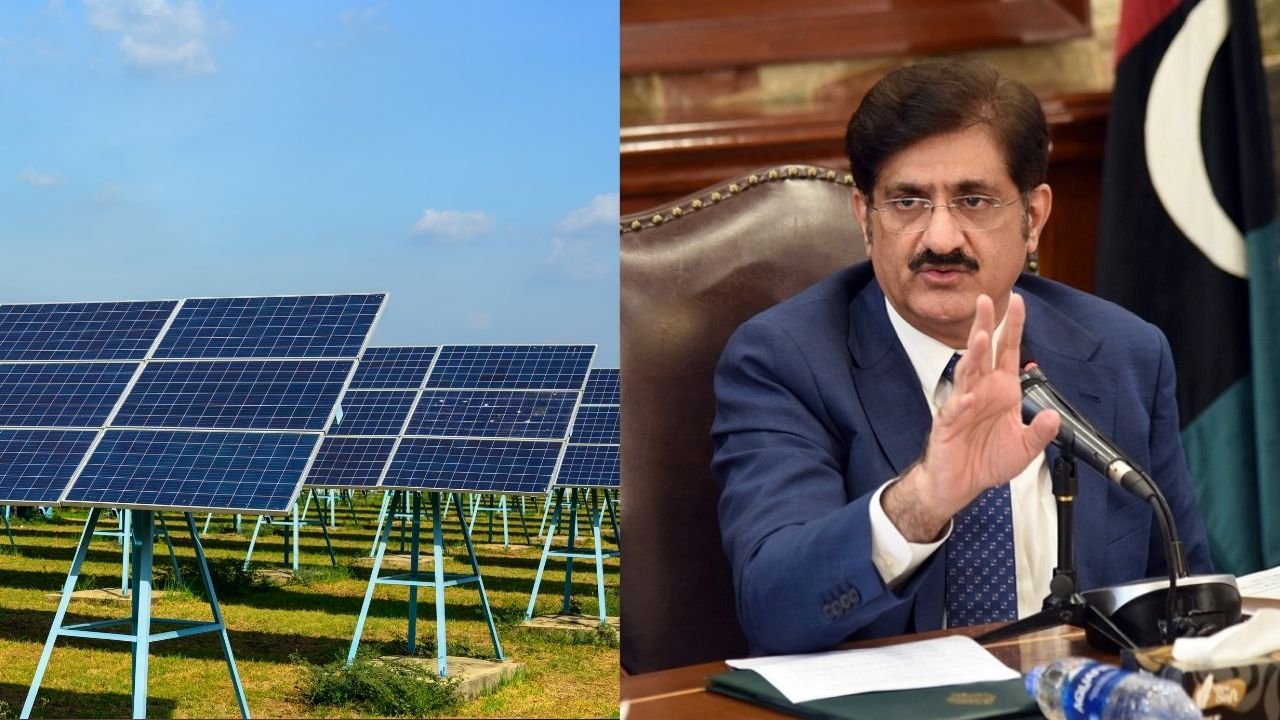
    Chief Minister Sindh Murad Ali Shah chaired a meeting on energy where he instructed the Energy Minister to initiate the process of solarising government institutions.

    According to a spokesperson, Shah emphasised that solarising government buildings would reduce electricity bills.

    Energy Minister Nasir Shah pledged to expedite solarisation efforts in the new financial year.

    The Chief Minister then ordered that electricity supply should be disconnected in government’s residential buildings where bills are not being paid.

    Additionally, he instructed officials to settle HESCO, SEPCO, and K Electric bills in August.

  • Japanese scientists make smiling robot with ‘living’ skin

    Japanese scientists make smiling robot with ‘living’ skin

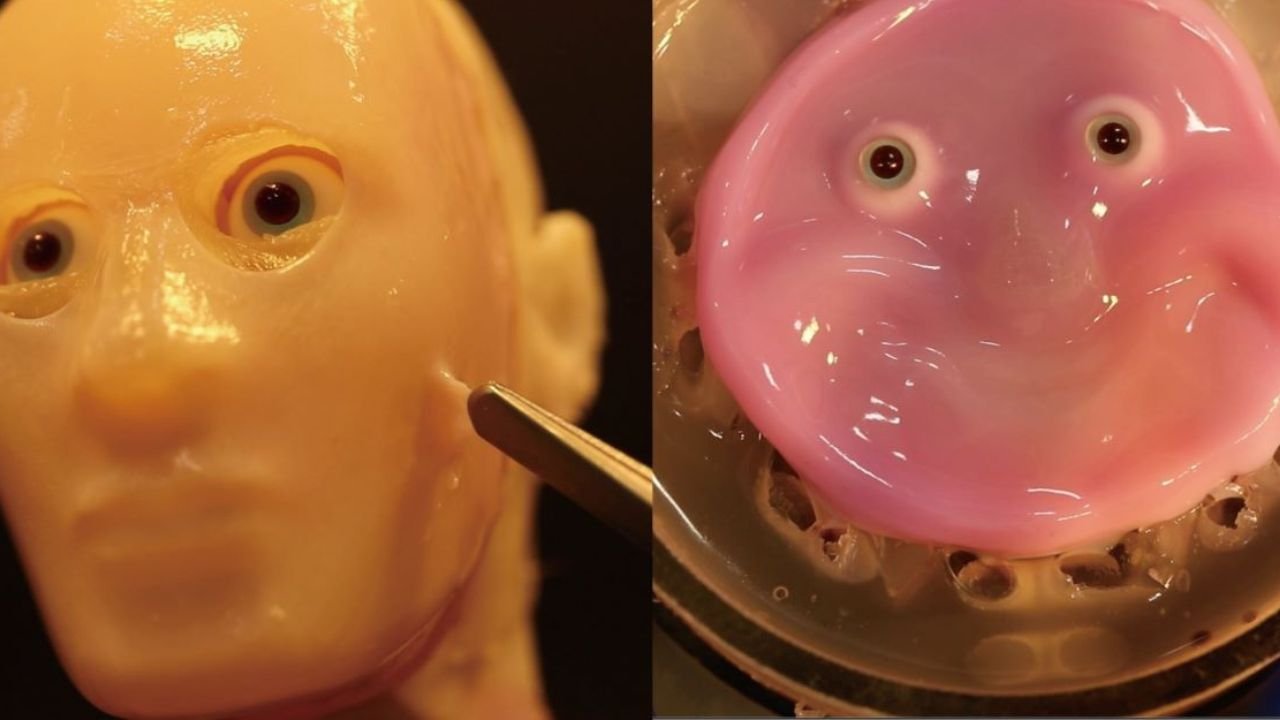
    Japanese scientists make smiling robot with ‘living’ skin have used human cells to develop an equivalent to living skin that can be attached to robotic surfaces to flash a realistic — if creepy — smile.

    The University of Tokyo researchers published their findings this week along with a video of the gooey-looking pink material being stretched into an unsettling grin.

    They used a “skin-forming cell-laden gel” to create a “robot covered with living skin”, their study in the journal Cell Reports Physical Science said.

    The biohybrid robot specialists hope the technology will one day play a role in the invention of androids with human-like appearances and abilities.

    “We also hope this will help shed better light on wrinkle formations and the physiology of facial expressions,” and help to develop transplant materials and cosmetics, the team led by Professor Shoji Takeuchi said.

    The new material could signal a departure from traditional humanoid robots covered with genuine-looking skin often made of silicone rubber, which cannot sweat or heal itself.

    The scientists’ goal is “to endow robots with the self-healing capabilities inherent in biological skin”, but they are not there yet. In previous studies, they grafted collagen onto a cut on lab-grown skin covering a robotic finger to demonstrate how it could be repaired.

    But they said conducting similar repair tests on their smiling robotic skin “is a future challenge”.

    To create what they described as a “natural smile” that moves fluidly, they gelatinised the skin-like tissue and fixed it inside the robot’s holes, a method inspired by real human skin ligaments.

  • Makkah, Madina to have shorter khutbas

    Makkah, Madina to have shorter khutbas

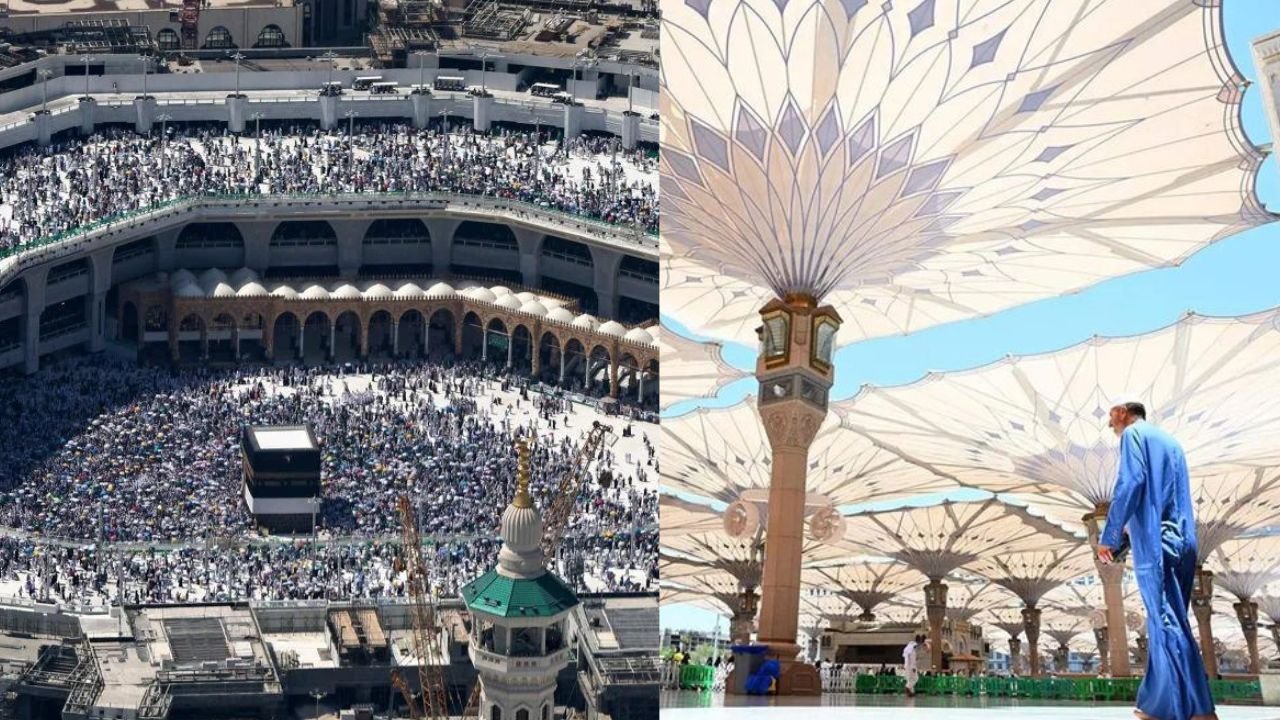
    Amidst an intense heat wave in Saudi Arabia, the Friday sermon (Khutbah-e-Jummah) and jummah time in Masjid al-Haram and Masjid an-Nabawi (PBUH) have been reduced.

    In the wake of intense heat, Friday sermons and prayers will be 15 minutes long only in Masjid al-Haram and Masjid Nabawi, while Friday sermons in the United Arab Emirates has also been limited to 10 minutes.

    Emirates authorities say that protecting human lives from extreme heat is a priority.

    The temperature in the desert areas of the Gulf country has reached 50 degrees Celsius in summer.