Category: Lifestyle

The lifestyle of millennials is underreported in our mainstream media. The Current’s lifestyle news covers social events and issues that are unique.

  • Russia’s Sputnik V to be available privately in Pakistan

    The first shipment of the Russian Sputnik-V has arrived in Pakistan becoming the first privately-imported vaccine available in the country. Pakistan is the 22nd country to approve the Sputnik V vaccine.

    “Sputnik has received EUA (emergency use authorisation),” Special Assistant to the Prime Minister on Health Services Dr Faisal Sultan said while talking about the vaccine.

    As per details, Sputnik V is to be administered in two shots, three weeks apart, has a six-month shelf life and is stored at -18 Celsius.

    While a price has not yet been announced, Dr Omer Chughtai of Chughtai Labs said the “government will hopefully decide and announce the price soon.”

    “We are in process of getting our vaccination centers registered,” he added.

    COVID-19 vaccination for seniors aged 70 and above began on March 10. According to the National Command Operation Center (NCOC) registered senior citizens aged 70 and above can get vaccinated from any health centre. Meanwhile, NCOC head Asad Umar on Wednesday announced that over 41 thousand people were vaccinated the previous day marking the highest daily vaccination rate.

    Pakistan launched its vaccination drive in early February with 500,000 doses of Sinopharm donated by longtime ally China, giving shots to frontline health workers as a priority.

  • HR ministry directs Lahore university to re-admit expelled students

    The Ministry of Human Rights (MoHR) has directed the University of Lahore to re-admit the expelled students, saying that the university “overreacted” on the matter.

    According to a report in Dawn, MoHR Parliamentary Secretary Lal Chand Malhi wrote a letter to the University of Lahore’s vice-chancellor, requesting him to re-admit the expelled students. The letter was reportedly written on March 16.

    The letter said that the university administration expelled the students without giving them the chance to explain themselves and that the university “overreacted” on the matter.

    Terming the university’s action as “moral policing,” the ministry said: “Both the girl and the boy did not commit such a heinous crime for which they were punished “severely and expelled from the university. This would destroy their career and future education opportunities.”

    “This kind of freedom[proposing] is outlined in Article 16 of the Universal Declaration of Human Rights to which Pakistan is party and also under the UN Covenant on Civil and Political Rights,” read the letter further.

    Background

    The University of Lahore expelled two students for publicly expressing their love and proposing on university grounds. In a video that went viral on social media, a girl could be seen getting down on one knee and asking her partner to marry him with a bouquet of roses. The proposal ended with the two hugging each other.

    According to a notification, dated March 12, the two students were expelled for “[being] involved in gross misconduct and violation of university rules and were called to appear before the special disciplinary committee [but] failed to appear.”

    Public Reaction

    The expulsion of the students in Lahore over a public proposal has created an uproar on social media with users criticising the university administration for the shallow-minded approach. Prominent personalities who criticised the university for its decision included Federal Minister Fawad Chaudhry, PPP’s Sharmila Faruqi, Shehzad Roy, Yasir Hussain and Shaniera Akram.

  • Sales to avail this Pakistan Day

    Sales to avail this Pakistan Day

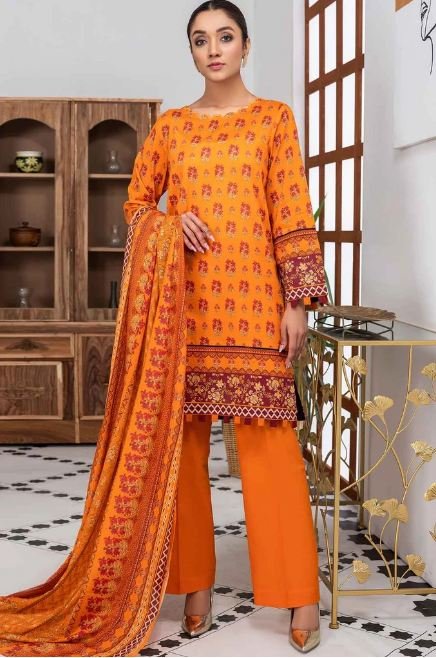
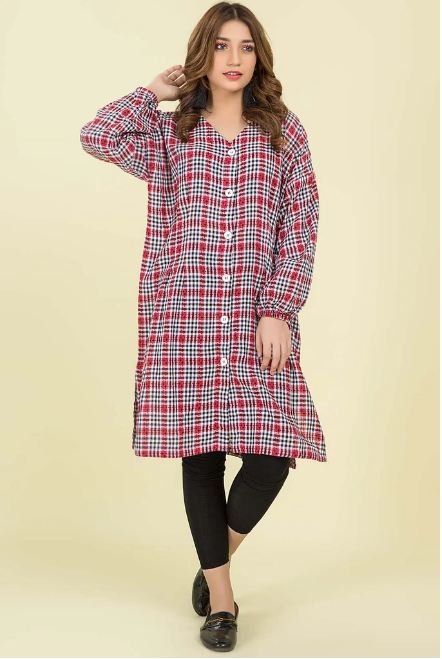
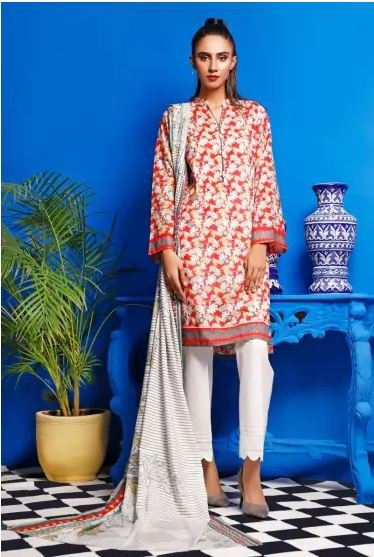
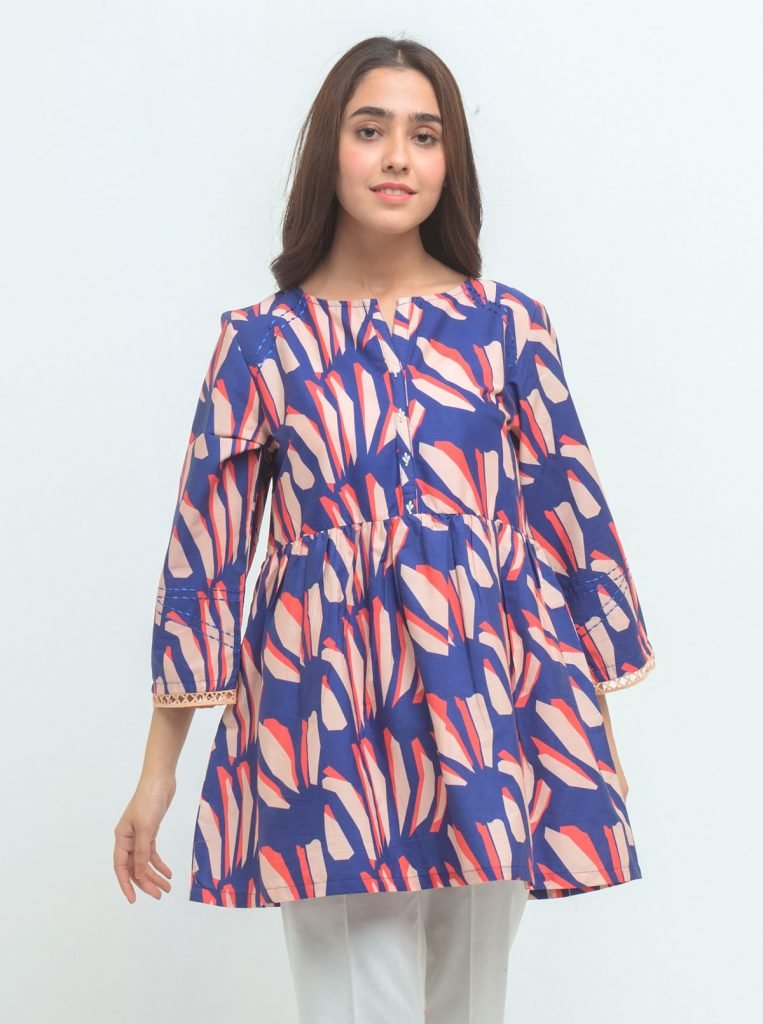
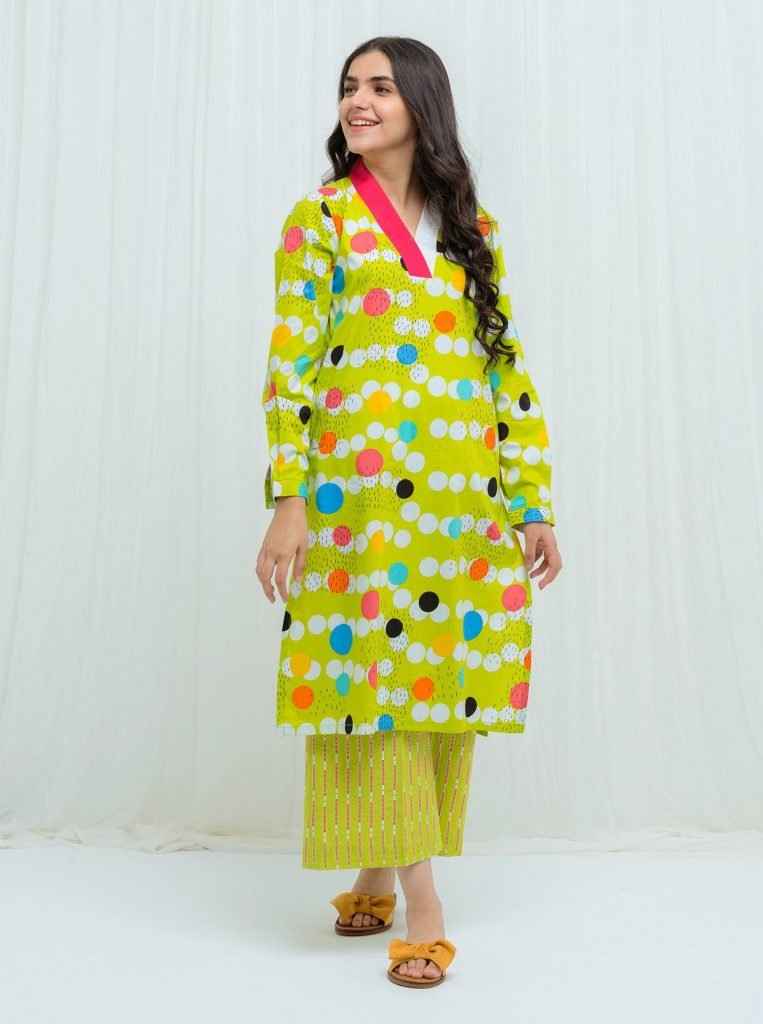
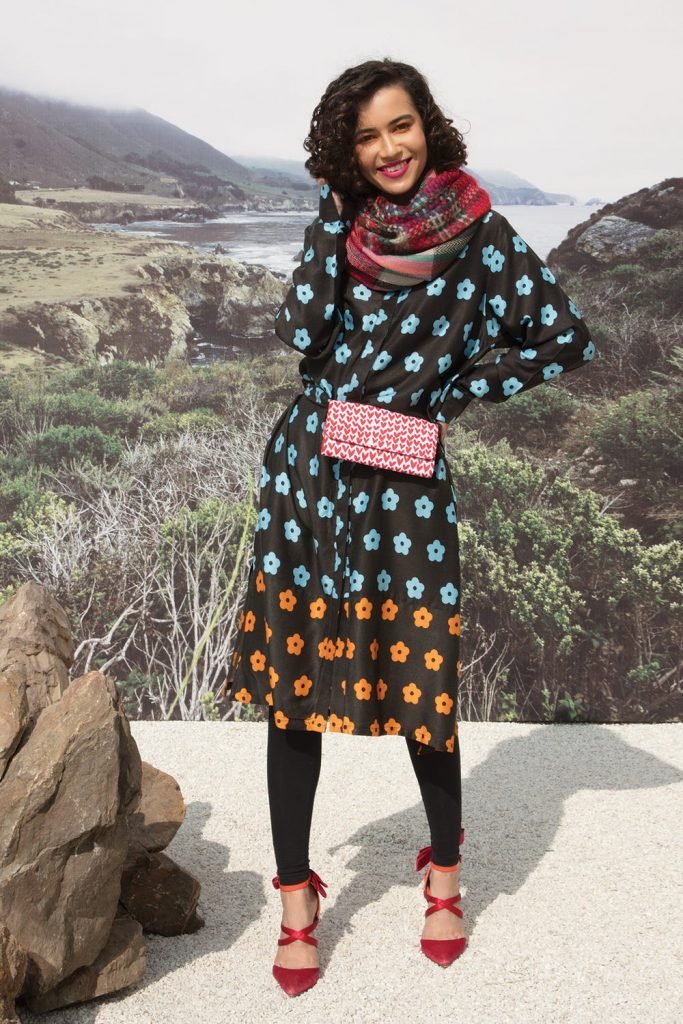
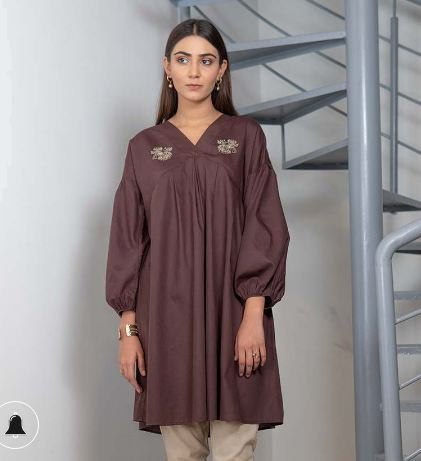
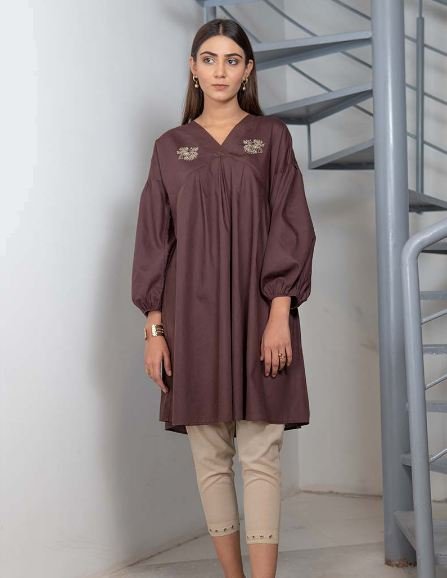
    Pakistan Day is just around the corner and despite COVID-19 lockdown and restrictions, Pakistanis are ready to celebrate it with full zest. While people are excited to celebrate it, many brands are also offering discounts for their customers. The Current has tried to make your shopping drill easier by compiling a list of brands that are offering discounts. Don’t miss out on these sales for a chance to grab some steals.

    WARDA

    Website: https://www.warda.com.pk/

    WARDA is offering 23% off on selected items.

    Gul Ahmed

    Gul Ahmed has upto 50% sale on online in-stores shopping.

    Beech Tree

    You can avail upto 50% off on Beech Tree sale.

    Website: https://www.beechtree.pk/pk/

    Khaadi

    Website: https://pk.khaadi.com/

    Sapphire

    Website: https://pk.sapphireonline.pk/

    EGO

    Website: https://wearego.com/pk/sale.html

    Ego is offering upto 50% discount on a few items.

  • ‘Would it be the same outrage had the student who proposed been a man?’ questions Shaniera Akram

    The expulsion of two university students in Lahore over a public proposal has created an uproar on social media with users criticising the university administration for the shallow-minded approach.

    Shaniera Akram, who is very vocal about her opinions, expressed her outrage on the matter on social media, saying: “Let’s talk about it? Why are we all upset?”

    “Is it the PDA? The proposal on university grounds?,” she questioned, adding: “Or the fact that a woman did it? Would it be the same outrage had the student who proposed [been] a man?”

    https://twitter.com/iamShaniera/status/1370715603439288322

    Shaniera also questioned why celebrities and sports stars are allowed to propose, show affection or date in public, but not the youth.

    https://twitter.com/iamShaniera/status/1370712182476828673

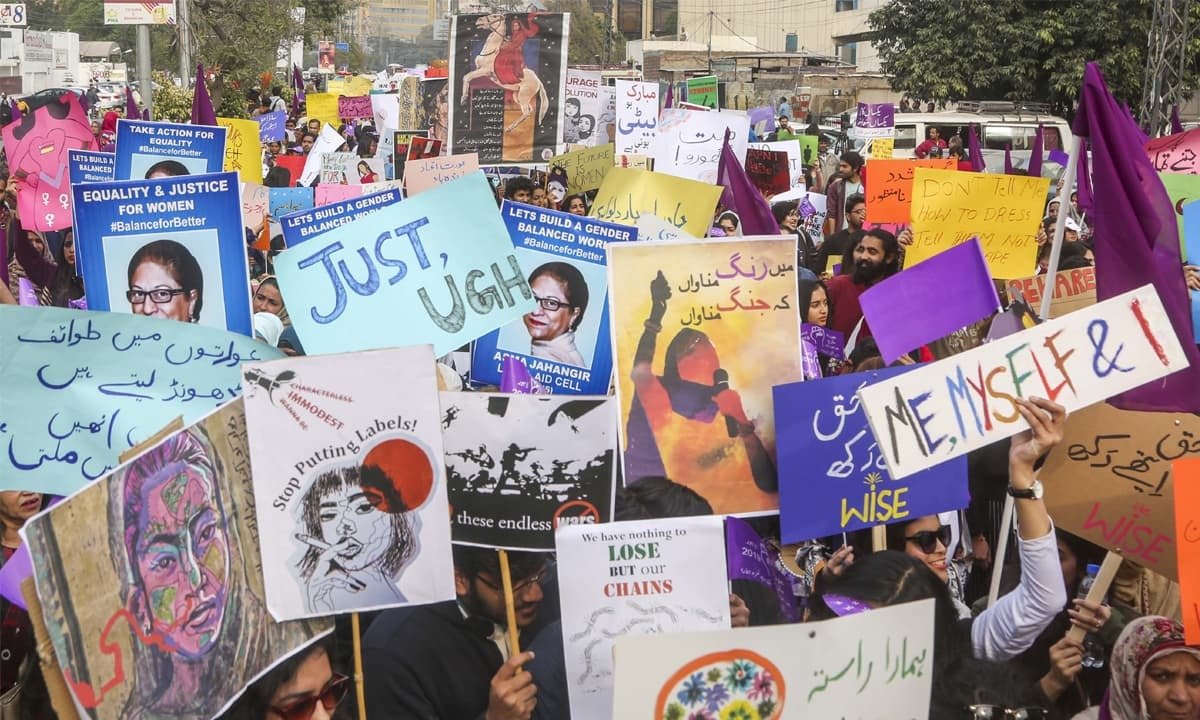
    “We just celebrated International Women’s Day and here we are with a top university expelling a young woman for having the confidence and empowerment to ask a man to marry her amongst the security of her peers,” commented Akram further.

    “What kind of example are we setting here?” she added.

    “Apply all the rules you want but you can’t expel love,” she asserted.

    The University of Lahore, on Friday, allegedly expelled two students for publicly expressing their love and proposing on university grounds. In a video that went viral on social media, a girl could be seen getting down on one knee and asking her partner to marry him with a bouquet of roses. The proposal ended with the two hugging each other.

    According to a notification, dated March 12, the two students were expelled for “[being] involved in gross misconduct and violation of university rules and were called to appear before the special disciplinary committee [but] failed to appear.”

  • Taliban threaten to go after Aurat March participants

    Taliban threaten to go after Aurat March participants

    The Tehreek-e-Taliban Pakistan (TTP) has threatened rights activists, who organised peaceful demonstrations to mark International Women’s Day in the country, accusing them of blasphemy and promoting obscenity.

    Read more – ‘Ek hee dafaa sari aurton ko ban ker do’: Meesha Shafi defends Aurat March

    The proscribed Afghanistan-based militant group’s statement followed a flurry of falsified images and doctored video clips on social media that suggested participants in the March 8 protests had insulted Islam, which they denied.

    “We want to send a message to those organisations who are actively spreading obscenity and vulgarity,” the statement said, addressing the marchers. “Fix your ways, there are still many young Muslims here who know how to protect Islam and the boundaries set by Allah.”

    Conservative groups held demonstrations on Friday in several cities to demand that the government prosecute the march organisers for blasphemy, and they threatened vigilante action.

    Messages spread on social media, in some cases shared by journalists and politicians with millions of followers, included false allegations that the French flag was waved at the Women’s Day march, while doctored video and audio showed participants chanting slogans viewed as blasphemous against sacred religious figures.

    ‘MALICIOUS CAMPAIGN’

    “Each and every one of these allegations are completely false and part of a malicious campaign to silence women from speaking out about their rights,” the march organisers said in a statement.

    The Women’s Democratic Front, a leftist group founded in 2018 and one of the organisers of the march, said their flag — with red, white and purple stripes — had been misrepresented as the French flag, which has blue, white and red stripes.

    Pakistan has seen violent nationwide protests against France over issues such as the blasphemous Charlie Hebdo cartoons and restrictions on the veil there for Muslim women.

    Hassan Abbas, a security expert at the National Defense University (NDU) in Washington, told Reuters that the Taliban statement should be a “wake-up call” for authorities.

    “[It is aimed at] creating fear, gaining the sympathy of religious radicals and recruiting extremists in urban centres of Pakistan,” he said.

  • Fawad Chaudhry wants an inquiry against creators of fake Aurat March video

    Minister of Science and Technology Fawad Chaudhry has asked for an inquiry against those who committed the ‘grave offence’ of editing a fake Aurat March video, being widely circulated on social media.

    “Those who edited the video have committed a grave offence,” he wrote, “FIA should proceed against those responsible a trail will help agencies to trace who originated the fake video.”

    Meanwhile, female journalists and supporters are demanding a ‘public apology’ over ‘disinforminformation’ spread by some people.

    A document that is signed by female journalists and activists demands :

    1. “A public apology and immediate retraction by all the journalists and media houses who have shared disinformation about the Aurat Marches and that this is put out on the social media accounts, newspapers, television shows, etc”
    2. “That individual journalists and media organisations desist from spreading false and malicious information endangering the lives of Aurat March organisers and participants.”
    3. “That media houses stop inviting individuals with a history of repeatedly and deliberately spreading disinformation on their platforms”

    “These tweets with false information were shared by Ovais Mangalwala, Ansar Abbasi, and Orya Maqbool Jan,” stated the document.

    The hashtag #ApologizeToAuratMarch is trending on social media :

  • Jemima Goldsmith opens up on being stalked by a cab driver

    Jemima Goldsmith has opened up on being stalked and harassed by a cab driver.

    Responding to a tweet by British author Jojo Moyes about ingrained fear of women, Jemima revealed that she feels scared driving in a cab because she was stalked by a cab driver for almost two years.

    “For those lucky enough to be able to afford an Uber or cab when too scared to walk – that’s not always safe either,” wrote Jemima, adding: “I had a cab driver stalker who harassed me for two years.”

    “How many times have you felt scared with a male driver?” she questioned.

    Jemmia also suggested said that “Uber should have a lady driver service.”

    Meanwhile, Jemima is currently working onWhat’s Love Got To Do With It”. Featuring Sajal, Shabana, Emma Thompson, Lily James and Shazad Latif in key roles, the movie is being directed by Shekhar Kapur of Mr India and Dil Se fame and will be produced by Goldsmith under the banner of her production house Instinct Productions. The film has been written by Jemima herself and is set between London and South Asia, exploring cross-cultural conflicts of love and marriage.

  • Fawad Chaudhry pays tribute to inventor of audio cassettes

    Fawad Chaudhry has paid a rich tribute to Dutch engineer Lou Ottens, who passed away in his hometown of Duizel last weekend.

    Read more – Pakistan to get its own version of Netflix

    Responding to the news of his demise, the Minister for Science and Technology, in a tweet, said: “RIP Lou Ottens. You will be remembered as an iconic inventor.”

    “Cassettes and CDs were part of our lives till 2008/2010,” said Chaudhry further, adding: “[The] inventor of cassette and later CD was the man who filled our lives with so many colours and sounds.”

    According to details, the Dutch engineer who developed the cassette tape at Philips in 1963 died on Saturday at the age of 94.

    Ottens joined Philips in 1952 and rose to become head of product development by 1960. He wanted to create a portable tape recorder because he “got annoyed with the clunky, user-unfriendly reel-to-reel system,” he explained years after he invented the cassette. His invention transformed the way people listened to music.

    The Philips “compact cassette” was unveiled at a 1963 electronics fair in Berlin, boasting it was “smaller than a pack of cigarettes.” On the 50th anniversary of its creation, Ottens told Time magazine that it was a “sensation” from day one.

    Later, Ottens struck a deal with Philips and Sony that saw his model confirmed as the patented cassette after a number of Japanese companies reproduced similar tapes in a number of sizes.

    Ottens was also involved in the development of the compact disk, and more than 200 billion of those have been sold worldwide to date.

    In 1982, when Philips showed off a production CD player, Ottens said: “From now on, the conventional record player is obsolete”.

    He retired four years later. When asked about his career, he said his biggest regret was that Sony and not Philips had created the iconic cassette tape player, the Walkman.

  • Lahori couple sparks outrage for using lion cub as a prop for wedding shoot

    A Lahori couple has sparked outrage for using a “sedated lion cub” as a prop in their wedding shoot.

    Read more – Imran Abbas defends himself after backlash on lion picture

    Netizens and animal rights activists have protested vehemently after a video of the couple’s photoshoot emerged on social media. As per details, the photo of the shoot was posted on Studio Afzl’s — a Lahore-based photography studio that does bridal photoshoots and covers weddings — Instagram account.

    In one picture, the couple can be seen holding hands over the cub while in another, the lion cub was lying looking miserable on the stage. The hashtag #SherdiRani was also used in the pictures with the cub to give an emphasis on its presence.

    While, the issue was first highlighted by JFK Animal Rescue and Shelter, it later got traction after it was shared on Twitter by ‘Save the Wild’: a group that is fighting to “save Pakistan’s wildlife from the threats of hunting, loss of habitat and pesticides”.

    ‘Save The Wild’ also urged the Punjab Wildlife and Parks Department to intervene and recuse the animal.

    “Look at this poor cub sedated and being used as a prop. Rescue him please,” said the account.

    https://twitter.com/wildpakistan/status/1368662296663363588?s=20

    Read more – Wildlife dept recovers two lions from bathroom in a residential area in Multan

    Following the tweet, other Twitter users also urged authorities to take action against the studio for mistreating the cub.

    One user also asked Punjab CM’s Digital Media Focalperson Azhar Mashwani to intervene and direct authorities to save the cub.

    https://twitter.com/ua7khan/status/1368667128539324420?s=20

  • Bun Kebab: ‘Pakistan’s most beloved street food’

    Every morning before sunrise in Karachi, Pakistan, while the city is largely asleep, Abdul Ameen ducks through a tunnel and crosses dilapidated railway tracks to the more affluent side of town. Here, parked strategically between a mosque and a marketplace, his pushcart awaits him.

    An incandescent bulb illuminates him as he stacks shami kebab (ground beef-and-lentil patties) brought from home in columns behind glass panes. Next, he forms cascading towers of onion rings, lettuce and thickly sliced tomatoes. Working with almost flamboyant grace, it’s evident his routine has been perfected over the past 30 years.

    By the time the first call to prayer, Fajr, is made (traditionally, when there’s enough daylight to distinguish between white and black thread), he’s already dipping into his 16kg canola oil dabba (a rectangular tin bucket) and warming up his giant cast-iron griddle. Over the next few hours, a donkey cart owner, sleepy office workers, domestic helpers and an armed entourage of personal guards all stop by Ameen Burgers to purchase their greasy bounty wrapped in brown paper.

    But despite the name of his stall, Ameen is not selling burgers.

    Bun-kebabs, widely considered the most beloved Pakistani street food, are thin shami kebab or potato patties in fluffy, milky buns with tangy chutney and crisp vegetables. Optional fried eggs add an extra protein hit. The combination of explosive South Asian flavours, chutney-drenched buns and vegetarian options create a starkly different culinary experience from that of a burger. Ubiquitously available at kiosks and small shops or peddled on pushcarts throughout the country, they are generally sold for between 50 and 120 Pakistani rupees (£0.23-£0.55), depending on the neighbourhood. Some consider them Pakistan’s affordable (and zestier) answer to burgers

    Potato bun-kebabs have long been staples at school canteens, and travellers in Pakistan will see women perched on wooden benches feasting on them in crowded shopping plazas. They’re accessible enough to grab for a quick bite, but not so heavy – on the pocket or the stomach – to require serious investment.

    For many Pakistanis, bun-kebabs are intertwined with nostalgic family memories, often representing a first experience of eating out or getting a takeaway. Osamah Nasir, who founded the Karachi Food Guide in 2013, remembers first eating bun-kebabs during load-shedding (power outages) at his maternal grandmother’s house when he was a child, where nearly a dozen of his cousins spent lazy Sunday afternoons. “In less than 100 Pakistani rupees (£0.46), we’d all be fed,” he said.

    Pinpointing a definitive moment in history when bun-kebabs originated is difficult. Some consider them Pakistan’s affordable (and zestier) answer to burgers, especially because of the unique phenomenon of bun-kebab stalls positioned right outside fast-food franchises. Others, like Haji-Adnan, the third-generation owner of an unnamed bun-kebab stall in Burns Road (a food street in Karachi) think they came about in the 1950s. Haji-Adnan believes his grandfather, Haji Abdul Razzak, introduced them as a mess-free, to-go option for bustling workers in the city centre in 1953 before fast food joints started proliferating across Pakistan’s cities.

    Fahad Bhatti, the founder of A-Lister Mister, Pakistan’s first men’s interest e-magazine, traces their origin to the then-newly partitioned subcontinent’s shared heritage. “They started out as vada pav [spiced potato patties in bread buns accompanied by chutney]… They’ve since been evolving… with non-vegetarian options added for our meat-eating nation,” Bhatti said.

    Today, vendors experiment with their own spins on the iconic bun-kebab – including sliced beetroot and more expensive fillings like hunter beef (a Pakistani version of dried, salted meat similar to corned beef). Some even offer deconstructed versions. But while spiced potato patties or shami kebabs remain favourites of the roadside staple, the patty is not the sole star of the dish.

    Mr Burger, Pakistan’s first burger joint, was created in 1980 when McDonald’s and Burger King deemed the nation not ready for burgers. Adamant to maintain a difference from the local bun-kebab, the creators of the newly introduced burgers viewed condiments and vegetables as frills, instead focusing on perfecting the beef patty and using a “secret sauce” instead of chutney. For bun-kebab vendors such as Ameen, though, these “frills” are necessities – forming the essence of the taste at a fraction of the cost. Instead of juicy cuts of meat, the delectable flavour often comes from simple spice-infused combinations such as coriander, cumin and green chilli, mixed into the patty or ground in the tamarind chutney.

    It is, proudly, a poor man’s burger.

    Bun-kebabs act as universal levellers, even in the polarised opposite sides of town. “Clifton Bridge in Karachi has long served as an infamous symbol of socio-cultural divide,” explained Nasir, referencing a common Urdu saying: “Pull ke us paar, pull ke is paar” (That side of the bridge; this side of the bridge). “The ‘affluent’ side has most high-end eateries. But bun-kebabs? They’re everywhere,” he said.

    They’re one of the last vestiges of local street food without upscale, gentrified versions (unlike “artisanal” chaiNutella-slathered parathasand overpriced chickpea chaat – all dressier, more expensive counterparts to Pakistani street food).

    But in 2019, McDonald’s replicated the beloved “anday-waala burger” (a bun-kebab with egg). Describing it as an “eggcelent fusion of Desi taste”, McDonald’s did attempt to pay tribute to the indigenous roots of the dish, wrapping it in newspaper packaging designed to look like that of bun-kebabs. It was almost as if the trend had come full circle, with the very chain that deemed a nation not ready for burgers changing its menu to cater to local tastes.

    But the “Bun Kabab Meal”, retailing at 250 Pakistani rupees (£1.15) (which is at least three times the price of a roadside anday-waala burger), left some Pakistanis outraged. Others offered two-star ratings, mainly put off by the missing dhaaba (roadside cafe or food stall) experience.

    Curious to find out why locals see the anday-waala burger as being unreplicable, I spoke to Qalander Ali, the second-generation owner of Super Nursery Burgers, an established bun-kebab shop in Karachi. Operational since 1977, it sells a whopping 300 to 400 bun-kebabs daily, with locals and travellers flocking here for the perfectly spiced and tangy chutney.

    According to Ali, the food resists mass-production because labour-intensive steps (such as shaping the sticky patty by hand, dipping it in whipped egg whites immediately before frying, intentionally “smooshing” the egg yolk for fried eggs, greasing the bun on all sides and even slicing the buns as they don’t always come pre-halved) make preparing bun-kebabs ahead of time tricky.

    And even if McDonald’s did manage to distil the taste, the roadside experience is unique and resists standardisation. “When I saw the McDonald’s version of my local favourite, I wasn’t just upset. I was triggered,” said Nasir. “Part of the enduring charm of the bun-kebab is being able to experience it – to smell it – to see the artisan add his little flairs and endlessly customise it,” he explained.

    To many, it felt almost dehumanising to see this idiosyncratic form of self-expression reduced to a mass-produced assembly line. It also felt like an infringement on cultural territory. “I get my McFlurries and Happy Meals from you. Don’t do bun-kebabs,” Nasir said.

    The commodification of the beloved staple may have evoked such strong responses because in Pakistan, the terms “burger” and “bun-kebab” aren’t used just for food. They’re identities.

    “Burger” is a colloquial term for the urban elite that was conceived and popularised by Pakistan’s “King of Comedy”, Umer Sharif. As consumers of imported food, “burgers” are believed to have values aligned more with the West than their own country, and are viewed as part of a demographic that speaks English well, has foreign exposure and is privileged with access to resources. At times, “burger” is used pejoratively, akin to “spoiled”, or “Mama’s boy”.

    But with burgers’ illustrious rise to fame, a homegrown bun-kebab’s identity emerged almost in antithesis. The bun-kebab is what the burger is not: rooted in, not removed from, reality; and owned rather than mocked. As one Pakistani wrote in an article in The Express Tribune, “Dear burgers, I am a bun kebab, and proud of it.”

    However, with time, it seems that the distinction, especially at a linguistic level, is becoming increasingly blurred. As another Pakistani put it, placing a nation’s identity between two slices of bread is a baffling predicament, especially when the terms start being used interchangeably for the food itself. Colloquial slang surrounding the street food fuels the debate. For example, the practice of referring to bun-kebabs – the food – with the tacked on “waala” (Urdu for the one/the one with) implies both familiarity and mystery. “There’s this underlying assumption that you don’t exactly know what goes into the bun-kebab. And that’s the beauty of it,” said Rashid.

    A chicken or beef burger is simply “chicken” or “beef”, whereas “anday-waala”, “daal-waala” or “aloo-waala” bun-kebab (the one with eggs, lentils or potatoes respectively) are the customary orders people place, often with a knowing smile. When Pakistanis ask for “the bun-kebab with…”, they’re asking for more than a snack. They’re asking for an experience – Pakistani-waala.

    In their oily paper packaging, bun-kebabs might get squished. They defy mass-production and don’t offer slick fodder for pretty food-porn.

    But bun-kebabs are unpretentious. They’re home.

    This story is written by Aysha Imtiaz and was originally published in BBC- Travel.