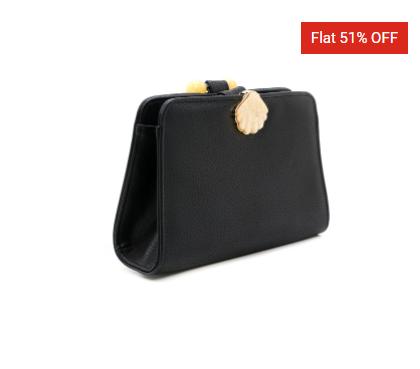
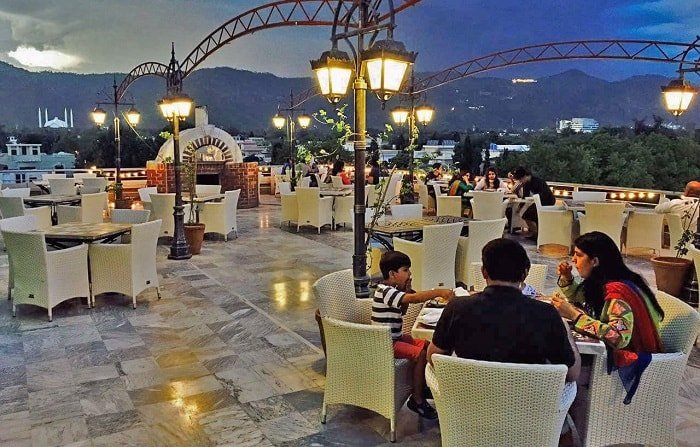
Blessed Friday in Pakistan is celebrated with the same shopping zeal anywhere in the world. This year many brands are offering online and in-stores discounts on blessed Friday. The Current has listed a few brands that have ‘Blessed Friday’ sales.
BTW – By The Way
BTW is offering upto 70 per cent off on its entire stock this Blessed Friday.
The Federal Board of Revenue (FBR) has proposed a Rs10 health levy on each packet of cigarettes. The proposal has the potential to encourage current smokers to quit, FBR believes.
Before devising policy formulation, FBR has sent its proposal to the Law Ministry seeking legal advice if the suggestion falls into the jurisdiction of the federal government or not in the aftermath of the 18th Amendment.
FBR officials say they are awaiting the response of the ministry and after receiving the advice, they would move forward accordingly.
Last year, an approval was granted for the same tax by the cabinet. The anti-tobacco lobby has been advocating imposition of the levy as the price increase would discourage consumption, especially among children and youth.
Tobacco companies, on the other hand, say this could cause a revenue loss worth Rs20 to Rs24 billion to the national exchequer per year.
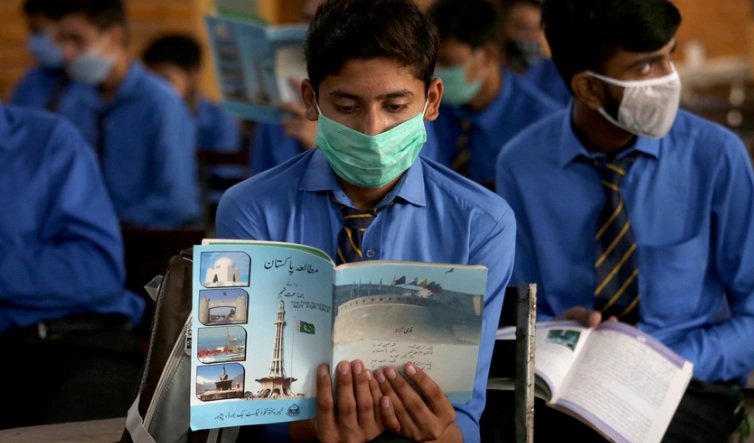
The Federal Ministry for Education has launched a ‘radio school’ for distance learning amid the COVID-19 pandemic and lockdowns.
Radio Pakistan Director General Ambreen Jan and additional secretary of the Education Ministry Mohyuddin Ahmad Wani signed the MoU documents during a special ceremony, where Federal Minister for Education Shafqat Mahmood, Minister for Information and Broadcasting Shibli Faraz and senior relevant officials were also present.
According to details, the educational programs will go on air on various medium waves and Radio Pakistan FM networks from 10 am to 12 noon. They will be repeated from 2pm to 4pm all through the week. These programmes can also be accessed through the internet and mobile app.
Mahmood said the project was designed in line with the vision of Prime Minister Imran Khan to take education to the people’s doorsteps in every corner of the country, especially during the COVID-19 pandemic. He said the government would also introduce an education portal soon.
Ministry of Education and Radio Pakistan signed an MOU to launch Radio school that will broadcast education content for 4 hours everyday. This will be another platform for distance learning besides Teleschool that was launched in March. pic.twitter.com/Y2jbceG6ME
The minister said that approximately 8 million children benefited from the Teleschool launched by Education Ministry and PTV back in April.
“Our government is providing education to students, especially the girls, at their doorsteps,” said Shafqat.
The minister also shared that the government is aiming to launch an e-Education Portal soon through which the programmes of Teleschool and Radioschools can be accessed through one click.
Disposal of used contraceptives, such as condoms, in gutters has been causing sewerage problems in Karachi, the Karachi Water and Sewerage Board (KWSB) has said.
According to reports, KWSB recovered a massive amount of used condoms while clearing a sewerage line on Thursday, which were affecting the flow of sewage and causing serious blockage problems.
A KWSB official said the huge quantity of used contraceptives was found while a team was cleaning a sewerage line in Clifton Block 2. But this isn’t an isolated incident: the KWSB often finds items like these in sewer lines across the city.
Water inflates the condoms up to 400 times their size, which blocks manholes and sewerage lines, the KWSB spokesperson explained. Such items must be disposed of in trash cans, he urged.
The KWSB stressed the need for generating awareness about the issue and urged government departments and social organisations to play their role.
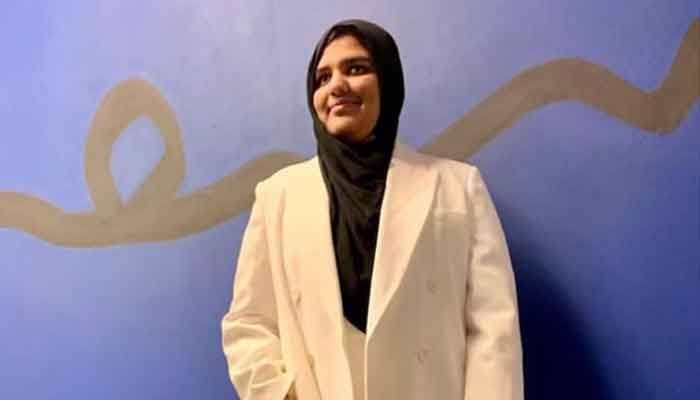
Khansa Maria was born blind. During her childhood, Maria remembers rushing to get ready for her school interview but was always left disappointed as the school could not cater to her special needs.
“It was disappointing,” she says. “Mainstream schools were not willing to make the required adaptations or go the extra mile for someone like me. You can never forget an experience like that.”
Young Maria completed her early education at a school near her home in Lahore before she got enrolled at the Lahore Grammar School. Many people didn’t show any concern for her needs but there were some who saw her as an inspiration.
Things changed for Maria. Today, the 21-year-old is a senior at Georgetown University Qatar, pursuing a Bachelors of Science in Foreign Service.
The prestigious Rhodes Scholarship selected her to study at the University of Oxford in the United Kingdom. Maria is the first Pakistani woman with a disability to be named a Rhodes scholar-elect.
Campaigning from a young age, Maria has spoken at various conferences around the world calling for a removal of barriers people with disabilities face. Her own organization, “Hope for Tomorrow”, raises awareness about people with special needs.
Maria explains that the single biggest obstacle in Pakistan is the lack of people with disabilities in the policy making and enforcement processes.
“The disable community lacks a voice,” she said, “You just don’t see [disable] people on the mainstream level.”
She hopes to change that when she returns to Pakistan after completing her postgraduate at Oxford University. “It is important to start engagement first at the grassroot level.”
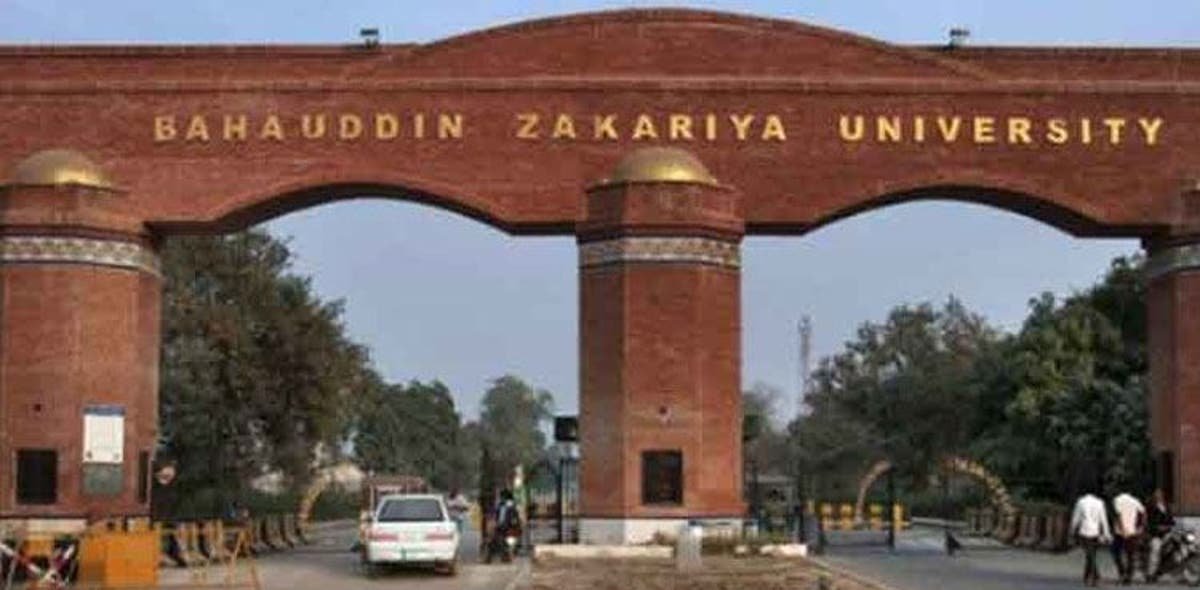
Students of Bahauddin Zakariya University (BZU), Multan submitted bogus positive reports of COVID-19 to force the administration to conduct online examinations.
They were exposed on Thursday after the administration verified their reports and declared the news of coronavirus spread as ‘fake’.
As per reports, students of the English, Politics and Psychology departments were involved in the tempering of the COVID-19 reports.
Taking the matter seriously, the university administration constituted a corona committee for the verification of the reports, while DC suggested the imposition of a smart lockdown in the university.
Nearly a dozen reports were forwarded to the Nishar Hospital and private laboratories for verification. The reports could not be verified and were declared fake and tempered by the labs.
The administration of the Bahauddin Zakariya University (BZU) Multan has decided to take action against the students who submitted fake reports to create panic in the university.
The findings of the committee have been forwarded to the High Education Commission (HEC). Meanwhile, the university administration has asked parents of the students not to believe in rumors and there is no coronavirus spread in the university.
A fisherman in Egypt, who had accidentally swallowed a live fish, survives after a group of medical officers at Beni Suef Specialist Hospital in Egypt, manage to retrieve the fish from his windpipe.
According to the attending physician, the 40-year-old fisherman in Cairo was holding the fish in his mouth, while he tried to catch another one. Unexpectedly, the fish slipped into his throat, causing him to choke.
He was immediately taken to the hospital’s emergency department, where the medical team managed to extract the fish, blocking his throat, and succeeded in saving his life. The doctors were surprised to find the fish alive after removing it from the man’s windpipe.
Deputy of plastic surgery Doctor Michael Ibrahim, ensuredthat the patient was out of danger and was admitted to the intensive care for observation.
While this fisherman was lucky to be alive, there was another incident in 2019, where a 49-year-old fisherman in Philippine died after found in a similar position, with fish stuck in his throat. His wife reportedthat he also had a habit of putting the fish he catches in his mouth so that it won’t get away, while he tries to catch more fish.
The National Command and Operations Centre (NCOC) has issued new restrictions to control the rapidly increasing second wave of COVID-19 across the country.
As per details, the NCOC has recommended limiting all public gatherings to 500 people, including cultural, political, religious, entertainment, and civil gatherings.
The body has proposed early and extending winter vacations to federal and provincial education departments, keeping in view the rising positivity rate in educational institutions.
Meanwhile, Federal Minister for Education Shafqat Mehmood will be presiding a special meeting with his provincial counterparts at the NCOC on November 16 to evaluate the positivity prevailing in educational institutions.
The forum has allowed only outdoor dining at the restaurants till 10 pm while cinemas and theatres will be closed instantly. Shrines will also be temporarily closed with immediate effect. Only outdoor weddings with maximum 500 people be will allowed from November 20.
The NCOC also wants early closing of markets.
“After consultative discussions, the recommendations would be shared with the provinces for consequent decision and enforcement,” said the NCOC in a statement. “The body has recommended urgent and emergency measures to the NCC for final approval after consensus by all stakeholders.”
The country has reported 348,184 coronavirus cases so far.
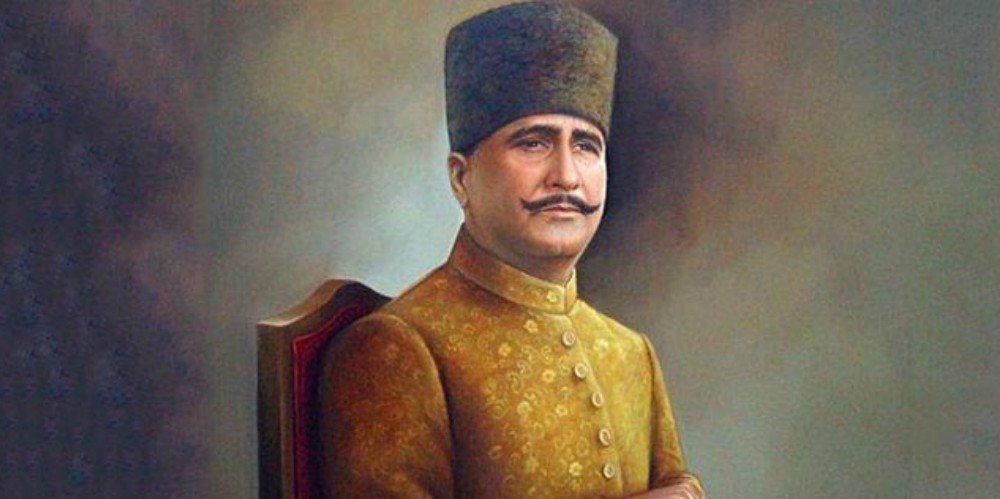
Every year on November 9, Pakistan observes ‘Iqbal Day’ to honour Allama Iqbal – a great politician and a poet – who played a significant role in the struggle for a separate homeland for Muslims of the subcontinent.
Here are some of interesting facts about Iqbal, which you didn’t know before.
1. Iqbal could speak seven languages including Urdu, Persian, Arabic, English, German and Sanskrit. Persian was his preference for poetic expression rather than Urdu.
2. Sir Allama Iqbal has a holiday, medical college, a university campus, an airport, a stadium and many housing societies in Pakistan named after him. This is not all. A street in Germany is also named after him, while a commemorative plaque is placed outside the house he used to live in, during his stay there.
The carpet gifted by Wali Afghanistan Muhammed Nadir Shah
3. Iqbal was well-respected internationally. At the age of 45, Allama Iqbal was given the title of ‘Sir’ by King George V at New Year’s Honors event in 1922. Moreso, Wali Afghanistan Muhammed Nadir Shah gave him a magnificent carpet as a gift.
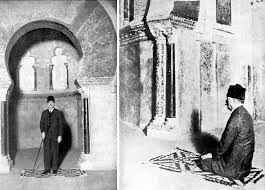
4. In 1933, Iqbal visited the Mosque of Cordoba in Spain. He was the first Muslim to offer prayers there since the Reconquista (a long military conflict in which the Muslims were forced out of Spain).
5. Iqbal’s father Noor Muhammad belonged to a Hindu family, but he later converted to Islam.
6. Iqbal was married three times. His first marriage was with Karim Bibi in 1895. His second marriage was with Sardar Begum in 1910, who was the mother of former Justice at the Supreme Court of Pakistan Javed Iqbal. And finally, Iqbal entered his third marriage in 1914 with Mukhtar Begum.
7. Before his death, Iqbal spent three years in Lahore, living in Javed Manzil. It is said that he used to pay Rs 50 rent to his son Javed, for staying in the house. The house is currently a national monument in Pakistan.
If you want to take a virtual tour of Javed Manzil, watch the video below:
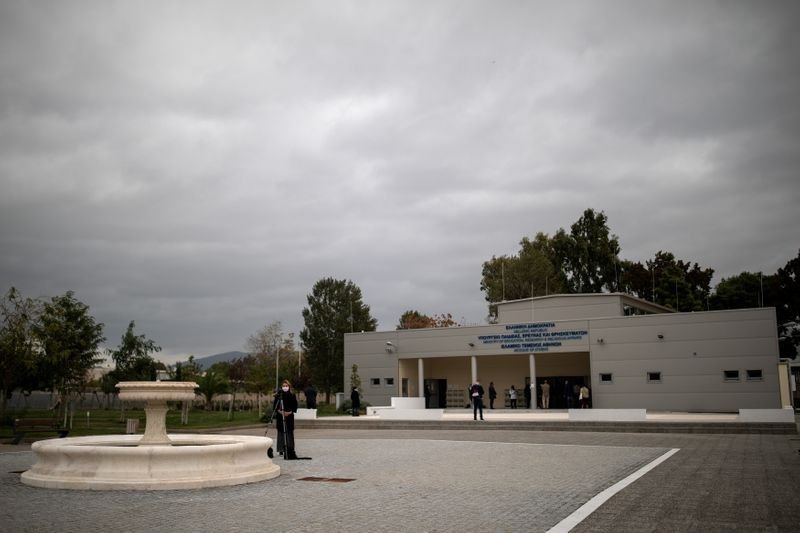
Hundreds of thousands of Muslims from different countries live in Athens but the city has not had a formal mosque since the Ottomans were forced to leave nearly 200 years ago.
Plans to construct a mosque in Athens began in 1890 yet it took decades for them to materialise due to opposition from a predominantly Christian Orthodox population and nationalists, sluggish bureaucracy but most recently a decade-long financial crisis.
Amid a coronavirus outbreak, only a limited number of worshippers, wearing masks and sitting at a distance from each other due to COVID-19 restrictions, attended prayers.
“It is a historic moment for the Muslim community living in Athens, we have been waiting for this mosque for so long,” said Heider Ashir, a member of the mosque’s governing council. “Thanks to God, finally, we have a mosque that is open and we can pray here freely.”
But other Muslims were unhappy with the mosque’s appearance. A grey, rectangular structure with no dome or minaret, has no resemblance to other graceful, ornate mosques in Europe.
“It does not at all look like a place of worship, it is a small, square, miserable building,” said Naim El Ghandour, head of the Muslim Association of Greece. “We thank them very much for the offer, but we will fight to reach it to the level that we deserve.”