Category: Lifestyle

The lifestyle of millennials is underreported in our mainstream media. The Current’s lifestyle news covers social events and issues that are unique.

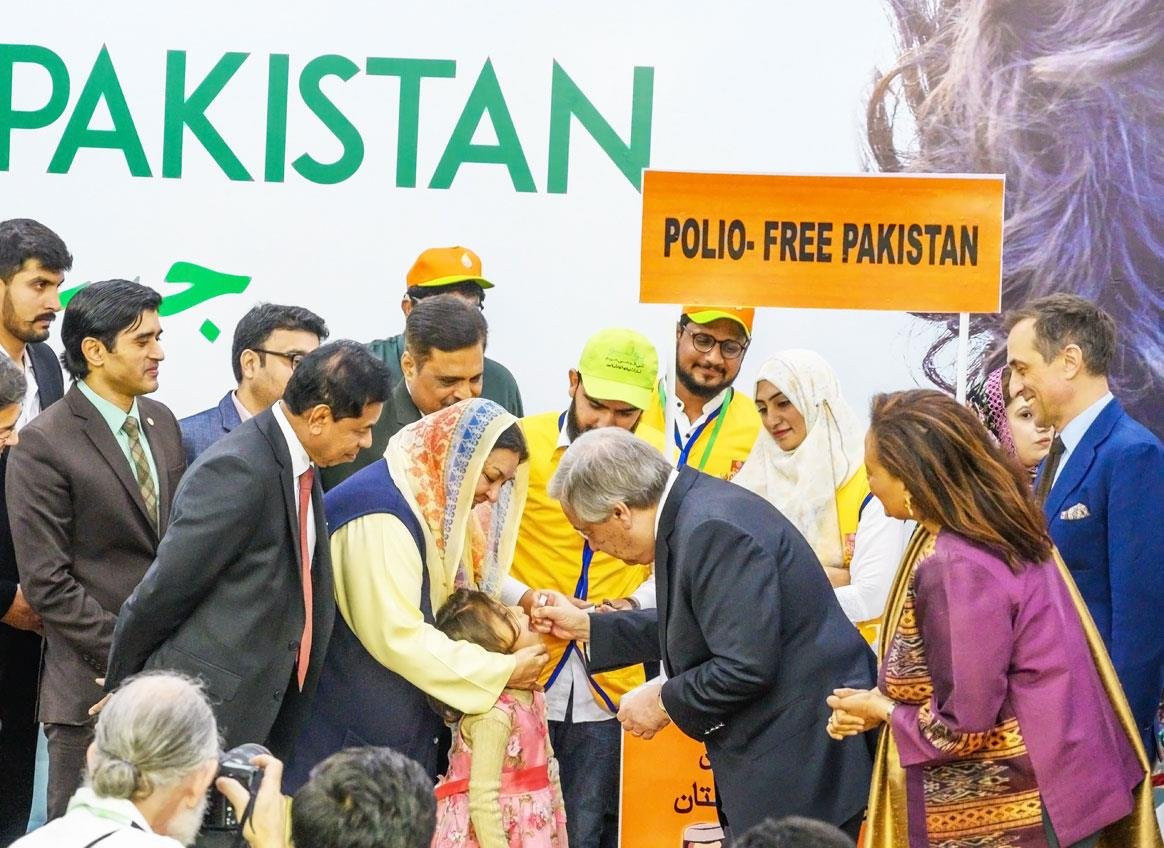
  • Only two countries have Polio cases: Pakistan is one of them

    Only two countries have Polio cases: Pakistan is one of them

    World Polio Day is celebrated on October 24th every year, and this year’s theme is “A win against polio is a win for global health” acknowledging the fact the humanity is very close to achieving the goal of having a polio-free world, after 30 years of global hard work. Only two countries – Pakistan and Afghanistan – remain affected by the polio epidemic, according to the World Health Organization (WHO).

    World Polio Day was established by Rotary international to commemorate the birth of Jonas Salk, who led the first team to make a vaccine against poliomyelitis. Polio is a potentially deadly infectious disease. The best approach to eradicate polio is based on preventing infection by immunizing every child until the transmission of this disease stops and the world is polio-free.

    Africa declared free from Polio

    As per details, WHO has declared Africa free of the deadly polio virus after decades of documentation and immunization efforts to eradicate this viral disease worldwide.

     “Today is a historic day for Africa” said Professor Rose Gana Fomban Leke, ARCC Chairperson “The African Regional Certification Commission for Polio eradication (ARCC) is pleased to announce that the Region has successfully met the certification criteria for wild polio eradication, with no cases of the wild poliovirus reported in the Region for four years,”

    WHO Director-General Tedros Adhanom Ghebreyesus also appreciated the efforts of Africa on eradication of Polio. He tweeted “Big day for my African brothers & sisters – our continent will be declared #polio-free. This is one of the greatest public health achievements, demonstrating that with science & solidarity we can beat viruses & save lives.”

    How was Polio eradicated in Africa?

    In 1996, South African Prime Minister Nelson Mandela partnered with Rotary, an international non-profit organization to launch “Kick Polio out of Africa” Campaign. The first synchronized campaigns began in 17 countries, with 76 million children being vaccinated by tens of thousands of volunteers, and the work fanned out across the continent from there. Between 2008 to 2010, 85 million children were vaccinated in 24 countries in western and central Africa.

    Will Pakistan ever be Polio-free?

    Pakistan and Afghanistan remain the last two countries across the globe, where polio remains endemic and as long as it exists anywhere, it will remain a threat everywhere.

    Today, as the world commemorates World Polio Day, Pakistan reaffirms its commitment to eradicating polio and making the country polio-free. Taking to the twitter, Chief Minister of Punjab Sardar Usman Buzdar ensures that the government is fully committed towards eliminating polio from the country.

    Pakistan lowered its wild poliovirus type 1 (WPV1) cases from 146 in 2019 to 69 cases this year, as stated in a report by Global Polio Eradication Initiative. Pakistan Polio Eradication Programme further confirmed that approximately 39 million children had been vaccinated against poliomyelitis during a nationwide immunization campaign in September.

    Commenting on the country’s effort towards polio elimination, Dr Rana Muhammed Safdar Faisal Sultan, the Coordinator of the National Emergency Operations Centre of the Pakistan Polio Eradication Programme, appreciates the workforce engaged in achieving the goal of polio-free Pakistan.

    There is no cure for polio, but it can be prevented through immunization. The sub-national campaign by Pakistan Polio Eradication Programme will resume in the country by the end of this month.
  • Did Trump actually use ‘maga2020!’ as his Twitter password?

    Did Trump actually use ‘maga2020!’ as his Twitter password?

    A Dutch security researcher has claimed that he was able to successfully log into US President Donald Trump’s Twitter account last week, by correctly guessing his password: ‘maga2020!’ No surprises there.

    Victor Gevers, an internet security expert at the GDI Foundation and chair of the Dutch Institute for Vulnerability Disclosure, has said that he successfully managed to gain access to the US President’s Twitter account. According to Dutch newspaper De Volkskrant, Gevers wanted to see how strong the President’s online security was.

    Gever’s revealed that the two-factor authentication, which provides extra security to the account having 87 million followers, was disabled, thus allowing him access to the account.

    A screenshot of Trump’s twitter account

    After logging in, the hacker alerted the Cybersecurity and Infrastructure Security Agency (CISA), a unit of Homeland Security, about the security leak. He said he noticed that Trump’s Twitter password was changed shortly after.

    This, however, is not the first time the Dutch hacker succeeded in taking over Donald Trump’s Twitter account. Four years ago, the same hacker with his other two accomplices, jointly managed to access Trump’s account, just a few weeks prior to the US elections. At that time, “Yourefired” was Donald Trump’s Twitter password, claimed the hackers.

    It was reported that Gevers only wanted to raise awareness of the fact that two-factor-authentication should be mandatory for everyone.

    Previously in 2016, Trump’s staff was warned by the hackers that they needed to change the settings of the official accounts. Alex Wall, who was the director of Hillary Clinton’s social media in 2016 and also managed Barack Obama’s official accounts, referred to Trump’s Twitter practises as “insanely irresponsible”.

    However, claims of the Dutch hacker are being treated with extreme skepticism by official sources and security experts. Twitter gave a statement that there’s no evidence to corroborate the claim.

    Additionally, White House press secretary Judd Deere has also denied the claims.

    “This is absolutely not true”, said Deere. “But we don’t comment on security procedures around the President’s social media accounts.”

    One inconsistency with the claim is the fact that Twitter’s requires a strong password to be “at least 10 characters long”, while ‘maga2020!’ password has only nine characters. Additionally, the absence of two-factor-authentication on the Twitter account of the President of a country and the use of weak and simple password seems absurd.

  • VIDEO: Dubai introduces the world’s largest fountain

    VIDEO: Dubai introduces the world’s largest fountain

    The glitzy emirate of Dubai broke the record for the world’s largest fountain on Thursday, as the Gulf city seeks to boost its hard-hit tourism sector amid the coronavirus pandemic.

    The Palm Fountain, which covers an area of 1,335 square metres, is located at The Pointe shopping and dining district on Palm Jumeirah, a man-made palm-shaped island.

    Mask-clad people, in keeping with coronavirus safety measures, gathered on Thursday evening to watch a show of dancing jets of water, music and lights.

    “GWR is delighted to officially see The Palm Fountain breaking the title of the Largest fountain,” Shaddy Gaad, Senior Marketing Manager at Guinness World Records said in a statement, adding that Guinness was declaring it “Officially Amazing”.

    Dubai, one of the seven emirates that make up the United Arab Emirates, already holds a string of world record titles — including the world’s tallest building, Burj Khalifa, and the fastest police car in service, a Bugatti Veyron.

    The city that attracts millions of tourists already had one of the largest fountains in the world near Burj Khalifa.

    The new fountain has over 3,000 LED lights, 7,500 nozzles and can shoot water up to 105 metres, according to Guinness.

    Dubai has been badly hit by the coronavirus slowdown. Its GDP has contracted 3.5% in the first quarter, following two years of modest growth.

    Tourism has long been a mainstay of the emirate, which welcomed more than 16 million visitors last year. Before the pandemic crippled global travel, the aim was to reach 20 million this year.

    Dubai is now largely open for business and tourism, but infection rates have been rising in recent weeks.

  • Muslim denied German citizenship for viewing handshake as a ‘threat of seduction’

    Muslim denied German citizenship for viewing handshake as a ‘threat of seduction’

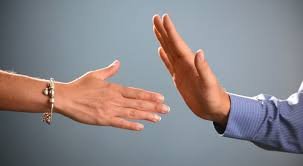
    The Administrative Court of Baden-Württemberg (VGH), Germany ruled on Friday that a Muslim man was rightly denied the German citizenship because of his refusal to shake the hand of a woman, as he viewed it as “danger of sexual temptation”.

    According to details, a 40-year old Lebanese doctor, who came to Germany in 2002, applied for citizenship through naturalization in 2012. Though he aced the naturalization test, his citizenship was cancelled at the final stage of the process. During his citizenship ceremony, he refused to shake hands with the female bureaucrat, officiating his hearing. As a result, the woman withheld his certificate and rejected his application.

    Defending his actions, the man appealed to the VGH, and stated that he had made a promise to his wife never to touch another woman. However, the court found that refusal to shake hands on gender-specific grounds is in breach of the sexual equality principles laid down in the German constitution. The judge further stated that the handshake symbolizes the conclusion of a contract and is deeply rooted in social, cultural, and legal life. Thus it was concluded that those who are able to demonstrate that they can live according to the values set out in the German constitution are entitled to the German citizenship

    Although handshake is a questionable practice nowadays, thanks to COVID-19, the judge was convinced that the practice would survive the global pandemic.

    This is, however, not the first time citizenship across European countries was denied on the bases of refusal to shake hands with people of the opposite sex for religious reasons. In 2018, a Muslim couple was denied Swiss citizenship because of a lack of respect for gender equality. According to details, the couple’s application was rejected after they refused to shake hands with people of the opposite sex during their interview.

  • Study reveals COVID-19 can survive on human skin for nine hours

    Study reveals COVID-19 can survive on human skin for nine hours

    Japanese researchers have discovered that COVID-19 stays on human skin for nine hours, stressing the need for frequent hand washing to fight the on-going pandemic.

    The pathogen that causes the flu, by comparison, survives on human skin for about 1.8 hours, said the study, published this month in the Clinical Infectious Diseases journal.

    The study backs World Health Organisation guidance for regular and thorough hand washing to limit the spread of the virus.

    “The nine-hour survival of SARS-CoV-2 (the virus strain that causes COVID-19) on human skin may increase the risk of contact transmission in comparison with IAV (influenza A virus), thus accelerating the pandemic,” the study underscored.

    “The longer survival of SARS-CoV-2 on the skin increases contact-transmission risk; however, hand hygiene can reduce this risk,” the study said.

    Both the contagious diseases, the COVID-19 and the flu virus are inactivated within 15 seconds by applying ethanol that is used in the hand sanitizers.

  • TikToker Ali Khan Hyderabadi under fire for allegedly making fun of a dark-skinned girl

    TikToker Ali Khan Hyderabadi under fire for allegedly making fun of a dark-skinned girl

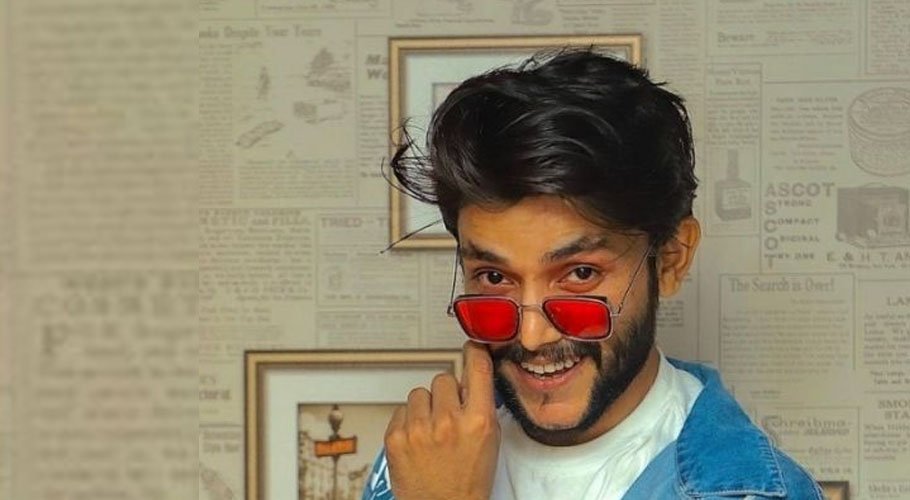
    People are bashing Tiktoker Ali Khan Hyderabadi on social media for allegedly making fun of a dark-skinned girl.

    According to details, Ali, during a live session to engage with his followers on Instagram, made fun of a girl’s complexion. In the video, Ali can be heard saying that the kid with him is getting scared and asked the girl to ‘clean her camera’. 

    The video clearly shows Ali saying,”bol raha hai kaali larki” as he insensitively joked about the girl’s skin colour.

    Soon after, the video went viral on social media and people started bashing the TikToker.

    Youtuber Saad ur Rehman aka Ducky bhai has also criticized Ali Khan.

    https://twitter.com/duckybhai/status/1316453358652346374?s=20

     Ali has gained immense fame after making TikTok videos especially with his signature walk that went viral on TikTok.

    https://www.instagram.com/p/CGLP69XjwDP/?utm_source=ig_web_copy_link
    https://www.instagram.com/p/CGFGTjWjobW/?utm_source=ig_web_copy_link
    https://www.instagram.com/p/CF9aow2jzbt/?utm_source=ig_web_copy_link

    Some people highlighted that the girl might have done it on purpose as her ‘skin colour of face and hands is different’.

  • Children’s book ‘Little Master’ aims to bust COVID-19 misconceptions

    Children’s book ‘Little Master’ aims to bust COVID-19 misconceptions

    While the pandemic – better known as COVID-19 – made us realise the helplessness of the human species in the face of nature, its wave that smit Pakistan did a lot more than just exposing a disease’s deadliness. From repulsive misogynistic ideologies to conservative religious views, Pakistanis not only tried their best to reach the root cause of the virus, but also endeavoured to invent its cures not proven medically authentic or even healthy for that matter.

    Observing these rambling and disoriented thought-processes in which Pakistanis remained engaged all the while during coronavirus’s heydays, Muhammad Faheem from Mehrdar Art and Production approached screenplay writer, Inam Hasan to pen a comic story-book, which, published by ILM O ADAB, would address the misconceptions that are not only blindly accepted by adults but are also blatantly inculcated among the children without any fact-checking. This comic storybook written by Hasan and illustrated by Umair Najeeb Khan is titled Little Master.

    Talking to The Current, the writer, who has also penned several drama serials for HUM TV, said, “The story has been set in a simulation of Lyari, for with the city expanding rapidly, there are many such areas that are growing more and more aloof from the main city and are therefore becoming a target of the government’s negligence. This team which has initiated this idea of conveying messages through story-telling has been doing community work in Lyari for many years, and it is genuinely concerned for those underprivileged people whose children are also a part of the future generation but are not attended to. Therefore, we made a child our main character, whose name is Ahmad and whose mother is a nurse. He also has a Head Master as his ideal. The purpose of showing a child being surrounded by educated people and thus learning and imparting sensible things was to tell people to listen to teachers and to medical or paramedical staff who gain the first-hand experience of situations and are therefore reliable sources.”

    In order to draw a comparison between the literate and the illiterate, the writer has also developed characters like Naseehat Khala, a type commonly found across Pakistan whose sole objective in life is to give unasked for advices to everyone, regardless of whether they are practical or not.

    “Then there is Baba Chul, an irritating old man and a Chacha Chewing Gum who beats about the bush and doesn’t come to the point,” the writer said. “The purpose of introducing all of these characters was to teach people that they should say what is pleasing, precise and practical.”

    https://www.facebook.com/Humsubsaathpk/posts/148923586891798

    Coming towards the structure of the book, it is divided into 5 to 6 chapters, each dealing with an aspect of COVID-19 with respect to how it has been perceived and treated by Pakistanis. From misinformation and conspiracy theories to the hoarding of necessities that took place in this country while people were already starving due to the lockdown, the chapters try to address every single problem that arose. The writer also shared that in order to make it enjoyable, rhyme schemes have been employed in the story which will also serve the purpose of making children remember useful information.

    When asked about the distribution of the book, The Current was told that the book was launched on October 7, but the purpose of launching it has not been to sell it and gain monetary benefit out of it. It is meant to be distributed among the neglected schools in Karachi which are operating at small scale levels and the students of which do not have access to reliable information. For others, the story is also available on the community page on Facebook known as Hum Sab Sath Corona Ke Khilaf.

  • NASA astronauts respond to fourth-graders from Karachi

    The National Aeronautics and Space Administration (NASA) has responded to a Twitter post by a teacher from Karachi, wherein she had posted some space-related questions by her fourth-grade students.

    A group of fourth-graders from The Cornerstone School in Karachi came up with space-related queries for scientists and astronauts at NASA. In order to spread the message across NASA and get a response, the teacher took a shot and tweeted the same, tagging the space agency as well as prominent astronauts’ official Twitter handles.

    Over 2,000 people retweeted the letter that eventually reached scientists and astronauts who answered all the queries and invited the kids to be their guest after the pandemic.

    Here is the reply from Emily Calandrelli, an American science communicator and the host of Xploration Outer Space.

    Here’s what Canadian astronaut Chris Hadfield had to say:

    People, including the teacher, were overwhelmed by the responses and appreciated the effort as DLR — German Aerospace Center — also responded.

    Some even suggested that Federal Science Minister Fawad Chaudhry should get involved to help other children have their questions answered.

  • Five science-oriented tips to deal with work stress

    Five science-oriented tips to deal with work stress

    We all have those days where almost everything is stressful and it becomes difficult to cope with even the little things happening around. It is normal to go through stress at work but it can affect your mood and performance if you don’t learn to cope up with it. Here are some extremely helpful, science-oriented tips that will help you deal with work-related stress. 

    Work out

    Exercise is proven to be one of the best stress relievers. Many people claim that exercising helps them get rid of all negative energies, resulting in a better mood. It pumps up your endorphins, the chemicals produced by your body to relieve stress and pain. Not everyone likes hitting the gym every day, so it’s better to find a physical activity you can enjoy and then try sticking to it. Working out can help you improve your overall physical and mental health.

    Write it down 

    Writing down your feelings and problems is another best way to deal with the stress coming from it. When you write, you let it out. So, instead of bottling your work-related frustrations, it is best to write it out. Journaling is considered to be an effective practice to deal with the stress at your workplace. This can also help you monitor the things that cause you stress. 

    Drink tea/coffee

    Since winter is around the corner, this doesn’t seem to be a bad idea. Caffeine is what always helps you stay focused even when there are chances for you to get distracted by things going around. Consumption of your favorite cup of tea and coffee will keep you motivated and improve your performance at work. You can even set up a tea/coffee station at your workplace so all your team members can also reduce their workplace stress. 

    Take a step back

    You don’t have to force yourself when you clearly need a break. Take a break from your work, turn away from your desk, close your eyes, and take a deep breath. Remember you are a human, not a machine, you need a break to function properly. If you need a little more, step out, go for a walk, and breathe in fresh air.  

    Play music

    Music is also a great stress-buster. Pop in some headphones and listen to your favorite songs – especially the ones which make you feel light, positive, and motivated. It somehow distracts you from the present situation and takes you to another dimension where you feel relaxed. 

    Apply these five scientifically-proven tips to deal with work-related stress to pull yourself together and breathe easily. Last but not the least, it is highly recommended to leave work at work and unwind yourself at home.

  • Shirakat animations — a way towards progressive thinking and self-analysis

    Shirakat animations — a way towards progressive thinking and self-analysis

    Non-governmental organisation (NGO) Shirakat works on human rights, especially women’s rights in Pakistan.

    The NGO has recently released some animated videos addressing different social issues, including harassment, discriminatory behaviours, sexual abuse and domestic violence against women, to change mindsets and dismantle patriarchy and stereotypes that equally affect both men and women.

    The videos’ topic, script, voiceovers and colourful animations are put together rather well, which keep viewers engaged throughout the videos. The videos have subtitles and are also being explained via sign language.

    Talking to The Current, Shirakat Executive Director Bilquis Tahira said that the project’s main focus is to convey messages like how the brought up of daughters and sons develop a certain mindset and then the behavior and reaction of both men and women accordingly construct our society.

    “This project is on GBV (Gender-Based Violence) prevention. We have made this to engage women’s voices because most perpetrators of domestic violence are men and the victims are women. And we believe that we will have to change the behaviors of both men and women or boys and girls equally because they live in the same society”, she said.

    “We have used this medium of animation because the videos are short and interestingly represented to give the message of positive masculinity also so that people can use these short video messages for self-analysis.”

    “We do not say that this project will completely change the mindset of the people but these short videos are based on real stories and we have obviously crafted those but these are the incidents that normally happen. The goal is to make people think about their behaviours, men and women both to analyse that should they be reacting like this in a certain situation.”

    She added: “We have chosen the topics from our previous 20 years’ work on violence against women. We have understood the pattern of abuse, how an abuser is not stopped, how an abuser’s behaviour is constructed and how the community enhances his behaviour.”

    Read: “““““Tips to raise kids in line with Islamic values

    Speaking about the need to develop progressive thinking in our coming generations, she said, “If we start teaching our children from an early age that we all are humans, everybody has equal rights regardless of their gender. If we start changing the behaiovurs from their childhood so we can be more peaceful as a society. If kids are seeing negative messages from society and they also watch these positive messages, then they get to see the positive side also. They can relate to these stories and bring change in their behaviours.”

    Shirakat believes that the main focus of developing progressive thinking should be on the younger generation and particularly on kids.

    They run an ‘Early childhood care programme’ and have concluded from their experience that “the earlier you catch them the better”. Working on children’s thinking is more convenient, long-lasting and can be more powerful.

    The Current also talked to Wakhra Studios who are behind the animations in this project. The team told The Current that they keep in mind the demographics and psychological aspects of society and its members.

    “We try to keep them short with fewer dialogues and more animations so that it is more attractive and understandable. We have also added key messages at the end of the videos so that every person can understand it.”

    They said that while making these, they keep in mind that no stereotypes are reinforced or communicated via these videos and sentiments of any part of the community are not hurt.

    Answering how much time did it take, they revealed that normally it takes 1.5 to 2 weeks to make an animated video with a duration of three minutes, from the script to the final video

    The project comprises of 24 videos and Shirakat has posted 11 videos on their page yet. You can watch the videos on their Facebook page.