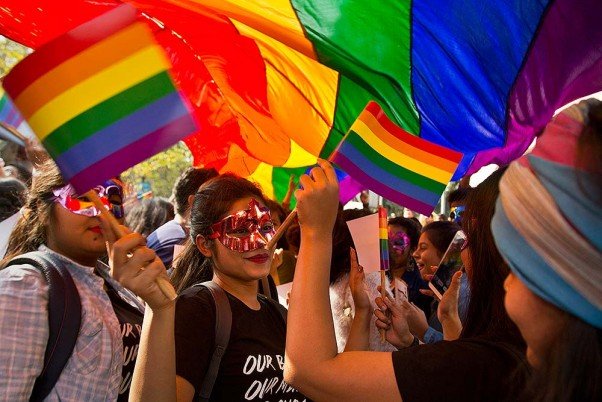
London will on April 11 be hosting the world’s first-ever Muslim pride event, ‘ImaanFest’, which comes after a successful crowdfunding campaign by its organisers, Imaan, a leading Muslim LGBTQI+ group in the United Kingdom (UK).
LGBTQI stands for lesbian, gay, bisexual, transgender, queer and intersex, while the ‘+’ represents other sexual identities.
According to reports, ImaanFest organisers successfully raised close to $20,000 in order to host the event, explaining that LGBTIQ+ Muslims often found themselves isolated, without community and frequently facing homophobic, biphobic, transphobic and Islamaphobic abuse.
“The event will build on the incredible events we organised in the past, and feature panels, discussions, speakers, arts, culture and history — a first for LGBTQI Muslims,” they were quoted as saying.
✨Calling all LGBTQI Muslims!✨ Tickets are now live for #ImaanFest Muslim Pride on 11 April in London. Don’t miss an amazing lineup of speakers, workshops, art, entertainment & food!https://t.co/xXxMq45ogY
With tickets for ImaanFest now available to members of the public, organisers are now using social media to reach queer Arab speakers and service providers who might like to get involved. Other speakers include queer British-Iraqi writer and filmmaker Amrou Al-Kadhi and trans activist Asifa Lahore.
An Islamic online news agency, 5 Pillars UK, notes that the event has been organised “despite Islam’s strict prohibition of homosexuality”. The news agency adds that the “practice and promotion of homosexuality is considered a major sin in Islam by all mainstream schools of thought”.
Imaan group has received a slew of negative tweets from online trolls after announcing the event over social media. But the group is responding to negative responses with “#Islamophobia”.
Most Muslim-majority countries and the Organisation of Islamic Cooperation (OIC) have opposed moves to advance LGBTQI+ rights at the United Nations (UN), in both the UN General Assembly (UNGA) and the UN Human Rights Council (UNHRC).
A number of Muslim countries, including Pakistan, Saudi Arabia, Yemen and Iran among others, have strict laws against homosexuality, with punishments for the same being as serious as a jail term or the death penalty.
Activist Shehzil Malik whose designs support and promote women empowerment recently called out retail brand Gul Ahmed for stealing her designs.
Soon after the allegations surfaced, the fashion outlet apologised to Shehzil and also posted a public apology.
While the fire from this backlash was still burning, another artist came forward with a similar case. Gul Khan Truck Art’s owner artist Ali Gul took to social media to highlight the issue and seek help and support from his followers. Gul Khan Truck Art represents cultural artwork from Pakistan and makes beautiful home decor products among other things.
Though Gul Ahmed has publicly apologised to the artists, the public is demanding answers. Artists and supporters alike are raising the issue and demanding proper action by the Gul Ahmed team.
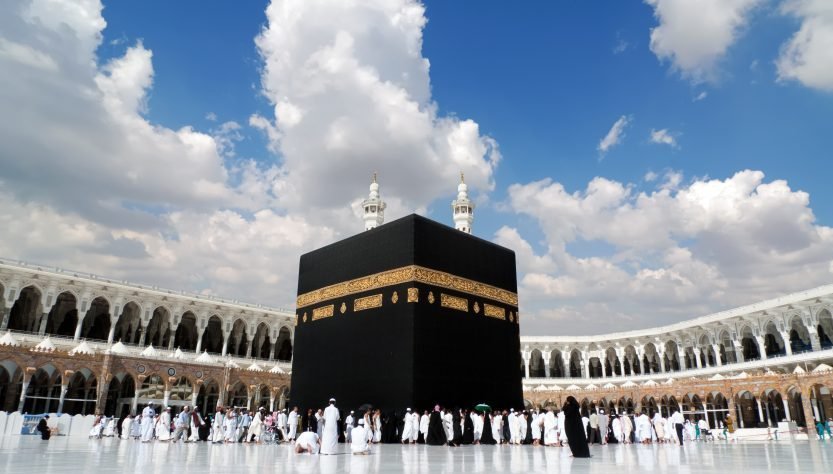
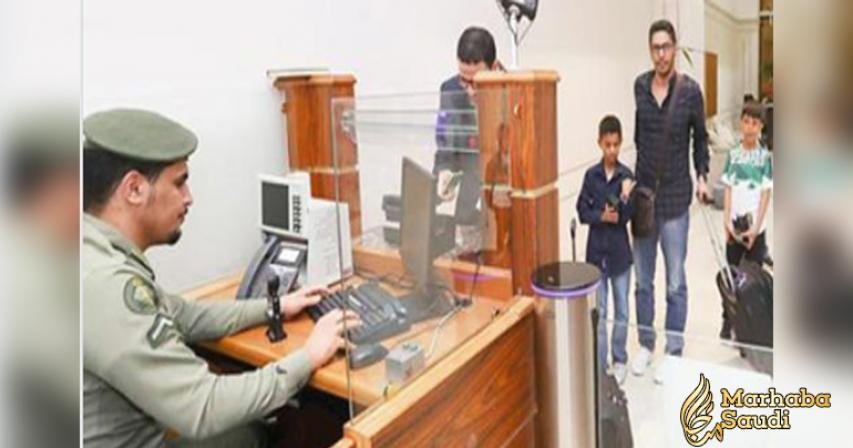
Saudi Arabia is introducing a one-year multiple-entry visit visa for Pakistanis who have a valid UK, US or Schengen visa on their passports, reports The News. The visa will also be applicable for Umra but not for Hajj. There’s a catch though. The visa can only be issued to a credit card holder. When you land at any international airport in Saudi, a visa charge of Rs.18,000 will be charged to your card: cash is not accepted.
People waiting at immigation. Photo credit: Marhaba Saudi
You can stay in the country for 90 days and enter multiple times until the visa expires.
There is another catch. You cannot enter the country if you have a valid UK, US, Schengen visa but have never used it Catch number three is that the first time to fly to Saudi to get an on arrival visa, you have to travel via Saudi Arlines, Flynas or Flydeal. The second time you visit, you can use any airline.
The Kingdom Tower in Jeddah
You can also apply for a tourist visa online. Once you submit it and it’s accepted, you will receive an electronic visa that you can show at immigration.
There’s much to see on the third and last day of the Lahore Literary Festival (LLF) that I think I’ll be session hopping because the panels I’m interested in will unfortunately overlap – unless of course I’m so glued to one that I’m not tempted to listen to another at the same time.
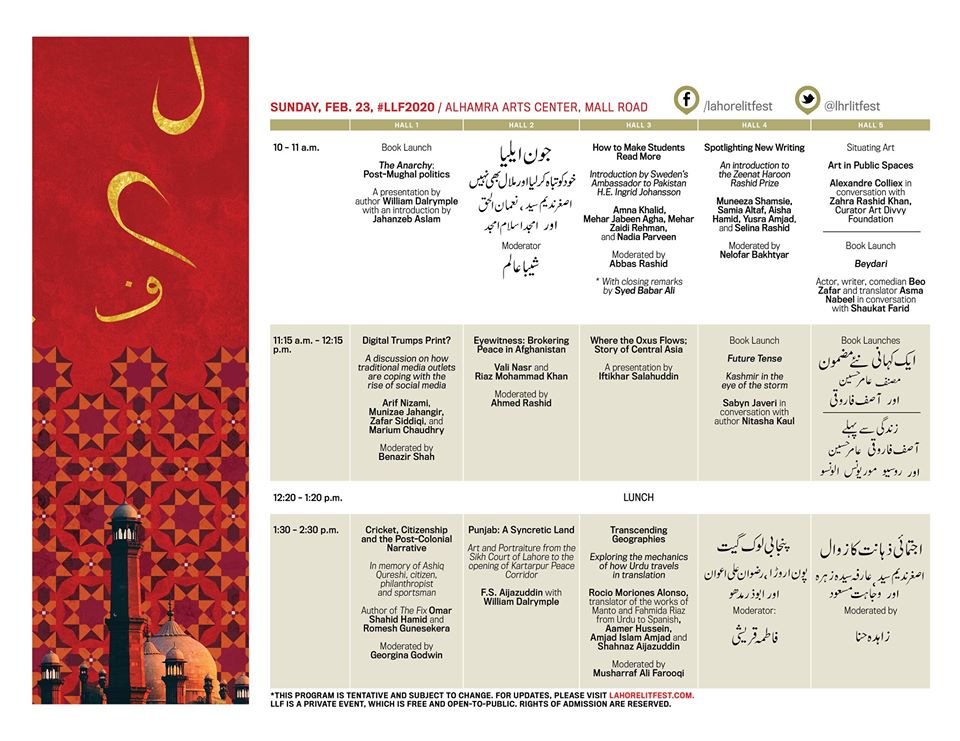
In hall one, historian and founder of the Jaipur Literary Festival, William Dalrymple will be presenting his latest book, The Anarchy: Post-Mughal Politics which given his past writings promises to be a stimulating session on the rise and fall of the East India Company and the dangers of corporate greed. So that’s between 10 and 11 am though another panel focused on new writing from Pakistan discussing the Zeenat Haroon Rashid Prize would also be interesting because as an editor I’d be curious to read and explore contemporary fiction and nonfiction coming out of Pakistan. Another panel — yet agin at the same time slot though timely given the Lahore Biennale is still on in the city until February 29 so go see that if you can — is on art in public places with French museum consultant, Alexandre Colliex in conversation with Zahra Rashid Khan, the curator of Foundation Divvy Art. With the biennale showcasing artists from Pakistan and abroad with works displayed in public spaces including museums, historical sites (Lahore Fort) and old marketplaces, this session is important as a way to discuss whether a city such as Lahore interested to conserve its art and history is able to do so with its resources or does it need attention from the experts. Also, this one should be interesting because Colliex is a roving museum advisor to governments in the Global South; he’s been involved in the Shenzhen government’s new Museum of Contemporary Art and Planning Exhibition, for example.
The next hour (11:15-12:15pm) has two slotted sessions that will definitely pique everyones’ interest as both panels are relevant to important debates that interest us. So you’ll be spoilt for choice in this time slot. A discussion of how traditional media outlets are coping with the rise of social media will definitely bring some important insights to the fore given the panelists who know the digital medium well. Unfortunately newspapers literally shrinking in size the world over given the rise of digital platforms is clearly evident. Even 24/7 TV now left behind as news breaks on social media and political debates have twitter as their next battle zone, so we see it is the beginning of the end for print (as the demise of Herald and Newsline magazines have demonstrated)— unless it reinvents its model and its content dissemination methods. The Current’s founder, Marium Chaudhry will be on this panel so go see what she says about an increasing younger readership and their interests and shares her insight into how digital news mediums will capture the market share.
Dare I say the session in hall 2 with American-Iranian analyst and a former US State Department advisor, Vali Nasr and Ambassador Riaz Mohammad Khan in conversation with journalist Ahmed Rashid will be a big draw in this time slot because firstly, it’s very pertinent to current political challenges in Afghanistan and second, both men have first-hand experience in Afghanistan — Nasr was part of the team with Richard Holbrooke that recommended negotiations with the Taliban instead of opting for a military solution during the Obama administration; and Khan, the author of Pakistan-Afghanistan: The Way Forward for Bilateral Relations and a former foreign secretary has vast experience in this region.
After lunch, (1:30-2:30pm) and on a lighter note I’ll go listen to author and police officer, Omar Shahid Hamid on cricket, citizenship and the post-colonial narrative. I’ve read Omar’s latest novel, The Fix, so I highly recommend this session with Sri Lankan author, Romesh Gunesekera. Happening at the same time, if you’re interested in how Urdu reads in translation, then go listen to Spanish writer, Rocio Moriones Alonso, translator of the worlds of Manto and Fahmida Riaz — appears to be an ambitious project worthy of the spotlight.
Mahira Khan and journalist Fifi Haroon will be up next at 2:45pm talking about Pakistan’s new cinematic wave — I’d recommend getting your seat in time because even though Hall 1 will squeeze everyone in, Mahira is the superstar for this weekend. I’m going to see what she has to say considering she is also an UN advocate for refugees. At the same time, there’s a a session on Punjabi drama and more art talk — this year the curators have widened the parameters of the festival to bring in the best.
As they say, leave the best for last. However, in this instance, the first because the inaugural session on Friday will have presented an interview with Nobel Laureate Orhan Pamuk. [Book suggestion: If you have an interest in his works and in Turkey, The Last Word bookshop has copies of an illustrated version of his novel, Istanbul, with old black and white photographs of the city when Pamuk was an adolescent which is worth buying and getting signed cause it’s like a collector’s copy.] The last session (4-5pm) will see Pamuk and Mohsin Hamid (The Reluctant Fundamentalist; Moth Smoke) talking about how literature can shape a more democratic world which I know will be an engrossing one when both writers are adept at telling stories highlighting pressing sociopolitical issues through their fiction. It will be interesting to see if they have similar or divergent views — is fiction essentially a voice for the voiceless? For writers, it all starts with ideas and stories and telling it as you experience and imagine.
Eight years on and LLF is still thinking, embracing a wider global vision and themes abound: freedom of expression; Afghanistan and Taliban negotiations; India, Kashmir; cricket; new Pakistani cinema; children’s story books; Urdu literature in Spanish and more. For me, it’s all about books, writers and thinking. Writers can take our reality and turn that into fiction something our politicians — and even journalists forcibly muzzled and strapped in current times — often don’t dare to do.
The Lahore Literary Festival at Alhamra was launched on a beautiful day with thoughtfully presented sessions. For what you should be doing on Day Two of the three day event, the founder of The Writing Room, one of Pakistan’s only writing studios that offer creative writing workshops, Mariam Tareen tells us about what sessions you should be attending.
10AM -11AM: HALL 2: Mining Conflict: Writing on Life in a Turbulent World
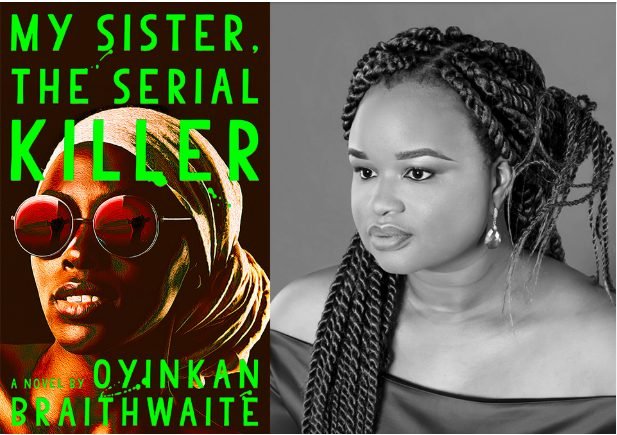
This session is the best of what LLF has to offer. When else can you expect to see Nigerian writer Oyinkan Braithwaite (author of My Sister the Serial Killer) and Sri Lankan writer Romesh Gunesekera (author of Suncatcher) with our very own Bilal Tanweer (author of The Scatter Here is Too Great) and debut writer Ayesha Baqir (author of Beyond The Fields, a novel set in Southern Punjab) speaking about writing novels today? This stellar foursome is sure to bring some fascinating discussions to the stage about the writing life and the similarities between our turbulent worlds specifically from a shared non-Western viewpoint.
11:15AM-12:15PM: HALL 3: The Modern: Bombay to Karachi: Exploring art and collectorship post-independence
I always try and catch a panel about art at the LLF, and I especially love a panel about the subcontinent’s shared history. Moderated by Salima Hashmi (painter, curator, professor), the panel includes South Asian art specialist and curator Nour Aslam (who was a former head of sales for Bonhams auction house in South Asian art department), artist and art historian Samina Iqbal, and Zehra Jumaboy of the Courtauld Institute, who specializes in contemporary South Asian art. Even if you don’t much about art (like me), you’re bound to learn a lot from these experts.
Lunch Break
For lunch, head to Solli’s Pizza and try any one of their quirkily-named, handmade pizzas – Eat Pray Love, War and Pieces of Pepperoni, and Crazy Rich Asians – for a delicious and comforting meal. Depending on how brightly the sun is shining, get yourself a Cappuccino or a chocolate ice cream from nearby Costra Nostra as a pick-me-up before the next session. But before you head there, make it a point to stop by at the bookstores in Hall 1. The organizers have made sure ALL the books being discussed at the festival are available. If you’re lucky, you can get them signed by your favourites.
1:30PM–2:30PM Book Launch: My Sister, the Serial Killer
After Orhan Pamuk, I think the biggest surprise of the LLF this year was Nigerian author Oyinkan Braithwaite, the Man Booker Prize longlisted author of My Sister, the Serial Killer. “Sibling loyalty comes under pressure in a Lagos-set debut that mixes crime, love story and family saga,” says the Guardian. I feel that Nigerian writing, similar to Pakistani writing, is having a moment. Most importantly, it’s stepping out beyond what is expected of it by a Western audience, and this book is a big part of that. In her own words, “What I see happening is I see people experimenting more, which, you know, I’m really grateful for because I think Nigeria has been known for literary fiction quite a bit. But now we’re seeing a lot more sci-fi. We’re seeing a lot more crime. We’re seeing fantasy. We’re seeing all sorts of things that – not that they weren’t there before, but they weren’t there in these numbers. So it’s definitely an exciting time.”
2:45-3:45PM Hall 1: Book Launch: New Kings of the World
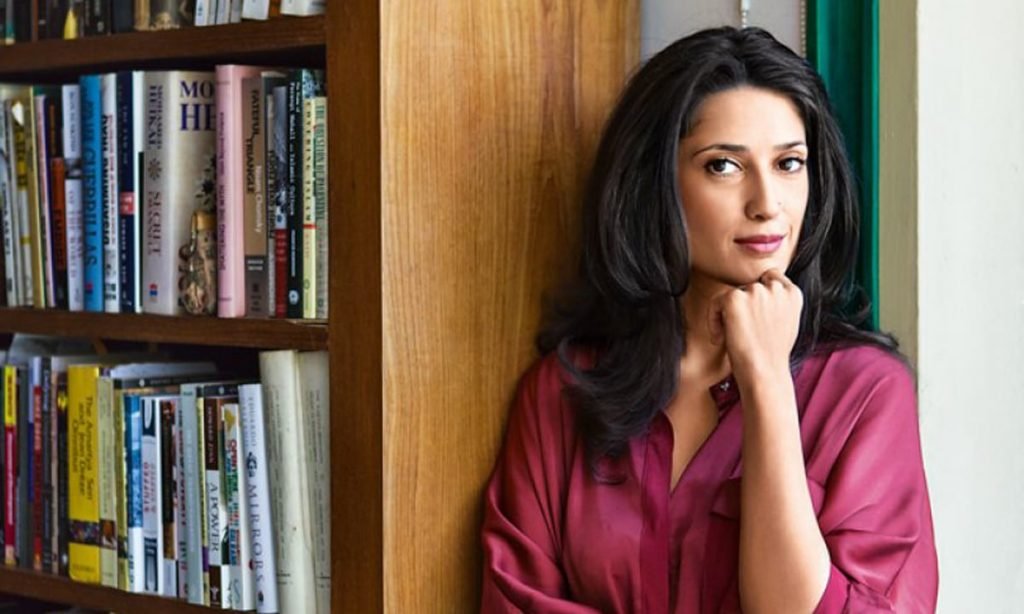
Fatima Bhutto is back again this year with her latest book – New Kings of the World: Dispatches from Bollywood, Dizi, and K-Pop, for which she travelled the globe, exploring cultural movements arising from outside the Western world. Reporting from Istanbul, Dubai, Beirut, Lima and Seoul, Bhutto argues that the global dominance of American pop culture has come to an end, overtaken by Bollywood films, Turkish television shows (dizi), and Korean pop music (K-pop). The book is intelligent, thoughtful and entertaining as I am certain this session, moderated by Fatima Arif, will be too.
4-5PM: Bigotry Brigade: Where is India Headed?
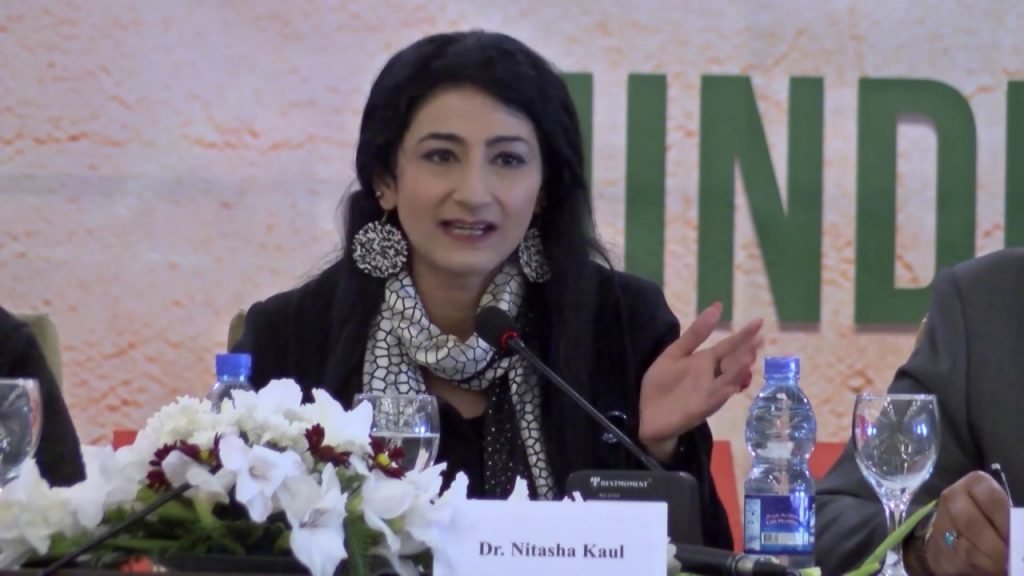
Kashmiri writer, Dr. Nitasha Kaul
I usually choose sessions about books to sessions about politics, but I must make an exception here. This panel includes: historian and author Audrey Truschke (she wrote a biography of Aurganzeb) who is very vocal about human rights abuses in contemporary South Asia; Kashmiri novelist Nitasha Kaul (author of Residue and Future Tense); and Iranian-American professor of Middle Eastern Studies and International Affairs and author Vali Nasr, whose most recent book, The Dispensable Nation, deals with the implications of the Obama administration’s foreign policy on American strategic interests. (From 2009 to 2011, he was also the foreign policy adviser to President Obama’s administration.)
The sessions end at 5PM and since there is a PSL match in town, it’s best to leave as soon as possible to beat all the traffic. The weather promises to be sunny with patchy clouds and a truly wonderful day for sun and literature.
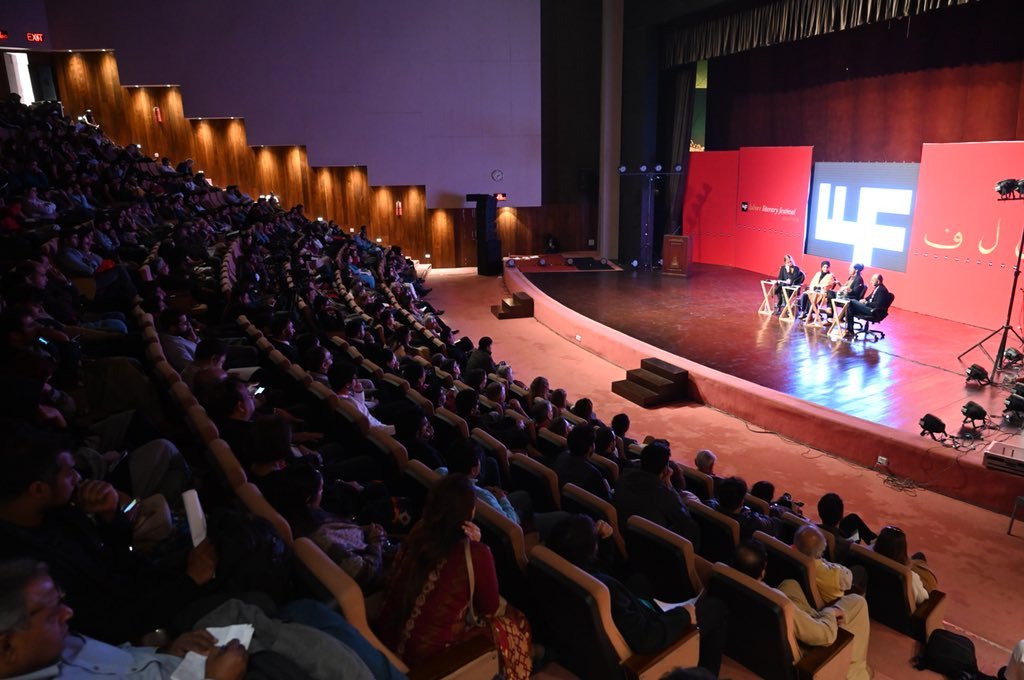
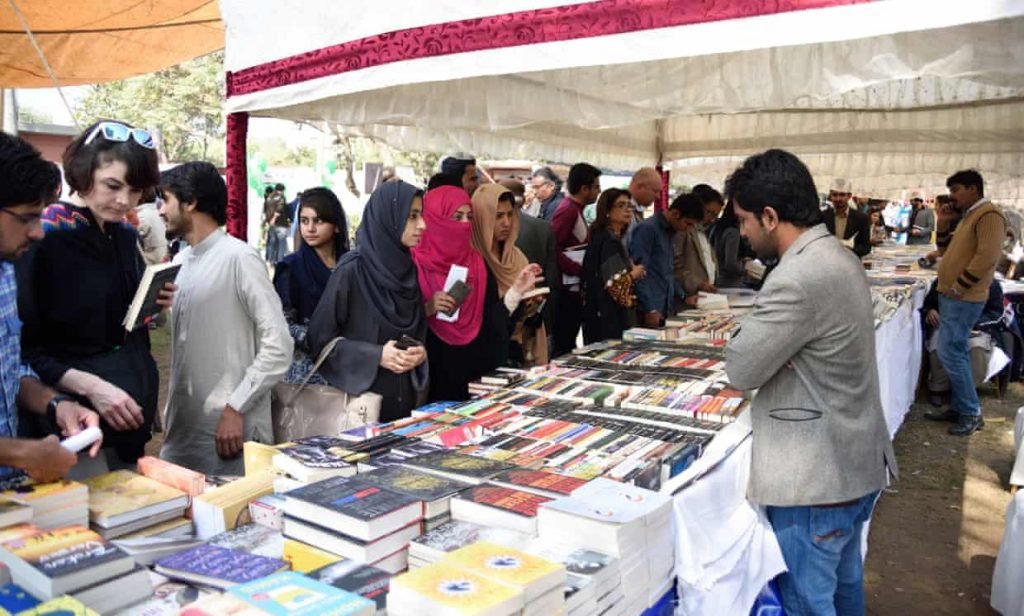
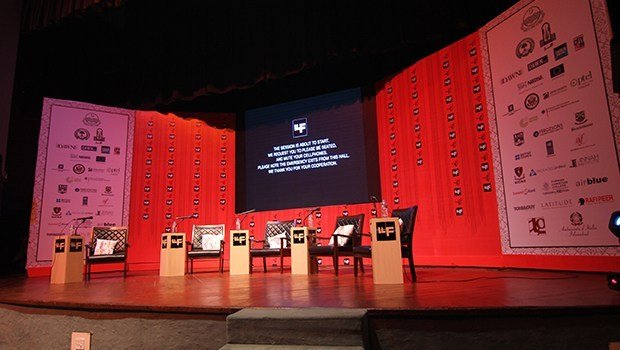
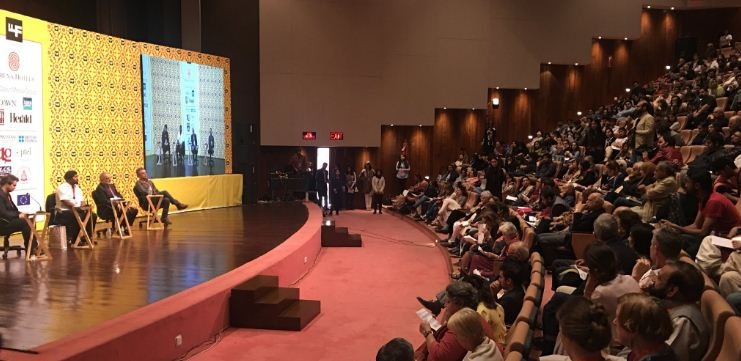
Lahore’s annual literary festival returns this weekend (Feb 21-23) at the Alhamra Arts Centre with writers flocking to the historic city of literature and culture to discuss all things literary, political, historical, environmental and cultural. In a ‘post-truth’ age where social media storms have taken over all kinds of debate, this weekend is one where ‘big’ ideas will be discussed (in person; not on twitter — we can’t wait for that real engagement) promising to be provocative, exciting and engaging.
Orhan Pamuk
If you’ve read the Turkish writer, Orhan Pamuk, or our very own treasure I.A Rehman’s writings, they often tend to navigate socio-political complexities by giving a voice to the silent and silenced and telling their stories. You’ll be able to listen to both Pamuk and I A Rehman, including an amalgam of the brave and the fearless speak of their experiences and their art. LLF is like that about conversation, ideas and thoughts: it’s the Woodstock of the mind as Bill Clinton had once described the Hay Festival.
So here’s what you need to do on the first day of the LLF:
11AM-1PM: HALL ONE: Opening ceremony followed by, My Name is Red: Ahmed Rashid in conversation with the recipient of the 2006 Nobel Prize in Literature Orhan Pamuk
It’s going to be a full house at the opening ceremony so come early to get good seats
Our recommendation is definitely do not miss the opening hour of the festival: one of the brightest stars in the literary galaxy, Nobel literature prize winner, Turkish novelist Orhan Pamuk will be in conversation with journalist Ahmed Rashid (also a long-time patron of LLF and author) discussing his novel, My Name is Red. Be warned as an avid Pamuk reader he doesn’t write for everyone drawn to the elaborate book covers that his novels might demand. But when he laboriously and sumptuously explores the soul of Turkey in his many novels with aesthetic finesse and ingenuity, you’ll find yourself between moments of being enthralled and educated. Just for those who are yet to read Pamuk’s My Name is Red, a four hundred pager, it is a riveting story about the threatened Westernisation of Ottoman pictorial art and a murder.
TAKE A BREAK:
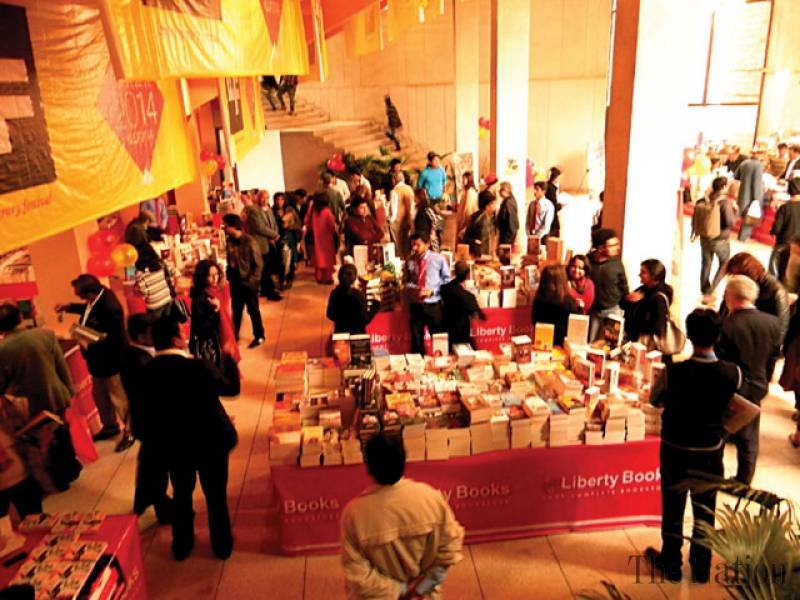
Liberty books and Readings will have stalls at the event
After Pamuk’s session, you’ll have time to take a break, get a coffee or even a quick lunch at various restaurants that’ll have their stalls at the Alhamra. If you’re an out-of-towner, we recommend trying the food at Delish, Cost Nostra and Nairang cafe. (An insider tip for book buyers: bookstore stalls at the venue could run out of popular fiction so we’d suggest a quick visit to Readings, The Last Word or Liberty Books before LLF begins if you’d like to stock up for book signings)
2:30PM-3:30PM: If you’re interested in global political changes, Vali Nasr, an American-Iranian writer and a former senior advisor with the US State Department (2009-2011) under ambassador Richard Holbrooke will be on a panel with Pakistan’s former representative to the UN, Maleeha Lodhi and Turkish journalist and writer, Kaya Genc. Nasr was at LLF in 2014 and visits Pakistan regularly for lectures and literature festivals. However, we recommend that you attend the session on Pashto mushaira, celebrating the legacy of poet Rehman Baba, which might prove to be fascinating insight into a not-so-often discussed part of Pakistani culture.
Author Vali Nasr speaking at The Asia Society
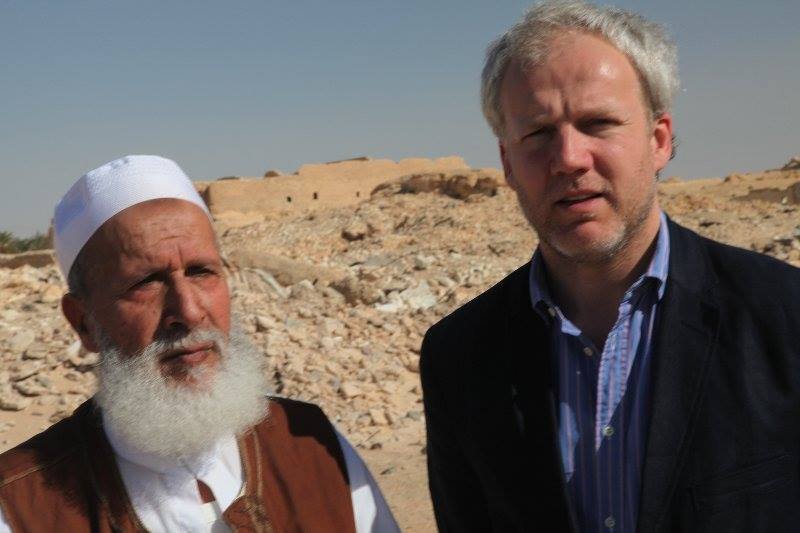
3:45PM-4:45PM: Five sessions to choose from. If you’re interested in the state of the media in Pakistan and the changing landscape for journalists who continue to report without fear and favour, a session with former Herald and Newsline editors and the indomitable human rights activist, IA Rehman will definitely interest you (also I will be moderating that session so come and say hello). If I wasn’t moderating, I would have enjoyed checking out an illustrated discussion with British travel writer, Justin Marozzi. He will talk about his book Baghdad: City of Peace, City of Blood. There doesn’t seem to be a moderator for that session so it will be interesting to see the author discuss his own book in what is described as an ‘illustrated talk’.
Justin Marozzi in Libya
All sessions end at 5 PM to beat the PSL traffic so end the day by looking around, meeting with like-minded people and having a cup of tea on what is expected to be a warm and cloudy day.
The Current’s special contributor, senior journalist Razeshta Sethna, spoke to Razi Ahmed, the founder of the Lahore Literary Festival about the ethos behind the fest and the challenges overcome in making it successful for the past eight years.
Q) What’s the overall ethos/or underlying theme for LLF this year?
LLF is a civil society initiative which stands for intellectual stimulation and honouring Lahore’s rich literary and cultural traditions. It is an entirely private event, with no government support, run for the city of Lahore as a free and open-to-public event.
The popular Hall One where all the big sessions take place
Q)In the past eight years, LLF has come a long way despite the challenges, so what’s been the hardest one you’ve had to contend with and why?
LLF has faced hardships which are common to many platforms in places like India and Bangladesh too. It is collective teamwork, indeed, coupled with a strong mission to serve and contribute to the society that have enabled the team at LLF to surmount the challenges.
We have over eight years of LLF honoured the great Pakistani writers and poets, including, among others, Intizar Hussain, Bapsi Sidhwa, Abdullah Hussein, Zehra Nigah, Amjad Islam Amjad and Asghar Nadeem Syed.
Q) What sessions will you be going to this year? Your top three picks?
All.
*LLF will commence on Friday Feb 21st at the Alhamra Arts Center on Mall Road,
The three-day event, culminating on February 23, 2020, will continue its tradition of hosting eminent writers, historians, artists and opinion makers from Pakistan and abroad with over a hundred speakers and 63 sessions.
This year’s festival will include Pakistani author Fatima Bhutto, Winner of the Nobel Prize in Literature Orhan Pamuk, Oyinkan Braithwaite, who was long-listed for the Man Booker 2019; author Musharraf Ali Farooqi, who will launch his latest book, The Merman and the Book of Power; novelist and poet Nitasha Kaul, who has written on the plight of Kashmir in Modi’s India; and Adrian Hayes, who will launch One Man’s Climb, a book about his journey to reach the summit of K2.
A Pakistani expat, who works as a salesman in the United Arab Emirates (UAE), has won a 2020 model of the luxury Bentley Bentayga V8 worth millions of rupees in the Dubai Duty Free (DDF) raffle draw.
According to Gulf News, Anjum Ashraf of Karachi won the luxury vehicle worth millions (Dh1 million or Rs45 million) at the DDF draw held on Tuesday, February 18.
His winning ticket number 1676 was picked from the series 1747, announced DDF — the company responsible for the duty-free operations at Dubai International Airport and Al Maktoum International Airport.
Ashraf earns Dh7,000 (around Rs300,000) as a salesman. Needless to say that he is excited with the win. “I still cannot believe it,” he happily shared.
In a similar bid, an Indian man named Jagdish Ramnani, 42, became the latest million dollar winner at the DDF draw along with Nazeerunnisa Fazal Mohammad, 37, hailing from Hyderabad who won an Aprilla Dorsoduro 900 (motorbike).
Mohammad, who is currently working as a software engineer, has been regularly buying the DDF tickets and she bought her winning ticket on January 10 online.
“I have been trying my luck for the million dollar series, hopefully it will be soon,” she said.
Pakistan has been declared the world’s most affordable country to live in, while Bangladesh is the most expensive country in South Asia and Switzerland the most expensive in the world.
CEOWORLD — one of the world’s leading business magazines for high-level executive professionals and business leaders — has declared Pakistan the world’s most affordable country to live in, followed by Afghanistan, India, Syria, Uzbekistan, Kyrgyzstan and Tunisia, Dhaka Tribune reported.
Source: CEOWORLD
Meanwhile, European countries were prominent on the list of most expensive ones. Of the top 20 nations, nine were in Europe, five in Asia, one in North America and Africa each, two in the Caribbean and two in Oceania.
Norway ranks second in the list of the world’s most expensive countries to live in, followed by Iceland, Japan, Denmark, Bahamas, Luxembourg, Israel, Singapore and South Korea.
A little further down in the list, there is the United States (US) at the 20th position, the United Kingdom (UK) at 27th, Saudi Arabia at 57th and Russia at 82nd.
The rankings are based on five major metrics — cost of living, rent, groceries, eating out and purchasing power. To identify the world’s most and least expensive countries to live in, the magazine collected and reviewed data from dozens of studies, numbers of consumer price index, cost of living index and numerous national and international media reports.
The data was then compiled into an index, using the notoriously expensive city of New York City (NYC) as a benchmark. New York was given an index score of 100. So a country with a score higher than 100 is more expensive than New York, while below signals less expensive.