Category: Lifestyle

The lifestyle of millennials is underreported in our mainstream media. The Current’s lifestyle news covers social events and issues that are unique.

  • Malala in her cowgirl era for British Vogue; internet reminded of her silence on Palestine

    Malala in her cowgirl era for British Vogue; internet reminded of her silence on Palestine

    Malala is making a special appearance in a British sitcom called ‘We Are Lady Parts’ based on a punk band consisting of Muslim women.

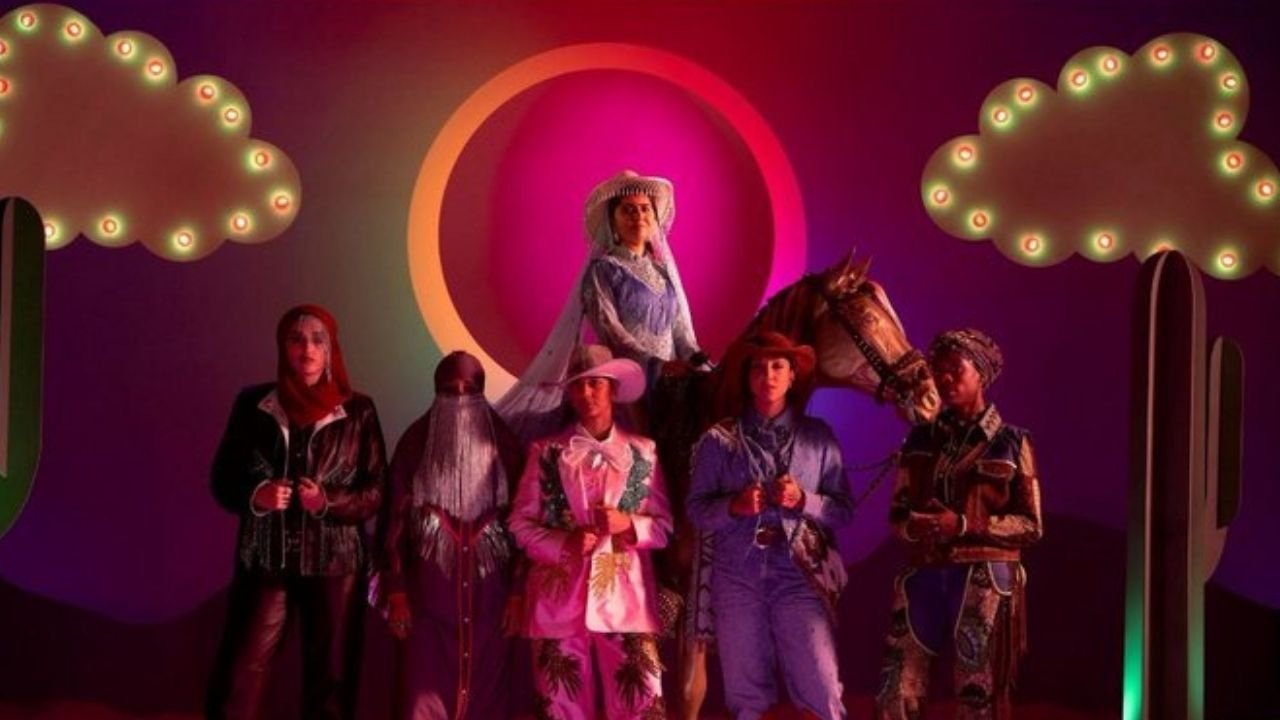
    For a photoshoot with British Vogue, Malala donned a look similar to that of a cowgirl with a shimmery blue outfit and a large hat while sitting on horseback.

    Other cast members were seen standing in front of the horse.

    Netizens were reacting in all ways possible to her pictures but the dominant element is her muffled response and lack of condemnation of Israel’s ongoing genocide in Gaza.

    Social media users subjected her to criticism as one commented underneath the British Vogue post, “Wow, the priorities Malala has during an ongoing genocide.”

    While another commented, “Proving that modesty fashion can be stylish, trendy, and fun.”

    A user subjected her to severe criticism: “Can officially add actress to her CV, we’ve only been assuming for the past many years”. Someone else commented, “Baby girl is too busy to give a damn about genocide. #AllEyesOnRafah”

    Fashion journalist Amna Isani shared the picture and took a jibe at her by commenting, “Is this what officially losing the plot looks like?”.

    Malala has been receiving ire since October 7 because of her perceived restraint in condemning Israel for the genocide. Even though she has called for a ceasefire in the past, the internet is lambasting her for her silence on the Rafah Massacre carried out by Israeli forces early in the week.

    However, in the interview that she gave to Vogue, Malala did talk about Gaza and specifically the Rafah Massacre. “This is such a difficult time right now, especially with what is happening in Gaza, and especially what we saw in Rafah this week,” she told the magazine, calling the images “heartbreaking.”

    She went on to plead the case for a ceasefire in Gaza, stating: “I want people in Gaza not to be dehumanised. I want people to see those children as humans.”

  • Prolonged load shedding continues across country in extreme heat

    Prolonged load shedding continues across country in extreme heat

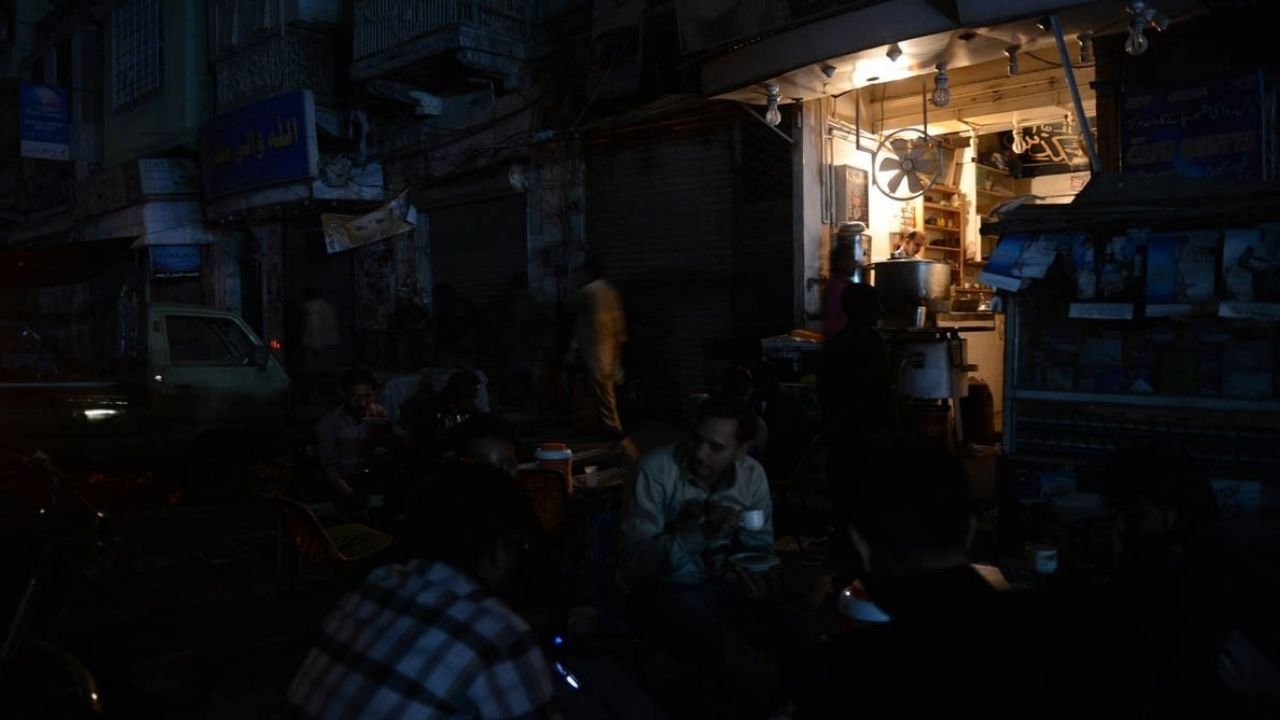
    With record breaking temperatures, hours of load shedding of electricity have caused inconvenience for people in a number of cities across Pakistan.

    In many areas of Hyderabad, the duration of load shedding has reached up to 12 hours.

    Spokesperson of HESCO said that load shedding is happening on the basis of line losses. He also claims that load shedding is not interrupting examination hours.

    Meanwhile, urban areas of Sukkur are experiencing six to eight hours of load shedding while Jacobabad, Shikarpur and Kashmore undergoing 12 to 14 hours.

    Thatta city and its surroundings are subjected to 14 to 16 hours load shedding, six hours in Kamalia city, and eight hours in rural areas.

    Wahari stands at four to six hours of load shedding while 10 hours in rural areas.

    More than 10 hours of load shedding is taking place in Mingora city, more than 16 hours in suburban areas, while Bannu is experiencing 18 to 20 hours of load shedding.

    Citizens say that business activities and life are being affected due to load shedding.

  • After iCUBE-Q, another Pakistani Satellite to be launched into space

    After iCUBE-Q, another Pakistani Satellite to be launched into space

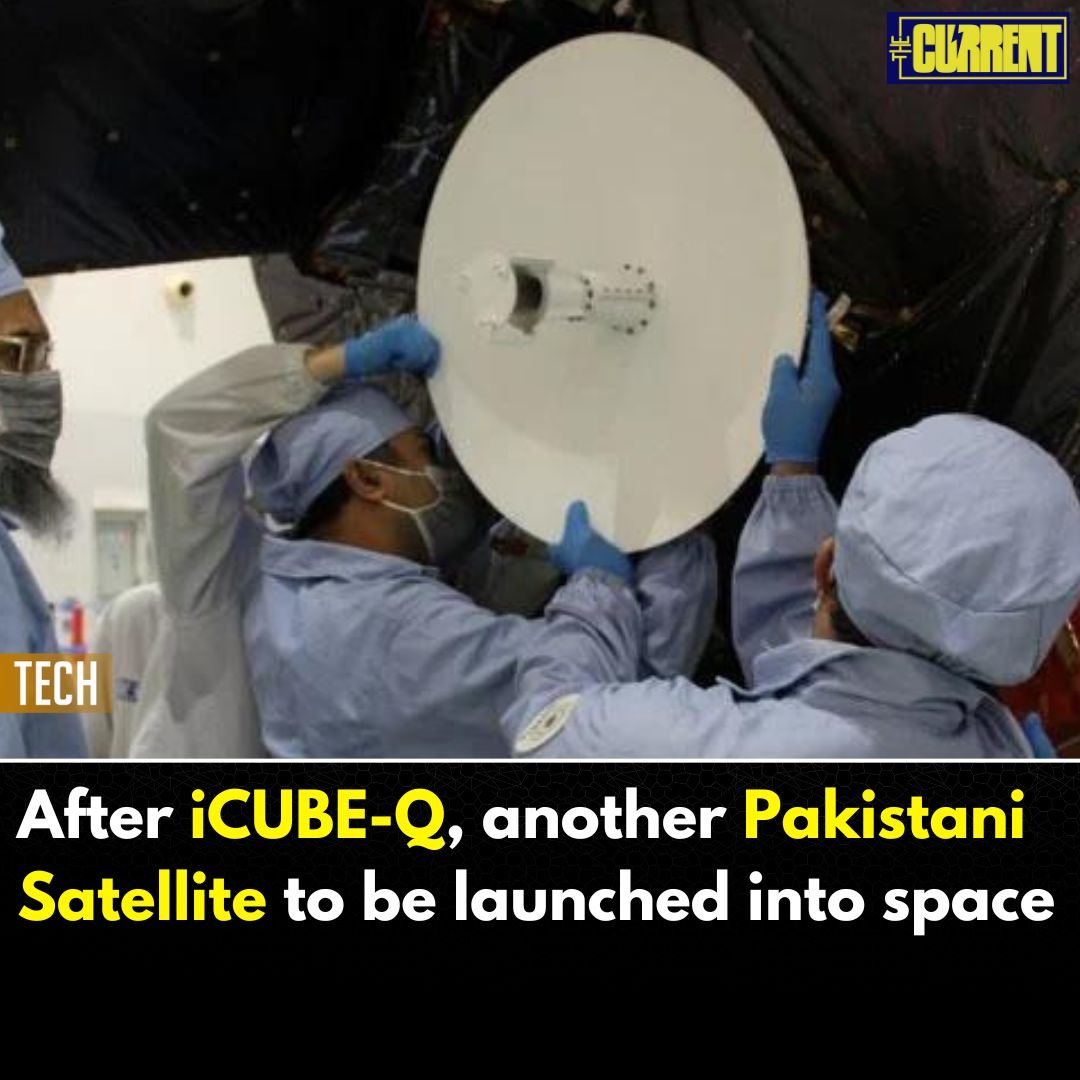
    After the successful launch of iCUBE Qamar, Pakistan’s newest Communication Satellite, MM1, is to be launched into space today (May 30).

    The satellite which is officially names as PAKSAT MM1will be launched from Xichang Satellite Launch Center (XSLC), China.

    The satellite will help bring in Pakistan into the digital era as it will provide internet to remote areas, according to SUPARCO officials.

    “Our team is very excited for the upcoming launch of PakSat MM1 on May 30,” Project Director PakSat MM1 said.

    The launch ceremony will be shown live for media from the Islamabad and Karachi establishments of SUPARCO.

    The satellite is expected to contribute to the establishment of a sophisticated communication network and help meet the growing demands of the telecom sector and its advanced capabilities will address the increasing demand for high-speed internet and seamless connectivity.

    “It will prove to be a stepping stone in the transformation of the country into Digital Pakistan. It will provide various communication services like broadband internet, TV broadcasting, Mobile bank –hauling and VSAT connectivity.”

    Project Manager MM-1 Usman Iftikhar said that the primary objective behind the PAKSAT MM-1 satellite is to strengthen Pakistan’s communication infrastructure and pave the way for broadening the horizons for connectivity.

    This satellite is a communication satellite that will be sent in a Geostationary Orbit.

    Earlier, Pakistan’s historic lunar mission (iCUBE-Q) was launched on May 3 on board China’s Chang’E6 from Hainan, China.

    The satellite iCube-Qamar mission marked Pakistan’s first lunar exploration effort.

  • Heavy monsoon spell on its way to Pakistan

    Heavy monsoon spell on its way to Pakistan

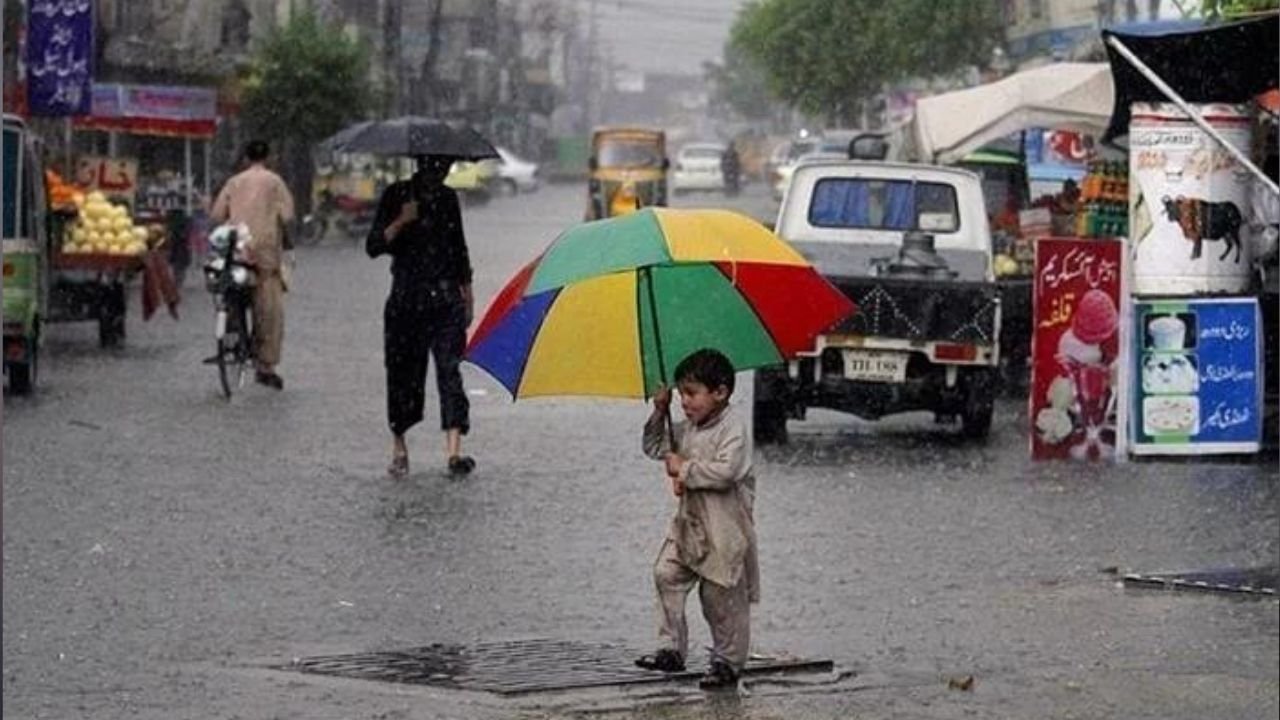
    The Pakistan Meteorological Department (PMD) on Thursday forecast said that many areas in the country will receive extraordinary monsoon rains from June to August.

    This forecast is a relief amid the ongoing heatwave but is also concerning because of the fear of floods in the country, reports Geo.

    As per the predictions by the weather department, there is a chance of usual and above-normal rains in most places this year. However, central and northern Punjab will remain affected the most.
    While southern Sindh is expected to receive torrential rains, Balochistan might experience extraordinary rainy weather.

    Khyber Pakhtunkhwa and Gilgit-Baltistan are expected to experience average rainfall this year, informs the meteorological department.

    The department has predicted heavy rainfall in the first phase of the monsoon in comparison with the second phase.

    PMD has also predicted that Punjab and upper parts of the country are expected to receive rain during the ongoing week which could break the heat spell.

    Severe heatwave conditions were likely to subside in upper parts if it rained, said the Met Department.

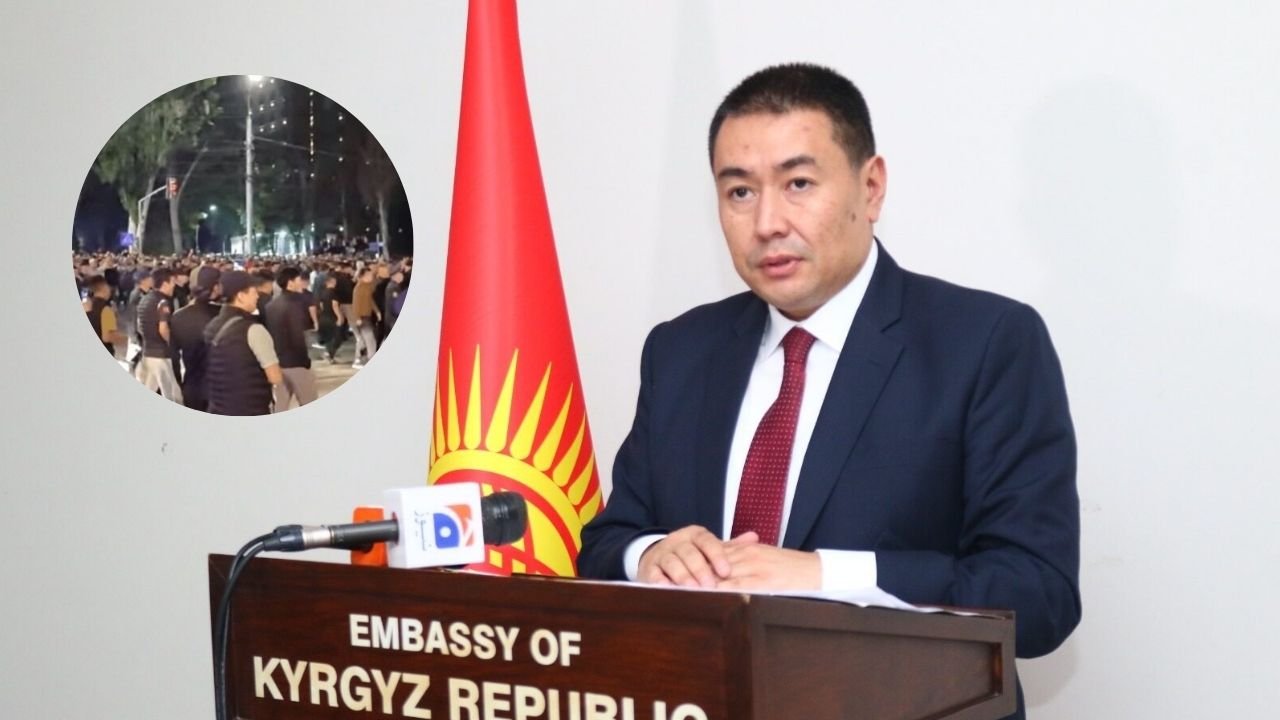
  • Situation in Bishkek under control, suspects will be punished according to law: Kyrgyz Ambassador

    Situation in Bishkek under control, suspects will be punished according to law: Kyrgyz Ambassador

    Kyrgyz Ambassador Ulanbek Totuiaev has said that the situation in Bishkek is under control, and that suspects charged with violence will be punished according to the law.

    During a media briefing in Islamabad, he asserted that the news shared on foreign media social networks were completely baseless, especially in Pakistan.

    The ambassador reiterated that on May 13, a clash took place between local and foreign students in a hostel in Bishkek. On May 18, Kyrgyz citizens demonstrated to bring foreign students to justice. As soon as the information was received, the police detained four Egyptians and ten Kyrgyz citizens.

    He further clarified that no one was injured in the riots and that the media is requested to refrain from broadcasting or publishing unverified information. He emphasized that all the rioters will be punished according to law in Kyrgyzstan, whereas Pakistan will be asked to investigate those spreading false information in the media.

  • North Korea drops rubbish-filled balloons on South Korea

    North Korea drops rubbish-filled balloons on South Korea

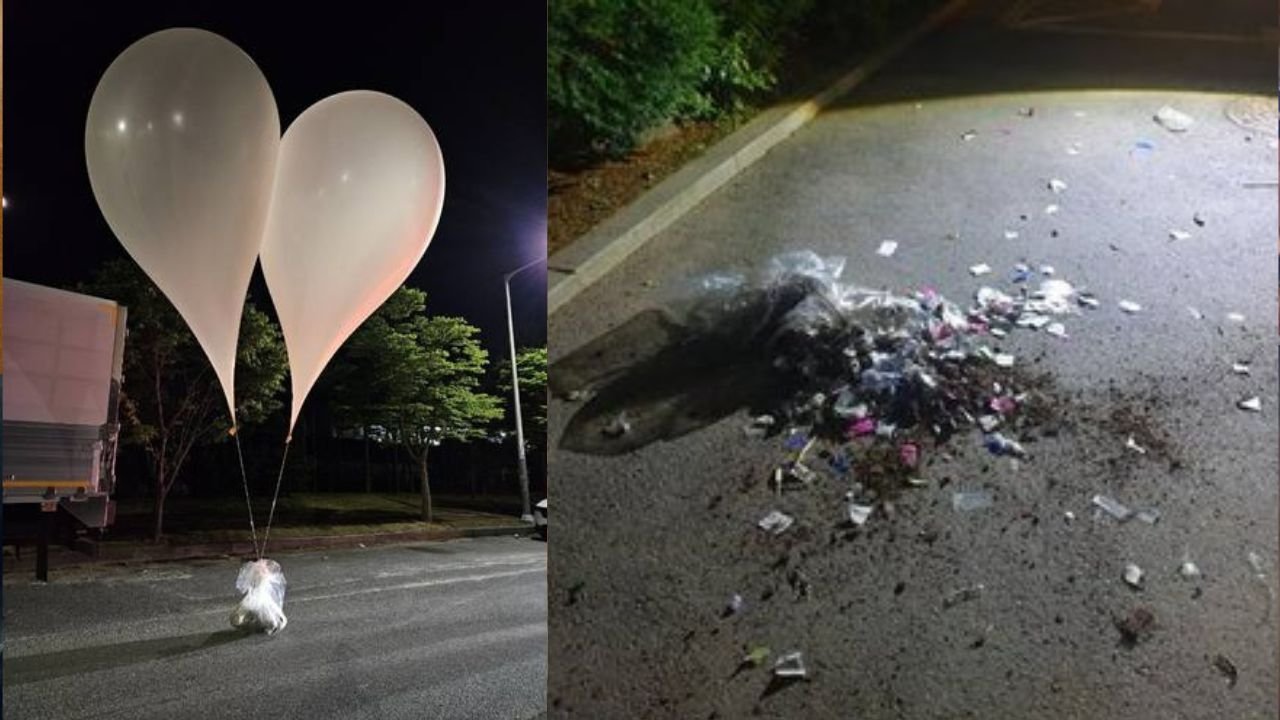
    North Korea just dropped at least 260 filth-filled balloons on South Korea, prompting officials to warn residents to stay indoors.

    South Korea’s army cautioned the public against touching the balloons and the plastic bags attached to them because they contain “filthy waste and trash”.
    The balloons have been found in eight of nine provinces in South Korea and are now being investigated.

    The recent incident comes days after North Korea said it would retaliate against the “frequent scattering of leaflets and other rubbish” in border areas by activists in the South.

    Photographs shared on various social media platforms show bags attached via string to white translucent balloons carrying toilet paper, dark soil, batteries, and leaflets, among other contents.

    BBC quotes South Korea’s Yonhap news agency’s report: “Some of the fallen balloons carried what appears to be faeces judging from its dark colour and odour”.

    Battle of Ballons

    North and South Korea have both used balloons in their propaganda campaigns since the Korean War in the 1950s.

    South Korea’s military had earlier said it was investigating whether there were any North Korean propaganda leaflets in the balloons.

    Earlier this month, a South Korea-based activist group claimed it had sent 20 balloons carrying choco pies, leaflets, and USB sticks containing Korean pop music and music videos across the border, all of which are banned in North Korea.

    Back in 2016, North Korea launched balloons southward that attacked Seoul’s leaders The balloons reportedly carried toilet paper, cigarette butts, and rubbish.

    However, Seoul police described them as “hazardous biochemical substances”.

    “It seriously threatens the safety of our people. North Korea is entirely liable for what happens due to the balloons and we sternly warn North Korea to immediately stop this inhumane and crass action,” the South’s military said.

  • When is Zul-Hajj moon expected?

    When is Zul-Hajj moon expected?

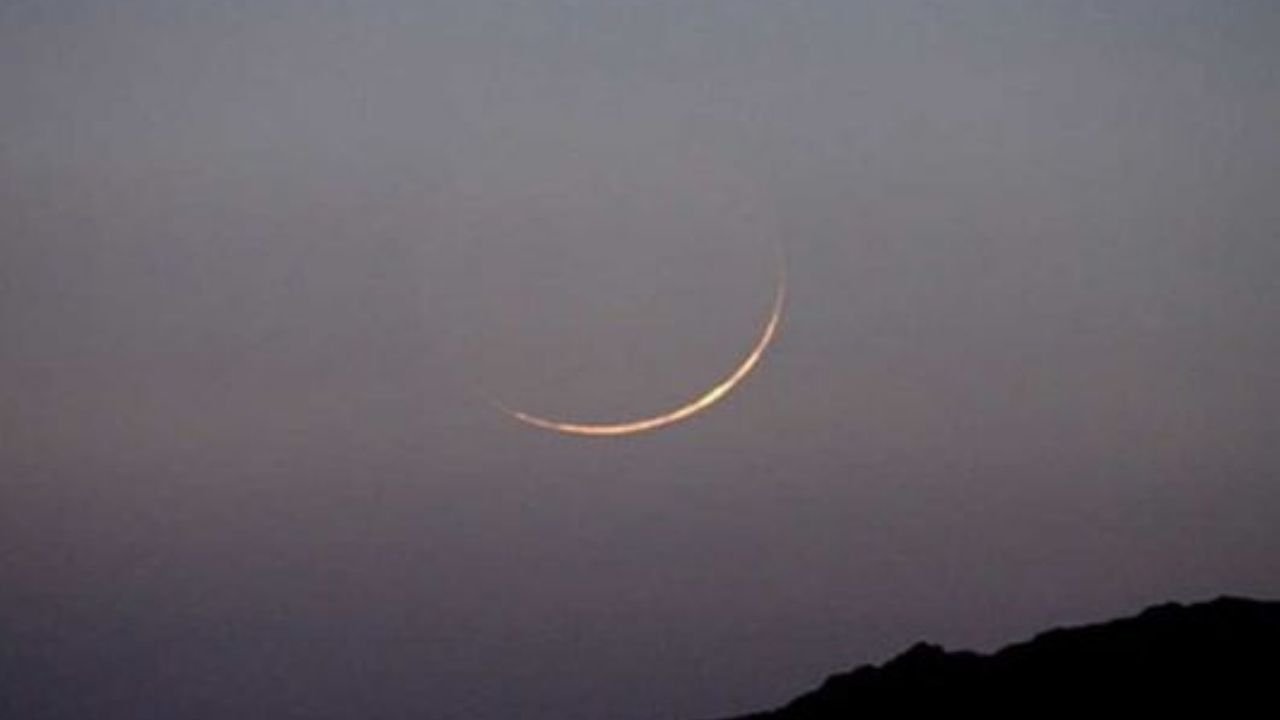
    The Meteorological Department has predicted that there is a strong possibility that the moon of Zul-Hajj will be visible on Friday, June 7.

    The Eid-ul-Azha will be on Monday, June 17, if the predictions around the Zul-Hajj moon stand true.

    The International Astronomy Center says that Islamic countries will witness the Zul-Hajj moon on Friday, June 7, according to the Al-Arabiya report.

    If the moon is visible, the first Zul Hajj will be on June 8, otherwise, it will be on Sunday, June 9, that is, the first day of 10 Zul Hajj Eid-ul-Azha will be on Monday, June 17, or Tuesday, June 18.

    However, the final announcement of the date of Eid-ul-Azha in Pakistan will be made by the central Moon Sighting Committee after the sighting of the Zul-Hajj moon.

  • ASP Shehar Bano appointed personal security officer of Mohsin Naqvi

    ASP Shehar Bano appointed personal security officer of Mohsin Naqvi

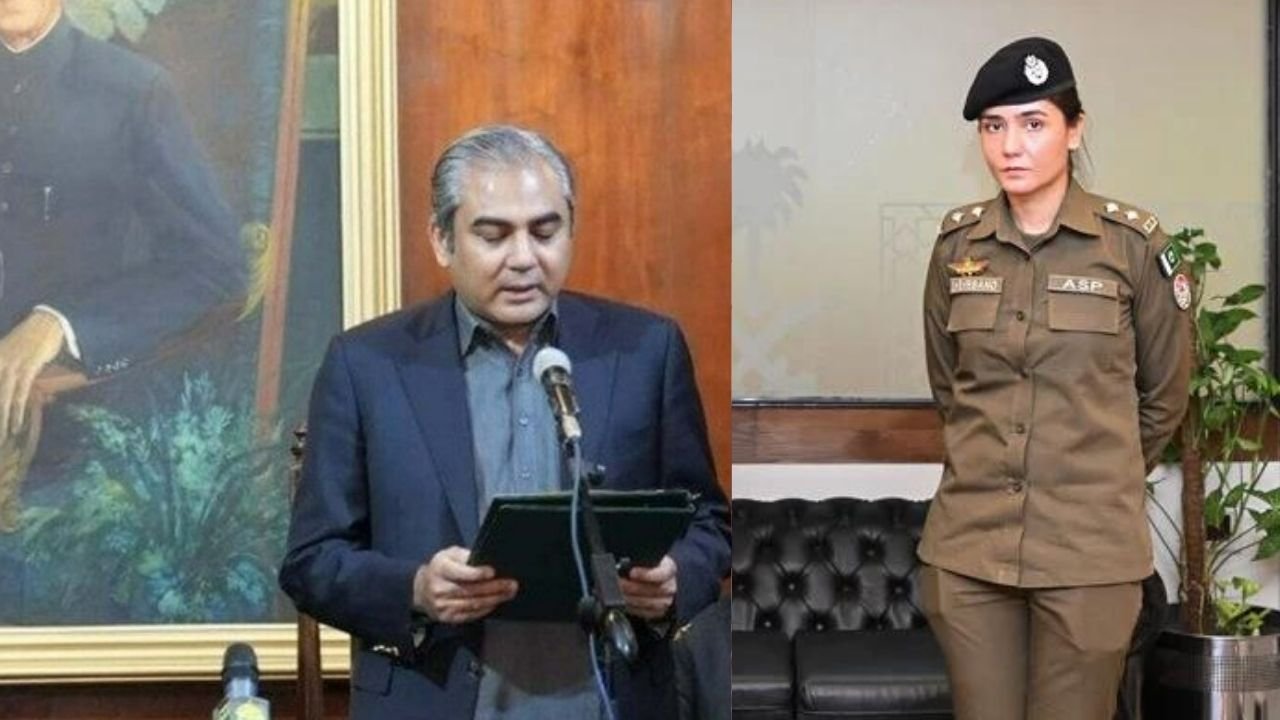
    ASP Shehar Bano has been appointed as the personal security officer of Federal Interior Minister Mohsin Naqvi.

    Naqvi will perform duties as PSO of Mohsin Naqvi, says the notification issued by the Ministry of Interior.

    She was previously working as Assistant Director of the Intelligence Bureau.

    In February 2024, Shahar Bano Naqvi came to the limelight by saving a woman from an angry mob in Lahore for which she garnered praise from public and governmental quarters.

    Shehar Bano Naqvi joined the police service after clearing the CSS exam in 2019.

  • Pakistan bus crash kills at least 27 people: hospital

    Pakistan bus crash kills at least 27 people: hospital

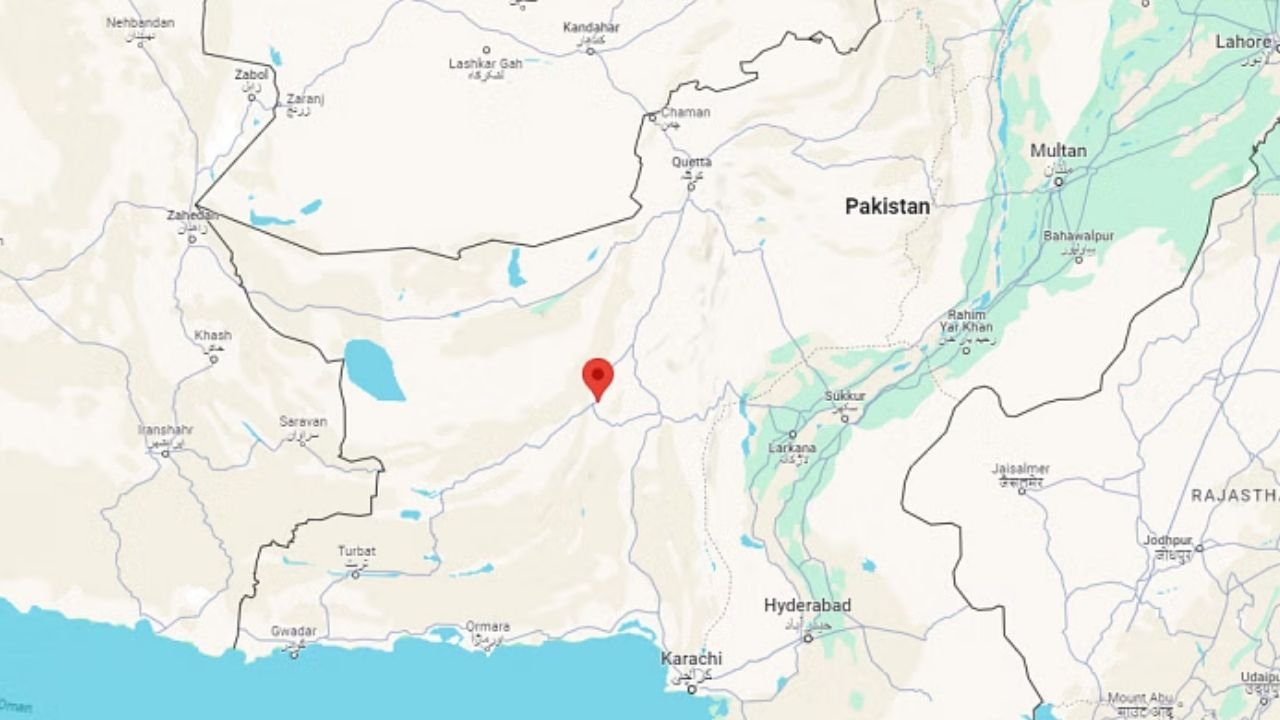
    Quetta, Pakistan – At least 27 people were killed on Wednesday when a bus plunged off the road into a deep ravine in southwestern Pakistan, hospital and government officials said.

    The crash happened around dawn in Basima town in Balochistan province while the bus was travelling from Turbat city to Quetta.

    “The driver was navigating a turn in a mountainous area when the vehicle lost control and fell into a ravine,” Ismail Mengal, a local government official said, giving a toll of 27 dead.

    “We are still investigating the cause of the incident. It could be that the driver fell asleep or was speeding, which led to the accident.”

    More than 25 others, including the driver, were injured.

    Noor Ullah, chief doctor at Civil Hospital Basima, told AFP that 27 bodies were taken there, including three women and two children.

    Prime Minister Shehbaz Sharif has “expressed deep sorrow and grief over the tragic traffic accident”, his office said in a statement.

    Road accidents with high fatalities are common in Pakistan, where safety measures are lax, driver training is poor and transport infrastructure often decrepit.

    At least 17 pilgrims were killed and 41 injured in a crash in April as they travelled to a shrine in Balochistan’s Hub district.

    In January last year, 41 people were killed when their bus, which was also loaded with containers of flammable oil, careered off the road into a valley and burst into flames.

    mak-zz/ecl/pbt

    © Agence France-Presse

  • Pakistan’s Sufi festivals reclaim spirit after violence

    Pakistan’s Sufi festivals reclaim spirit after violence

    Shah Jiwana (Pakistan) (AFP) – Rhythmic drums and spirited dancing are once again bringing life to the shrines of Pakistan’s saints, where festivals were long stifled by jihadist violence.

    As the harvest season ends and schools finish for the summer, villagers climb atop tractor trolleys, buses and rickshaws to head to the annual celebrations at Sufi shrines dotted across the country.

    “Those who cannot meet during the rest of the year reunite at the fair,” said Muhammad Nawaz, a farmer from Punjab province at the annual “mela” to honour saint Shah Jiwana in Jhang city in May.

    “These fairs and Punjab’s culture share a profound connection, one of love and brotherhood.”

    Fairgrounds, musicians, traditional wrestlers and motorcycle acrobats delight pilgrims lit by lanterns of all colours — but always under the watchful eye of hundreds of police officers.

    Centuries-old Sufi orders across the Islamic world have millions of followers, from Turkey to South Asia, and their beliefs are rooted in mysticism and a devotion to saints.

    Many orthodox hardliners consider Sufi beliefs heretical, however, and Sunni militant groups such as the Pakistani Taliban and Islamic State have carried out bloody attacks at shrines and festivals.

    In Pakistan, the attacks led authorities to ban festivals or limit their activities until recently.

    “The goal was to avoid risking public lives,” said Alloudin Mehmood, a government official at Bari Imam shrine in Islamabad, targeted by a 2005 suicide bombing that killed 19 people.

    Security has dramatically improved after several military operations, allowing celebrations to slowly return.

    “Only after receiving security clearance was the festival permitted last year, ending a 16-year hiatus,” Mehmood added.

    The event was shortened from five days to three, with mobile phone signals suspended for security reasons.

    ‘Culture is resilient’

    The landscape of rural Pakistan is adorned with thousands of Sufi shrines, varying in size from grand edifices to modest structures, each steeped in a tapestry of associated legends.

    Particularly in Punjab and Sindh, saints, commonly referred to as “Pirs,” are revered and miracles attributed to their spiritual presence.

    “These shrines have endured threats and persecution,” said anthropologist and author Zulfiqar Ali Kalhoro.

    “Culture always has a remarkable resilience, capable of absorbing shocks and persevering through challenging times.”

    The annual celebrations commemorate the anniversaries of a saint’s death and symbolise the spiritual union between devotees and the divine.

    “Pilgrims find solace, healing, release and entertainment at these events that celebrate the ‘friends of God’,” said Carl W. Ernst, who has authored several books on Sufism.

    Sufism has inspired some of Pakistan’s most beloved artists, writers and musicians.

    Sufi shrines often attract marginalised groups, including transgender women and drug addicts.

    “We are never as well-received as at festivals,” Khusbhoo, a transgender woman, told AFP.

    Come to the fair

    At the Shah Jiwana shrine, devotion gives way to entertainment in the late afternoon.

    A juice seller belts out a famous Punjabi song: “Forget about your responsibilities for a while; let’s head to the fair instead.”

    Thousands turn to the fields to witness traditional games such as Kabaddi, a rough contact sport where opponents slap each other around the face, and tent pegging, a more graceful display of horsemanship.

    Against the neon background of the fairgrounds, 16-year-old stunt girl Fatima Noor prepares her motorbike.

    Defying both gravity and social taboos, she circles the “wall of death” to the amazement of the crowd — a chance to earn some money for her family.

    “These fairs must be held, because we do not have any other employment opportunities,” she said.

    Eighteen-year-old Hamid Ijaz delighted in the celebrations, disrupted for much of his childhood.

    “Because of how widespread hate and sectarianism are in our country, it’s crucial to organise events like these where people can come together and foster love,” he told AFP.