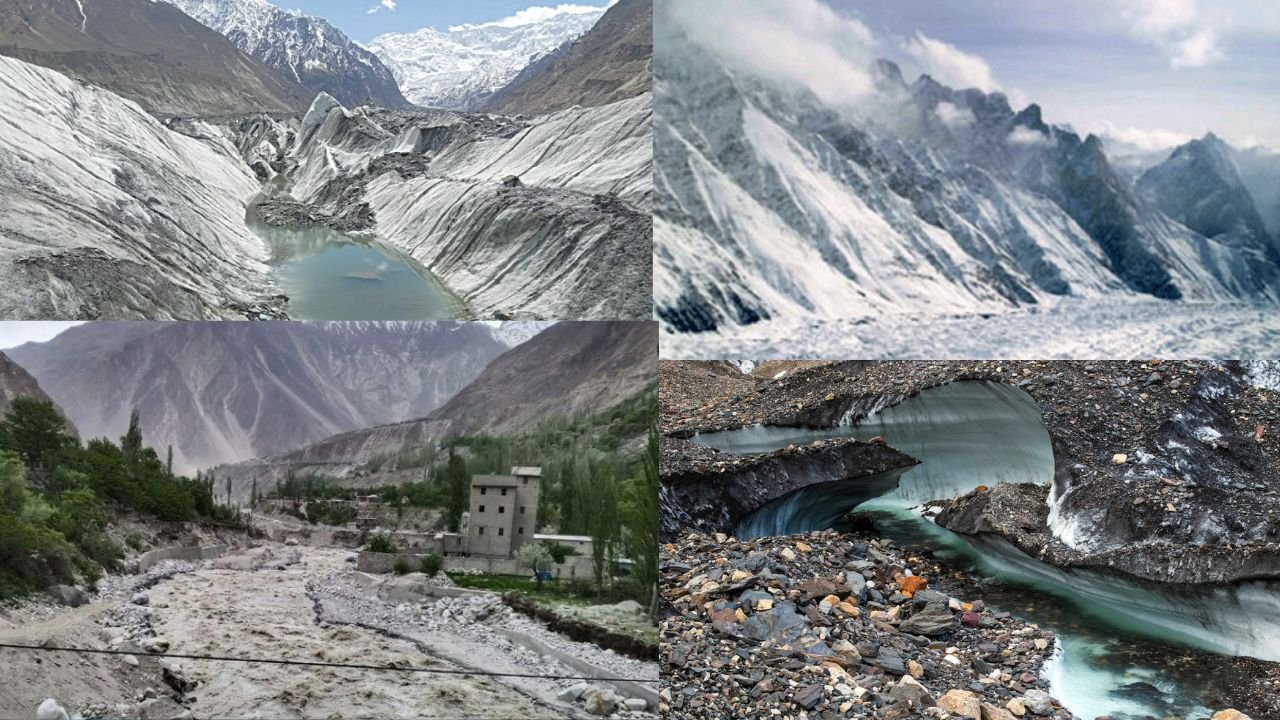
People of Gilgit-Baltistan have been warned of possible Glacial Lake Outburst Floods (Glof) events and floods this week due to the rising temperature in the region.
Pakistan Meteorological Department on Monday alerted local authorities that daytime temperatures in GB and Khyber Pakhtunkhwa are expected to remain four to six degrees Celsius, higher than normal, between May 21 and 27.
Wind and thunderstorms are also expected in this time span, reports Dawn.
Glof and flash floods are likely to affect vulnerable snow-covered and glaciated areas of Gilgit Baltistan and the Chitral district of Khyber Pakhtunkhwa.
Local authorities have asked people living near glaciers should take precautionary measures. Tourists have also been advised to be careful during rain.
In 2022, flash floods and Glofs hit many villages in the Hunza, Nagar, Ghizer, Astore, Skardu, and Gilgit districts of GB.
Elections in India are entering the last phase, with polling in Mumbai on Monday. While there was a buzz surrounding celebrities coming out to vote in India’s tinsel town, complaints of celebrities and journalists not being able to vote surfaced. It was overwhelmingly stated that their name was not on the voting list while they have been voting for decades.
Actress Vidya Maladev, famous for her role in Netflix series Mismatched complained about what she said was really “upsetting” as she was not able to vote because she could not find her name in the voting list.
Actress Vidya Malavade shared her experience of voting today.
She could not vote because her name was not in the list. More than 1 lakh people from each constituency faced the same situation. Anything to expect from @ECISVEEP ? pic.twitter.com/92Nf9bf1qr
Famous singer and musician Amit Trivedi also posted a video with the caption, “Voting is our constitutional right. Today I was denied that right and I feel helpless.”
Voting is our constitutional right. Today I was denied that right and I feel helpless
Actress and model Gauhar Khan vented out her frustration of being denied the right to vote in a video where she was seen saying, “Why do we have Adhaar Cards (voting cards) when we are not considered citizens enough.”
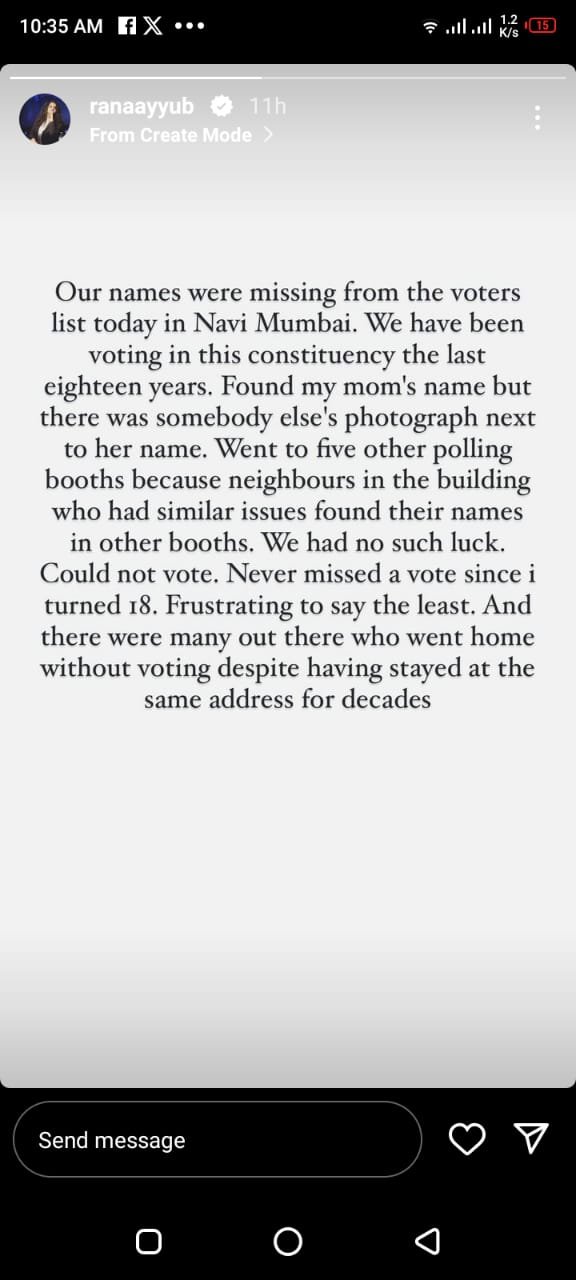
Journalist Rana Ayyub, who is also vocal about intolerance in India towards Muslim community, posted an Instagram story stating that she went with her family to vote and their names were missing from the voters list in Nayi Mumbai area despite the fact that they have been voting in this constituency for the last eighteen years. “Never missed a vote since I turned 18. Frustrating to say the least.”
Producer and Entrepreneur Gayatri Pahlajani posted on X, “After having voted in not one but four general elections, my name has been struck off the voting list.”
After having voted in not one but four general elections, my name has been struck off the voting list. @ECISVEEP@SpokespersonECI could you help, please?
— Gayatri Pahlajani (@TheChiefSneeze) May 20, 2024
Reports of low voting turnout in many states have emerged in Indian media.
Muslims not able to find their names in the voting list made rounds on social media during the elections in Gujrat, Prime Minister Narendra Modi’s home state.
Haroon Khan posted on May 6 that the names of 575 Muslim fisherman in Gujrat were deleted from the voters list. “Is this beginning of a “Hindu Rashtra” by snatching voting rights from Muslims?”, he posted.
575 Muslim fishermen in Gujarat’s Devbhoomi Dwarka district will not be able to vote as their names were deleted from the voter list.
Is this beginning of a “Hindu Rashtra” by snatching voting rights from Muslims? pic.twitter.com/VgMEZkTxTd
Journalist Radhika Bordia posted a video of a Muslim man from UP who was denied the right to cast a vote as his name wasn’t missing from the voting list.
Have been looking at polling around Chharra in the Hathras Lok Sabha seat in UP. Registered voters, many of them Muslims, have found their names missing at a number of polling stations. Here’s one testimony: pic.twitter.com/xkVShS5xzZ
Videos of both Muslim women complaining about their voting cards being downplayed as fake and them being dragged by the same police to not allow them to vote also emerged.
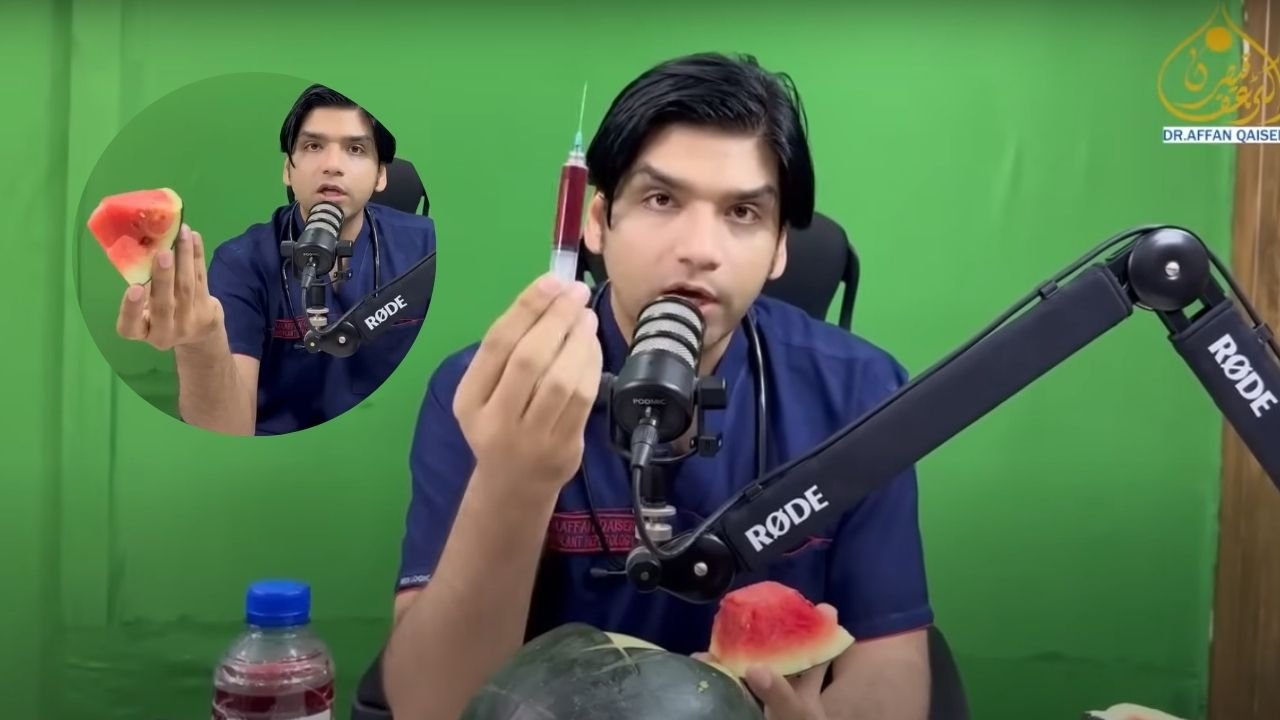
Dr. Affan Qaiser, a doctor from Multan is known on social media for videos that are usually part social commentary and many times, factually incorrect.
In his latest video, he raised the issue of “adulterated watermelons” i.e. injecting watermelons with chemicals in order to give them the red colour that consumers accept as a sign of the fruit being sweet.
The video was followed by criticism as people debunked the supposed myth — particularly farmers.
One farmer pointed out that today, in the age of social media, everyone is a supposed expert in everything, adding that while Dr. Qaiser gives his two cents on everything, he doesn’t realise how his claims can be detrimental for certain people.
He also said that Qaiser should instead focus on his profession i.e. doctor, and talk about the exploitation by medical labs and pharmaceutical companies instead of farmers.
A couple days later, Dr. Qaiser released another video, justifying his claims with online articles while also pointing that he never put the blame on farmers.
Who is Dr. Qaiser?
Dr. Affan Qaiser and his partner-in-crime – his wife, Nazish Butt -are widely followed on social media.
As internet personalities, apart from explainers, they also host podcasts and interviews.
Time and again, people have criticised Dr. Qaiser for having a holier-than-thou attitude while being hypocritical all the same. For example, he persistently and strongly disapproves eating out in efforts to encourage a healthy diet yet simultaneously, he and his wife have often been seen at restaurants.
But he is mostly known for his criticism of the widely loved Pakistani snack: samosa.
According to Dr Qaiser, the samosa is an “atom bomb of 400 calories”, and that samosas are fried in poor quality oil.
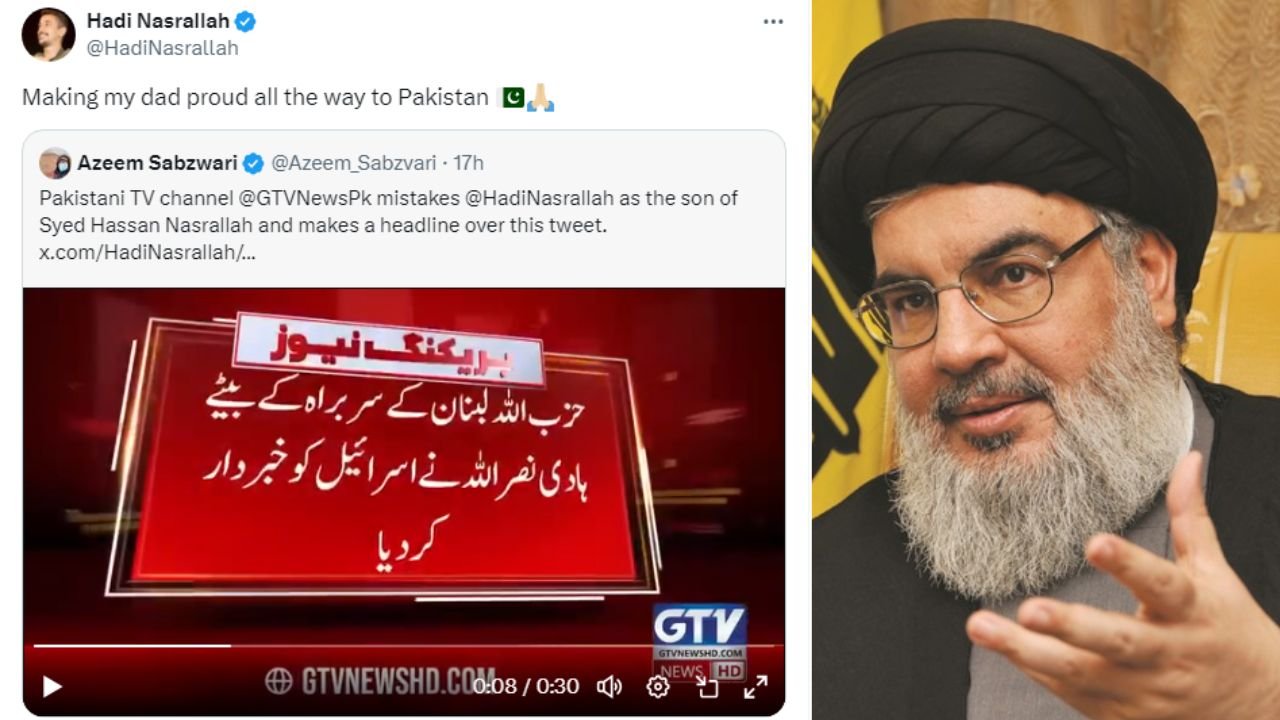
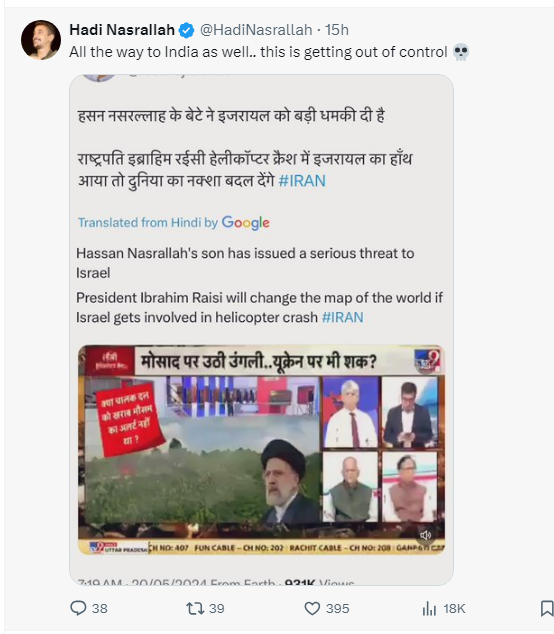
Private news channel GTV made a hilarious mistake as they shared a tweet as a statement from a Hezbollah leader’s son; whereas the tweet was actually from a common netizen on Twitter.
GTV mistook netizen Hadi Nasrallah as the son of Hezbollah leader Syed Hassan Narallah and this has unleashed a laughing riot on Twitter.
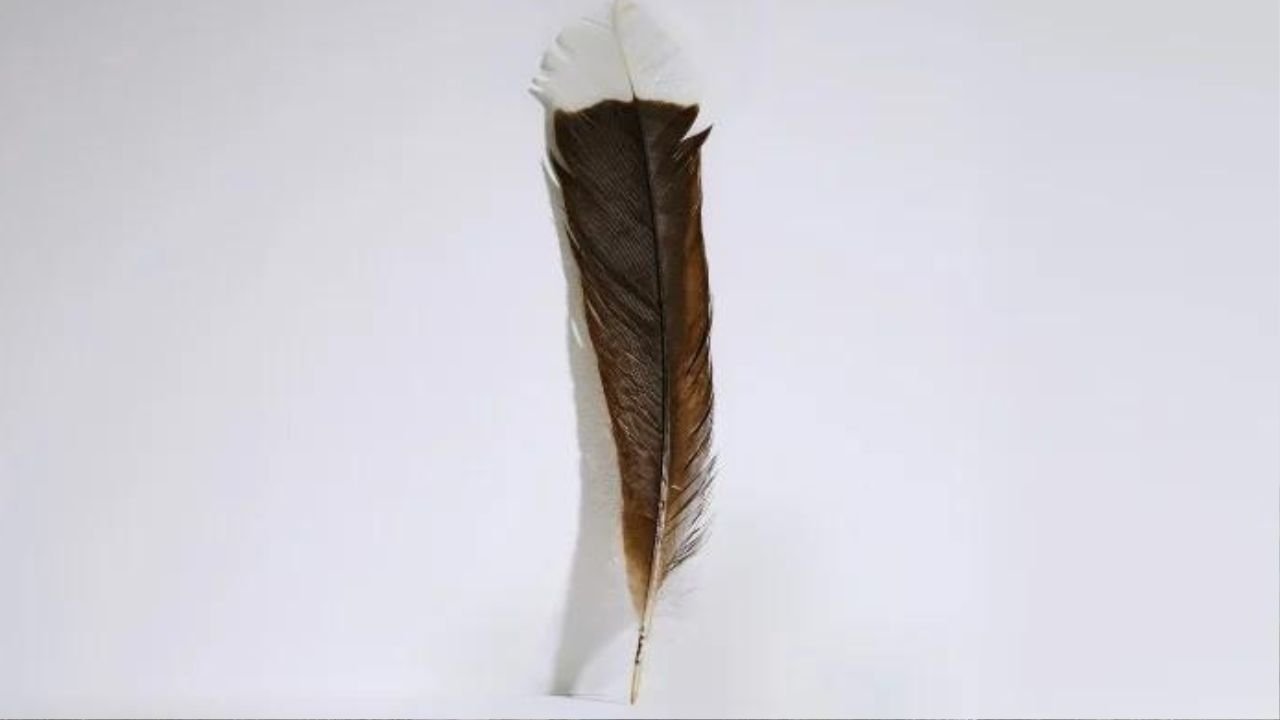
An ancient bird’s feather has been auctioned for a whooping USD 28 thousand 365 (more than PKR 79 lakh).
The feather of the Huia bird of New Zealand has earned the title of the most expensive feather in the world. The bird was known for its chirping and had black and white stripes on its tail.
It was last seen in 1907, but scientists believe it went extinct in the 1920s.
However, on Monday, 116 years after the last confirmed sighting of the bird, the huia feather was sold at Webb’s Auction House in Auckland.
The auction house did not release details of the person who bought the feather, only saying that the person is from New Zealand.
The bird is an extinct species now and when it was put up for auction, it was expected to sell for $2,000 to $3,000.
Going beyond expectation, it broke the record of $8,400 that was set in 2010 that too with a bird’s feather.
The one that has been auctioned now weighs 9 grams and thus has become more valuable than gold because the price of one gram of gold is 127 dollars while the price of one gram of silver is 5169 dollars as per The Guardian.
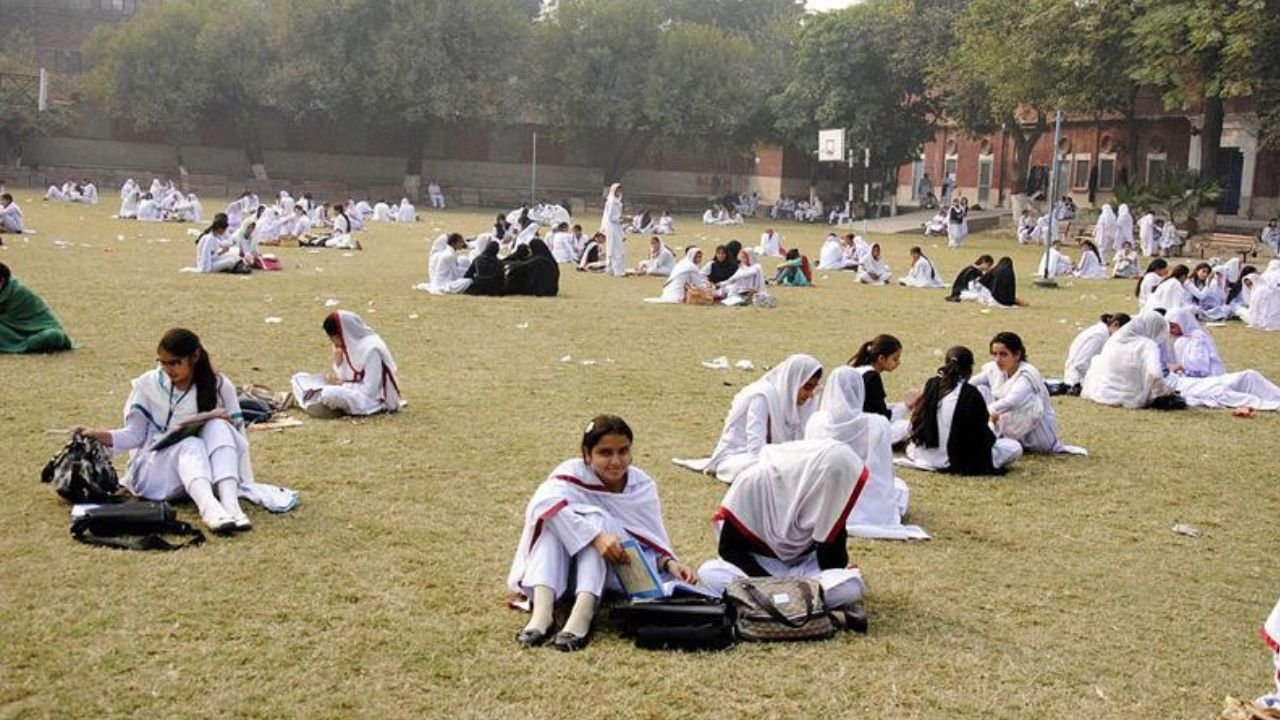
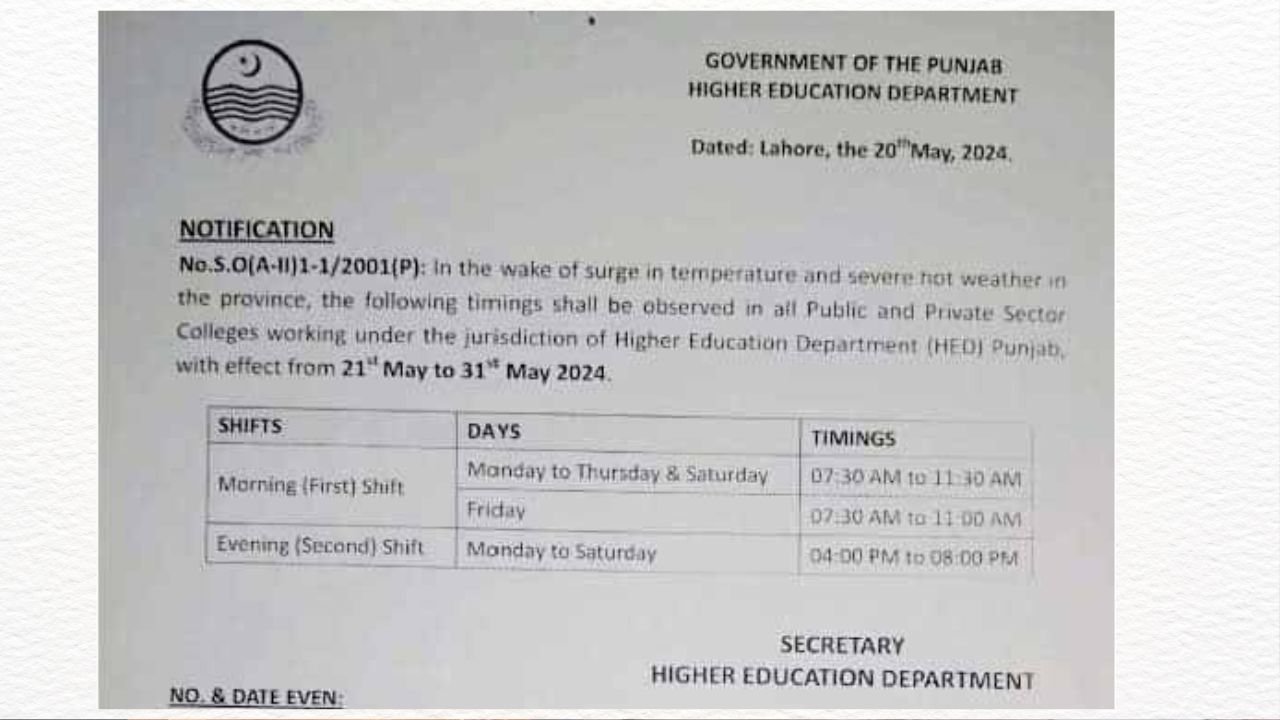
Working hours of colleges in Punjab have been changed as the prevalent heatwave intensifies across the province.
Department of Higher Education Punjab has announced that from May 21 to 31, colleges will be open from 7:30 am to 11:30 am and on Fridays from 7:30 am to 11:00 pm, while the second shift of colleges will be from 4:00 pm to 8:00 pm.
Provincial Disaster Management Authority Punjab has issued a heatwave alert from May 21 to 27 and the district administration has been directed to create awareness through a helpline, announcements in mosques, and media.
The Health Department is directed to set up special counters in hospitals, ensure the availability of medicines, and cancel the leave of doctors and paramedical staff.
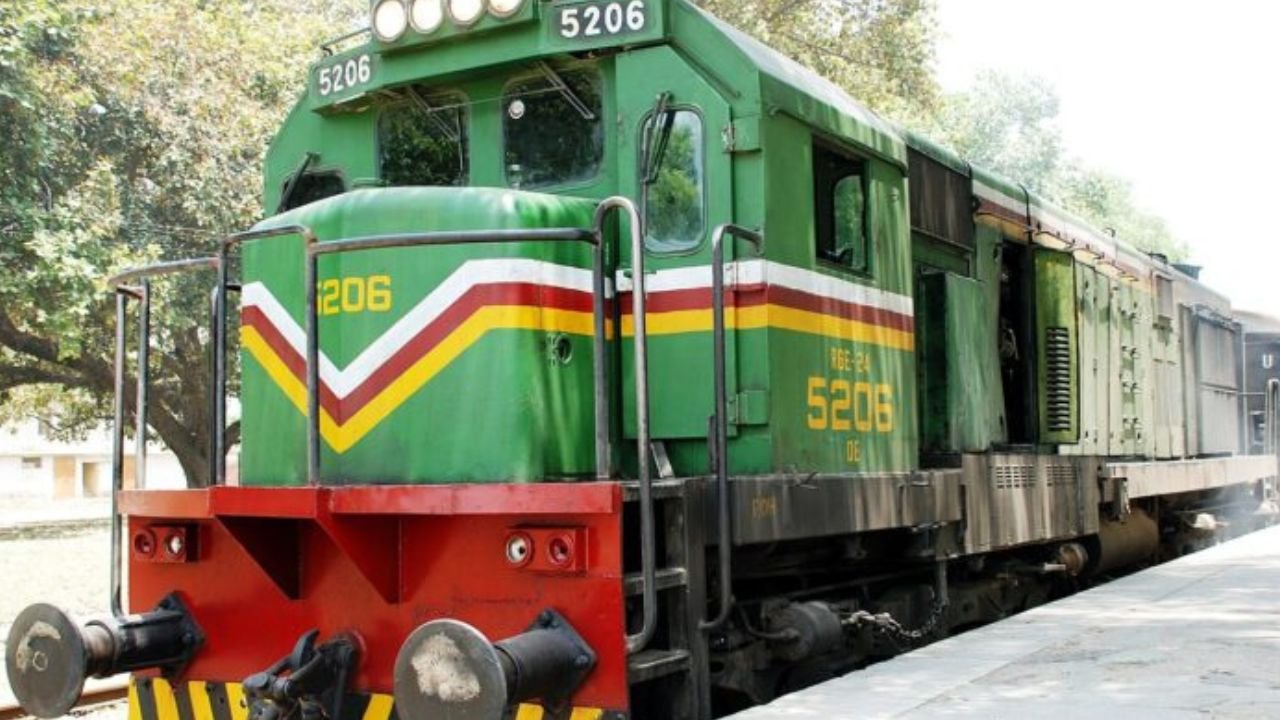
Railway authorities have reportedly reduced train fares from one kilometer to 200 kilometers following the decrease in price of diesel.
According to the notification, the fares of all classes of trains have been reduced.
Prices for economy class of some trains have been reduced by up to 54 per cent; whereas the AC class fares have been reduced by 40 per cent.
The minimum fare of the train railcar economy class running between Lahore to Rawalpindi route was 250 rupees, which has now been reduced to 100 rupees.
Similarly, the fare of Khyber Mail Train economy class from 1 km to 130 km was also Rs 250 which has been reduced to Rs 100.
The decision has been taken to facilitate passengers traveling in trains on short duration routes.
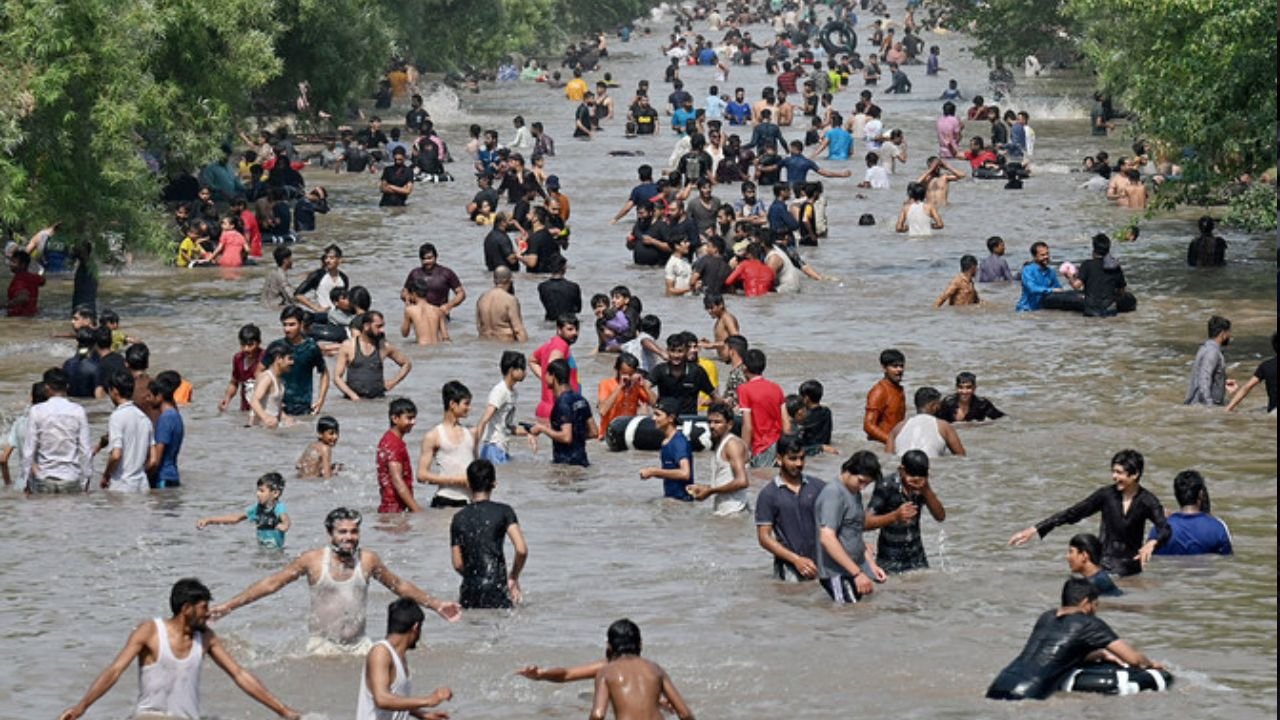
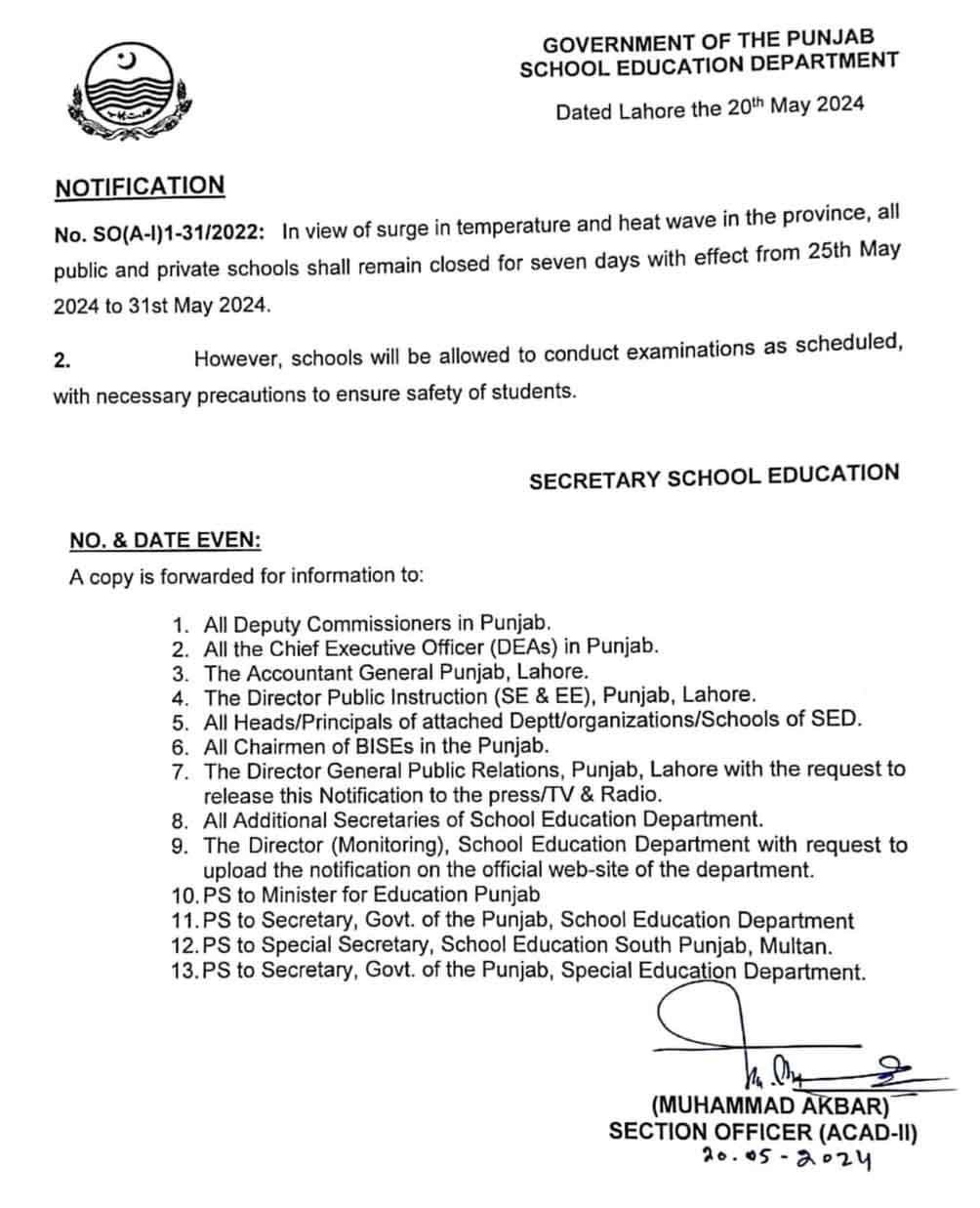
As a stifling heatwave gains strength across Pakistan, the Punjab government has decided to shut down all schools across the province for a week while Sindh has decided to postpone matric exams.
A notification issued by the Government of Punjab states that due to the heat wave, a seven-day-long holiday has been announced in schools. Therefore, schools will remain closed from May 25 to May 31. However, schools that are carrying out exams will be allowed to continue.
PDMA Punjab had issued alerts earlier that the heat wave will span across Punjab from May 21 to 27.
Karachi
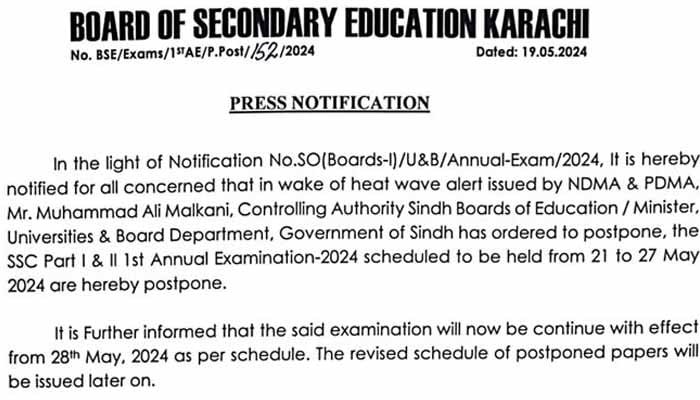
Class 9th and 10th exams have been postponed in Karachi due to a possible heat wave.
The Board of Secondary Education has announced that there will be no matriculation board papers between May 21 and 27.
On the orders of the Minister for Education Boards and Universities, the Matriculation Board Karachi exams have been postponed and now the Matriculation Board exams will be held from May 28 as per the schedule.
Although the Intermediate exams were postponed earlier, now the Inter exams will start from May 27 instead of May 22.
The plains of Punjab and Sindh are in the grip of intense heat and a heatwave alert has also been issued by the Meteorological Department.
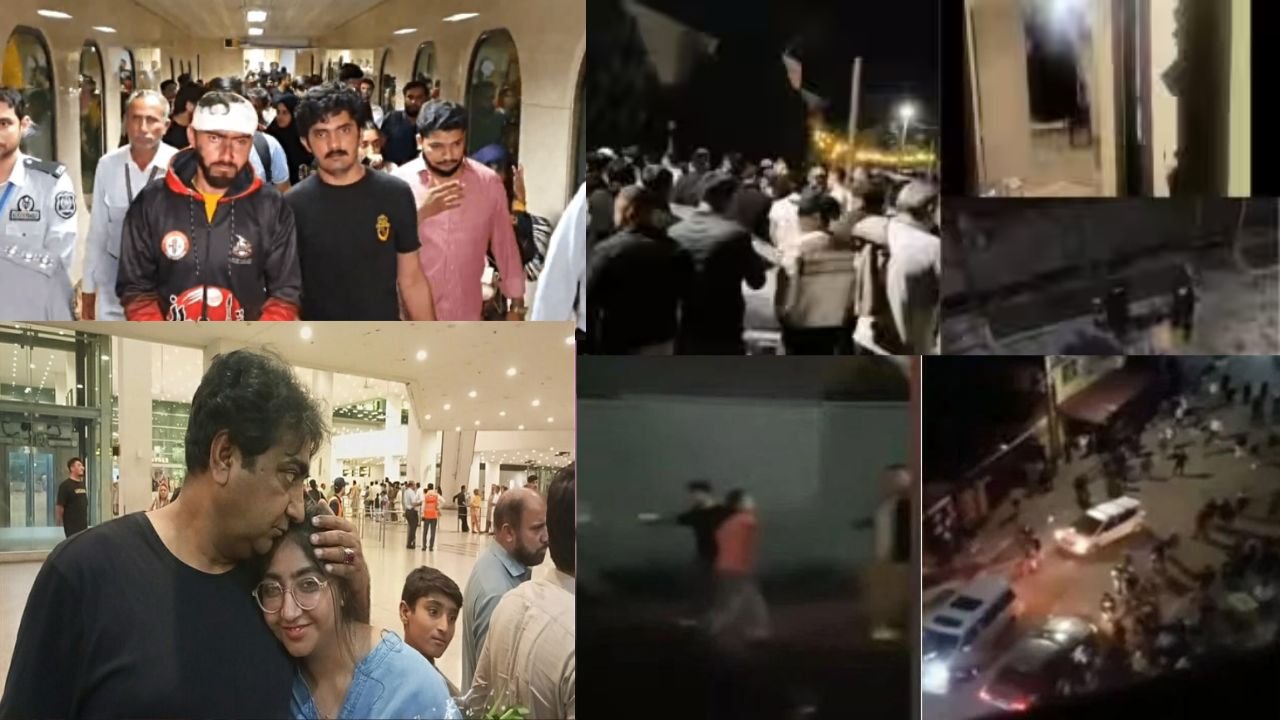
Over 350 Pakistani students have landed in Lahore and Islamabad from Bishkek, Kyrgyzstan.
Two of the three special flights landed at the Islamabad and Lahore airports on Sunday night, with 180 students on board each plane. The third plane was also expected to land later in the night.
At the Islamabad airport, the students who arrived were welcomed by federal minister Musadik Malik while in Lahore, the students were greeted by Information Minister Attaullah Tarar.
The Civil Aviation Authority had set up an immigration desk and provided transport to the students on arrival.
As per the instructions of the PM, the federal government will bear the expenses for these special flights.
Ishaq Dar downplayed mob violence
Foreign Minister and Deputy Prime Minister Ishaq Dar — who put off his trip to Kyrgyzstan — downplayed the mob violence saying the situation in Bishkek was normal and there was no need to panic.
According to Ishaq Dar, 16 foreign students, including “four or five” Pakistanis, were injured in the violence.
FM Dar said that the government would cover the expenses of Pakistani students wishing to return home as 540 students would take three flights to return on Sunday. He said as many as 11,000 Pakistani students were studying in Bishkek, and those returning would be fully facilitated.
He quoted the Kyrgyz foreign minister as saying that the incident in Bishkek was due to a “misunderstanding”.
Students say all is not well
Many students on social media said that the embassy was not providing any help and that the situation in Bishkek was still bad. They said that the foreign students were attacked by Kyrgyz students and locals, adding that they were not even safe on the roads.
Balochistan students ‘ignored’
In Balochistan, Sajid Hussain, an educationist, claimed that the government had taken no steps to bring back at least 300 students from Balochistan stranded in Bishkek.
“Over 300 students from Balochistan are also studying in Kyrgyzstan but they have not been brought back,” Mr Hussain said.
His son and daughter are studying at the Asian International University in Kyrgyzstan along with five other students enrolled there.“I am in contact with my children,” he said, adding that no steps had been taken for the return of Baloch students.
He claimed that the federal government was repatriating students from other provinces and that parents of students from Balochistan were being asked to pay Rs100,000 for each student.
He appealed to Balochistan’s government officials to take notice of the situation and make special arrangements for the province’s students. CM Bugti has reportedly established a special desk in this regard, reported Dawn.
“To reach the students, the foreign ministry is in contact with the embassy of Kyrgyzstan,” the CM said, assuring “every possible assistance” for the students.
LGBTQ groups protested Friday outside Peru’s health ministry after the government issued a decree listing transsexualism as a mental disorder.
“It is a decree that takes us back three decades,” said Jorge Apolaya, spokesman of the Collective Pride March, a Lima-based rights group.
“We cannot live in a country where we are considered sick,” he said.
Transgender people are those who reject the sex they were assigned at birth. Some opt for surgical or medical intervention.
The government on May 10 updated its list of insurable health conditions — which since 2021 has offered benefits for mental health treatment — to include services for transgender people.
In the decree, the health ministry describes the condition as a “mental disorder” — an obsolete term long officially abandoned by the World Health Organization.
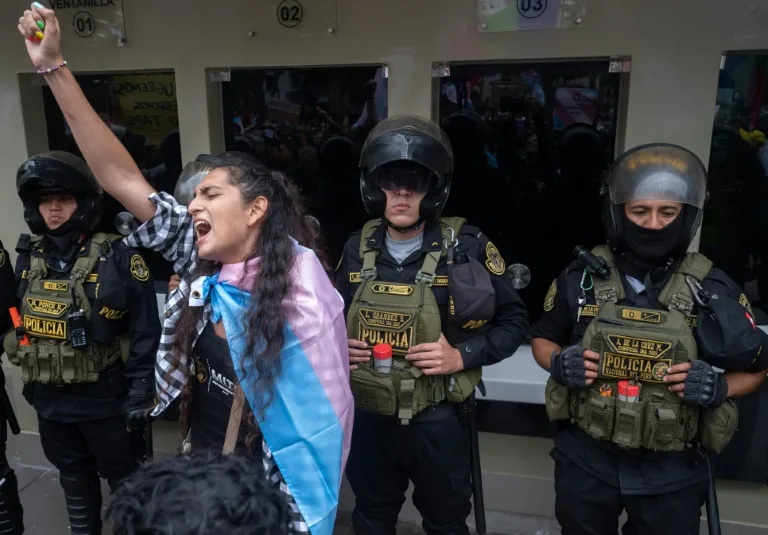
More than 200 activists gathered outside the health ministry to demand the revocation of the decree on Friday — the International Day Against Homophobia, Biphobia and Transphobia.
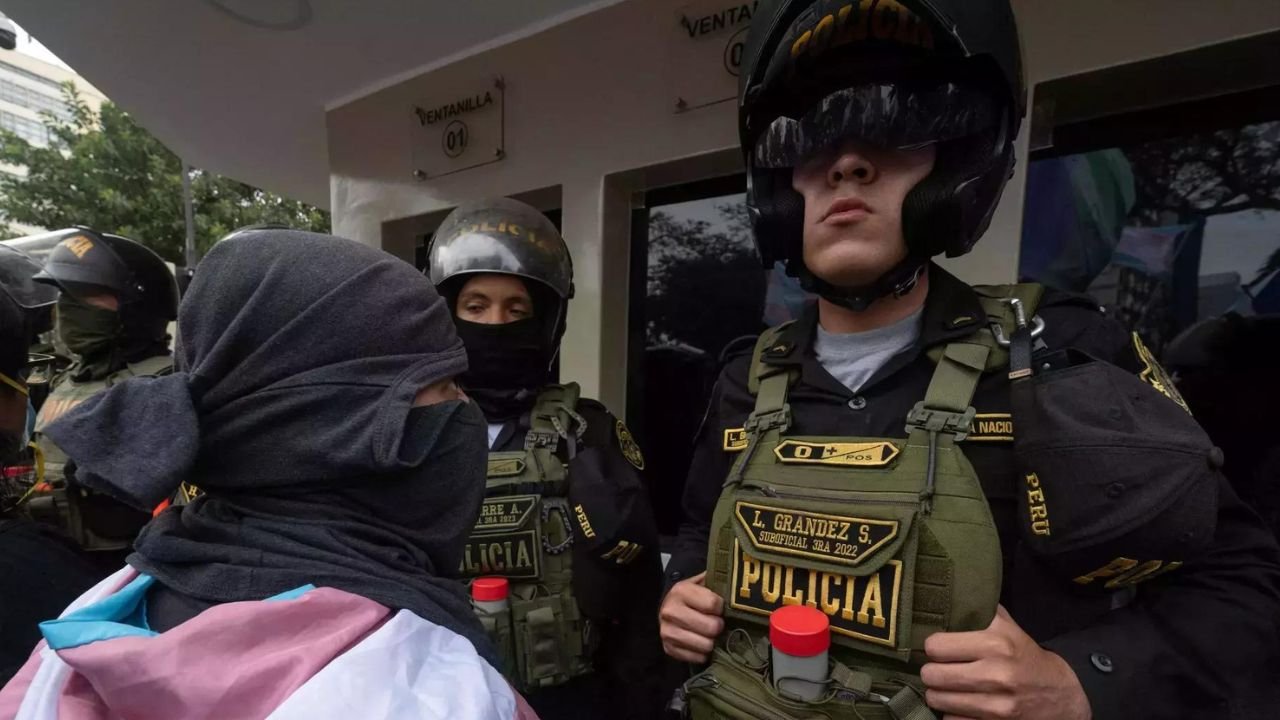
Police guard the entrance of Peru’s Ministry of Health during a protest staged by LGBTQ groups against a new government decree listing transsexualism as a “mental disorder” (Cris BOURONCLE)
“It is a regulation that violates us … they are positioning us as sick people, as if we have a problem,” said 25-year-old Afrika Nakamura.
With slogans like “It’s not a disease, it’s diversity!” and “We are trans and we are not sick,” the protesters blocked the busy avenue in front of the ministry for a few hours.
No clashes with police were reported.
“We demand the repeal of this transphobic and violent decree, which goes against our trans identities in Peru,” activist Gianna Camacho of the Coordinacion Nacional LGTBIQ+ told AFP.
“We are not mentally ill and we do not suffer from any mental disorder,” she added.
The government said it would not scrap the decree.
Health ministry official Carlos Alvadrado told AFP that doing so would “remove the right to care.”
The ministry has previously insisted it does not consider gender diversity as an illness, and in a statement expressed “our respect for gender identities and our rejection of the stigmatization of sexual diversity.”
It said the decree was meant merely to extend mental health coverage “for the full exercise of the right to health and well-being” of those who want or need it.
An article on the website of Human Rights Watch describes the decree as “profoundly regressive” in a country that does not allow same-sex marriage nor for transgender people to change their identity documents.
For Percy Mayta, a medical doctor and activist, “pathologizing” transgender people “opens the door to… conversion therapy” — which UN bodies have equated to torture and is not illegal in Peru.
In its press statement, Peru’s health ministry underlined that “the sexual orientation and gender identity of a person does not in itself constitute a physical or mental health disorder and therefore should not be subjected to medical treatment or care or so-called reconversion therapies.”